Close menu
Ranking the best of African Literature

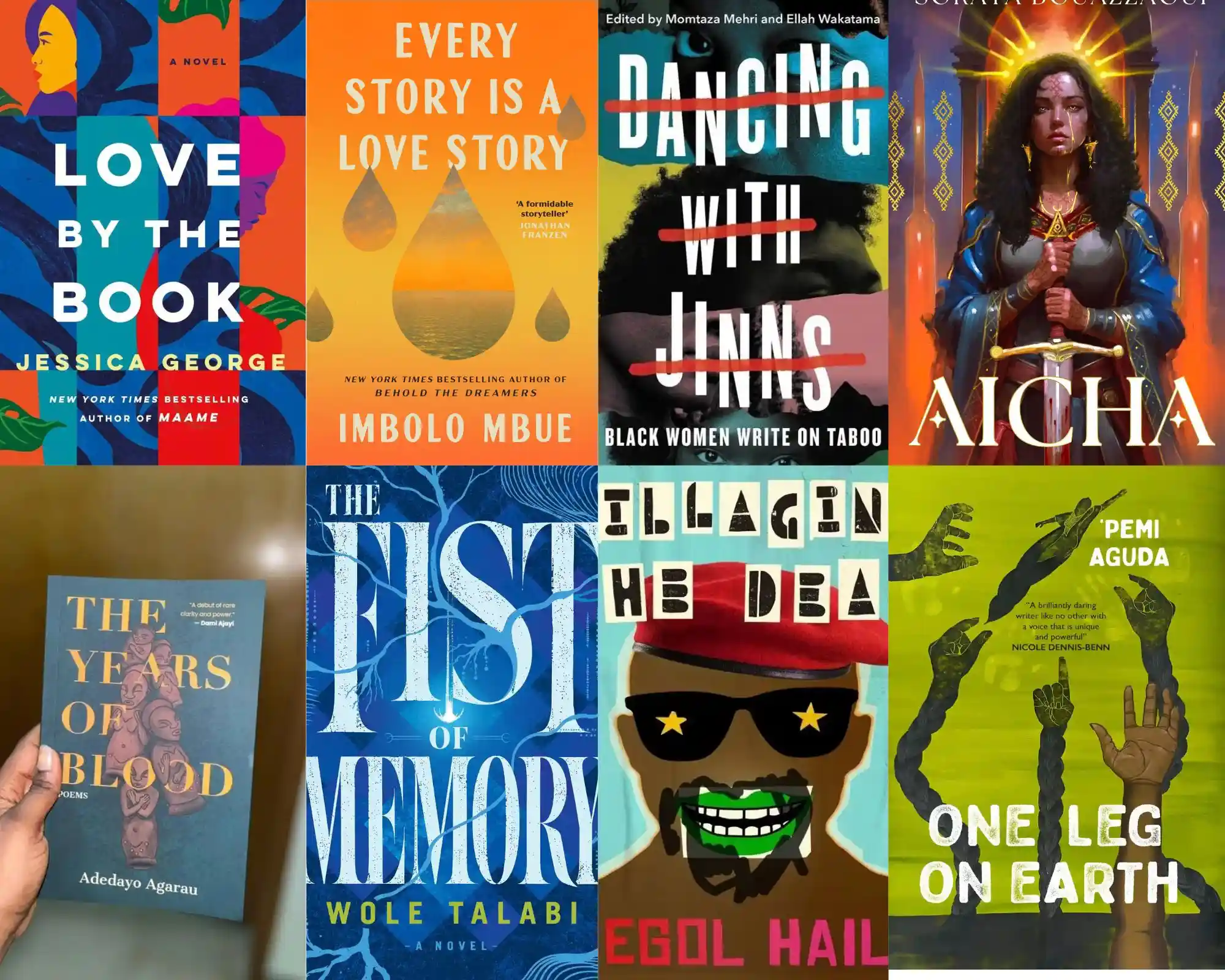



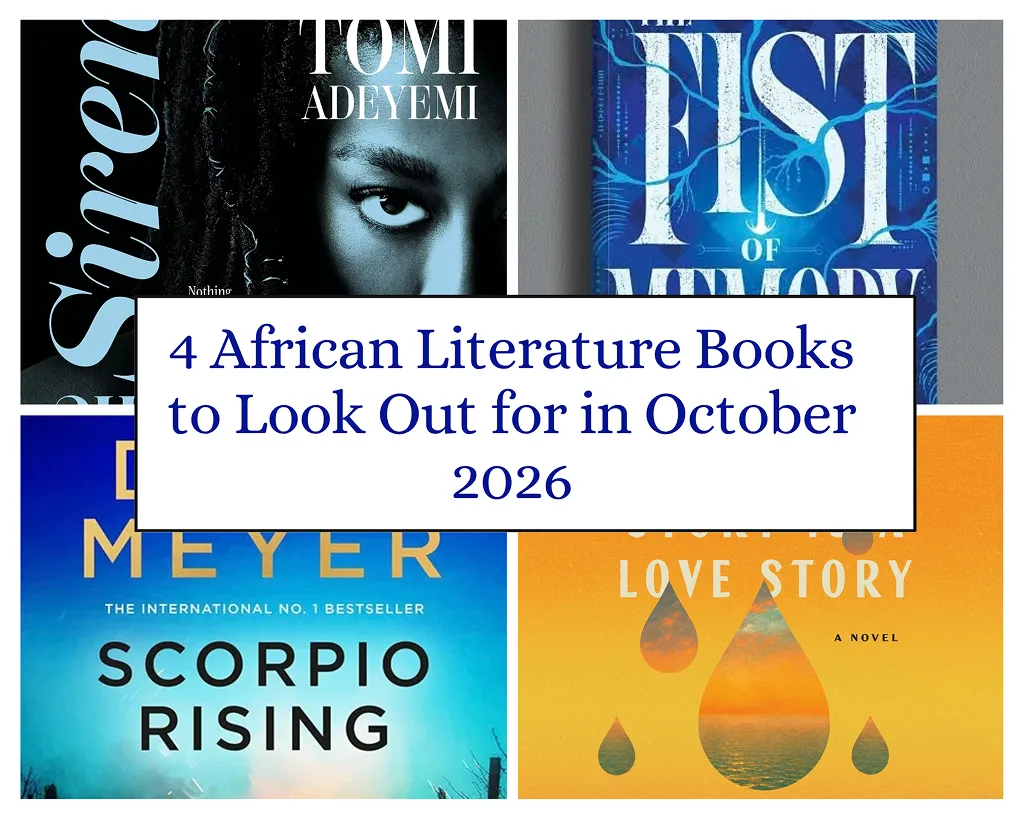




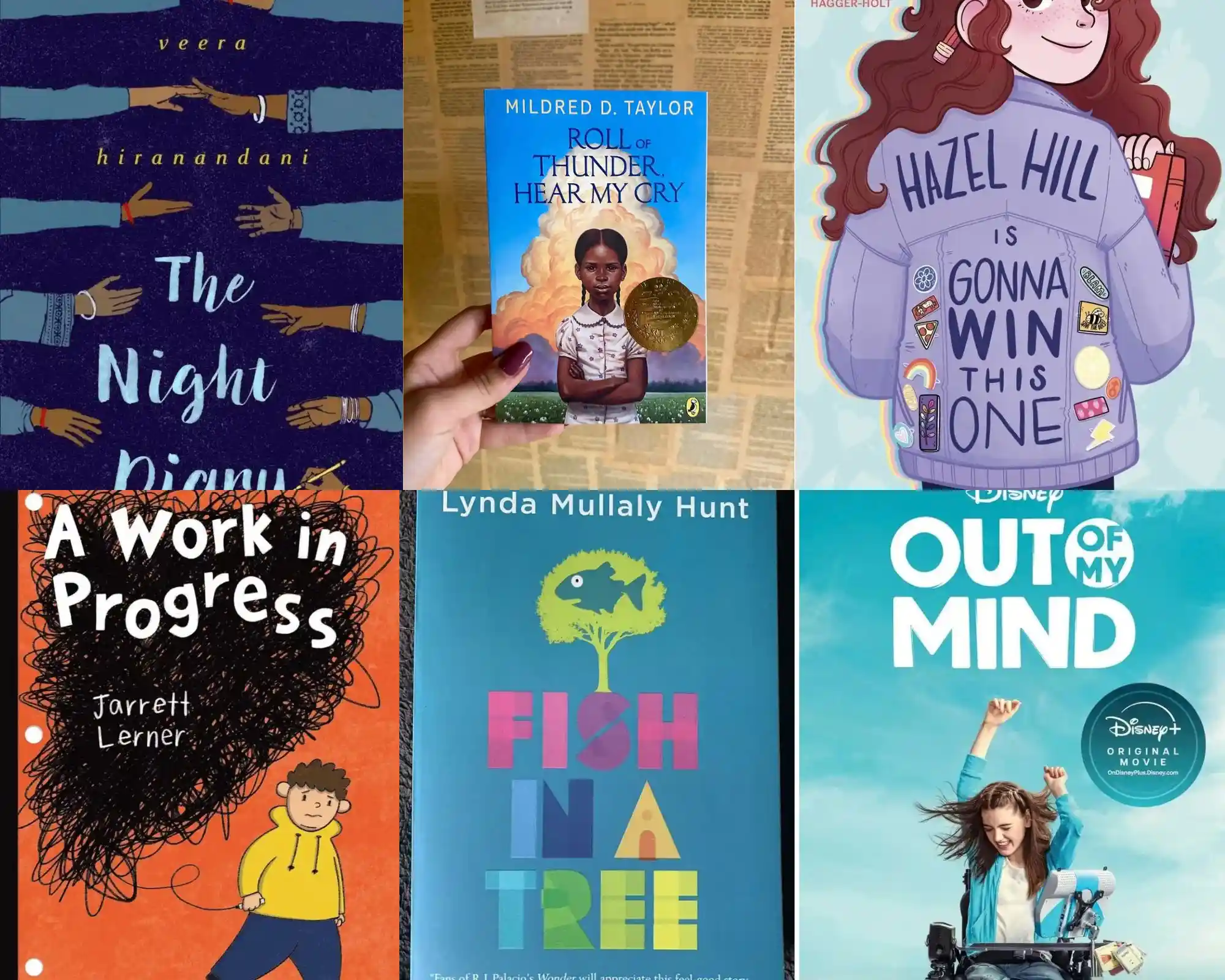



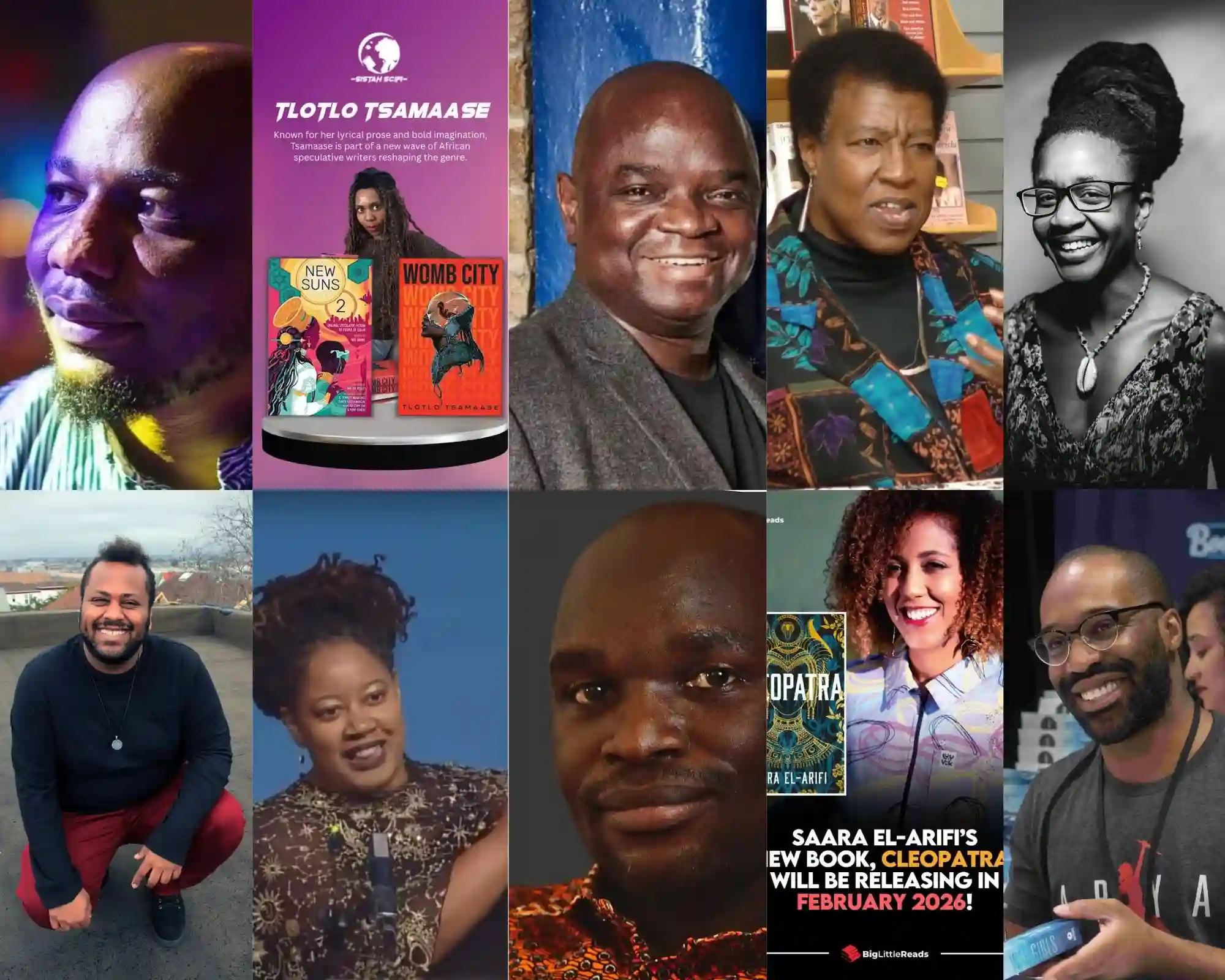
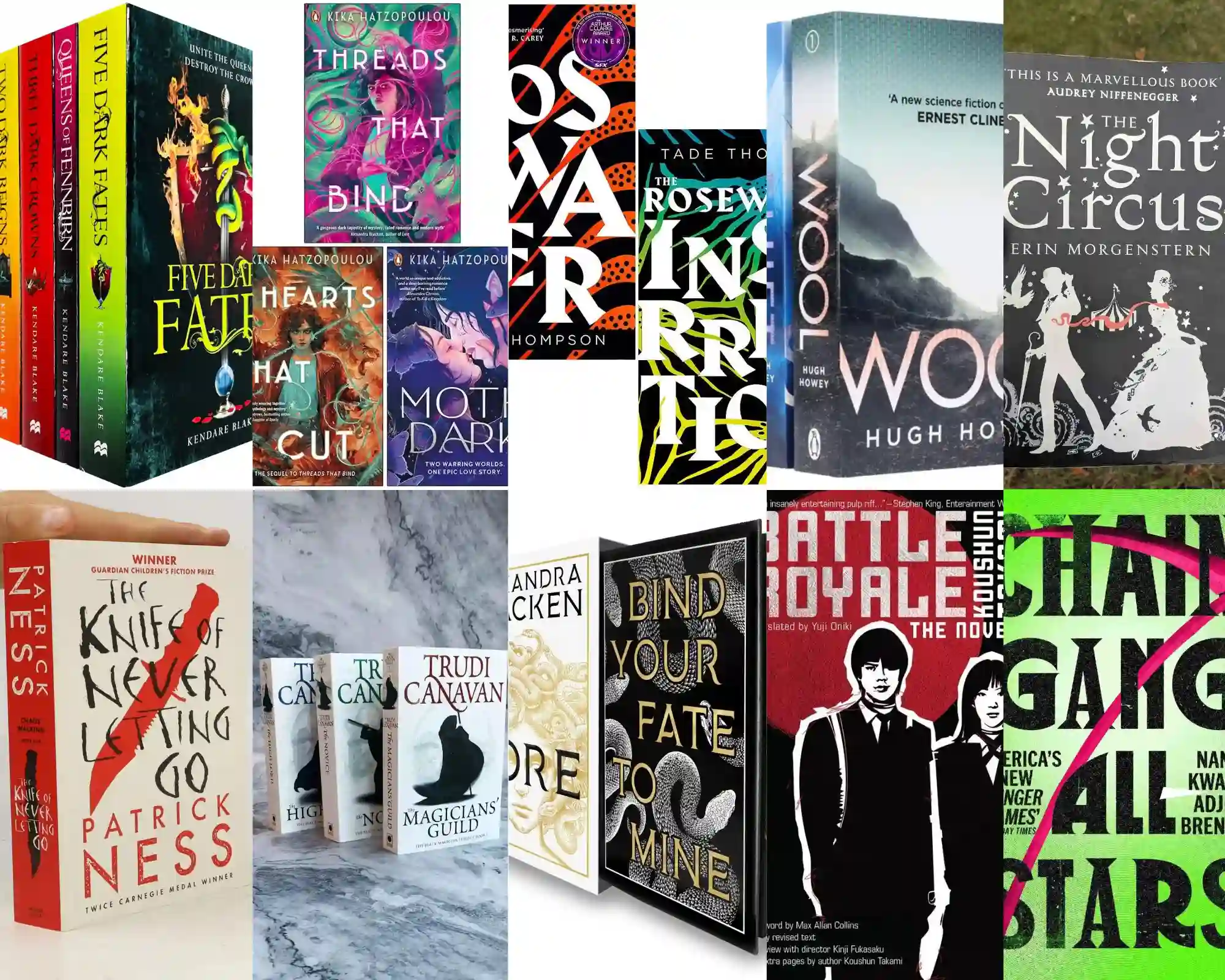





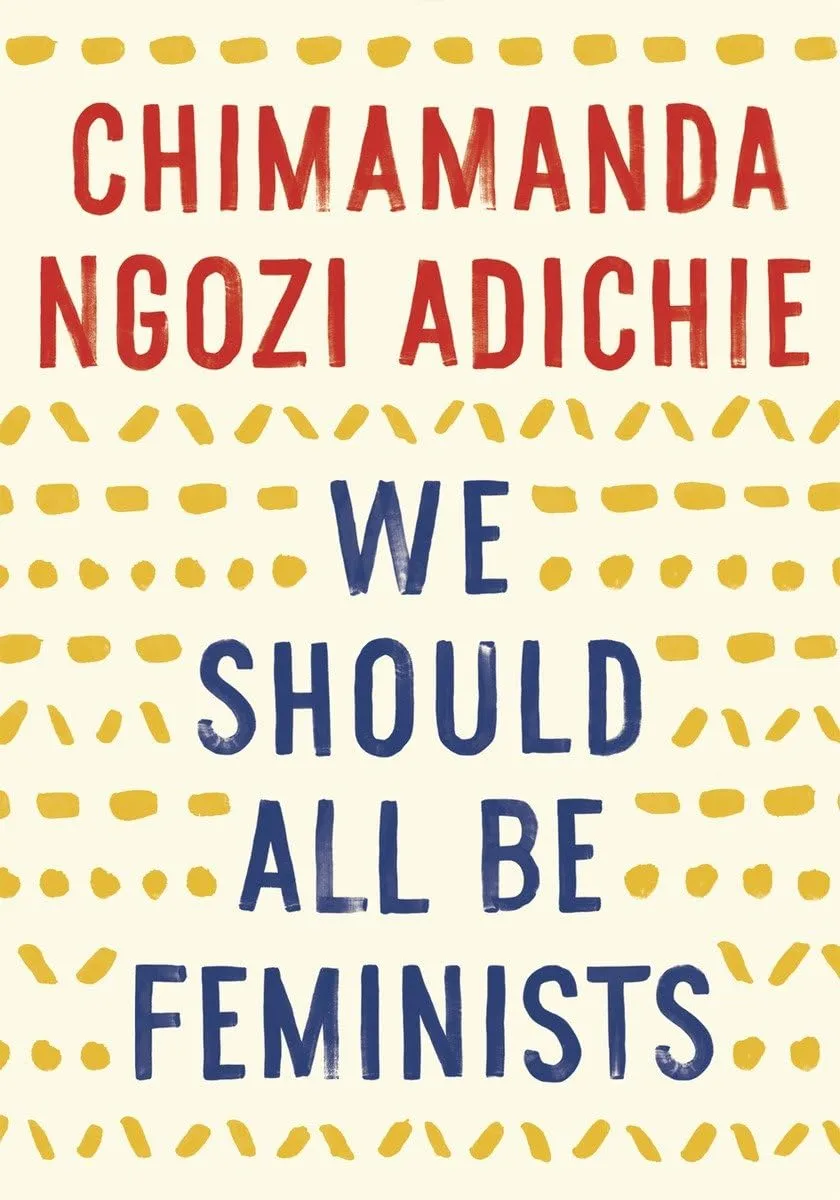
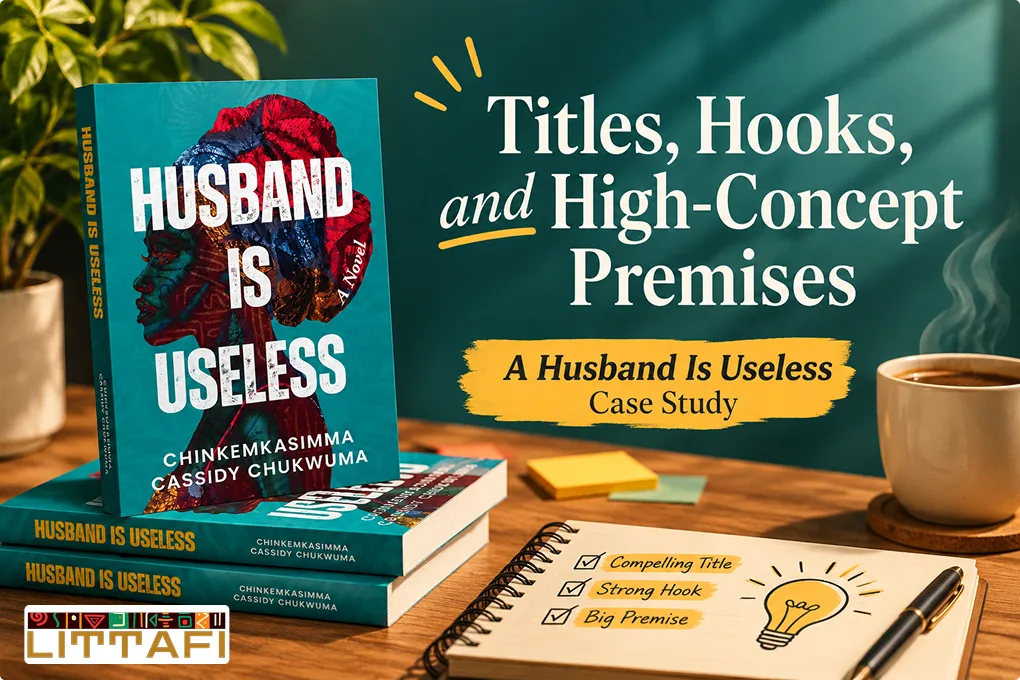

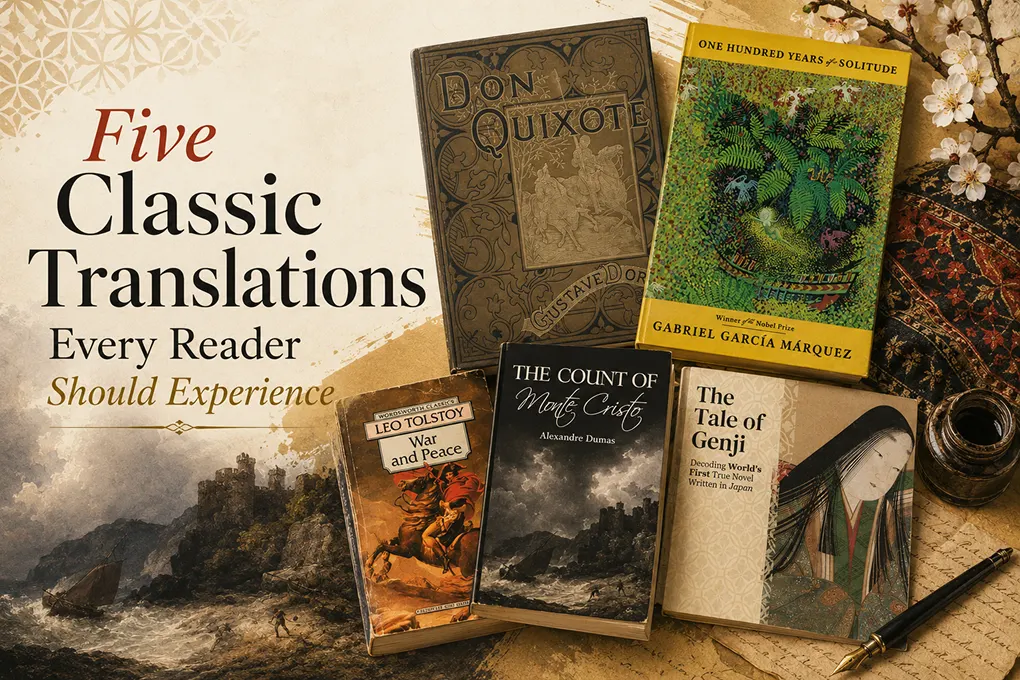

Like book covers, book titles are often a big factor for bibliophiles when choosing their next read. You’re not supposed to judge a book by its cover. But you sometimes do.
So as to not make this piece more controversial than the title already suggests, I shall refrain from naming certain books with such… dubious-sounding names.
While a book title can seem basic, it remains inestimably important to the commercial success and consumer appeal of the final published work.
Unfortunately for readers, there are no set-in-stone rules on how to name books, so there are no real standards to hold authors to.
Creative license is allowed.
However, creative license can have limits. The question is where do writers draw the line when crafting their book titles? At what point does fluff become too much fluff?
Book titles, like book covers, are part of the marketing arsenal wielded by publishers and authors to better reach a certain demographic while establishing a unique brand.
A book’s brand isn’t limited to the publishing house. It includes the writing style, book cover, naming system, and the author. Therefore, it’s impossible to see book names as anything but an extension of their writers, and the stories they tell.

When an author is known for certain themes in their plot, such as Chimamanda Ngozi Adichie and her infusion of feminism and social justice, it can affect the extent to which the audience sees their attributes in other books.
In other words, the reader approaches each book with some ready-made bias based on their experience with reading previous books. This bias applies to every aspect of the book, from the plot, characters, book cover art, and book title.
This bias partly clouds the mind of all readers, whether it’s a known, traditionally published author or independent new author whose book you’re checking out.
Although there’s no one way to name a book, writers are ultimately responsible for how their books are received. When a book is aptly named, it complements the work, making it more than just one more story to remember.
Here are some points that indicate where writers should draw the line:
Like book covers, book titles are often a big factor for bibliophiles when choosing their next read. You’re not supposed to judge a book by its cover. But you sometimes do.
Book titles have the same effect, pulling at the psyche of the consumer in several implicit ways.
What is the most significant instance of book title controversy that you’ve heard of? Share in the comments.

The Tyrant Overlord. Fantasy buff and avid football fan.
Best Films About Unexpected Age Gap Romance
Literary Awards and the Racism Card: A Wake-Up Call for Black Africa
Interview with the Vampire Relationships, Ranked
10 Top Recent Films for Action and Comedy Fans
Comma Rules Every Writer Should Know
10 Most Hype-worthy 2026 Book Releases (African Literature Version)
Five Gambling Films That Know the Bet Is Only Half the Story
Movies Where Poker Reveals Who a Character Really Is
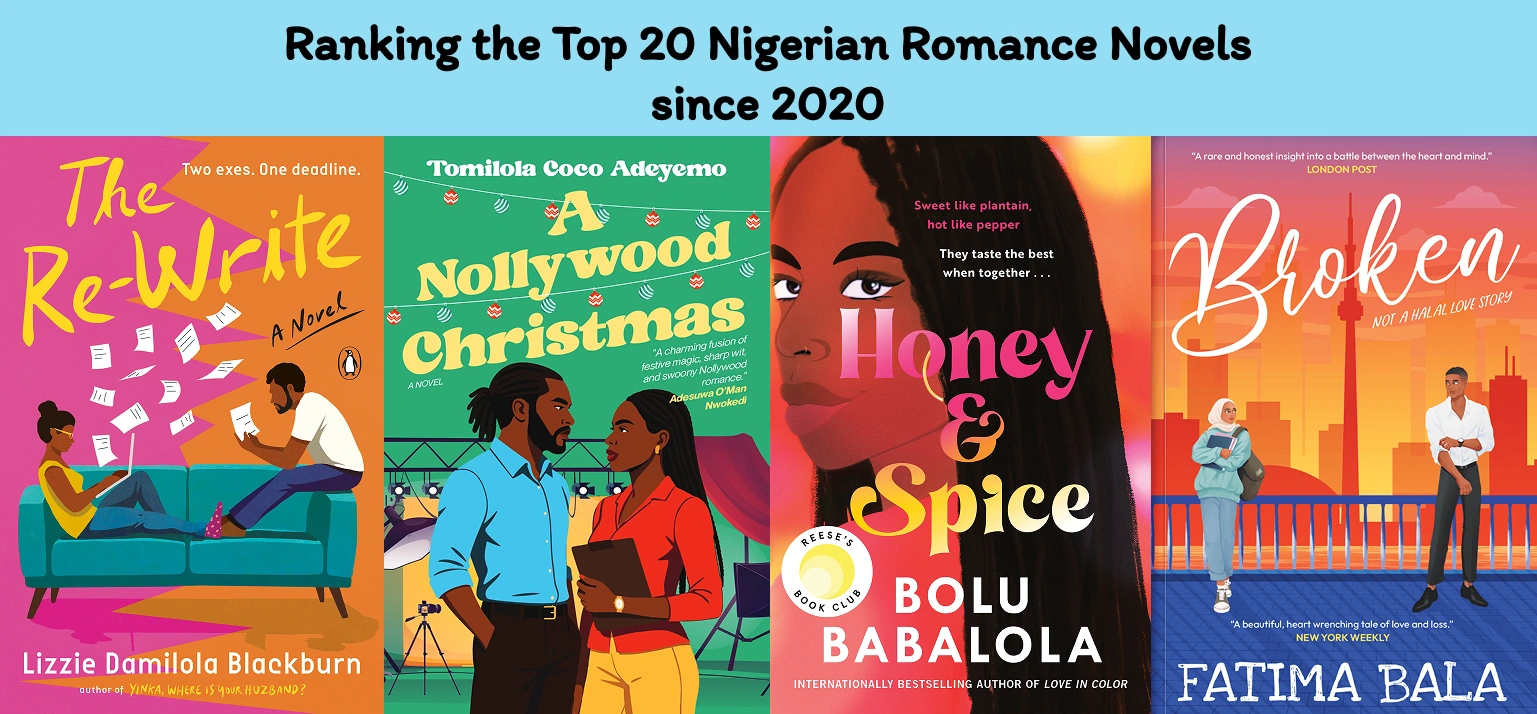
Ranking the Top 20 Nigerian Romance Novels since 2020
In Defense of Reading and Gaming
8 Third-Person Omniscient Examples for the Plot
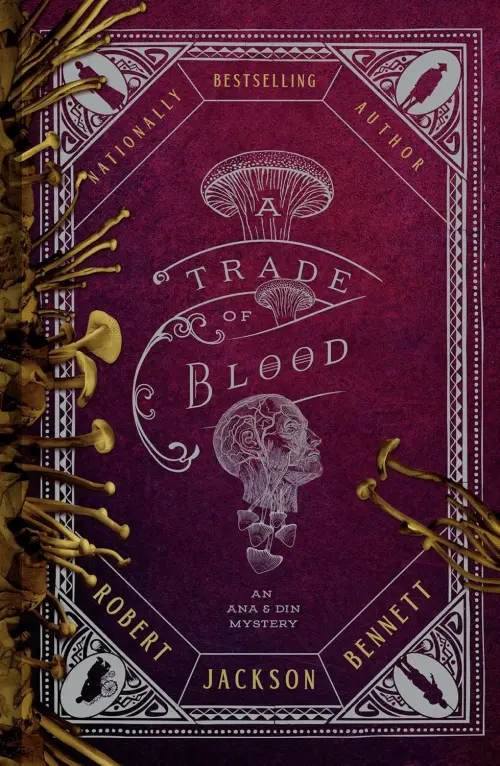
A Trade of Blood (Ana and Din Mysteries #3) by Robert Jackson Bennett
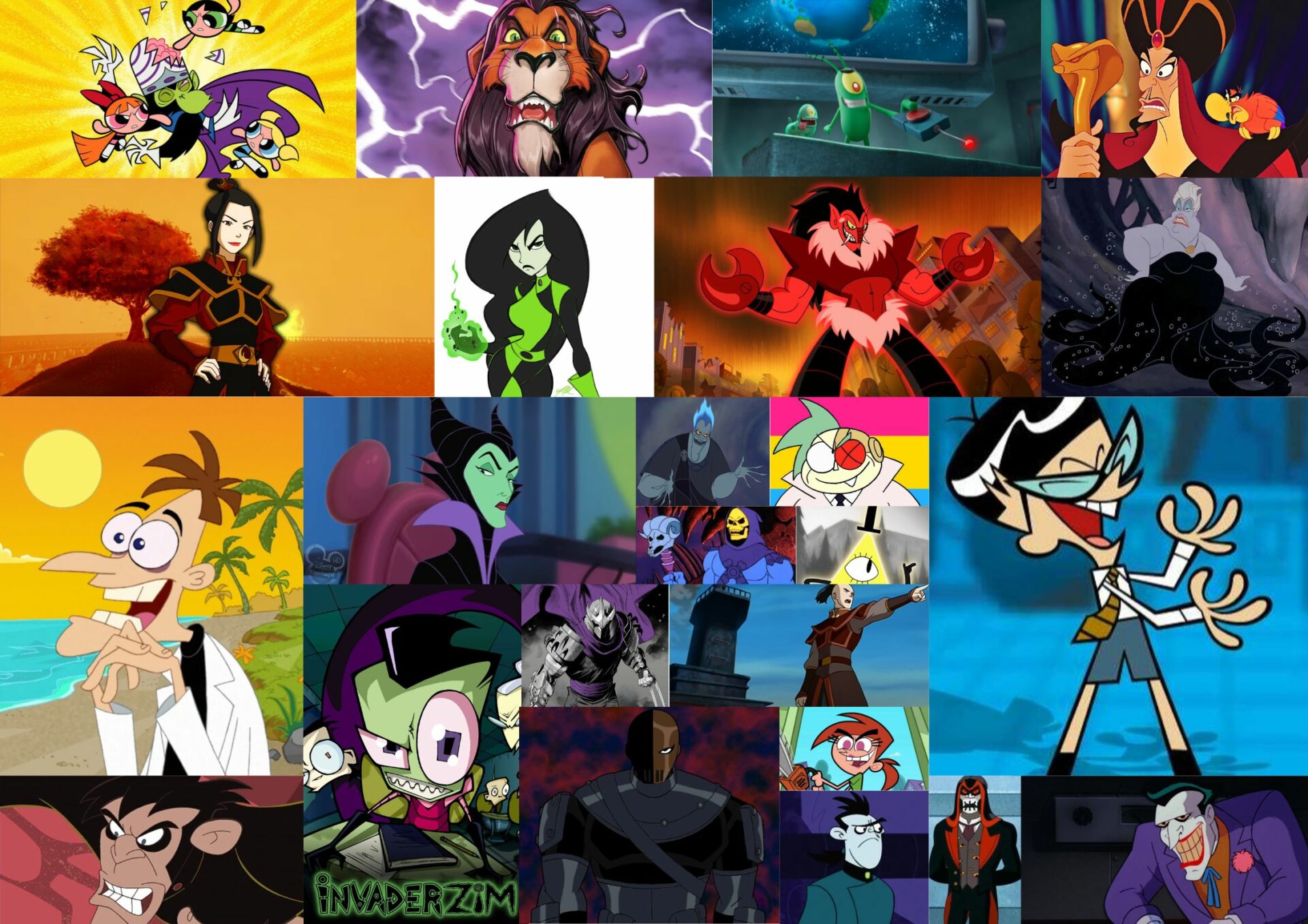
July 20, 2025 .
Animation, Lists
Our list rounds up the top 30 cartoon characters that were villains, each one more wonderfully wicked than the last.
READ MORE
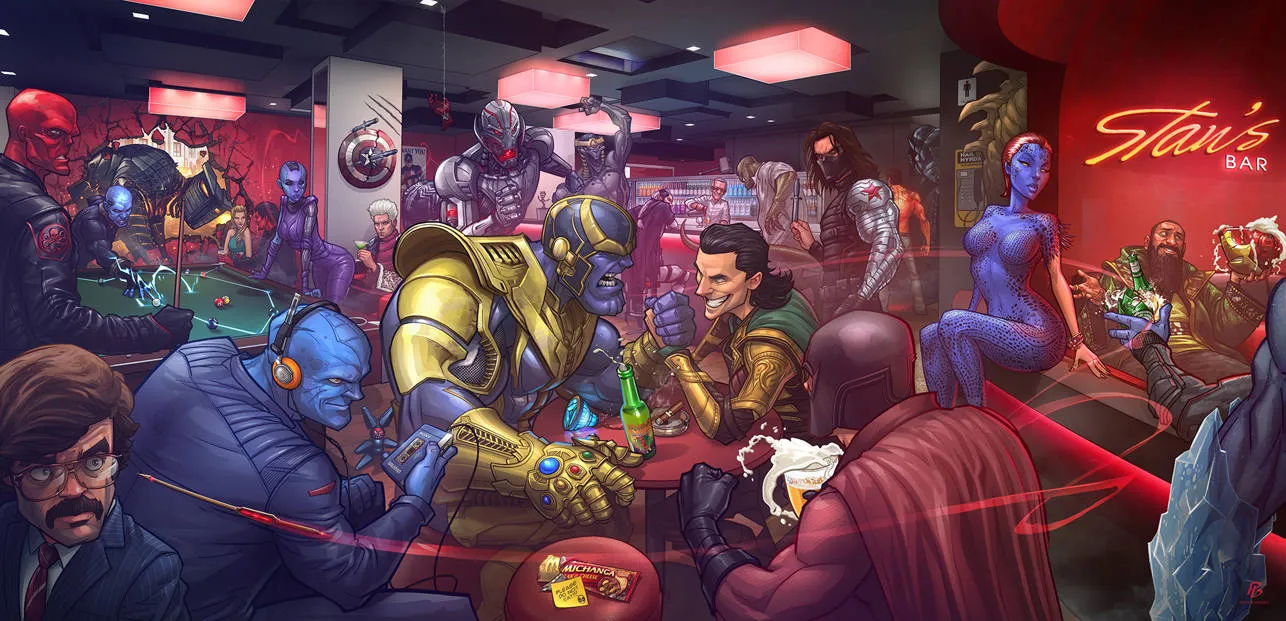
October 28, 2025 .
Lists, Marvel, MCU, Opinions
Let’s go through a list of the top 7 strongest Marvel villains, from the wickedly powerful to the absolutely unstoppable.
READ MORE
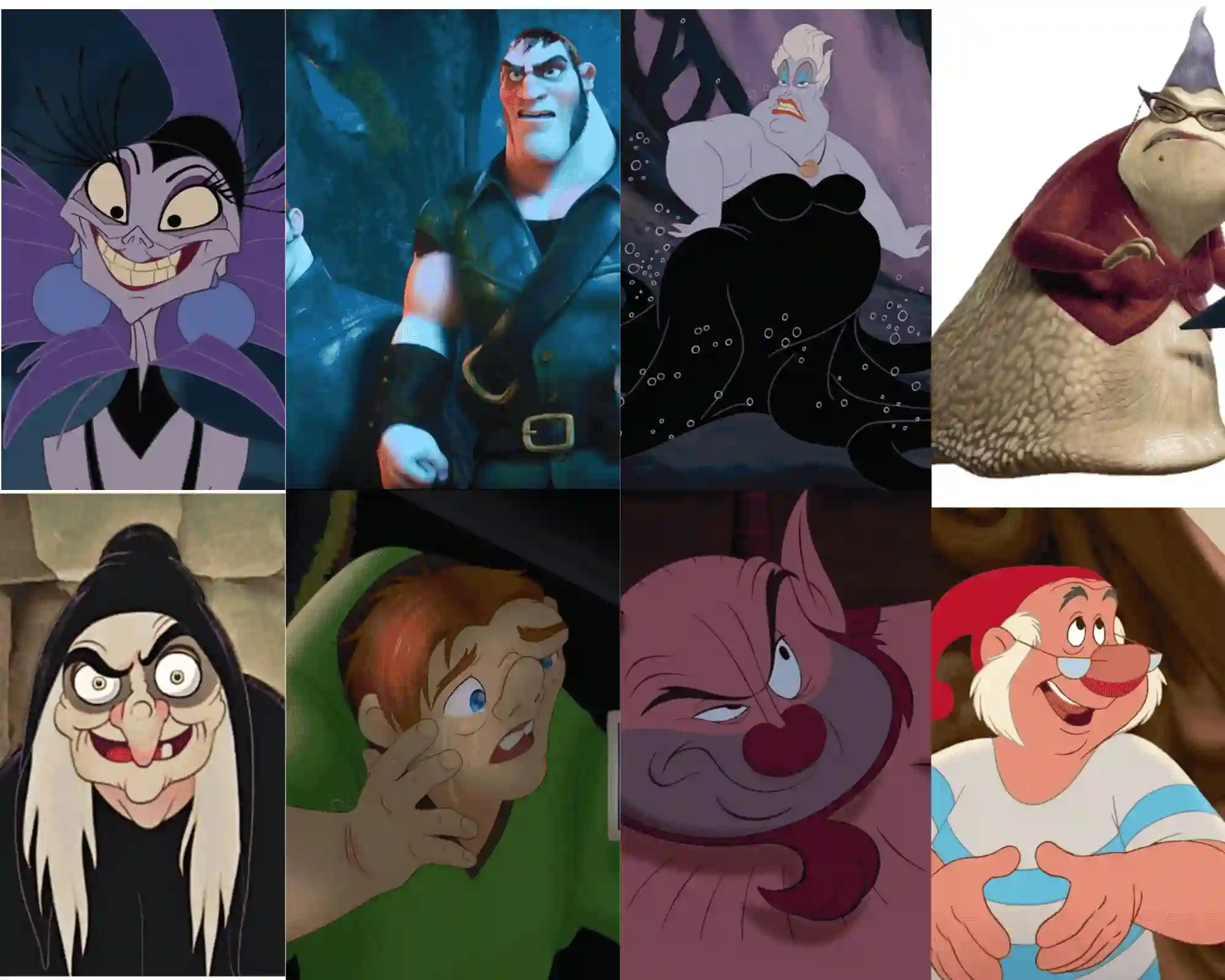
April 29, 2026 .
Lists, Opinions
The Mouse is famous for its princesses and princes. However, the studio’s true genius lies in its embrace of “ugly Disney characters”.
READ MORE
November 27, 2025 .
Lists, Mythology
While this isn’t an exhaustive list, it comprises some of the most popular mythical creatures from around the world.
READ MORE
May 6, 2026 .
Lists, MCU
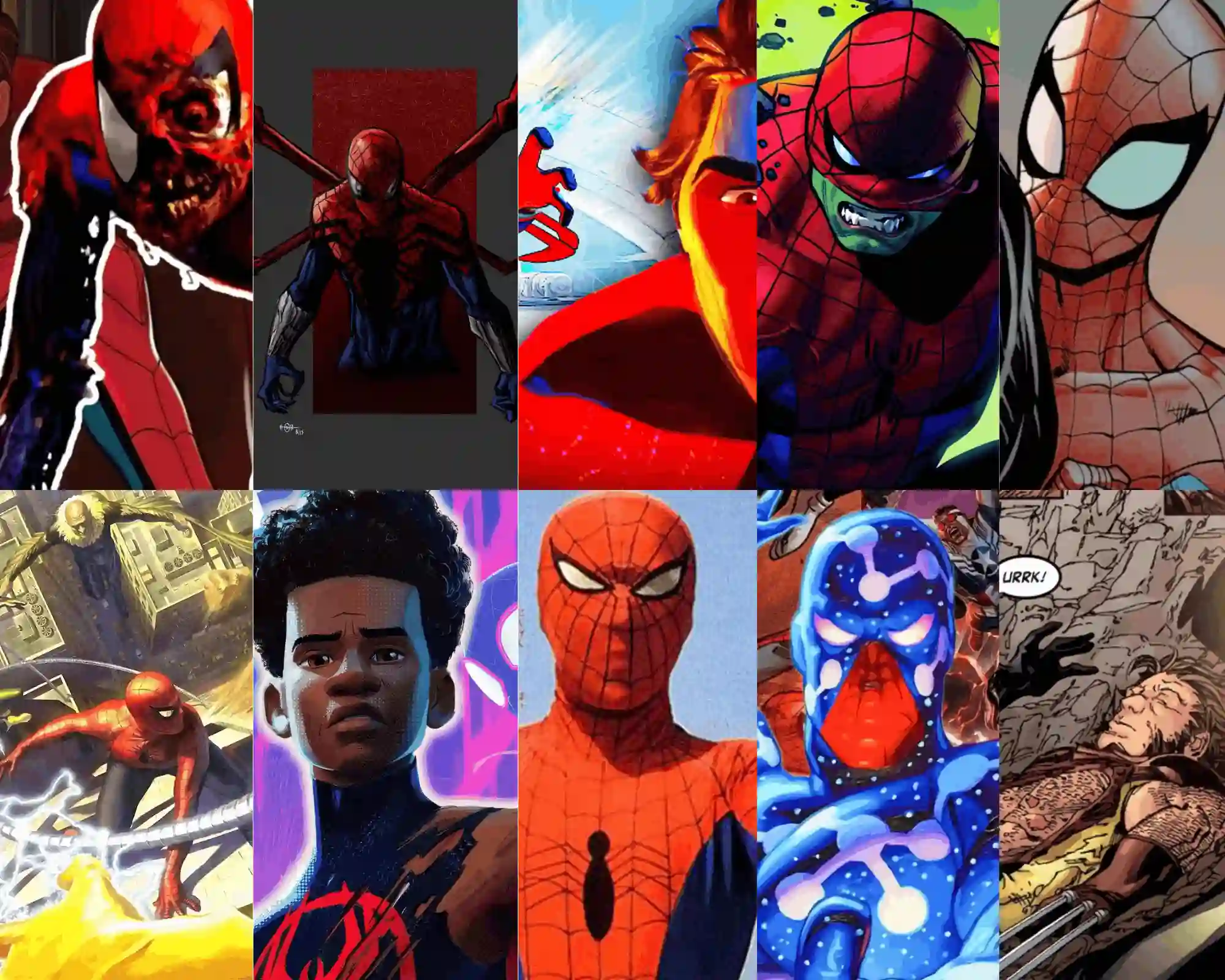
Spider-Man is one of the many superheroes from the Marvel Universe whose stories shaped many childhoods. Who is your strongest Spiderman?
READ MORE

July 20, 2025 .
Opinions
Book recommendations from random places don’t always cut it, and you often end up feeling unsatisfied with them.
READ MORE

July 20, 2025 .
Essays, Opinions
READ MORE

July 20, 2025 .
Essays, Opinions
READ MORE

September 11, 2026 .
Opinions
Book reviews aren’t just a jumble of words on how a book made you feel but also a veritable document that you can quickly refer to when your memories temporarily fail you.
READ MORE

July 20, 2025 .
Opinions
Reading hundreds of pages for a single book can be like facing Smaug, Chiefest of Calamities, but a short story is a small dragon that you can easily conquer.
READ MORE

July 20, 2025 .
Debates, Opinions
Reading nonfiction about what interests you can provide more color and context that might make your fiction reading experience more enjoyable.
READ MORE
September 12, 2025 .
Opinions
In a fast-paced world, reading asks us to slow down, surrender, and sit with another person’s words long enough for them to settle inside us.
READ MORE
November 24, 2025 .
Debates, Opinions
Reading is active while watching movies is passive. The act of turning pages creates a pause that enhances understanding.
READ MORE
July 26, 2025 .
Fantasy, Opinions
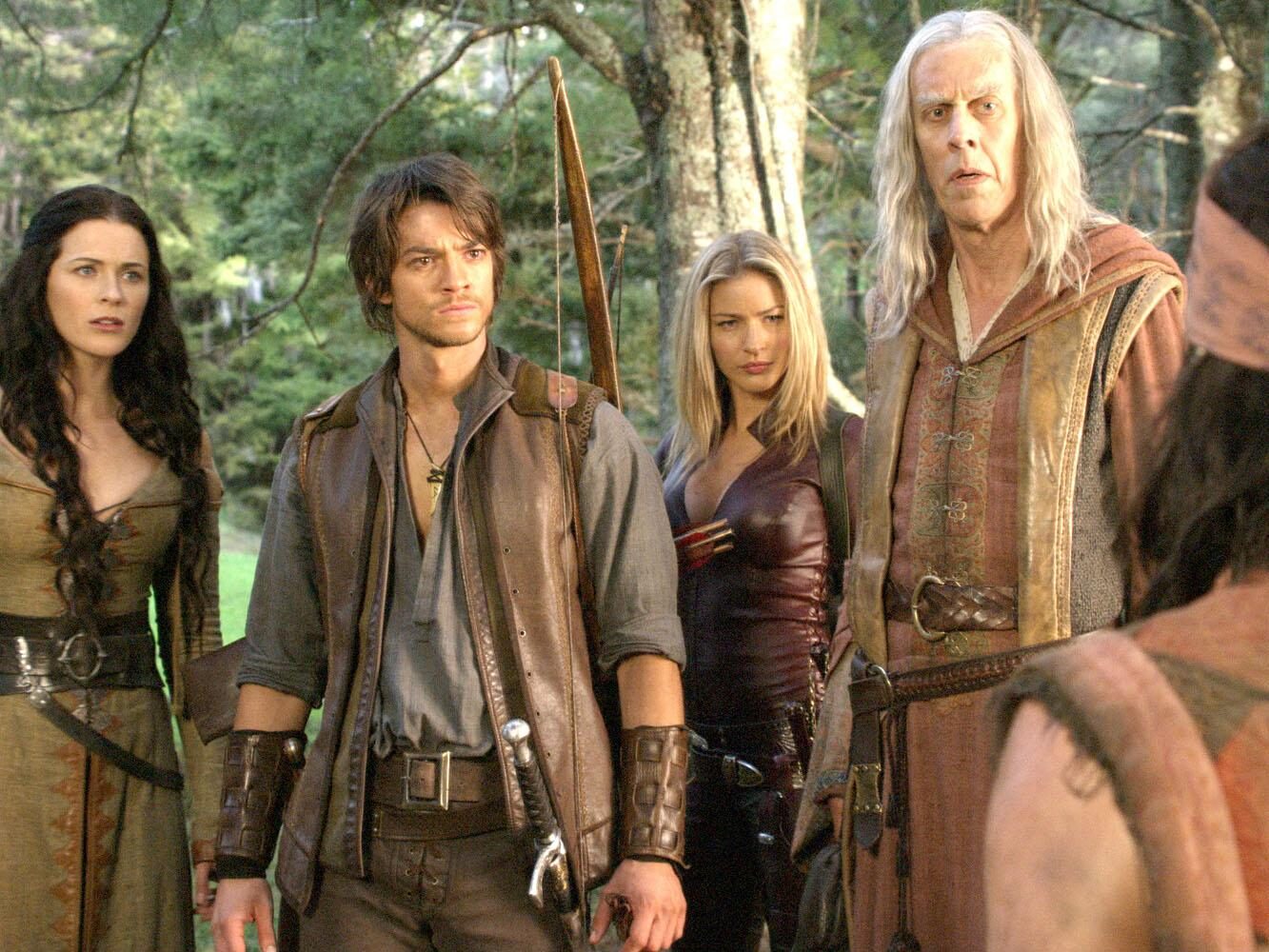
It’s cliche. But it’s rapid. It’s predictable. But it’s enjoyable. For lovers of the classic tropes, Legend of the Seeker is a worthy watch.
READ MORE
Get our magazine for free!