
Close menu
Ranking the best of African Literature





























































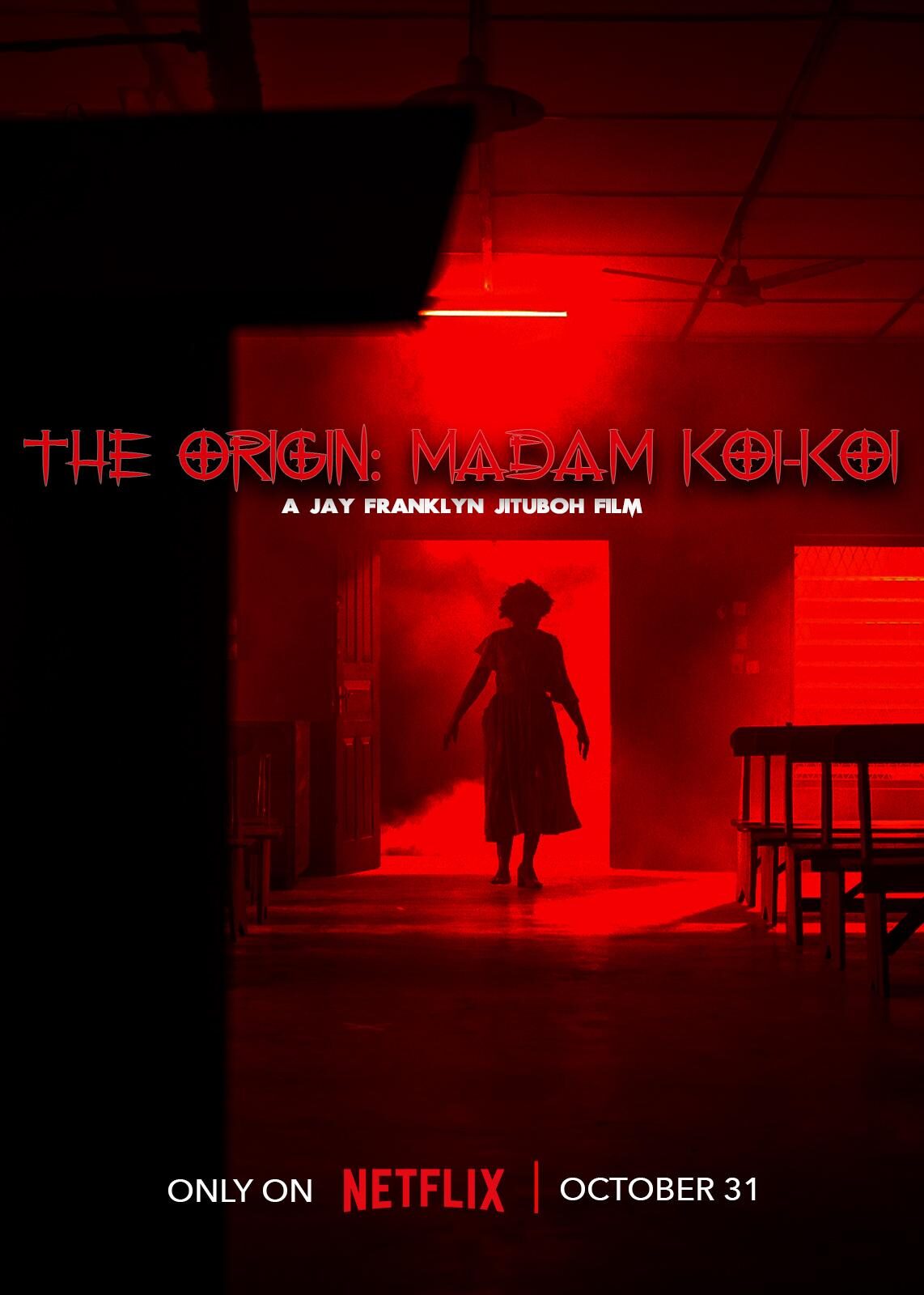
Most characters that engage in money rituals are not born evil. They are pushed by their situation.
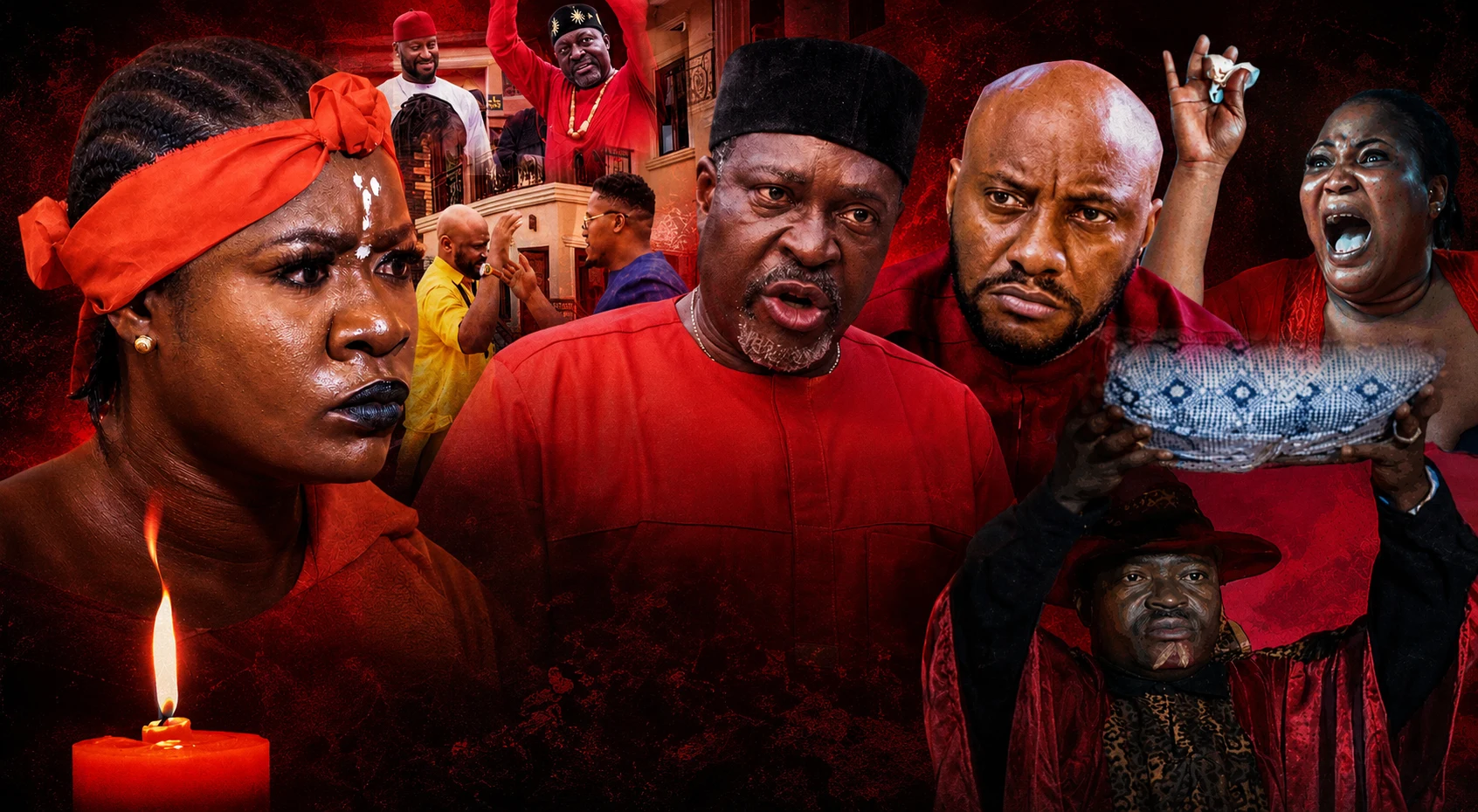
In Nollywood, both the old and new, one common story is about money rituals. These are stories where people use dark or spiritual means to become rich very quickly. They could be told to kill someone, a family member, or even a group of people, like in Abela Pupa.
At first, these characters who have performed rituals enjoy their newfound wealth, flaunting it everywhere. But later, they face fear, guilt, retribution from the used items, and serious problems. These movies try to teach an important lesson: that quick money can bring heavy trouble.
Money rituals in Nollywood are usually shown as secret practices. A character goes to a native doctor, cult group, or spiritual leader to ask for wealth. The person is told to do something ridiculously dangerous or batshit evil in exchange for money. These things range from killing, using people’s virtues or glory, using parts of their own body, to sacrificing their family members and even animals.
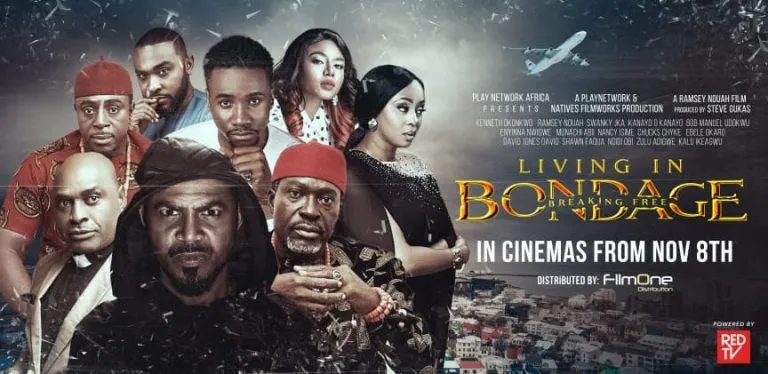
In Living in Bondage, one of the oldest Nollywood films, the main character, Andy Okeke, struggles with poverty. He wants to be rich and respected in society. Influenced by his friends, he joins a secret cult and performs rituals, including sacrificing his wife. After that, he became very rich. But his life was filled with fear and suffering.
This kind of story appears again and again in Nollywood.

Most characters that engage in money rituals are not born evil. They are pushed by their situation, which is abject poverty, oppression by their peers, and pressure from a society that tells them that they don’t count if they are not rich.
In Blood Money, young men are desperate to succeed. They want to live big and impress others. They join a secret group that promises wealth through rituals.
In Rituals, we see professionals and educated people also involved in blood money to boost their status. This shows that the desire for quick wealth can affect anyone, not just the poor.
These characters are motivated by multiple reasons, including poverty and hardship, peer pressure, desperation, a desire for respect, jealousy of others, and greed. The alternative to blood money, according to Nollywood, is hard work, taking the long route of education, work, and getting a steady income that will eventually accumulate into wealth.
After the rituals, money comes quickly. The character’s life changes overnight. In Ololade Mr Money, Ololade’s life turns around after he used his wife for rituals, and he goes from barely getting enough to eat to driving a Lincoln Navigator, living in a mansion, and having a harem of women at his disposal.
In Billionaires Club, wealthy men live in luxury because of ritual practices. Their lifestyle attracts others who want the same success. Family members who despised them when they were poor begin to worship them.
This stage of the story often looks exciting. But it does not last long. It never does.

After enjoying wealth for a short time, anxiety begins. This tension comes in the form of fear of exposure, retribution from the spirit of the person sacrificed, spiritual attack, punishment, and fear of losing everything. These fears manifest in such a way that even when these people are surrounded by luxury and so much money that their 3rd generation cannot finish spending it, they are not happy.
The character starts to feel afraid. They know their money is not clean. They worry someone will find out.
Guilt is another major problem. Many rituals involve harming innocent people, sometimes even loved ones.
In Living in Bondage, Andy Okeke cannot forget his wife’s death. He becomes restless and disturbed. His mind is never at peace. When his third wife leaves him, he is devastated and scared when the ghost of his dead wife torments him.
In some movies, characters begin to see ghosts or spirits, have bad dreams, hear strange voices, and become emotionally unstable. Such is the case of Omo Night Club when the ladies see themselves going to parties at the burial ground, in the forest, and at the riverside with strange beings.
Their wealth cannot remove this guilt. Instead, it makes it worse.
Another problem is that money ritual comes with strict rules. The character must continue to obey the spiritual instructions.
In Blood Money, members must continue making sacrifices and killing people to remain rich. If they stop, they risk losing everything.
Sometimes, the deity who gave the money decides the person’s time is up, and the person drops dead. This is the case in Last Burial.
This creates fear and pressure. The character is no longer free. They are controlled by the ritual. This lack of freedom increases their anxiety.
In most Nollywood movies, ritual wealth does not last. The character begins to fear the end, and it comes without warning.
In Billionaires Club, all the powerful men eventually face consequences. Their secrets come out, and their lives collapse.
Nollywood also shows how society contributes to this problem.
People often celebrate wealth without asking questions. When someone suddenly becomes rich, others admire them. You are not influential or even heard of if you don’t have money. This puts pressure on young people to succeed quickly. In Abela Pupa, the lady at the car wash slapped Demola hard across the face, accusing him of something he hadn’t done. This was what spurred him to engage in money rituals.
Movies like Blood Money show how peer pressure can push people into bad decisions.
This pressure makes the idea of ritual money more attractive.
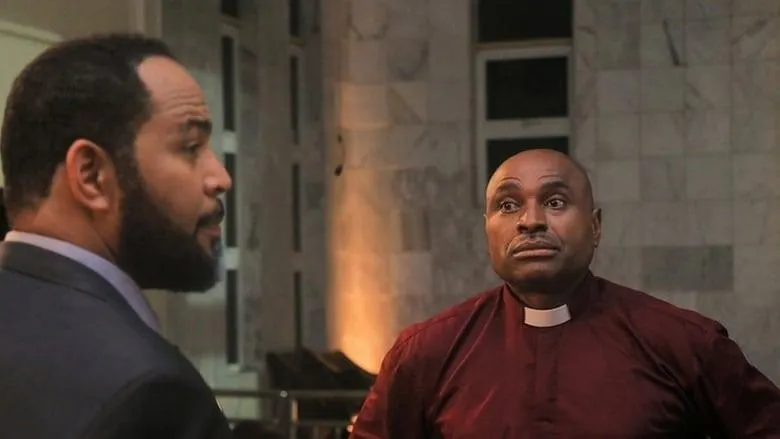
Most money ritual stories end badly. This is where the producer gets creative.
The character may lose their wealth (Billionaire’s Club), go mad (Living in Bondage), be exposed publicly (Abela Pupa), die mysteriously (Ololade Mr Money), or have questionable characters fighting over their corpse (Last Burial)
Most of the time, the ritualist suffers deeply before seeking redemption.
These endings are important because they show that evil actions have consequences.
Ritualism is a powerful theme in Nollywood movies. They show the danger of chasing quick wealth without thinking about the consequences.
At first, the characters enjoy their riches. But soon, anxiety takes over. Fear, guilt, and pressure replace happiness.
Through movies like Living in Bondage, Blood Money, Karishika, and Billionaires Club, Nollywood clearly shows that sudden wealth gained through wrong means comes with a high cost.
In the end, these stories remind us that true success is not just about money, but about peace, honesty, and a clean conscience.

Best Films About Unexpected Age Gap Romance
Literary Awards and the Racism Card: A Wake-Up Call for Black Africa
Interview with the Vampire Relationships, Ranked
10 Top Recent Films for Action and Comedy Fans
Comma Rules Every Writer Should Know
10 Most Hype-worthy 2026 Book Releases (African Literature Version)
Five Gambling Films That Know the Bet Is Only Half the Story
Movies Where Poker Reveals Who a Character Really Is
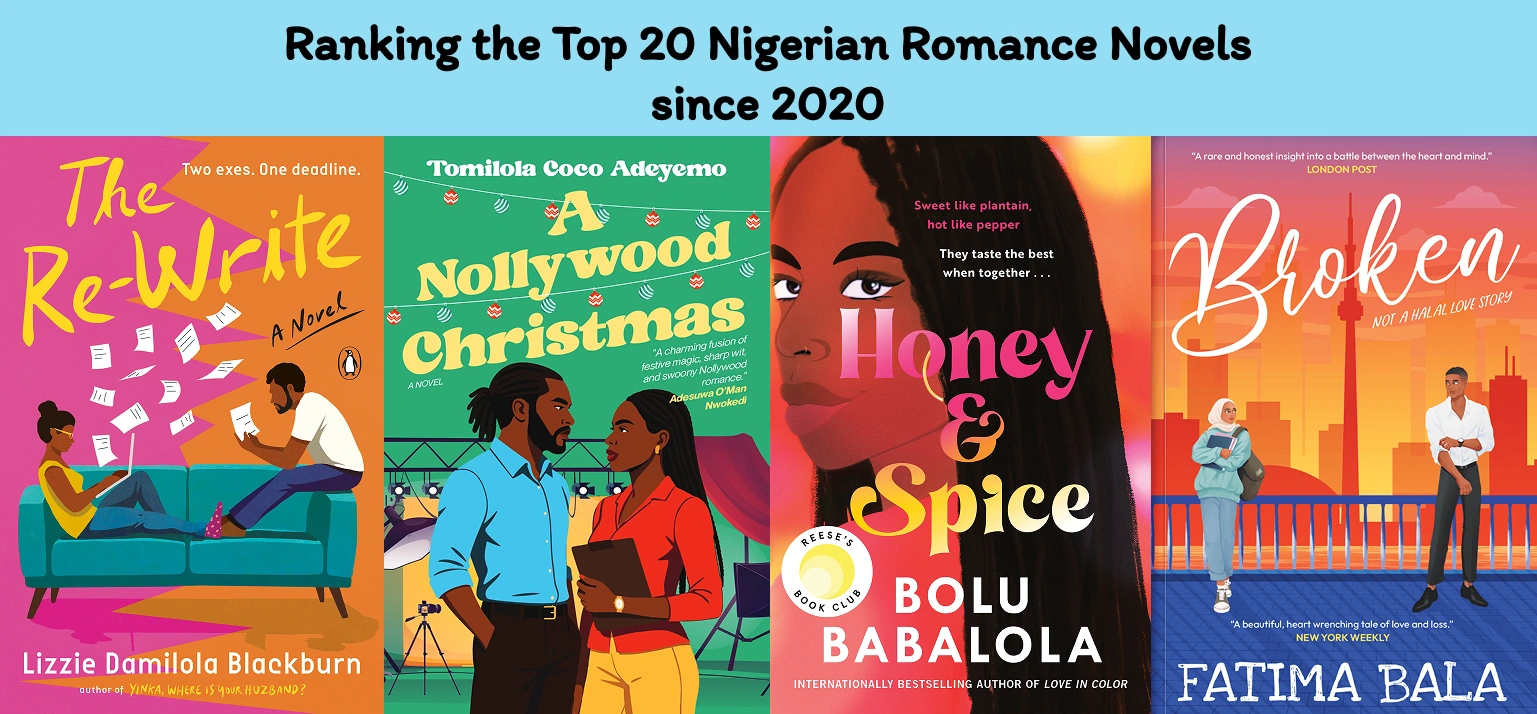
Ranking the Top 20 Nigerian Romance Novels since 2020
In Defense of Reading and Gaming
8 Third-Person Omniscient Examples for the Plot
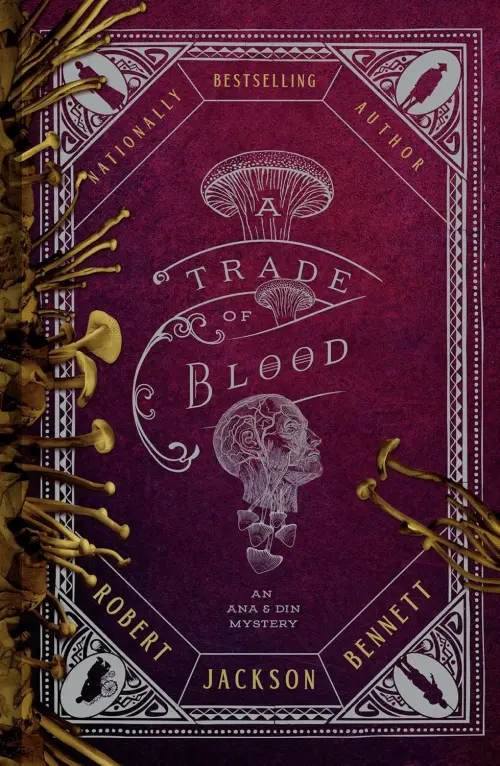
A Trade of Blood (Ana and Din Mysteries #3) by Robert Jackson Bennett
July 20, 2025 .
Animation, Lists
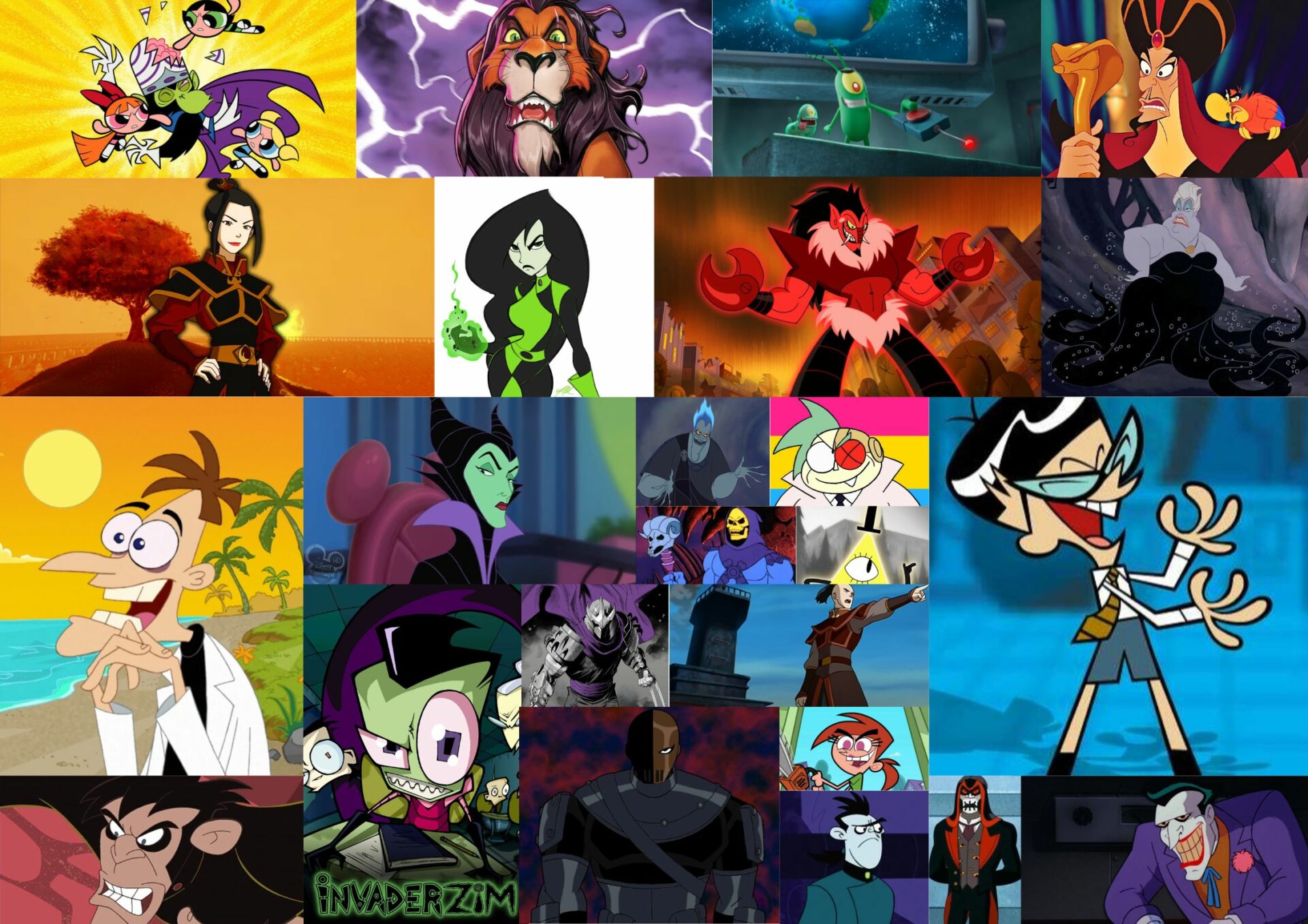
Our list rounds up the top 30 cartoon characters that were villains, each one more wonderfully wicked than the last.
READ MORE
October 28, 2025 .
Lists, Marvel, MCU, Opinions
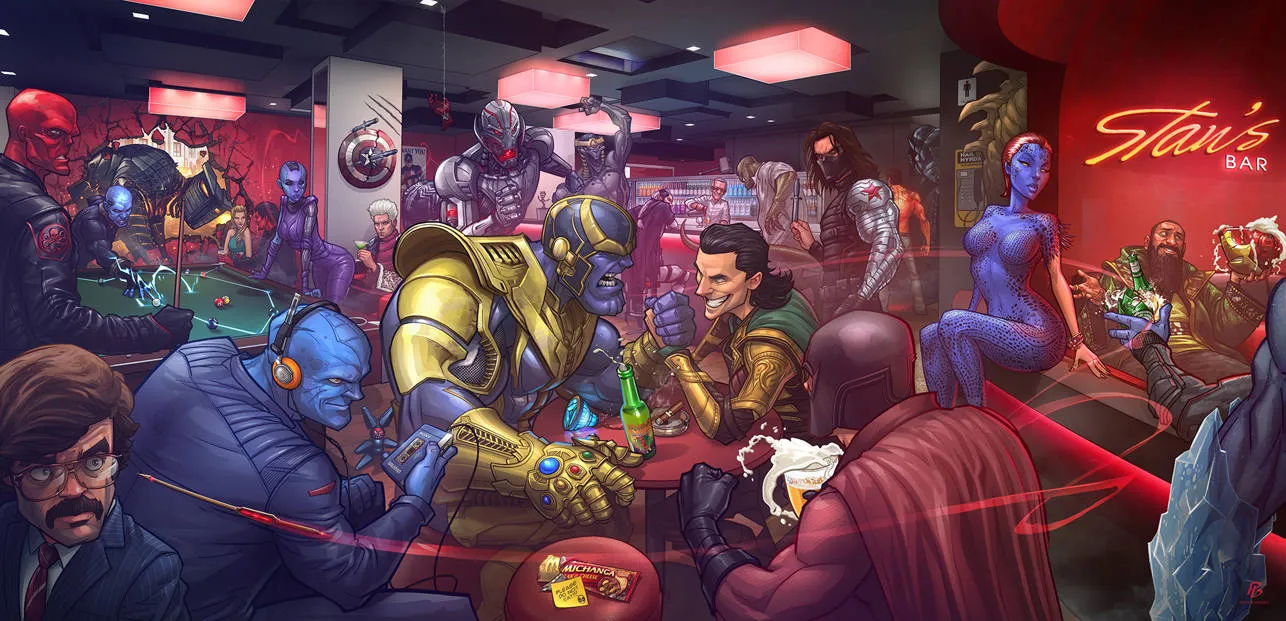
Let’s go through a list of the top 7 strongest Marvel villains, from the wickedly powerful to the absolutely unstoppable.
READ MORE
April 29, 2026 .
Lists, Opinions
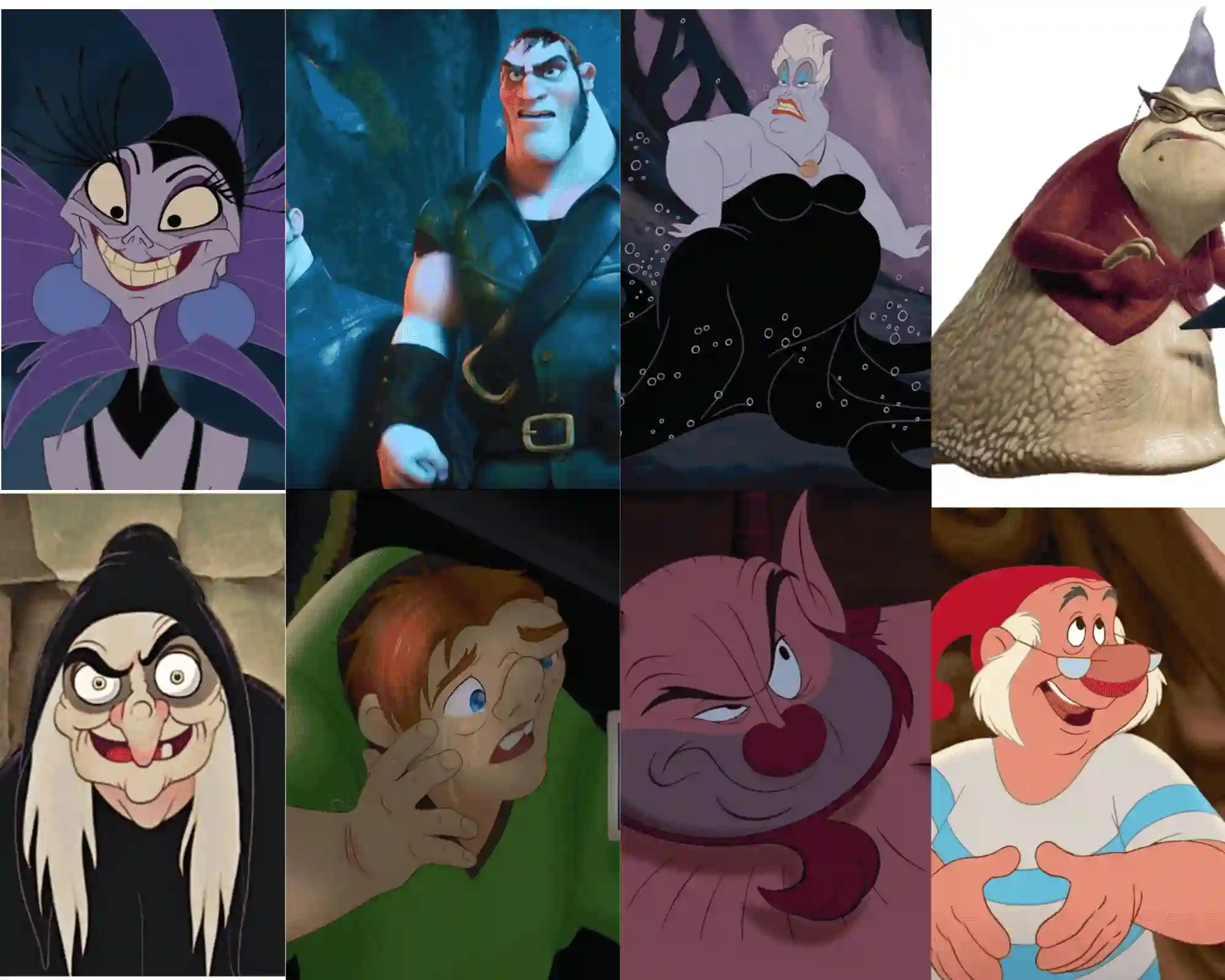
The Mouse is famous for its princesses and princes. However, the studio’s true genius lies in its embrace of “ugly Disney characters”.
READ MORE

November 27, 2025 .
Lists, Mythology
While this isn’t an exhaustive list, it comprises some of the most popular mythical creatures from around the world.
READ MORE

May 6, 2026 .
Lists, MCU
Spider-Man is one of the many superheroes from the Marvel Universe whose stories shaped many childhoods. Who is your strongest Spiderman?
READ MORE
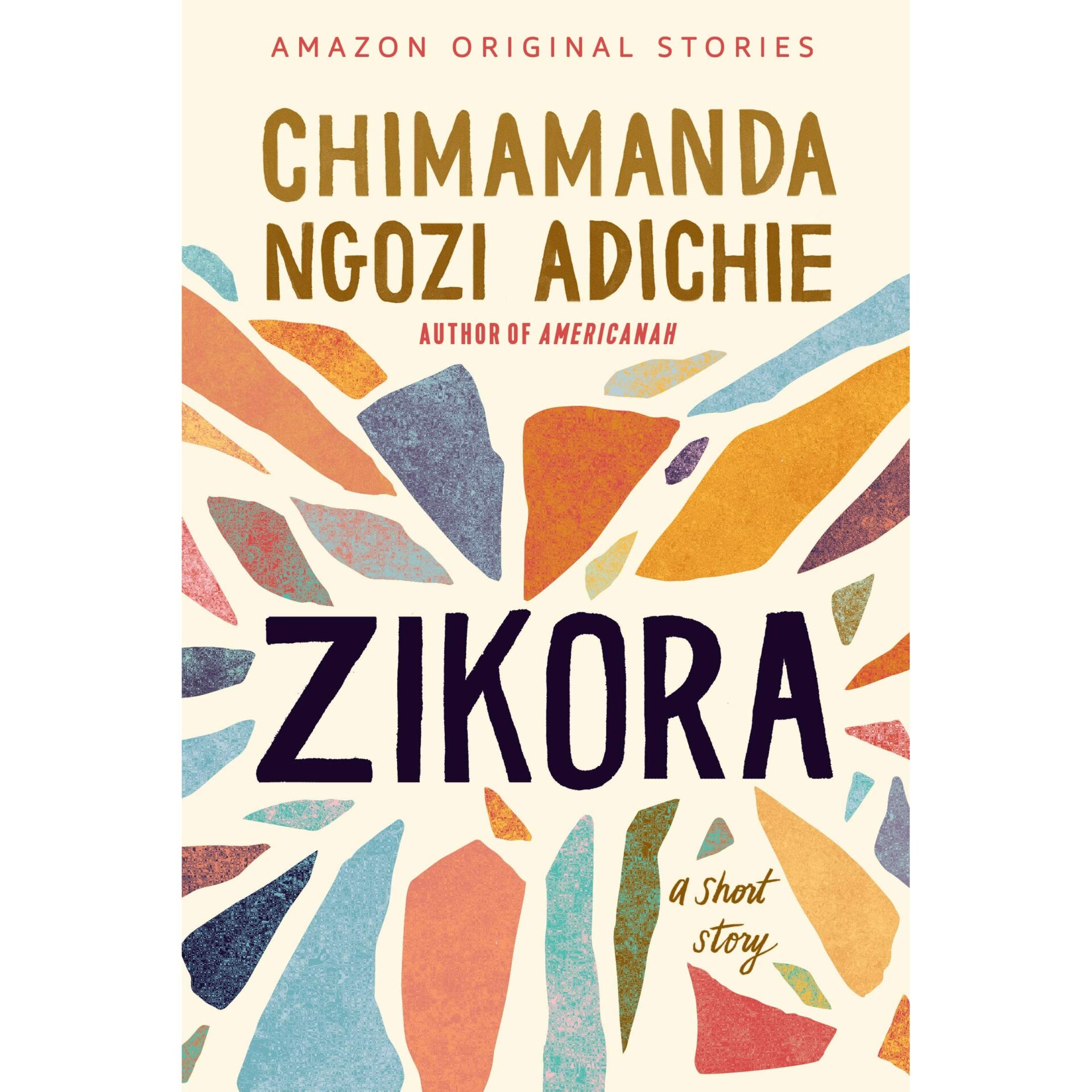
October 12, 2021 .
African Literature, chimamanda, cna, zikora
Hopefully, the reading of a book as this will enlighten men and generally educate people in the making of the right choices regarding amatory unions.
READ MORE

July 20, 2025 .
Opinions
Book recommendations from random places don’t always cut it, and you often end up feeling unsatisfied with them.
READ MORE
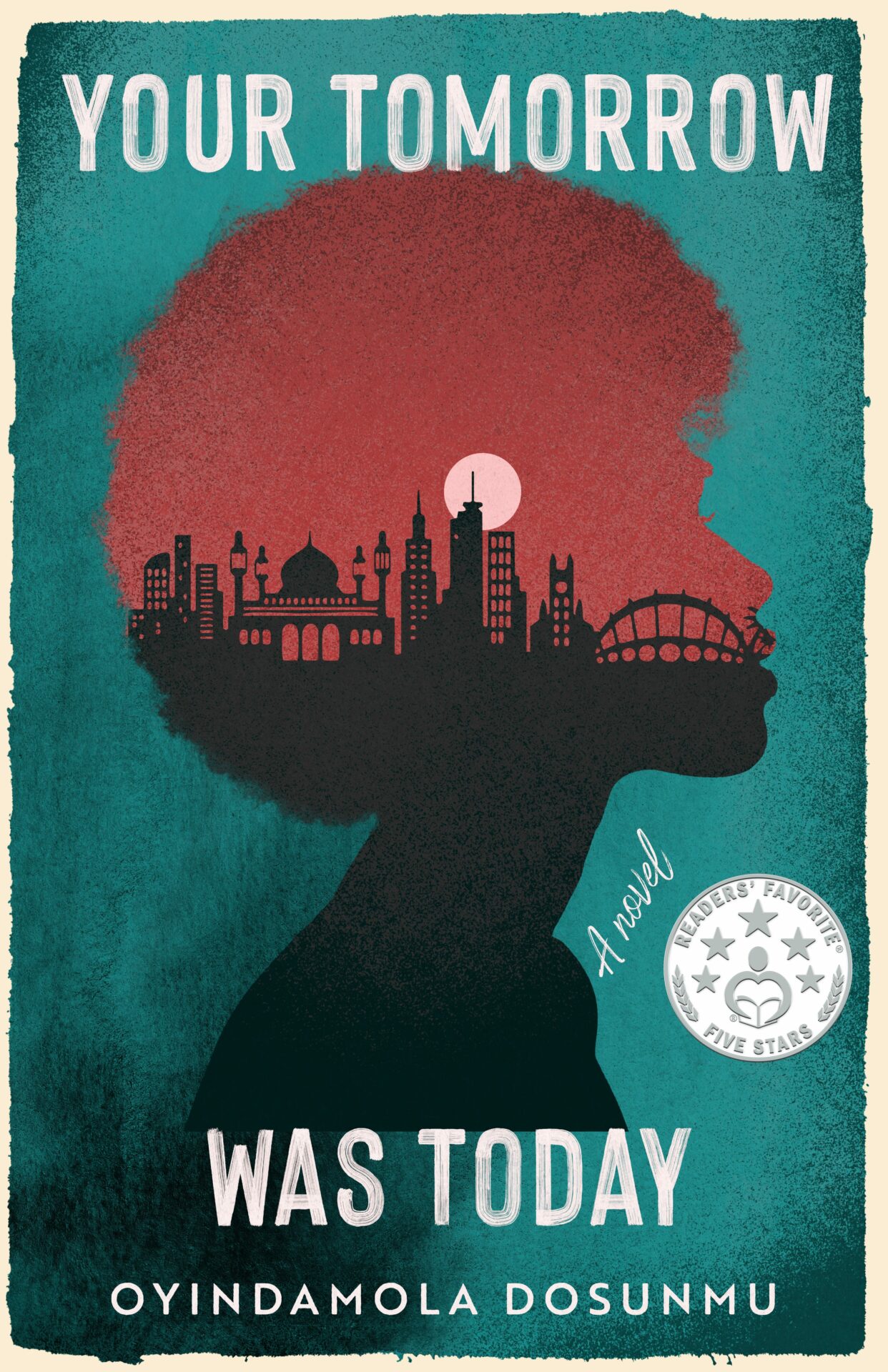
September 2, 2025 .
African Literature
So yes, Your Tomorrow Was Today is guaranteed to be a book that will touch you, regardless of gender, interests or philosophy.
READ MORE
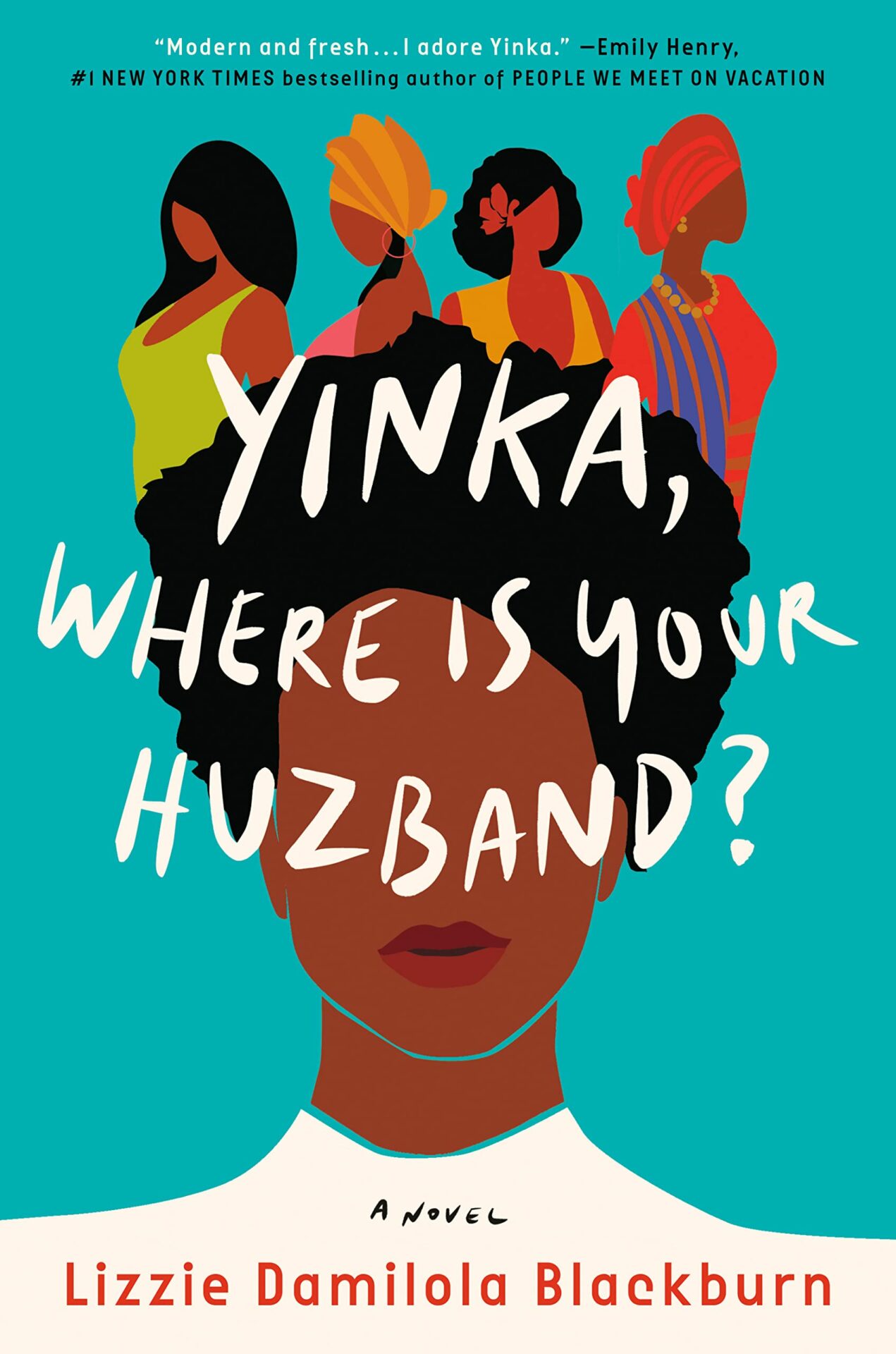
February 19, 2022 .
African Literature, Book Reviews, British Nigerian, lizziedamilolablackburn, Nigerian, Self growth, yinkawhereisyourhuzband
READ MORE

July 20, 2025 .
Essays, Opinions
READ MORE

July 20, 2025 .
Essays, Opinions
READ MORE

January 26, 2025 .
African Literature, sharjah
READ MORE

September 11, 2026 .
Opinions
Book reviews aren’t just a jumble of words on how a book made you feel but also a veritable document that you can quickly refer to when your memories temporarily fail you.
READ MORE

July 20, 2025 .
Opinions
Reading hundreds of pages for a single book can be like facing Smaug, Chiefest of Calamities, but a short story is a small dragon that you can easily conquer.
READ MORE

Get our magazine for free!