Close menu
Ranking the best of African Literature



















A respectful approach to literature and literary criticism recognizes that literature is both art and communication.
The literary world thrives on a continuous, invisible conversation. A respectful approach to literature and literary criticism ensures that this exchange remains a tool for growth rather than an exercise in hostility.
Regard in literature does not mean avoiding criticism or pretending every work is flawless. Instead, it means engaging with texts carefully, understanding context, and recognizing the humanity behind the work.
To fully appreciate this, it is important to understand the valuable role of criticism. Literary criticism becomes most valuable when it seeks understanding before judgment.
Photo credit: Deviantart
Literary criticism is essentially an opinion, supported by evidence, about theme, setting, or context. It includes multiple approaches that ask different questions, use different methods, and produce unique interpretations.
It is important to note that Criticism is necessarily negative. The goal is to examine how and why a text functions the way it does.
For writers, constructive feedback can reveal weaknesses in pacing, inconsistencies in characterization, underdeveloped themes, or ineffective prose.
At the same time, criticism can also highlight strengths that authors themselves may not fully recognize. For instance, a novel ceases to be merely entertainment and becomes capable of carrying multiple meanings beneath its surface.
Unfortunately, criticism sometimes shifts away from analysis and toward performance. In modern literary spaces, particularly online, reviews can become more focused on ridicule or personal attacks than on meaningful engagement with the work itself.
To engage respectfully with literature and literary criticism, one must recognize that literature acts as a prism, refracting light differently depending on the angle from which it is viewed. In academic discourse, these varying angles are known as critical approaches.
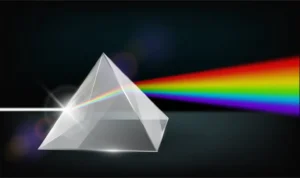
Photo credit: Science-sparks.com
Critical approaches are methods for analyzing and interpreting literary texts. There are different perspectives used in interpreting a text. They serve as frameworks that shape the questions readers ask as they examine literature.
The Formalist approach treats a piece of literature as a self-contained aesthetic object. It takes a story “on its own terms,” viewing it as a self-contained unit of meaning. It basically states that everything needed for interpretation can be found through close reading.
This lens intentionally disregards external factors such as the author’s biography, historical context, or reader reactions and focuses exclusively on the text itself.
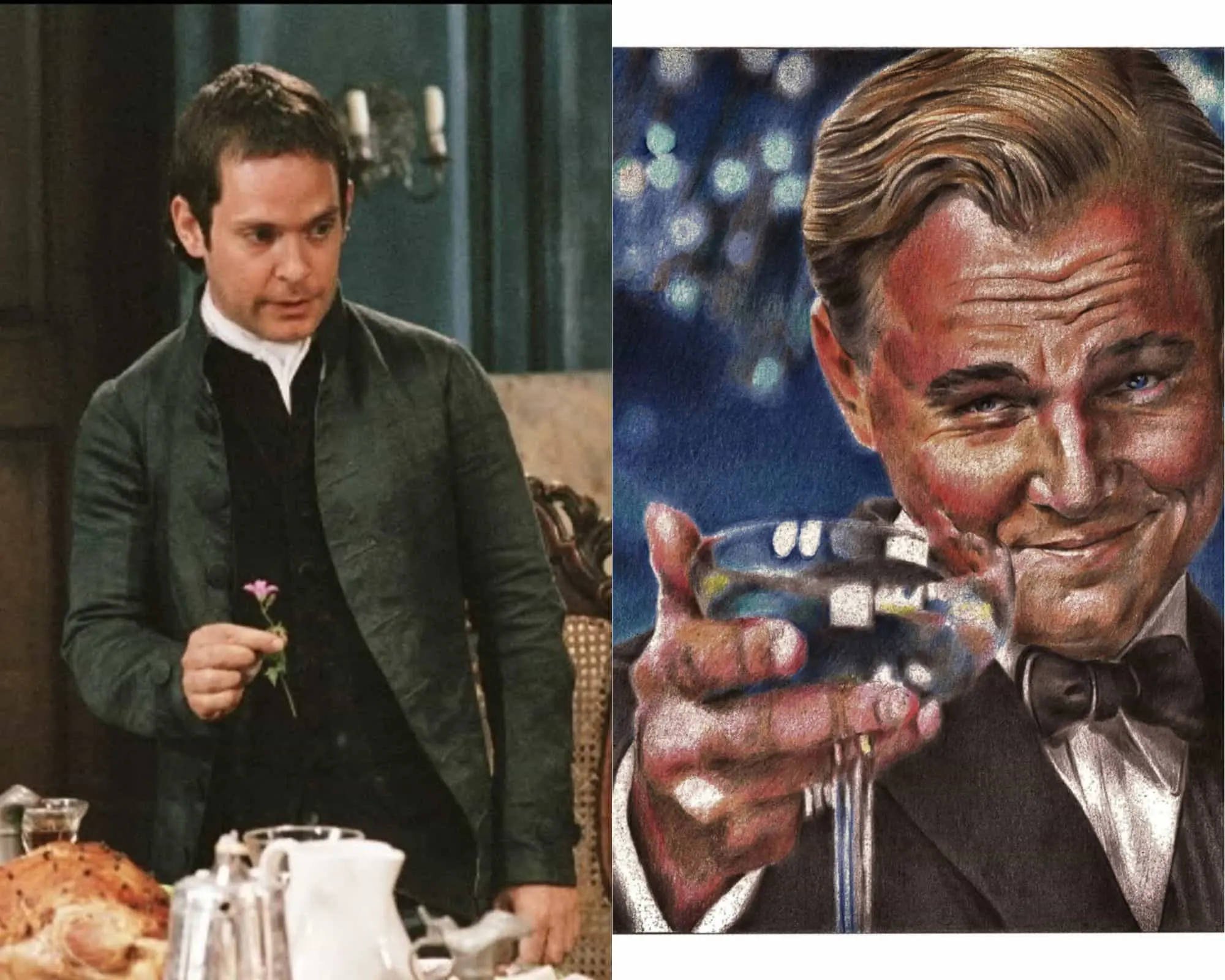
A typical question involved in this approach is “how does the structure of the work reveal its meaning?” For example, a formalist critique of The Great Gatsby would ignore F. Scott Fitzgerald’s personal life and focus on how the recurring motif of the green light serves as a structural anchor for the novel’s themes of illusion and desire.
Rooted in the theories of Sigmund Freud and Carl Jung, the psychoanalytic lens views a text much like a dream.
It posits that literature expresses the secret unconscious desires, anxieties, and psychological traumas of either the characters or the author. The theory reads the work as an expression of the author’s unconscious processes, as a psychologist would a patient’s dream.
An example would be when analyzing Shakespeare’s Hamlet, a psychoanalytic critic focuses on Hamlet’s erratic behavior, his deep-seated psychological ambivalence toward his mother, and how his hesitation to act reflects an internal war between conscious duty and unconscious trauma.
This approach views literature through the framework of socio-economic class and power dynamics. It asserts that art is inherently tied to the economic structures of the society that produced it.
Marxism views art as either politically challenging or endorsing the status quo. A Marxist reading of The Hunger Games shifts the focus from the romance plot to the stark economic disparity between the wealthy Capitol and the impoverished, labor-exploited Districts, analyzing the story as a critique of predatory capitalism.
The feminist lens examines how literature reinforces or undermines the oppression of women. It critiques the patriarchal structures embedded in the creation of literature, both contemporary and historical, exploring the marginalization of women within literature itself.
For example, a feminist reading may analyze whether female characters possess independence, complexity, and narrative importance, or whether they exist mainly to support male-centered stories.
Historical criticism helps readers avoid interpreting older texts entirely through modern assumptions. It may examine biographical facts about the author’s life as well as the influence of social, political, and international events.
A typical question involved is “how does the text participate in the cultural, political, and social conversations of its specific historical moment?” For instance, breaking down Things Fall Apart through a historical lens reveals the effects of colonialism and cultural disruption in precolonial and colonial Nigeria.
The reader-response approach holds that literature is not merely words on paper but an interaction between the physical text and readers’ minds.
It rests on the assumption that literary works don’t have a fixed meaning but can have many meanings, since different people would interpret the work differently.
A respectful approach to literature and literary criticism begins with the fundamental duty of the reviewer: to see the text as it is, rather than as they wish it to be.

Photo credit: Deviantart
Writers depend on feedback to improve, but not all feedback is equally useful. Before a critic can dismantle a text, they must first build it up. This is the principle of charitable reading.
In literary theory, the principle of charity dictates that a reader should interpret a text’s arguments or narrative choices in their strongest, most sophisticated light before attempting to dismantle them.
Some points to note:
True literary criticism, however, is a sophisticated conversation, not a trial. A respectful critic adopts a tone of honesty tempered with decorum.
For example, instead of simply calling a work boring, stating that a novel’s pacing weakens in the middle chapters because certain scenes repeat similar emotional beats is more constructive.
The goal of criticism is to elevate the cultural conversation, to help other readers see the text more clearly, and to honor the medium of writing itself.
Photo credit: Medium.com
Writers are often told to develop resilience, but this is easier said than done. Creative work carries emotional vulnerability. Criticism, even when fair, can feel intensely personal because writing often contains traces of the author.
Still, respectful literary culture requires writers to engage maturely with critique. Hostile reactions or a refusal to consider feedback can damage both artistic growth and professional reputation.
Responding gracefully to criticism does not mean accepting every opinion as correct. Some critiques may indeed be inaccurate or biased. However, even flawed criticism can reveal how readers perceive a text.
Patterns are of utmost importance. If multiple readers identify the same issue, the criticism may point toward a legitimate weakness in the work. Graceful engagement also requires humility. No literary work is universally perfect, and even celebrated authors once faced criticism during their careers.
A respectful approach to literature and literary criticism recognizes that literature is both art and communication. Literature cannot thrive in a vacuum. It requires an ecosystem of writers, readers, and critics who challenge and sharpen one another.
Critics should remain open to alternative interpretations, while writers should recognize that readers inevitably bring their own experiences into the act of reading. Enjoy your next criticism!

Best Films About Unexpected Age Gap Romance
Literary Awards and the Racism Card: A Wake-Up Call for Black Africa
Interview with the Vampire Relationships, Ranked
10 Top Recent Films for Action and Comedy Fans
Comma Rules Every Writer Should Know
10 Most Hype-worthy 2026 Book Releases (African Literature Version)
Five Gambling Films That Know the Bet Is Only Half the Story
Movies Where Poker Reveals Who a Character Really Is
Ranking the Top 20 Nigerian Romance Novels since 2020
In Defense of Reading and Gaming
8 Third-Person Omniscient Examples for the Plot
A Trade of Blood (Ana and Din Mysteries #3) by Robert Jackson Bennett
July 20, 2025 .
Animation, Lists
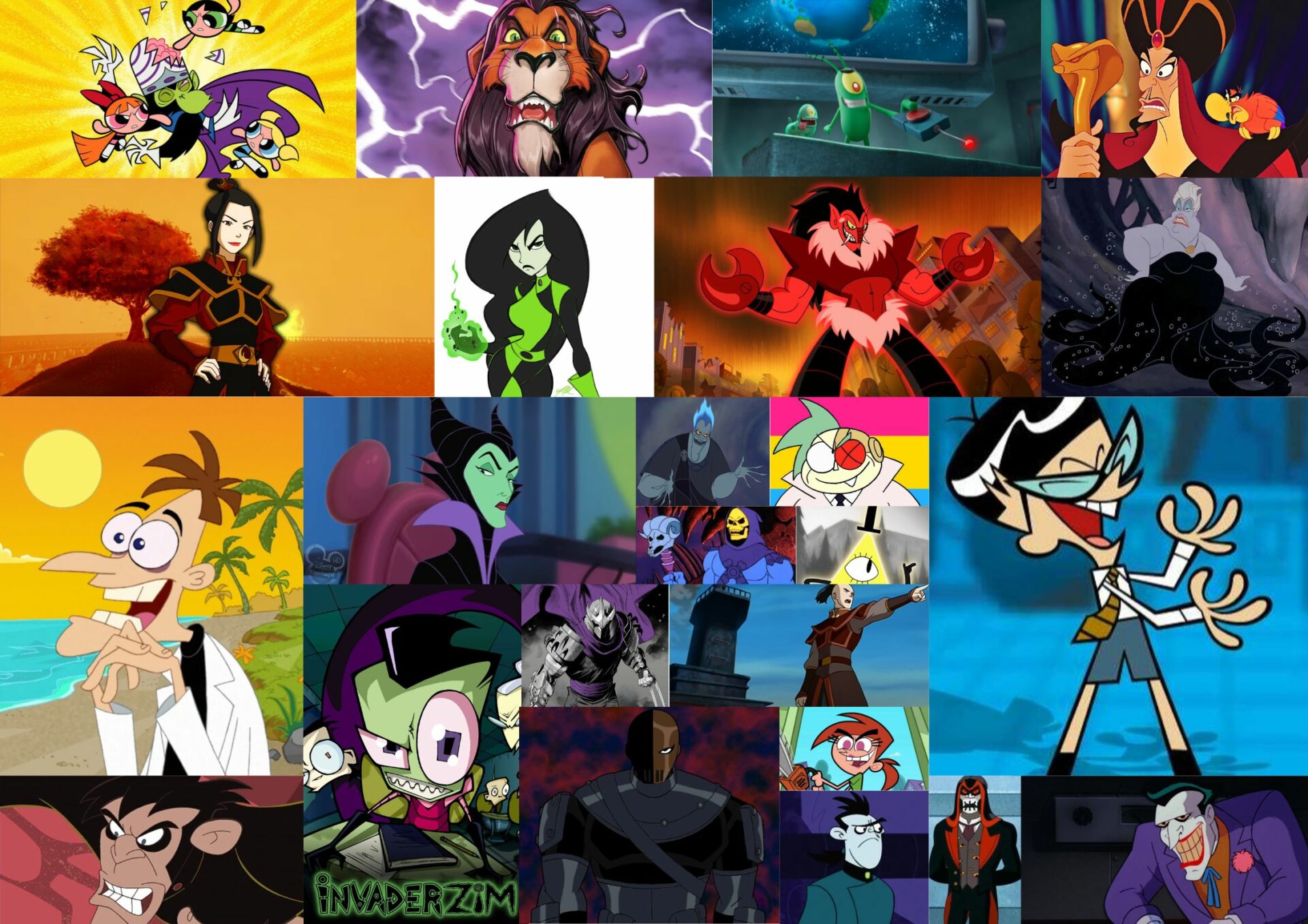
Our list rounds up the top 30 cartoon characters that were villains, each one more wonderfully wicked than the last.
READ MORE
October 28, 2025 .
Lists, Marvel, MCU, Opinions
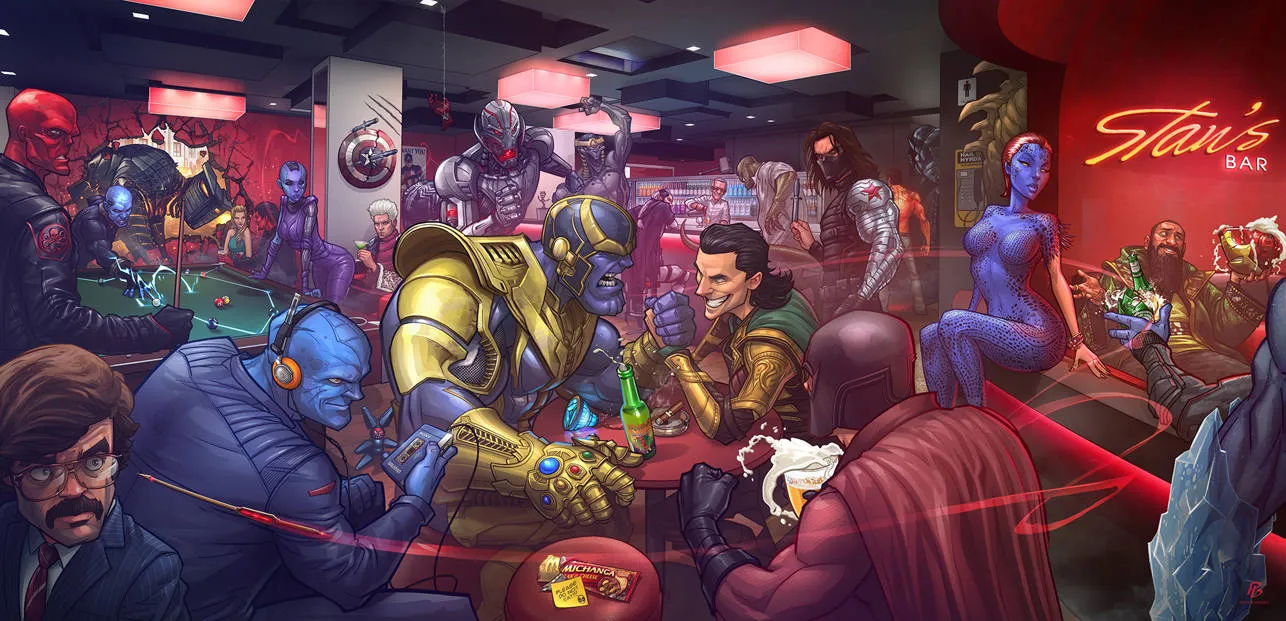
Let’s go through a list of the top 7 strongest Marvel villains, from the wickedly powerful to the absolutely unstoppable.
READ MORE
April 29, 2026 .
Lists, Opinions
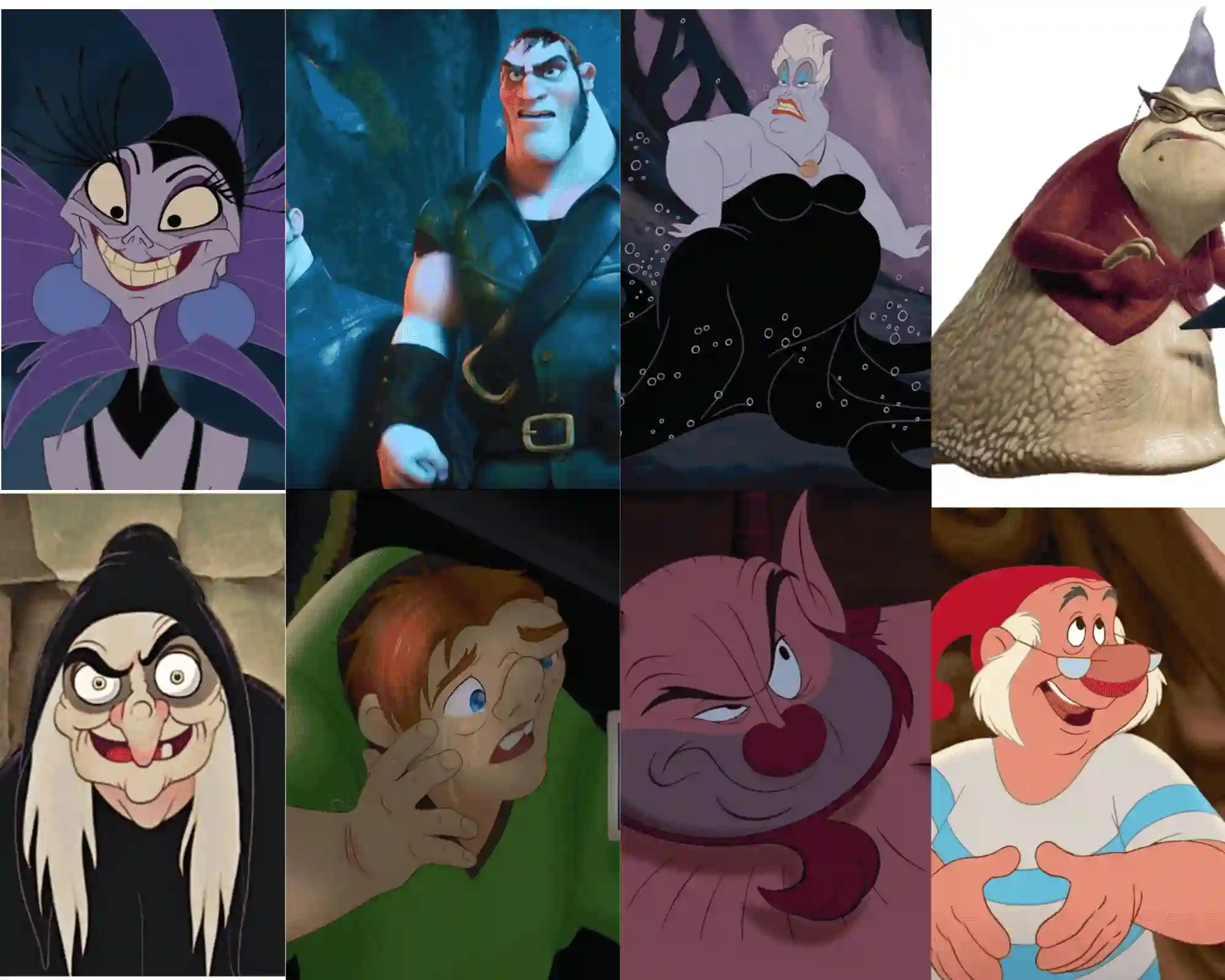
The Mouse is famous for its princesses and princes. However, the studio’s true genius lies in its embrace of “ugly Disney characters”.
READ MORE
May 6, 2026 .
Lists, MCU
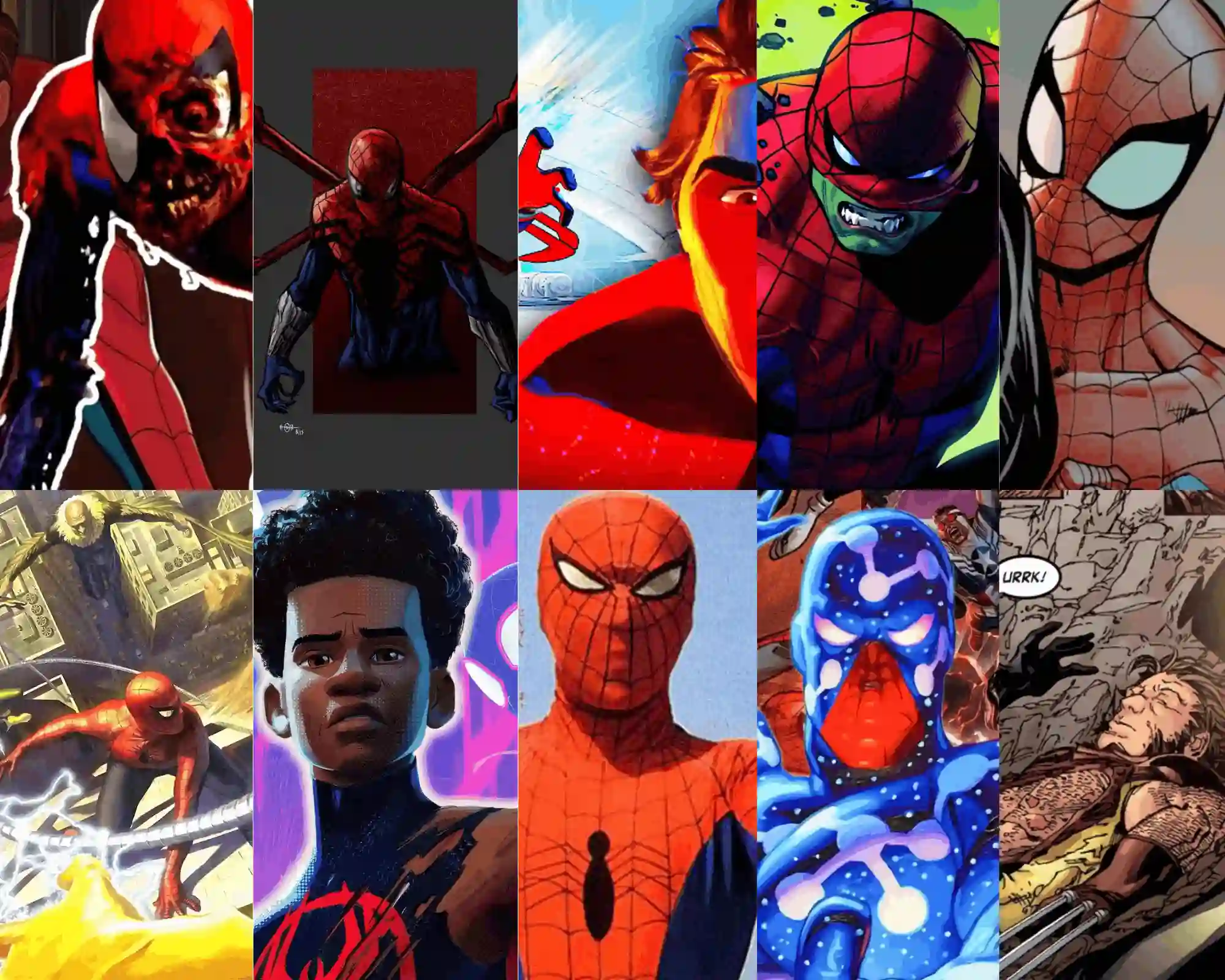
Spider-Man is one of the many superheroes from the Marvel Universe whose stories shaped many childhoods. Who is your strongest Spiderman?
READ MORE
November 27, 2025 .
Lists, Mythology
While this isn’t an exhaustive list, it comprises some of the most popular mythical creatures from around the world.
READ MORE

July 20, 2025 .
Writer Resources
Discover the differences in First-Person Point of View and Third-Person POV, and how each impacts character connection and narrative style.
READ MORE
May 15, 2026 .
Writer Resources
The tension between writer-centered and reader-centered approaches defines how a story is told and who it serves.
READ MORE

October 22, 2025 .
Essays, Writer Resources
Ever found a book that looks like a comic but tells a complete, well-structured story? Congratulations, it’s a graphic novel.
READ MORE
June 26, 2026 .
Writer Resources
Writing starts with forming ideas, imagination, dreams, and thoughts. And when these condense into a coherent progression, you have a plot.
READ MORE
May 10, 2026 .
Writer Resources
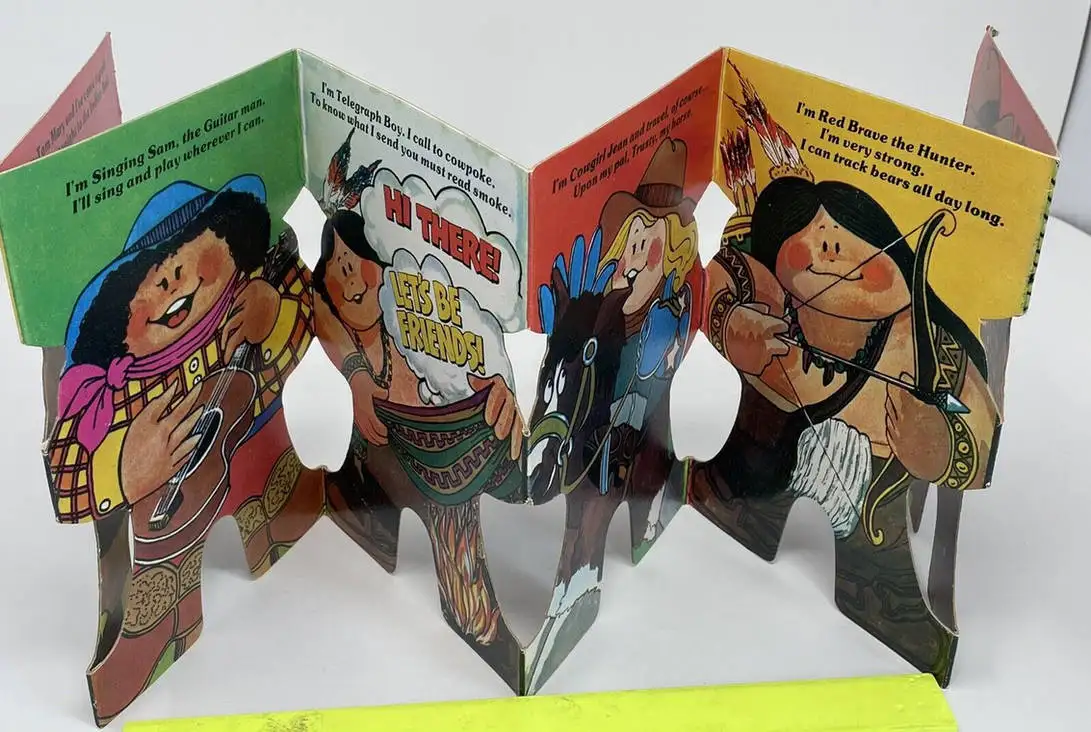
What is a board book, and how does it differ from others? Traditional publishing usually means novels, but published works span much more.
READ MORE
July 24, 2025 .
Essays, Writer Resources
READ MORE
February 8, 2026 .
Writer Resources
Breaking into traditional publishing can feel like decoding a secretive industry. This guide is a resource for finding the right agent.
READ MORE
February 28, 2026 .
Writer Resources
There are three paths in book publishing: traditional, self-publishing, and hybrid. The current focus is on traditional publishing.
READ MORE

July 20, 2025 .
Writer Resources
Today, writers are needed who combine creativity with technical expertise, professionalism, and adaptability.
READ MORE
Get our magazine for free!