

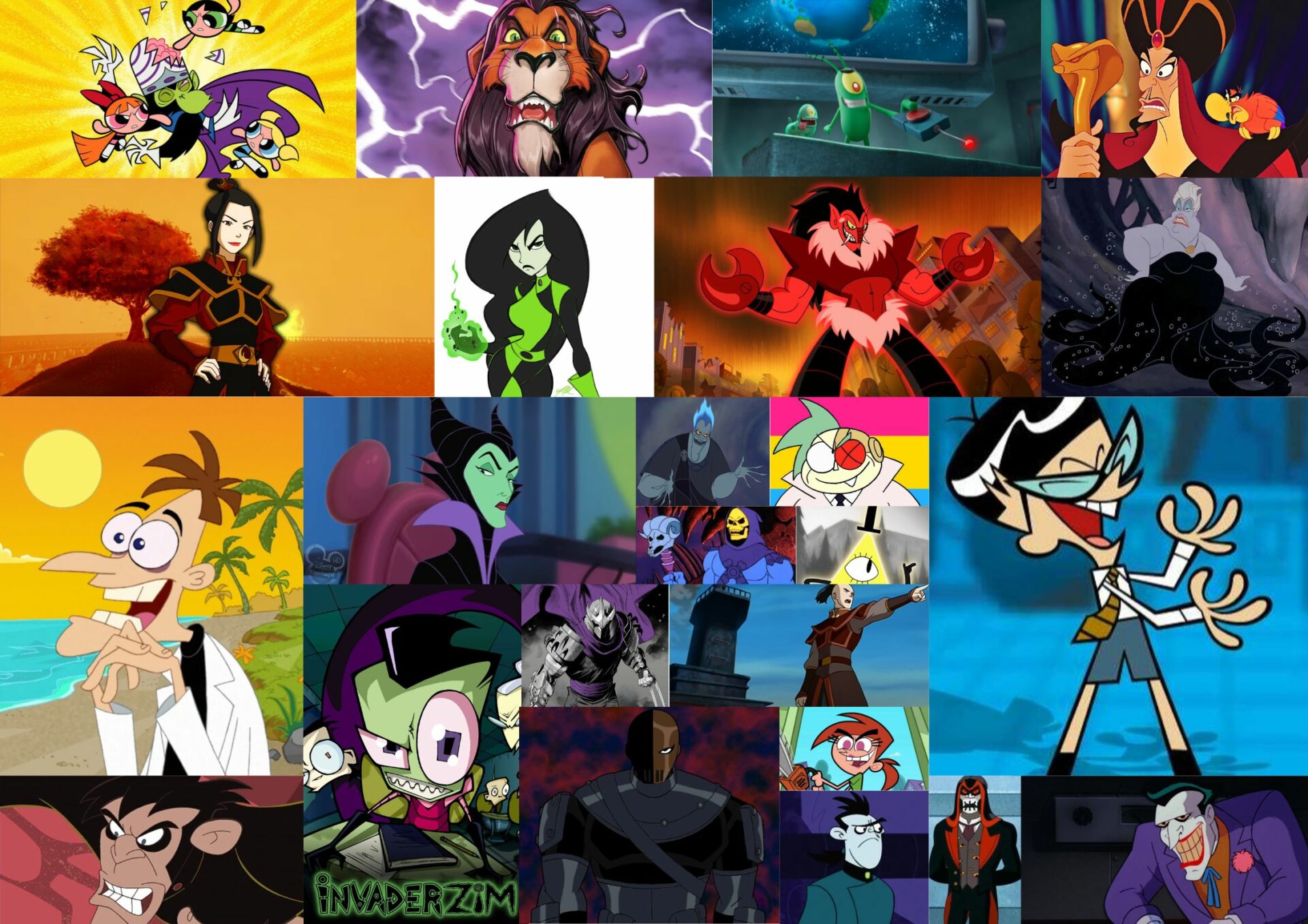
Top 30 Cartoon Characters That Were Villains
Our list rounds up the top 30 cartoon characters that were villains, each one more wonderfully wicked than the last.
Opinions
Is AI the enemy? The question is whether AI research tools are unfairly portrayed as the enemy of thoughtful work.
Artificial Intelligence is one of the greatest achievements, but did it come at a cost? There has been a growing unease around the rise of AI in professional spaces, including research and writing. Some are concerned about the possibility of being laid off by this shift.
Reports continue to emerge about the technology threatening white-collar work, leading to anxiety among professionals. Yet, others see AI’s potential for progress, believing it can enhance work rather than replace it. This tension between threat and opportunity defines the debate.
This debate extends beyond job security and touches on deeper issues. Others worry about a loss of originality and critical thinking. The question isn’t just whether AI research tools are useful, but whether they are unfairly portrayed as the enemy of thoughtful work. The truth, as with most technological shifts, lies somewhere in between. Is AI the enemy, or are users responsible?
It is impossible to ignore the concerns surrounding AI; writers and other creatives are not just overreacting, either. When a tool can complete the work of creatives in a few minutes, it begins to call into question whether human effort is truly valuable.
Most people would rather have AI models write pages and hire editors to dust off the draft and make it readable. But as artificial intelligence gains even more data to “learn” from, it will get better and better at writing at a frightening speed. Some news outlets regularly incorporate AI-generated articles into their content and have subsequently made significant staffing cuts. So it’s already happening.
These concerns have historical precedent. Craftspeople in various industries, such as typographers, tailors, and farmers, have lost jobs to machines. Similarly, the computer revolution of the 1980s rapidly made many roles in communication, research, and engineering obsolete. The fear of technological displacement is well-founded.
On the other hand, some writers and creatives rely entirely on AI to do their piece. For example, there are an untold number of books for sale on Amazon generated by artificial intelligence.
Despite genuine concerns from professionals, the idea that AI research tools will replace humans is, at this time, an illusion. For one, AI is a language learning model. This means it basically has no mind of its own. They don’t have “insights” of their own. They can only predict the next-best sequence of words based on the data they were trained on. Consequently, it lacks lived experience, emotional nuance, and genuine perspective, and therefore cannot create as the human mind can.

Creativity is not only about the results at the end; the intent and context also matter. Two writers can approach the same topic and arrive at entirely different conclusions, shaped by their experiences and thought processes. This kind of depth and creative process cannot be easily automated. AI may assist in generating material, but it does not replace the human ability to assign meaning to it.
If AI is not the core issue, what is the real cause for alarm?
The real issue lies less in the existence of AI research tools and more in how they are used. When these tools become shortcuts rather than support systems, the quality of work begins to suffer. The real benefit of writing is in the process, and constantly relying on AI kills critical thinking skills. The result is “lazy writing.”
This rise in the development of prompt-generating apps only highlights that the originality crisis is in the use of AI. In this sense, the risk is not that AI will replace creativity, but that it may encourage a more passive approach to it.
Writers who rely entirely on AI outputs risk losing the very skills that define strong work: critical thinking. What happens when a writer uses AI not as a shortcut, but as a thinking partner?
A good writer is more than their training. A good writer draws on skill, lived experience, embodied perception, and creative judgement to complete a piece.
Rather than viewing AI as a threat, it may be more useful to consider its role within a larger creative process.

Throughout history, new tools have consistently changed how work is produced. As with mechanised farming and search engines, these processes are designed to make the creative process easier, not to take over it.
AI research tools can follow a similar path. It should be seen as a shortcut, but also as a process that strengthens the practice through deep thinking, deliberate questioning, and the shaping of meaning with discretion.
The key that is missing is originality. Asking for an analysis of existing work, then improvement areas is the way to go. It’s a machine learning model that gets better with learning, so teach it.
By equipping the AI with information about the writer or brand, you prevent homogenous, generic output. This creates an authentic AI-human collaboration. By using this research tool to support rather than generate ideas, you remain in control of the process.
Editing is the other half of the writing process, and frankly, where AI works best. Use specific prompts to request better drafts and cleanups. Like asking for various variations of the paragraphs, asking it to be written in simple English, and so on. It can also help highlight grammatical errors, awkward sentence structures, break up long sentences, and create cleaner transitions.
When stuck, especially on a new topic, AI research tools could offer fresh perspectives. However, it is now the duty of the writer to elaborate on these ideas.
On other occasions, the writer may have a rough idea of how the article or piece is to go; these tools can help streamline messy thoughts into coherent talking points. It’ll also help to adjust the emotional temperature of the message without straying from the intended meaning.
These functions do not replace creativity. Instead, they create space for deeper thinking by reducing time spent on repetitive tasks.
It is tempting to frame the conversation in extremes, AI as either a revolutionary ally or a destructive force. In reality, it is neither. Their impact depends entirely on how they are integrated into creative and research processes.
The real challenge lies in maintaining the discipline and originality that define meaningful work, even with powerful tools. The question should be how AI is used in the creative space.
There is, indeed, a world where creatives and AI can coexist. It requires awareness, intention, and a willingness to adapt without losing the essence of what makes creative work human.
Our list rounds up the top 30 cartoon characters that were villains, each one more wonderfully wicked than the last.
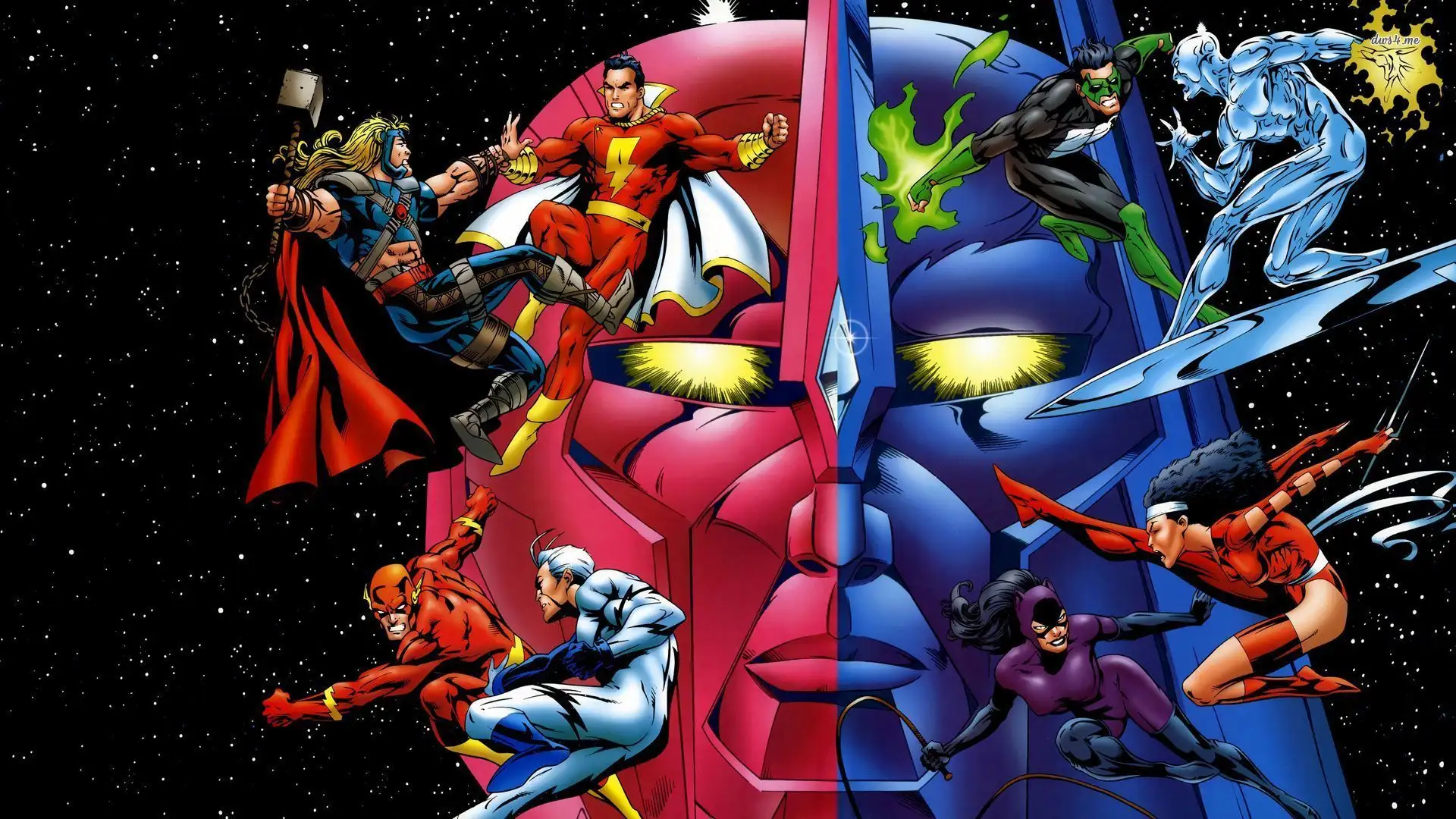
DC is great at making comics and animated movies, while the MCU has the upper hand in its cinematic aspects
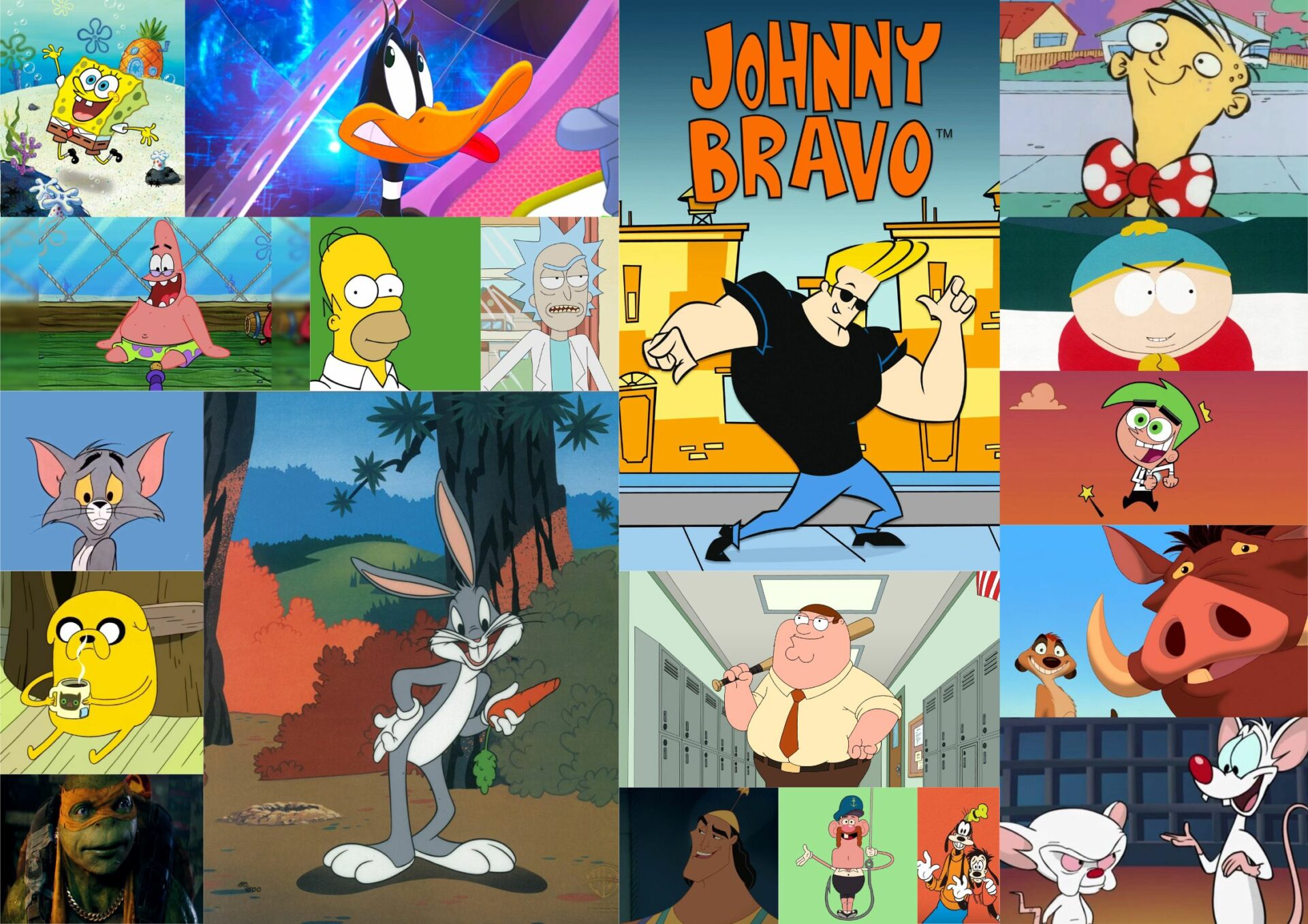
There are some outright funny cartoon characters who exist solely to crack you up, loud, hard, and with zero apology.

Discover the best apps to read books for free in 2025. Access thousands of free e-books and audiobooks on your phone or tablet. ...

Things Fall Apart is for the colonizers as well as the colonized, helping to understand the role of colonialism in the realization...

While many of the Nollywood movies on our list are quite old, it’s a testament to the capabilities of the industry’s p...
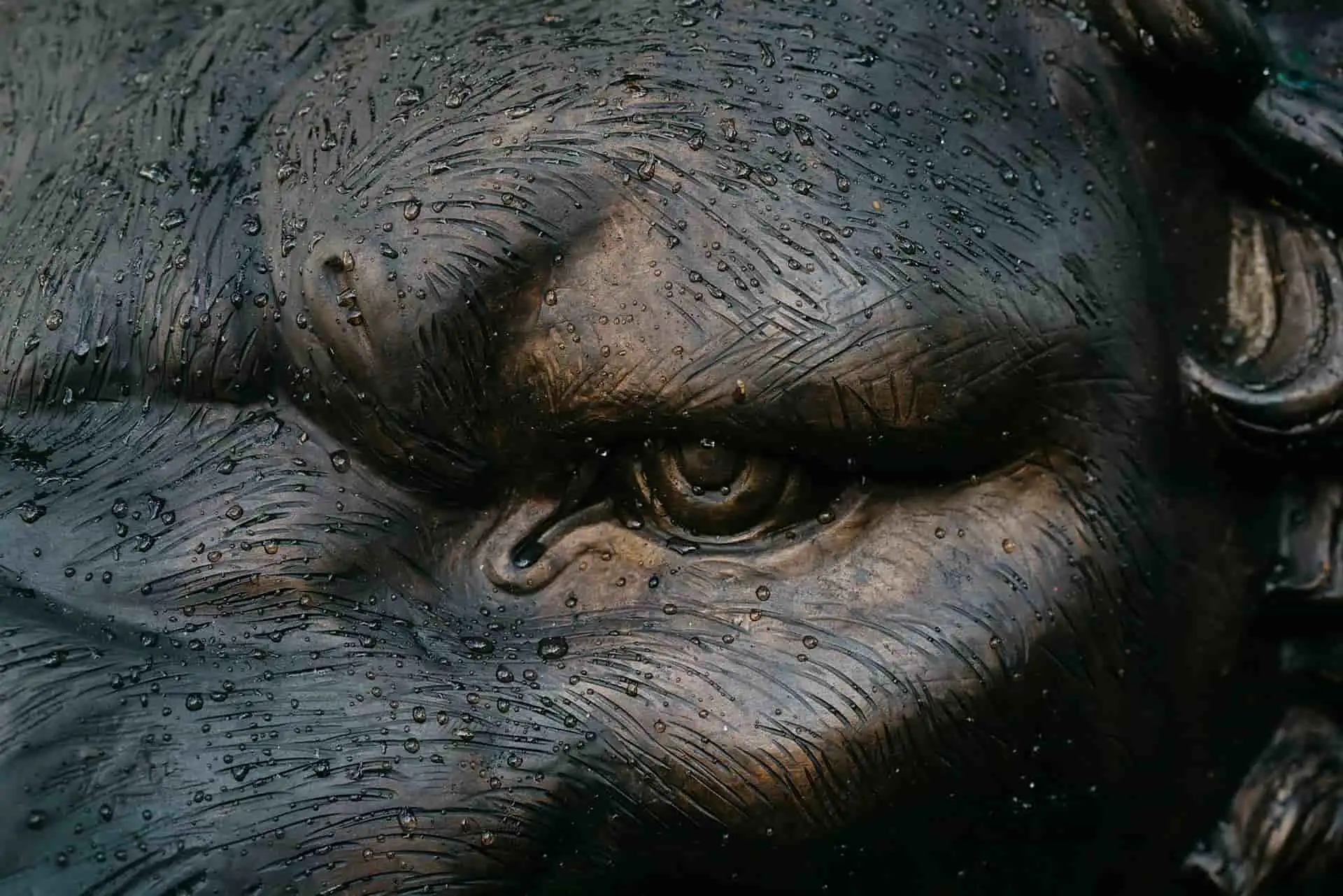
While this isn’t an exhaustive list, it comprises some of the most popular mythical creatures from around the world.
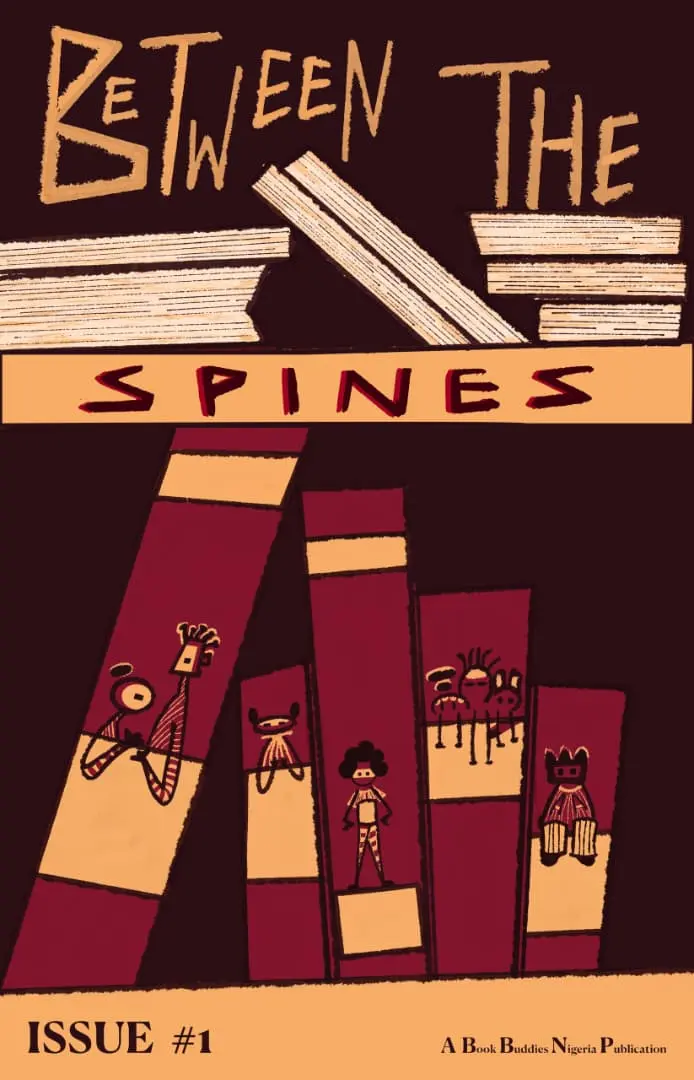
Get our magazine for free!