
















As a writer looking to pull in readers, making them feel like they’re a part of the story, the second person point of view can make a massive difference.

For many readers, the point of view a book is written goes a long way in determining how enjoyable the reading experience will be.
Books written in the second-person point of view aren’t as common as first or third-person, but when used effectively, they can be incredibly immersive.
As a writer looking to pull in readers, making them feel like they’re a part of the story, the second person point of view can make a massive difference. So, should you write in the second person? Let’s explore the pros, cons, and best practices in depth.

Writing in the second person means directly addressing the reader as “you.” Instead of saying “I walked into the room” (first person) or “She walked into the room” (third person), the second person puts the reader at the center: “You walk into the room.”
Sounds serious, right?
You’d be forgiven if such writing feels jarring, or even downright weird. That’s why it’s important to ensure that if you’re going to use this perspective, you need to be consistent.
It also has to serve a purpose, as the very personal nature of this writing perspective makes it immersion-focused. So, if your storytelling is taking a different dynamic, you may want to explore other points of view.
Here are some instances of second-person writing as they apply to different kinds of writing:
As you may have noticed, second-person writing is more commonly used in copywriting, non-fiction, and poetry than it is in fiction.

While the third-person and first-person perspectives are more commonly used, some writers love the second-person narration because it feels intimate and engaging. This style works well for these purposes:
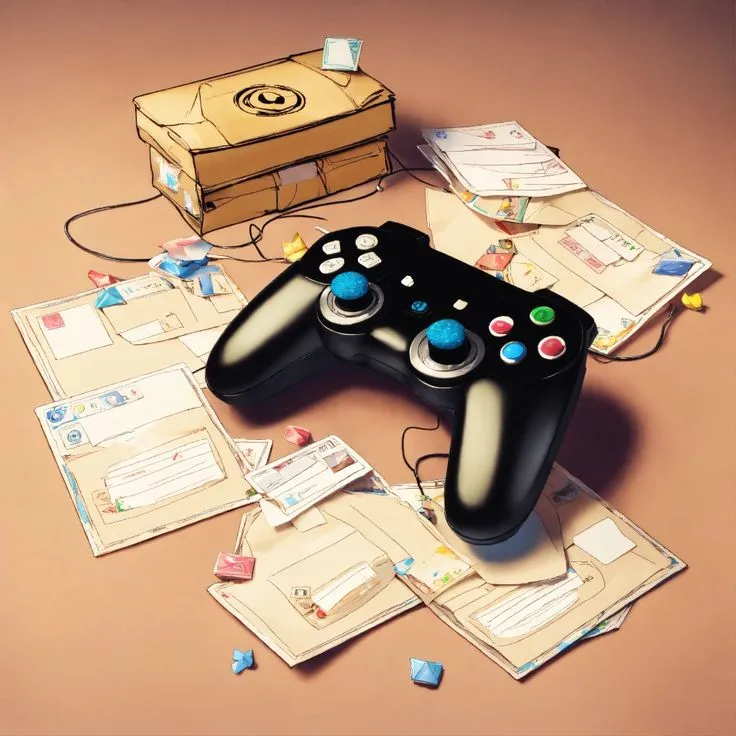
Choose-your-own-adventure books and video games thrive on second-person narration as it places the reader in control, making them feel responsible for the unfolding events.
Manuals, guides, and self-help books often use the second person to engage the reader and provide clear, actionable steps.
The second person can create an emotional connection with the reader, making the writing feel direct and personal.
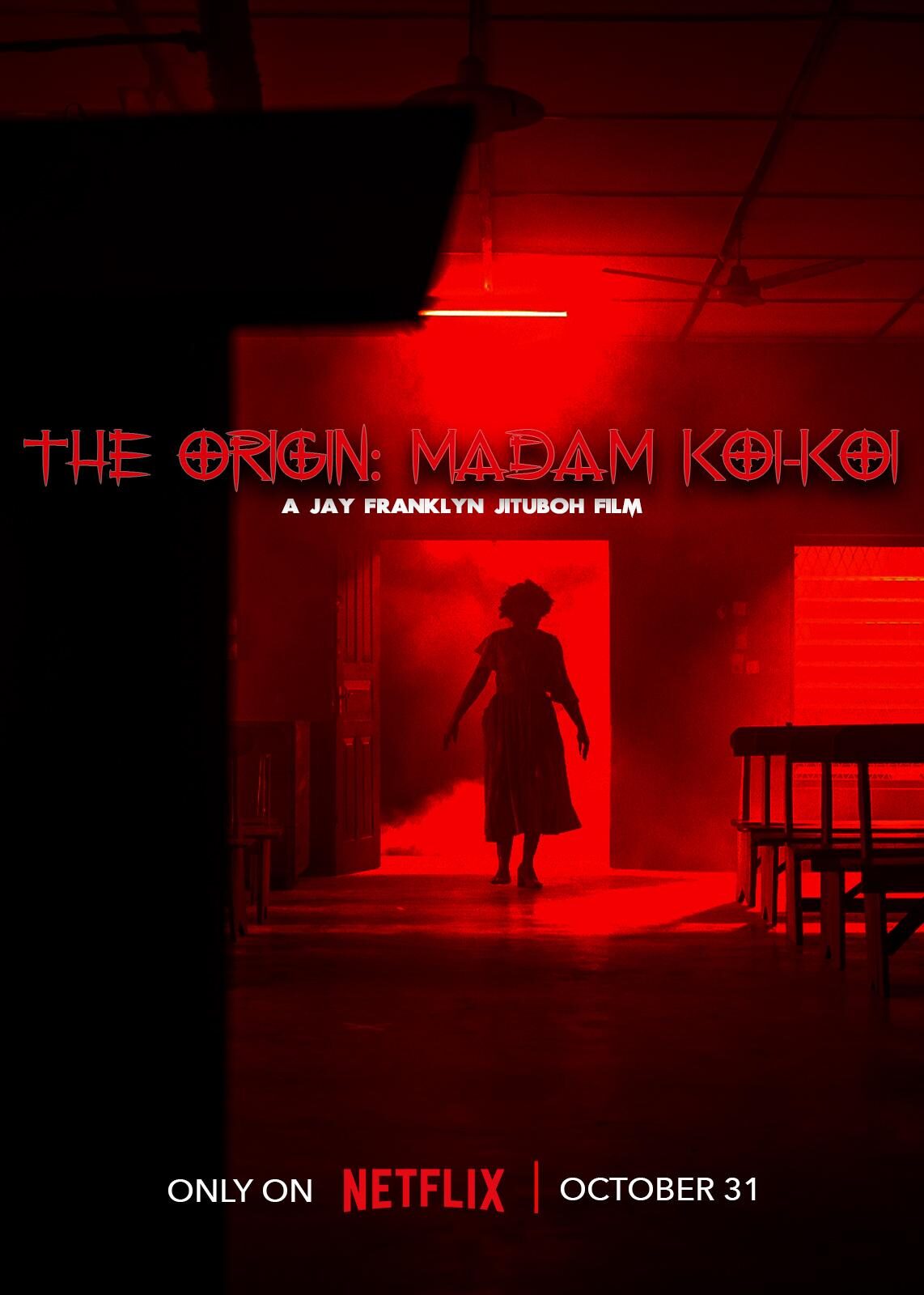
Because of the personal nature of this unique writing perspective, second-person writing is often employed in genres like horror and thriller.
Used correctly, it places the reader right at the center of the maelstrom, injecting intimacy and an unsettling feeling beyond what you can manage with other writing POVs.

The second person can be a great perspective to write from, but only if used the right way. If you’re experimenting with this narration style, follow these key guidelines:
Since second-person narration directly addresses the reader, “you” must be the focal pronoun.
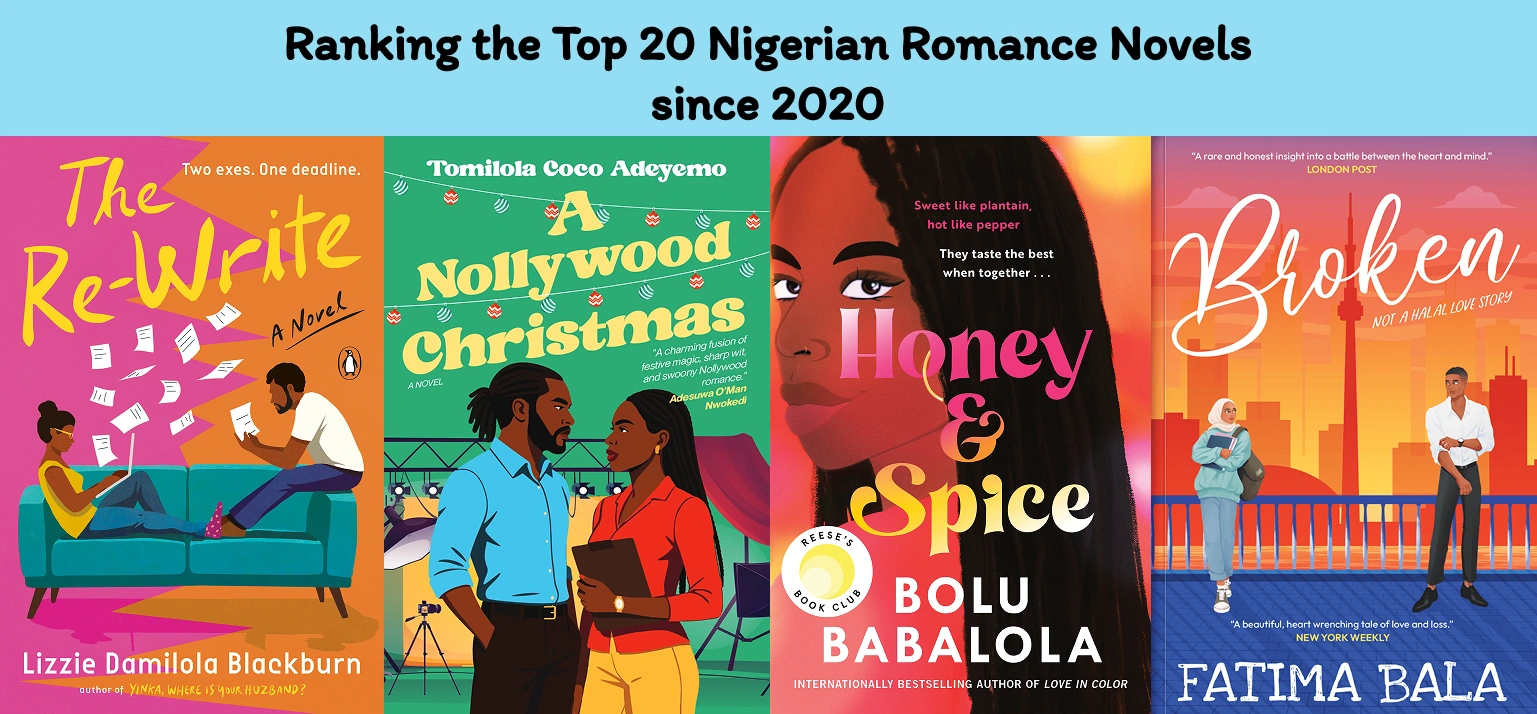
As immersive as the second-person perspective is, it doesn’t work for all stories, or indeed all genres of fiction. Just as some of the best romance novels are written in the first-person, so would you be hard-pressed to find a fantasy novel written in the second-person.
Only use the second-person POV when it actually adds value to your work, and not because of how fancy it sounds.
The last thing you want to do as a writer is confuse or interrupt the reading experience. Switching tenses or perspectives in your work is not only wrong but annoying.
It’s like snatching the bottle from the mouth of a sucking baby. At the very best, you’ll be rewarded with a loud wail indicating their irritation and displeasure.
The second person can sound authoritative, engaging, or even unsettling, so make sure the tone fits your intent.

Despite its benefits, second-person POV isn’t for everyone. Some potential downsides include:
When writing in the second person, it can be challenging to develop a rich, detailed protagonist since the reader is “you.”
Some readers find second-person narration uncomfortable, as it forces them into a role they may not want.
The second-person is quite an unusual style to write in, so sustaining the perspective throughout your piece can be exhausting for both you and the reader.
The second person can be effective in:
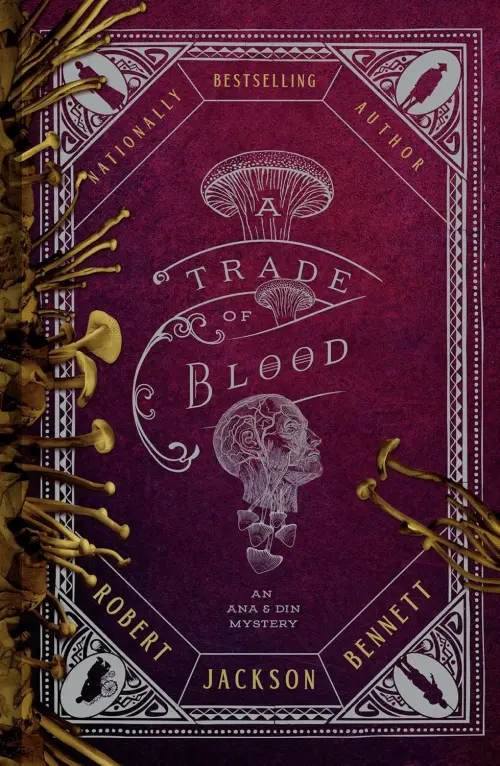
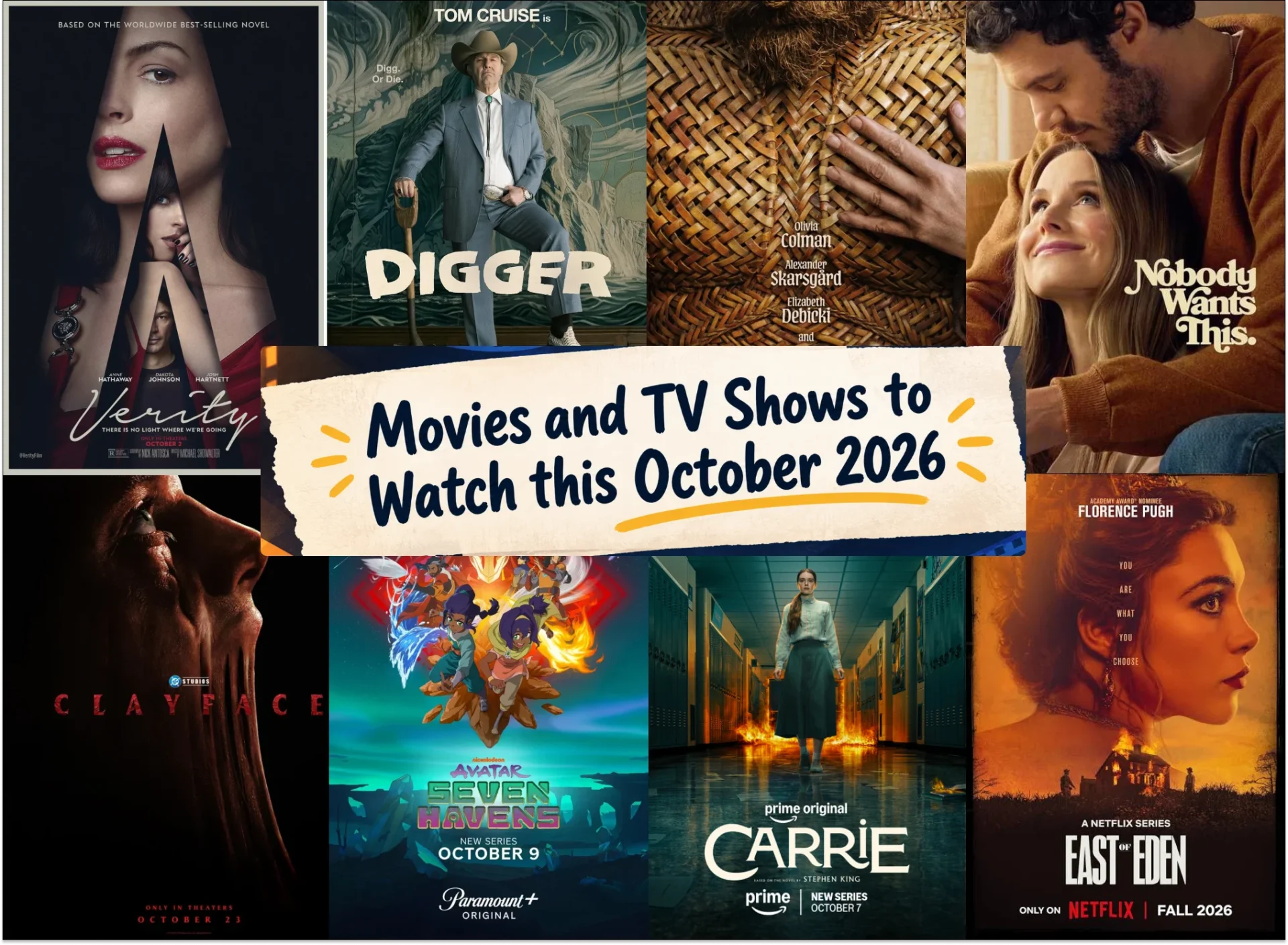
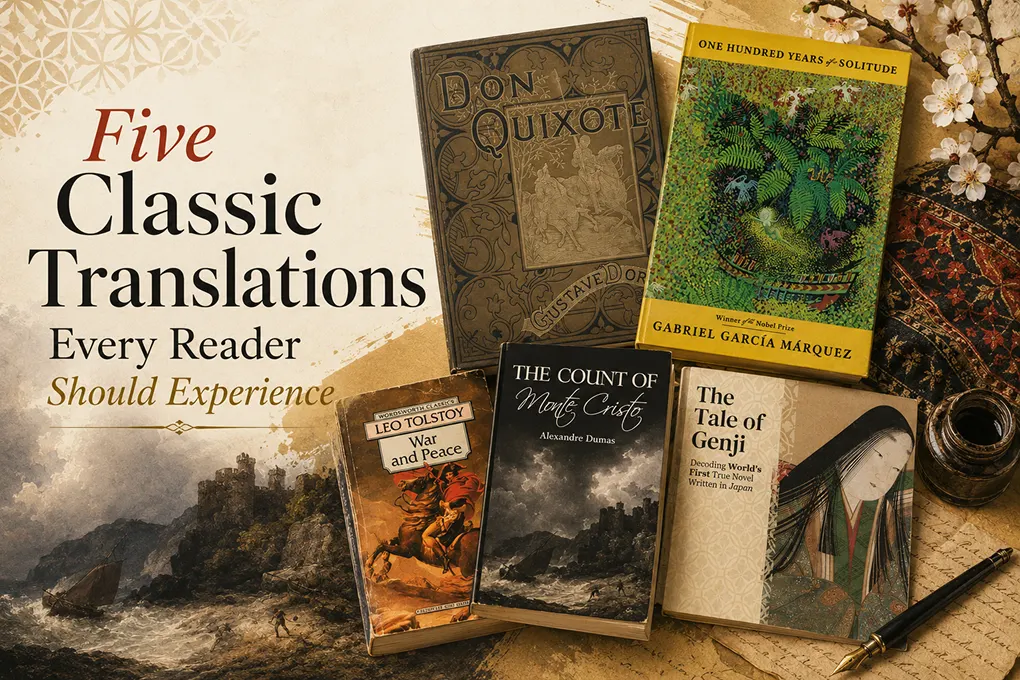
While not as common as first- or third-person writing, second-person has been used effectively in well-known works such as:

Second-person writing isn’t for everyone, but when done well, it can create a truly engaging and immersive experience. If you’re considering it, think about how it will serve your story or content. Will it enhance immersion, make the writing more personal, or add an interactive element? If so, give it a try!
Like all narrative styles, the second person has its strengths and weaknesses. But when wielded with purpose, it can turn a piece of writing into something unforgettable.
So, the next time you sit down to write, ask yourself—are you ready to experiment with the second person?

The Tyrant Overlord. Fantasy buff and avid football fan.

Haven’t read all above, just want to say I’ve always preferred reading second person view. In my opinion, they’re more unpredictable and for some reason, first person sounds whiny somehow to me, especially in Young Adult genre.
Apologies, I meant I prefer THIRD person view! 😂
Second view?? What the heck is that??
Ok, ok, I’ll read the article now.

Hehehehehe! I get why you’d refer to the first person as “whiny”. It’s more commonly used in YA, where the MCs tend to be…. whiny??? It comes with the genre, I think. Although, there are quite a few serious fantasy books written in the first person. The Kingkiller Chronicles come to mind…
July 20, 2025 .
Animation, Lists
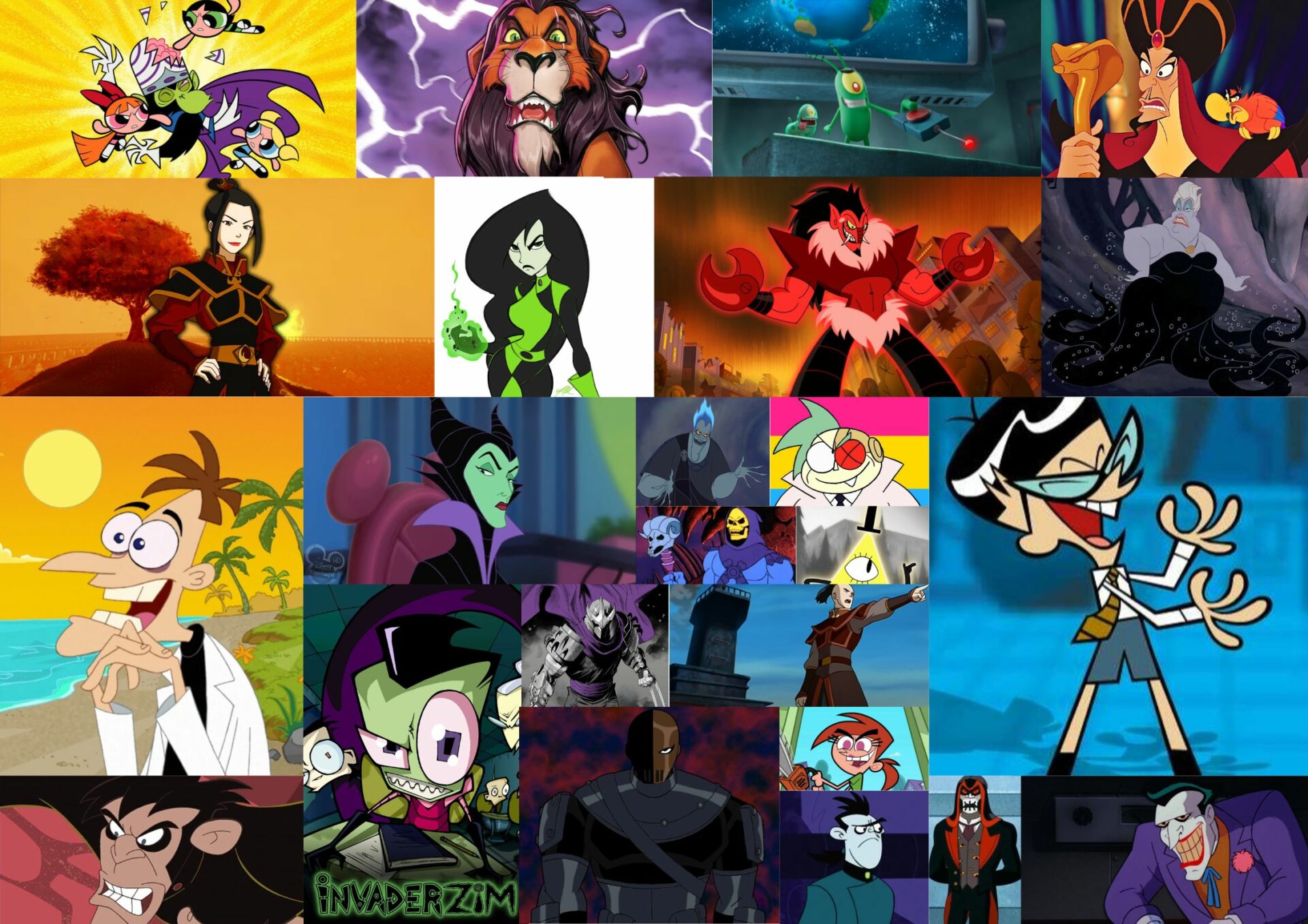
Our list rounds up the top 30 cartoon characters that were villains, each one more wonderfully wicked than the last.
READ MORE
April 29, 2026 .
Lists, Opinions
The Mouse is famous for its princesses and princes. However, the studio’s true genius lies in its embrace of “ugly Disney characters”.
READ MORE
October 28, 2025 .
Debates, Lists, Marvel, MCU
Every Marvel hero brings something to the table. But if we had to pick the top 8 most popular Marvel superheroes, who would make the cut?
READ MORE
May 6, 2026 .
Lists, MCU
Spider-Man is one of the many superheroes from the Marvel Universe whose stories shaped many childhoods. Who is your strongest Spiderman?
READ MORE
October 28, 2025 .
Lists, Marvel, MCU, Opinions
Let’s go through a list of the top 7 strongest Marvel villains, from the wickedly powerful to the absolutely unstoppable.
READ MORE
July 20, 2025 .
Writer Resources
Discover the differences in First-Person Point of View and Third-Person POV, and how each impacts character connection and narrative style.
READ MORE
May 15, 2026 .
Writer Resources
The tension between writer-centered and reader-centered approaches defines how a story is told and who it serves.
READ MORE

October 22, 2025 .
Essays, Writer Resources
Ever found a book that looks like a comic but tells a complete, well-structured story? Congratulations, it’s a graphic novel.
READ MORE
June 26, 2026 .
Writer Resources
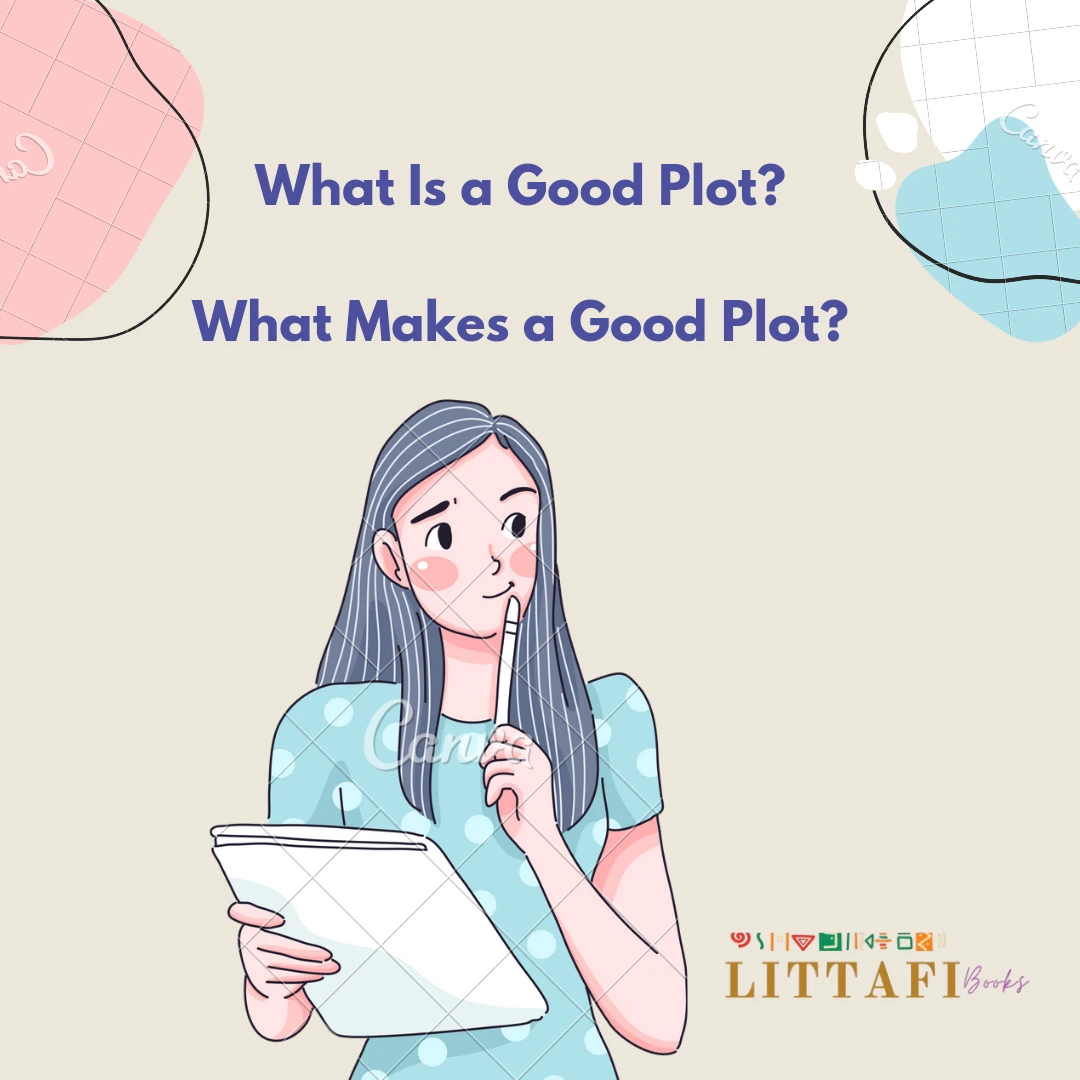
Writing starts with forming ideas, imagination, dreams, and thoughts. And when these condense into a coherent progression, you have a plot.
READ MORE
May 10, 2026 .
Writer Resources
What is a board book, and how does it differ from others? Traditional publishing usually means novels, but published works span much more.
READ MORE
July 24, 2025 .
Essays, Writer Resources
READ MORE
February 8, 2026 .
Writer Resources
Breaking into traditional publishing can feel like decoding a secretive industry. This guide is a resource for finding the right agent.
READ MORE
February 28, 2026 .
Writer Resources
There are three paths in book publishing: traditional, self-publishing, and hybrid. The current focus is on traditional publishing.
READ MORE

July 20, 2025 .
Writer Resources
Today, writers are needed who combine creativity with technical expertise, professionalism, and adaptability.
READ MORE
Get our magazine for free!




V for Vendetta says:
Haven’t read all above, just want to say I’ve always preferred reading second person view. In my opinion, they’re more unpredictable and for some reason, first person sounds whiny somehow to me, especially in Young Adult genre.
V for Vendetta says:
Apologies, I meant I prefer THIRD person view! 😂
Second view?? What the heck is that??
Ok, ok, I’ll read the article now.
Akinwale says:
Hehehehehe! I get why you’d refer to the first person as “whiny”. It’s more commonly used in YA, where the MCs tend to be…. whiny??? It comes with the genre, I think. Although, there are quite a few serious fantasy books written in the first person. The Kingkiller Chronicles come to mind…