



















































2nd-grade chapter books help children move from pictures to text-heavy narratives, offering their first taste of literary independence.
2nd grade chapter books help children move from pictures to text-heavy narratives, offering their first taste of literary independence. Any author who wishes to succeed in this competitive market has a great responsibility. Through their texts, they shape children’s lifelong reading habits.
While picture books rely on visual storytelling, 2nd grade chapter books bridge the gap between early readers and middle-grade fiction.
Typically, early chapter books contain 4,000 to 10,000 words, prioritize text over images, and feature large fonts and white space to reduce visual fatigue. Illustrations are secondary.
Additionally, the chapters are brief and end with minor cliffhangers. The writing stays straightforward from the inciting incident to the final resolution.
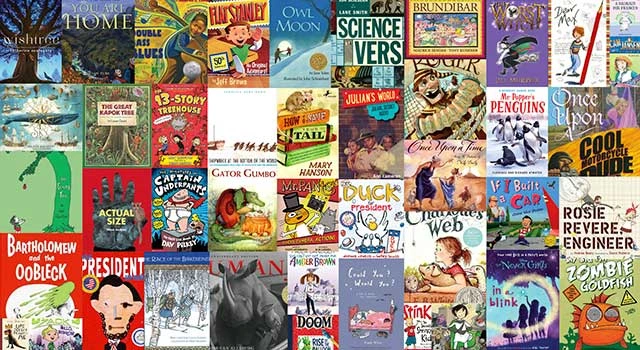
Children seek reflections of their lives in books, so they need authentic, relatable characters. The protagonist must display flaws.
Perfect characters do not resonate with young readers who face their own imperfections. Editors in children’s publishing advise that the main character be the same age as the target reader or slightly older. This fosters an aspirational, yet accessible, connection. The protagonist might face complex friendships or feel anxious about academic performance.
A writer builds empathy when the hero makes mistakes and learns from them. The author should give the protagonist clear interests or unique hobbies. These details drive the plot and promote growth.
For example, a child who loves insects might solve problems scientifically. An artistic character could resolve conflicts creatively. These specifics turn a generic character into a memorable friend for the reader.
Although the setting might be an ordinary school or a typical neighborhood, the emotional stakes feel monumental to the characters: a lost library book becomes a crisis for a second grader, and a playground disagreement takes on the scale of an epic battle.
These childhood concerns are validated by the narrative structure, which never dismisses them from an adult perspective. Successful children’s authors share a strategy for plot progression: introduce a clear problem in the first chapter, send the protagonist through escalating failures, and resolve the primary obstacle when the character applies a learned lesson.
Settings should feel vivid, serving as supporting characters in the story. Descriptive sensory details, such as the loud cafeteria and its unique smells, bring scenes to life for young readers.
Writers face a language challenge. The prose must be accessible and help children learn new words. Writers should use varied dialogue tags. Compound or complex sentences build stamina. However, writers must avoid complicated syntax.
Also, a rhythmic flow to the prose aids reading comprehension, as children vocalize the words during their reading sessions. An author achieves this rhythm by using poetic devices such as alliteration and onomatopoeia. Plus, the dialogue must sound authentic to the age group, as children use specific slang and phrasing; incorporating these elements adds a layer of authenticity to the manuscript.
Educators represent a major market for chapter books. Authors should consider classroom uses when drafting. A story about a school garden might introduce biology, while a museum mystery could explore ancient civilizations.
Authors must blend educational content with the story. It should not disrupt the narrative or confuse the audience. Facts should enrich, not intrude. Glossaries or discussion questions add value for educators. These tools aid lesson planning. Printable worksheets or online activities also boost school adoption. Combining education and entertainment helps books stay on the market longer.

Creating a manuscript requires extensive planning and revision. The process starts with a character concept, which evolves into a detailed outline. This outline shapes chapter flow and ensures a consistent pace. Skipping the outlining phase can result in stories that fail to hold readers’ interest.
Usually, a chapter book outline assigns plot points to each chapter: the first introduces the protagonist and primary conflict, the middle explores flawed attempts to solve the issue, and the final chapters present the climax and resolution. Such a structure prevents writer’s block and provides a clear roadmap for drafting.
Publishers prefer series rather than standalone books in this market. Young readers develop strong attachments to familiar characters. These children wish to follow heroes across multiple adventures.
An intending author must conceptualize a broad world capable of supporting many installments. The setting must offer diverse locations for new plots. The supporting cast should have unique traits that warrant further exploration.
A strong series documents character quirks and details to prevent continuity errors. The writer must track each character’s eye color, sibling names, and favorite foods. This meticulous record-keeping ensures an organized universe that rewards loyal readers.
The author writes the text, while the illustrator creates the visuals. Writers should not direct artistic choices, but can add brief art notes. These notes point out visual details the text misses.
For instance, they might show where an object is hidden or a facial expression that disagrees with the spoken words. Authors must trust the illustrator’s vision. This teamwork makes a better book.
Good editing separates amateur writers from professional authors. The creator must read the manuscript aloud to identify awkward phrasing, since the ear catches structural flaws that the eye misses.
Beta readers from the target audience provide invaluable feedback, and their reactions highlight confusing plot points or dull chapters.
Note: Every scene must advance the plot or develop the character, and the writer must cut any superfluous material without hesitation.
The revision process requires multiple passes, and the author should focus on a different element during each review. One pass might address character consistency, while a subsequent pass refines the dialogue.
To master the craft, an author must read widely in the genre. Published works reveal the structure of successful chapter books. ican Examples
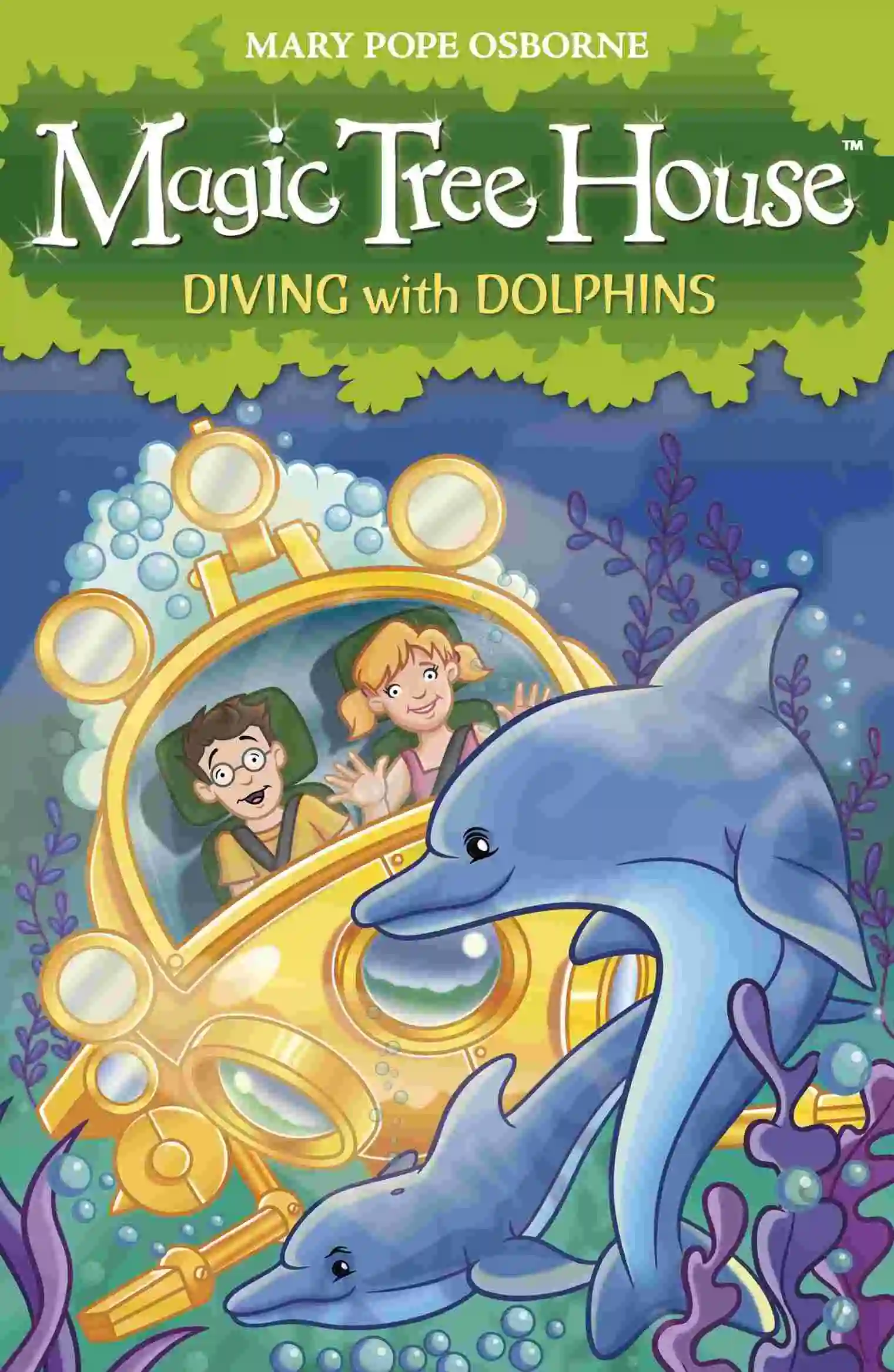
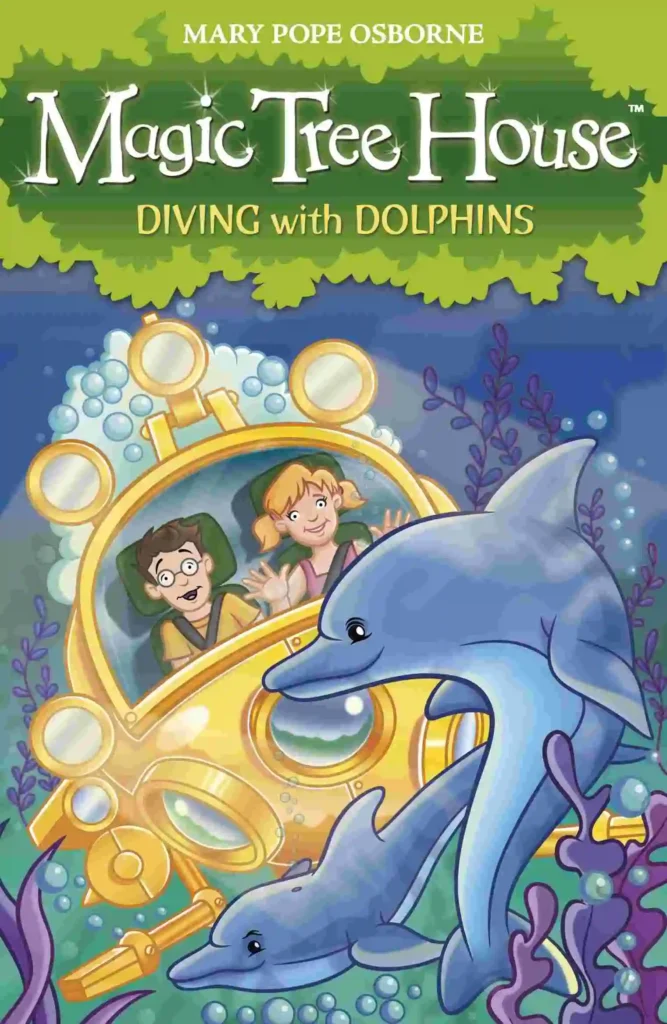
The Magic Tree House series by Mary Pope Osborne is very important in this literary genre because Osborne integrates educational facts with thrilling adventures.
Her consistent formula follows protagonists as they travel through time to solve historical mysteries, appealing to both children and educators. Osborne’s accessible sentence structure and use of cliffhanger endings demonstrate how authors can successfully create engaging chapter books for young readers.
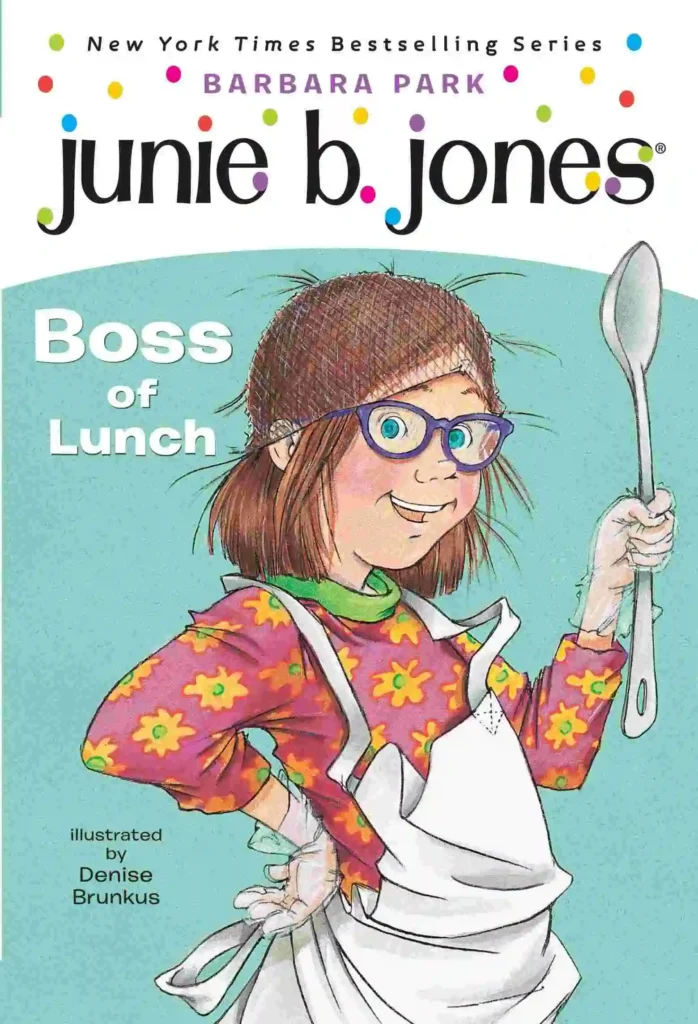
Another essential series includes Junie B. Jones by Barbara Park. Park captures the authentic voice of a young child, employing phonetic spellings to reflect juvenile speech patterns. The humor resonates with the target demographic, as the protagonist’s misinterpretations of the adult world lead to hilarious consequences.
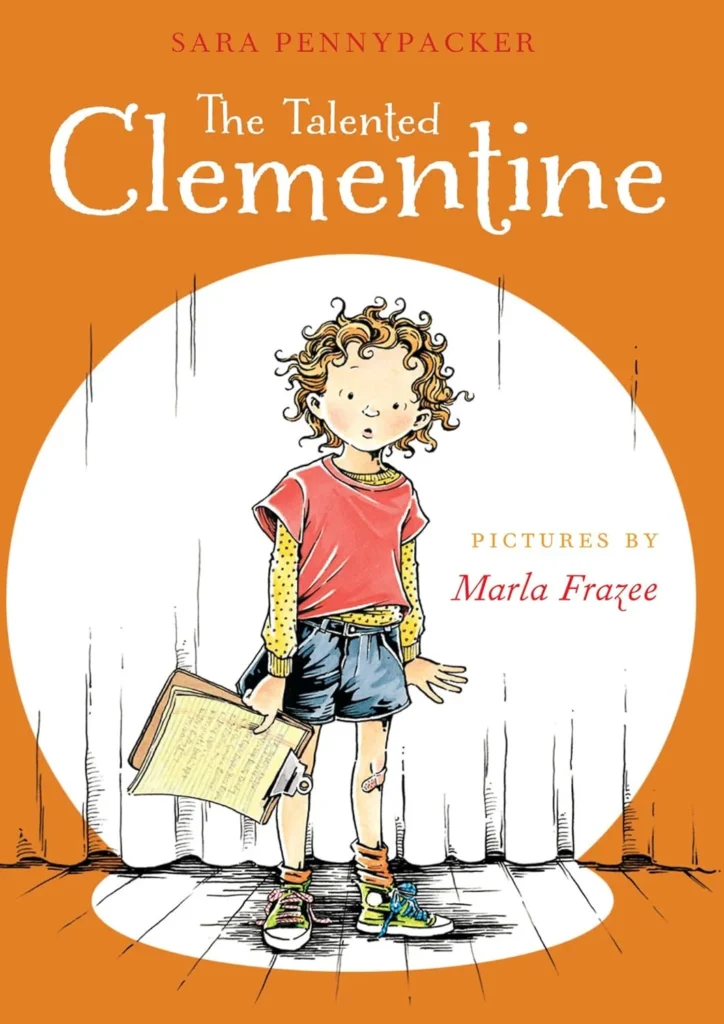
Furthermore, Sara Pennypacker’s Clementine series demonstrates the power of a vibrant narrative voice. Clementine possesses a unique perspective on the world, and her impulsive nature generates immense conflict and entertainment. Pennypacker uses precise verbs and evocative nouns to create a dynamic reading experience, which proves that accessible language can possess literary merit.
African literature offers magnificent chapter books that showcase rich cultural tapestries alongside universal childhood themes.
Too Small Tola by Atinuke presents a brilliant exploration of life in a bustling Nigerian city. Tola lives with her family in a cramped apartment, and she proves her worth despite her diminutive stature.
Atinuke employs evocative language to describe the vibrant markets and chaotic traffic, while maintaining an accessible reading level. The stories emphasize the importance of community and family bonds, which provide a heartwarming foundation for the narrative.
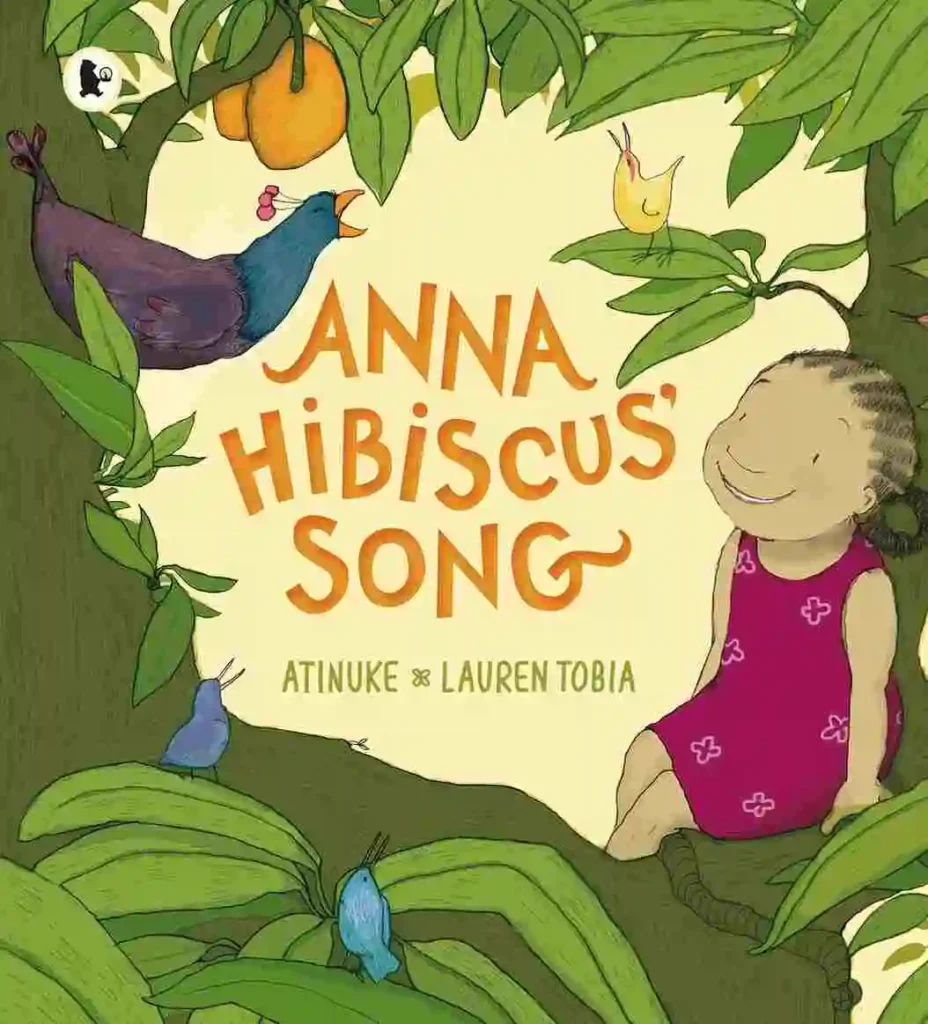
Anna Hibiscus, another series by Atinuke, follows a girl living in a family compound in Africa with her extended relatives. The narratives tackle issues of class privilege and cultural differences with immense grace.
These books prove that specific cultural details enhance the universal appeal of an excellent story. Authors should study these texts to understand how cultural heritage is integrated into a fast-paced narrative.
Another notable example includes the Sadiq series by Siman Nuurali, which features a Somali-American boy in Minnesota. Sadiq engages in various community projects and school clubs. Nuurali weaves Somali words and cultural traditions into the stories, offering representation for diaspora children while educating a broader audience. The series highlights the value of diverse perspectives in children’s literature.
Many industry professionals seek manuscripts with distinct narrative voices because a unique perspective separates a submission from the slush pile.
Editors look for stories that tackle modern childhood anxieties with sensitivity and a touch of humor. A common piece of advice is not to write books that read like lectures, because children prefer narratives in which characters learn through their own mistakes.
The theme must emerge from the protagonist’s actions and not be declared by authority figures. A chapter book must also begin with immediate action to hook the reader from the first page. Long introductions bore young consumers, and a bored child will close the book. The author must establish the setting and introduce the conflict within the opening paragraphs. This swift pacing requires economical writing, and every word must serve a specific purpose.
In addition, the role of an author extends beyond the drafting of the manuscript. Successful writers engage in extensive marketing efforts, and they build connections with their audience through school visits.
During these visits, authors read excerpts from their books and conduct interactive workshops. These presentations inspire young readers and generate word-of-mouth among educators and parents. The inclusion of visual aids or interactive games ensures a memorable experience for the students.
Also, authors must cultivate a strong online presence, and a professional website serves as a central hub for information regarding new releases and upcoming events. It is important to understand that navigating the publishing industry demands resilience, as rejections constitute a major part of the journey.
The creation of 2nd grade chapter books demands an extraordinary combination of linguistic precision and imaginative flair. The authors who master this format provide an invaluable service to society by fostering the next generation of lifelong readers. The aspiring author must approach this medium with profound respect, and the commitment to quality must remain unwavering.
By studying structural rules, analyzing exemplary texts, and embracing a rigorous revision process, a writer can craft stories that resonate across generations. A compelling chapter book holds the power to transform a reluctant reader into an avid bookworm. The characters become cherished companions, and the fictional worlds offer safe havens for imagination to flourish.

Godsgift Isaiah is a music and book whore who enjoys everything about art.
July 20, 2025 .
Animation, Lists
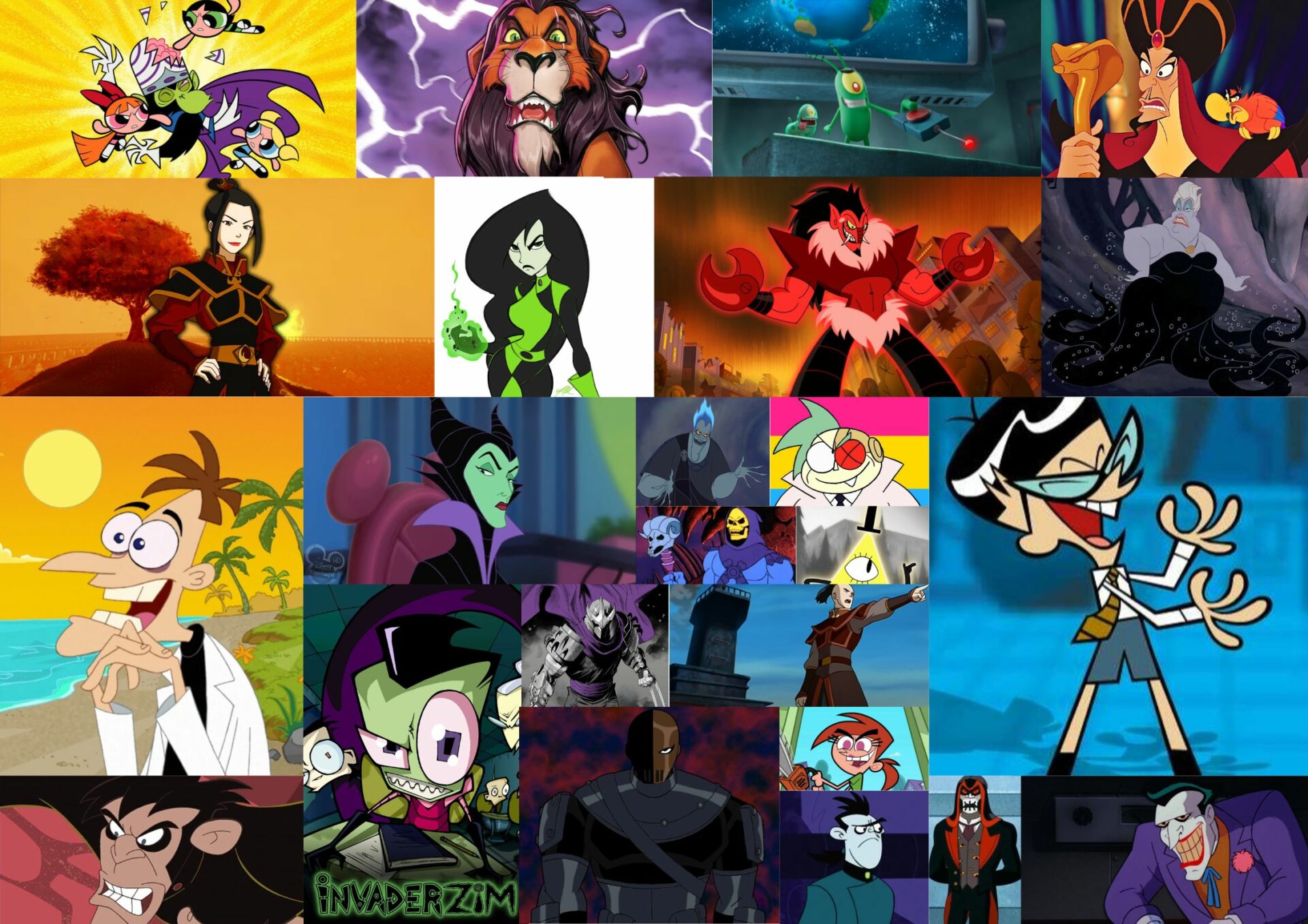
Our list rounds up the top 30 cartoon characters that were villains, each one more wonderfully wicked than the last.
READ MORE
April 29, 2026 .
Lists, Opinions
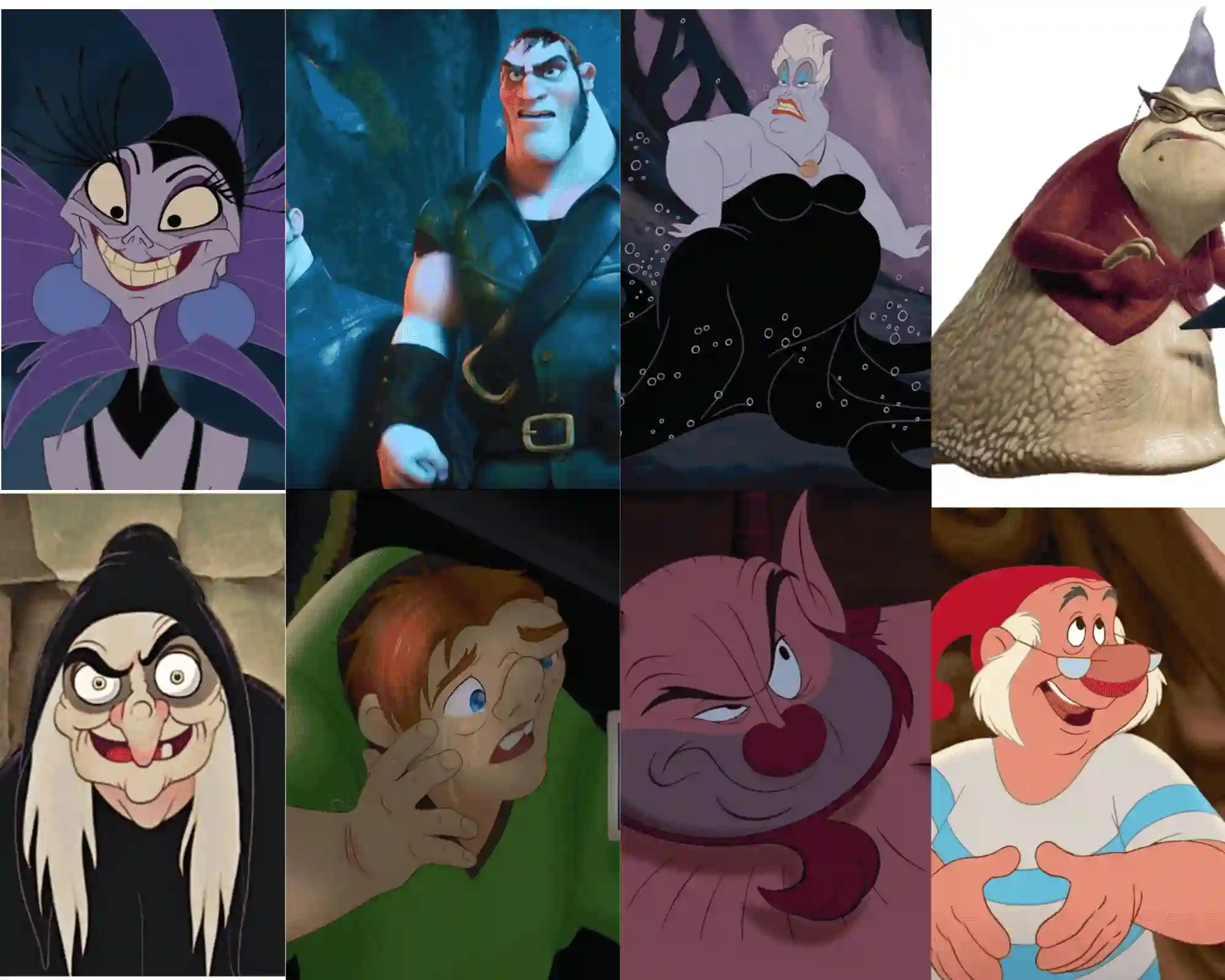
The Mouse is famous for its princesses and princes. However, the studio’s true genius lies in its embrace of “ugly Disney characters”.
READ MORE
May 6, 2026 .
Lists, MCU
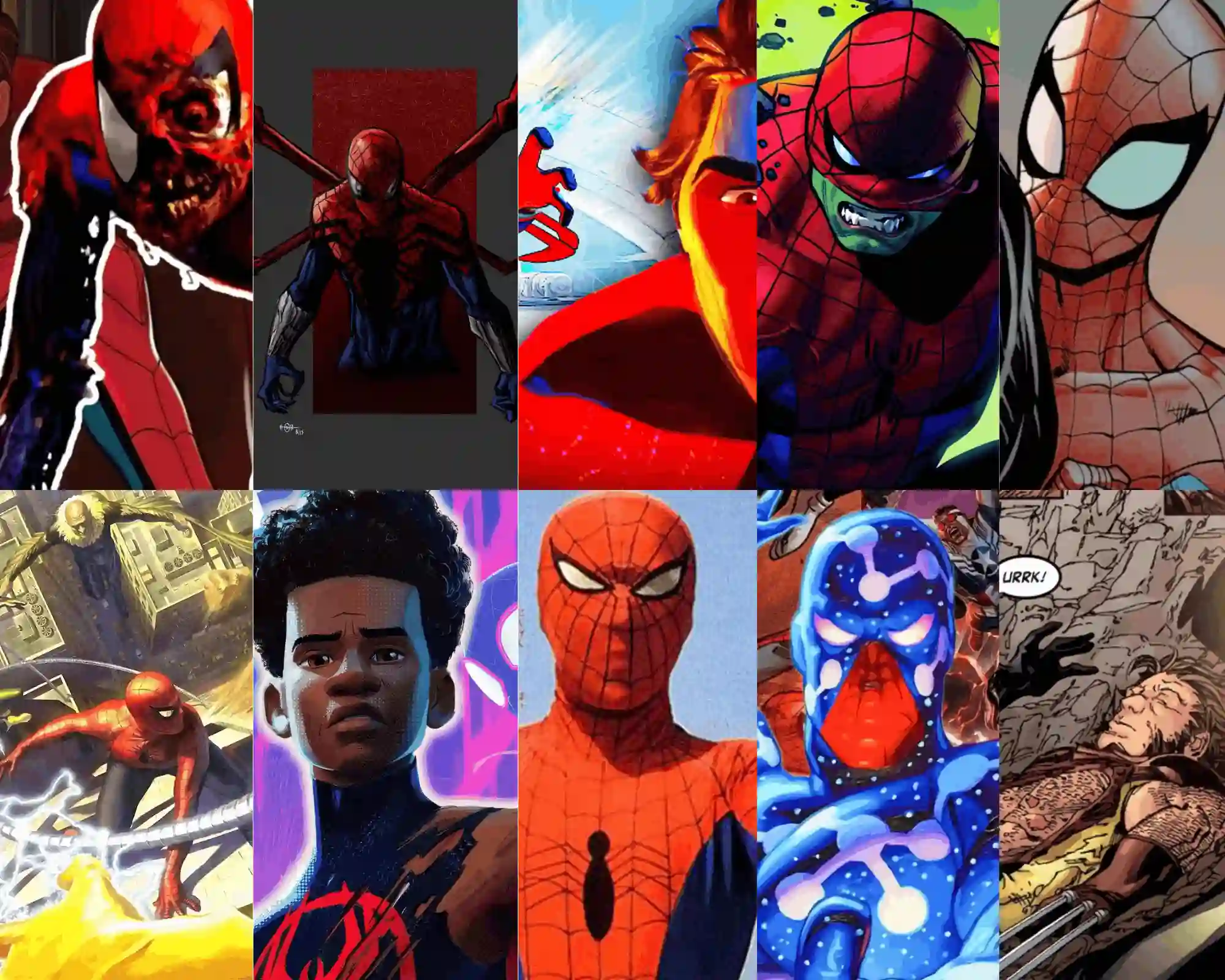
Spider-Man is one of the many superheroes from the Marvel Universe whose stories shaped many childhoods. Who is your strongest Spiderman?
READ MORE
October 28, 2025 .
Debates, Lists, Marvel, MCU
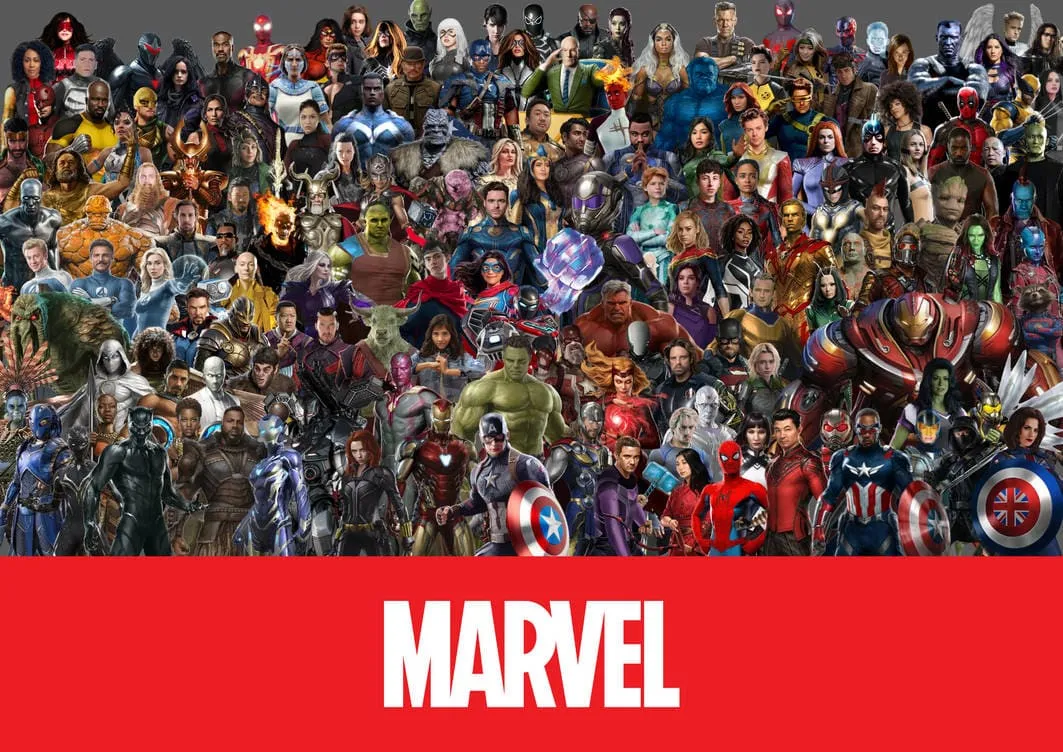
Every Marvel hero brings something to the table. But if we had to pick the top 8 most popular Marvel superheroes, who would make the cut?
READ MORE

October 28, 2025 .
Lists, Marvel, MCU, Opinions
Let’s go through a list of the top 7 strongest Marvel villains, from the wickedly powerful to the absolutely unstoppable.
READ MORE


July 20, 2025 .
Writer Resources
Discover the differences in First-Person Point of View and Third-Person POV, and how each impacts character connection and narrative style.
READ MORE
May 15, 2026 .
Writer Resources
The tension between writer-centered and reader-centered approaches defines how a story is told and who it serves.
READ MORE

October 22, 2025 .
Essays, Writer Resources
Ever found a book that looks like a comic but tells a complete, well-structured story? Congratulations, it’s a graphic novel.
READ MORE
June 26, 2026 .
Writer Resources
Writing starts with forming ideas, imagination, dreams, and thoughts. And when these condense into a coherent progression, you have a plot.
READ MORE
May 10, 2026 .
Writer Resources
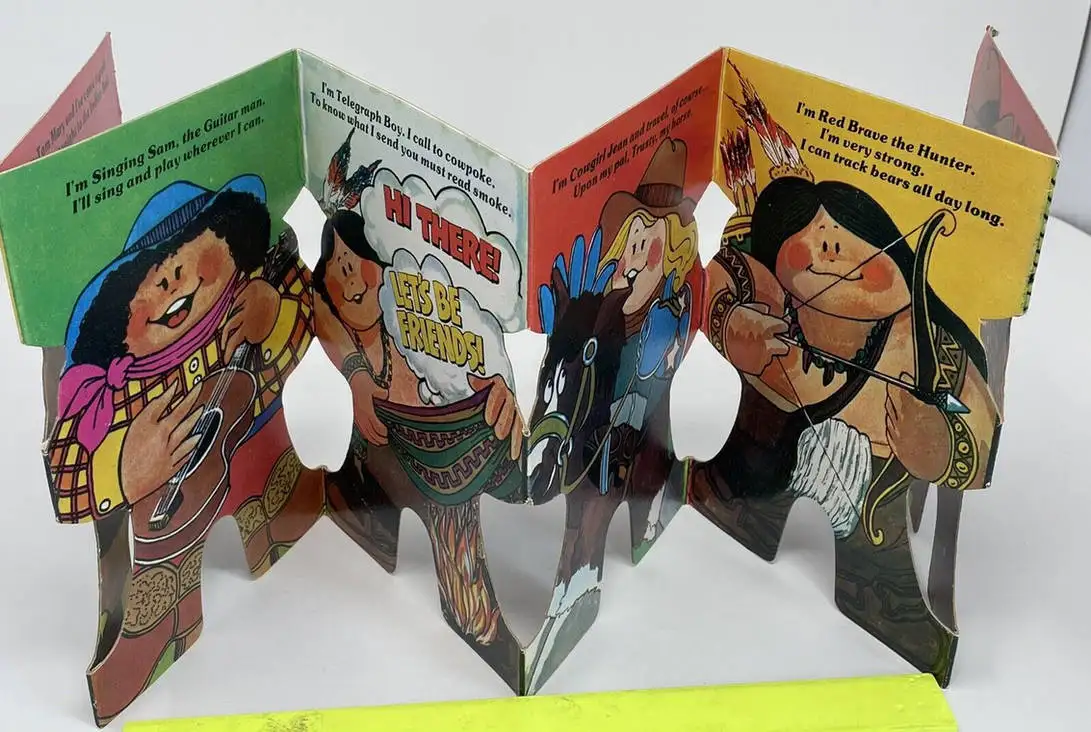
What is a board book, and how does it differ from others? Traditional publishing usually means novels, but published works span much more.
READ MORE
July 24, 2025 .
Essays, Writer Resources
READ MORE
February 8, 2026 .
Writer Resources
Breaking into traditional publishing can feel like decoding a secretive industry. This guide is a resource for finding the right agent.
READ MORE
February 28, 2026 .
Writer Resources
There are three paths in book publishing: traditional, self-publishing, and hybrid. The current focus is on traditional publishing.
READ MORE

July 20, 2025 .
Writer Resources
Today, writers are needed who combine creativity with technical expertise, professionalism, and adaptability.
READ MORE
Get our magazine for free!