






























Something is happening quietly but unmistakably. Millions of viewers who had never heard of a Thai lakorn two years ago are now staying up past midnight to finish one. Readers who once browsed only translated Japanese or Korean fiction are placing orders for Thai novels. The numbers back this up: according to a 2024 report […]

Something is happening quietly but unmistakably. Millions of viewers who had never heard of a Thai lakorn two years ago are now staying up past midnight to finish one. Readers who once browsed only translated Japanese or Korean fiction are placing orders for Thai novels. The numbers back this up: according to a 2024 report by the Thai Creative Economy Agency, Thai content exports grew by over 34% in just three years — and the growth is nowhere near stopping.
The Korean Wave took decades to build. The T-Wave is moving faster, and for a specific reason: it is emotionally raw in ways that other regional industries rarely permit themselves. Thai dramas do not always end happily. Characters carry grief. Villains have backstories that make you flinch at your own judgment.
Thai cinema has quietly accumulated international festival recognition — films like Bad Genius and How to Make Millions Before Grandma Dies crossed borders without massive marketing campaigns. They spread because people sent them to each other.
One category deserves its own paragraph, because it changed the global conversation almost single-handedly: the Y-series genre, meaning Boys’ Love dramas produced for mainstream audiences. Shows like 2gether: The Series and Bad Buddy built fanbases in Brazil, the Philippines, Germany, and South Korea simultaneously.
The community around these series is strikingly organized. Fan translation networks subtitle new episodes within hours. Discord servers coordinate watch parties across twelve time zones. This is not passive consumption — it is cultural participation.
Here is a practical reality that most guides skip over: a significant portion of Thai streaming content is geographically restricted. Line TV, one of the primary platforms for Y-series and drama content, limits access based on your detected location. This is where VPN technology enters the conversation — not as a grey-market trick, but as a legitimate cybersecurity tool that also solves an access problem.
A VPN encrypts your internet connection and routes it through a server in another country, masking your actual location from websites and protecting your data from surveillance and interception. For example, using the VeePN service for Thailand, you can unblock access to local services from abroad, or vice versa, for residents of the region, and restore access to foreign films. Many cybersecurity professionals recommend using a VPN like VeePN as a baseline privacy measure, regardless of what you do online.
The fragmentation of streaming rights is genuinely frustrating. A Thai series might be on Netflix in Japan, on Viu in Southeast Asia, on Line TV in Thailand itself, and simply unavailable everywhere else. Here is where the geography of digital content becomes a puzzle worth solving.
For those outside Thailand wanting to stream Thai dramas, a server location set to Thailand or a neighboring country often unlocks the most complete catalogs. Viu covers much of Southeast Asia and has expanded its Thai drama library substantially since 2022. WeTV, owned by Tencent, similarly carries a strong selection and operates regional licensing that makes certain titles available in unexpected markets.
The book world has been slower to catch up, but the gap is closing. Titles like Burning Secret by Chart Korbjitti — a classic of Thai social realism — are now available in English translation and circulating within international reading communities such as StoryGraph and Goodreads. Thai speculative fiction is also gaining ground: the anthology Decoded: Stories from Thailand introduced many Western readers to Thai science fiction and horror for the first time.
University libraries in Europe and North America have begun acquiring Thai fiction in translation at a higher rate. The translation bottleneck remains real, but demand is becoming apparent.
Even setting aside plot and character, Thai visual storytelling rewards attention at a purely technical level. Thai cinematographers have developed a distinctive grammar: natural light used aggressively even in studio productions, color grading that leans warm-amber in rural scenes and bleached-cool in urban ones, and a preference for wide establishing shots that situate characters inside the landscape rather than against it.
This isn’t an accident or a budget limitation. It’s a deliberate aesthetic tied to a broader philosophy about the relationship between people and place. Such works are worth using a VPN extension or app to unblock access. When you start watching Thai films specifically for the cinematography, something shifts in how you read them.
T-pop — Thai pop music — is increasingly intertwined with the drama and film industry, in ways that parallel the K-pop model without quite replicating it. Actors from Y-series frequently release music tied to their shows, and those soundtracks become entry points for fans who then follow the artists into solo careers.
The fan culture around T-pop is sophisticated. Streaming parties on organized platforms are coordinated to push songs up global charts. YouTube premiere events for music videos gather hundreds of thousands of concurrent viewers. Engaging with T-pop culture now means engaging with a genuine international community, not a niche one.
There is a word used in Thai — greng jai — that roughly describes a social impulse to avoid burdening others, to shrink yourself to preserve another person’s comfort. Thai storytelling frequently circles this concept without naming it. Characters suffer because of it. Relationships collapse under the weight of what is never said.
Global audiences are responding to this because it is universal. The specific cultural context is Thai. The emotional logic is human.
If you have not yet explored Thai content and want a sensible starting point, here is a short map. For drama, begin with Bad Buddy or A Tale of Thousand Stars — both are complete series with strong production values and subtitles in multiple languages. For cinema, How to Make Millions Before Grandma Dies (2024) is an ideal entry film — emotionally accessible, beautifully made, and currently available on several international streaming platforms.
For literature, Bright by Saneh Sangsuk offers a concentrated, intense introduction to Thai prose style. For music, the soundtracks from GMMTV productions are curated playlists worth exploring.
The content is there. The communities to enjoy it with are already built. The tools to access it from anywhere are available. What remains is simply the decision to begin.

The Tyrant Overlord. Fantasy buff and avid football fan.
July 20, 2025 .
Animation, Lists
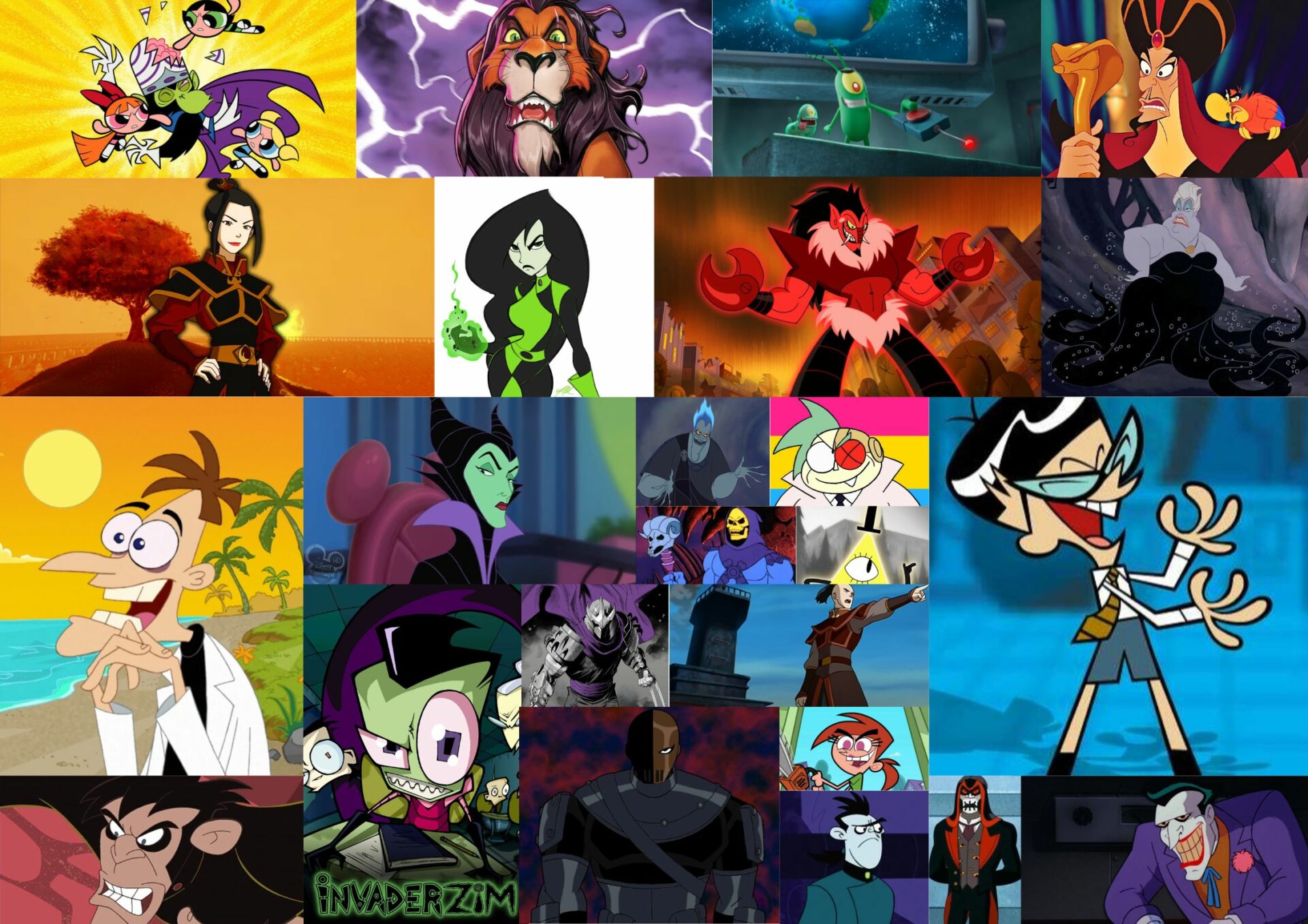
Our list rounds up the top 30 cartoon characters that were villains, each one more wonderfully wicked than the last.
READ MORE
May 6, 2026 .
Lists, MCU
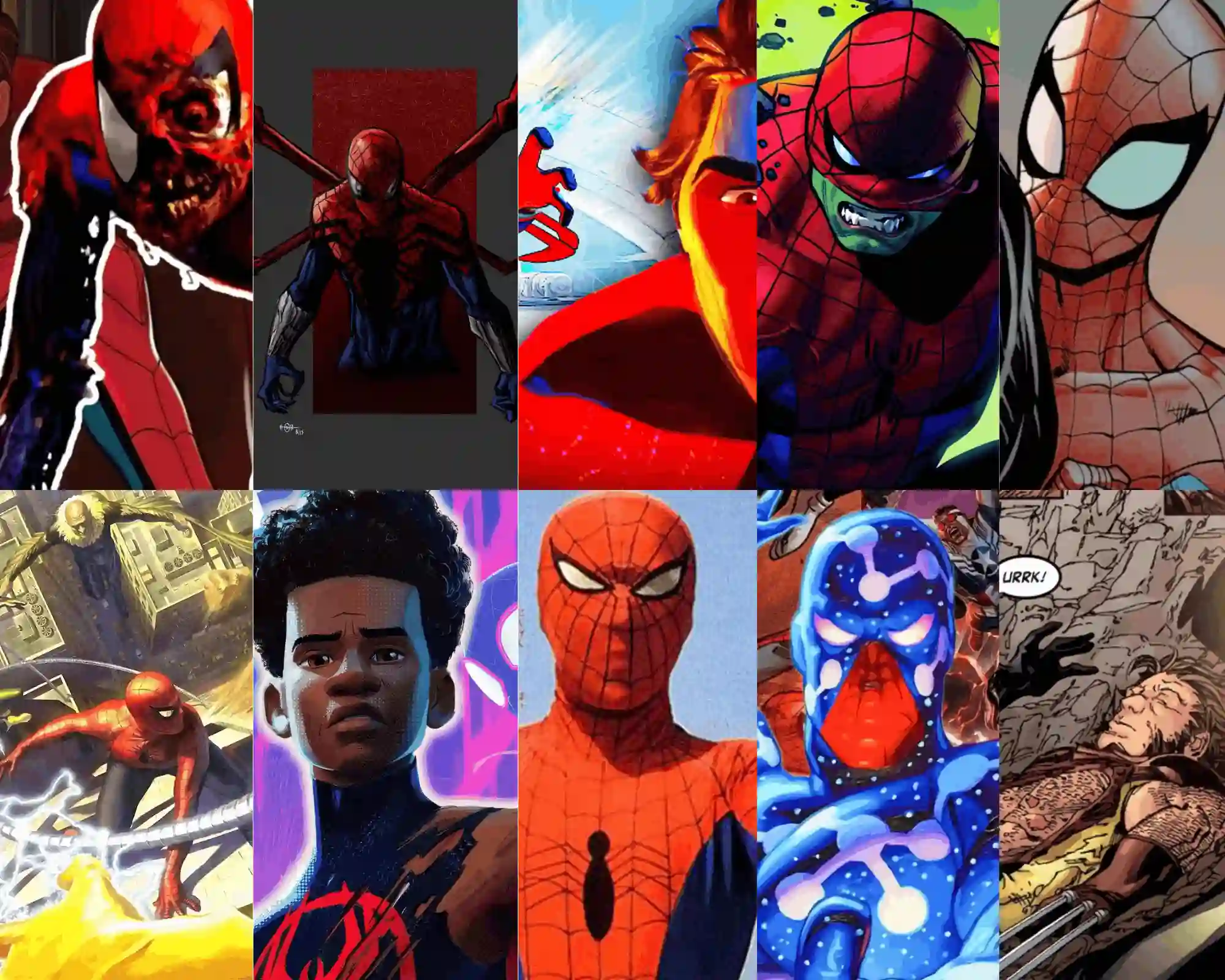
Spider-Man is one of the many superheroes from the Marvel Universe whose stories shaped many childhoods. Who is your strongest Spiderman?
READ MORE
April 29, 2026 .
Lists, Opinions
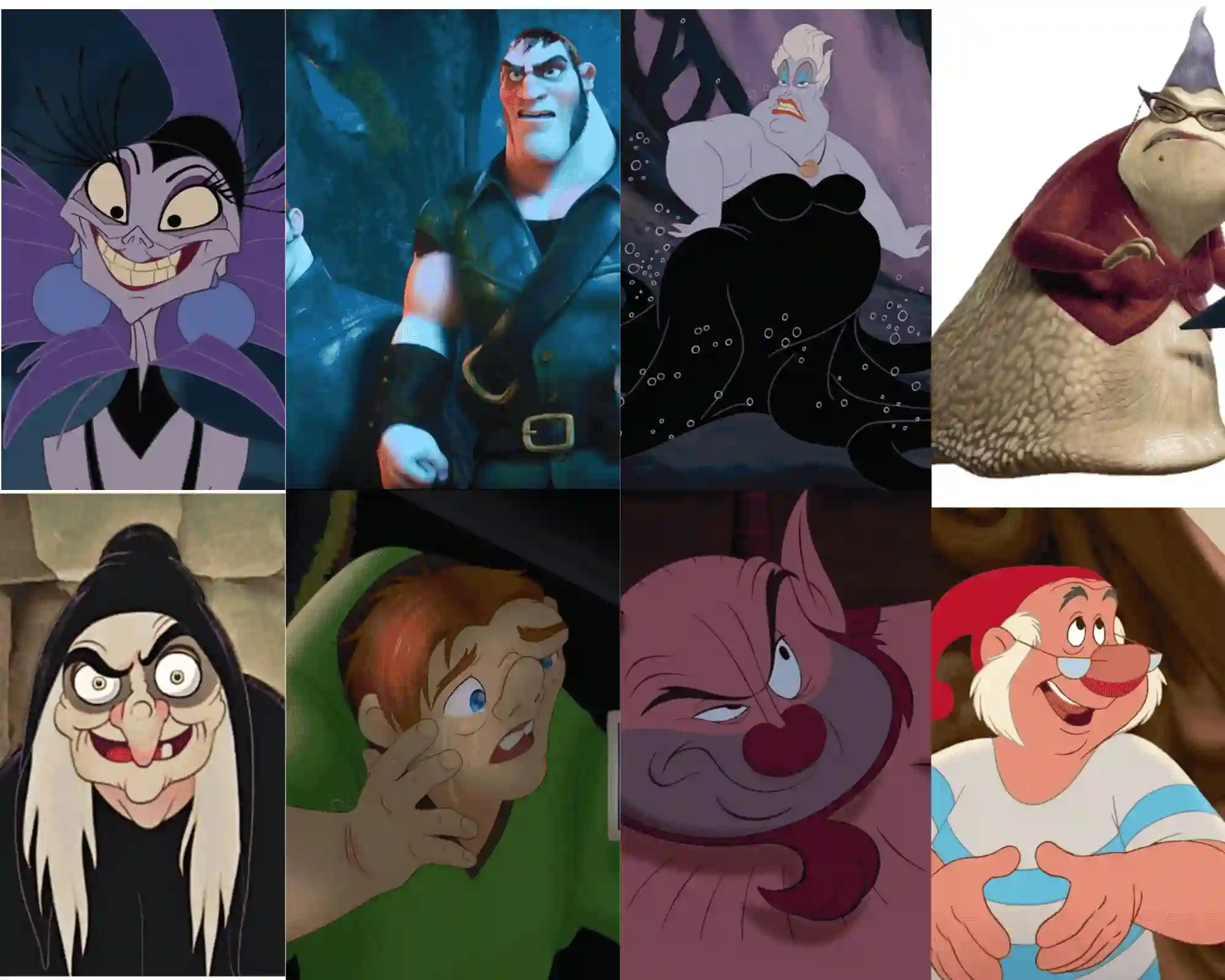
The Mouse is famous for its princesses and princes. However, the studio’s true genius lies in its embrace of “ugly Disney characters”.
READ MORE
October 28, 2025 .
Lists, Marvel, MCU, Opinions
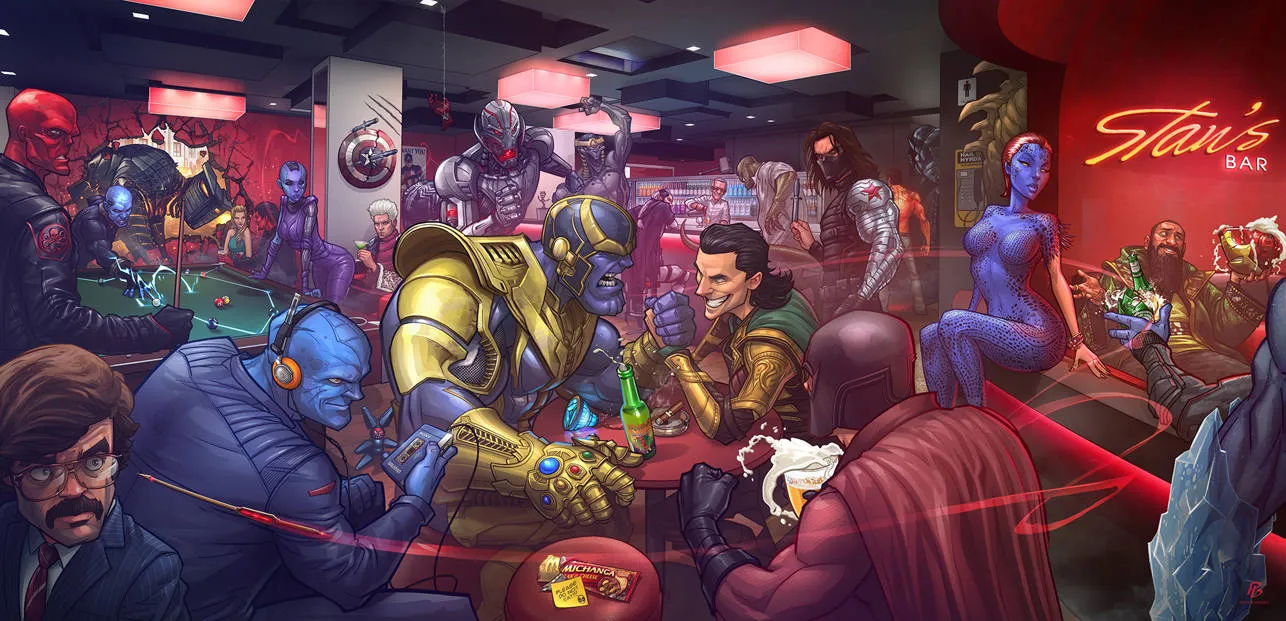
Let’s go through a list of the top 7 strongest Marvel villains, from the wickedly powerful to the absolutely unstoppable.
READ MORE
November 27, 2025 .
Lists, Mythology
While this isn’t an exhaustive list, it comprises some of the most popular mythical creatures from around the world.
READ MORE
October 12, 2021 .
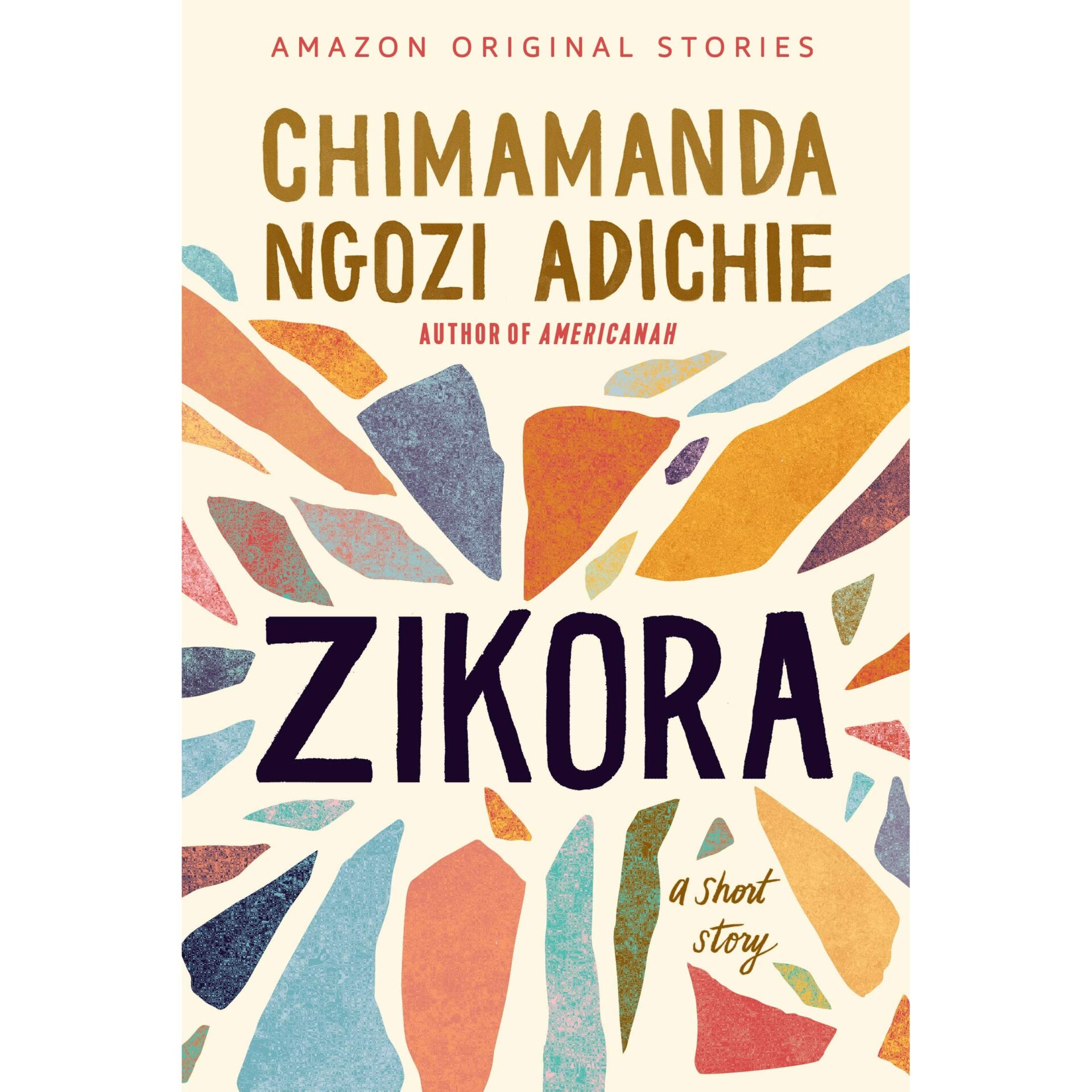
African Literature, chimamanda, cna, zikora
Hopefully, the reading of a book as this will enlighten men and generally educate people in the making of the right choices regarding amatory unions.
READ MORE

July 20, 2025 .
Opinions
Book recommendations from random places don’t always cut it, and you often end up feeling unsatisfied with them.
READ MORE
September 2, 2025 .
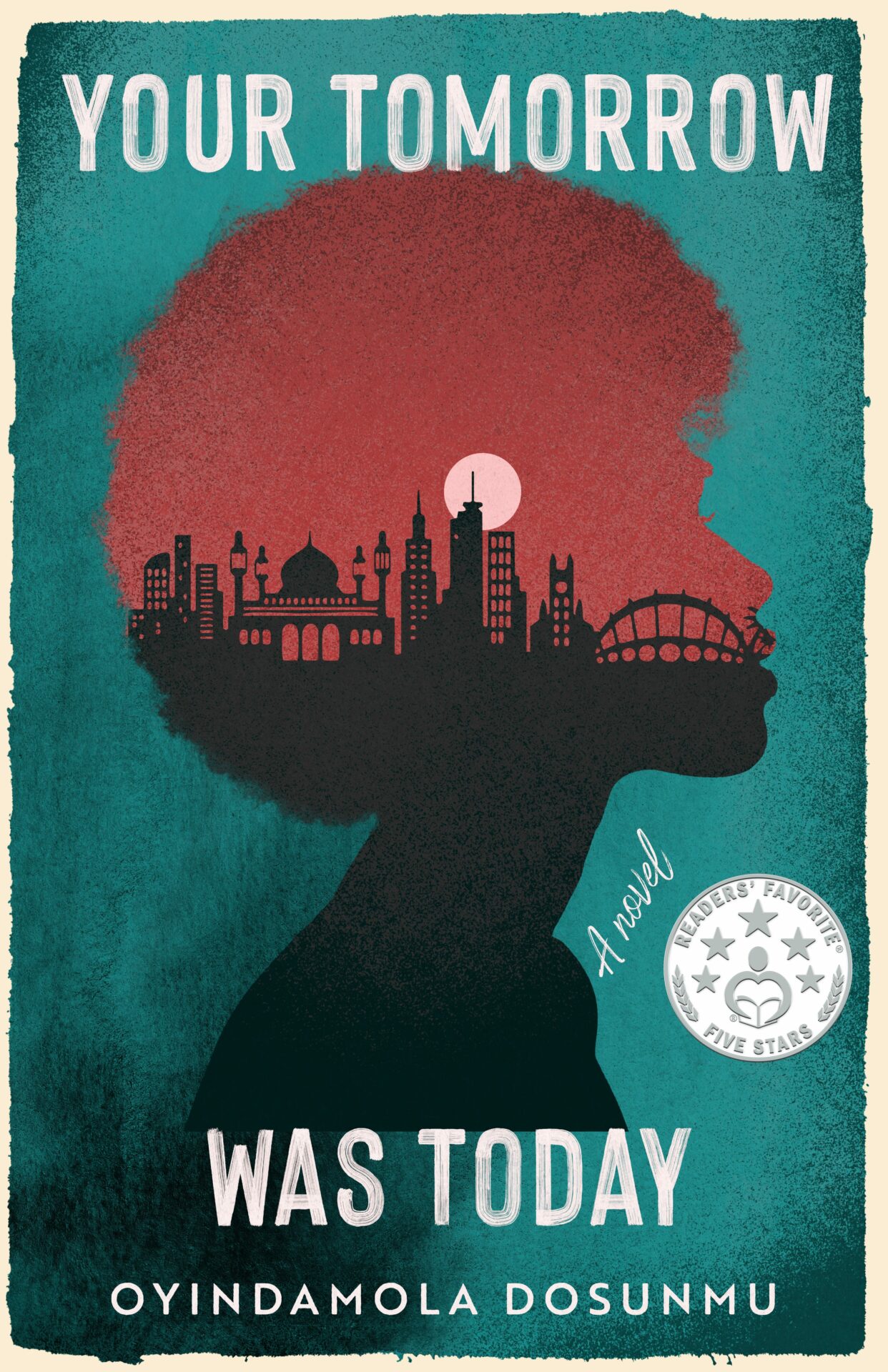
African Literature
So yes, Your Tomorrow Was Today is guaranteed to be a book that will touch you, regardless of gender, interests or philosophy.
READ MORE

October 24, 2021 .
Netflix, Psychopaths, Serial Killer, Thriller, You S3
READ MORE

November 2, 2025 .
Netflix, Psychopath, Serial Killer, You S1, You S2
Oh, and Joe is also a stalker and serial killer who believes he’s helping his ‘love interests’ by killing people he thinks are a threat or bad influence to them
READ MORE
July 18, 2022 .
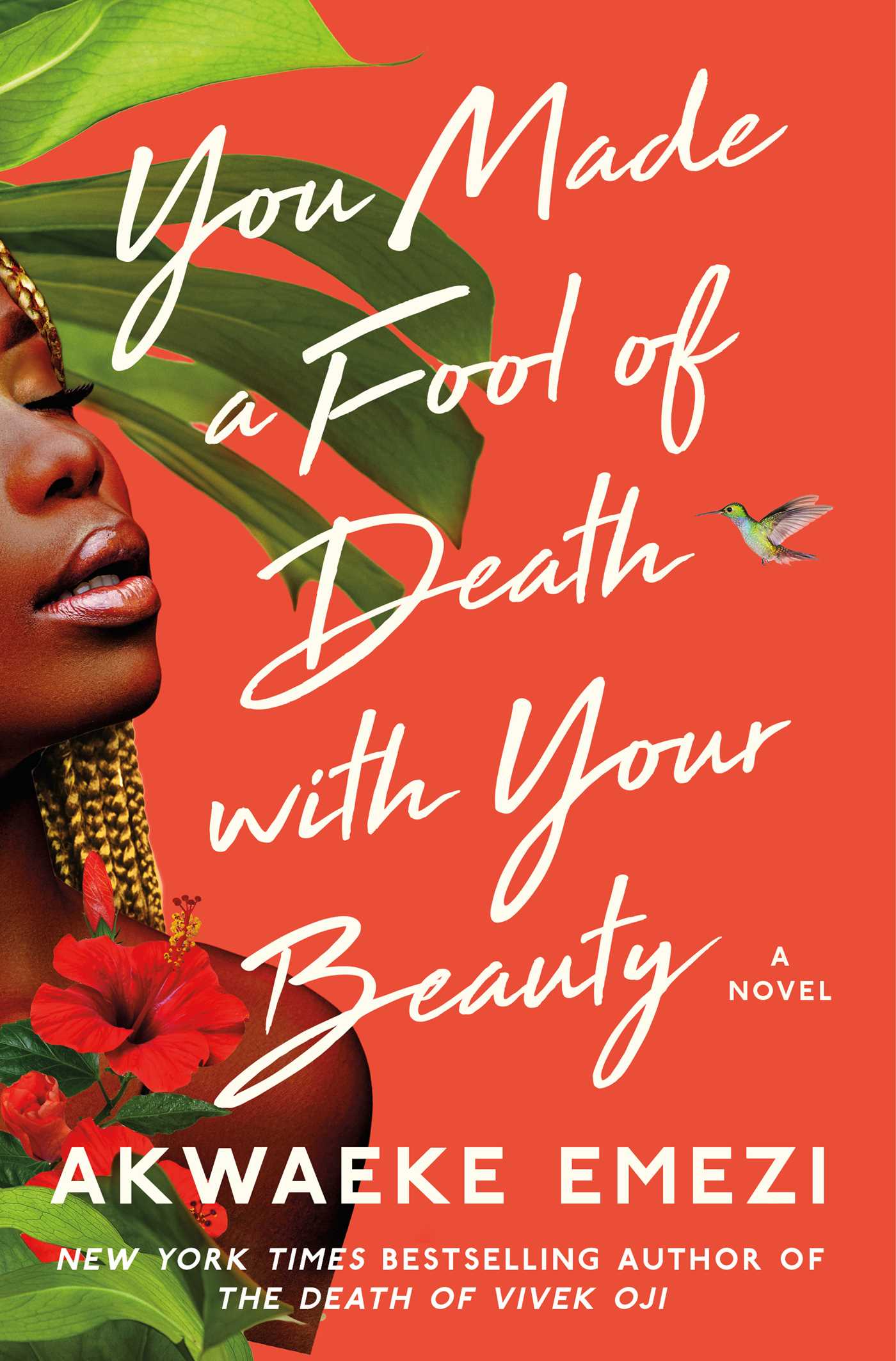
akwaekeemezi, youmadeafoolofdeathwithyourbeauty
I have reread it for the 100th time since its release, and I still do not feel full… I very much recommend this book with all the gods in my village backing me!
READ MORE
February 19, 2022 .
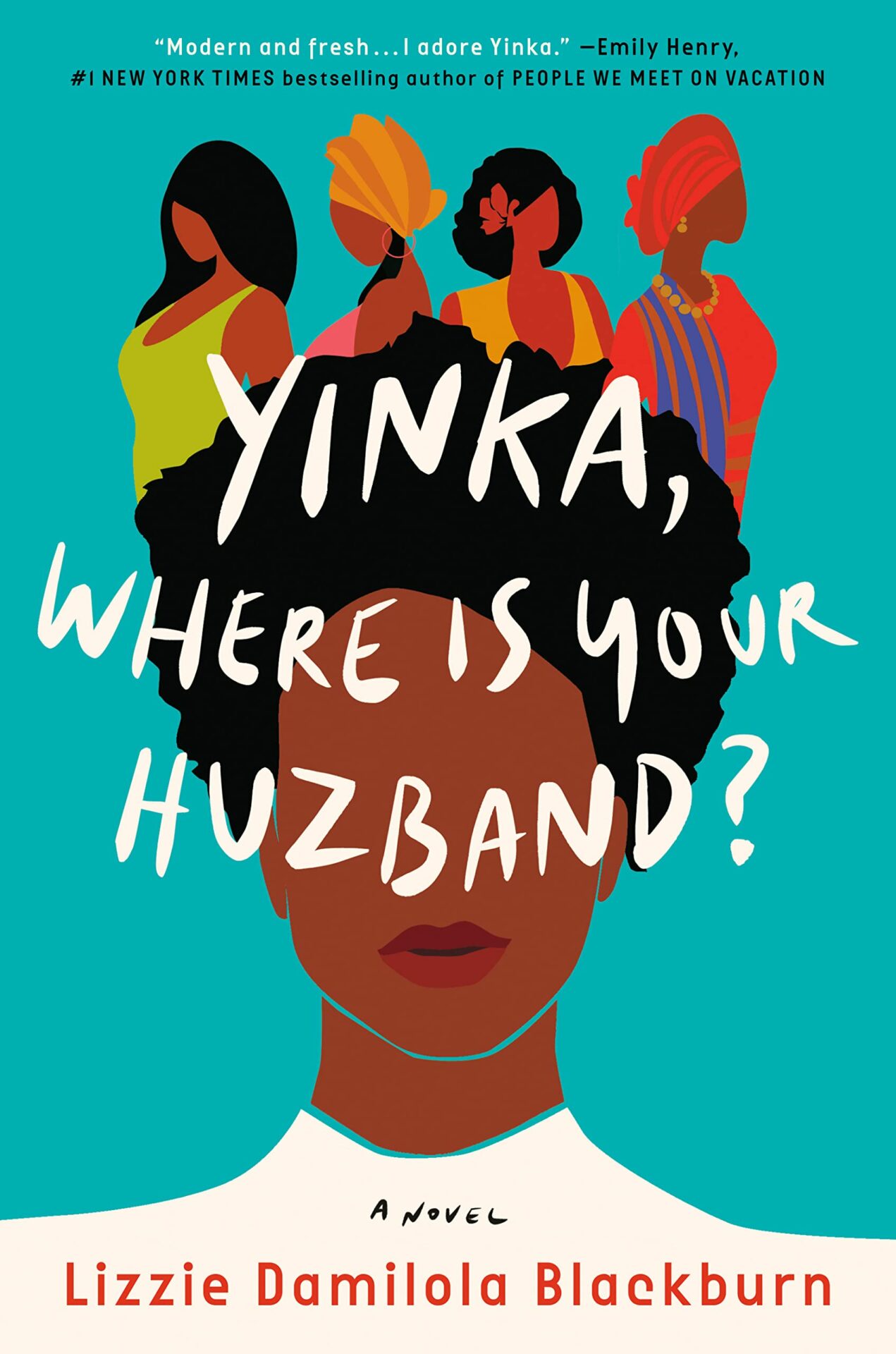
African Literature, Book Reviews, British Nigerian, lizziedamilolablackburn, Nigerian, Self growth, yinkawhereisyourhuzband
READ MORE
July 24, 2023 .
contemporary
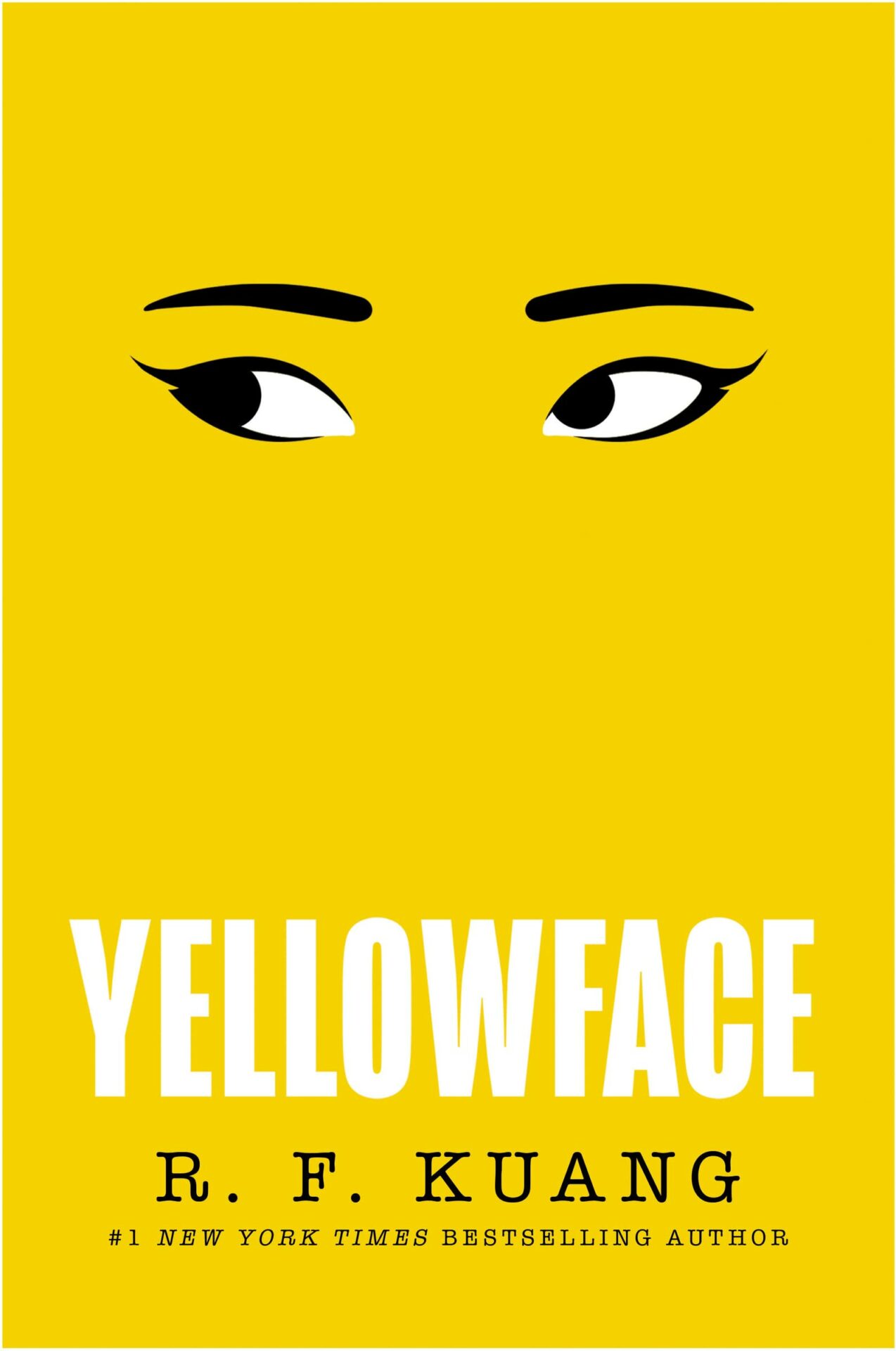
The story exposed some of the tricks and techniques of the publishing world and how small and sometimes brutal the industry can be.
READ MORE
July 20, 2025 .
Writer Resources
Discover the differences in First-Person Point of View and Third-Person POV, and how each impacts character connection and narrative style.
READ MORE
Get our magazine for free!