Close menu
Ranking the best of African Literature






































Learning how to write poetry, therefore, begins with understanding that poetry is both creative expression and technical craft.
Poetry has existed for thousands of years because it lets language do more than communicate information. Learning how to write poetry, therefore, begins with understanding that poetry is both creative expression and technical craft.
A poem preserves emotion, memory, rhythm, sound, and imagery in ways ordinary prose often cannot. Yet many beginners find poetry intimidating. Unlike essays, poems do not always follow clear rules of narration or explanation.
Because of this, many beginners assume poetry has no structure. In reality, poetry balances creative freedom with technical choices involving rhythm, imagery, sound, pacing, and form.
While poetry allows artistic freedom, it also depends on certain foundational elements such as rhythm, imagery, metaphor, sound, lineation, and structure. These tools help transform ordinary language into something more concentrated and emotionally resonant.
Understanding these basics makes poetry less mysterious, and experimentation with style and voice more rewarding.
Poetry uses language more deliberately and concisely. Rather than explaining ideas directly, poems rely on rhythm, imagery, sound, and suggestion to create emotional impact.
Unlike prose, which prioritizes clarity and linear explanation, poetry compresses meaning into carefully chosen words and images.
For example, prose might say: “The city was quiet at night.” A poem might express the same idea differently: “Streetlights hummed above empty sidewalks.”
Both statements describe silence, but the second creates atmosphere through imagery and sound. This ability to intensify ordinary language is one of poetry’s defining qualities.
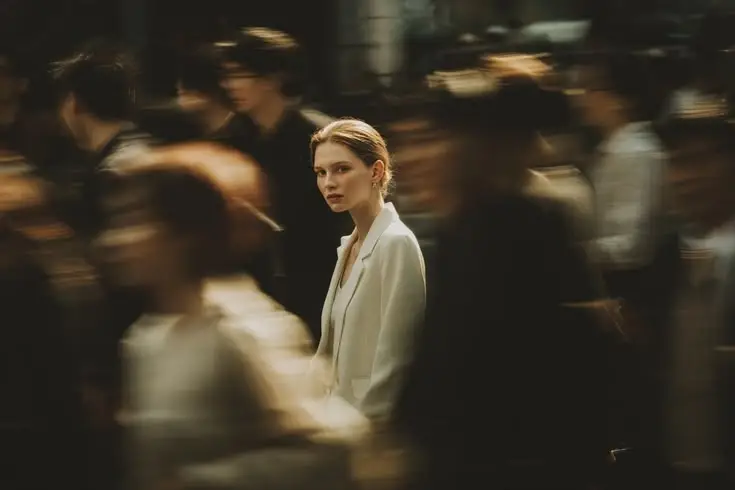
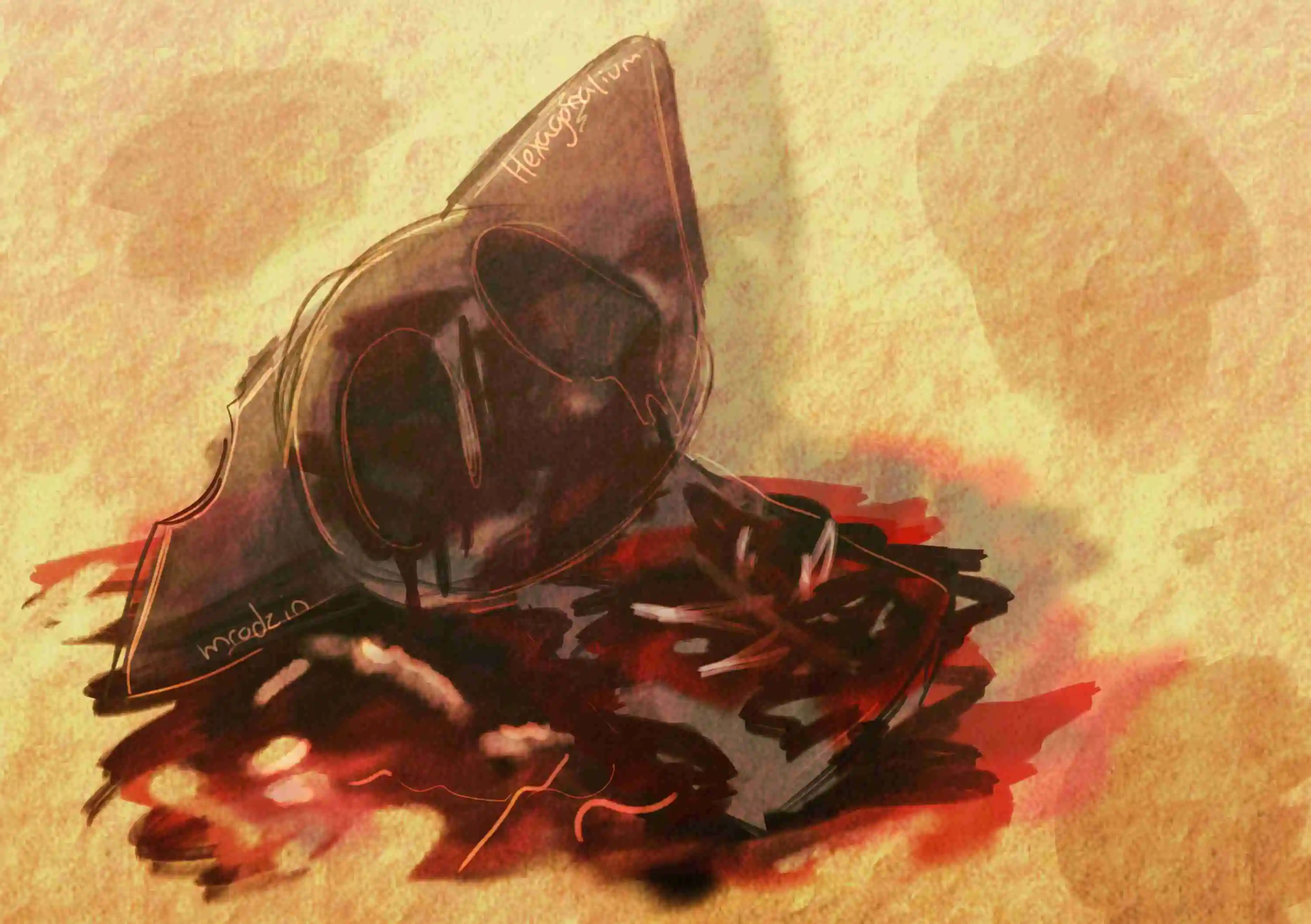
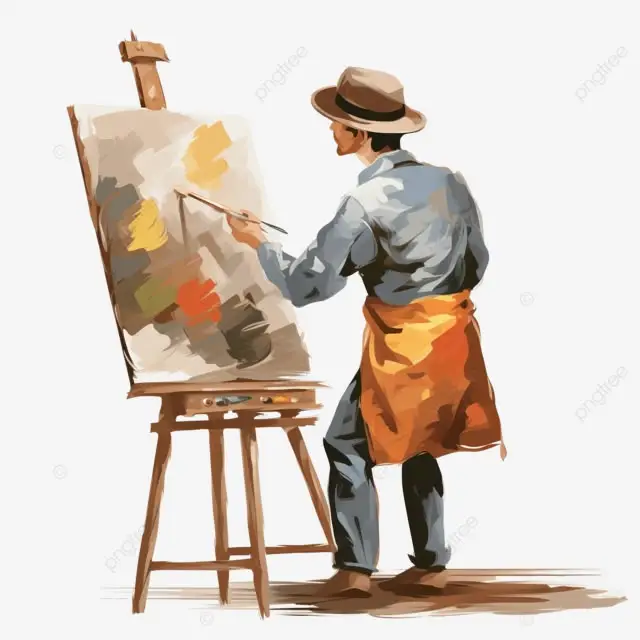
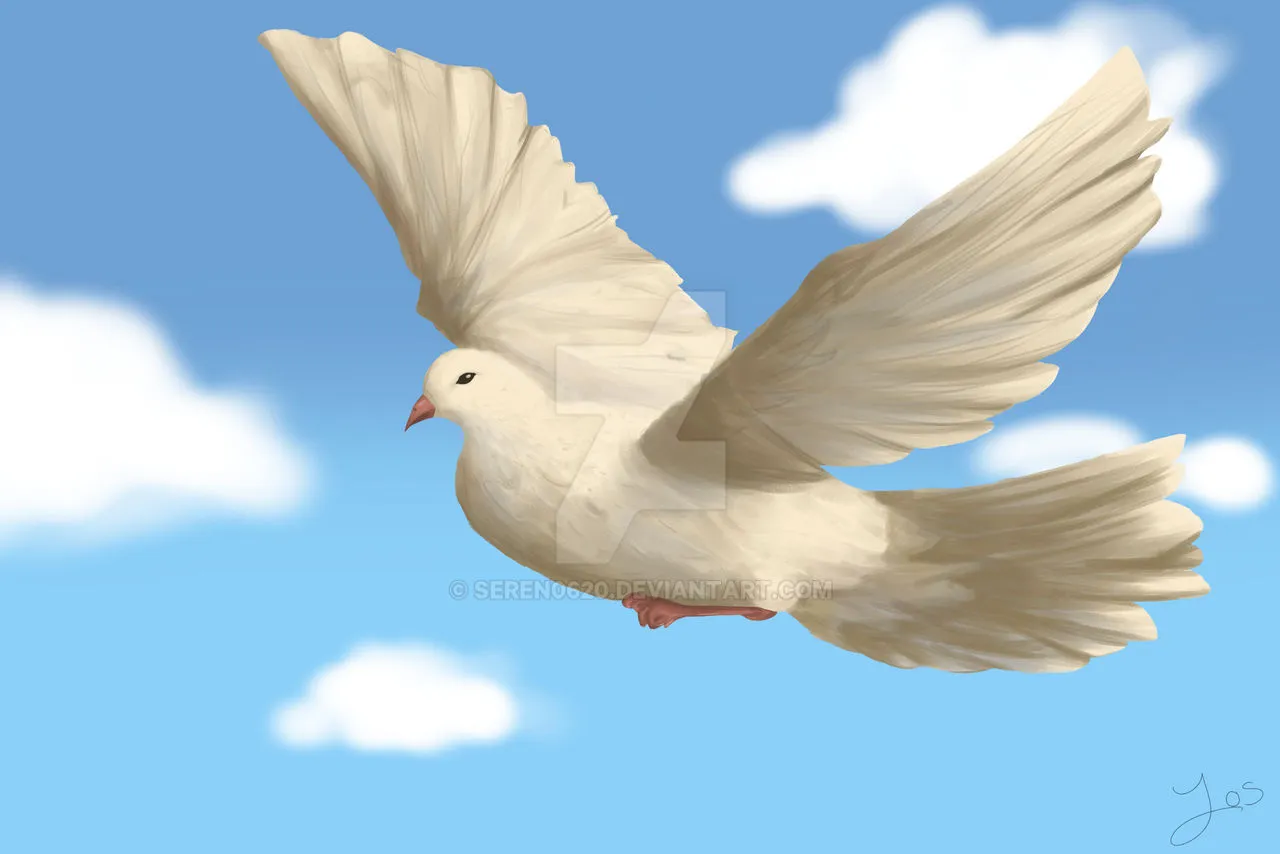
Photo credit: Deviantart
Anyone studying how to write poetry should become familiar with the major building blocks that shape poems across different traditions and styles.
Imagery refers to language that appeals to the senses. In poetry, this means using descriptive words that help readers see, hear, taste, smell, or feel what is being described.
Examples include:
“Rain drummed against rusted rooftops.”
“Smoke curled through the kitchen air.”
“Cold sand pressed beneath bare feet.”
Instead of openly expressing sadness, a poem may describe an abandoned room, fading flowers, or dust-covered photographs.
Rhythm is the musical flow from syllables, stresses, pauses, and sentences, either smooth or fragmented. Pro tip: Reading poems aloud often reveals rhythm more clearly than silent reading.
One major difference between poetry and prose lies in lineation, which means how a poem’s lines are separated and arranged. Poetry uses intentional line breaks, which are the places where a line ends and the next one begins, to control how fast or slow the poem feels, where emphasis falls, and what mood is created.
For example:
“The hallway remained empty”
“long after midnight”.
Breaking the line after “empty” creates a pause that changes the sentence’s emotional rhythm. Line breaks significantly shape pacing, emphasis, and meaning, making them one of the defining features that separate poetry from prose.
Poetry frequently relies on comparison. A “simile” uses “like” or “as”: example “, The clouds drifted like ships.”
A metaphor creates a direct comparison. Example: “The clouds were wandering ships.” These devices deepen emotional and imaginative impact.
Poets shape meaning with repeated sounds and musical patterns. These devices create texture, emphasis, and mood.
Examples: Alliteration: repetition of consonant sounds (“silent sea”)
Understanding the major forms of poetry is an important part of learning how to write poetry. Different poetic forms follow different rules regarding rhythm, rhyme, structure, tone, and subject matter.
Some forms are highly structured, while others allow more creative freedom. Familiarity with these forms helps writers recognize how poetry can be shaped in many different ways.
Free verse poetry does not follow a consistent rhyme scheme, metrical pattern, or fixed musical structure.
Instead, it relies on rhythm, imagery, pacing, and natural speech patterns. Free verse remains one of the most widely used forms in contemporary poetry because it allows flexibility while still maintaining poetic intensity.
Rhymed poetry uses end rhymes between lines. The rhyme scheme changes with the poem’s style. Some poems use paired rhymes; others use complex patterns.
Example:
“The stars appeared above the hill”
“The night around the town grew still”
Traditional poetry often uses rhyme to create musical patterns. While some poetic forms allow flexibility, others follow strict structural patterns.
A sonnet is a fourteen-line poem often about love, beauty, time, or mortality. Sonnets have set rhyme schemes, such as the Shakespearean or Petrarchan forms.
Despite a strict structure, sonnets remain highly expressive.
A haiku is a traditional Japanese poetic form consisting of three lines. The first line contains five syllables, the second contains seven syllables, and the third contains five syllables again. Haiku often focus on nature, seasons, or brief moments of reflection.
Example:
“Winter branches bend”
“beneath the silence of snow”
“evening settles softly”
Narrative poems tell stories using poetic language. Like prose fiction, they have characters, dialogue, conflict, and plot. Examples include Longfellow’s The Midnight Ride of Paul Revere and Coleridge’s The Rime of the Ancient Mariner.
It is important to note that some forms of poetry depend heavily on live performance and vocal delivery.
Spoken word emphasizes performance, emotion, rhythm, and audience engagement. This style frequently explores identity, politics, memory, or social experience.
Blank verse is poetry written with a precise meter, most commonly iambic pentameter, but without rhyme.
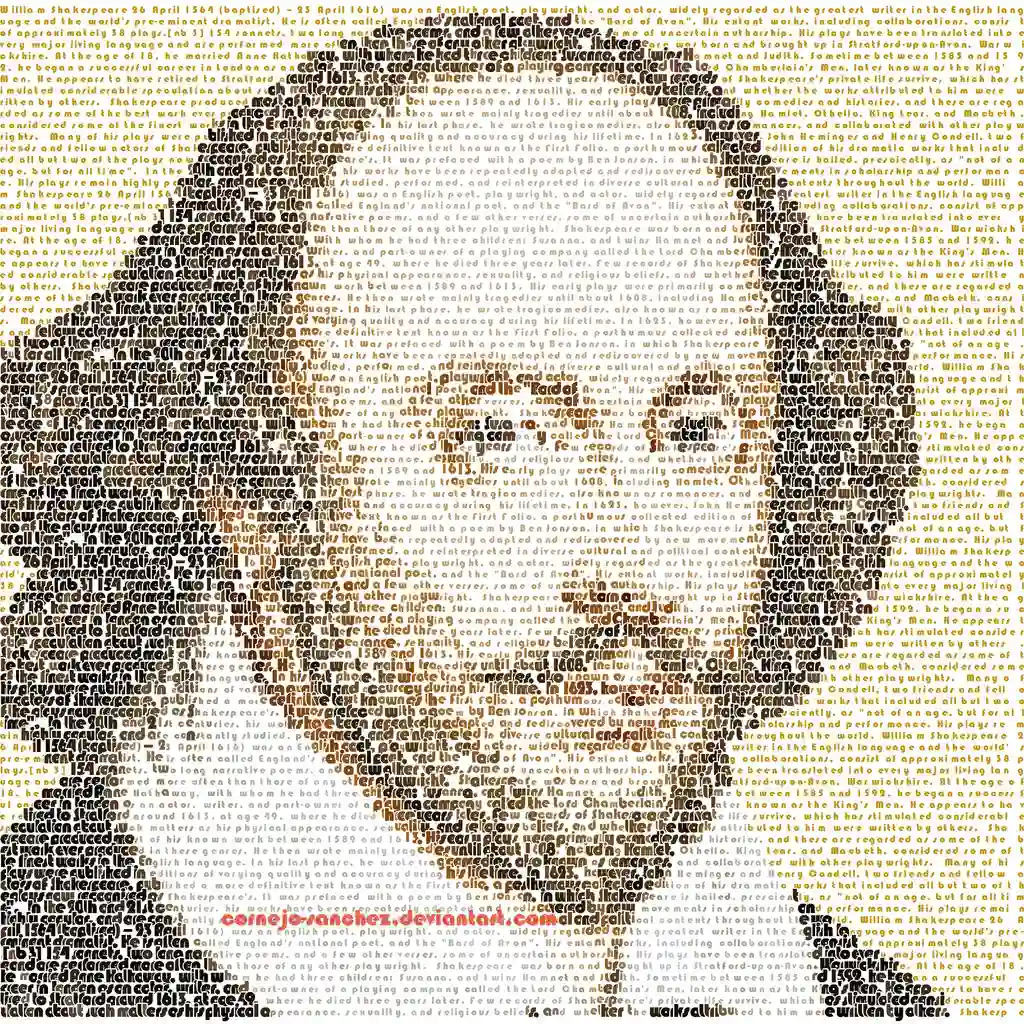
Although the lines follow a rhythmic pattern, the absence of rhyme creates a more natural flow that often resembles elevated speech. Blank verse became especially popular in English drama and narrative poetry, particularly in the works of William Shakespeare and John Milton.
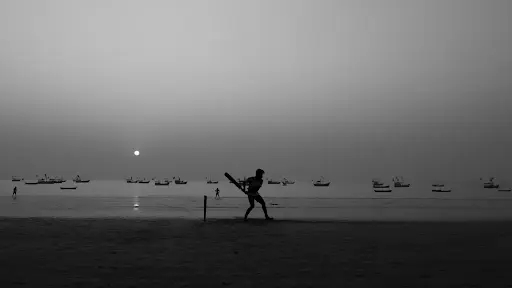
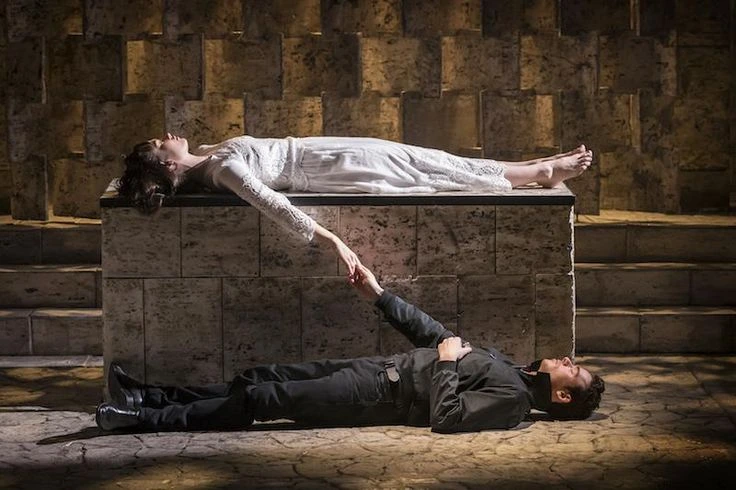
Photo credit: Themorningnews.org
Starting a poem can feel hard because writers expect instant inspiration. In reality, poetry develops through drafting and revision.
Many poems begin with ordinary observations:
* Rain is collecting beside a curb.
* A crowded train station
* An overheard conversation
* An old photograph
Concrete memories and sensory details create stronger poems than abstract explanations. Specific images make emotions vivid and believable.
Strong poems often revolve around one emotional thread or central image. Trying to discuss too many ideas at once can weaken clarity and emotional impact.
A poem about grief, for instance, may become more powerful when centered on a single memory or symbolic image rather than on multiple disconnected themes.
Poetry often works best through suggestion rather than direct explanation. Instead of writing:
“The experience caused sadness.”
A poem might say:
“Dust gathered slowly on unopened letters.”
The second example allows emotion to emerge indirectly through imagery.
Reading widely and with an open mind remains one of the best ways to understand how to write poetry. Exposure to both contemporary and classical poets helps broaden understanding of poetic structure, voice, rhythm, and style.
As writers become more comfortable with poetic techniques, attention naturally shifts towards voice and perspective.
Voice refers to the personality or perspective expressed within a poem. Some poems sound conversational and intimate, while others sound formal, philosophical, fragmented, or musical.
Developing a poetic voice takes time and consistent practice. The poetic point of view strongly influences how readers experience emotion, tone, and perspective within a poem.
Authenticity matters more than sounding traditionally “poetic.” Forced sophistication often weakens emotional honesty. Simple, precise language usually creates a stronger impact.
Photo credit: Deviantart
Even free verse benefits from deliberate structure. The core of how to write poetry depends heavily on arrangement and pacing.
Stanzas function similarly to paragraphs in prose. They organize ideas and create visual and emotional pauses. Short stanzas may feel fragmented or tense, while longer stanzas often create smoother movement.
An end-stopped line ends with punctuation: “The river moved quietly through town”. An enjambed line flows into the next line without punctuation:
“The river moved quietly”
“through streets covered in smoke”
Enjambment creates momentum and suspense.
Silence also matters in poetry. Spacing affects pacing, emphasis, and emotional tone. Sparse poems can feel isolated or reflective, while dense poems may feel urgent or overwhelming.
Writing poetry can feel intimidating at first, especially when emotions are involved. Early poems rarely sound exactly the way writers imagine them.
However, every skilled poet once struggled with the same challenges. Mistakes are part of the learning process and often lead to improvement over time. Anyone learning how to write poetry will likely encounter several common problems early on.
Many beginners try to sound overly impressive by using complicated vocabulary, excessive metaphors, or flowery language.
A better approach is to write simply first. Focus on the meaning and emotion before adding figurative language during revision. Some of the strongest poems rely on ordinary language used honestly and effectively.
Forced rhymes often create awkward sentences and weaken the natural flow of a poem. When rhyme becomes more important than meaning, the poem may feel unnatural.
Free verse can help beginners focus on imagery, rhythm, and emotion without the pressure of matching sounds.
Some poems describe emotions directly without grounding them in imagery or detail. Simply stating an emotion rarely creates a strong emotional connection. Specific details, sensory images, and small moments often make poems feel more vivid and relatable.
Some beginners feel the need to explain every meaning or emotion directly to the reader. Allowing space for interpretation makes poetry more engaging and memorable.
New writers sometimes judge or edit poems too quickly while drafting. Constant rewriting can interrupt creativity and make writing feel stressful. First drafts do not need to be perfect. The goal is to capture emotion and ideas first, then refine the poem later through revision.
Understanding how to write poetry involves balancing creativity with technical awareness. Poetry may initially appear complicated, especially because it often communicates through rhythm, imagery, sound, and suggestion rather than direct explanation. However, poetry becomes far more approachable once its foundational techniques become familiar.
Over time, rhythm becomes easier to recognise. Imagery grows more natural. Line breaks become more deliberate. Revision also becomes less intimidating as writers learn how to shape emotion and meaning more carefully.
No single formula guarantees a successful poem. Every poet eventually develops individual preferences regarding form, voice, tone, and style. Some gravitate towards strict structures like sonnets or haiku, while others prefer free verse and experimentation.
The most valuable habits remain consistent reading, careful observation, regular writing, and thoughtful revision. Growth in poetry rarely happens overnight, but steady practice gradually builds confidence, control, and creative freedom.

Best Films About Unexpected Age Gap Romance
Literary Awards and the Racism Card: A Wake-Up Call for Black Africa
Interview with the Vampire Relationships, Ranked
10 Top Recent Films for Action and Comedy Fans
Comma Rules Every Writer Should Know
10 Most Hype-worthy 2026 Book Releases (African Literature Version)
Five Gambling Films That Know the Bet Is Only Half the Story
Movies Where Poker Reveals Who a Character Really Is
Ranking the Top 20 Nigerian Romance Novels since 2020
In Defense of Reading and Gaming
8 Third-Person Omniscient Examples for the Plot
A Trade of Blood (Ana and Din Mysteries #3) by Robert Jackson Bennett
July 20, 2025 .
Animation, Lists
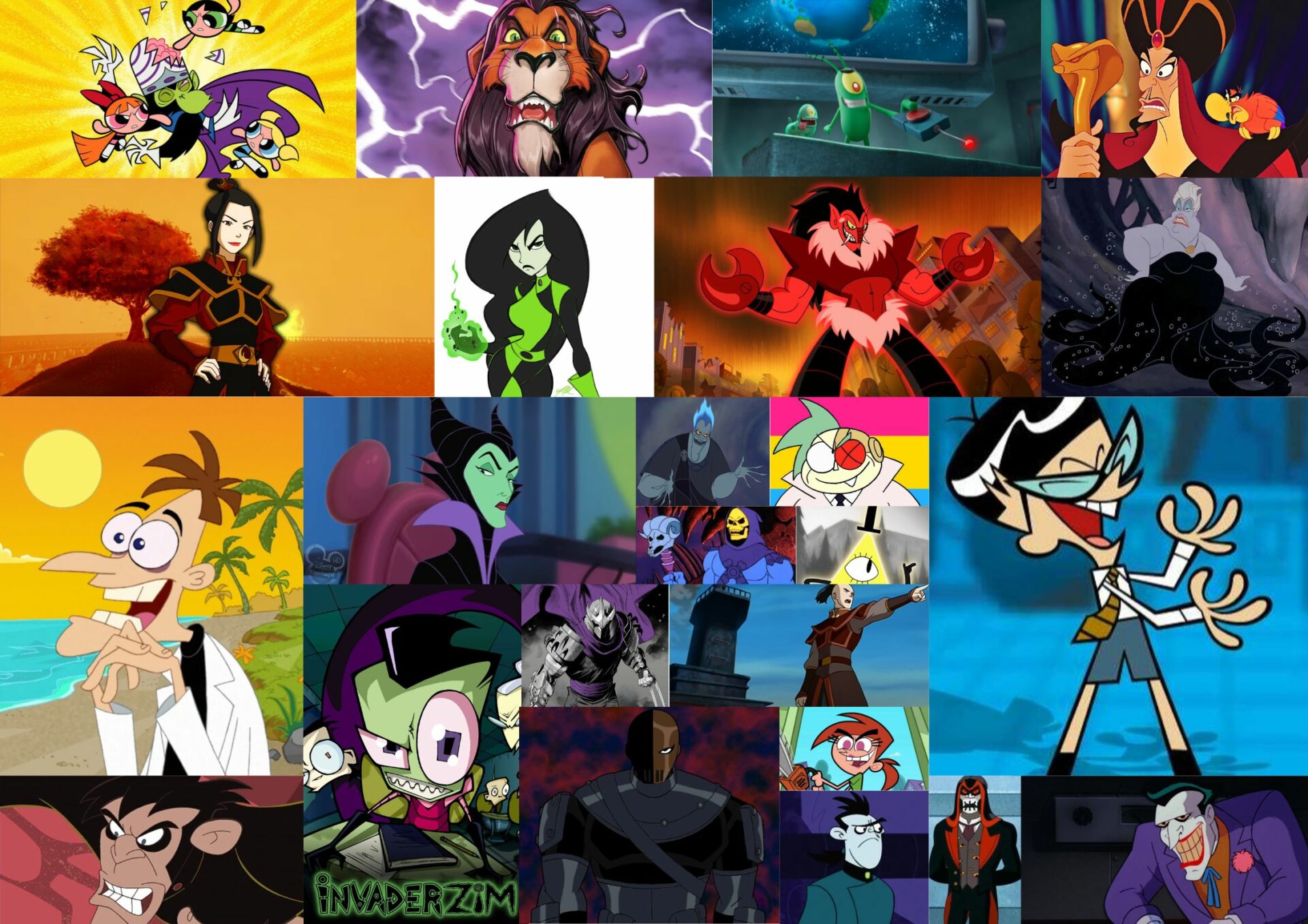
Our list rounds up the top 30 cartoon characters that were villains, each one more wonderfully wicked than the last.
READ MORE

October 28, 2025 .
Lists, Marvel, MCU, Opinions
Let’s go through a list of the top 7 strongest Marvel villains, from the wickedly powerful to the absolutely unstoppable.
READ MORE

November 27, 2025 .
Lists, Mythology
While this isn’t an exhaustive list, it comprises some of the most popular mythical creatures from around the world.
READ MORE
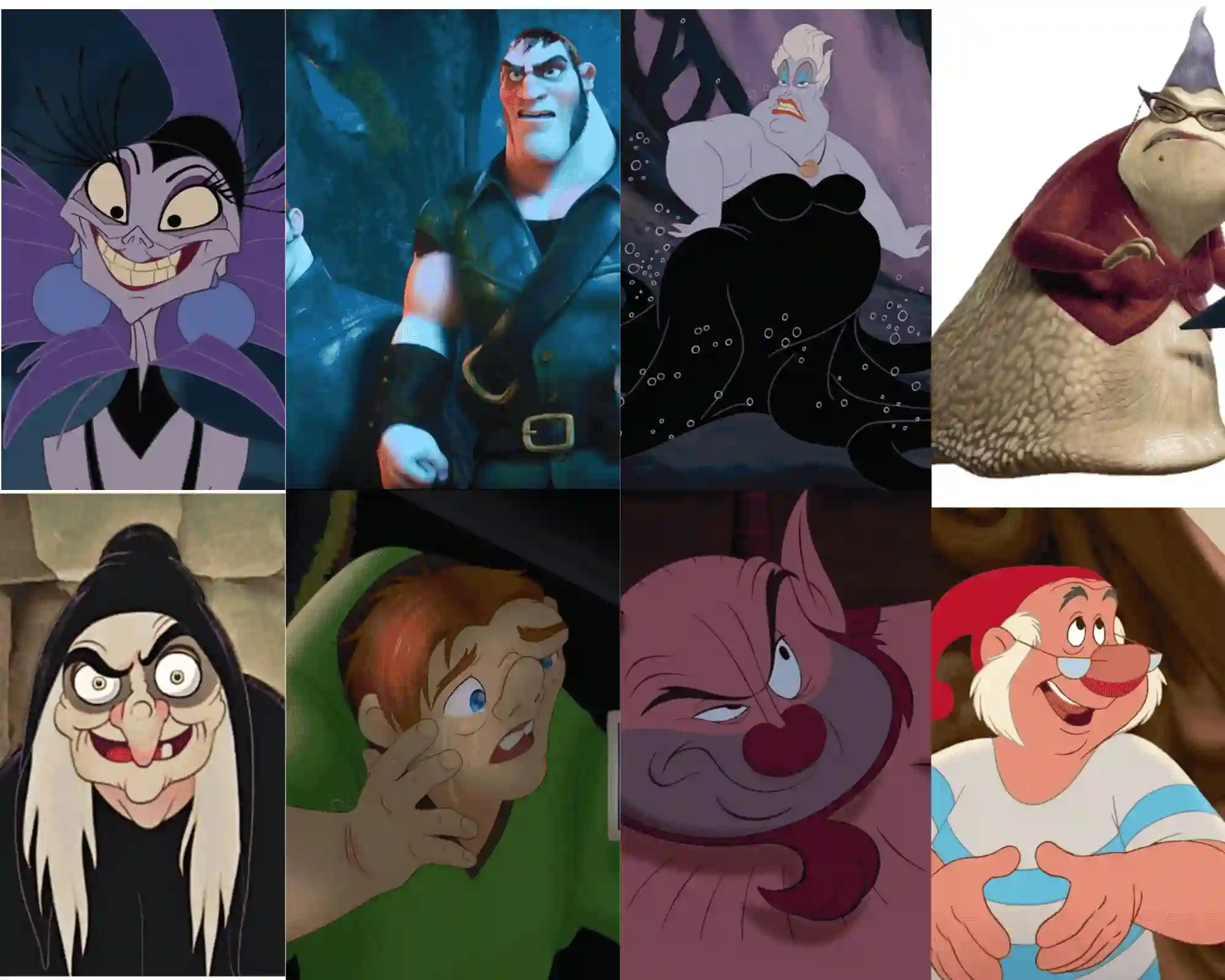
April 29, 2026 .
Lists, Opinions
The Mouse is famous for its princesses and princes. However, the studio’s true genius lies in its embrace of “ugly Disney characters”.
READ MORE

May 6, 2026 .
Lists, MCU
Spider-Man is one of the many superheroes from the Marvel Universe whose stories shaped many childhoods. Who is your strongest Spiderman?
READ MORE

July 20, 2025 .
Writer Resources
Discover the differences in First-Person Point of View and Third-Person POV, and how each impacts character connection and narrative style.
READ MORE
May 15, 2026 .
Writer Resources
The tension between writer-centered and reader-centered approaches defines how a story is told and who it serves.
READ MORE

October 22, 2025 .
Essays, Writer Resources
Ever found a book that looks like a comic but tells a complete, well-structured story? Congratulations, it’s a graphic novel.
READ MORE
June 26, 2026 .
Writer Resources
Writing starts with forming ideas, imagination, dreams, and thoughts. And when these condense into a coherent progression, you have a plot.
READ MORE
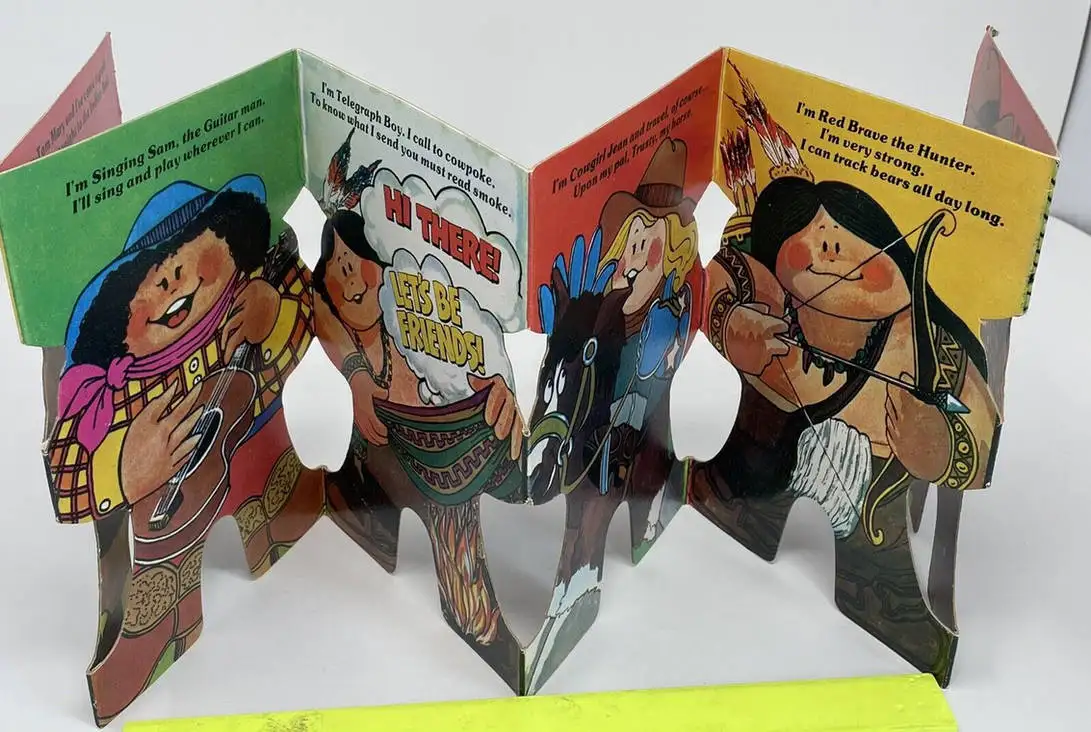
May 10, 2026 .
Writer Resources
What is a board book, and how does it differ from others? Traditional publishing usually means novels, but published works span much more.
READ MORE

July 24, 2025 .
Essays, Writer Resources
READ MORE
February 8, 2026 .
Writer Resources
Breaking into traditional publishing can feel like decoding a secretive industry. This guide is a resource for finding the right agent.
READ MORE
February 28, 2026 .
Writer Resources
There are three paths in book publishing: traditional, self-publishing, and hybrid. The current focus is on traditional publishing.
READ MORE

July 20, 2025 .
Writer Resources
Today, writers are needed who combine creativity with technical expertise, professionalism, and adaptability.
READ MORE
Get our magazine for free!