











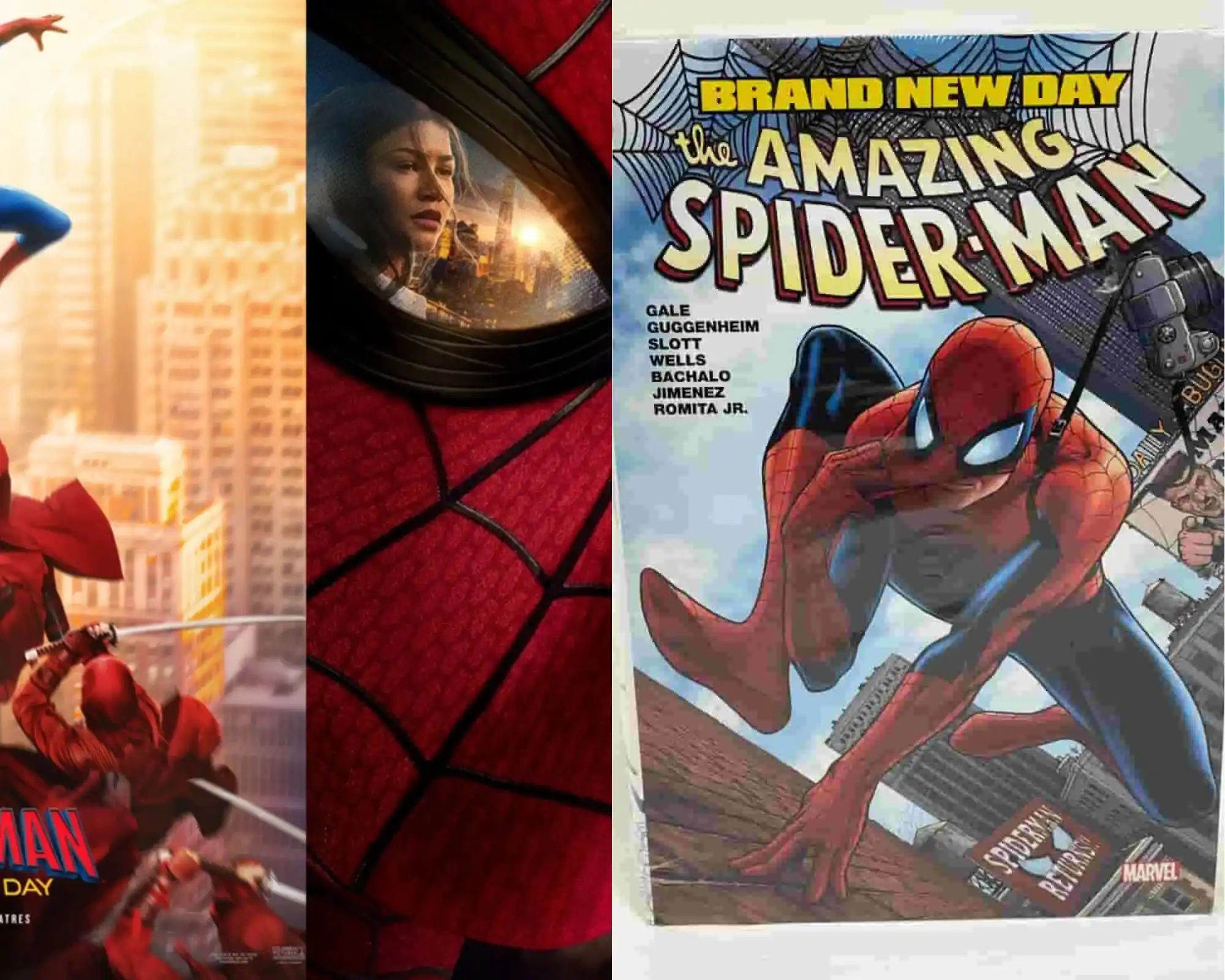
Let’s settle the eternal debate between anti-hero vs villain by breaking down the core difference between them.
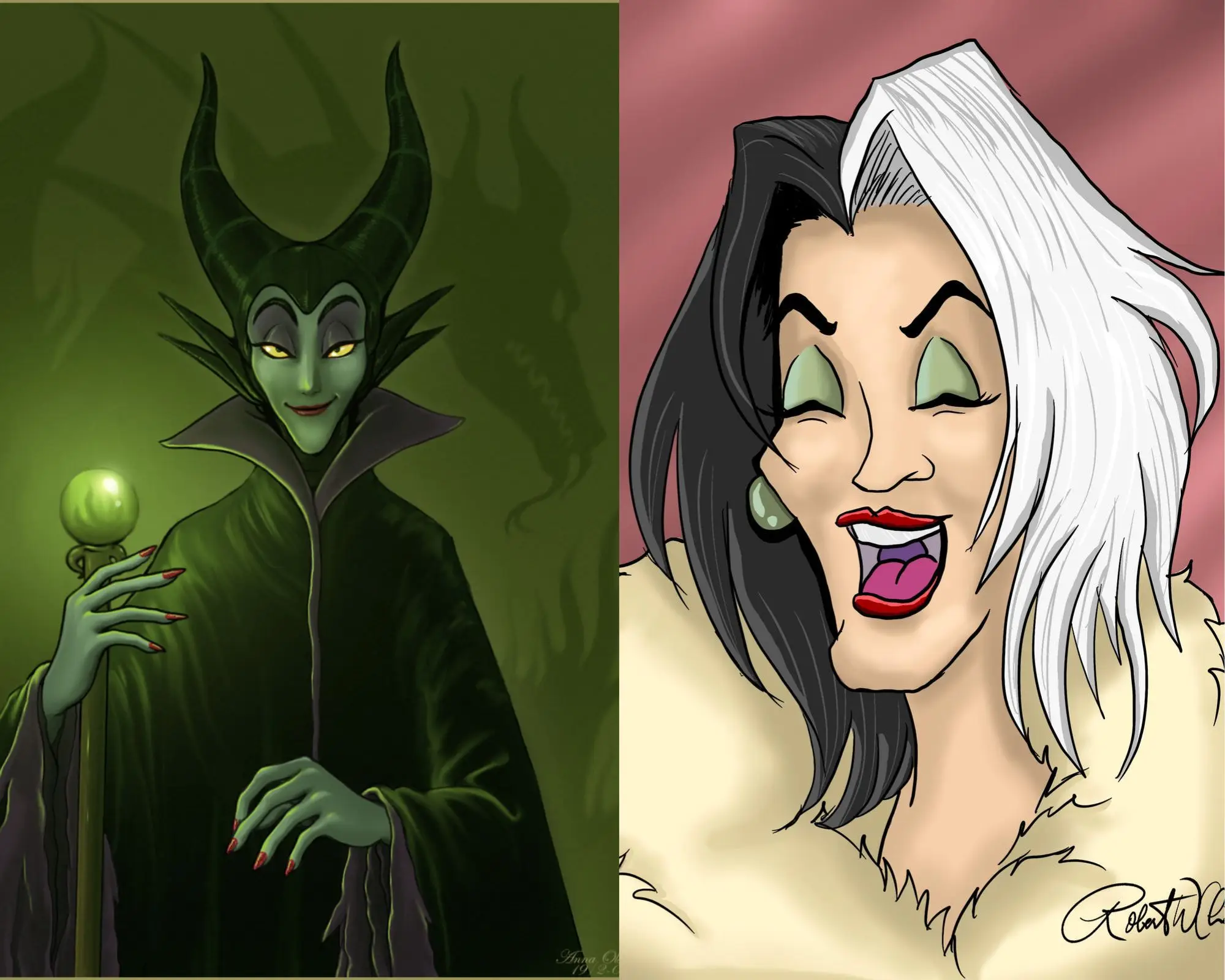
We all love a good bad guy. Or a bad good guy. Honestly, as long as they aren’t morally perfect, audiences are completely hooked. Part of the reason is that the real world is far from this fantasy, and writers understand this: the world is not painted in only black and white.
Enter the moral grey area. Today, the line between the anti hero and villain is blurrier than ever. At first glance, the distinction seems obvious: anti-heroes are protagonists we root for despite their flaws, while villains are antagonists we oppose.
Yet modern storytelling has blurred these lines so thoroughly that the debate remains as heated as ever. Let’s settle the eternal debate between anti-hero vs villain by breaking down the core difference between them.
An anti hero is a central character who lacks the traditional virtues associated with heroic figures.
They might cheat, lie, or kill, yet we still find ourselves rooting for them, even if we have to squint through our fingers while doing it, because we understand where they’re coming from.
These characters reflect a more human approach to heroism; they do their best, make mistakes, and learn along the way. Unlike traditional heroes, anti-heroes lack conventional virtues like idealism, honesty, or a strict moral code. They are motivated by self-interest, revenge, or a deeply cynical worldview. However, they almost always possess a line they will not cross or a hidden spark of empathy.
Importantly, anti-heroes rarely see themselves as heroes. Yet their actions ultimately benefit others, protect innocents, or oppose a greater evil. Because of this, they are usually reluctant heroes in a story and are often motivated by personal gain as much as by principle.
Deadpool is the modern poster child for the chaotic anti-hero. He does not fight for abstract ideals like world peace, patriotism, or absolute justice.
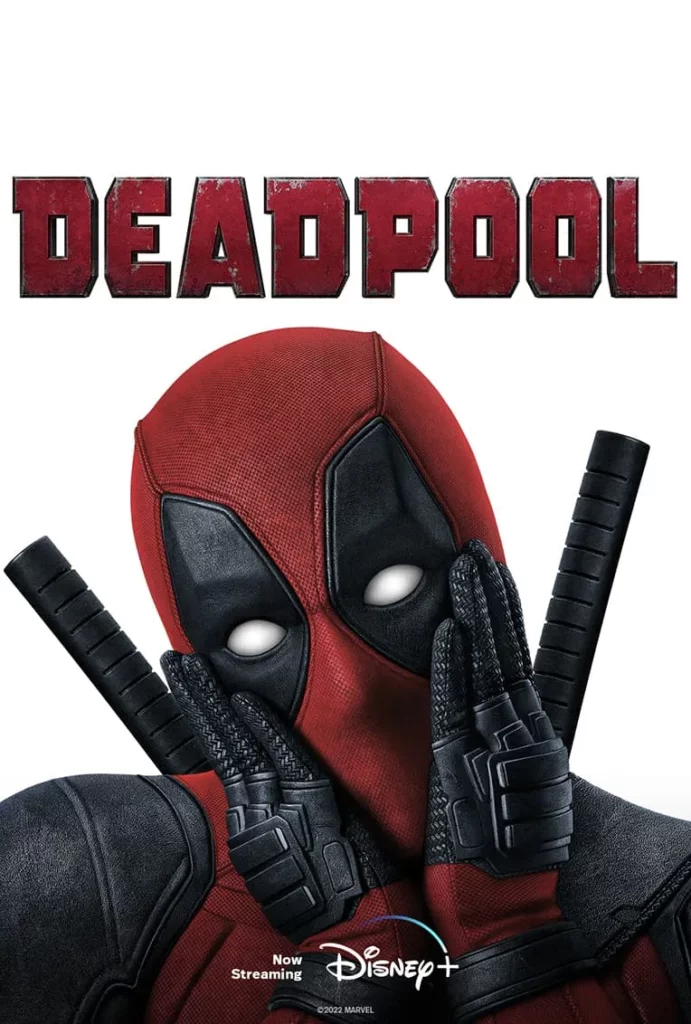
Instead, his actions are driven by personal loyalty, survival, or revenge. He murders mercenaries, slices through enemies, and cracks crude jokes while doing it.
Yet, underneath it all, he possesses unbreakable loyalty. He genuinely cares about protecting the innocent, defending children, and standing up for his friends, but he prefers to leave a body count in his wake.
Lisbeth Salander embodies the archetype of the outsider anti-hero. She is a socially awkward hacker who never hesitates when it comes to revenge.
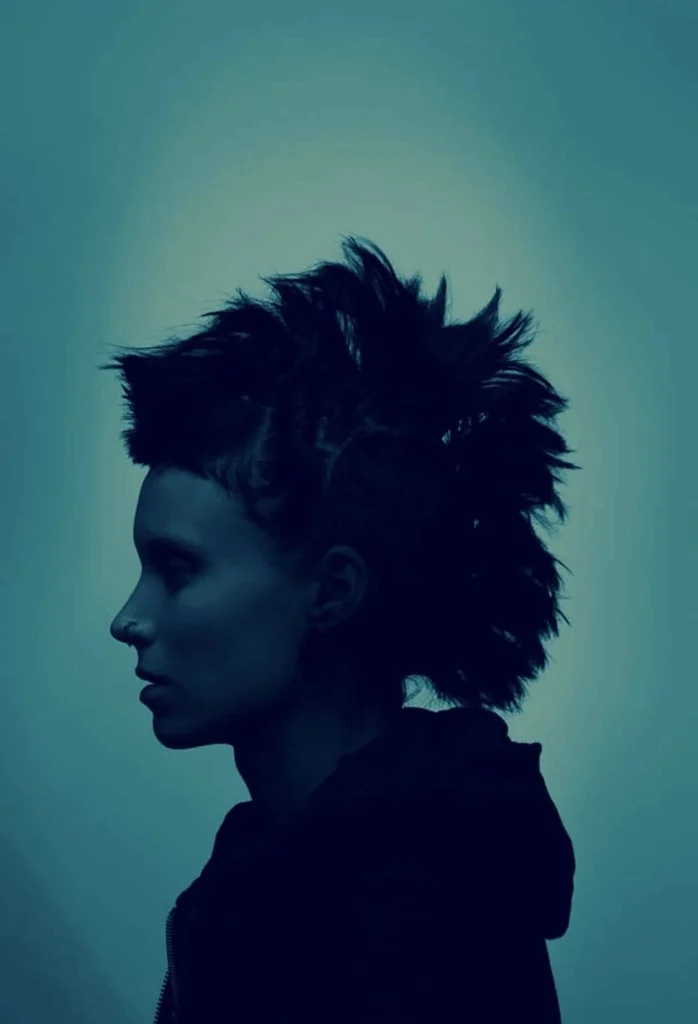
Distrustful, withdrawn, and willing to use illegal methods such as hacking and blackmail, she directs her actions against abusers, corrupt individuals, and predators. Still, she is brilliant and fiercely loyal; she defends those who cannot defend themselves.
Salander does not directly fight the government or authority, but she would do so for what she believes in. Her actions may be morally questionable in society’s eyes, but they still correct past wrongs in a broader sense. The brutal, sometimes savage way in which she pursues her own justice highlights why Lisbeth is a prime example of an antihero.
Dexter Morgan is perhaps one of the clearest examples of the anti-hero archetype. A serial killer by nature, Dexter channels his homicidal impulses toward individuals who have themselves committed murder and escaped justice.
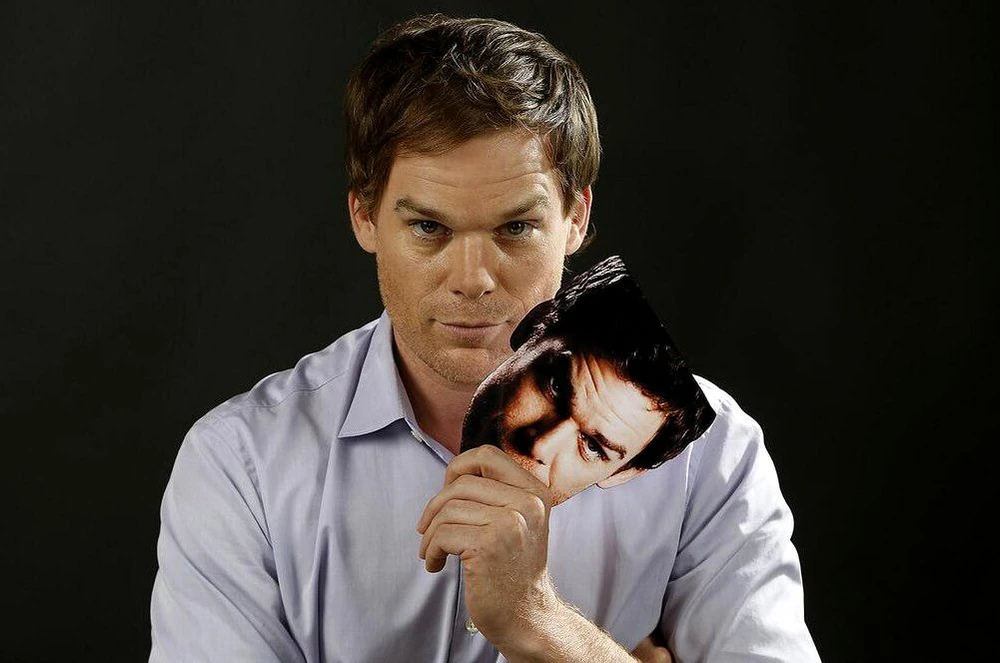
His “code,” established by his adoptive father, creates the moral framework that separates him from traditional villains. He is a man who is compelled to kill, but does so with a conscience. He is also profoundly intelligent, working as a forensic blood-spatter analyst for the Miami Police Department by day and as a serial killer vigilante by night.
Although his actions remain deeply troubling, readers are encouraged to sympathize with his attempts to control his darker instincts. Even so, he remains the story’s sympathetic focal point.
The villain functions as the narrative force opposing the protagonist’s goals.
While a well-written villain may have deeply sympathetic origins or an internally logical worldview, their defining trait is a willingness to sacrifice anything and anyone to achieve an objective. In the pursuit of their goals, no one is safe, and no boundary is sacred.
A villain might genuinely believe they are the hero of their own story, but their methods involve destruction, subjugation, or harm on a massive, unforgivable scale. They do not bend to society’s rules; they seek to bend society to their will.
He is the gold standard of pure chaos. The Joker doesn’t want money or power; he simply wants to expose the fragility of human morality.
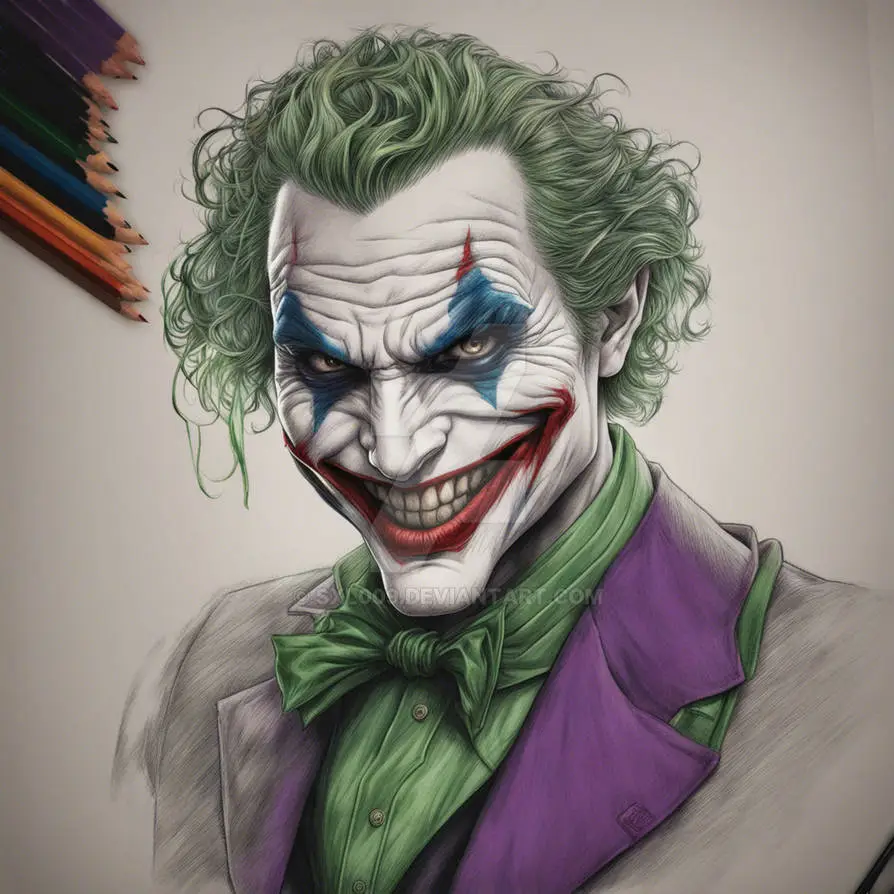
While different interpretations offer varying origins and motivations, the character consistently delights in destruction and societal disruption. The Joker’s twisted mind and disregard for human life make him a captivating and terrifying villain.
Unlike many other villains who may have a glimmer of empathy or a shred of a moral compass, the Joker is almost entirely devoid of recognizable human traits. He represents the ugliest and most disturbing aspects of the human psyche: madness, cruelty without reason, chaos that cannot be controlled or bargained with.
Voldemort exemplifies the classic power-driven villain. Driven entirely by a pathological fear of death and an insatiable desire for absolute power, Tom Riddle represents an ego stripped of all humanity.
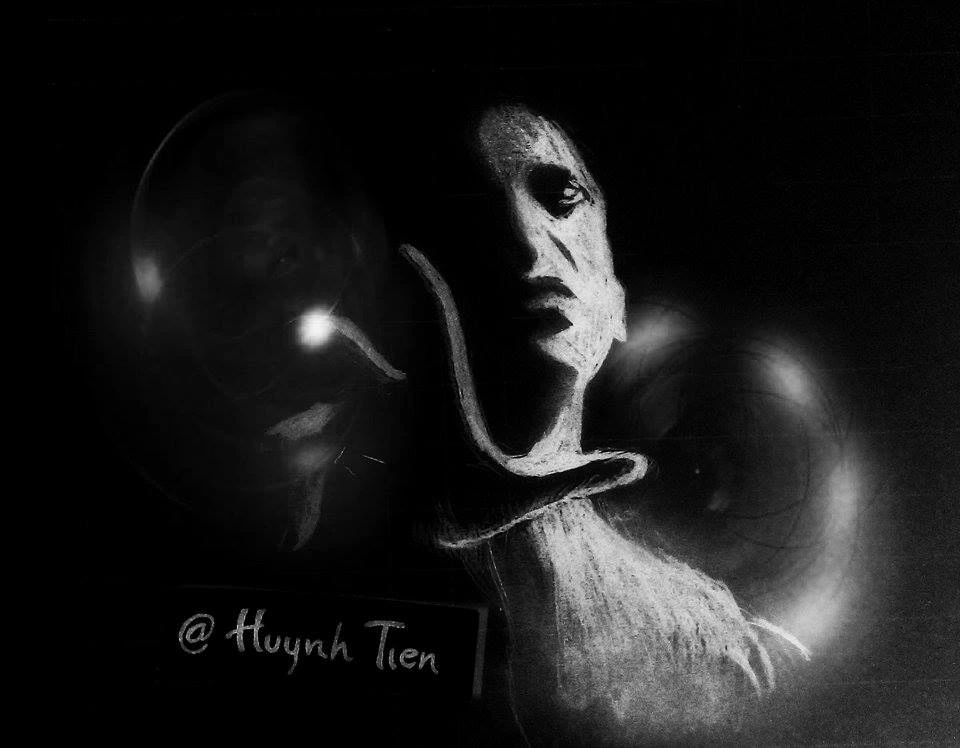
He systematically severed his own soul to achieve immortality and sought to establish a tyrannical hierarchy based on racial purity. There is no redemption arc here; he is the embodiment of corruptive, unchecked ambition. His pursuit of immortality and domination supersedes all ethical considerations.
The clearest distinction in the anti-hero vs villain debate often comes down to boundaries. Anti heroes possess lines they refuse to cross. Those boundaries may be flexible, inconsistent, or difficult to discern, but they exist.
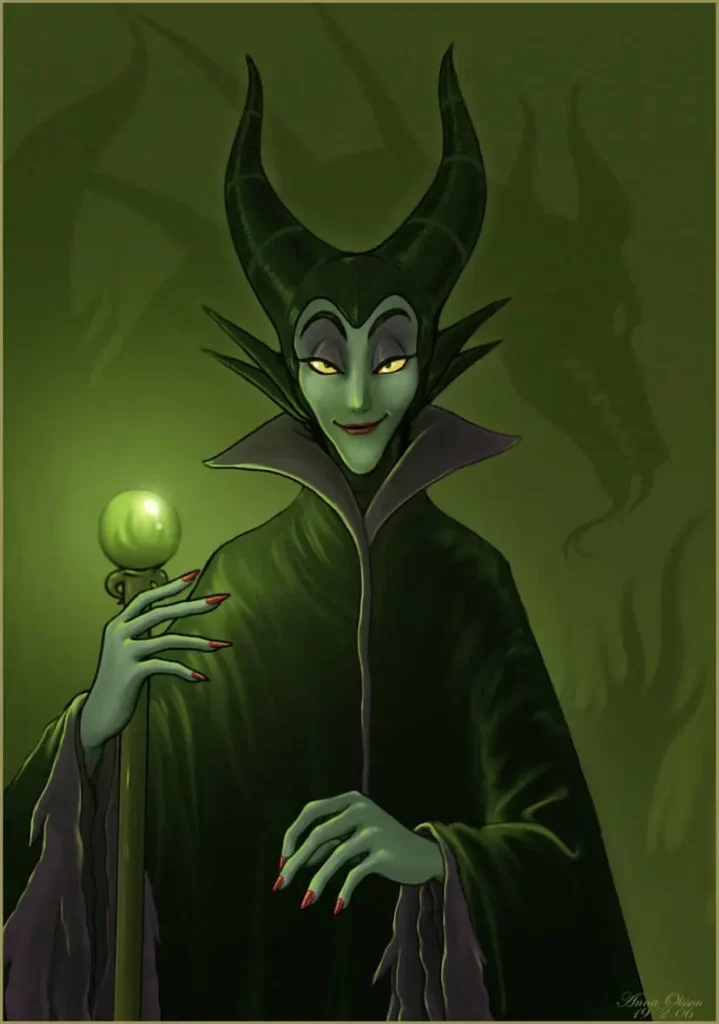
Villains either lack such boundaries or abandon them when convenient. A villain may begin with noble intentions but gradually sacrifice principles in pursuit of desired outcomes.
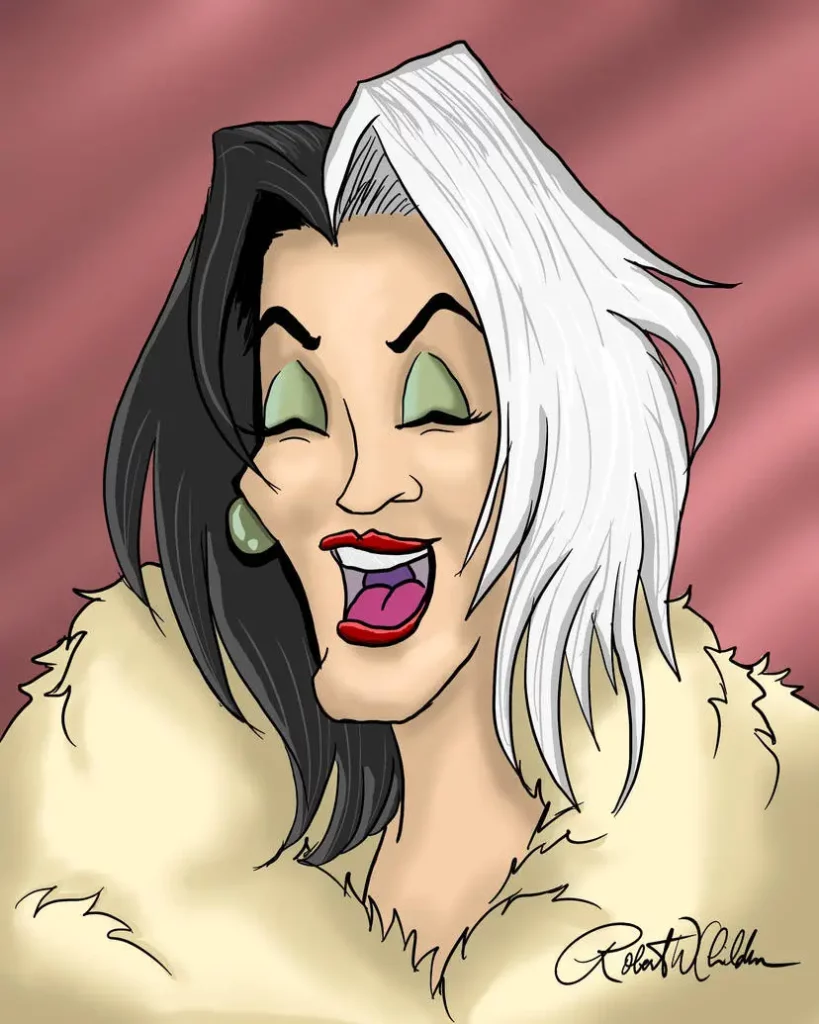
Once moral restraints disappear entirely, the character frequently transitions from anti-hero to villain. The most fascinating characters in modern fiction are the ones who start as anti-heroes but slowly cross the line into full villainy. This is the ultimate “tragedy” arc.
Take Walter White from Breaking Bad. He starts as a desperate high school chemistry teacher turning to a life of crime to secure his family’s financial future after a terminal cancer diagnosis.
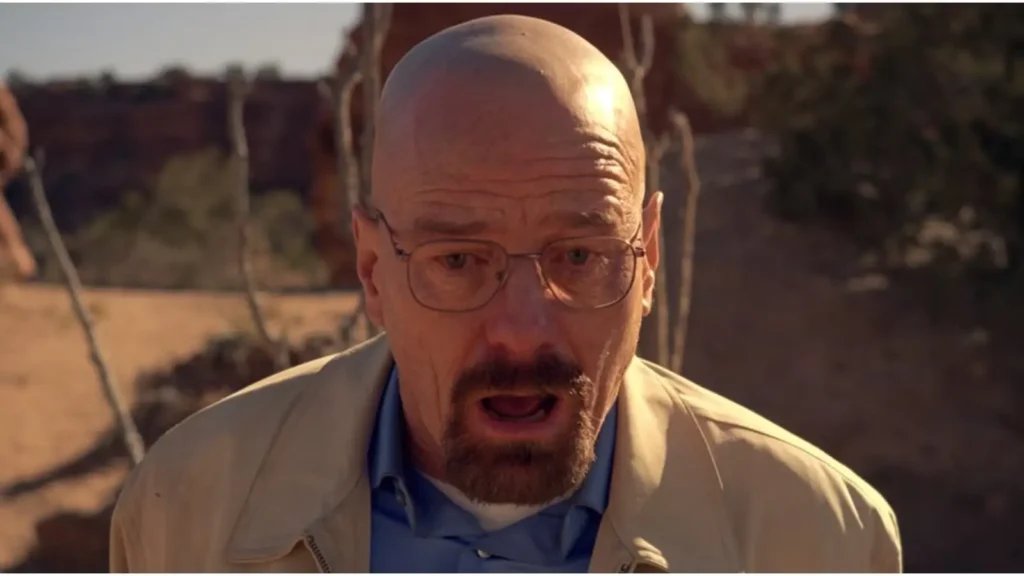
But as his pride, ego, and malice grow, his “moral line” vanishes. By the time he is poisoning children and ordering prison hits, his justification of “doing it for the family” is exposed as a lie.
Many critics argue that intention is the key distinction between an anti-hero and a villain. Anti-heroes may use questionable methods, but they generally pursue goals that benefit others or align with some broader sense of justice. Villains, conversely, prioritize personal desires, ideology, or power, even when innocent people suffer.
Others suggest that remorse is the deciding factor. Anti-heroes often wrestle with guilt and self-doubt. They recognize the moral implications of their choices, even as they continue to make them.
Villains, by contrast, tend to justify, embrace, or remain indifferent to the harm they cause.
When crafting anti-heroes, consider the following:
Strong villains rarely perceive themselves as evil.
So, anti hero vs villain? Depends on the intent.
Structuring a story around the anti hero and villain dynamic allows writers to challenge the audience’s perceptions of morality. An anti-hero can become a villain. A villain can seek redemption. Some characters may be both simultaneously, depending on whose story is being told.
By contrasting these ideally black-and-white traits, a narrative gains the psychological depth that keeps readers turning pages.

July 20, 2025 .
Animation, Lists
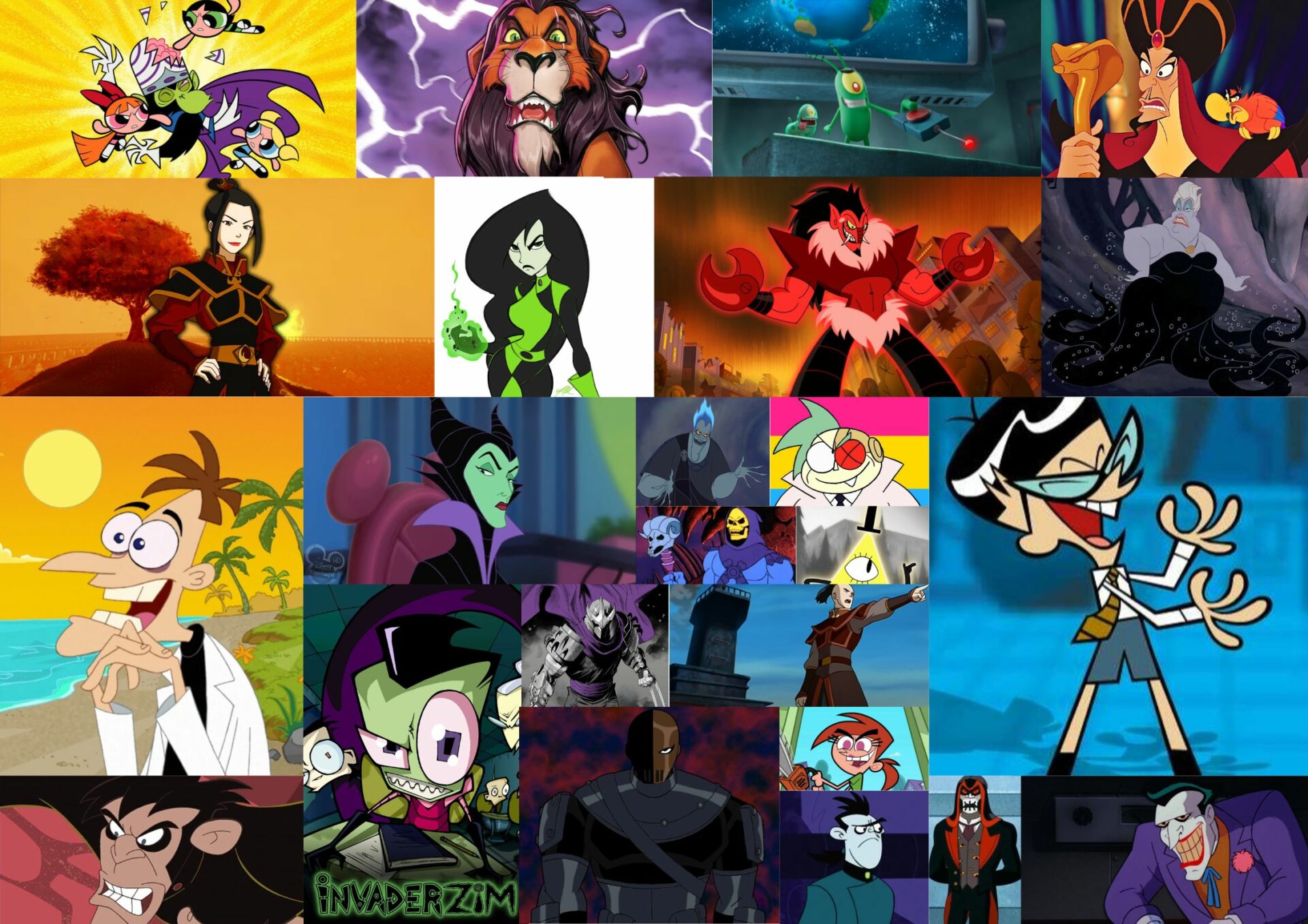
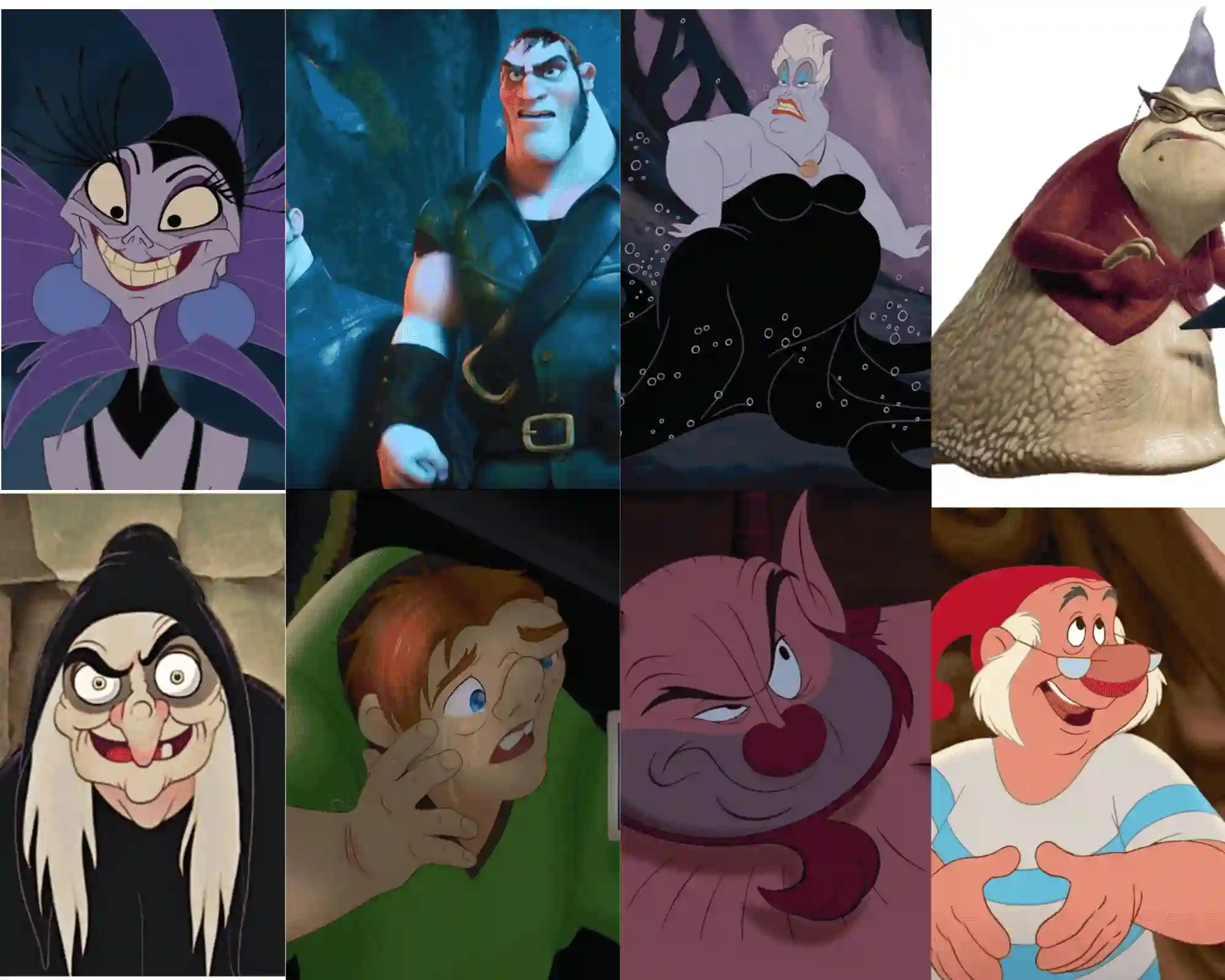
Our list rounds up the top 30 cartoon characters that were villains, each one more wonderfully wicked than the last.
READ MORE
April 29, 2026 .
Lists, Opinions
The Mouse is famous for its princesses and princes. However, the studio’s true genius lies in its embrace of “ugly Disney characters”.
READ MORE
October 28, 2025 .
Debates, Lists, Marvel, MCU
Every Marvel hero brings something to the table. But if we had to pick the top 8 most popular Marvel superheroes, who would make the cut?
READ MORE
May 6, 2026 .
Lists, MCU
Spider-Man is one of the many superheroes from the Marvel Universe whose stories shaped many childhoods. Who is your strongest Spiderman?
READ MORE
November 27, 2025 .
Lists, Mythology
While this isn’t an exhaustive list, it comprises some of the most popular mythical creatures from around the world.
READ MORE

July 20, 2025 .
Writer Resources
Discover the differences in First-Person Point of View and Third-Person POV, and how each impacts character connection and narrative style.
READ MORE
May 15, 2026 .
Writer Resources
The tension between writer-centered and reader-centered approaches defines how a story is told and who it serves.
READ MORE
October 22, 2025 .
Essays, Writer Resources
Ever found a book that looks like a comic but tells a complete, well-structured story? Congratulations, it’s a graphic novel.
READ MORE
June 26, 2026 .
Writer Resources
Writing starts with forming ideas, imagination, dreams, and thoughts. And when these condense into a coherent progression, you have a plot.
READ MORE
May 10, 2026 .
Writer Resources
What is a board book, and how does it differ from others? Traditional publishing usually means novels, but published works span much more.
READ MORE
July 24, 2025 .
Essays, Writer Resources
READ MORE
February 8, 2026 .
Writer Resources
Breaking into traditional publishing can feel like decoding a secretive industry. This guide is a resource for finding the right agent.
READ MORE
February 28, 2026 .
Writer Resources
There are three paths in book publishing: traditional, self-publishing, and hybrid. The current focus is on traditional publishing.
READ MORE

July 20, 2025 .
Writer Resources
Today, writers are needed who combine creativity with technical expertise, professionalism, and adaptability.
READ MORE
Get our magazine for free!