
Menu


























There’s already an audience waiting for this film, readers who’ve loved the novel for years and will show up with high expectations.
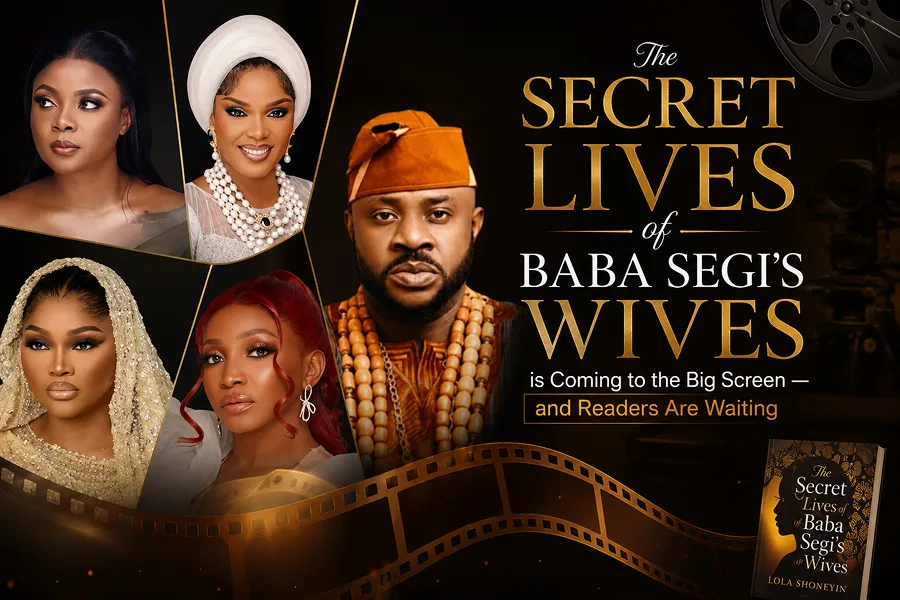
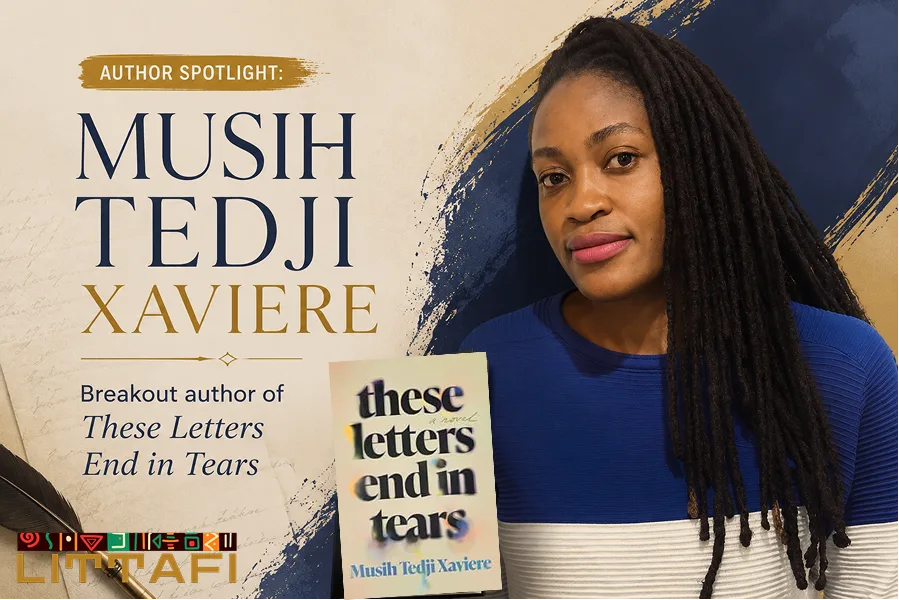
The Secret Lives of Baba Segi’s Wives is one of the few modern novels from Nigeria that have proven successful. Over fifteen years later, Lola Shoneyin’s book continues to fly off shelves, to be read in university courses, debated in book clubs, and given as a first dip into new African literature. It’s a novel you must pass around with a warning: “don’t read the last third in public, you will need to sit down afterward.”
It’s finally going to the cinema.
EbonyLife Films is producing the adaptation in partnership with Genesis Group, Nile Group, and Silverbird Group, and it will be released worldwide on December 4th, 2026. It is being directed by Daniel Oriahi, who has previously directed drama productions with tense character arcs, making him an appropriate director for this production, as he has the required experience. The script is written by Heidi Uys, Adze Ugah, and Shoneyin herself.
It’s always important to have the author present for the script because you don’t want to compromise the story’s integrity. There are many popular novels that have been turned into films by those who love the work they see in a book but never knew the book itself. In theory, this should be prevented with Shoneyin co-writing the script.
It’s not a run-of-the-mill Nollywood film. To those who have read the book, it is more than that.
The project is a story that can be adapted.
On the surface, the plot may seem straightforward:
The rich patriarch marries a 4th wife, who disrupts his delicate balance within the polygamous family, bringing old secrets and memories to light.
But as any reader of the novel will know, this is not really the heart of the novel.
The book is organized around shifting points of view. Each wife is assigned her own chapters, voice, and her own interpretation of the events. It is a book of suspicion that rewards a reader. You believe you know one person in chapter three, and in chapter 12 you find out that you were only told half the story.
It’s that structure that Shoneyin utilizes to explore and expose the concepts of patriarchy, infertility, womanhood, power, silence, and the little compromises people make to get by in broken systems. It’s funny and uncomfortable, sometimes tragic and tender a page later. Throughout the novel, Baba Segi is nearly silly in his lack of awareness until it becomes much more serious.
The twist is one of the most memorable in modern African literature, but not exactly the best part of the book. That would be the characters, as their growth is evident throughout the plot.
Every wife is depicted as a real woman — flawed, sympathetic, sometimes manipulative, always more complex than she initially seems. The educated fourth wife, whose arrival sets the story in motion, Bolanle, could easily have been an outsider-audience surrogate. But Shoneyin doesn’t go down so easily. Neither does she allow those familiar older wives to become “villains” or “victims.” Every character is allowed to be both.
Which is the reason why the book is difficult to adapt. A novel can be contained within four heads, across four hundred pages. The two-hour movie must get another source of the shifting sympathy without the aid of the inner voice.
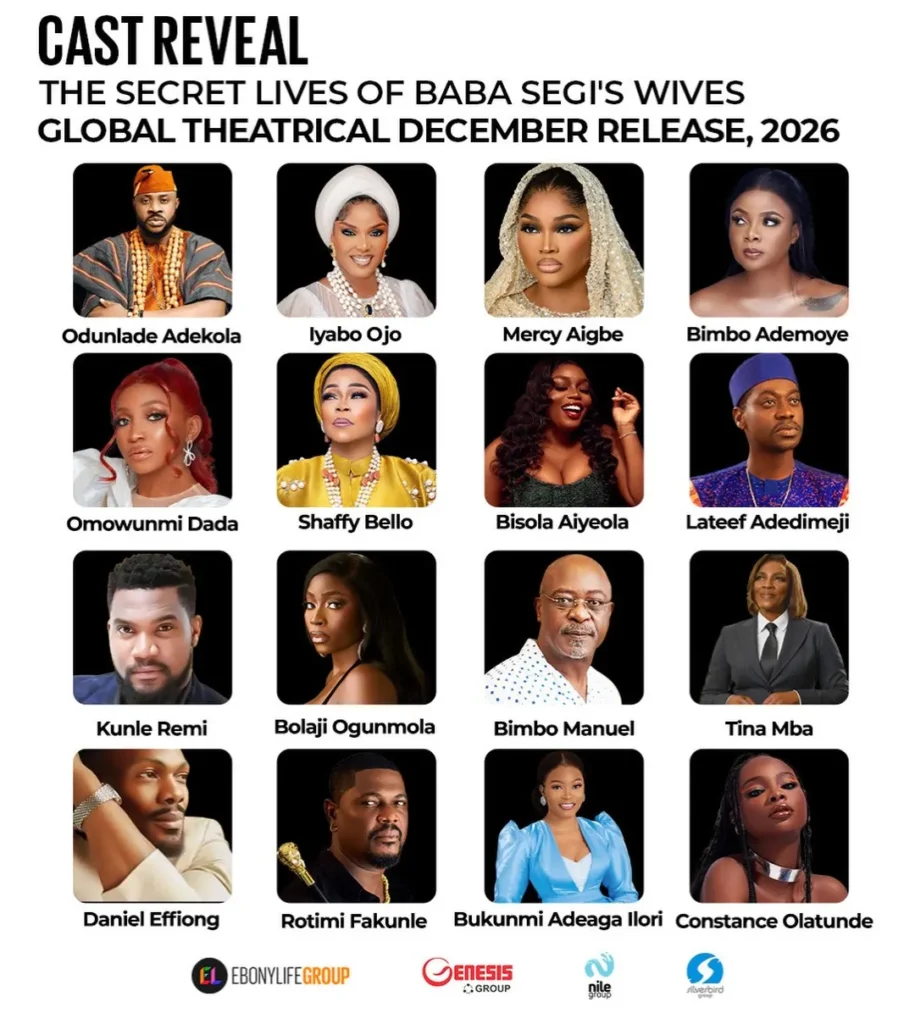
The one area in which the production is definitely getting things right is casting. Odunlade Adekola stars as Baba Segi and is joined by Iyabo Ojo, Mercy Aigbe, Omowunmi Dada, Bimbo Ademoye, Shaffy Bello, Bisola Aiyeola, Kunle Remi, Daniel Etim Effiong, Tina Mba and Bolaji Ogunmola. Later came Nancy Isime, Uzor Arukwe, Faithia Williams and Mike Ezuruonye.
It’s definitely the best cast ever for a Nigerian literary adaptation, if there ever was one!
Adekola, in particular, appears to be a smart casting choice, since he has a career playing ridiculous and dangerous men. More or less the type of role Baba Segi needs to play.
A cast this deep also does not put the smaller wives in the same boat as side characters in adaptations, where everything is directed towards one or two leads. But a terrific cast doesn’t ensure great performances. The challenge now is whether these actors can sell these characters off the page, and we will find out in December.
Until then, fingers crossed.
Snippets, stills, and short clips have begun to circulate, but no official trailer yet. They reveal little of the plot, but visually they are intriguing: the production design is thought-provoking, the costumes seem realistic rather than theatrical, and the cinematography is more about atmosphere than spectacle.
Obviously, curated marketing material is still curated marketing material. Studios don’t publish the embarrassing footage. But first impressions are important, and so far, they are good ones.
People who love books are a hard-to-please lot because they are expected to give something up. Each reader imagines these characters in a distinct way, hears the dialogue in their own way, constructs their own version of the family at the heart of this story.
No film can duplicate that — nor should it.
A good adaptation reinterprets a book rather than photocopies it.
Take, for instance, the film version of Half of a Yellow Sun, as it is a valuable reminder on this point: good actors, true to the spirit of the novel, but still it seemed like a thinner vehicle than the book, because so much of Adichie’s novel is contained in ‘inwardness’ that the camera cannot reach.
The risk applies to Baba Segi’s Wives as well, but is more pronounced because the entire novel is grounded in a lack of information and fluctuating empathy.
Reduce these women to familiar roles: the cunning first wife, the innocent newcomer, and you’ve killed the book, even if each plot point comes through unscavenged. The adaptation becomes one of the recurring Nollywood dramas we have.
The humor can’t come at the expense of emotional honesty. The social commentary should not turn into lecturing, and the pacing can’t rush through years of slow-building tension just to get to the reveal.
Above all, the film needs to trust its audience just like the novel does. Shoneyin never explains her characters’ motives outright; she lets you sit in ambiguity until the picture resolves on its own.
The question of why so many of Africa’s great novels fail to reach screens for years has been posed; not because there’s a lack of stories or talent, but because of a lack of sustained investment in literary adaptation. Rights are optioned and expire without notice. Funding falls through. Such projects begin to transform that experience, and there’s a pretty good business case to be made for them, too.
A novel with a readership is a lot easier to sell than an original script without an audience.
With good adaptations, new readers are introduced to old books, a novel’s shelf life is extended, and producers have an interest in the book as intellectual property, rather than source material gathering dust on library shelves.
Shoneyin’s book has been in print continuously since 2010. A film release in December could easily push it back onto bestseller shelves, as film tie-ins tend to do everywhere else in the world.
If African films want a bigger global audience, the answer isn’t to sand down what makes these stories specifically Nigerian.
Korean cinema didn’t earn global respect by becoming less Korean. Japanese animation didn’t travel by abandoning Japanese storytelling conventions. The same logic applies here.
These films will travel because they’re well-made and emotionally honest, not because they imitate Hollywood.
There’s already an audience waiting for this film, readers who’ve loved the novel for years and will show up with high expectations. They’re familiar with these characters and these conversations in depth.
They’ll find out where the adaptation shines and where it doesn’t, down to the exact lines of dialogue.
All of the material thus far indicates something good: a savvy and capable creative crew, a solid cast, and Shoneyin’s own pen.
So far, it’s anyone’s guess.
The release date is still in faraway December, and we can only anticipate. However, if it’s successful, the profits won’t be a one-off for the book or the production company.
It’ll be a triumph of African literature and a win for a growing movement that these books should be on the largest screens in the world, not just on the shortlists of the prizes they’ve won.

Hi I'm Tega, I am a microbiologist with a lifelong passion for reading, I fell in love with books as child (where I was briefly obsessed with Enid Blyton, lol) reading is simply my escape and hobby and sometimes doubles as therapy for me . My favorite genres are African lit, historical fiction, memoirs/biographies and fantasy. I do beta reading and post book reviews which you can check out on my Instagram @ te_ga_o.
Marvel vs. DC Female Superheroes
The Author’s Guide to the Rule of Three I
15 Writing-Adjacent Careers for Writers Looking for a Career Change
Authors Spotlight: Khaled Hosseini
The Sound Souls Make When They Die by Chinemefun Chimuanya
If Nollywood Cast Our Favourite African Books: Who Would Play Who?
Best Films About Unexpected Age Gap Romance
Literary Awards and the Racism Card: A Wake-Up Call for Black Africa
Interview with the Vampire Relationships, Ranked
10 Top Recent Films for Action and Comedy Fans
Comma Rules Every Writer Should Know
10 Most Hype-worthy 2026 Book Releases (African Literature Version)
July 20, 2025 .
Animation, Lists
Our list rounds up the top 30 cartoon characters that were villains, each one more wonderfully wicked than the last.
READ MORE
April 29, 2026 .
Lists, Opinions
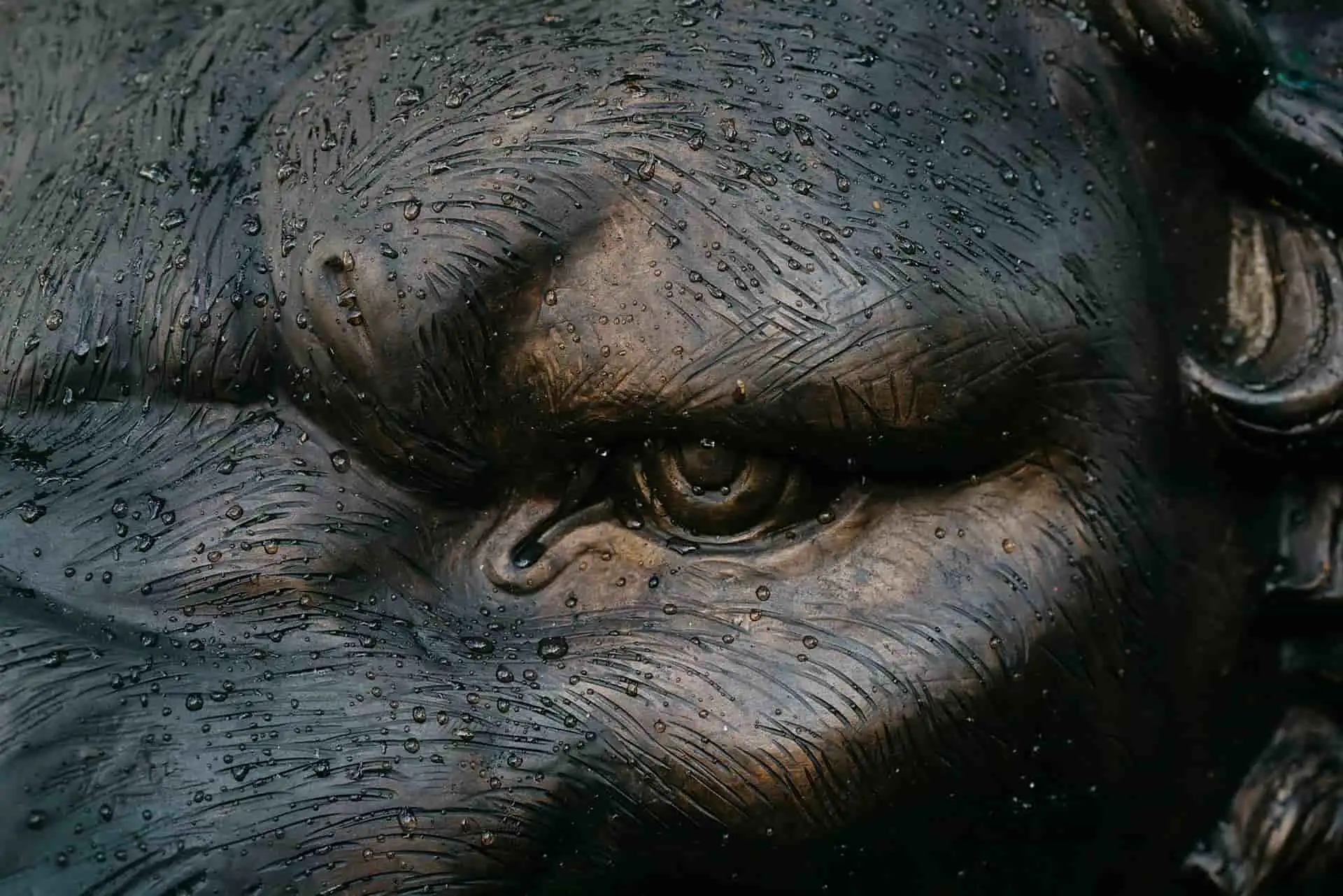
The Mouse is famous for its princesses and princes. However, the studio’s true genius lies in its embrace of “ugly Disney characters”.
READ MORE
November 27, 2025 .
Lists, Mythology
While this isn’t an exhaustive list, it comprises some of the most popular mythical creatures from around the world.
READ MORE
February 26, 2026 .
Cartoons, Lists
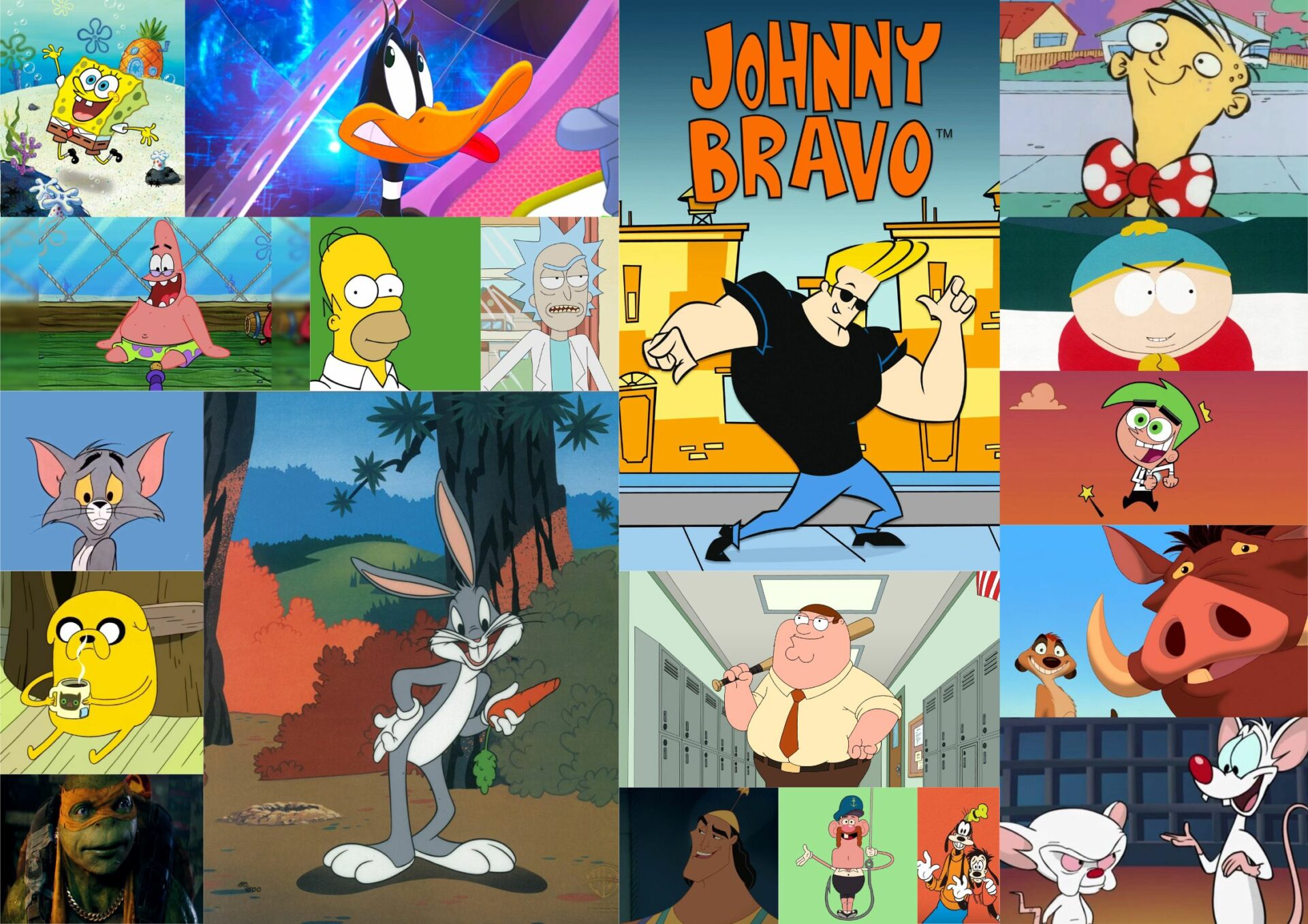
There are some outright funny cartoon characters who exist solely to crack you up, loud, hard, and with zero apology.
READ MORE
May 6, 2026 .
Lists, MCU
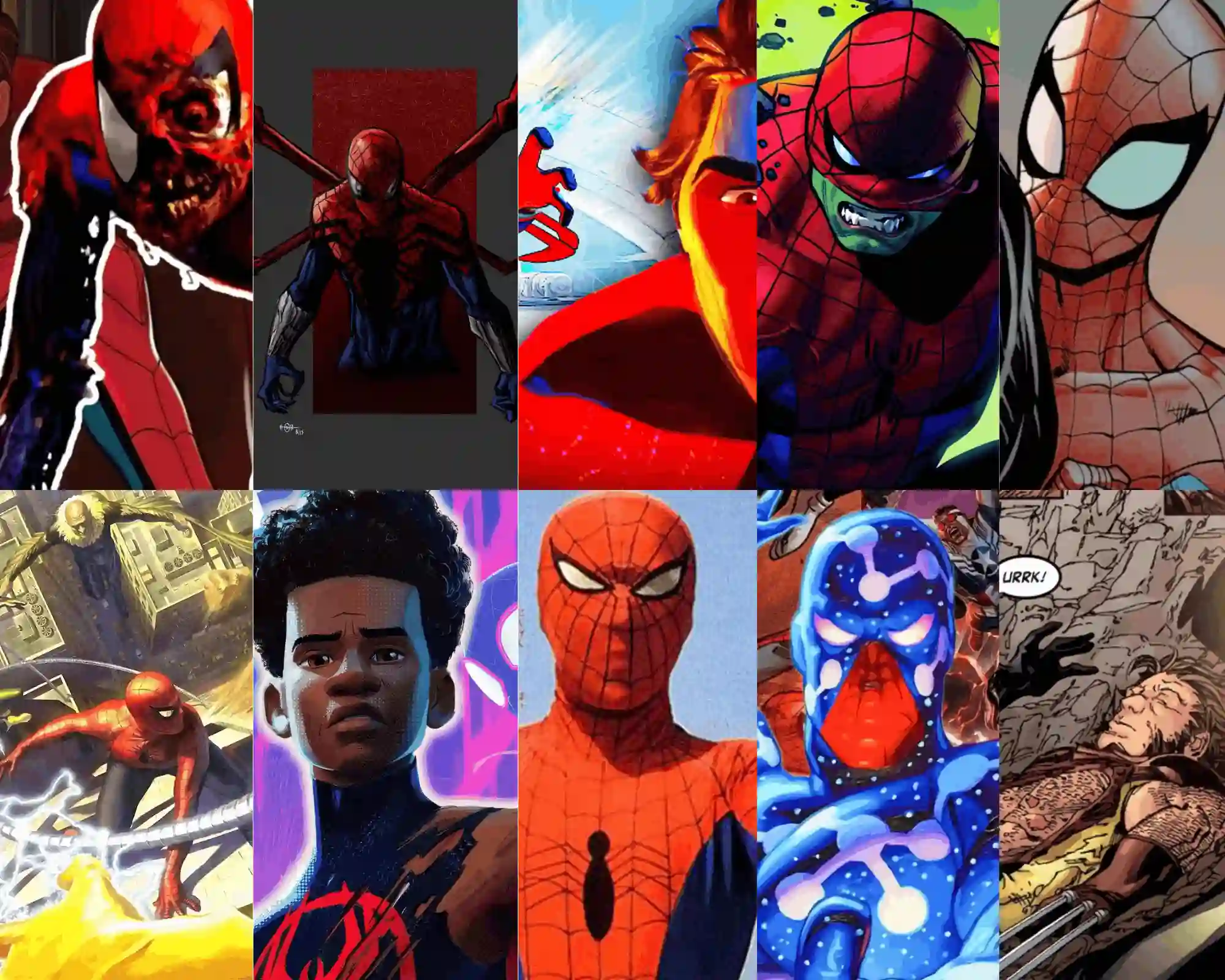
Spider-Man is one of the many superheroes from the Marvel Universe whose stories shaped many childhoods. Who is your strongest Spiderman?
READ MORE

July 20, 2025 .
Opinions
Book recommendations from random places don’t always cut it, and you often end up feeling unsatisfied with them.
READ MORE

July 20, 2025 .
Essays, Opinions
READ MORE

July 20, 2025 .
Essays, Opinions
READ MORE

September 11, 2026 .
Opinions
Book reviews aren’t just a jumble of words on how a book made you feel but also a veritable document that you can quickly refer to when your memories temporarily fail you.
READ MORE

July 20, 2025 .
Opinions
Reading hundreds of pages for a single book can be like facing Smaug, Chiefest of Calamities, but a short story is a small dragon that you can easily conquer.
READ MORE

July 20, 2025 .
Debates, Opinions
Reading nonfiction about what interests you can provide more color and context that might make your fiction reading experience more enjoyable.
READ MORE
September 12, 2025 .
Opinions
In a fast-paced world, reading asks us to slow down, surrender, and sit with another person’s words long enough for them to settle inside us.
READ MORE
November 24, 2025 .
Debates, Opinions
Reading is active while watching movies is passive. The act of turning pages creates a pause that enhances understanding.
READ MORE
July 26, 2025 .
Fantasy, Opinions
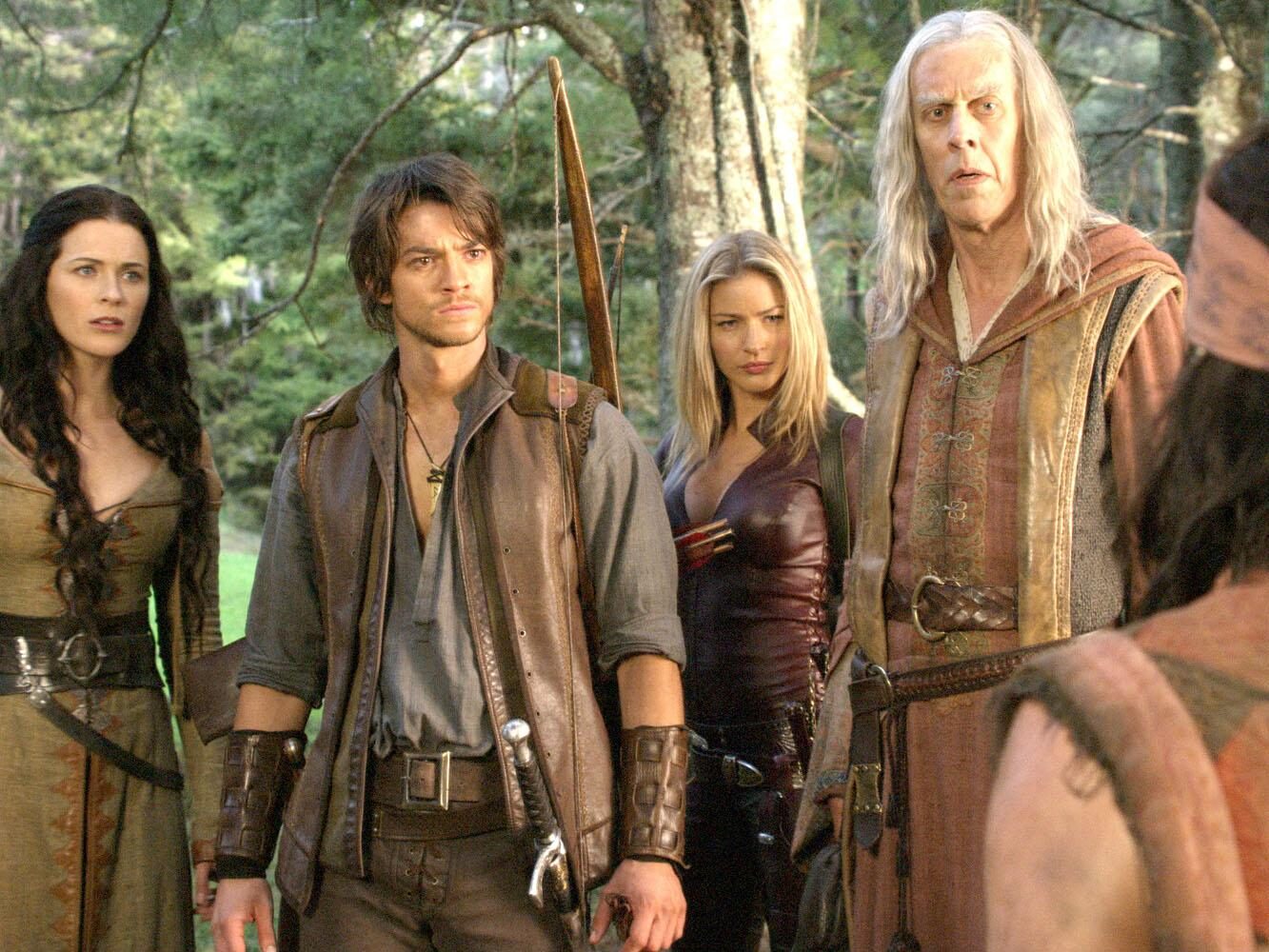
It’s cliche. But it’s rapid. It’s predictable. But it’s enjoyable. For lovers of the classic tropes, Legend of the Seeker is a worthy watch.
READ MORE
Get our magazine for free!