Close menu
Ranking the best of African Literature







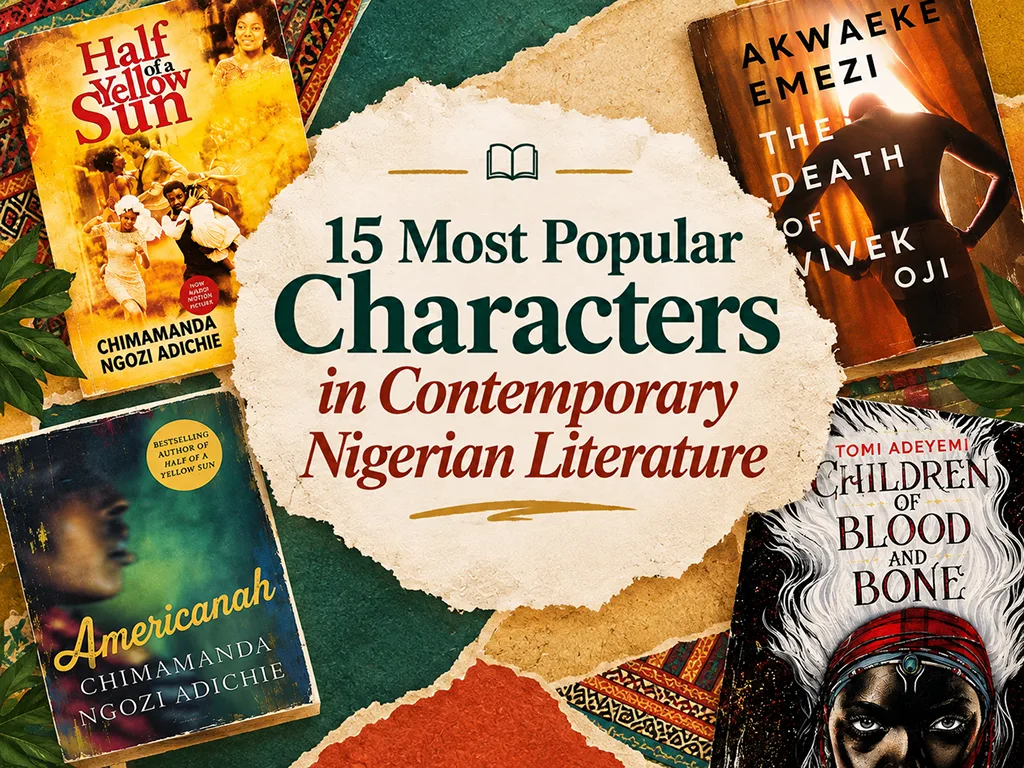


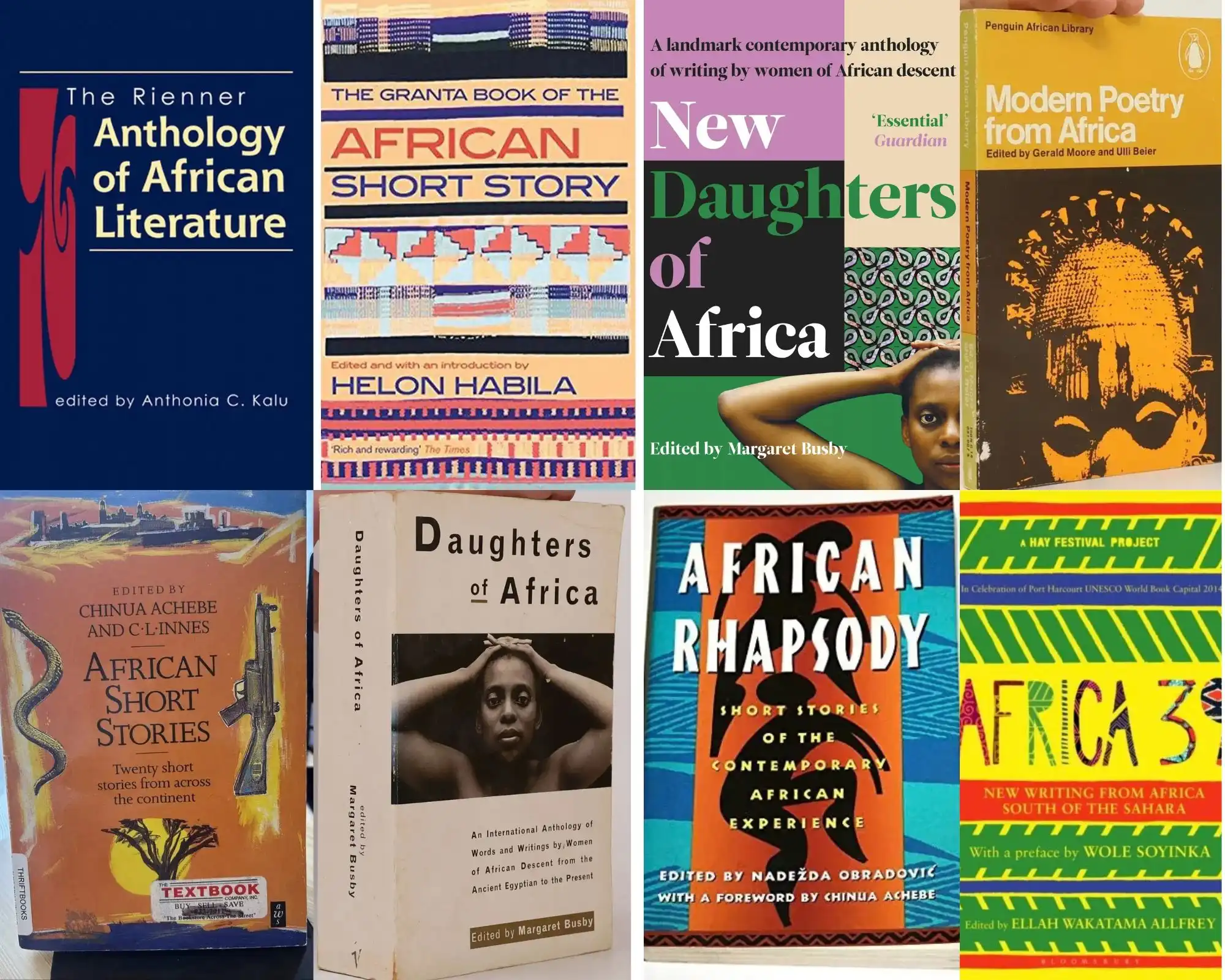
















Here are ten literary masterpieces that tell stories that transport readers into the heart of authentic African tribal culture.
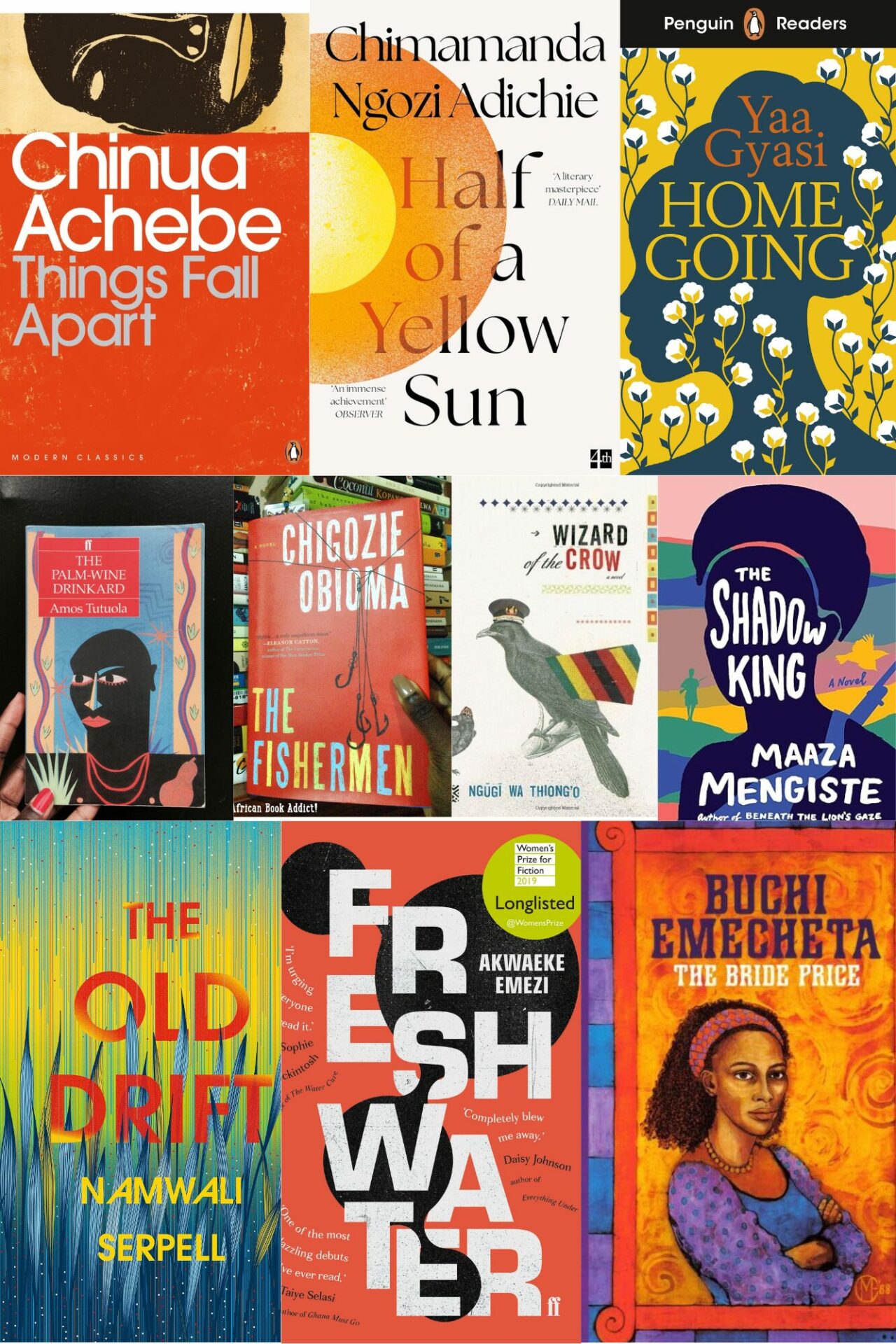
Beneath the veneer of modern Africa flows an ancient pulse of tribal wisdom, rituals, and storytelling traditions that have sustained communities for millennia.
Here are ten literary masterpieces that tell stories and serve as living archives of societal memory, transporting readers across time and space into the heart of authentic African tribal culture.
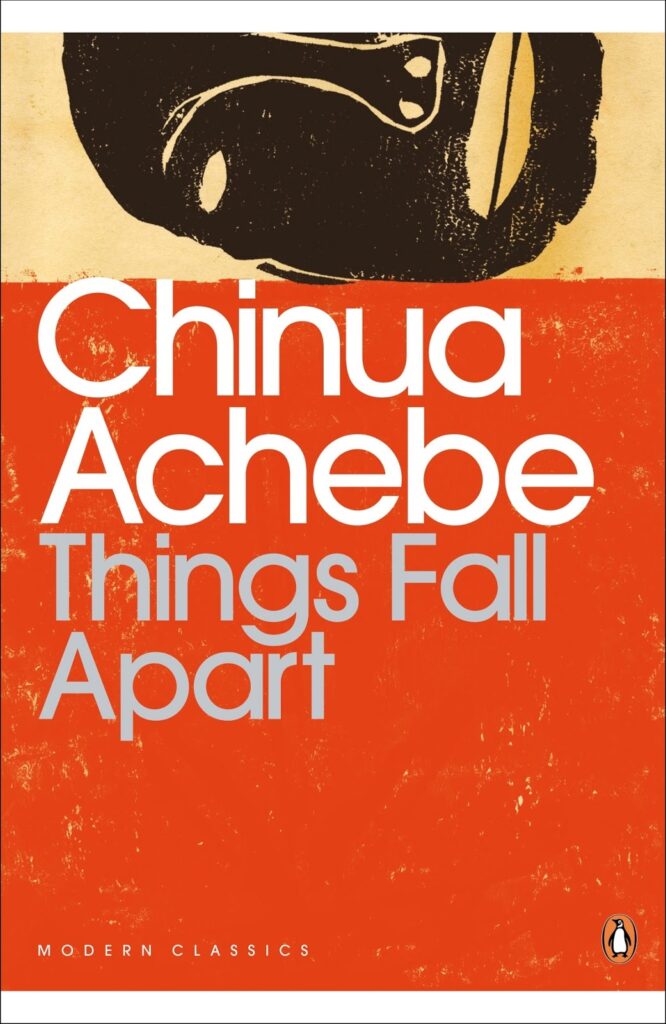
In Umuofia, a cluster of nine villages in late 19th-century Nigeria, the formidable warrior Okonkwo struggles to uphold the strict codes of Igbo masculinity while wrestling with personal demons.
When British missionaries arrive bearing a new religion and foreign laws, the resulting cultural collision threatens to unravel centuries of tribal culture.
Achebe’s narrative preserves the complex social fabric of Igbo civilization with remarkable precision. The novel documents the egwugwu justice system, where masked elders mediate disputes, the sacred rituals surrounding yam cultivation that define masculine status, and the intricate web of proverbs that form the philosophical foundation of Igbo thought.
Through Okonkwo’s tragic story, we witness how personal chi (spiritual destiny) intertwines with communal values, and how the arrival of colonialism disrupted delicate balances between ancestral traditions and necessary evolution.
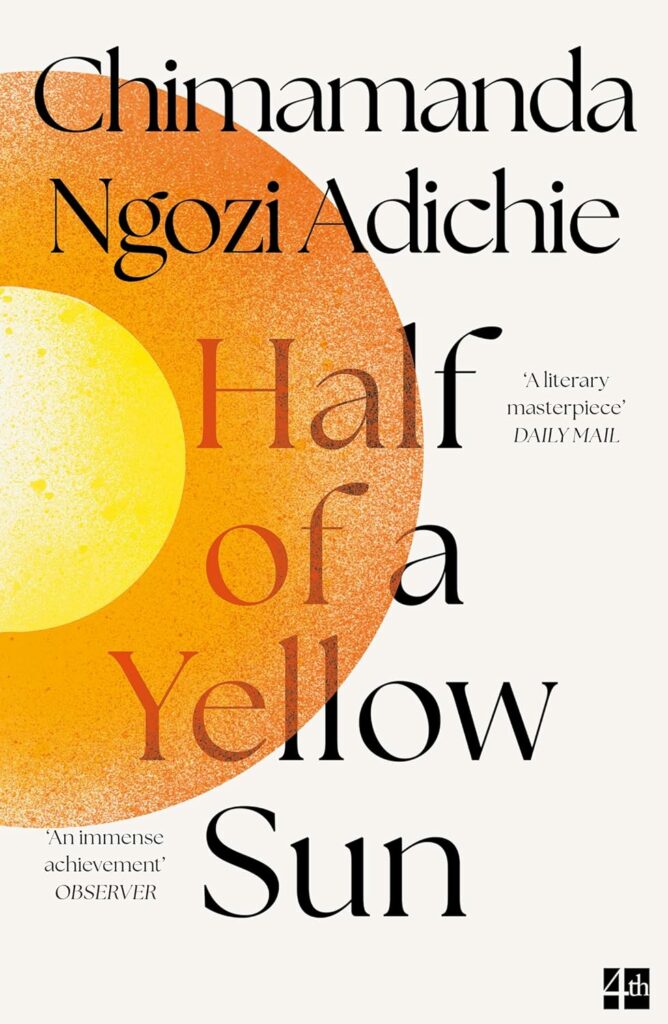
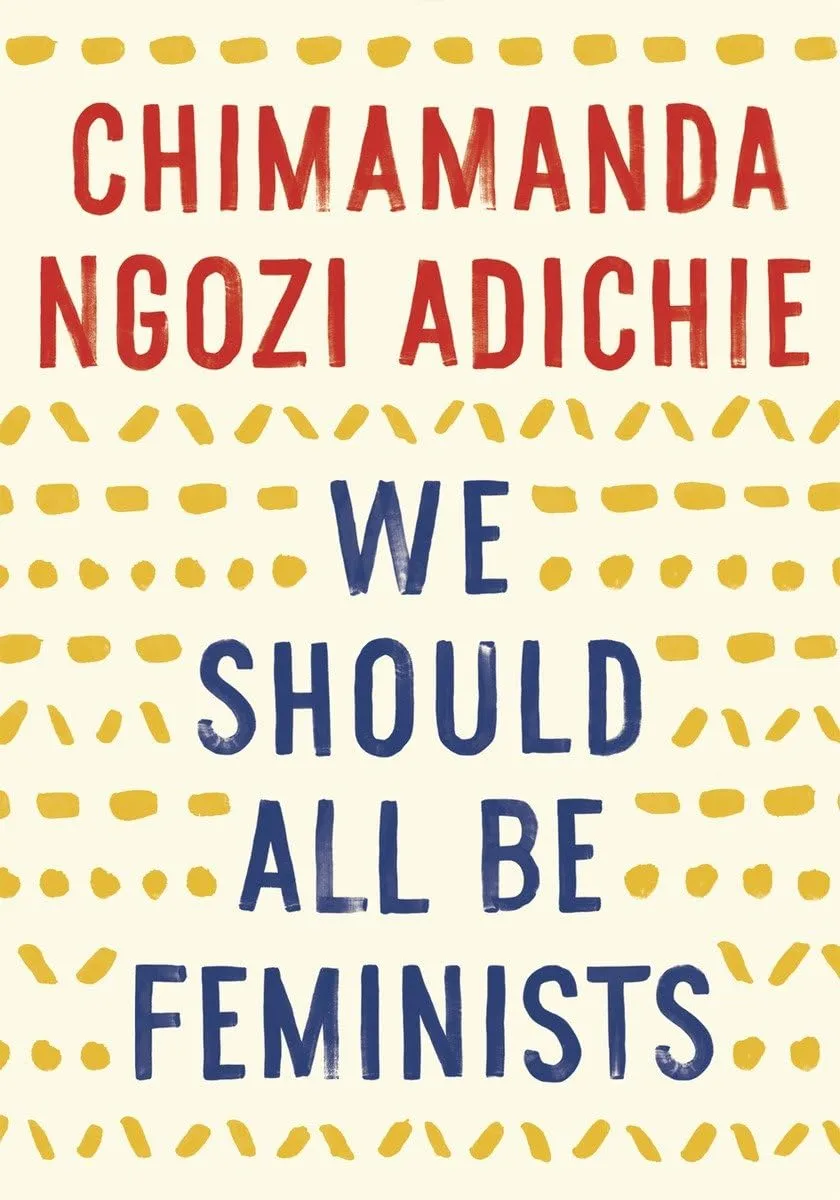
As Nigeria teeters on the brink of civil war in the 1960s, three lives become inextricably linked: Ugwu, a village boy turned house servant; Olanna, the privileged daughter of a wealthy Igbo chief; and Richard, a British writer documenting the unfolding crisis.
Adichie masterfully shifts perspective between these characters as they navigate love and loss against the backdrop of the Biafran struggle for independence, revealing how war erodes and intensifies tribal identity.
The novel depicts the elaborate protocols of elite Igbo households where servants still observe traditional hierarchies while portraying rural villages where ancient farming methods endure.
Particularly poignant are the depictions of marriage negotiations, where modern educated couples still honor the centuries-old practice of bride price payment.
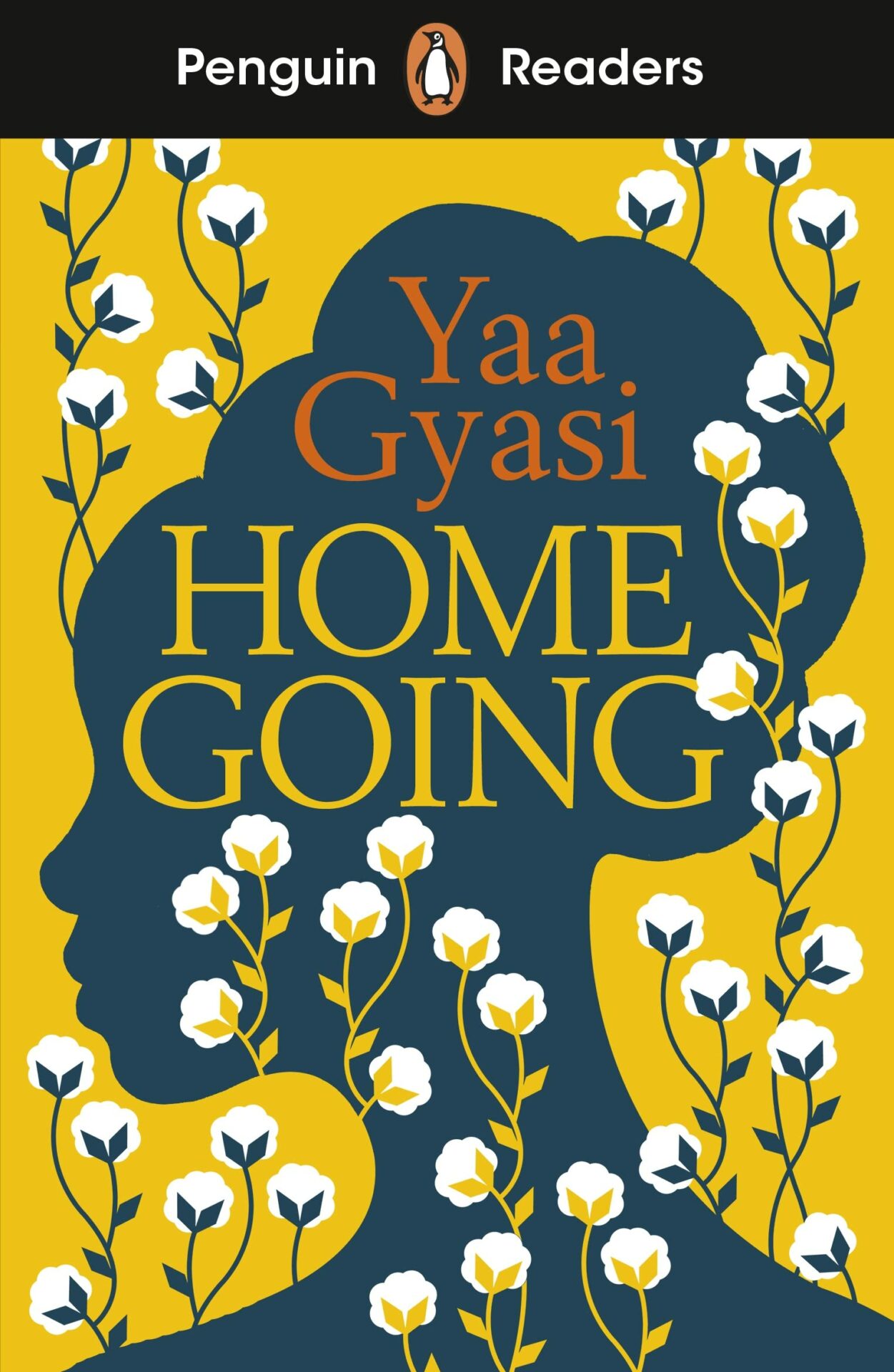
Beginning in 18th century Ghana, this sweeping multigenerational epic follows the diverging paths of two half-sisters from the Ashanti kingdom – one married to a British slave trader in Cape Coast Castle, the other imprisoned in its dungeons awaiting transport to the Americas.
The early chapters immerse readers in the Ashanti royal court’s elaborate protocols, where tribal elders weigh decisions through intricate symbolic objects.
We also see cooking methods, storytelling techniques, spiritual beliefs, and descriptions of traditional coming-of-age ceremonies involving sacred scarification patterns that tell family histories on living skin.
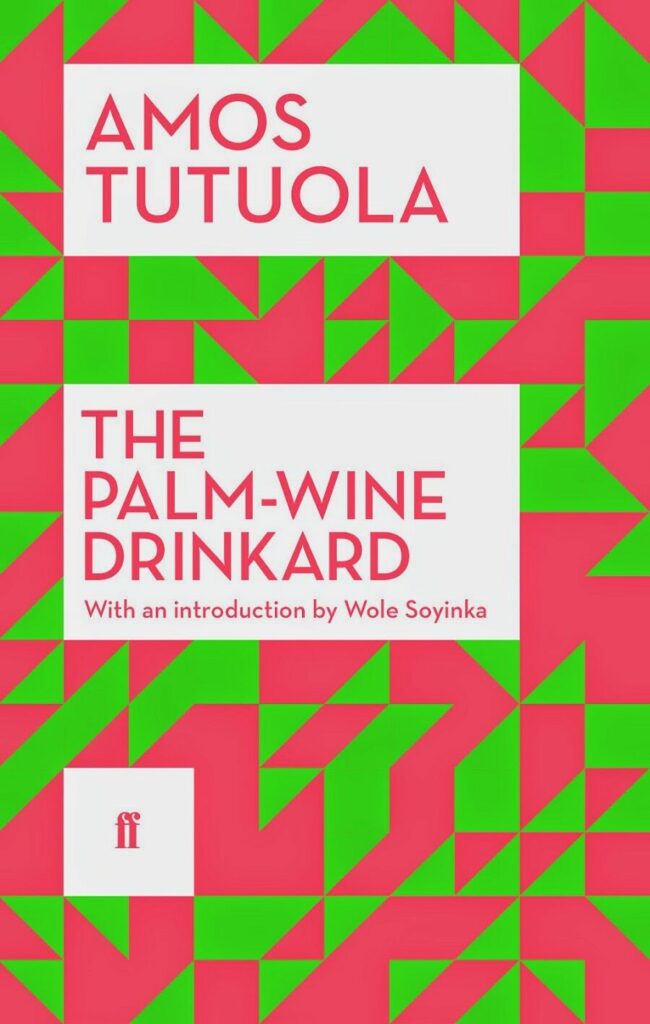
In this phantasmagorical journey through Yoruba cosmology, a man whose entire existence revolves around palm-wine consumption embarks on a quest to retrieve his deceased tapster from the land of the dead.
A surreal odyssey follows through a spirit world populated by capricious deities, mischievous ghosts, and monsters drawn from oral folklore, told in a distinctive pidgin English that mimics traditional storytelling rhythms.
Tutuola’s novel preserves endangered elements of Yoruba oral tradition that were disappearing with urbanization. The narrative follows the circular patterns of moonlight tales told by village griots, where digressions and repetitions serve specific ceremonial purposes.
Most remarkably, it captures the Yoruba worldview where the boundaries between physical and spiritual realms remain porous, and everyday reality intersects constantly with ancestral presence.
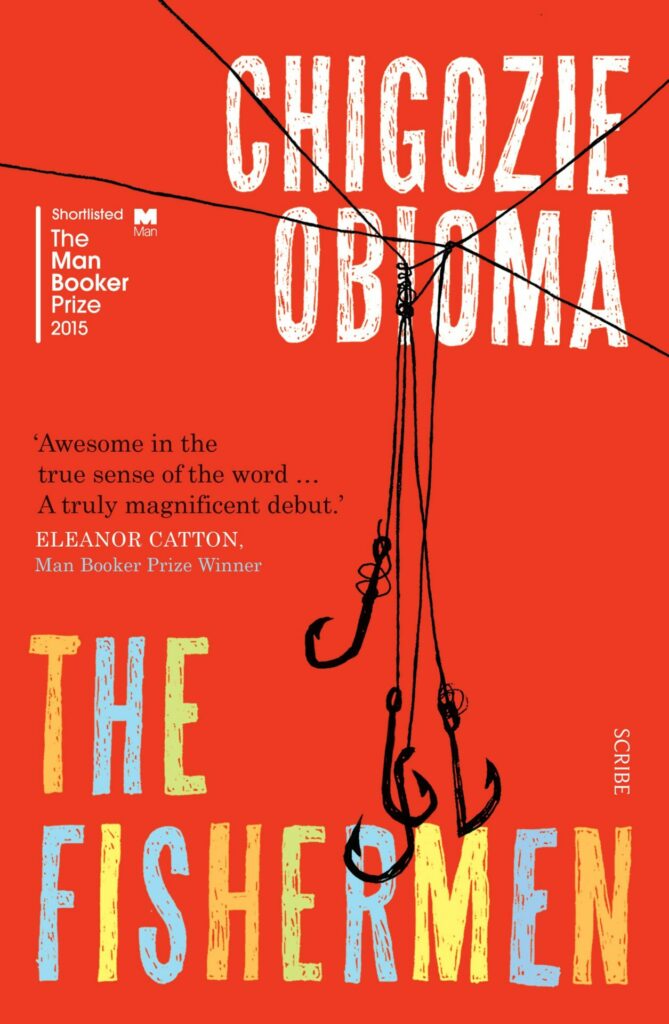
In a quiet Nigerian town in the 1990s, four brothers defy their father’s warnings and sneak off to fish at a forbidden river. There, they encounter a mad prophet whose grim foretelling of fratricide seeps into their lives like a slow poison.
The Fishermen captures the enduring presence of traditional Igbo spirituality in contemporary life. The ominous prophecy reflects the Igbo belief in chi—personal destiny—while the brothers’ bond mirrors the communal values that define kinship.
Through the father’s strict discipline and the mother’s quiet resilience, we see how Igbo family structures navigate modernity without losing their cultural roots.
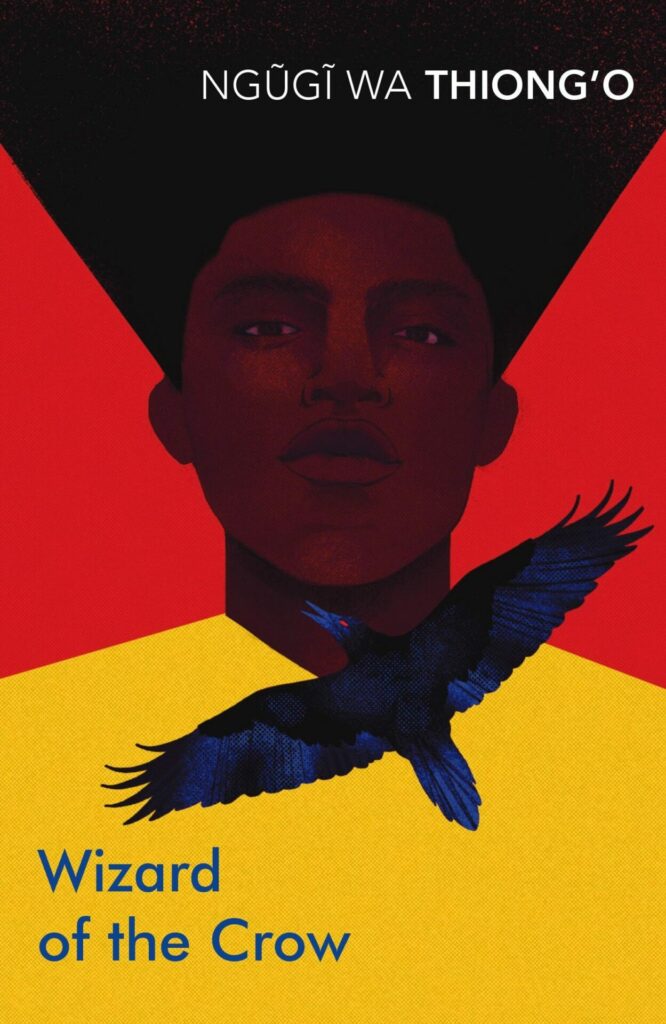
In a fictional African dictatorship, a corrupt ruler’s greed summons a mysterious sorcerer known as the Wizard of the Crow.
Through satire and magical realism, Ngũgĩ crafts a sprawling epic that blends Gikuyu storytelling with sharp political critique, exposing how power distorts tribal culture and spirituality.
Ngũgĩ draws deeply from Gikuyu oral traditions, infusing the novel with proverbs, songs, and ritual symbolism. The titular wizard embodies the traditional healer (mundu mugo), whose role in Gikuyu society was as much spiritual as medicinal.
The story also critiques how colonialism and dictatorship have warped indigenous governance, contrasting the dictator’s tyranny with the communal leadership of tribal elders.
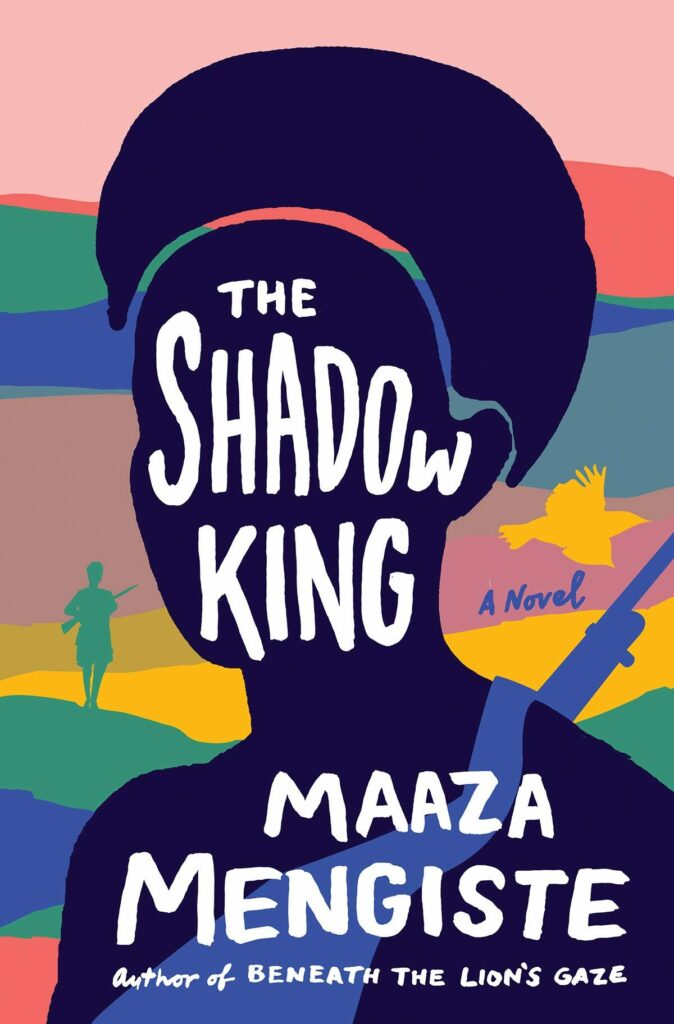
Set during Mussolini’s 1935 invasion of Ethiopia, this novel follows Hirut, a servant girl who becomes a warrior in the resistance.
As women take up arms alongside men, Mengiste reimagines the war through their eyes, blending history with the haunting presence of ancestral spirits.
The “Shadow King” of the title refers to a peasant cast as Emperor Haile Selassie’s double—a nod to Ethiopia’s ancient practice of ritual substitutes for royalty. The novel also preserves the oral poetry of azmari (traditional minstrels), whose songs chronicle history.
Most powerfully, it shows how Ethiopian Christianity and older animist beliefs coexist, with spirits lingering in battlefields and dreams.
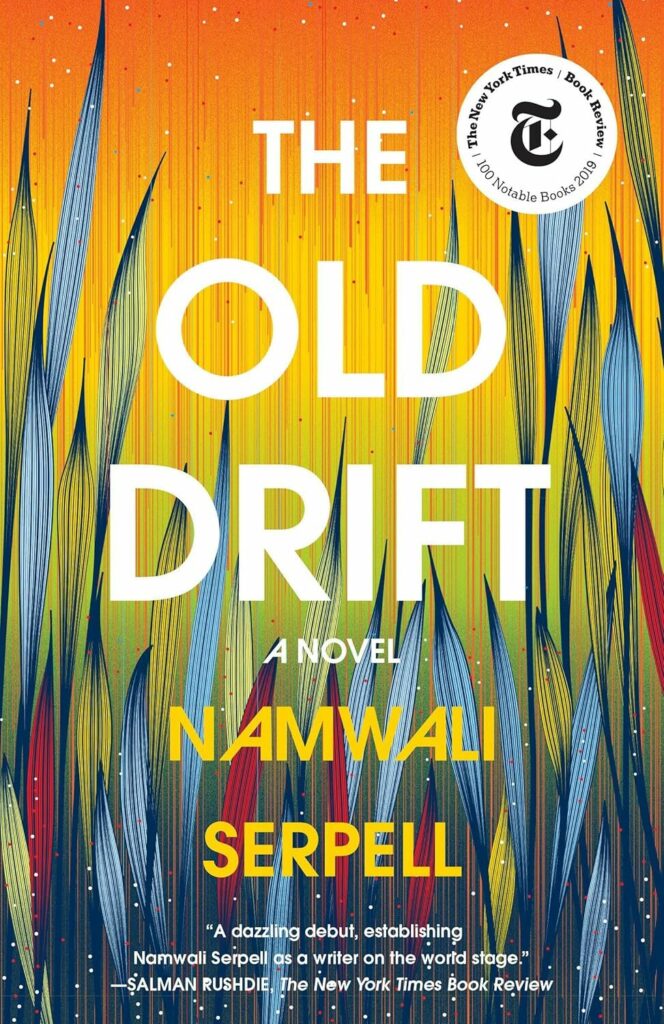
Spanning over a century in Zambia, this genre-defying epic begins with a colonial outpost near Victoria Falls and spirals into a future of technological rebellion where three families (Black, white, and Indian) intertwine in a saga of love, vengeance, and cultural collision.
In The Old Drift, the river spirit Nyami Nyami lurks beneath the narrative, just as he does in Tonga mythology, shaping destinies with his aquatic whims.
The novel also documents the shift from tribal life to urban modernity, showing how language, marriage customs, and spiritual beliefs adapt or disappear. Most strikingly, it imagines a future where technology and tribal culture merge, suggesting that African cultures will evolve but never vanish.
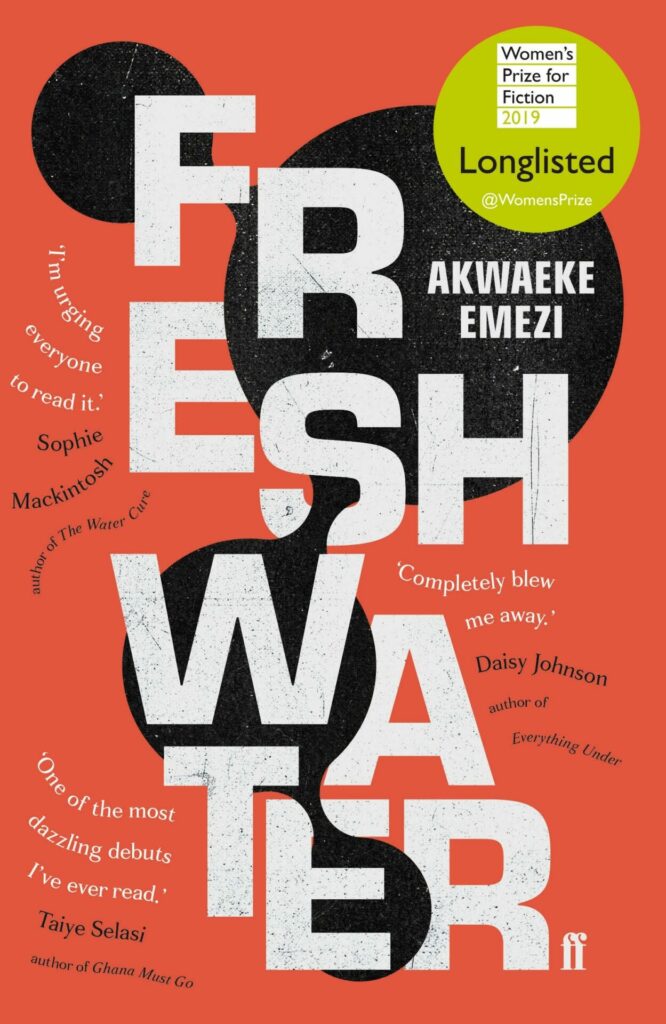
Ada, a Nigerian woman born with one foot in the spirit world, is inhabited by multiple selves; some human, some godlike.
As she navigates trauma and self-discovery, the ọgbanje (a spirit that cycles through births and deaths) becomes both a curse and a source of power.
Emezi, who is Igbo and Tamil, reinterprets the ọgbanje myth through a contemporary lens. In Igbo cosmology, these spirits are tricksters who torment families by dying young, only to be reborn again.
Emezi’s novel reclaims this belief as a metaphor for mental health, gender fluidity, and diasporic identity.
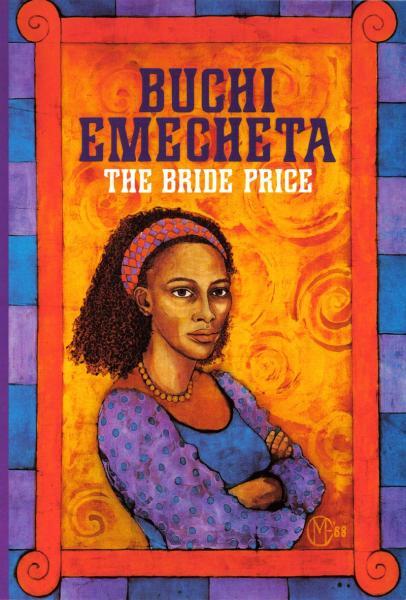
Aku-nna, a young Igbo girl, is caught between her father’s dying wish for her education and her uncle’s determination to marry her off for the bride price. Her struggle exposes the tensions between tribal culture and personal freedom in post-colonial Nigeria.
Emecheta’s novel documents the fading but still potent practice of bride price (ime ego), where a groom’s family offers payment to the bride’s kin.
Through Aku-nna’s defiance, we see how urbanization and education challenge patriarchal customs, yet the weight of tradition remains inescapable.

The Tyrant Overlord. Fantasy buff and avid football fan.
15 Writing-Adjacent Careers for Writers Looking for a Career Change
Authors Spotlight: Khaled Hosseini
The Sound Souls Make When They Die by Chinemefun Chimuanya
If Nollywood Cast Our Favourite African Books: Who Would Play Who?
Best Films About Unexpected Age Gap Romance
Literary Awards and the Racism Card: A Wake-Up Call for Black Africa
Interview with the Vampire Relationships, Ranked
10 Top Recent Films for Action and Comedy Fans
Comma Rules Every Writer Should Know
10 Most Hype-worthy 2026 Book Releases (African Literature Version)
Five Gambling Films That Know the Bet Is Only Half the Story
Movies Where Poker Reveals Who a Character Really Is
July 20, 2025 .
Animation, Lists
Our list rounds up the top 30 cartoon characters that were villains, each one more wonderfully wicked than the last.
READ MORE
November 27, 2025 .
Lists, Mythology
While this isn’t an exhaustive list, it comprises some of the most popular mythical creatures from around the world.
READ MORE
April 29, 2026 .
Lists, Opinions
The Mouse is famous for its princesses and princes. However, the studio’s true genius lies in its embrace of “ugly Disney characters”.
READ MORE
October 28, 2025 .
Lists, Marvel, MCU, Opinions
Let’s go through a list of the top 7 strongest Marvel villains, from the wickedly powerful to the absolutely unstoppable.
READ MORE
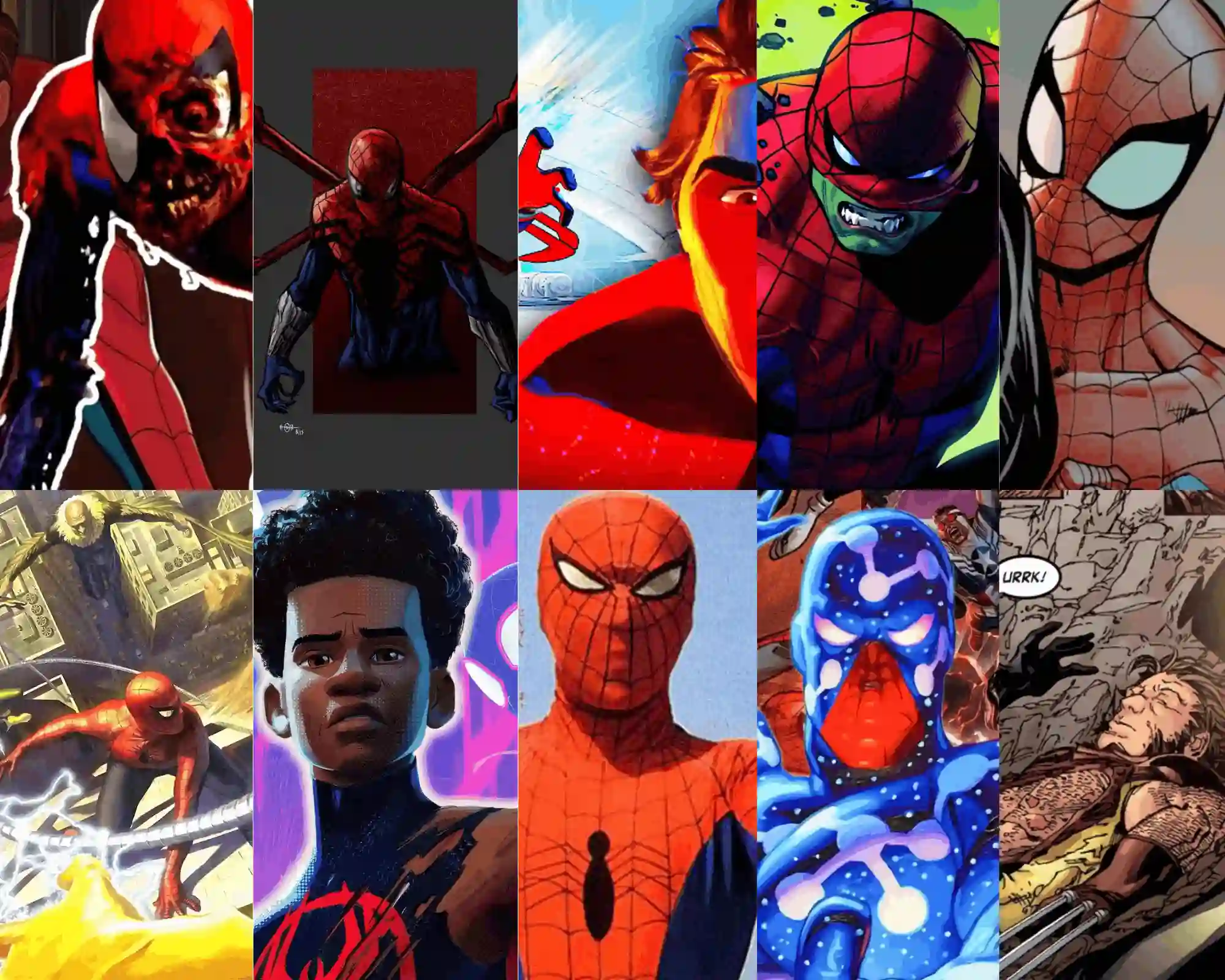
May 6, 2026 .
Lists, MCU
Spider-Man is one of the many superheroes from the Marvel Universe whose stories shaped many childhoods. Who is your strongest Spiderman?
READ MORE
September 30, 2026 .
Lists, TV Shows, Upcoming Movies
October isn’t celebrated as the official horror movie month for nothing, and some of these entries prove it.
READ MORE
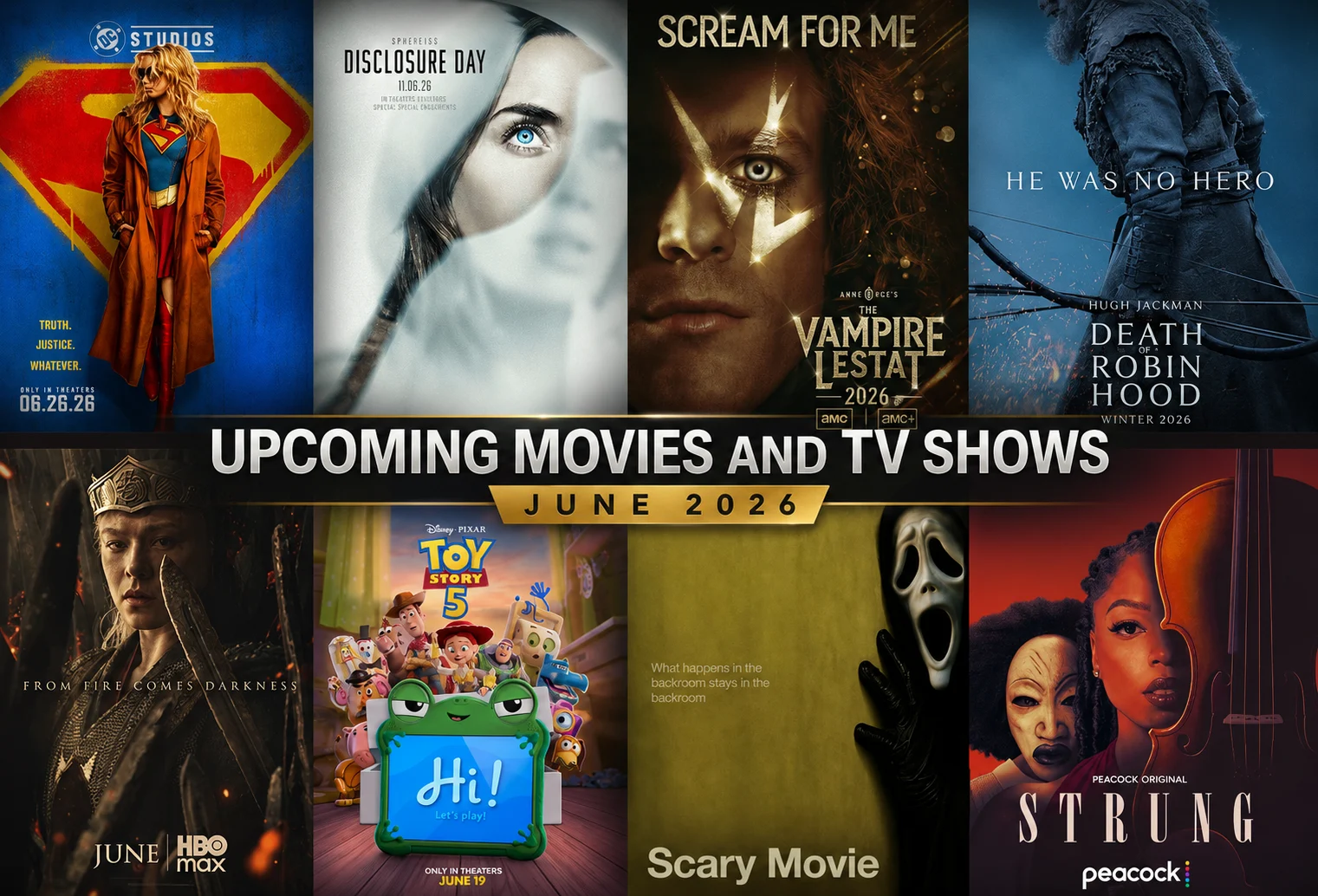
September 9, 2026 .
Lists, TV Shows, Upcoming Movies
There’s something for everyone from every genre you love.
READ MORE
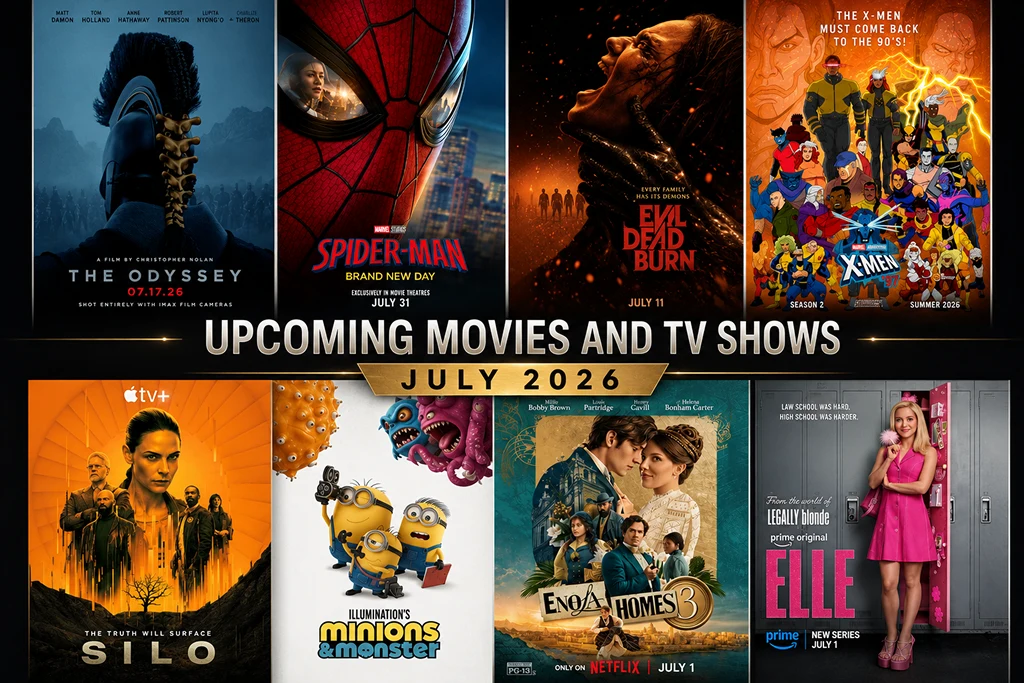
September 9, 2026 .
Lists, TV Shows, Upcoming Movies
July gears up with the hottest lineups of upcoming movies and TV shows.
READ MORE
September 9, 2026 .
Lists, TV Shows, Upcoming Movies
August line-up is here and they don’t disappoint.
READ MORE
April 29, 2026 .
Lists, Opinions
The Mouse is famous for its princesses and princes. However, the studio’s true genius lies in its embrace of “ugly Disney characters”.
READ MORE
September 9, 2026 .
Lists, Upcoming Movies
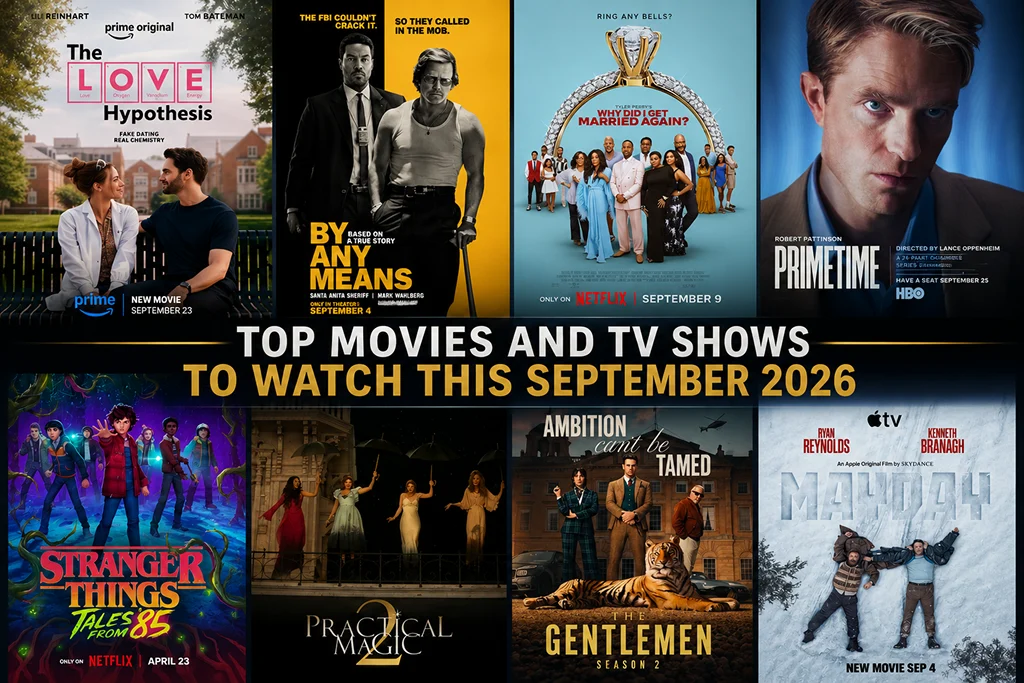
September’s lineup offers everything from action flicks to buddy comedy to romcom adaptations to keep you entertained all month long.
READ MORE
February 9, 2026 .
Lists
From Masobe to Narrative Landscape and Penguin Random House South Africa, here are the top 9 publishers of African Literature.
READ MORE

July 20, 2025 .
Lists
From Gardens of the Moon, it’s clear that the world of Malazan is richer in history and geographic detail, and than any other fantasy world.
READ MORE
February 23, 2026 .
African Literature, Lists
These are the books that could hold that kind of attention again. Not because they’re flawless, but because they can survive stillness.
READ MORE
Get our magazine for free!