












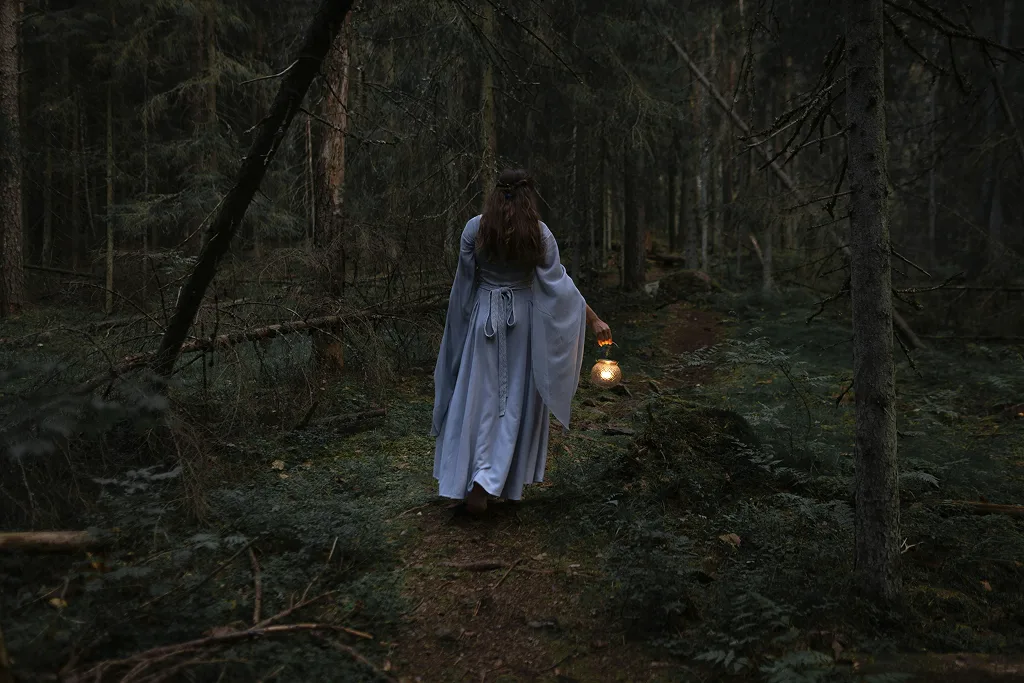
One way of reviving African literature may not be just in terms of new themes, but in terms of new forms or structures.
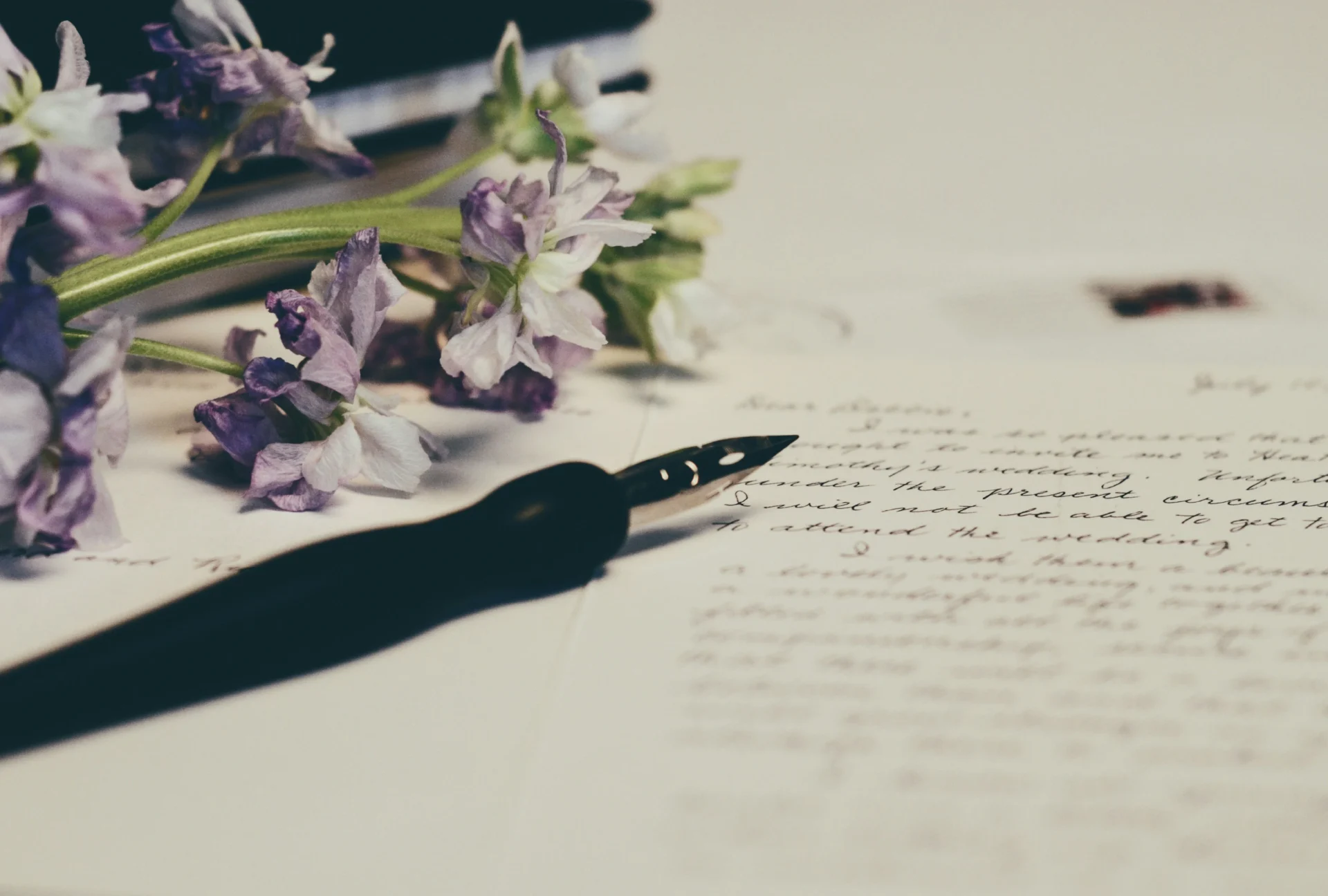
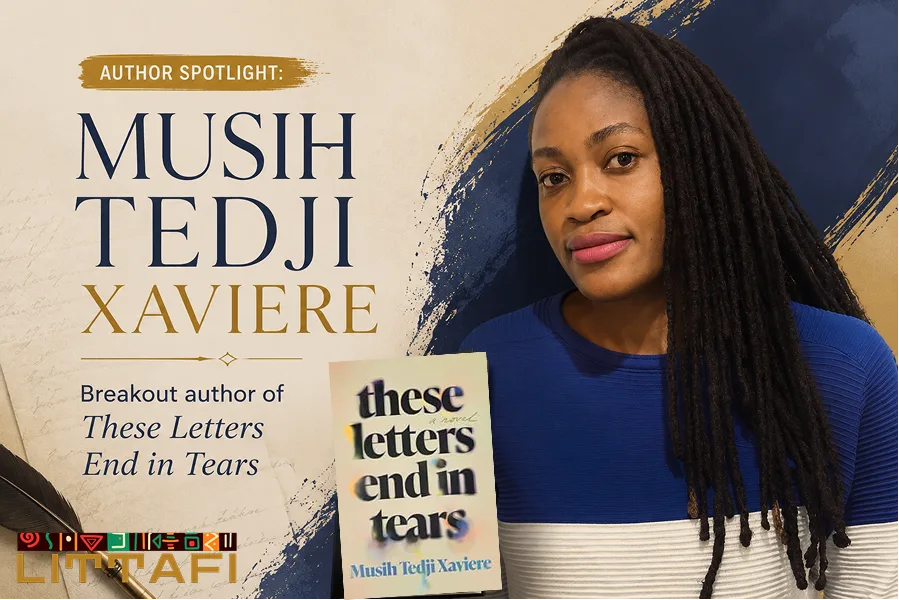
I have just recently read So Long a Letter by Mariama Bâ. As with so many classics, I read it expecting a good story and an important message. I got both. The themes involve an older woman and her journey through widowhood, infidelity, family, friendship, and expectations. But that wasn’t what made an impression; it was how the story was told. The form in which it was written.
It was a letter, one that ran the span of an entire novel.
A letter from one friend to another for the longest time.
This was written in a way that I quit paying attention to the chapters, the storyline, and even the idea that I was reading a novel halfway through it. I forgot all the traditional points in a book. The writing was designed to make me feel as if I were seeing things happen in real time, not just reading about them.
But it made me think, why aren’t there more of this in African literature?
Go to enough African book clubs or to any online site where people read, and you’ll hear the same talk again and again. Readers are looking for something other than what is currently available. I’m sure I’ve had that talk before. There are times when, after reading a book, it’s not bad, it’s just overly familiar.
Migration. Colonialism. Family expectations. Politics. Identity. Generational trauma. All of these are recurring themes. Don’t get me wrong, these are stories worth telling, and they always will be. However, after reading enough African literature, you start to hear the rhythm. The plot of the story is predictable.
After reading So Long a Letter, I’ve begun to wonder if the answer lies in exploring more themes.
Now, I’m not so sure about that.
One way of reviving African literature may not be just in terms of new themes, but in terms of new forms or structures.
There has never been a dearth of exciting tales in Africa. But it’s important to remember that there is also a wide range of ways to tell those stories, and these other forms of storytelling are relatively underutilized.
The conversation often revolves around what African writers should tell. Well, maybe it’s time we ask ourselves how they tell them. The structure of a book is important,
Would So Long a Letter have been as powerful if it were a more traditional novel, with chapters divided clearly and evenly, and the narrator in the third person? I think so.
Would it have felt the same? No, at least not for me.
This form creates intimacy. It gives the reader time to read. It makes each reflection feel personal, for in many ways it is. The structure becomes a part of the emotional experience. You are the recipient of her letter.
So I thought of the other forms of storytelling that African literature could adopt more frequently.
Imagine more contemporary epistolary novels. Emails, WhatsApp messages, voice notes, or letters between people who migrate and different generations.
Think documentary fiction, told as a series of newspaper articles, court documents, police reports, or diary entries/archived files. Think of reading about an election, an oil spill, or a political scandal, but not from start to finish from one narrator.
Or a novel narrated by a whole community.
Not only “I.” Not even alternating points of view. But “We.”
Communities are the heart of African storytelling. But very few novels feature the community as the narrator.
Don’t forget oral history, too.
The irony is that one of Africa’s greatest storytelling traditions is one of the least used in literary fiction today.
Amos Tutuola and Ben Okri were writers who demonstrated what could be achieved through novels told in the rhythm and cadence of oral performance. However, many African works of fiction remain structurally conventional today.
Then there are tales that are only stories because of the unique way they are told.
In An Orchestra of Minorities, the protagonist doesn’t tell the story at all; instead, it’s his chi, his guardian spirit. It’s an example of structural innovation, without taking anything from elsewhere. It is rooted in the Igbo cosmology.
I’d like to see more of that kind of experimentation.
Not because a novel has to have a bait of some sort, or that the traditional story has been superseded. But because structure can also influence the reader’s experience as much as theme.
When discussions of this nature occur, one question that often arises is, “Is this experimentation for younger readers only?” I’m not sure that is the case.
Indeed, structure may be an asset in making African literature popular across generations.
Younger readers might appreciate a novel composed in a series of chat logs, social media posts, or voice notes, a language they use in their daily lives.
An older reader might relate more to an epistolary novel because, in their heyday, letters were a vital means of communication and a way to reminisce on the past. Some may find oral storytelling structures familiar because they grew up hearing stories told in that manner.
Sometimes, change does not necessarily mean going against tradition. It can sometimes help us to recall it.
African writers have never been afraid to experiment, to be sure. Ben Okri, Amos Tutuola, Biyi Bándélé, Ngũgĩ wa Thiong’o, and Jennifer Nansubuga Makumbi are all writers who have questioned the norm in their own respective ways. Structural innovation is not missing in African literature. It’s just underutilized.
So Long a Letter did not become an unforgettable book because of the themes.
It was unforgettable because Mariama Bâ chose the perfect form to tell it. And that, my fellow readers, is art.

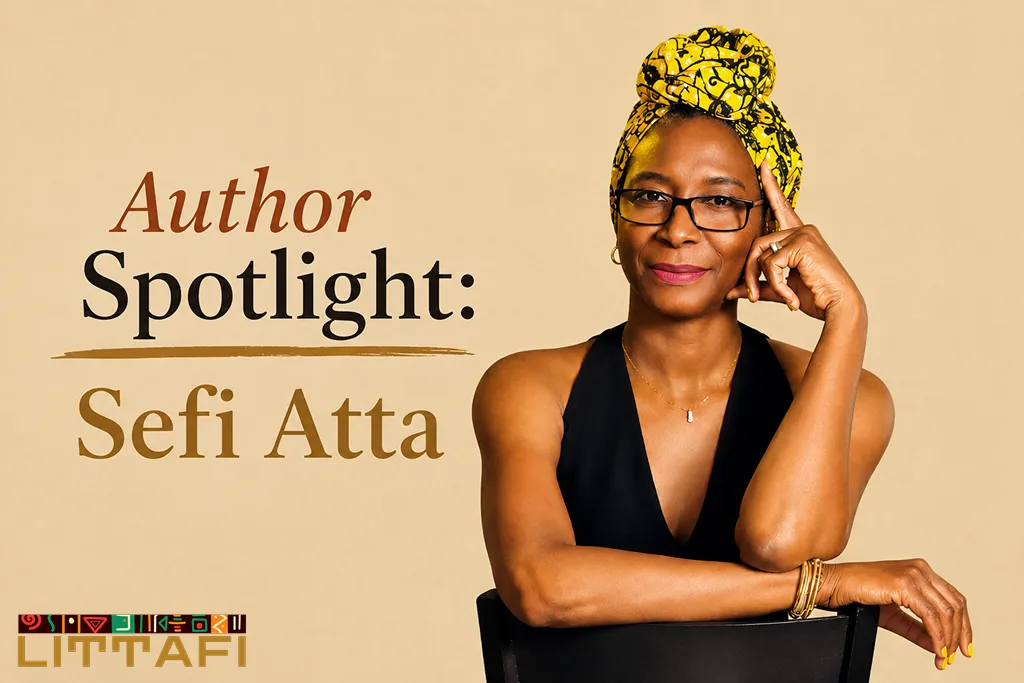
Hi I'm Tega, I am a microbiologist with a lifelong passion for reading, I fell in love with books as child (where I was briefly obsessed with Enid Blyton, lol) reading is simply my escape and hobby and sometimes doubles as therapy for me . My favorite genres are African lit, historical fiction, memoirs/biographies and fantasy. I do beta reading and post book reviews which you can check out on my Instagram @ te_ga_o.
July 20, 2025 .
Animation, Lists
Our list rounds up the top 30 cartoon characters that were villains, each one more wonderfully wicked than the last.
READ MORE
April 29, 2026 .
Lists, Opinions
The Mouse is famous for its princesses and princes. However, the studio’s true genius lies in its embrace of “ugly Disney characters”.
READ MORE
October 28, 2025 .
Debates, Lists, Marvel, MCU
Every Marvel hero brings something to the table. But if we had to pick the top 8 most popular Marvel superheroes, who would make the cut?
READ MORE
October 28, 2025 .
Lists, Marvel, MCU, Opinions
Let’s go through a list of the top 7 strongest Marvel villains, from the wickedly powerful to the absolutely unstoppable.
READ MORE
November 27, 2025 .
Lists, Mythology
While this isn’t an exhaustive list, it comprises some of the most popular mythical creatures from around the world.
READ MORE

July 20, 2025 .
Opinions
Book recommendations from random places don’t always cut it, and you often end up feeling unsatisfied with them.
READ MORE

July 20, 2025 .
Essays, Opinions
READ MORE

July 20, 2025 .
Essays, Opinions
READ MORE

July 20, 2025 .
Essays
Except if you have been living under a rock or in outer space since the beginning of time, there is no way you wouldn’t have heard of Wole Soyinka.
READ MORE

September 11, 2026 .
Opinions
Book reviews aren’t just a jumble of words on how a book made you feel but also a veritable document that you can quickly refer to when your memories temporarily fail you.
READ MORE

July 20, 2025 .
Opinions
Reading hundreds of pages for a single book can be like facing Smaug, Chiefest of Calamities, but a short story is a small dragon that you can easily conquer.
READ MORE

July 20, 2025 .
Debates, Opinions
Reading nonfiction about what interests you can provide more color and context that might make your fiction reading experience more enjoyable.
READ MORE
September 12, 2025 .
Opinions
In a fast-paced world, reading asks us to slow down, surrender, and sit with another person’s words long enough for them to settle inside us.
READ MORE
November 24, 2025 .
Debates, Opinions
Reading is active while watching movies is passive. The act of turning pages creates a pause that enhances understanding.
READ MORE
Get our magazine for free!