
Menu
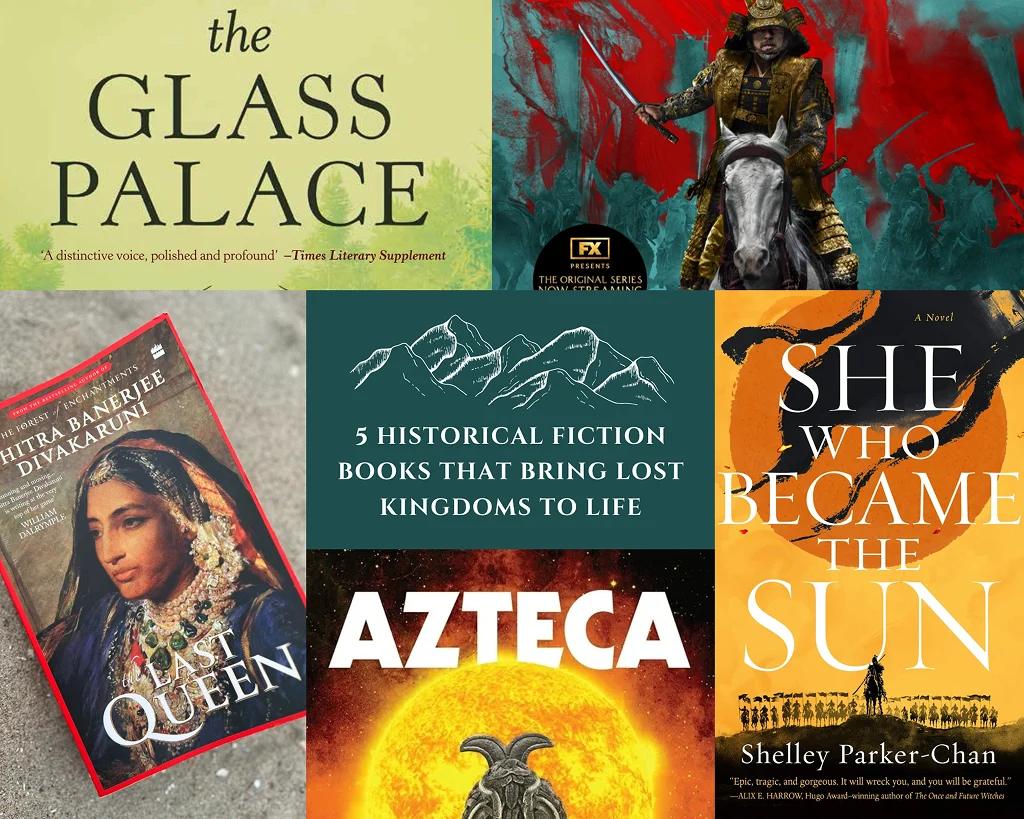















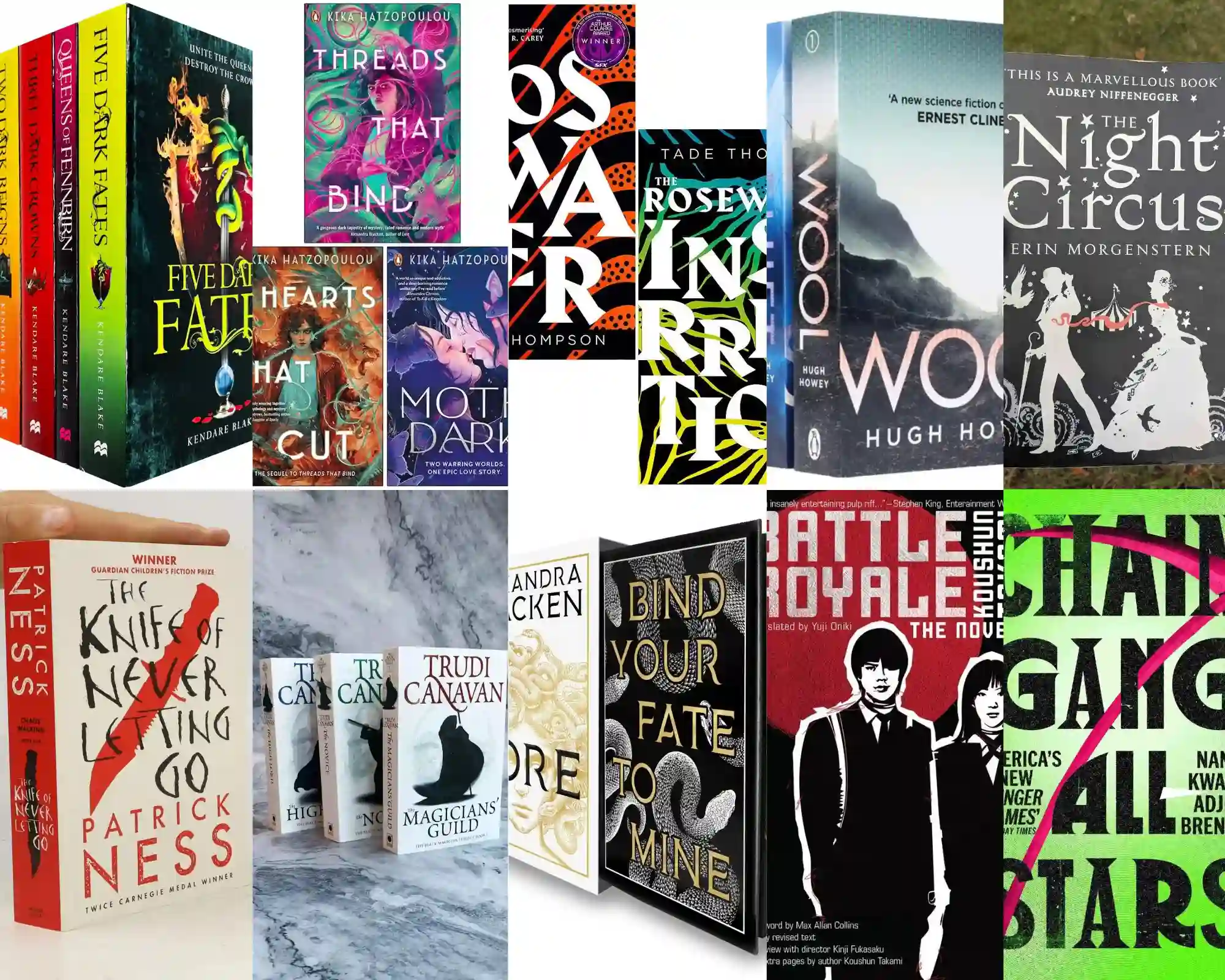






These five novels visit those moments in very different corners of history.
In the spirit of Independence Day, here are five books about kingdoms that lost their freedom. Expect the customs that made a people who they were, the rivalries that wore them down, and the outsiders who spotted those cracks and used them.
History isn’t only about who conquered whom. What was there before matters just as much. What made a civilisation its own, and what disappeared when the old order fell.
Chinua Achebe put it best: “Until the lions have their own historians, the history of the hunt will always glorify the hunter.”
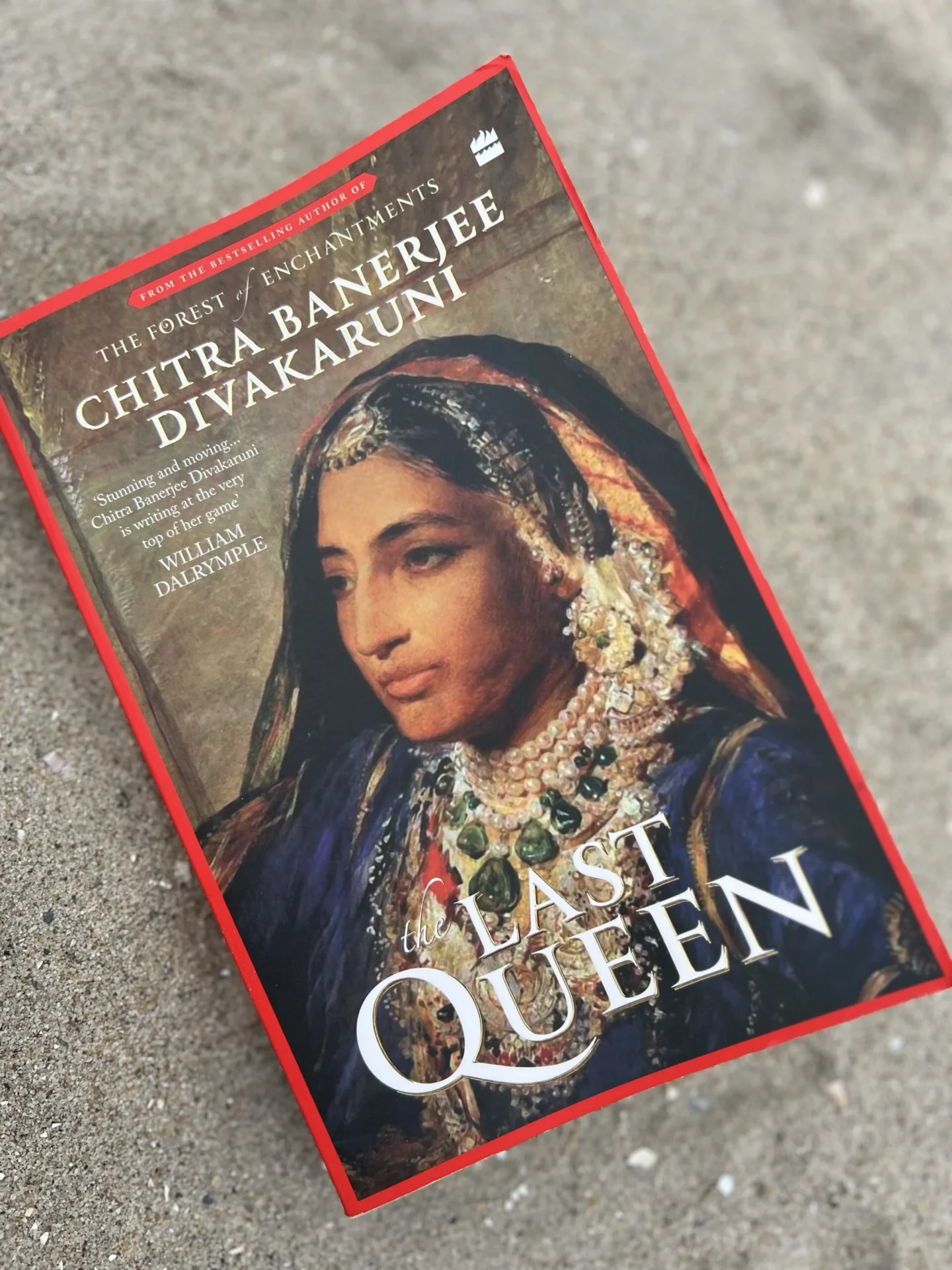
Start here if you want a strong kingdom in its final days, and one woman’s fight to stop its annexation.
Divakaruni brings the nineteenth-century Sikh Empire to life through Rani Jindan Kaur, the youngest and last queen of Maharaja Ranjit Singh. When he dies, their son Dalip Singh takes the throne, and Jindan becomes regent.
The kingdom is already unsteady. Succession is disputed, loyalties are divided, and nobody at court can be trusted for long.
Rani Jindan has to manage rival factions and the limits placed on a woman in the zenana, all while protecting her son’s inheritance. Then the British move to annex Punjab. She stands up to them directly, and it costs her dearly—prison, separation from her son, and ultimately exile.
The novel does more than highlight the politics, though. You see what Jindan is fighting for. The court, the Khalsa, the royal traditions, Punjabi culture- none of it is set dressing. It’s what makes the kingdom worth defending.
So the title works on two levels.
One woman loses a throne. A whole civilisation loses its independence.
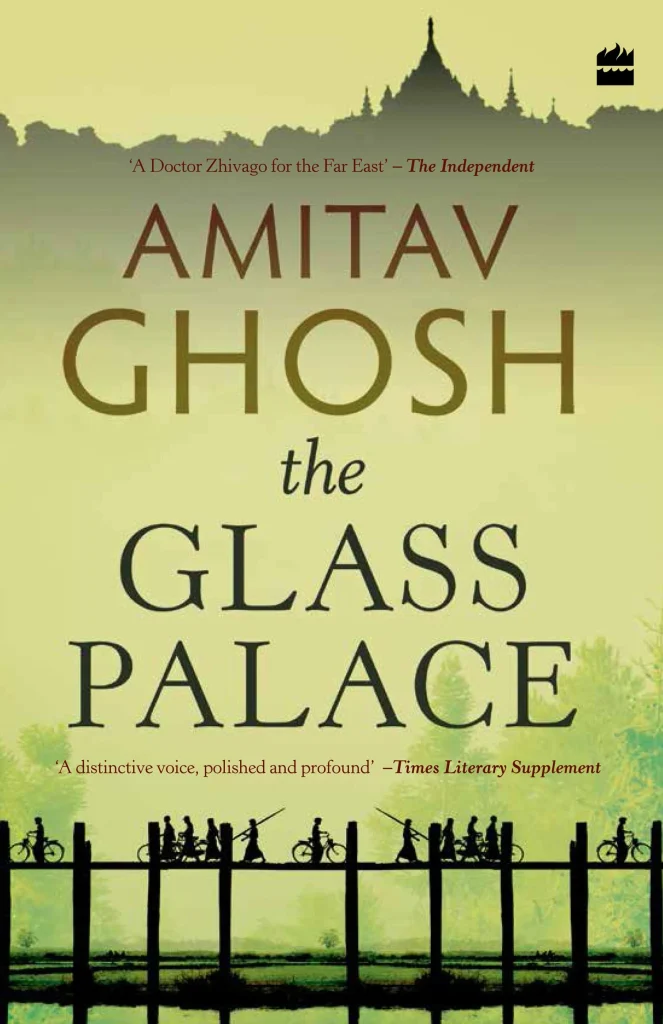
One battle can take a kingdom. The fallout can last generations.
The book opens in 1885, with the British invasion of Burma and the exile of King Thebaw and Queen Supayalat. From there Ghosh follows several linked families across decades and through Burma, India and Malaya.
It belongs on an independence reading list because of how it handles colonialism.
Colonial rule wasn’t just a flag going up. It reshaped economies, families, social structures, even ideas about power. You move from the royal court to teak forests and trade networks, meeting ordinary people caught inside an empire far bigger than their own world.
The Burmese court gets real attention early on. Its rituals, hierarchy, and traditions show a world that ran on its own terms before the British arrived. Then it collapses. And the loss isn’t only a king’s throne. Someone else’s empire swallows an entire political and economic order.
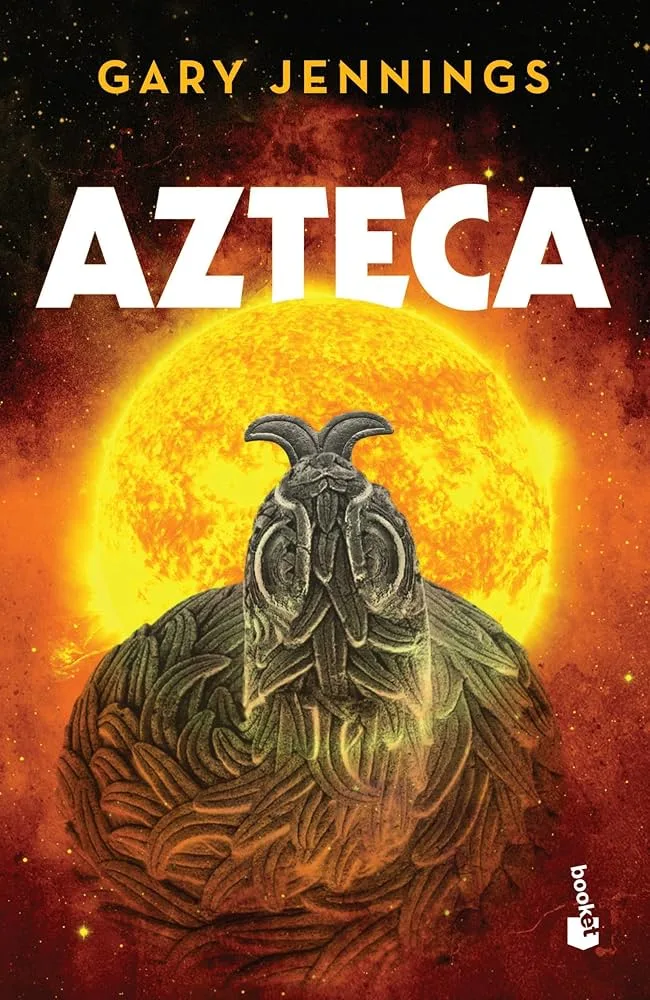
What does conquest look like before the familiar British story begins? Aztec takes you much further back.
Jennings’ huge novel follows Mixtli, an Aztec man who recounts his life through the empire’s final years and the arrival of Hernán Cortés and the Spanish. Its great strength is immersion.
Religion, warfare, marriage, markets, rank, sacrifice, food, sex, schooling, alliances: it’s all in there, and it all feeds the story.
That detail matters because the Aztec Empire wasn’t sitting around waiting for Europeans. It was a tangled political system with its own rivalries and its own conquered peoples. Those tensions became decisive once the Spanish landed. They didn’t win on military strength alone. Indigenous enemies of the Aztecs became key allies.
Empires don’t always fall because they’re weak. Sometimes the people inside and around them have their own reasons to want them gone.
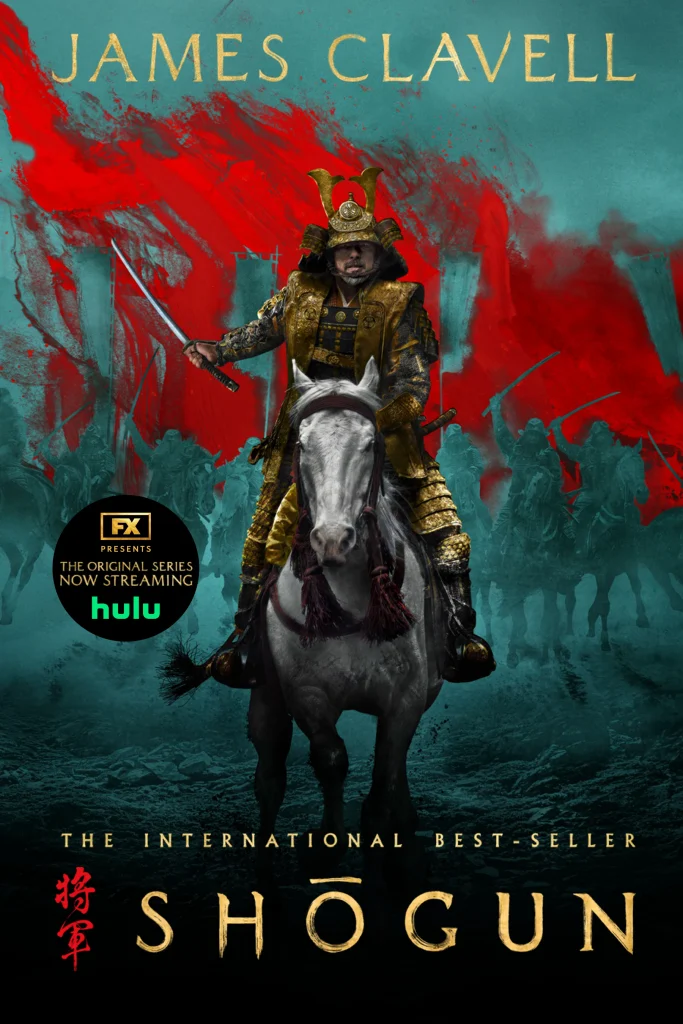
Japan wasn’t always the industrial power we know now. In 1600, it was split between rival warlords, political ambition, and shifting alliances. That’s Clavell’s world.
English navigator John Blackthorne’s ship reaches Japan, and he lands in a political fight he barely understands, surrounded by rival daimyō, samurai culture, and a struggle for control of the country.
Here the outsider is Blackthorne. For much of the book, Japan studies him, and he doesn’t simply explain Japan to us. Clavell spends real time on customs, honour, political etiquette, religion, warfare and rank, and the result is a society whose rules differ sharply from those of its European hero.
The country is also on the edge of change. The central struggle isn’t European colonisation. It’s who will unite Japan, and what kind of power emerges from the conflict.
A useful reminder that the story of independence doesn’t start with European colonialism. Kingdoms and empires were rising, fighting, consolidating, and vanishing long before.
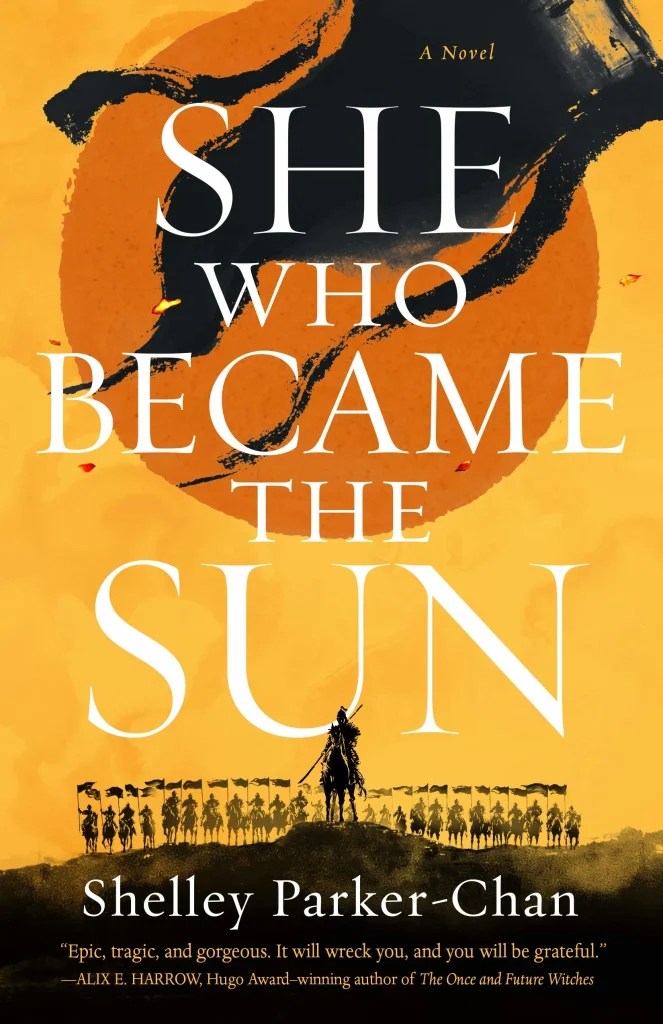
For the fantasy pick, a world inspired by fourteenth-century China, as the Mongol-led Yuan dynasty falls and the Ming rises.
Zhu Chongba is a girl who’s been told she’s destined for nothing. She refuses. When her brother dies, she takes his identity and goes after the destiny meant for him. From there, it becomes a story of ambition, war, religion, gender, and political collapse.
She Who Became the Sun fits this list because it shows how an empire works from the inside.
The Yuan are weakening. Rebellion spreads, rival groups fight for control, and religious belief drives political movements. People with little power find ways to reshape the world around them.
It’s fantasy, but the questions are historical ones. What makes an empire legitimate? What happens when people stop believing in its authority? Who inherits whatever comes next?
Independence isn’t only the moment a foreign flag comes down, and another goes up. Before that there’s usually a whole world: languages, rituals, religions, foods, clothing, family structures, political systems, stories, beliefs.
All of it existed long before the conqueror arrived. So did the divisions.
Rival families, competing kingdoms, succession disputes, religious conflicts, and plain ambition left a civilisation open to attack from within.
These five novels visit those moments in very different corners of history. Some end in annexation, others in rebellion, and a few others in a new political order. However, all of them ask the same question.
How much of who you are today would your ancestors recognise?

Hi I'm Tega, I am a microbiologist with a lifelong passion for reading, I fell in love with books as child (where I was briefly obsessed with Enid Blyton, lol) reading is simply my escape and hobby and sometimes doubles as therapy for me . My favorite genres are African lit, historical fiction, memoirs/biographies and fantasy. I do beta reading and post book reviews which you can check out on my Instagram @ te_ga_o.
Hit or Miss? Five Nollywood Movies That Missed the Mark in 2026
8 User-Friendly Apps to Read African Books in 2026
Olúwatúnmiṣe Ọ̀tọ̀lórìn Akìgbógun’s “Sweet Salt” Wins the Élékéré Short Story Prize
Upcoming Movies and TV Shows to Watch this November 2026
Top 10 Books and Movies That Featured Flying Cars
Is the Brave New World Film a Worthy Captain America Story?
8 Best Horror Books with Iconic Movie Adaptations
8 Teen Mystery Shows like Pretty Little Liars from 2020 to 2025
Top 5 Sports Romance TV Series from the 2000s, Ranked
The Novelist’s Guide to the Beat Sheet
What’s Up With the Forced Proximity Romance Trope?
The A B Story 101
July 20, 2025 .
Animation, Lists
Our list rounds up the top 30 cartoon characters that were villains, each one more wonderfully wicked than the last.
READ MORE
April 29, 2026 .
Lists, Opinions
The Mouse is famous for its princesses and princes. However, the studio’s true genius lies in its embrace of “ugly Disney characters”.
READ MORE
November 27, 2025 .
Lists, Mythology
While this isn’t an exhaustive list, it comprises some of the most popular mythical creatures from around the world.
READ MORE
June 25, 2026 .
Lists, Opinions
If Game of Thrones taught us anything, it’s that the characters we hate the most tend to outlive everyone else.
READ MORE
February 26, 2026 .
Cartoons, Lists
There are some outright funny cartoon characters who exist solely to crack you up, loud, hard, and with zero apology.
READ MORE
September 30, 2026 .
Lists, TV Shows, Upcoming Movies
October isn’t celebrated as the official horror movie month for nothing, and some of these entries prove it.
READ MORE
November 3, 2026 .
Lists, TV Shows, Upcoming Movies
In the famous words of Mariah Carey… It’s Timeeeee.
READ MORE
September 9, 2026 .
Lists, TV Shows, Upcoming Movies
There’s something for everyone from every genre you love.
READ MORE
September 9, 2026 .
Lists, TV Shows, Upcoming Movies
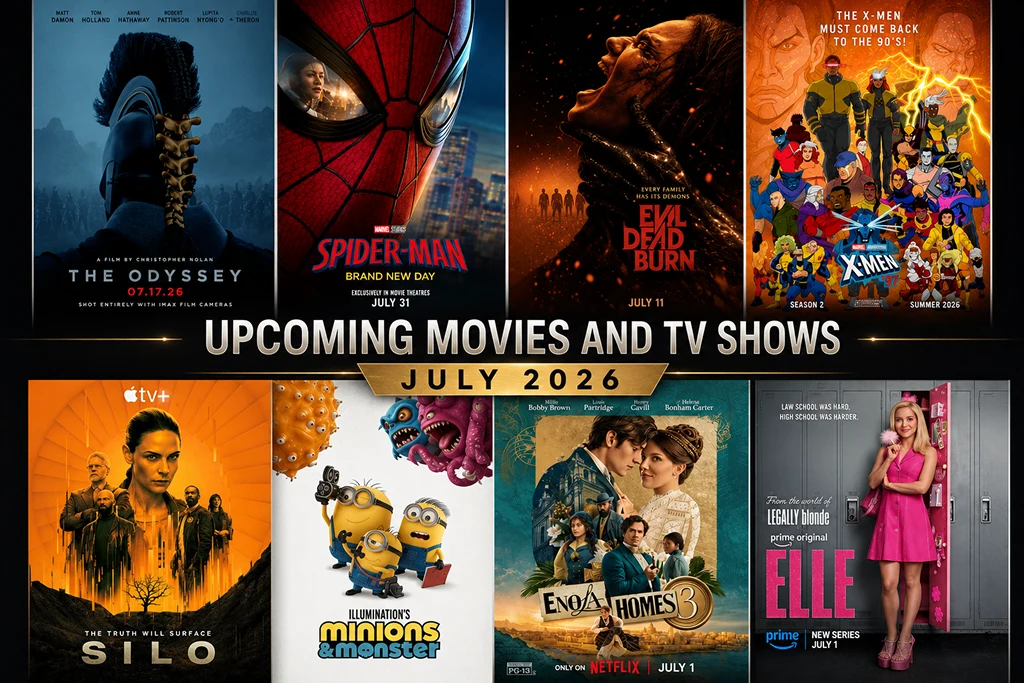
July gears up with the hottest lineups of upcoming movies and TV shows.
READ MORE
September 9, 2026 .
Lists, TV Shows, Upcoming Movies
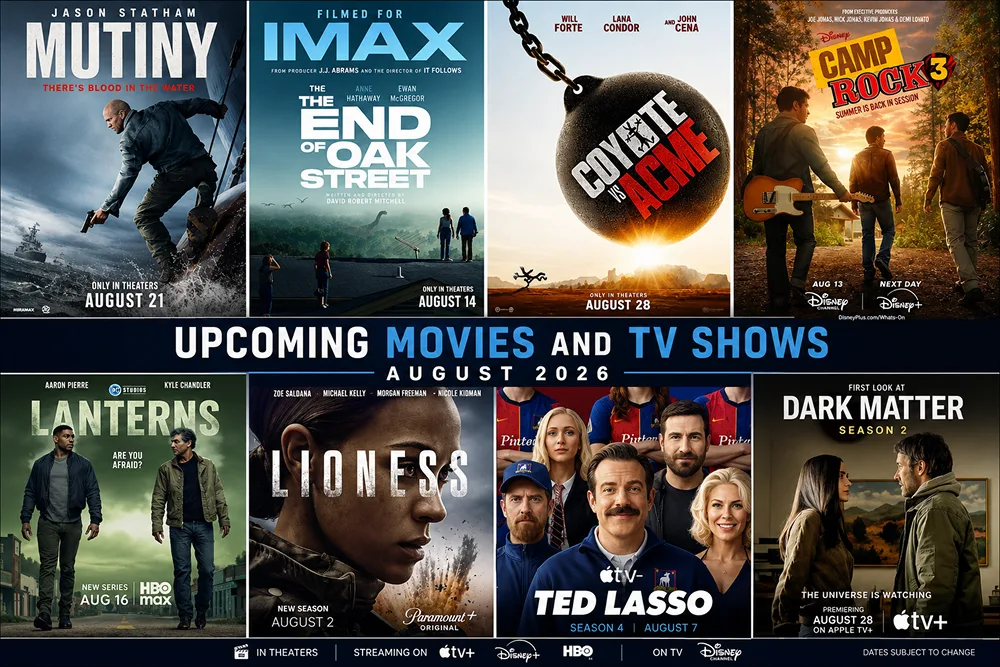
August line-up is here and they don’t disappoint.
READ MORE
April 29, 2026 .
Lists, Opinions
The Mouse is famous for its princesses and princes. However, the studio’s true genius lies in its embrace of “ugly Disney characters”.
READ MORE
September 9, 2026 .
Lists, Upcoming Movies
September’s lineup offers everything from action flicks to buddy comedy to romcom adaptations to keep you entertained all month long.
READ MORE
February 9, 2026 .
Lists
From Masobe to Narrative Landscape and Penguin Random House South Africa, here are the top 9 publishers of African Literature.
READ MORE

July 20, 2025 .
Lists
From Gardens of the Moon, it’s clear that the world of Malazan is richer in history and geographic detail, and than any other fantasy world.
READ MORE
Get our magazine for free!