Close menu
Ranking the best of African Literature




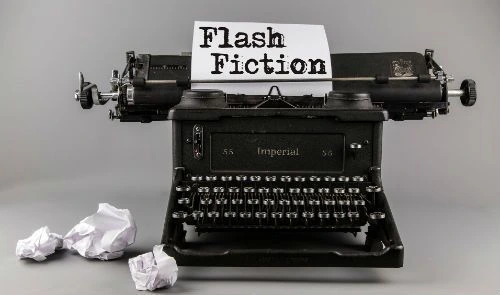

















Below are ten masterclass examples of flash fiction, each showing a different way to inspire your next writing project.
Writing a story in only a few hundred words sounds simple until it is time to actually write one.
Flash fiction is a form of storytelling so brief and accessible that it has even inspired labels such as “Twitterature.” The sub-genre is often treated as an ideal starting point for new writers.
For aspiring authors, studying established examples of flash fiction can provide helpful context. It reveals how experienced writers compress conflict, establish atmosphere, develop characters, and create emotional impact concisely.
At its best, flash fiction can take readers through a complete emotional journey in just a few paragraphs and leave an impression that lasts long after they finish reading.
Below are ten masterclass examples of flash fiction, each showing a different way to inspire your next writing project.
Flash fiction is a form of extremely short fiction that tells a complete or substantially complete story within a limited word count.
No one has agreed on a universal maximum, but definitions commonly place flash fiction somewhere between a few words and roughly 1,000 words, with some publications accepting considerably longer pieces.
It depends heavily on compression. A writer has less space to introduce a character, establish a situation, create conflict and leave an impression. Background information must therefore be selective. A small detail may have to perform the work that several paragraphs would normally accomplish.
The following examples demonstrate these techniques in very different ways, moving from stark minimalism to surreal satire.
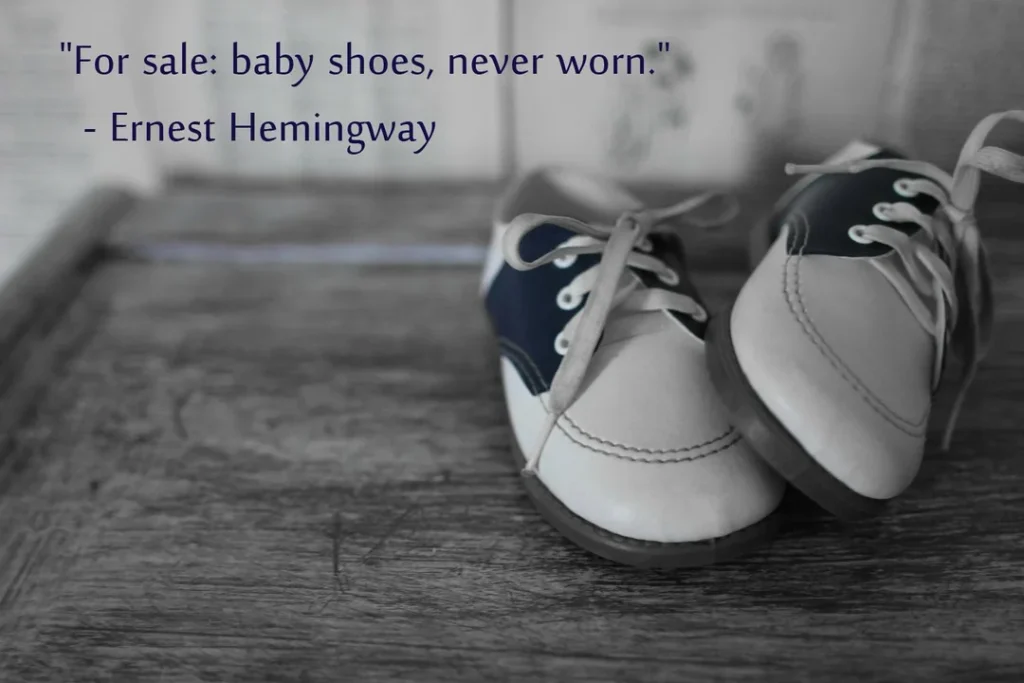
“For sale: baby shoes, never worn.”
People have traditionally attributed the story to Ernest Hemingway, although scholars dispute the attribution. No reliable evidence shows that Hemingway actually wrote it.
Nevertheless, the line has become one of the most famous illustrations of how much a story can imply without explicitly explaining anything.
The narrative operates entirely in the shadows of what remains unwritten. In the story, one or two parents lose a baby, but the author leaves the contours of that loss to the reader’s imagination.
By presenting a stark six-word classified advertisement, the text establishes a precise sequence of events without recounting a single action.
The purchase of the shoes implies anticipation and preparation for a new life. Meanwhile, the phrase “never worn” instantly shatters that trajectory and forces an immediate confrontation with loss.
When crafting micro-fiction, treat subtext as the primary engine of emotional impact. Draft the narrative around the aftermath or physical evidence of a central event rather than depicting the event itself. Select every word for its capacity to carry heavy narrative weight, ensuring the unsaid elements do the heavy lifting.
George Saunders’ “Sticks” follows a father whose unusual relationship with a crucifix-shaped metal pole in the family’s yard gradually becomes a recurring feature of family life.

Over time, the pole becomes a fixture in the family’s life.
The story is brief, strange, and increasingly unsettling. What begins as an eccentric household detail develops into something much larger.
As decades pass, the shifting costumes reflect milestones, estrangements, aging, and eventual mortality. Saunders compresses several decades of family history into a brief narrative by anchoring the plot to a single, bizarre physical object.
Among examples of flash fiction, this piece demonstrates how a recurring object can become a narrative device.
Rather than summarizing years of background exposition, let changes in a focal object signal shifts in character dynamics, aging, or psychological state.
Ensure the chosen anchor carries clear visual weight, so the reader can track the story’s passage of time and emotional evolution through the physical transformations of that central element.
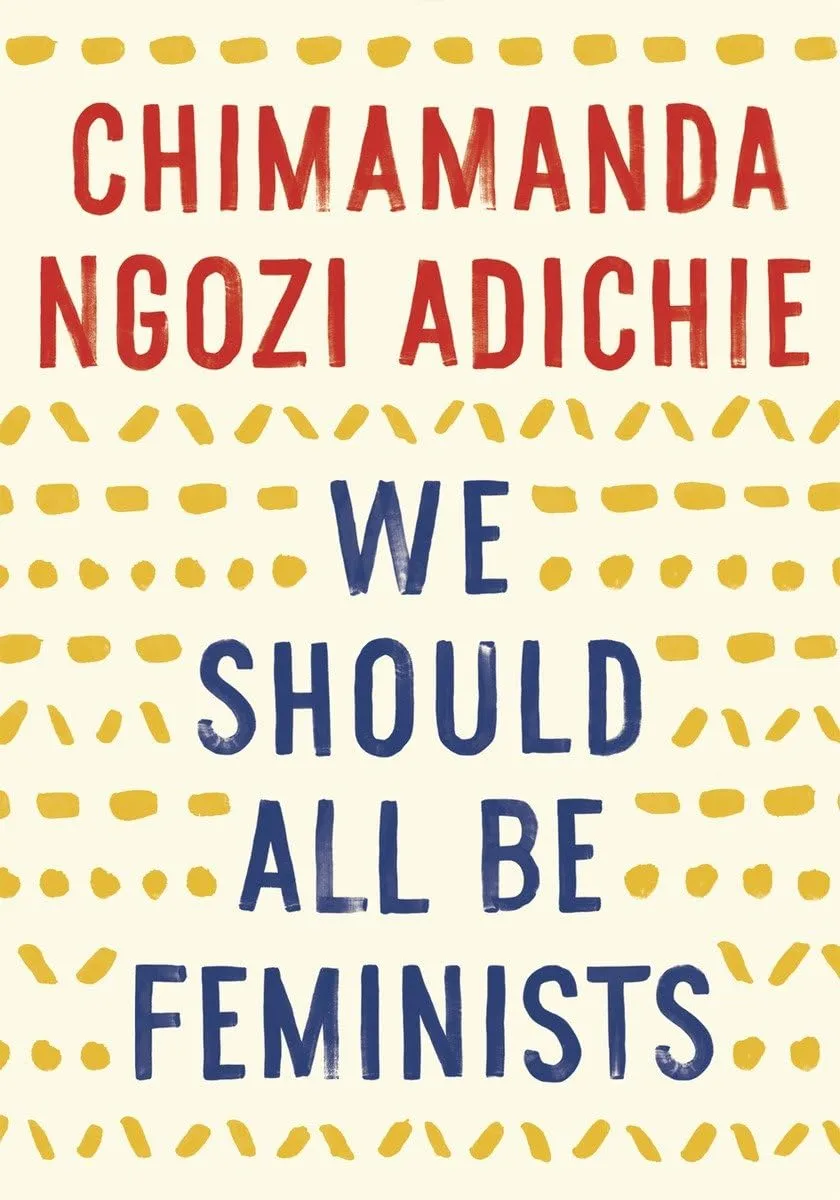
Girl is structured almost entirely as a long stream of instructions from a mother to her daughter.
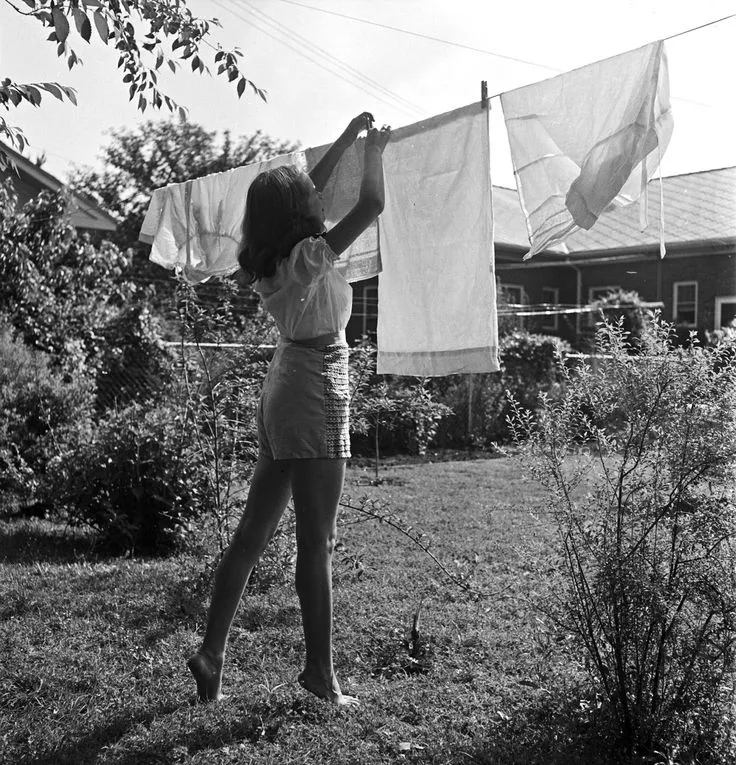
She discusses everything from household chores and cooking to clothing, sexuality, reputation and appropriate behaviour. It shows the many near-impossible standards that society expects women to meet without faltering.
The story relies little on conventional action; instead, it builds through voice. A story doesn’t need several locations or dramatic events.
A compelling voice can reveal conflict. The mother’s instructions gradually reveal more. What initially sounds like practical advice begins to expose deeper concerns about womanhood, respectability and social expectations.
A narrator hurries to a train station early in the morning, realizes he is unsure of the way, and asks a nearby policeman for directions.
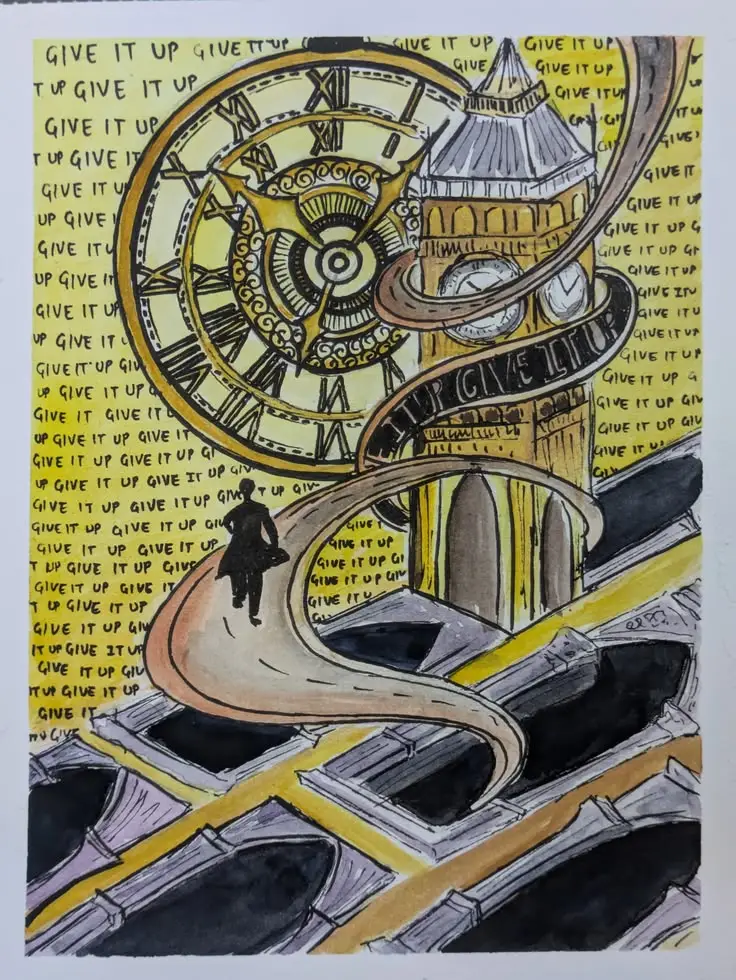
Instead of offering help, the officer chuckles and tells him to “Give it up!” before walking away.
Kafka creates an instant environment of claustrophobic anxiety by immediately establishing a protagonist with an urgent objective: reaching the clock tower before time runs out.
The story operates as an allegory for human isolation and the futility of seeking direction in an indifferent world, achieving its unsettling tone through rapid pacing and abrupt conversational subversion.
It conveys a powerful message: sometimes those who are meant to help will exploit instead.
Writers should allow setting and dialogue to establish thematic dread quickly, demonstrating how an ordinary situation can destabilize into disorientation within a few sentences.
Build tension not through lengthy environmental descriptions. Instead, build it through swift, unsettling interactions that disrupt expectations.
In this surreal, satirical piece that Wigleaf published, the premise operates in a world where miniature clones of Taylor Swift are distributed to the general public.
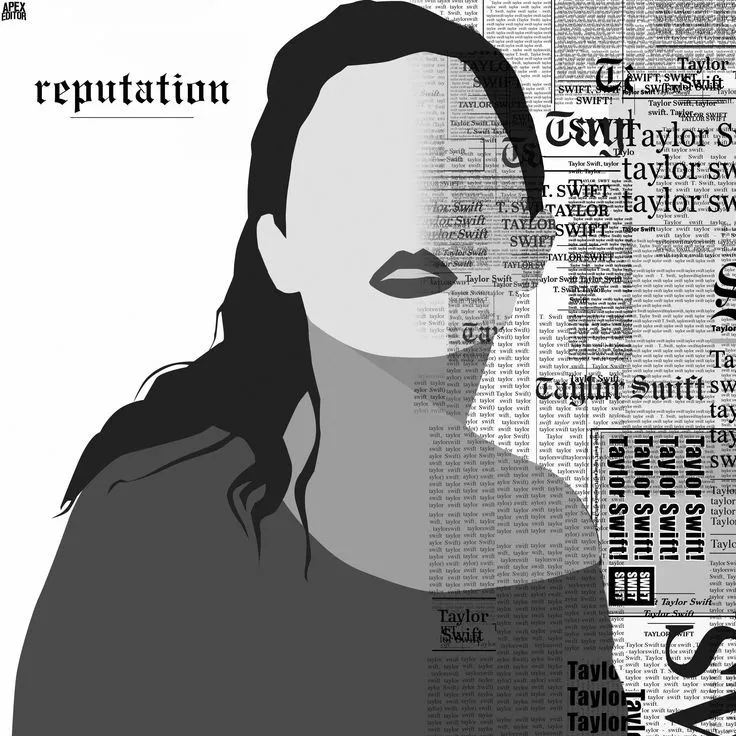
People keep them in pockets, feed them, and handle them like domestic pets or delicate accessories. The piece operates on an absurd, speculative conceit, treating the mass distribution of miniature pop stars as an ordinary, domestic reality.
Rather than exploring the scientific or societal mechanics behind how this phenomenon occurred, the narrative focuses entirely on the daily routines of ownership: feeding the mini-swifts, carrying them around, and managing their delicate temperaments.
This is one of the examples of flash fiction that shows that its purpose isn’t just to depress readers.
At first glance, “War of the Clowns” sounds almost playful.
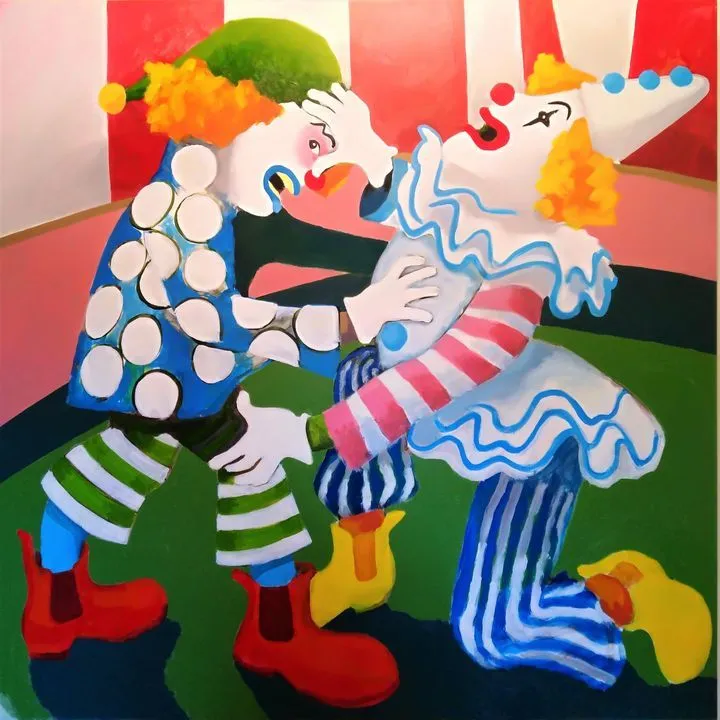
Two clowns begin arguing while passersby stop to watch, amused by what seems like a ridiculous performance. But the argument keeps escalating.
Insults turn to violence, spectators become participants, and what began as entertainment eventually turns into something far more sinister.
Couto uses allegorical satire to examine how violence becomes normalized and commodified. The story begins as a harmless performance between two street artists, but the prose steadily shifts from light-heartedness to chilling brutality.
This is a practical instance of flash fiction that shows how you can start with a simple premise and escalate it into chaos in less than 600 words.
Ogbewe Amadin’s “Riddle” introduces a young girl named Idara who believes her Aunt Adesuwa may be a witch.
Her mother has told her that witches are evil, and because Idara trusts her mother, she initially accepts this explanation.
The evidence, however, does not quite fit. Aunt Adesuwa may be a witch, but she is also kind. She has helped people, shown independence, and demonstrated qualities that seem incompatible with everything Idara has been taught about witches.
As Idara tries to reconcile these contradictions, the story becomes less about identifying a witch and more about the difficulty of deciding what to believe.
This piece makes one ponder the true nature of good, evil, and the shades in between.
The narrative derives its strength from the tension between what is observed and what is understood.
Amadin constructs the piece like an actual puzzle, using sensory details, a quiet room, a sudden shift in body language, and a half-spoken phrase to signal a deep emotional fracture within a household.
Instead of laying out a linear narrative line, the prose offers fragments of experience that accumulate into a clear emotional picture.
Published in Harper’s Magazine, this story centers on a forty-five-year-old woman grappling with the sudden realization that she may no longer be “likable.”

This heart-wrenching piece will resonate with any woman over 40, while also forcing the rest of us to confront what makes the narrator feel so unlikable.
Through a rhythmic, repetitive stream of consciousness, the narrator audits her traits, her aging body, and her social standing in a culture obsessed with female agreeable behavior.
Unferth uses obsessive repetition and direct, driving sentence syntax to mirror the protagonist’s internal spiral. The narrative does not rely on traditional plot progression or physical action.
Instead, the conflict takes place entirely within the character’s psychological confrontation with societal expectations. By repeating variations of the word “likable,” the text highlights the absurd, suffocating pressure placed on women to remain pleasing as they age.
This story blends mathematical concepts with human relationships, mapping out a triangular dynamic between characters using mathematical definitions, proportions, and logic.
This amusing short story gives the reader a glimpse into the melodrama of being a seventh grader. The story centres on Lola, the narrator’s twin sister, and her relationship with Billy Maguire, described as the “goon” of Darby Junior High.
A seemingly ordinary school situation becomes an opportunity to explore friendship, sibling dynamics, young love and the exaggerated importance that seemingly small events can have during adolescence.
Vivid details and an authentically juvenile voice will transport the reader right back to your own seventh-grade bus scandals.
The author borrows terminology and structural frameworks from non-literary disciplines such as mathematics, science, architecture, or law to organize emotional narratives.
By attempting to quantify human behavior through equations and cold logic, the narrator reveals an underlying desire to control or make sense of emotional chaos.
Lydia Davis is particularly well known for her extremely compressed fiction. “The Visitor” demonstrates why she is so frequently associated with the short-short form.
The story begins with the narrator anticipating the arrival of a strange “visitor” who will require almost complete care. The description initially sounds like an elderly dependent person, and the narrator recalls other experiences involving people who became physically dependent on those around them.
Only gradually does the reader understand what kind of visitor someone is actually anticipating. The story is remarkable because the central revelation changes the meaning of what came before it, and its use of the past to anticipate the future is subtle genius.
The best examples of flash fiction demonstrate that short does not mean simple. A handful of paragraphs can contain an entire relationship, a lifetime of regret, an unfamiliar world, or a question with no easy answer.
For aspiring authors, that makes flash fiction more than a convenient short format. It is a practical way to learn narrative economy. Read widely, pay attention to how these writers use voice, implication, structure, and endings, and then experiment.
The next project might need 80,000 words, or it might only need 800. Either way, the discipline of flash fiction can teach a valuable lesson: when every word matters, the story becomes clearer about what it has to say.

If Nollywood Cast Our Favourite African Books: Who Would Play Who?
Best Films About Unexpected Age Gap Romance
Literary Awards and the Racism Card: A Wake-Up Call for Black Africa
Interview with the Vampire Relationships, Ranked
10 Top Recent Films for Action and Comedy Fans
Comma Rules Every Writer Should Know
10 Most Hype-worthy 2026 Book Releases (African Literature Version)
Five Gambling Films That Know the Bet Is Only Half the Story
Movies Where Poker Reveals Who a Character Really Is
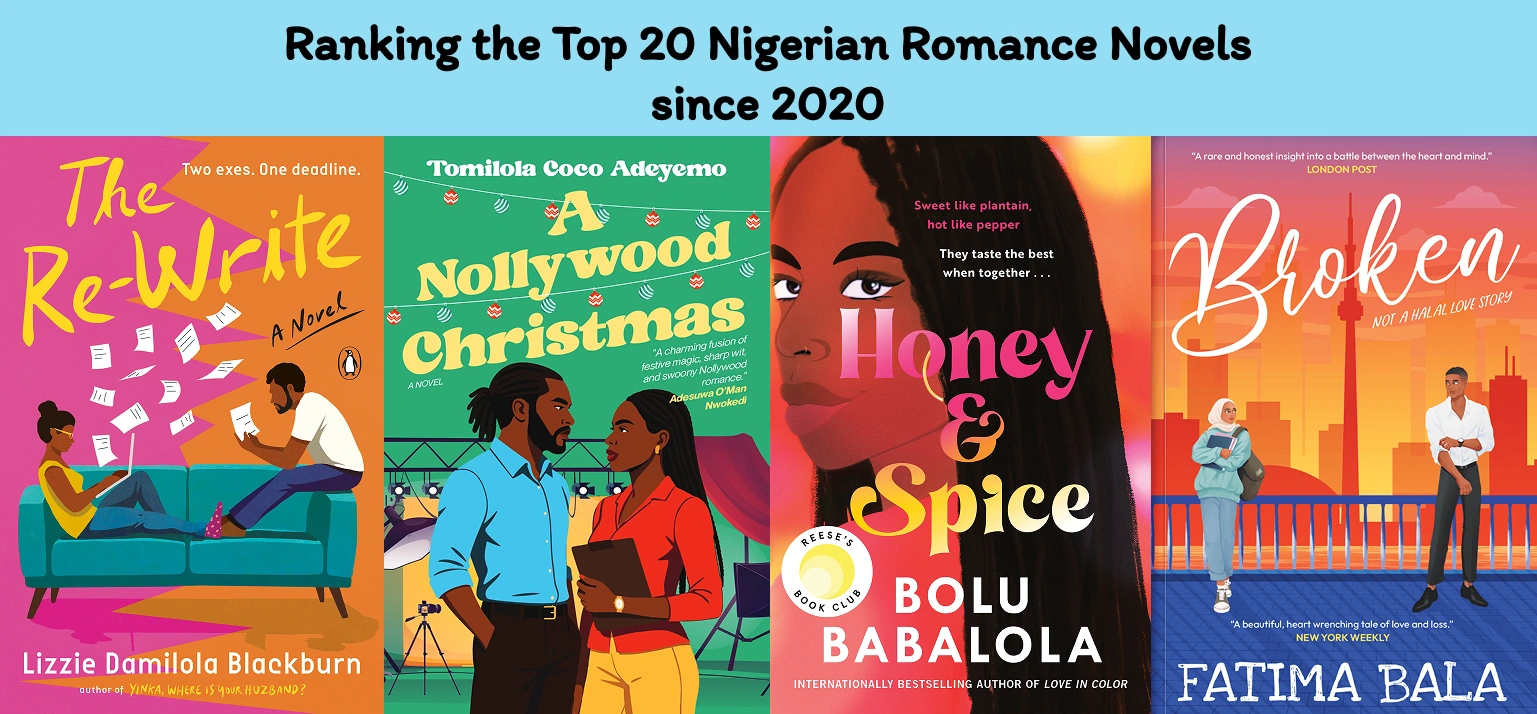
Ranking the Top 20 Nigerian Romance Novels since 2020
In Defense of Reading and Gaming
8 Third-Person Omniscient Examples for the Plot
July 20, 2025 .
Animation, Lists
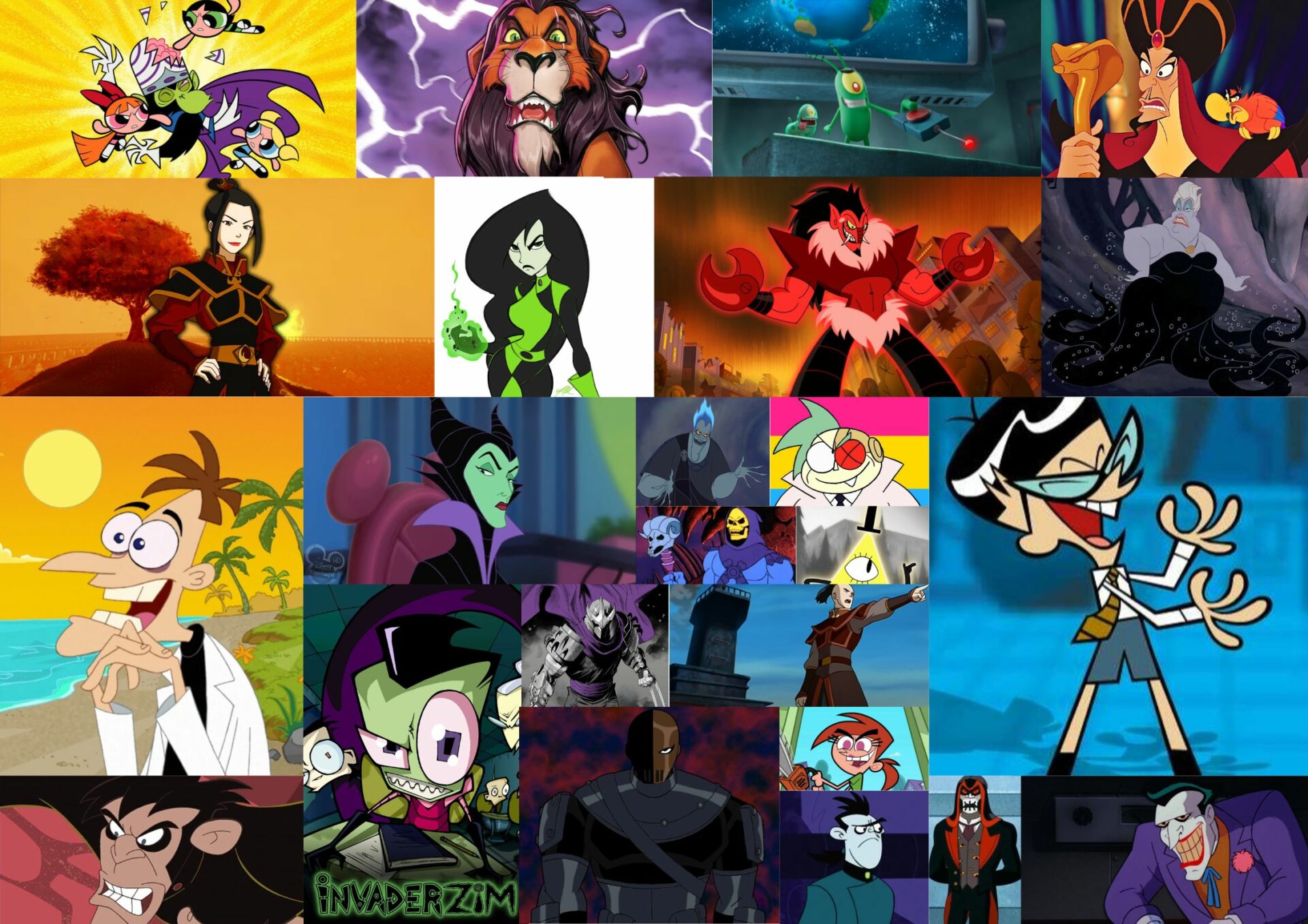
Our list rounds up the top 30 cartoon characters that were villains, each one more wonderfully wicked than the last.
READ MORE

November 27, 2025 .
Lists, Mythology
While this isn’t an exhaustive list, it comprises some of the most popular mythical creatures from around the world.
READ MORE
October 28, 2025 .
Lists, Marvel, MCU, Opinions
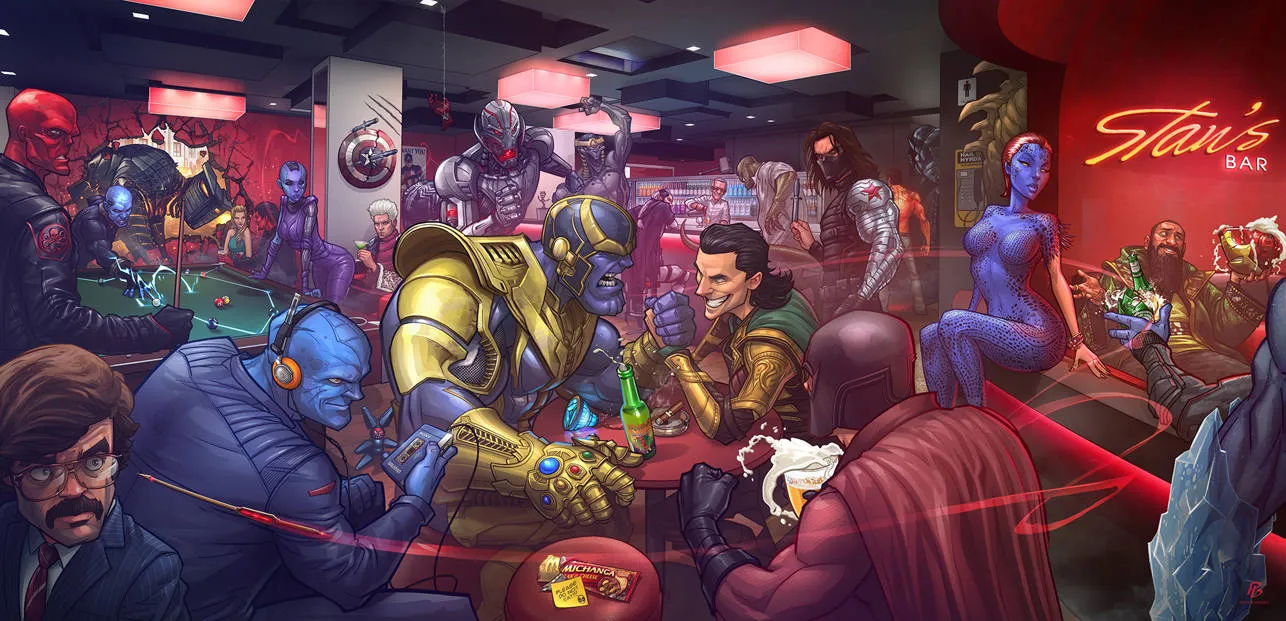
Let’s go through a list of the top 7 strongest Marvel villains, from the wickedly powerful to the absolutely unstoppable.
READ MORE
April 29, 2026 .
Lists, Opinions
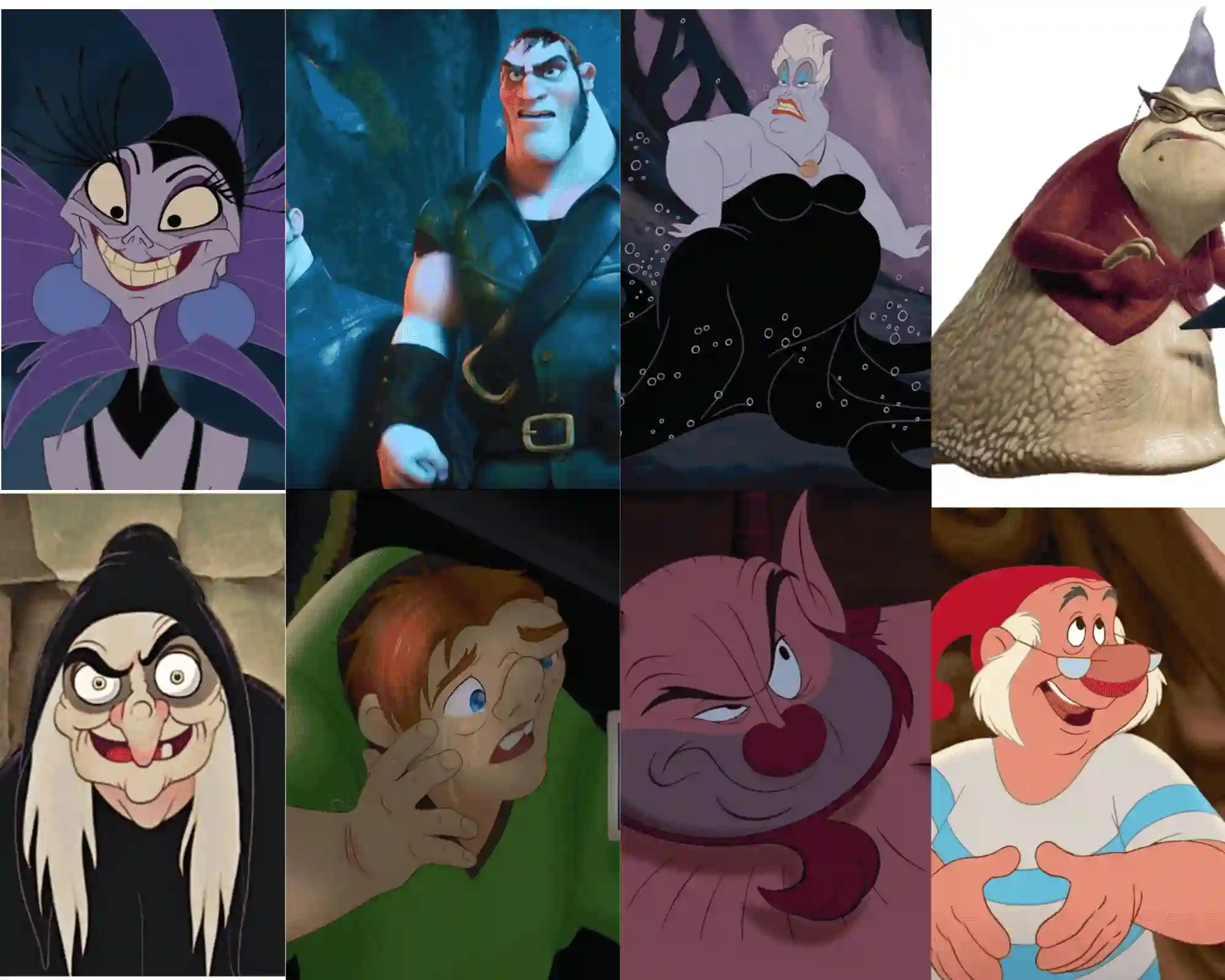
The Mouse is famous for its princesses and princes. However, the studio’s true genius lies in its embrace of “ugly Disney characters”.
READ MORE
May 6, 2026 .
Lists, MCU
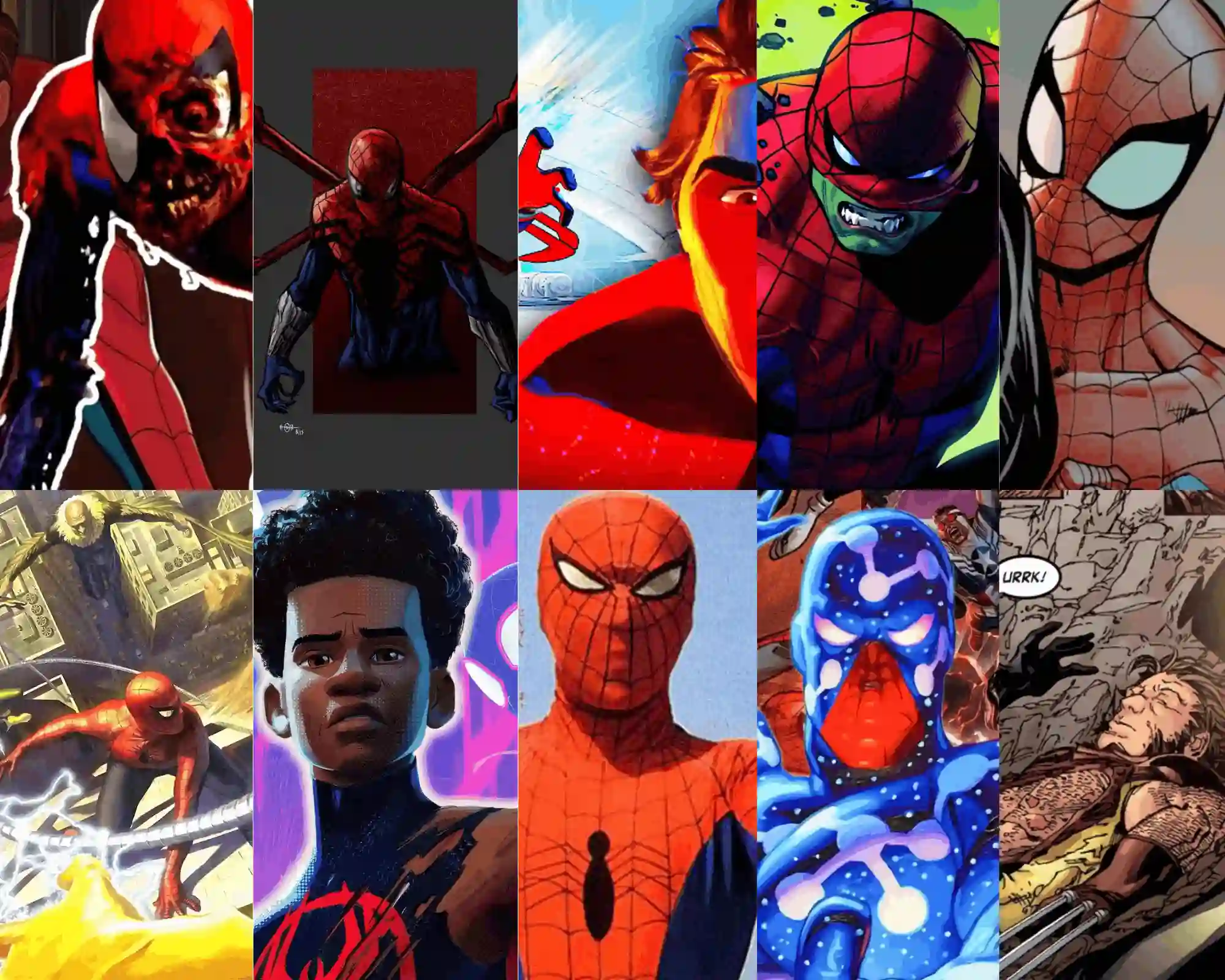
Spider-Man is one of the many superheroes from the Marvel Universe whose stories shaped many childhoods. Who is your strongest Spiderman?
READ MORE

July 20, 2025 .
Writer Resources
Discover the differences in First-Person Point of View and Third-Person POV, and how each impacts character connection and narrative style.
READ MORE
May 15, 2026 .
Writer Resources
The tension between writer-centered and reader-centered approaches defines how a story is told and who it serves.
READ MORE

October 22, 2025 .
Essays, Writer Resources
Ever found a book that looks like a comic but tells a complete, well-structured story? Congratulations, it’s a graphic novel.
READ MORE
June 26, 2026 .
Writer Resources
Writing starts with forming ideas, imagination, dreams, and thoughts. And when these condense into a coherent progression, you have a plot.
READ MORE
May 10, 2026 .
Writer Resources
What is a board book, and how does it differ from others? Traditional publishing usually means novels, but published works span much more.
READ MORE
July 24, 2025 .
Essays, Writer Resources
READ MORE
February 8, 2026 .
Writer Resources
Breaking into traditional publishing can feel like decoding a secretive industry. This guide is a resource for finding the right agent.
READ MORE
February 28, 2026 .
Writer Resources
There are three paths in book publishing: traditional, self-publishing, and hybrid. The current focus is on traditional publishing.
READ MORE

July 20, 2025 .
Writer Resources
Today, writers are needed who combine creativity with technical expertise, professionalism, and adaptability.
READ MORE
Get our magazine for free!