
Menu

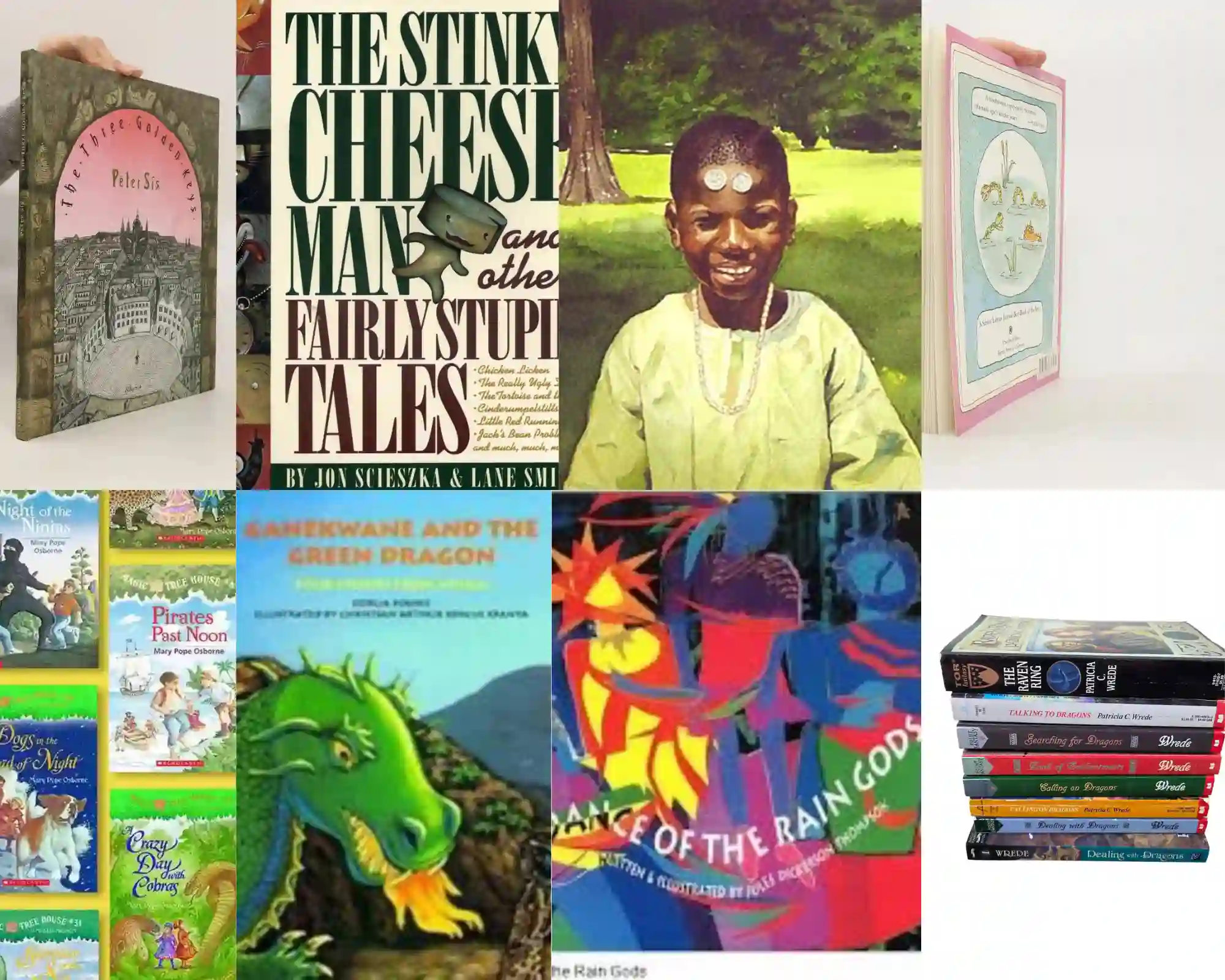












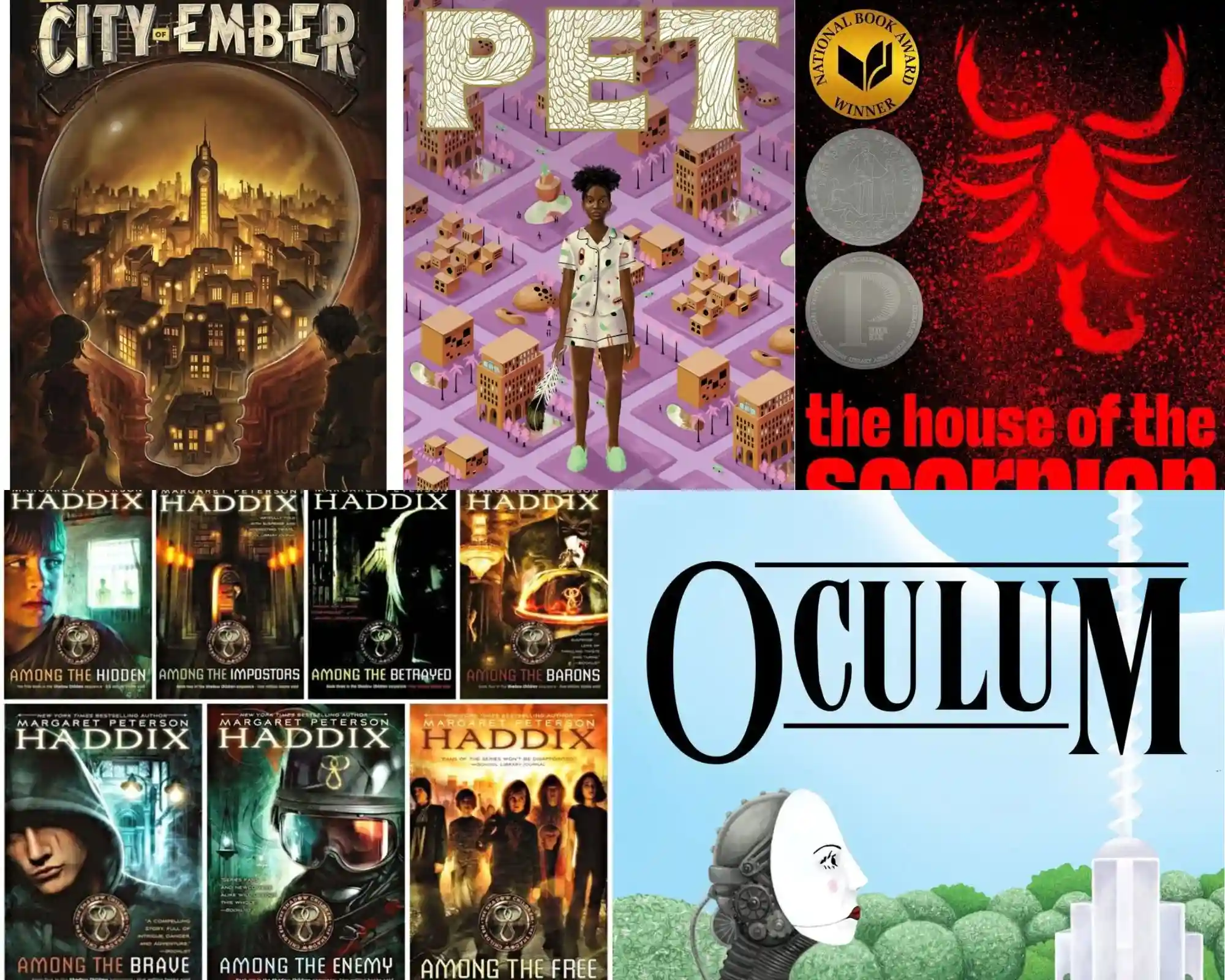







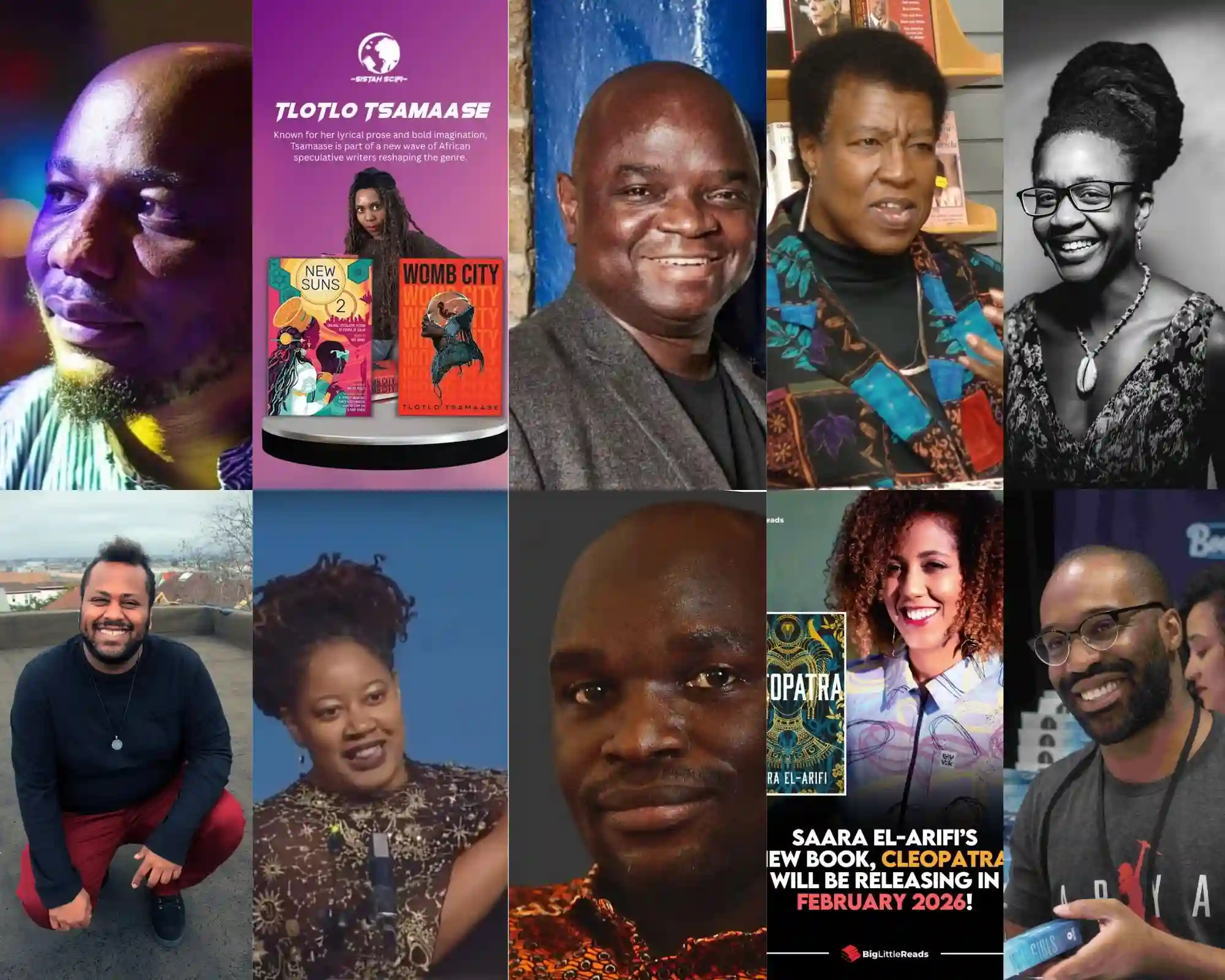
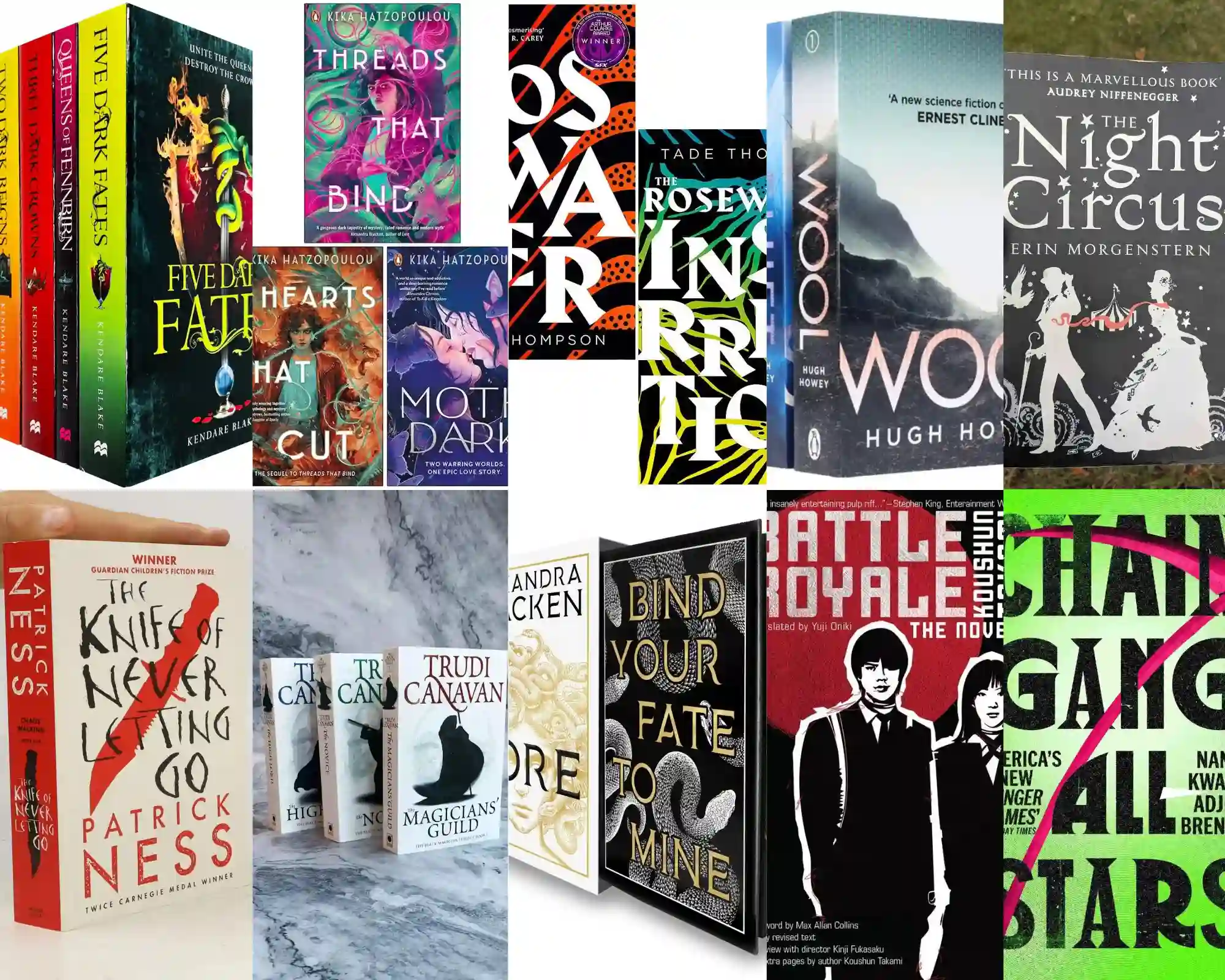












Children’s books are engaging, especially when they’re set in magical worlds. Here are 8 children’s fantasy books from the 90s to check out.
Children’s books are beloved and engaging, especially when they are based on magical worlds or systems.
These magical worlds are whimsical and fun, and they often teach lessons that are important for kids’ development. Yet many old children’s books deserve a revisit.
Here are 8 children’s fantasy books from the 90s to check out.
Published in the 1990s, it was originally written in Afrikaans and later translated into English by Madeleine van Bijon.
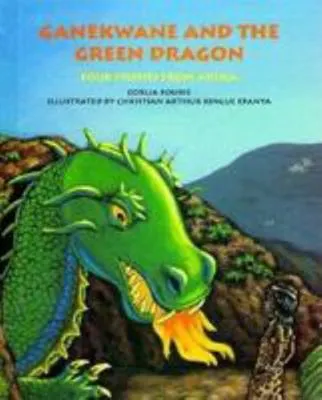
Ganekwane and the Green Dragon by Corlia Fourie is a South African children’s book that follows a young boy’s adventure with a mysterious green dragon.
It stands out for its unique cultural perspective and imaginative world-building. These qualities distinguish it from the Western fantasy canon that dominates children’s shelves.
It’s high time this book resurfaced because diverse voices in children’s literature remain vital. Relevantly, Fourie’s storytelling deserves recognition beyond its original audience.
Young readers today would benefit from encountering fantasy worlds shaped by African narrative traditions.
Released in 1992, this collection turned fairy tales on their heads with chaotic illustrations and laugh-out-loud nonsense.
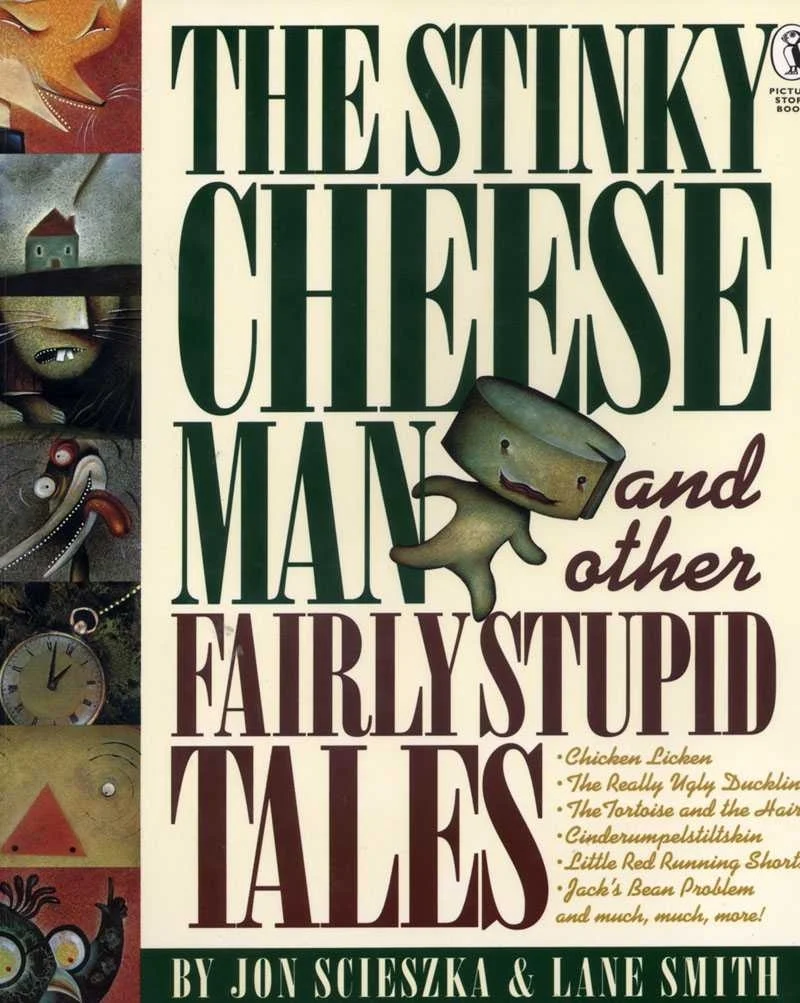
Scieszka and Smith’s collaboration proved children’s books from the 90s could be deliberately weird, subversive, and entertaining.
Why should it make a comeback? Modern publishing has become filled with middle-grade fiction, and we need books that celebrate the absurd and encourage children to question narrative norms.
This one still hits differently than the many retellings flooding the bookish market today.
This 1999 novel blends Nigerian folklore into a contemporary story about a boy who discovers a magical tree that can transport him through time and across continents.
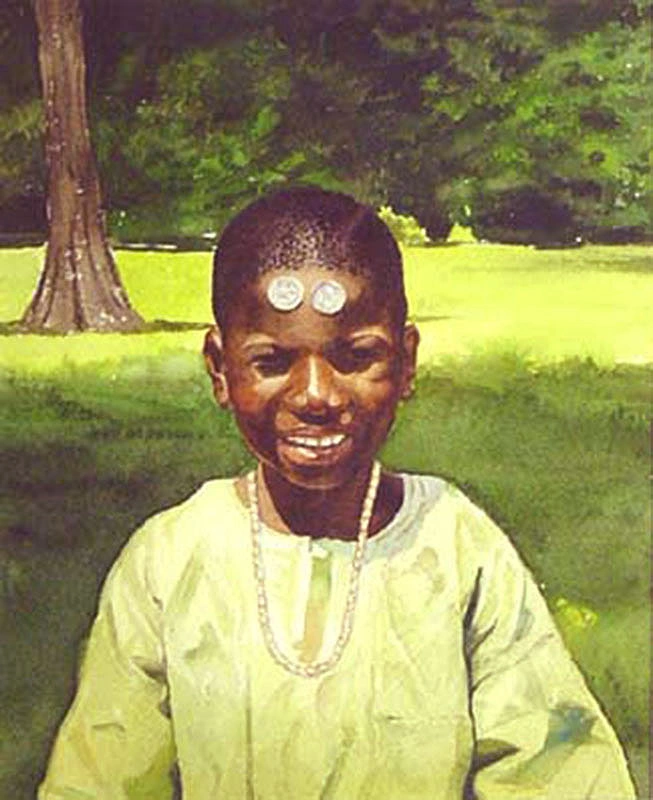
Echewa blends traditional storytelling with adventure elements in a way that feels genuine, something many modern fantasy books attempt but rarely achieve.
It deserves rediscovery because it demonstrates how cultural mythology can enrich children’s fantasy without feeling moralistically heavy or patronising.
When DreamWorks turned this 1990 picture book into a global animation franchise, most people forgot about Steig’s original creation.
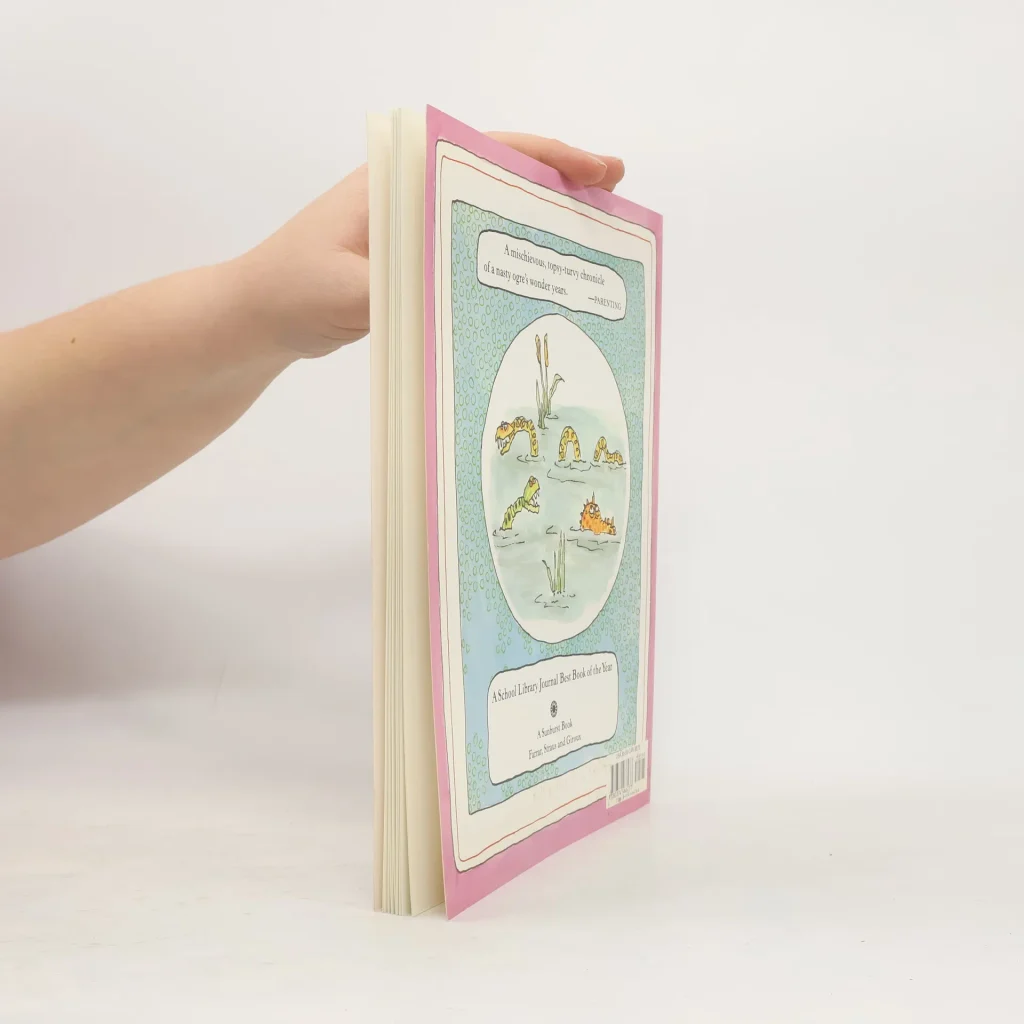
Yet the book deserves attention precisely because it’s nothing like the films. Steig’s Shrek is darker, more sardonic, and aimed at a slightly older audience than the movies suggest.
The illustrations carry a charm that digital animation cannot replicate. Reading the source material shows readers where the ogre legend began and offers something far more textured than the film’s slapstick humour.
It reminds us that original works sometimes hold more depth than their adaptations.
Sís’ Three Golden Keys, published in 1994, is a visual masterpiece that blends Prague’s history with magical realism through extraordinary illustrations and interwoven narratives.
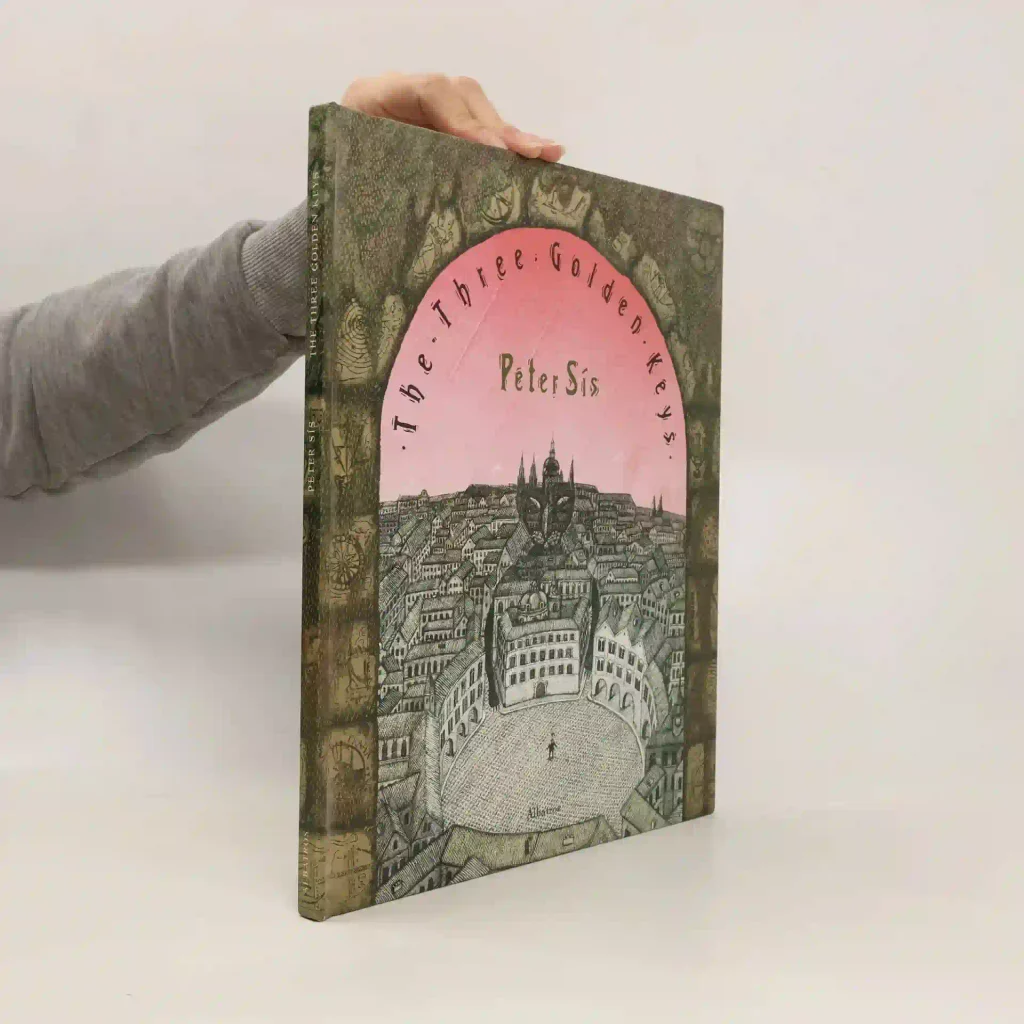
The story follows a boy as he unlocks three doors to discover Prague’s past, present, and future. This book deserves fresh readings because we’ve undervalued illustrated novels for older children.
The Three Golden Keys proves that picture books can be well written without losing their sense of wonder. Its detailed artwork rewards repeated readings.
Since its launch in 1992, this series has sold millions of copies, yet it does not get adequate recognition in its role in propagating children’s literature.
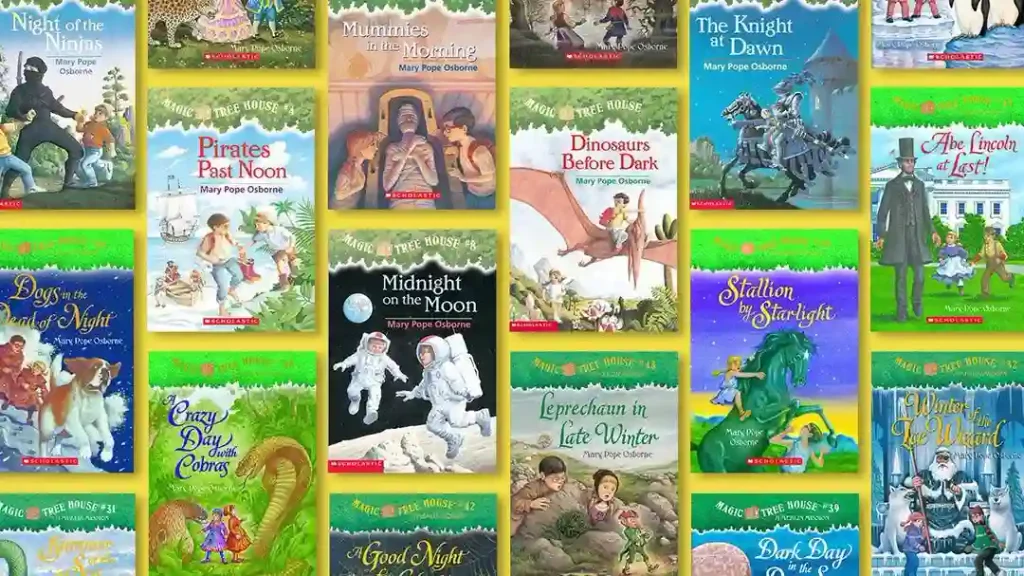
That’s why it needs to return to the conversation. The Magic Tree House pioneered the “gateway series” formula: accessible enough for reluctant readers yet imaginative enough to hook curious minds.
With over 50 books spanning history, mythology, and adventure, the series remains unmatched in its scope. A properly funded revival campaign could reintroduce it to children who’ve only known more contemporary series.
This 1990s publication tells a lyrical fantasy tale that draws on Native American storytelling traditions and spiritual themes.
Thompson’s prose has a poetic quality that modern children’s fantasy often abandons for plot-driven narratives.
Young readers deserve access to this fantasy literature because it teaches them different ways to understand magic and nature, not just European or Asian myths.
Wrede’s 1992 collection of fantasy short stories showcases her remarkable ability to create complete magical worlds within brief narratives.
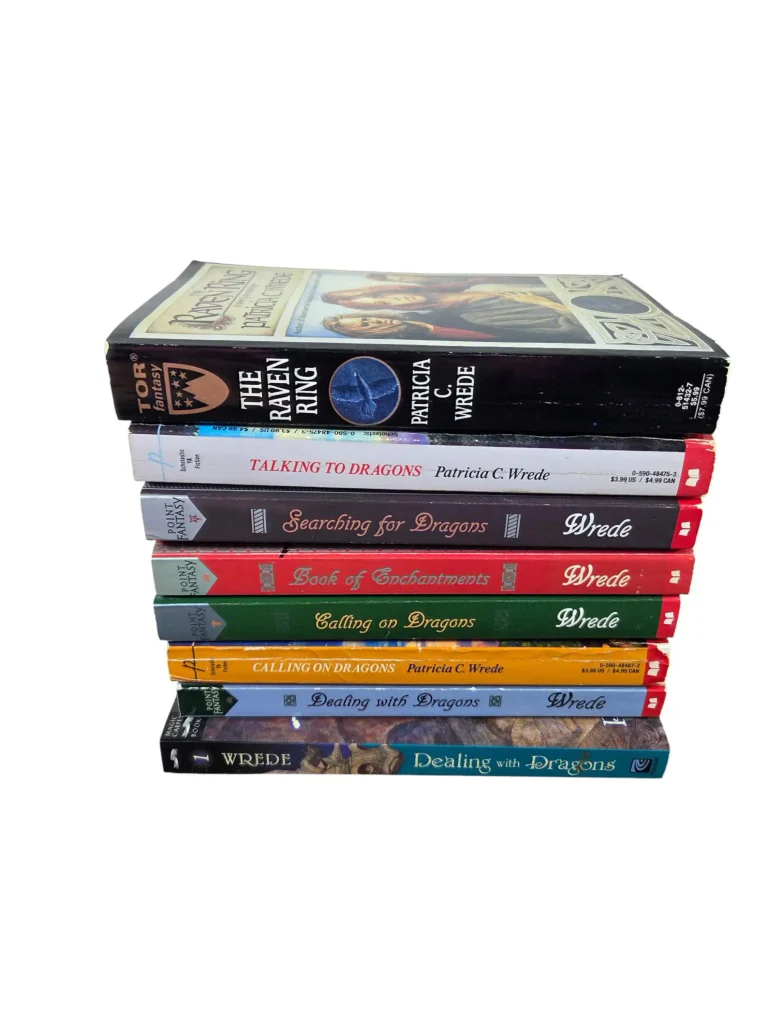
Each story stands alone yet connects thematically, making it perfect for readers who want substantive fantasy without committing to lengthy series.
This book needs promotion because short story collections have fallen out of favour in children’s publishing, despite offering brilliant ways to introduce younger readers to varied storytelling styles.
Wrede’s unique prose and imaginative concepts prove that shorter narratives can be just as satisfying as longer fiction.
These eight children’s books from the 90s represent a generation of young fiction that prioritised imagination, cultural diversity, and genuine weirdness.
No one wrote or designed them by committee or tested them with focus groups.
Bringing them back into circulation wouldn’t replace contemporary works; it would remind readers that the 90s produced fantasy literature with lasting value, originality, and the kind of whimsy that deserves more than a single moment in the spotlight.

Godsgift Isaiah is a music and book whore who enjoys everything about art.
Nollywood vs Hollywood: The Ultimate Comparison
The Author’s Guide to the Rule of Three II
10 Coolest Swords in History and Fantasy
Marvel vs. DC Female Superheroes
The Author’s Guide to the Rule of Three I
15 Writing-Adjacent Careers for Writers Looking for a Career Change
Authors Spotlight: Khaled Hosseini
The Sound Souls Make When They Die by Chinemefun Chimuanya
If Nollywood Cast Our Favourite African Books: Who Would Play Who?
Best Films About Unexpected Age Gap Romance
Literary Awards and the Racism Card: A Wake-Up Call for Black Africa
Interview with the Vampire Relationships, Ranked
July 20, 2025 .
Animation, Lists
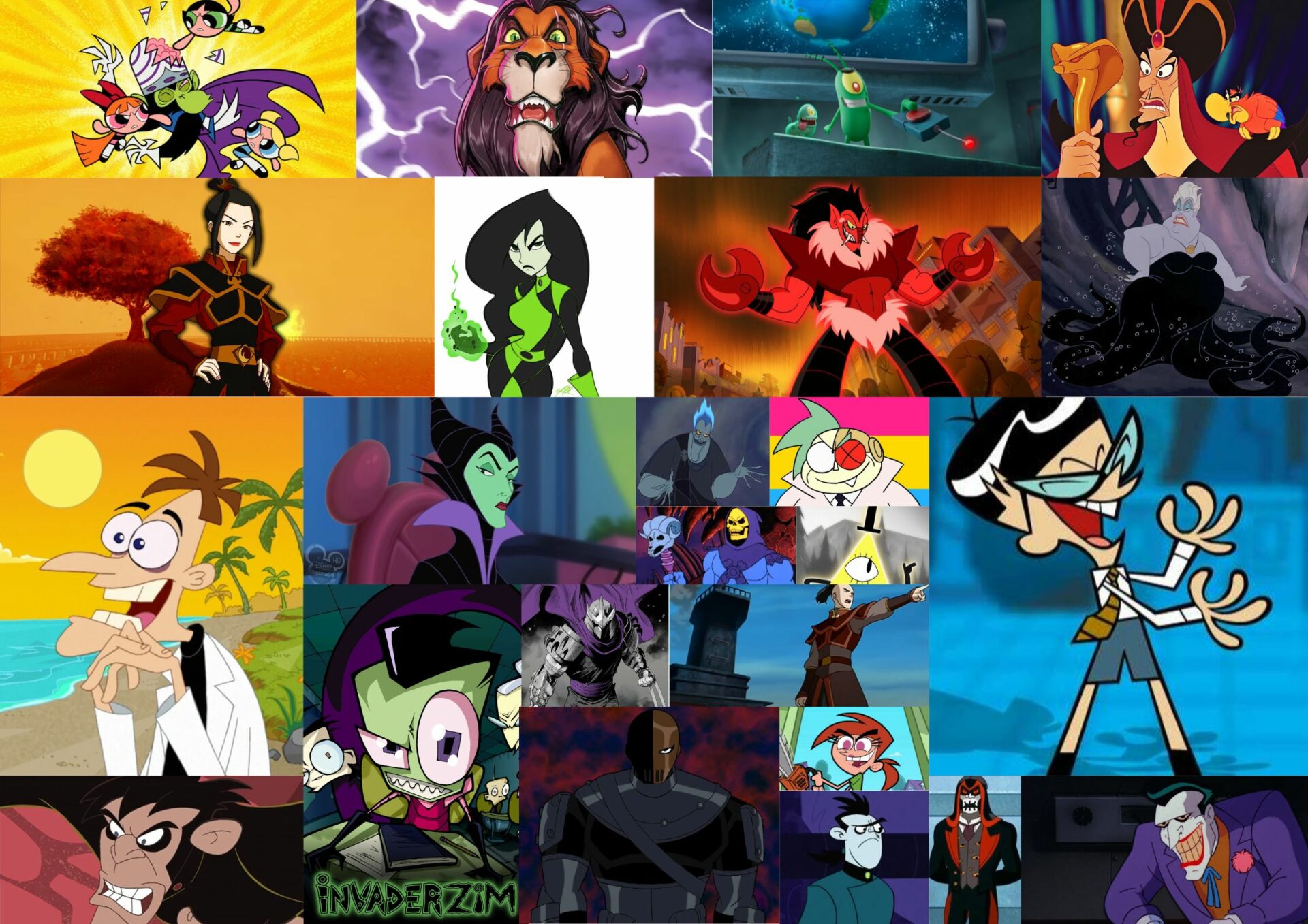
Our list rounds up the top 30 cartoon characters that were villains, each one more wonderfully wicked than the last.
READ MORE
April 29, 2026 .
Lists, Opinions
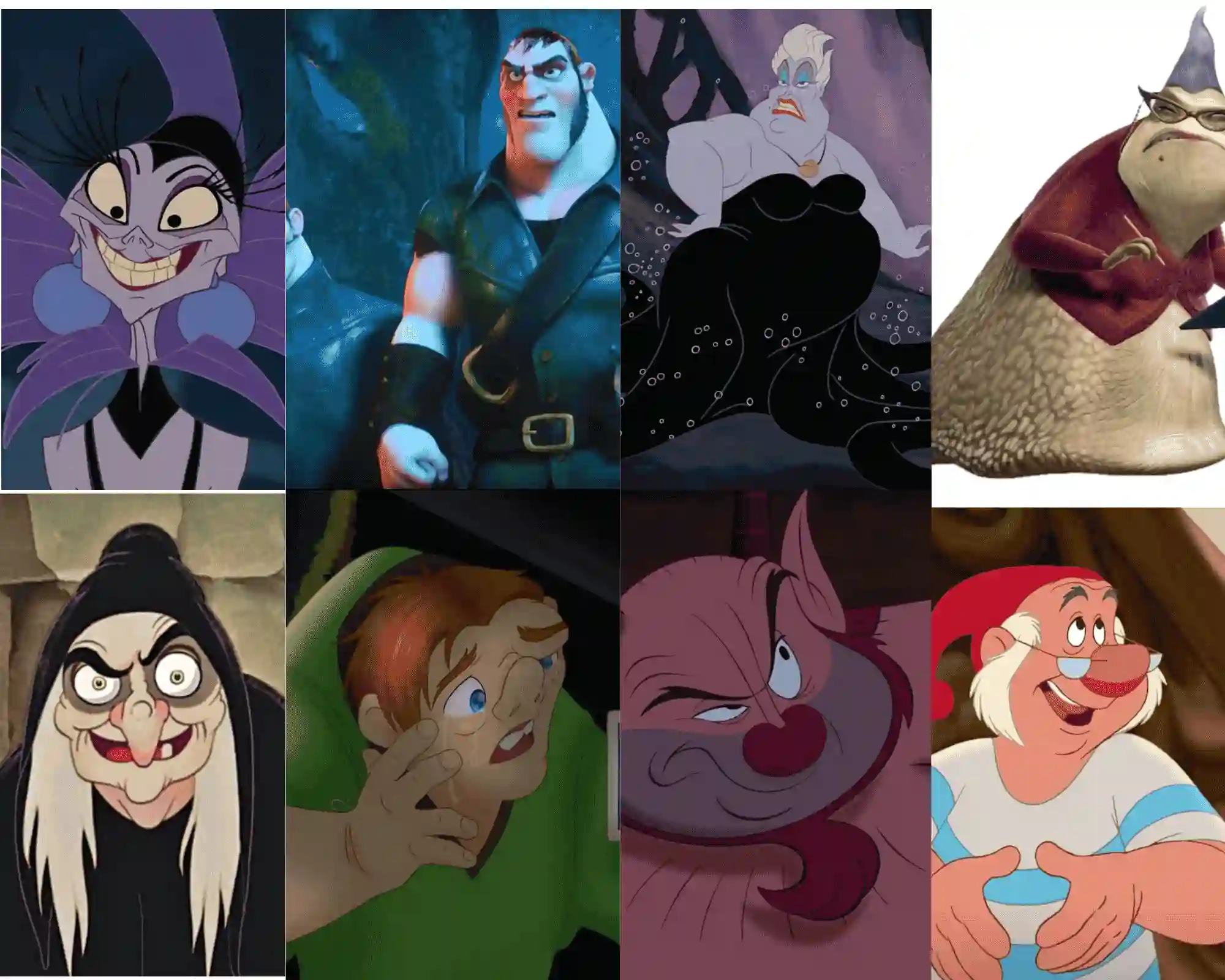
The Mouse is famous for its princesses and princes. However, the studio’s true genius lies in its embrace of “ugly Disney characters”.
READ MORE
November 27, 2025 .
Lists, Mythology
While this isn’t an exhaustive list, it comprises some of the most popular mythical creatures from around the world.
READ MORE
February 26, 2026 .
Cartoons, Lists
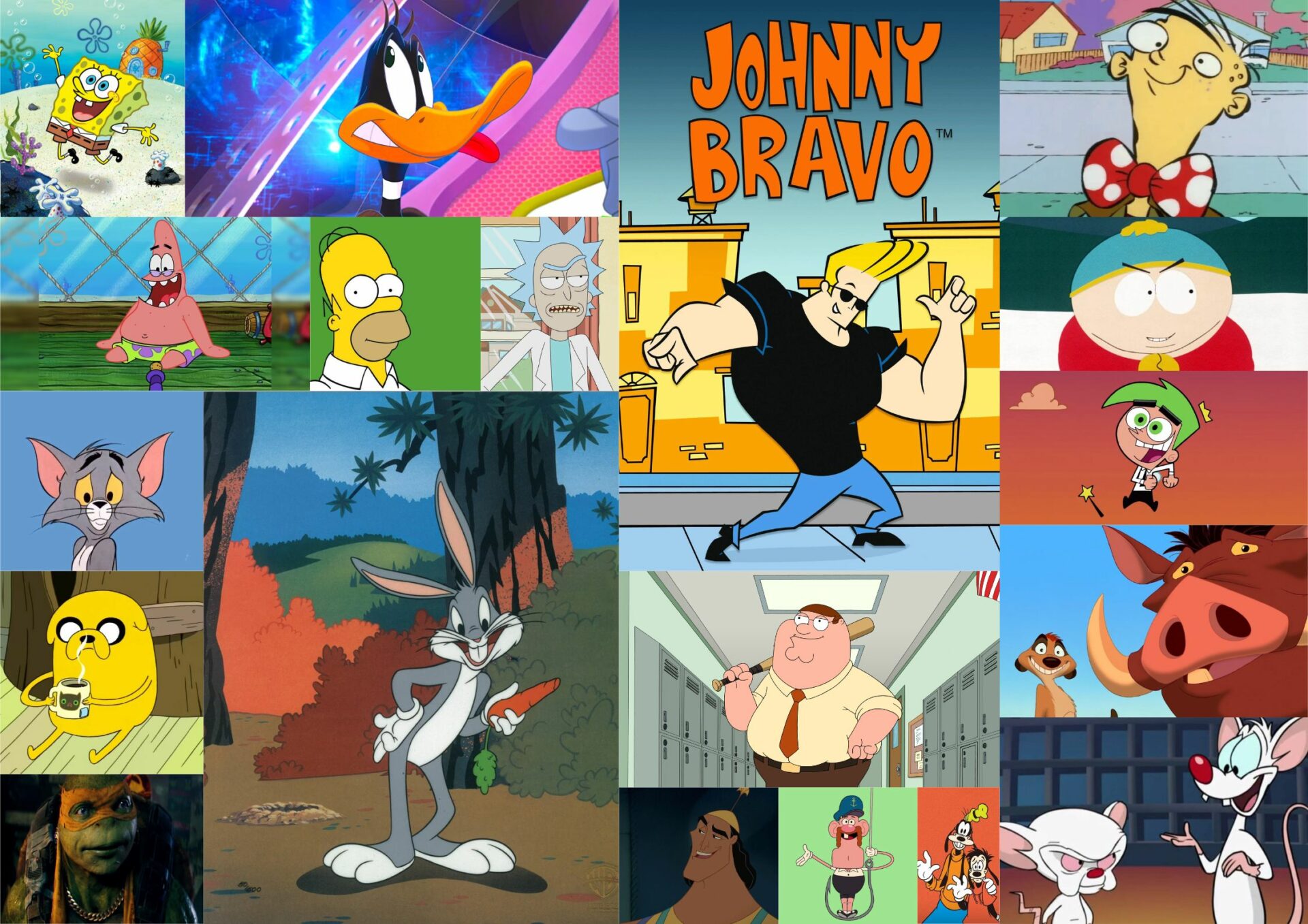
There are some outright funny cartoon characters who exist solely to crack you up, loud, hard, and with zero apology.
READ MORE
October 28, 2025 .
Lists, Marvel, MCU, Opinions
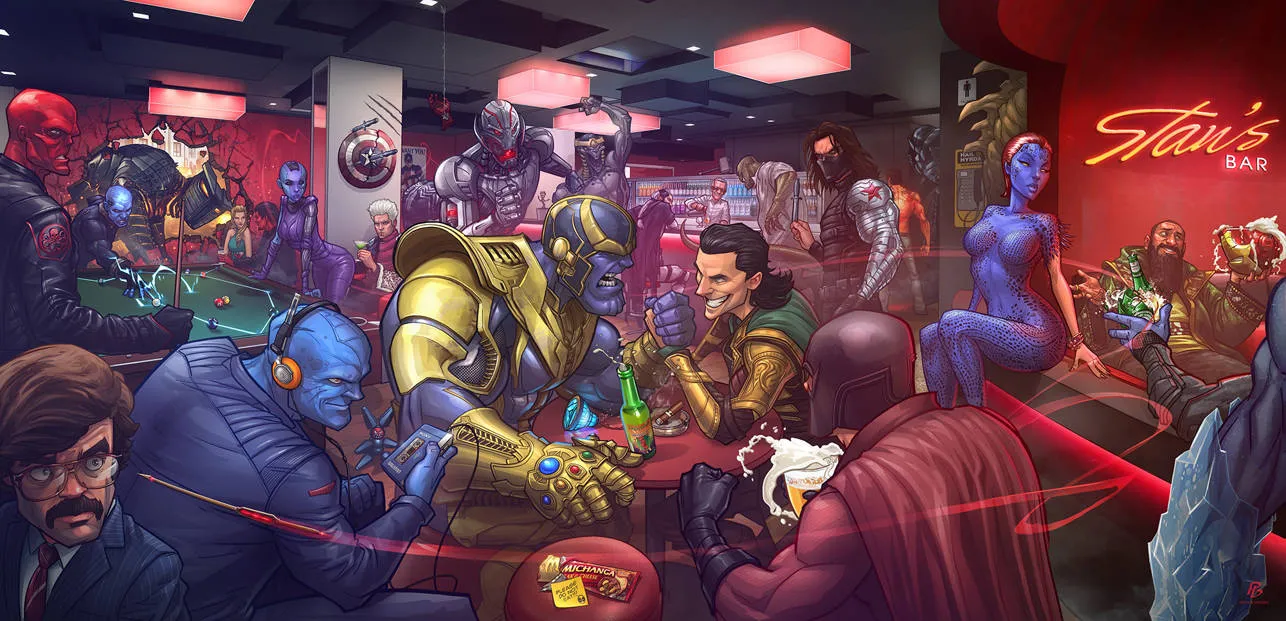
Let’s go through a list of the top 7 strongest Marvel villains, from the wickedly powerful to the absolutely unstoppable.
READ MORE
September 30, 2026 .
Lists, TV Shows, Upcoming Movies
October isn’t celebrated as the official horror movie month for nothing, and some of these entries prove it.
READ MORE

September 9, 2026 .
Lists, TV Shows, Upcoming Movies
There’s something for everyone from every genre you love.
READ MORE
September 9, 2026 .
Lists, TV Shows, Upcoming Movies
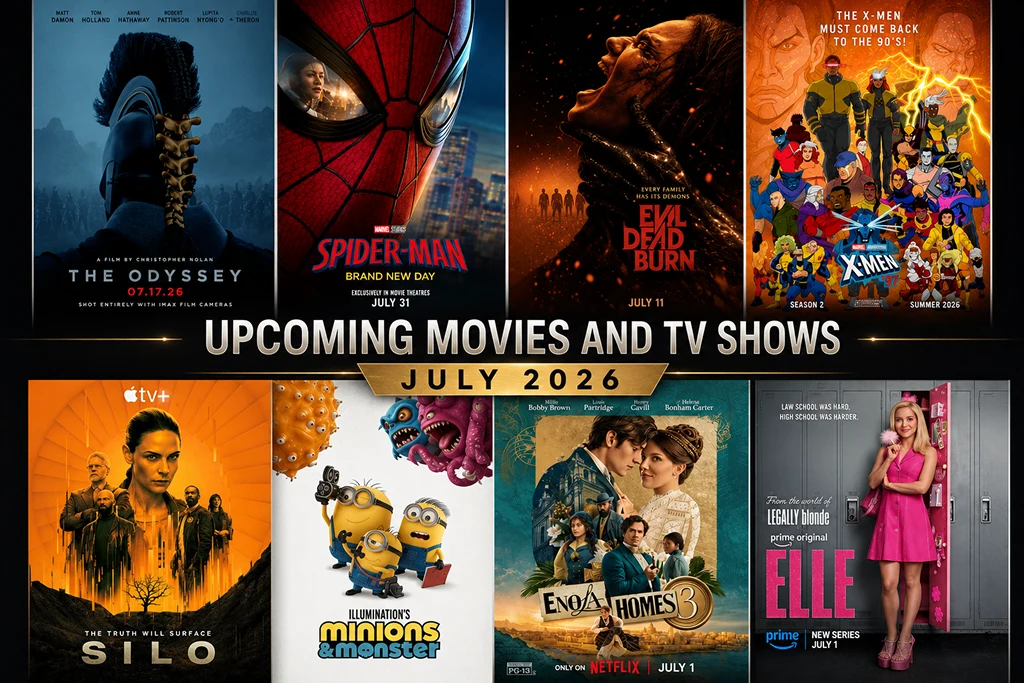
July gears up with the hottest lineups of upcoming movies and TV shows.
READ MORE

September 9, 2026 .
Lists, TV Shows, Upcoming Movies
August line-up is here and they don’t disappoint.
READ MORE
April 29, 2026 .
Lists, Opinions
The Mouse is famous for its princesses and princes. However, the studio’s true genius lies in its embrace of “ugly Disney characters”.
READ MORE
September 9, 2026 .
Lists, Upcoming Movies
September’s lineup offers everything from action flicks to buddy comedy to romcom adaptations to keep you entertained all month long.
READ MORE
February 9, 2026 .
Lists
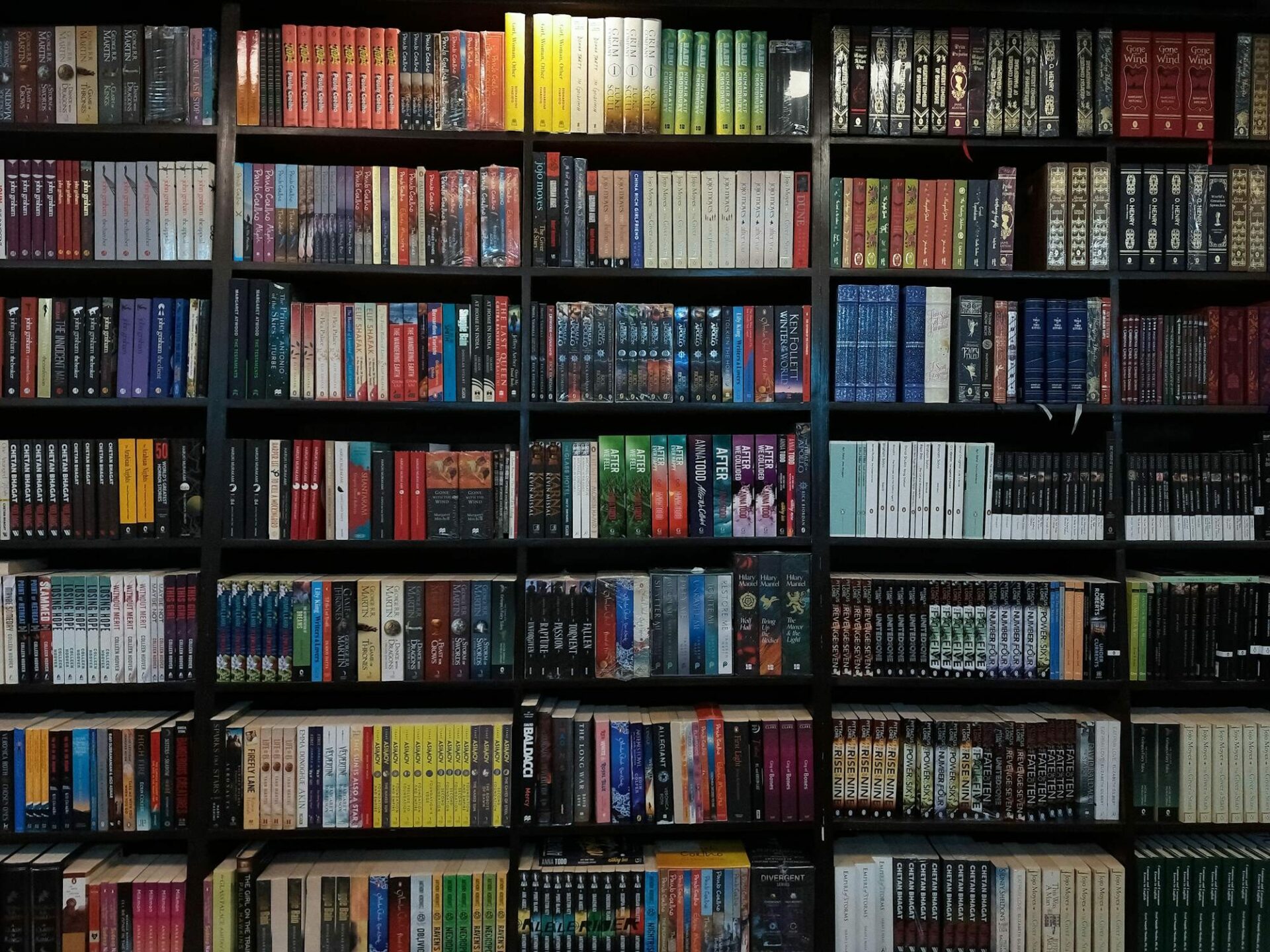
From Masobe to Narrative Landscape and Penguin Random House South Africa, here are the top 9 publishers of African Literature.
READ MORE

July 20, 2025 .
Lists
From Gardens of the Moon, it’s clear that the world of Malazan is richer in history and geographic detail, and than any other fantasy world.
READ MORE

February 23, 2026 .
African Literature, Lists
These are the books that could hold that kind of attention again. Not because they’re flawless, but because they can survive stillness.
READ MORE
Get our magazine for free!