Close menu
Ranking the best of African Literature







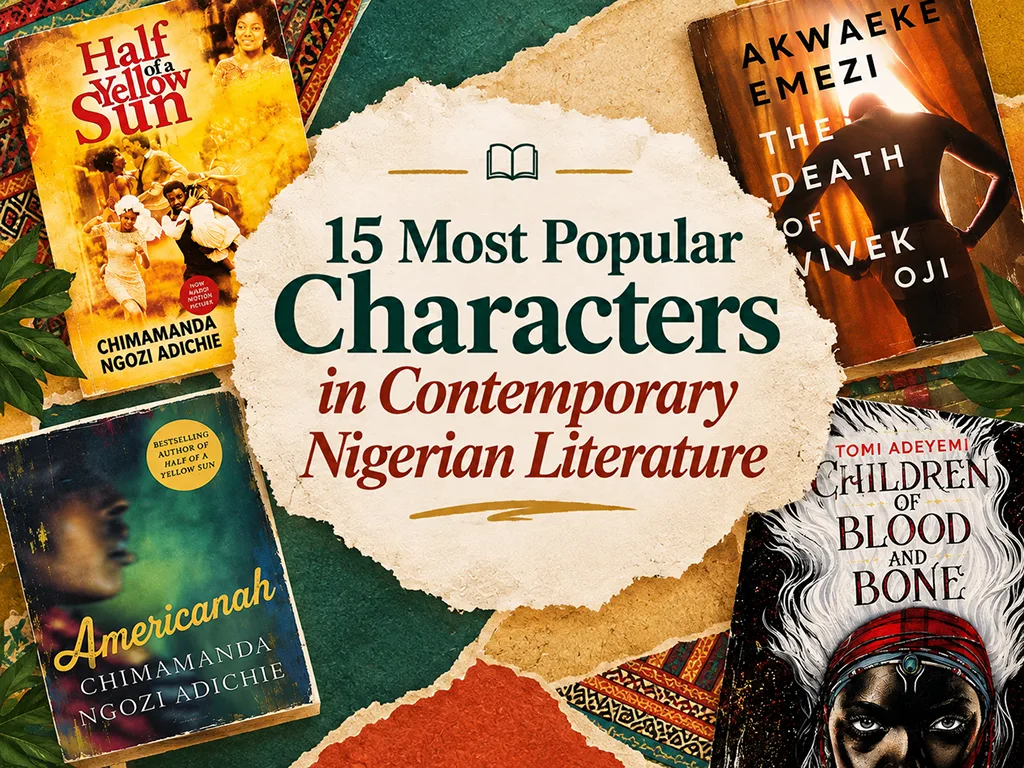


























African literature has always given us memorable characters that stick with us long after we’re done reading.
Some characters cannot just help but leave a lasting impact on us. Whether they help us escape reality or paint a relatable picture of the very reality we try to escape, these characters remain stuck in our heads for a long time. Here are fifteen of the most popular characters in contemporary Nigerian literature.
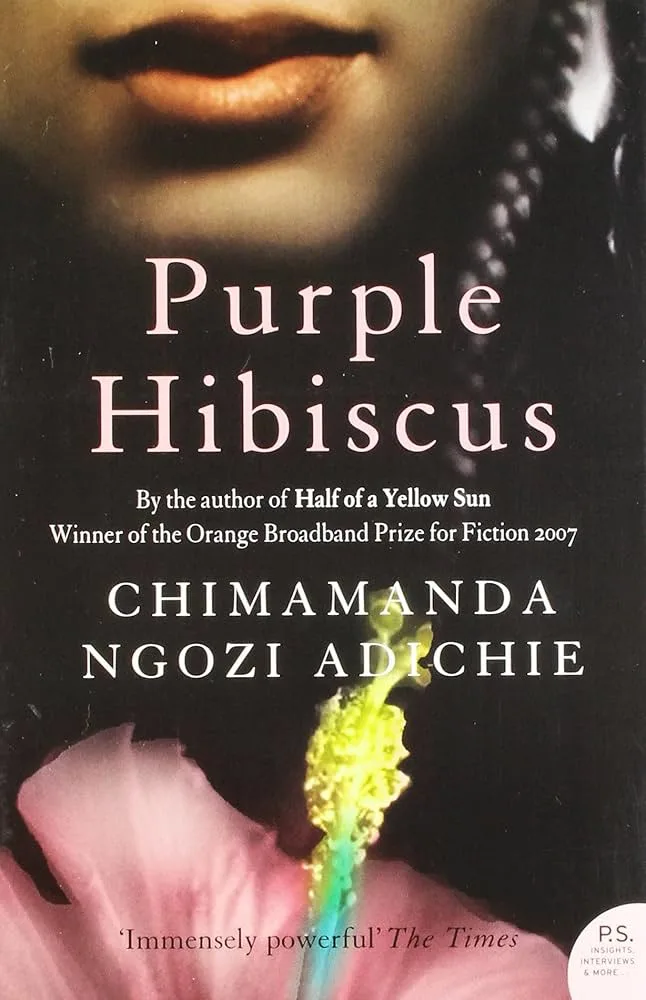
Quiet, withdrawn, and sullen, Kambili’s character resonates with many readers of Purple Hibiscus. The novel follows her journey of self-discovery and her struggle to break free from the oppressive chains of her father, who insists on controlling every aspect of her life.
Every hesitation, silent whisper, and anxious hypervigilance reveals a character whose spirit has been broken down under the guise of discipline and religion.
In many ways, her character represents the consequence of dysfunctional families where one or both parents are viewed as objects of fear. She later embodies the essence of the purple hibiscus as she reaches a point of freedom, self-actualization, and the embrace of individuality.
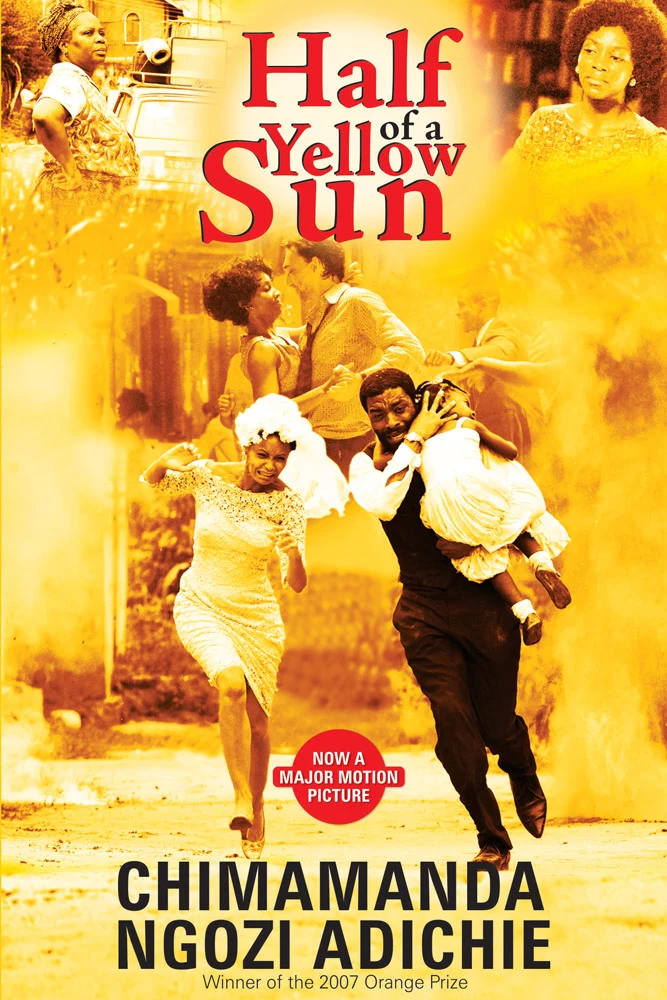
Image source: Chimamanda.com
Kainene remains one of the most significant characters in contemporary Nigerian literature. Her disappearance at the end of Half of a Yellow Sun looms over the reader and reveals the irrecoverable loss of the Biafran War.
The question, “What happened to Kainene?” haunts the reader at the end of the novel. Her unmatched wit and charisma make her one of the novel’s most impactful and lovable characters.
While Olanna is idealistic and naive, Kainene is cynical, resourceful, and a strong critic of the upper class, cementing her image as one of Adichie’s strong feminist characters.
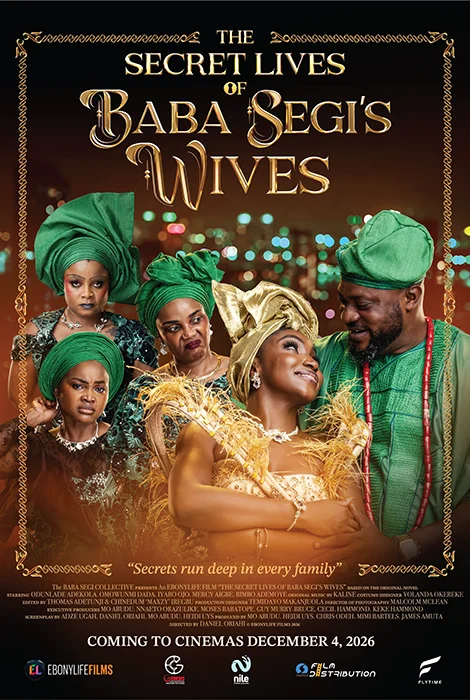
Image source: Tiff
Baba Segi remains one of the most comical characters of contemporary Nigerian literature. His character is an apt representation of male chauvinism and a caricature of patriarchal masculinity. Shoneyin uses his character to portray the fragility of a masculinity built on the ideas of a patriarchal society.
His crudeness is an attempt to hide the insecurity that looms deep within him as a result of the expectation placed on him by society to have children. This makes Baba Segi a victim of the very system his character upholds.
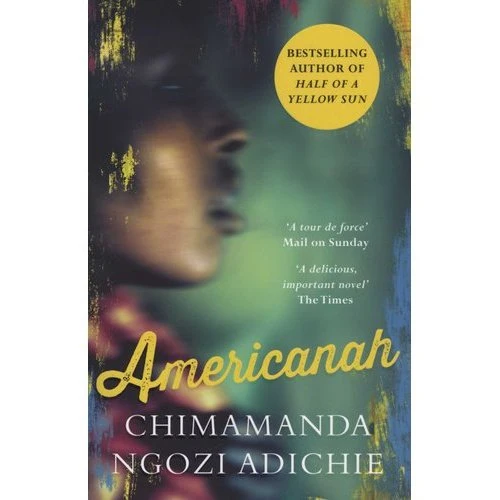
Ifemelu is another of Adichie’s strong feminist characters. Intelligent, outspoken, and witty, she confidently challenges church hypocrisy and isn’t afraid to say exactly what she thinks of the people around her.
She moves to America to pursue higher education, with the help of her Aunty Uju. Abroad, she faces racism, struggles with her identity, and fitting into a society that isn’t kind to people like her. As strong as her character seems, she exhibits self-destructive qualities and suffers mentally.
This character is a great representation of the complexity of human nature and circumstance.
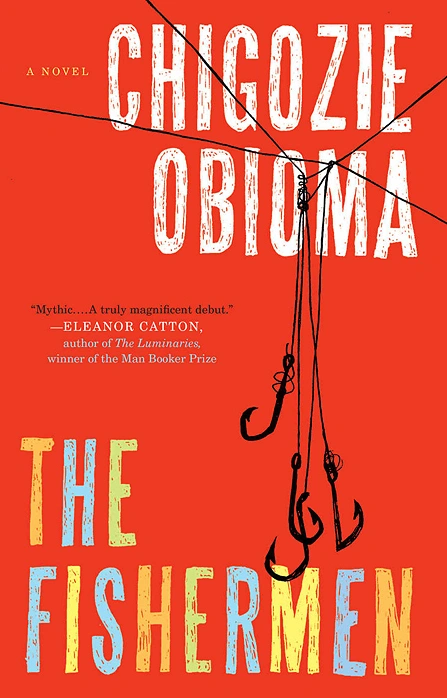
Ikenna’s character symbolizes the destructive power of belief and superstition. In the book, he learns through a prophet that a fisherman will kill him. He believes that this is in reference to his brothers, and this marks his slow descent into paranoia and fear.
Ikenna is best described as authoritative but also fiercely protective of his brothers before the prophecy consumes him. His story serves as an allegory for the distrust, tribalism, and disunity prevalent in Nigerian society.
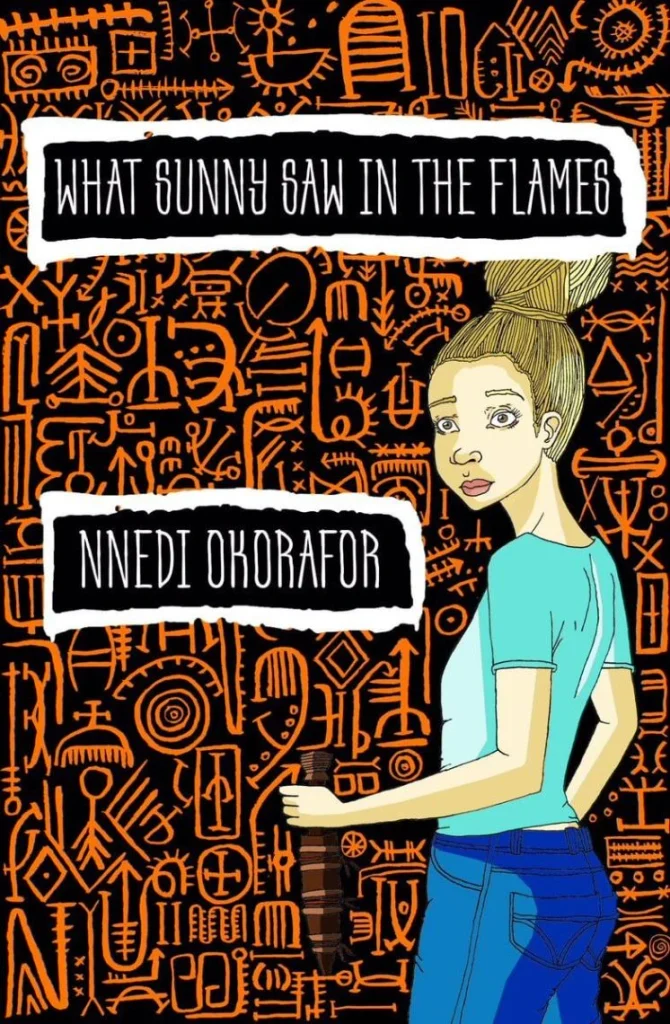
Sunny is a character who faces significant ostracisation and bullying because of her albinism. At 12, she is intelligent, opinionated, and resilient. Despite her internal struggles with identity, she excels at football and even makes a name for herself. She eventually joins the leopard world, where she develops her strong sense of justice.
Okorafor uses her character to portray the prejudice albino people face in society.
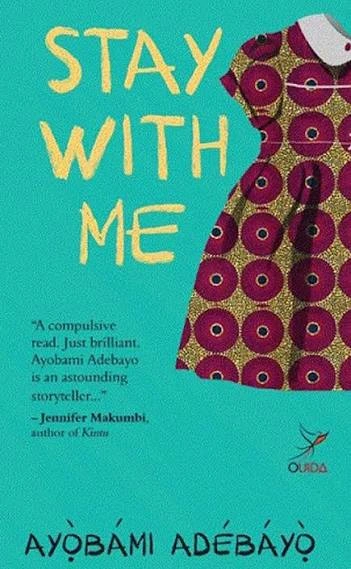
Akin remains one of the most notorious characters in contemporary Nigerian literature. He is the co-protagonist in the book Stay with Me, alongside his wife, Yejide.
Despite claiming to love Yejide, he brings another woman into the marriage and hides his impotence from her, leaving her to suffer his family’s judgment alone.
Despite his flaws, he still carries genuine affection for Yejide and even says he fell for her at first sight. His character portrays the damaging nature of patriarchal expectations on men and how women bear the brunt of the consequences.
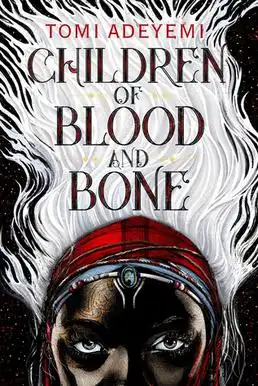
Zelie from Children of Blood and Bone is one of the most recognizable characters in Nigerian fantasy. With her iconic white hair and her magical powers, Zelie stands out as one of the few Magi left in Orisha. She is famously headstrong, impulsive, and stubborn, which sometimes gets her into trouble.
She embarks on a journey to defeat the evil Kosidan nobility who have discriminated against and oppressed her people. Zelie’s journey reveals themes of discrimination, a fractured sense of identity, and the struggle for freedom.
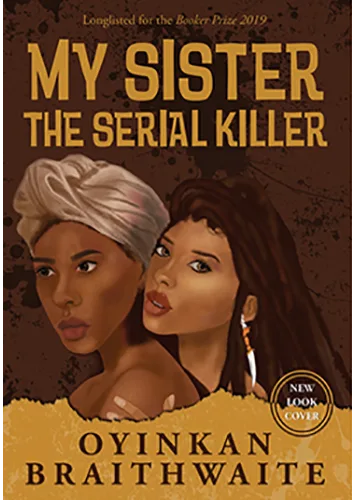
Ayoola is one of the most shocking characters in Nigerian literature. She is described as an exceptionally beautiful woman who always gets what she wants while having a side “hobby” as a serial killer.
She targets men who take a romantic interest in her and kills them under the guise of self-defense while showing no remorse or fear whatsoever. Ayoola’s character offers deep insight into the dangers of equating goodness with beauty and a haunting reminder of the absurd nature of pretty privilege.
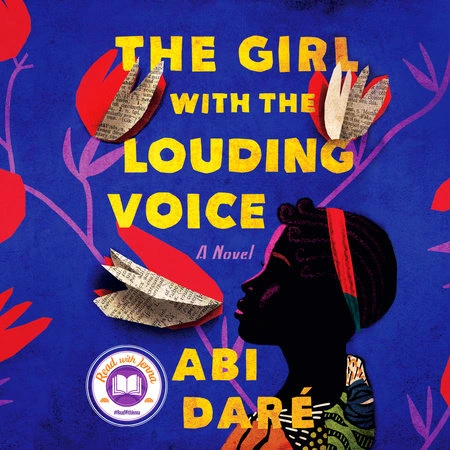
Adunni’s resilience inspires many readers. Despite navigating traumatic events of sexual and physical abuse, she remains true to herself and refuses to trade her voice for anything. She is vibrant and hopeful despite her circumstances, and she forms deep bonds with some of the other characters she trusts.
Adunni’s story is a reminder that a good education and quality of life are, in fact, still a privilege for many.
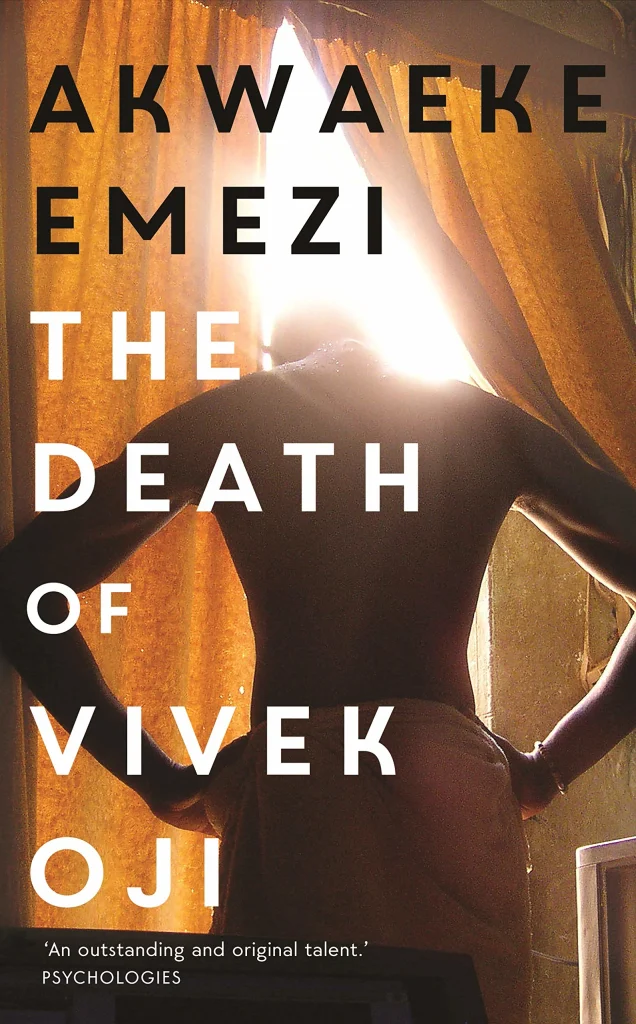
The book, The Death of Vivek Oji, begins with one line: “They burnt down the market on the day Vivek Oji died,” compelling the reader to ask, “Who is Vivek Oji and why did he die?”
Vivek Oji, or Nnemdi, is perhaps one of the most recognizable names in contemporary Nigerian literature. Vivek, or Nnemdi, is a genderqueer character who uses both “He” and “She” pronouns. Because he was born on the same day his grandmother, Ahunna, died, the book implies he is her reincarnation.
Vivek’s demeanor is soft-spoken, observant, and introspective. His relationship with his queerness, and how others perceive it, drives the plot.
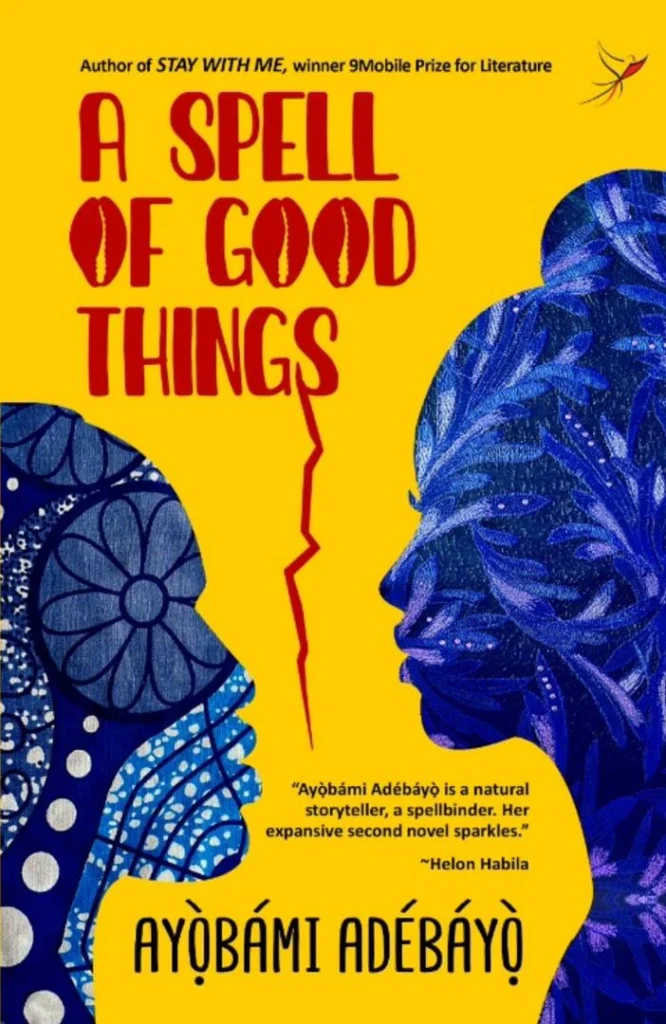
Eniola in A Spell of Good Things embodies the harsh reality of life for the lower classes and the stark contradiction with the upper class. Adebayo achieves this by juxtaposing Eniola with Wurola, who comes from a wealthy political family.
In many ways, Eniola remains an iconic character, as he symbolizes the Nigerian lower-class struggle, and his fight for survival resonates with many.
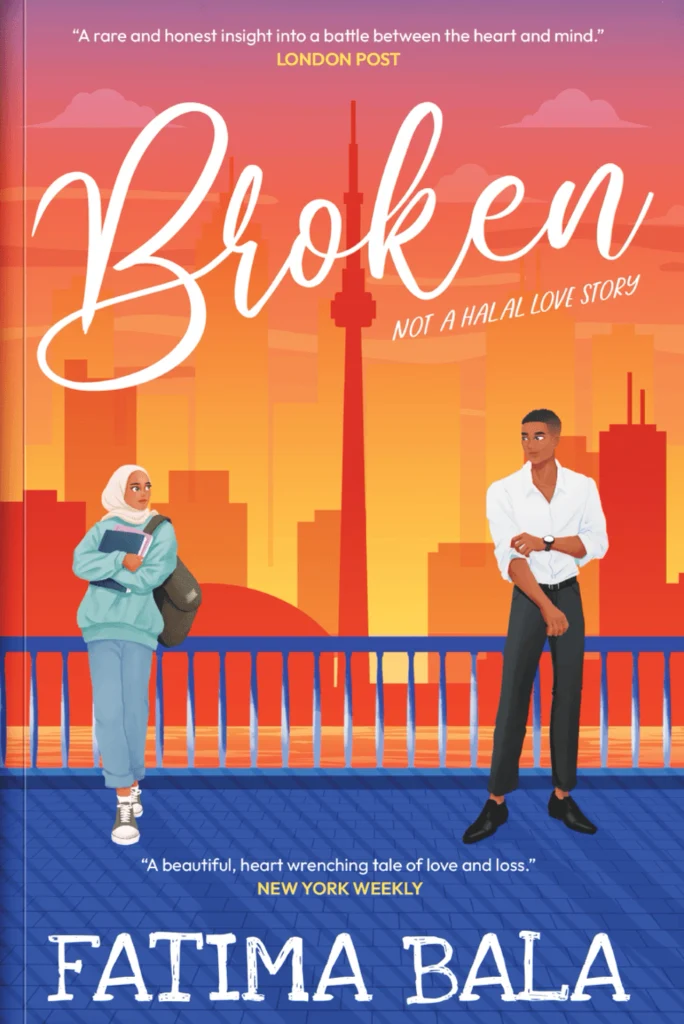
Ahmad is arguably the most popular book boyfriend in recent Nigerian literature. He is the co-protagonist and Fa’iza’s main love interest.
Ahmad is effortlessly charming, confident, and a tad arrogant, the quintessential Wattpad male lead.
The book’s plot centers on his complicated relationship with Fa’iza, his struggle to reconcile his desires with her rules, and his eventual character arc.
Some readers view Ahmad as a devoted lover who persistently fought for his love, while others see his actions as manipulative and in bad taste.
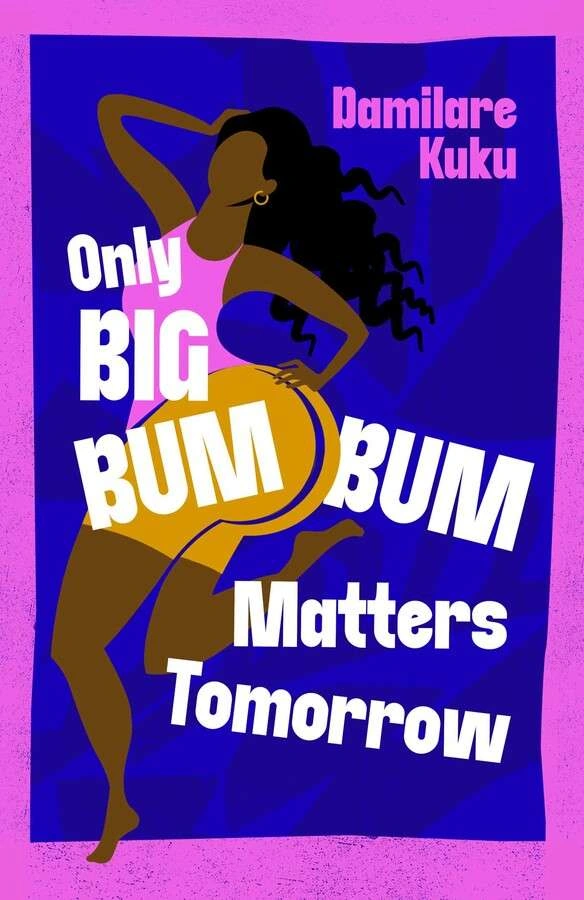
Temi’s story mirrors the insecurity of millions of Nigerian Girls. In the book, she decides to undergo a Brazilian butt lift surgery due to the bullying she had to endure because of her looks. Much to the dismay of her family, she announces her plan shortly after her dad’s burial.
Her character is impulsive and reckless but also incredibly human. Her experiences deeply impact her and the choices she makes.
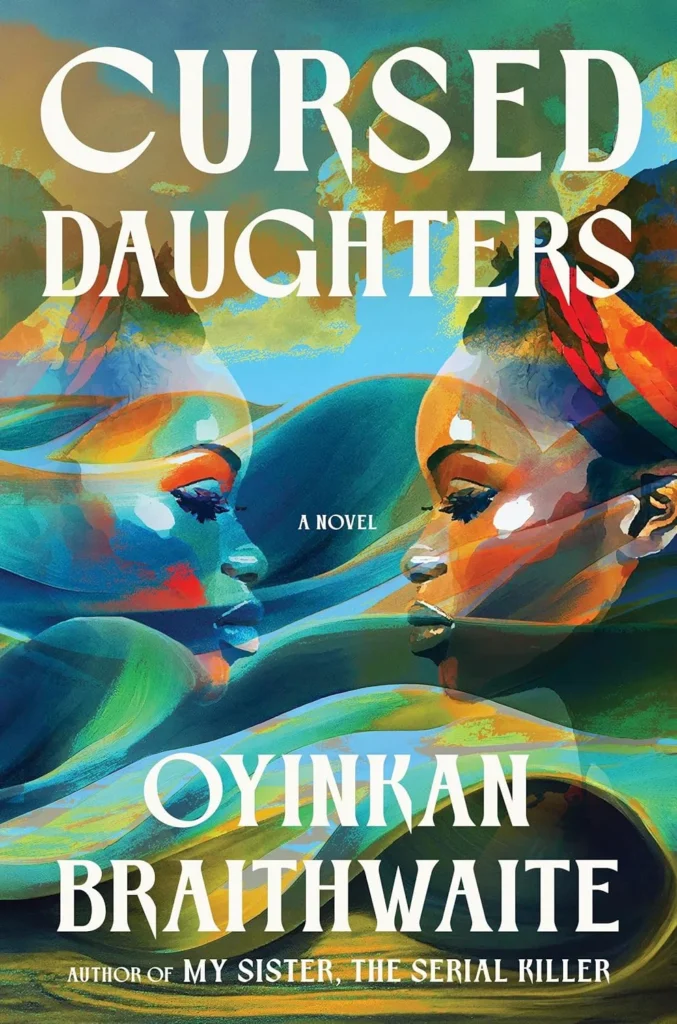
Monife is one of the book’s three central characters. The story begins with her death, then delves into the Famous Falodun curse inflicted on the family because of their ancestors’ actions.
Monife’s story is melancholic and tragic, which is why it resonates so much with readers. While she was alive, she can best be described as passionate, impulsive, and unapologetically herself.

Best Films About Unexpected Age Gap Romance
Literary Awards and the Racism Card: A Wake-Up Call for Black Africa
Interview with the Vampire Relationships, Ranked
10 Top Recent Films for Action and Comedy Fans
Comma Rules Every Writer Should Know
10 Most Hype-worthy 2026 Book Releases (African Literature Version)
Five Gambling Films That Know the Bet Is Only Half the Story
Movies Where Poker Reveals Who a Character Really Is
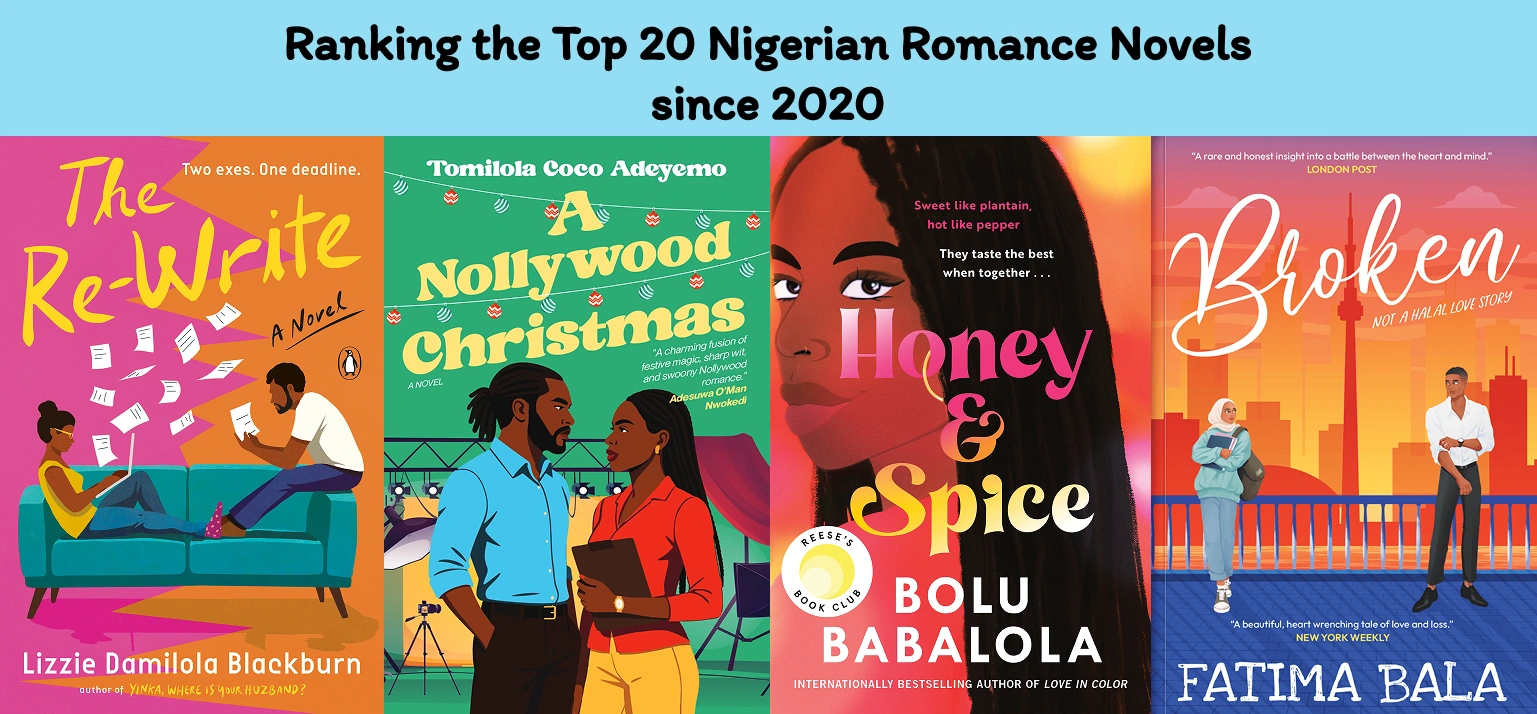
Ranking the Top 20 Nigerian Romance Novels since 2020
In Defense of Reading and Gaming
8 Third-Person Omniscient Examples for the Plot
A Trade of Blood (Ana and Din Mysteries #3) by Robert Jackson Bennett
July 20, 2025 .
Animation, Lists
Our list rounds up the top 30 cartoon characters that were villains, each one more wonderfully wicked than the last.
READ MORE
October 28, 2025 .
Lists, Marvel, MCU, Opinions
Let’s go through a list of the top 7 strongest Marvel villains, from the wickedly powerful to the absolutely unstoppable.
READ MORE
April 29, 2026 .
Lists, Opinions
The Mouse is famous for its princesses and princes. However, the studio’s true genius lies in its embrace of “ugly Disney characters”.
READ MORE

November 27, 2025 .
Lists, Mythology
While this isn’t an exhaustive list, it comprises some of the most popular mythical creatures from around the world.
READ MORE
May 6, 2026 .
Lists, MCU
Spider-Man is one of the many superheroes from the Marvel Universe whose stories shaped many childhoods. Who is your strongest Spiderman?
READ MORE
October 12, 2021 .
African Literature, chimamanda, cna, zikora
Hopefully, the reading of a book as this will enlighten men and generally educate people in the making of the right choices regarding amatory unions.
READ MORE
September 2, 2025 .
African Literature
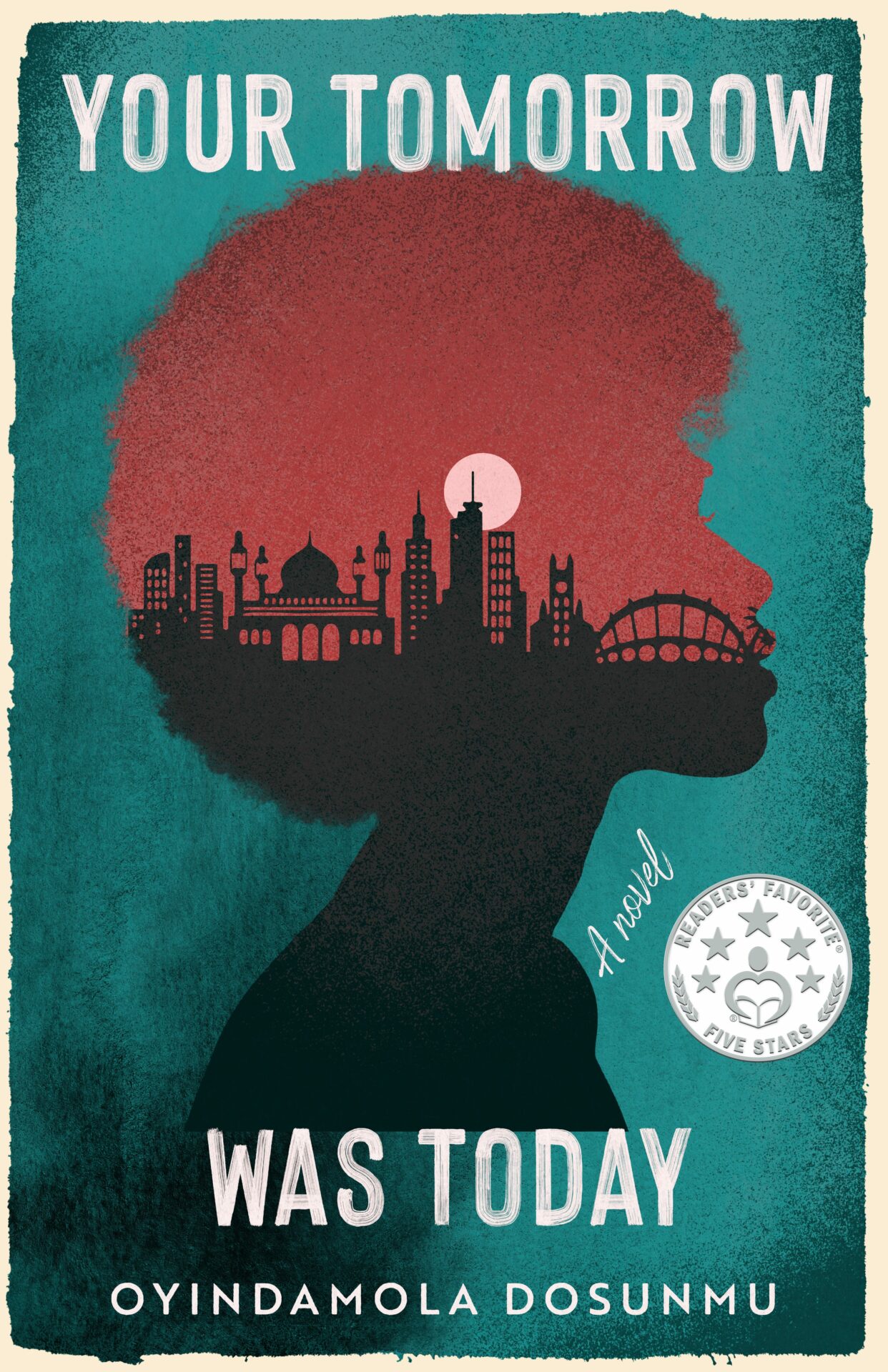
So yes, Your Tomorrow Was Today is guaranteed to be a book that will touch you, regardless of gender, interests or philosophy.
READ MORE
February 19, 2022 .
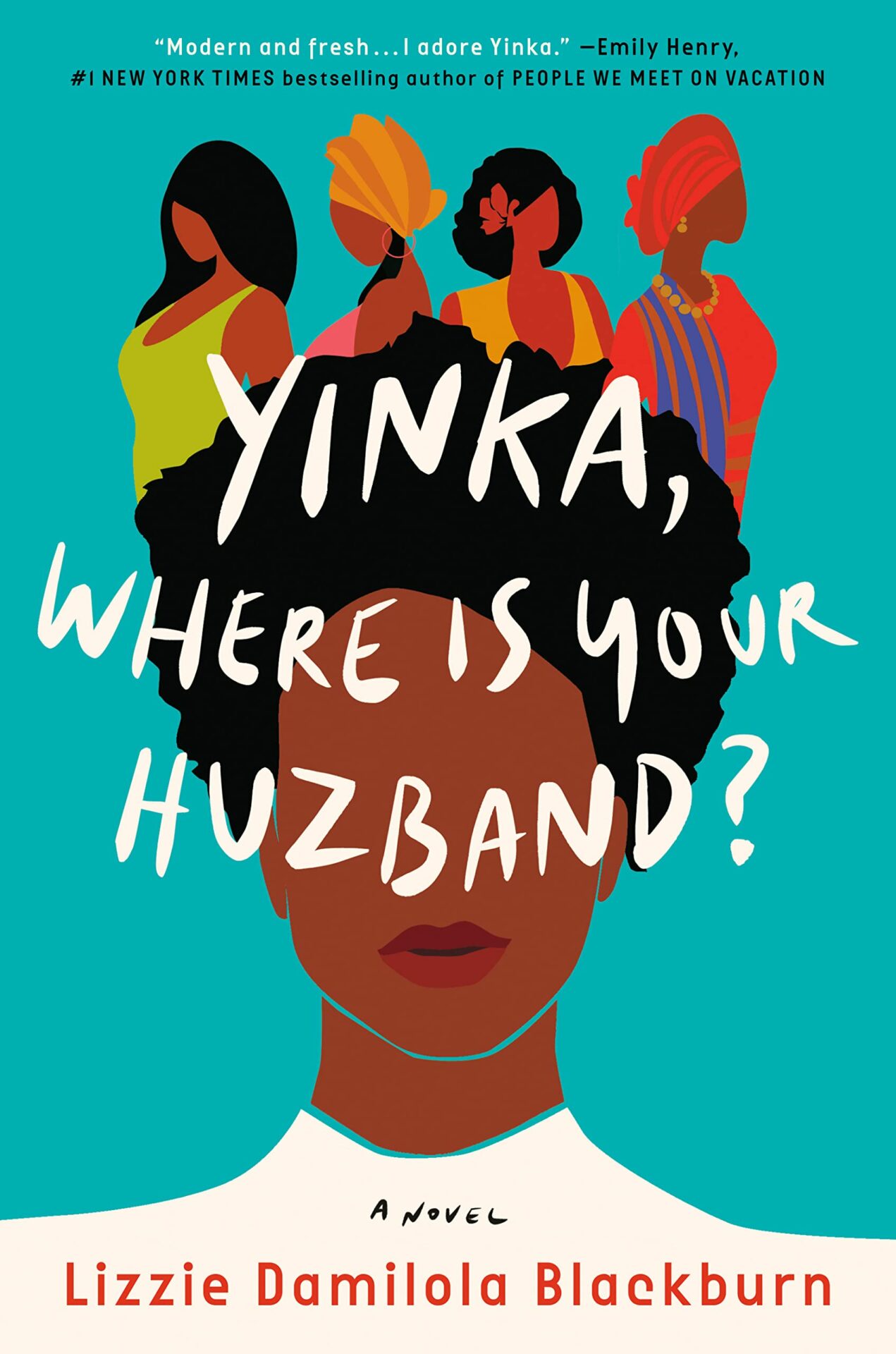
African Literature, Book Reviews, British Nigerian, lizziedamilolablackburn, Nigerian, Self growth, yinkawhereisyourhuzband
READ MORE

January 26, 2025 .
African Literature, sharjah
READ MORE
November 12, 2023 .
African Literature
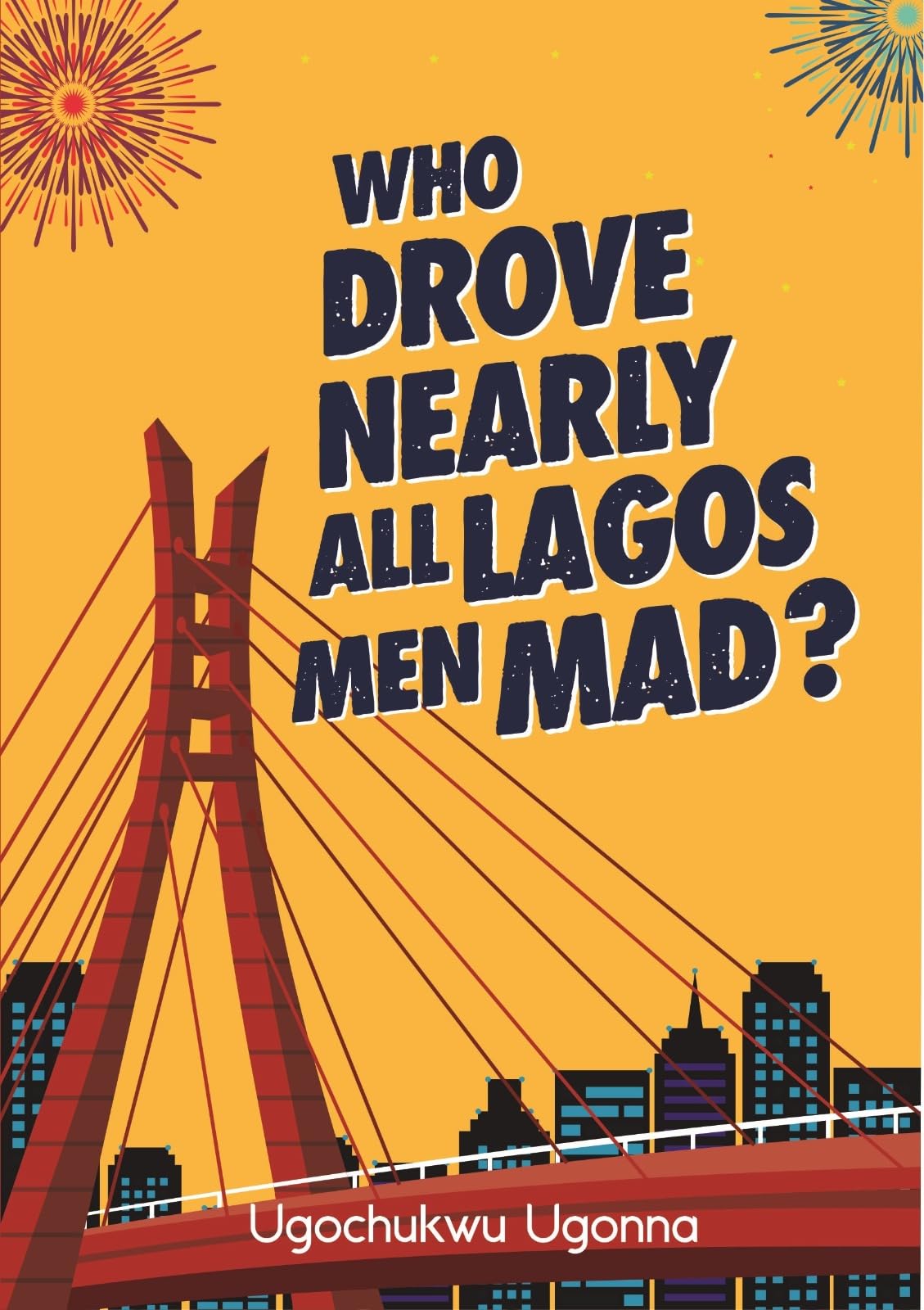
In these tales, women are portrayed as clever and tricky individuals, while men’s descent into madness is often a response to these traits.
READ MORE

December 4, 2023 .
African Literature
READ MORE
February 3, 2025 .
African Literature
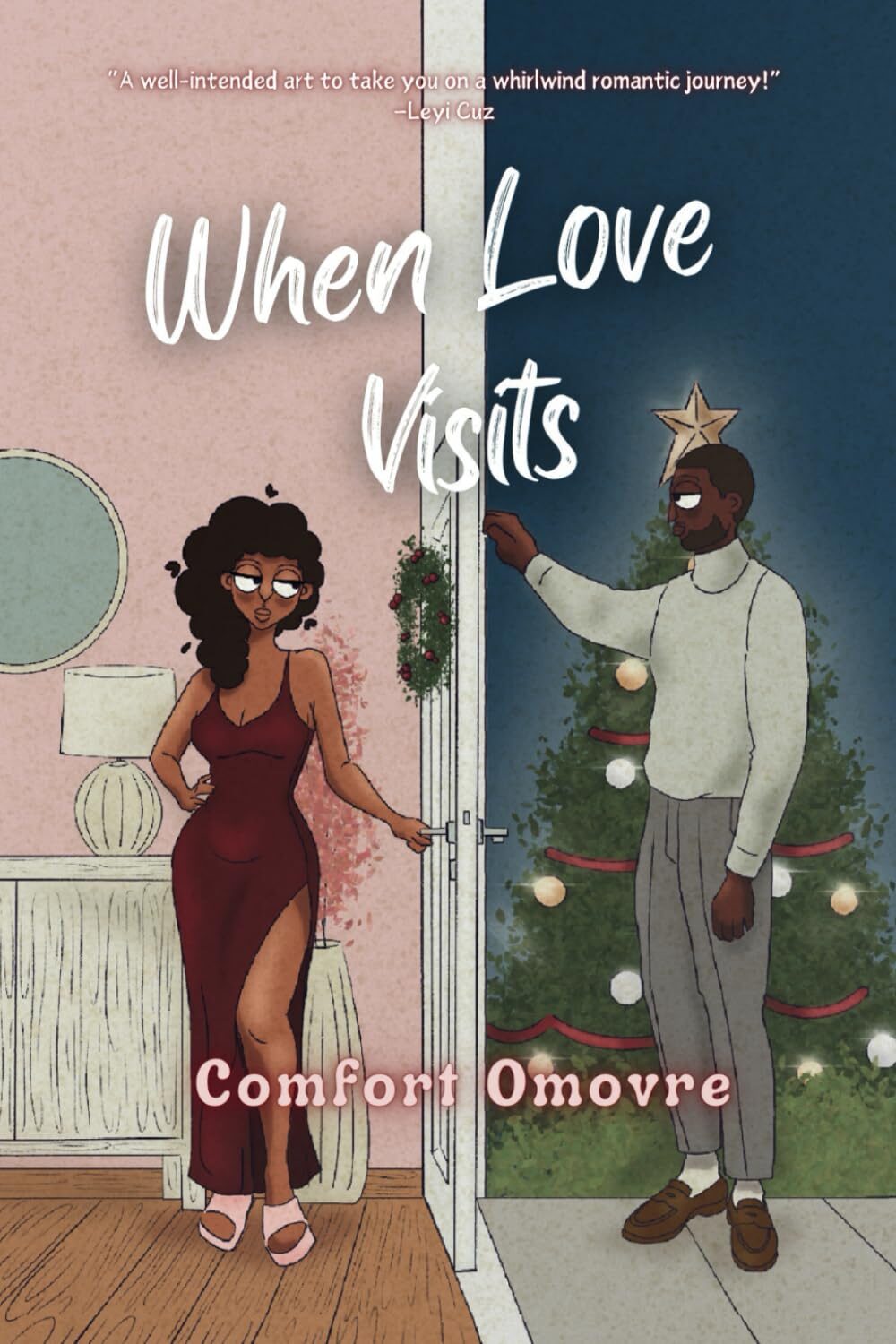
When Love Visits is a contemporary romance novel that narrates how Uju and Tade, both in their thirties and successful fall in love at first sight.
READ MORE

May 7, 2022 .
African Literature, miracleemekankwor, whathappenedtojanetuzor
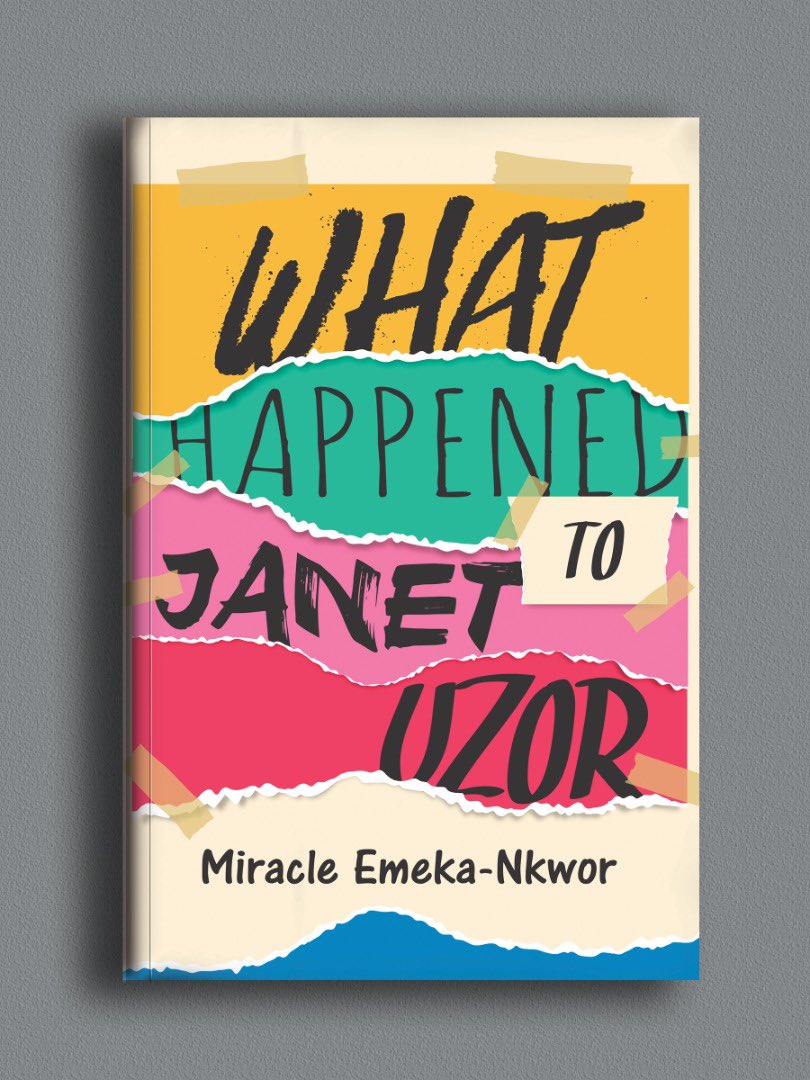
Ebere has a theory that a killer is out there that claims his victim every Christmas, and she believes their best friend Janet was one of his victims.
READ MORE
December 4, 2023 .
African Literature
I don’t find What Happened to Janet Uzor very hair-raising thrilling, but it has ENOUGH suspense to get you flipping.
READ MORE
Get our magazine for free!