



















Do we forever operate on the defensive, fingers perpetually pointed towards the dark deeds of neo-colonial contemporaries and their colonial forebears?
A quick Google search for the phrase “black author ai” pulls up a plethora of aggressive opinion pieces and essays on the topic. Even the news section of Google’s search results page is packed with sentimental reporting of what should be unbiased journalism.
But of course, one can hardly blame journalists for taking sides. After all, this is a heavily political matter. The ripple effects of these peddled opinions, whether backed by fact or passion, continue to be felt in an increasingly global world.
And, when the very reputation and livelihoods of thousands of Black creatives worldwide appear to be threatened, the backlash is not only expected: its very form is pretty much predictable. Afterall, this is the same card that most of the so-called “Third World” is quick to whip out when their backs are seemingly against the wall: the racism card.
The point of my argument in this essay is not to debate the validity of this “racism card,” nor to point fingers at individual or institutional entities, whether black or white, in this never-ending AI and authenticity debate. Rather, it is to draw attention to its fallout and the realities that beckon from its socio-political dynamics.
Ever since ChatGPT exploded in late 2022, the world has figuratively been spinning on its head, with entrepreneurs, academics and creatives alike struggling not only to find their place in this new AI world, but also to redefine what counts as original, and what does not.
Till date, no consensus has been reached on the matter.
While research conclusions continue to vary, the lines between what is original and what is generated by large language models are increasingly blurring. Amid all this, the mad geniuses in Silicon Valley keep churning out different AI detector tools, each promising to identify what millions of people worldwide have failed to agree on. Despite issues such as false positives, length limitations, and systemic biases, the industry continues to grow, with an estimated valuation of over $700 million in 2026.
If all you do is consume art, whether books, games, or videos, the source of that art probably matters less than it does to the artists themselves, who stand to lose the most as AI-generated works proliferate. Seeing as the models themselves are primarily trained on the cumulative effort of generations of painstaking human effort and creativity, it is no surprise that it is these creatives that are the first to point accusing fingers, right down to the point of witch-hunting their colleagues whenever there is a whiff of AI perceived in the creative process.
And that, dear readers, is the real curse of AI. It pits humans against humans. Rather than collectively face the odd variable in the equation, the machine, humans continue to turn against one another to their own detriment, proving the worrying capacity of artificial intelligence to divide the opinions of its nemesis and ironically, its very source: the human mind.
Plenty of research abounds on how the world feels about creativity among Black Africans. German philosopher Georg Wilhelm Friedrich Hegel had it that Africa “is no historical part of the World; it has no movement or development to exhibit.” While his ideologies might be seen as many as outdated and peculiar only to the 19th century whence he lived and thrived in, similarly prejudiced opinions have been stated in the 21st century, many by equally prominent individuals.
James Watson, himself a Nobel-prize winner fanned the flames of racism in statements implying that Black intelligence, and by extension, creativity, sat beneath those of “white” origin.
Few remonstrations of the dynamics of the global attitude to black literary creativity are summed up as neatly as this article excerpt from the International Journal of Communication:
The year 2020 was a tumultuous one, not least for race relations in the West. The unavoidable fact that racialized groups have been disproportionately affected by the Covid pandemic, combined with the Black Lives Matter protests sparked by the mediatized murder of George Floyd, forced a reckoning with racism in societies that had convinced themselves that it was a thing of the past. This soul-searching was felt in the cultural industries, where media corporations that historically have shied away from making explicitly political pronouncements took the unprecedented step of releasing statements in support of the Black Lives Matter movement.
While efforts for Diversity, Equity and Inclusion (DEI) has roots as far back as the 19th century, this particular struggle has taken on a new form in modern times. In other words, people are beginning to question the wisdom of hiring simply to fill racial quotas, as opposed to merit-based appointments.
The first two years after George Floyd’s death was something of a golden age for writers of color, with more works of theirs acquired, and more black staff hired across the publishing industry. In fact, statistics show that the number of white employees working in the industry dropped by about 4% between 2019 and 2023.
However, certain global trends since then, none as significant as the rise of conservative ideology in the West, are starting to prod at Western consciousnesses. In the USA, it began with the American President Donald Trump, who wasted no time unravelling all DEI frameworks across his administration, a trend which, quite naturally, trickled down into other industries, publishing inclusive.
Across K-12 schools and tertiary education institutions, threats were made, and funding pulled, as race-based decision-making, which was seen to be benefitting immigrants, and by extension, people of color was radically overhauled across the USA.
While the UK did not experience a revolution on that scale, with, in fact, a greater proportional colored representation in publishing, ethnic minorities still only make up a worrying 17% in publishing, much of which is concentrated on low-mid-level, rather than the top roles.
Regardless, initiatives like the UK’s Publishing Inclusion pledge indicate an ideological pushback against trends to the west of the Atlantic ocean. Which is why a figure like Jason Atta Kwei Arday was able to rise to lofty heights, becoming the youngest black professor in the history of the University of Cambridge.
This, however, has not stopped the voices of discontent from murmuring, nor quelled noises of DEI disparity, as conservative intellectuals in the literary world continue to ask questions, and, more notably, make accusations.
Arguably the most significant racism controversy in recent memory ended with the unfortunate demise of its subject, Jason Arday, who was found dead on the 15th of August, 2026. The weeks leading up to his death were filled with plagiarism allegations that put not just his career and reputation, but his very life, in disarray.
The Initial plagiarism accusations stemmed from Nathan Cofnas, a self-acclaimed “race realist” who’d been sacked in 2024 by Cambridge from after his statement that Blacks would “disappear from almost all high-profile positions outside of sports and entertainment” if DEI frameworks were scraped in favor of strictly meritocratic systems.
Held up as a posterboy for Black academic excellence in the United Kingdom, Jason Arday, in a speech at the British Sociological Association’s 75th anniversary, in April, had already raised concerns at attempts to discredit Black academic excellence.
“The instruments that are designed to protect academic integrity, designed to protect our wellbeing and our intellectual property, are weaponised. There isn’t any room to sit there and watch your fellows suffer for no reason. It’s abhorrent, it’s a disgrace and, quite frankly, evil. That’s the cancer that we need to eradicate from academia,” he stated.
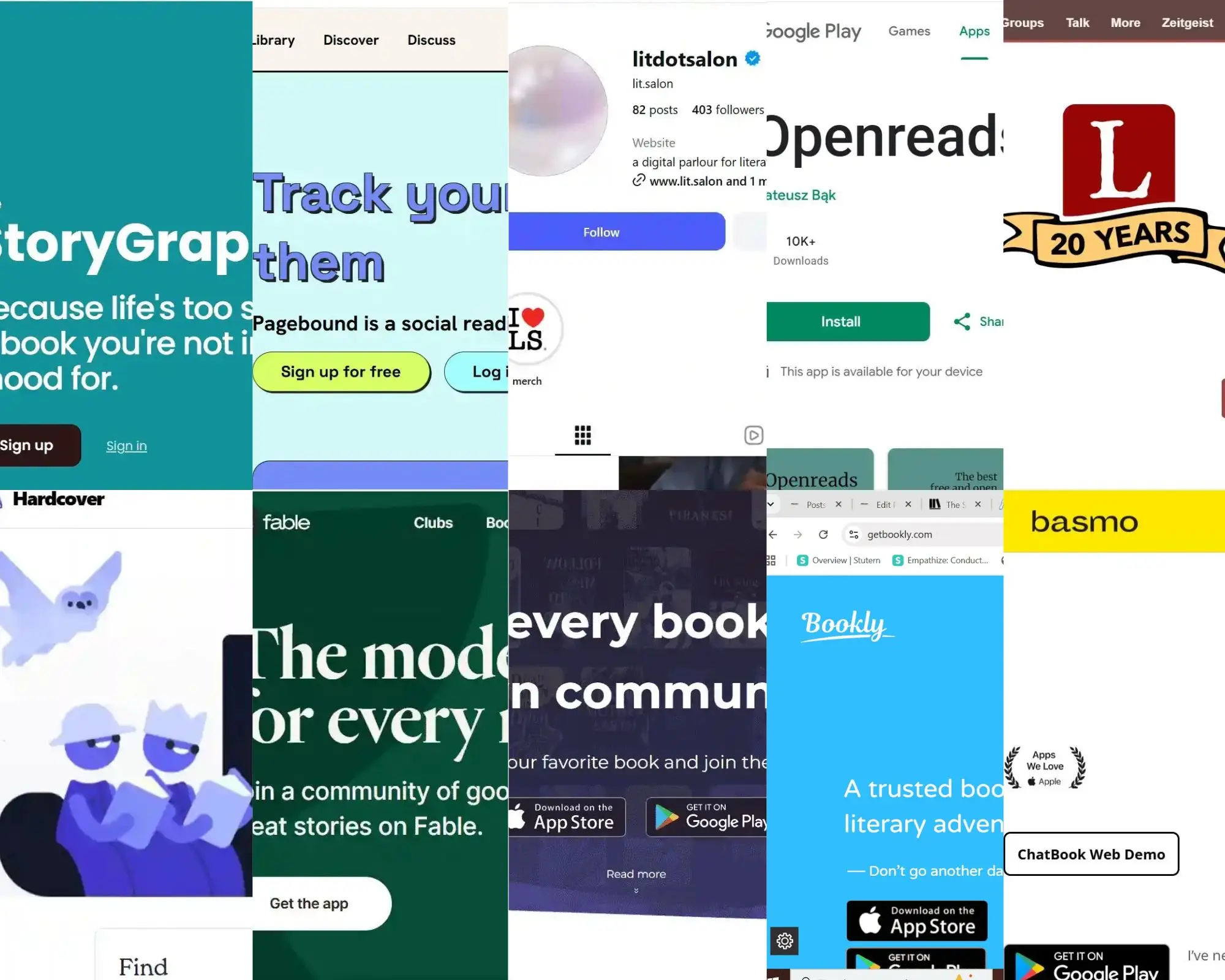
Hot on the heels of the Jason Arday controversy, a similar witch hunt began, this time against Caine Prize winner Simbarashe Steyn Kundizeza, at the hands of The Atlantic writer Vauhini Vara. In a viral article, Vauhini Vara accused the writer of using AI to write his prize-winning short story, The Whistleblower. Black African writers and literary professionals worldwide quickly condemned the article, calling its premise and the AI-detector tool Pagram’s results deeply flawed.
While the author has since denied the allegations, there remains a great deal of resentment, anger and fear at what has been described in many circles as a “witch hunt” to discredit and disgrace successful Black academics and writers.
To reach any meaningful conclusion, however, is not to debate what counts as plagiarism or not, or whether the use of AI can be proved beyond all doubt, or not. The real matter here, is the nature of this “repeat offender,” and whether the same standards are being fairly or unfairly applied.
The truth is that there is an ongoing witchhunt in the literary and academic sphere. The unfortunate cases of Jason Arday and Simbarashe Steyn Kundizeza are only the latest incidences in a renewed wave of conservative consciousness in the West. As well as being a direct kickback again what has long been perceived to be unfairness in the DEI frameworks, this witchhunt is also being perpetrated by outright racists who are destined to forever doubt the veracity of Black literary excellence.
In a world where much of the so-called “Global South” continues to play catch-up to the West in almost every sphere of human endeavor, those of Black descent enter into their respective industries one goal down, as it were. While their successes shine all the brighter for the same reason, their failures, perceived or explicit, are just as destructive, not only to their reputation, but also for other aspiring Black professionals seeking similar advancement.
The persecutions of Black creatives is well and truly undeserved. However, it is silly to pretend that it is not understandable, or that some of the reasons are invalid.
The average Westerner looks to the news, and sees the exports of the Global South: terrorism, hunger, disease and corruption; and, acts, thinks and speaks accordingly, within the context of his understanding. Whether or not you want to attribute the underdevelopment of Black Africa and much of the Global South to colonialism or neo-colonialism, the truth is that bad news travels faster than good news.
For the world to get to a point where even hardcore Western conservatives will instinctively defend the ilk of Jason Arday when foul allegations arise, true or untrue, Black excellence must be unequivocally established the world over. The time for excuses has passed, and Black Africa, along with the rest of the Global South, must take responsibility and look inward for solutions.
However, this is not to say that Black excellence can only be found in a few pockets across various disciplines.
Despite dominating 5.4% of the global publishing sphere, the authenticity of literary creative African brilliance continues to be doubted at all corners by global liberal academia and intelligentsia.
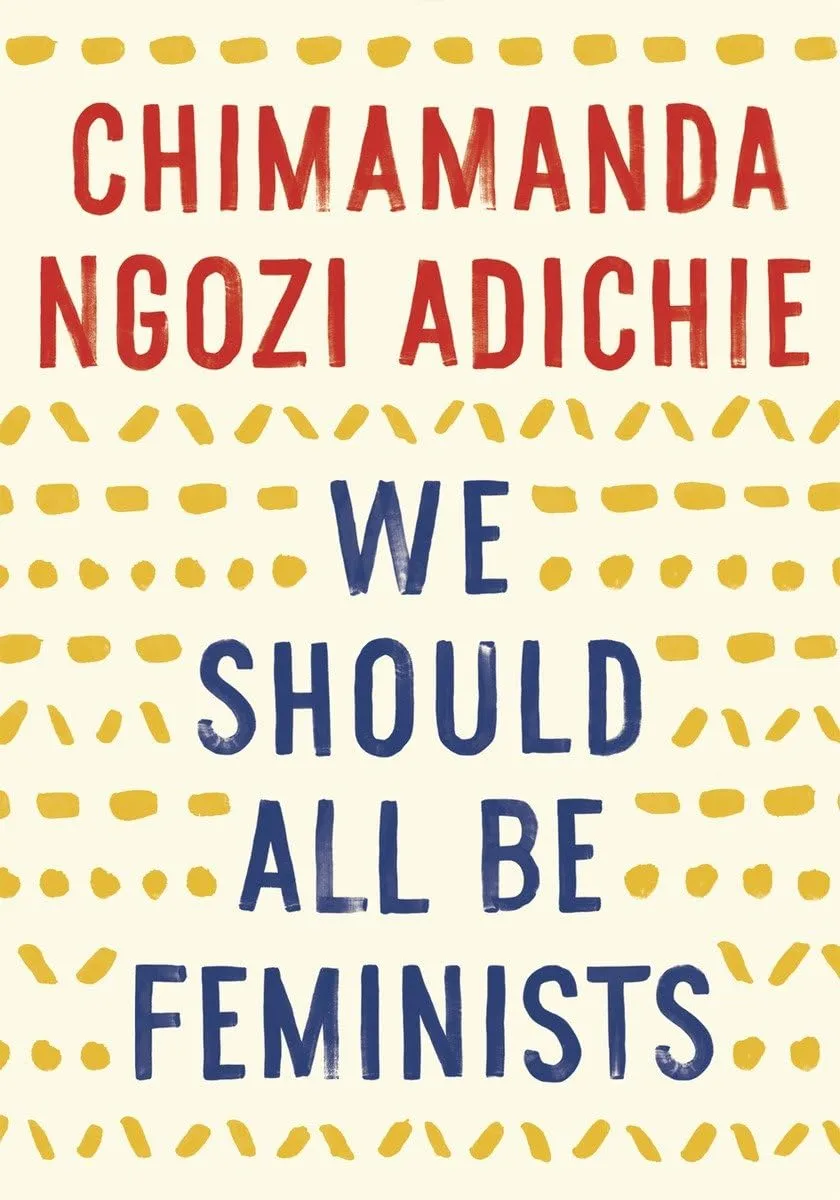
After authors like Chinua Achebe, Chimamanda Ngozi, Buchi Emecheta and Wole Soyinka put Africa on the map, modern contemporaries like Chigozie Obioma, Ayobami Adebayo, Oyin Olugbile and Eloghosa Osunde continue to break ground, racking up awards and shoving them down the throats of nay-saying racists and proving that Black Africans are every bit as talented as their Western counterparts.
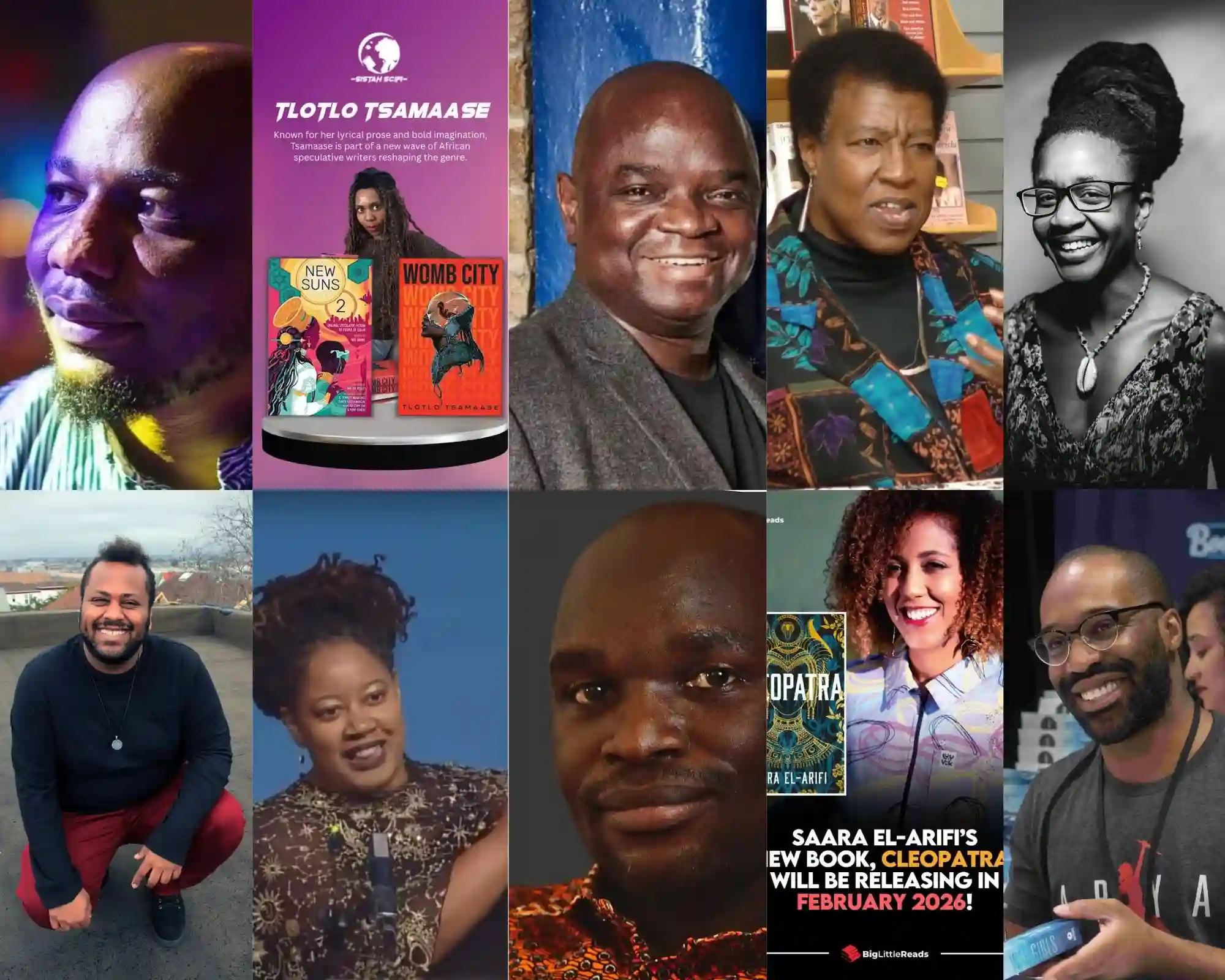
Wole Talabi’s database of the history and trends in African SF/F provides some insight into the contributions of various African authors in the development and rise of African consciousness in the fantasy genre, with the international success of authors like Oghenechovwe Donald Ekpeki and Nnedi Okorafor growing too significant to ignore.
Despite the perception that African fantasy writers may be limiting the scope of their writing by telling their stories through the lenses of Western standards, never before have Africa’s mythologies been at the podium of the global theatre.
In the face of racist agenda, the evolution of African art excellence in the face of socio-political pressure has ushered in a new age for the global perception of African stories, to the point where once-scorned aspects of Black culture and religion have become source material for the development of new creative media industries.
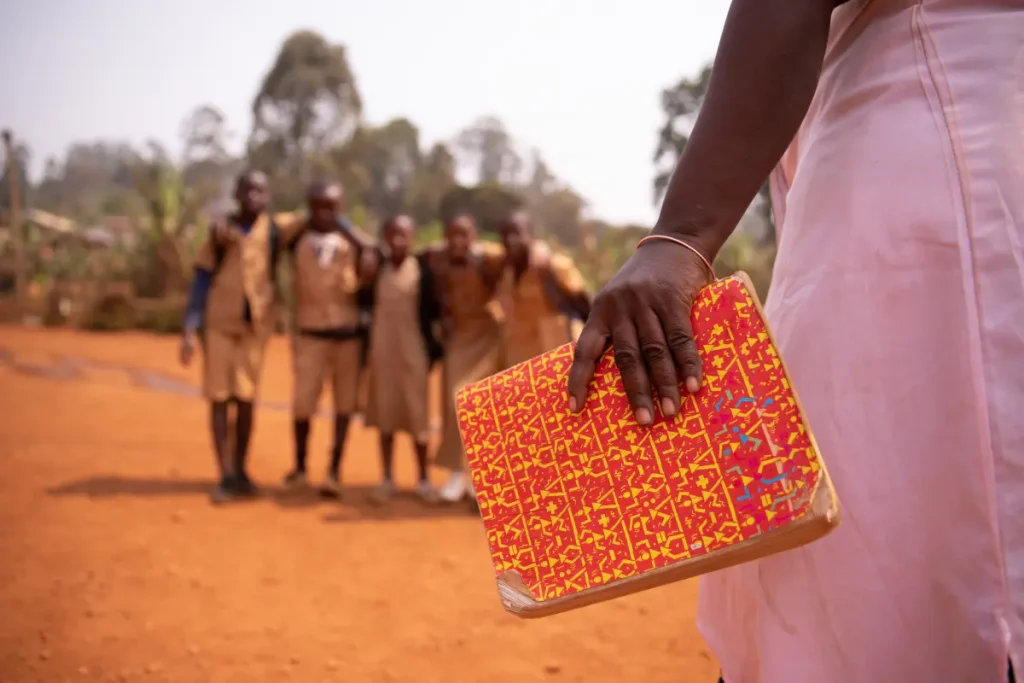
African excellence stands a precipice at the moment. And, accusations by radicals on celebrated African literary and academic professionals will only increase as long as the infrastructure that lends weight to the “underdeveloped” tag we have earned over the decades, continues to persist.
When we have our own literary awards, publishing houses and evolved markets that are at par with, and are unreliant on their Western equivalents for validation or authentiticy… only then will the world sit up, and genuinely, comprehensively take notice. Only then will besmirching allegations be summarily dismissed.
Regardless of this outlook, there are some who say that for Blacks, it is perpetually a matter of being presumed guilty before being proven innocent (if such proof exists!). While the author of this article does not try to deny the truth of this sentiment, we are all inevitably led to a point where choices have to be made.
Do we forever operate on the defensive, fingers perpetually pointed towards the dark deeds of neo-colonial contemporaries and their colonial forebears? Or do we look to our own selfish, self-serving leaders and corrupt proclivities, and, in honest self-questing, enter into a renaissance of what it means to be truly excellent in all spheres?
Do we forever condemn the leadership of foreign institutions like the the Hugos and Caine Prize, or do we look towards the establishment and marketability of indigenous equivalents.
The truth is that, regardless of how global the world has become in the last few decades, never before has the difference between peoples, nationalities and races been as stark, pronounced.
All over the West, citizens are looking to reclaim what they see as their birthright, from the hands of immigrants. And, despite liberal insights into naturalization laws, an outsider will first be viewed with suspicion, before anything else. Call it racism. Call it prejudice. It’s the way the world has always worked, and forever will.
The strong will forever prey on the weak. The onus is on the weak to first work themselves into a place of strength if they are to be taken with any seriousness. And this must first be achieved within, before without. For now, Black Africa is doing it the other way around, and that is why its literary professionals are juicy targets for racist extremists.
Wake up, Black Africa! Wake up!

The Tyrant Overlord. Fantasy buff and avid football fan.
Interview with the Vampire Relationships, Ranked
10 Top Recent Films for Action and Comedy Fans
Comma Rules Every Writer Should Know
10 Most Hype-worthy 2026 Book Releases (African Literature Version)
Five Gambling Films That Know the Bet Is Only Half the Story
Movies Where Poker Reveals Who a Character Really Is
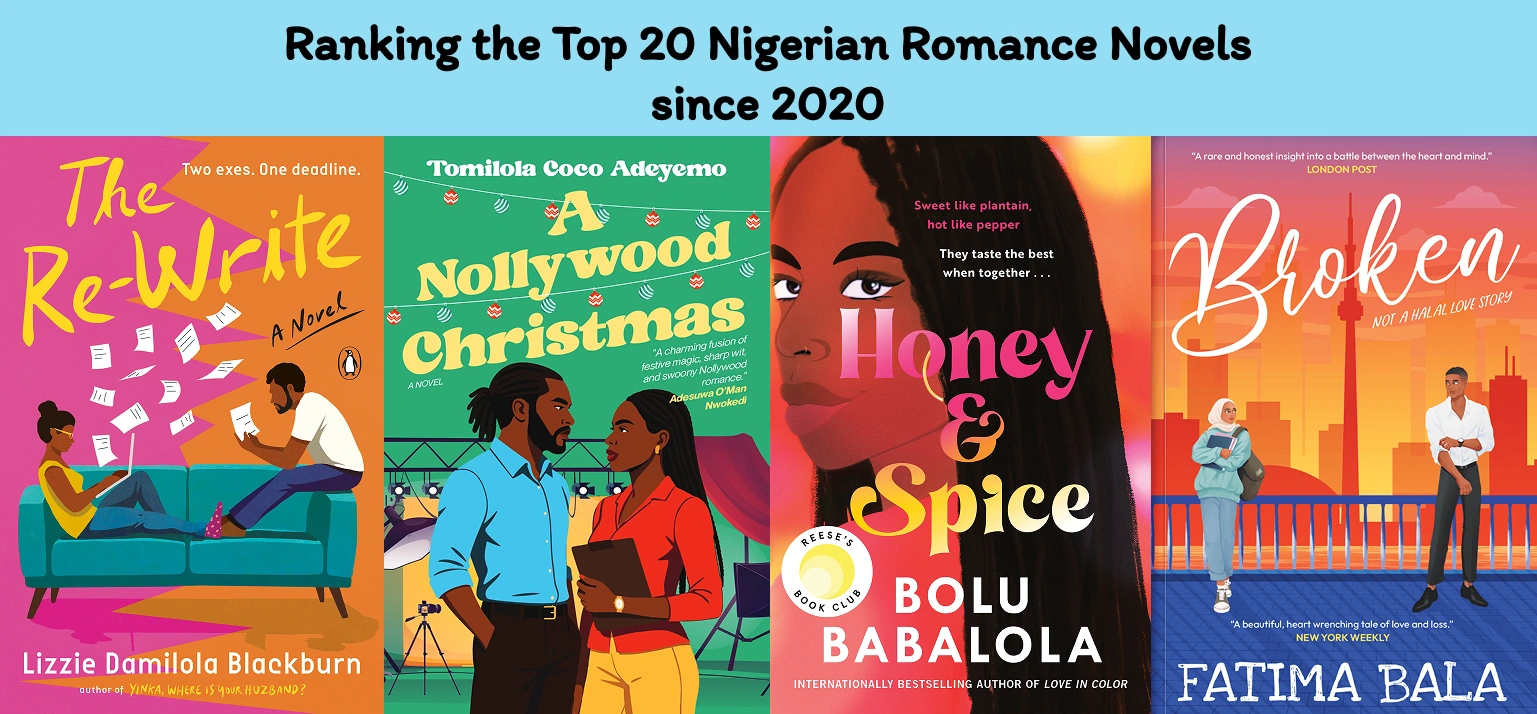
Ranking the Top 20 Nigerian Romance Novels since 2020
In Defense of Reading and Gaming
8 Third-Person Omniscient Examples for the Plot
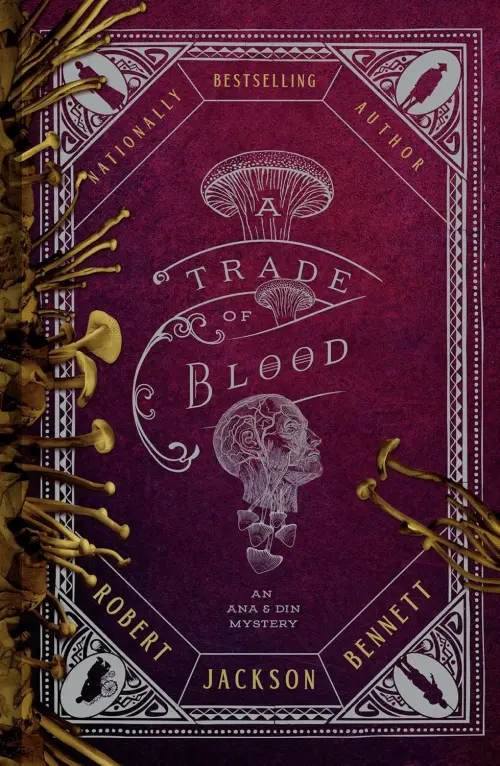
A Trade of Blood (Ana and Din Mysteries #3) by Robert Jackson Bennett
Upcoming Movies and TV Shows to Watch this October 2026
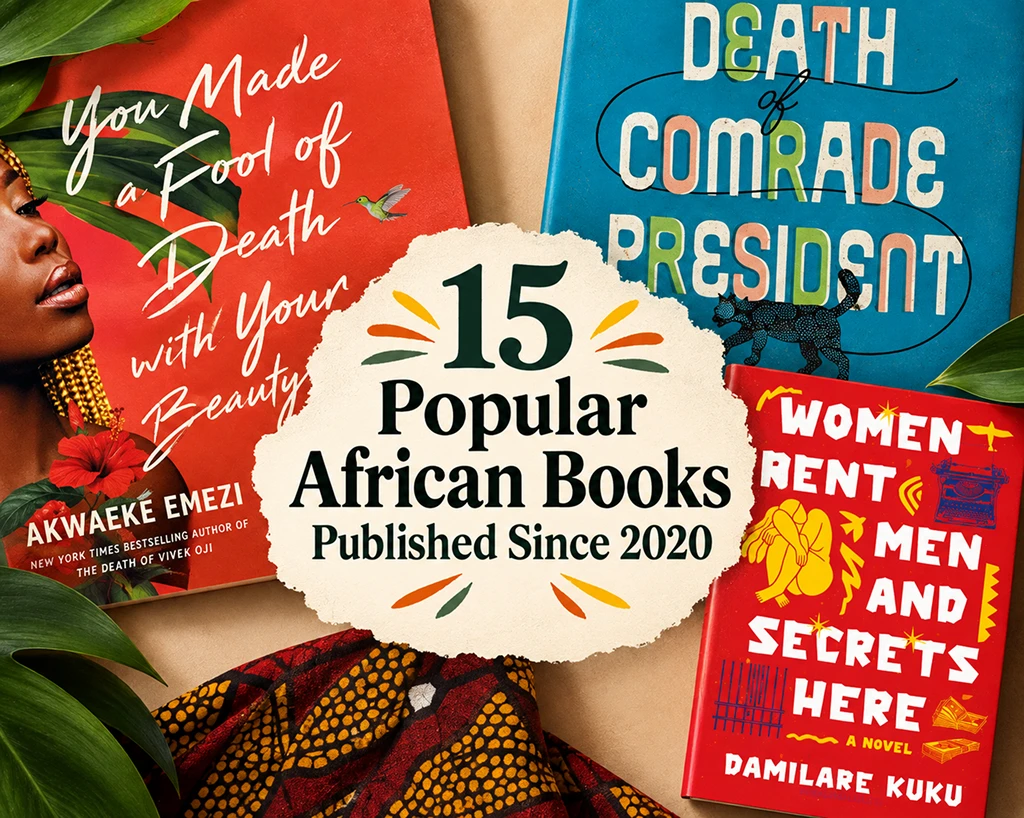
15 Popular African Books Published Since 2020
July 20, 2025 .
Animation, Lists
Our list rounds up the top 30 cartoon characters that were villains, each one more wonderfully wicked than the last.
READ MORE
October 28, 2025 .
Lists, Marvel, MCU, Opinions
Let’s go through a list of the top 7 strongest Marvel villains, from the wickedly powerful to the absolutely unstoppable.
READ MORE
April 29, 2026 .
Lists, Opinions
The Mouse is famous for its princesses and princes. However, the studio’s true genius lies in its embrace of “ugly Disney characters”.
READ MORE
May 6, 2026 .
Lists, MCU
Spider-Man is one of the many superheroes from the Marvel Universe whose stories shaped many childhoods. Who is your strongest Spiderman?
READ MORE
November 27, 2025 .
Lists, Mythology
While this isn’t an exhaustive list, it comprises some of the most popular mythical creatures from around the world.
READ MORE

July 20, 2025 .
Essays, Opinions
READ MORE

July 20, 2025 .
Essays, Opinions
READ MORE

July 20, 2025 .
Essays
Except if you have been living under a rock or in outer space since the beginning of time, there is no way you wouldn’t have heard of Wole Soyinka.
READ MORE

July 20, 2025 .
Essays, Opinions
READ MORE
September 12, 2025 .
Essays, Fantasy, Opinions
Fantasy is everything that lies in the realm of the fantastic. And, the more deviant from reality it is, the better.
READ MORE
July 20, 2025 .
Essays, Opinions
African literature embraces inclusivity, harnessing words as a medium to impart wisdom, preserve truths, and honor ancestral struggles.
READ MORE
October 22, 2025 .
Essays, Writer Resources
Ever found a book that looks like a comic but tells a complete, well-structured story? Congratulations, it’s a graphic novel.
READ MORE
July 18, 2026 .
Disney, Essays
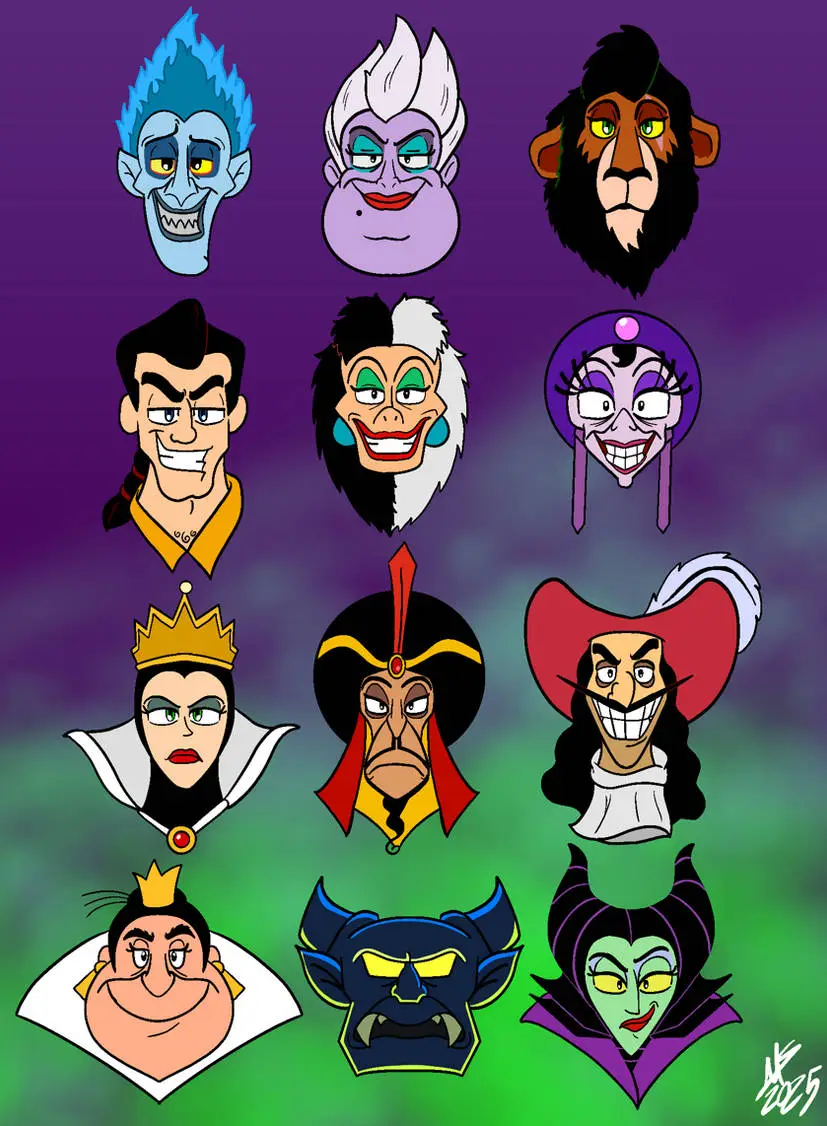
Let’s examine the trend of softening Disney villains, its implications, and viewers’ responses to less sensitive material.
READ MORE
July 24, 2025 .
Essays, Writer Resources
READ MORE
Get our magazine for free!