Close menu
Ranking the best of African Literature
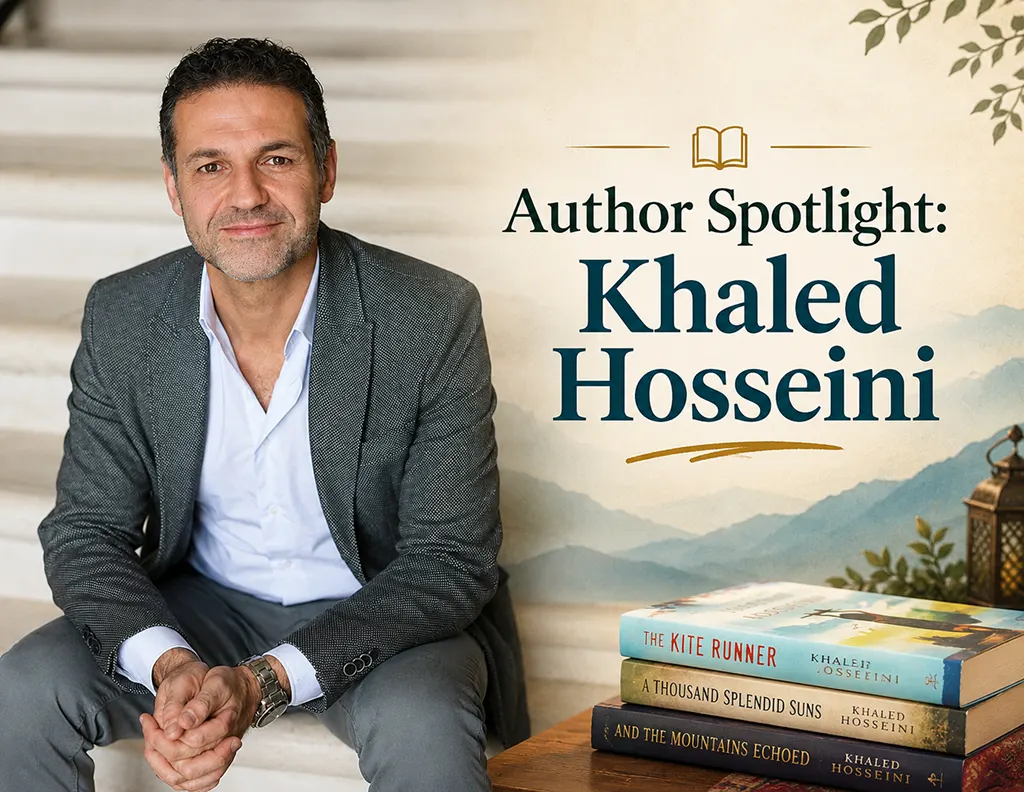































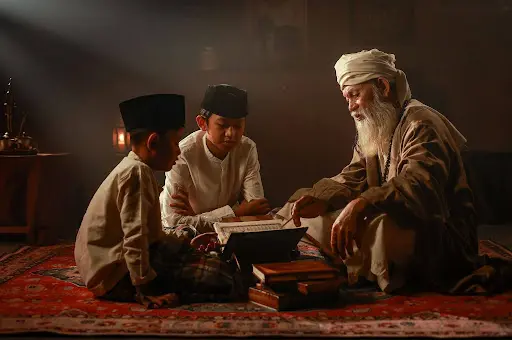





One of the hardest lessons in Khaled Hosseini’s stories is that the consequences of our choices don’t end when we move on. And when we act selfishly, the consequences don’t follow us in equal measure.
Some writers tell you stories about the world. Khaled Hosseini makes you look harder at the people in it.
Welcome to another edition of Know Your Authors (KYA), where we look at the writers behind the books that stay with us long after the last page.
Khaled Hosseini is this week’s author. His novels have a special sting.
He brings out the hum of everyday life: the desires, side distractions, and the little things we think are so important, and draws our focus back to the people around us.
Hosseini books are filled with love and sacrifice. So is the feeling of belonging to somebody and the cost of it.
His characters are incredibly human. They’re selfish, cowardly, resentful. Some are so wrapped up in their own lives that they don’t notice what someone else is giving up for them. Hosseini shows these faults while still keeping the characters complicated.
That’s why the books hurt.
Love in his novels is rarely a happy feeling or a grand declaration. Sometimes it’s a responsibility that lasts years, or showing up when nobody will thank you. Other times, you find out someone paid dearly for the life you’re free to live.
Khaled Hosseini was born in Kabul, Afghanistan, in 1965. His father was a diplomat, and his mother taught Farsi and history. The family moved to Paris in 1976. Political upheaval and the Soviet invasion made going home impossible, so in 1980 they sought asylum in the United States.
He studied biology at Santa Clara University, then earned his medical degree at the University of California, San Diego. He practiced internal medicine until The Kite Runner, published in 2003, made him an internationally known novelist. A Thousand Splendid Suns followed in 2007, and And the Mountains Echoed in 2013.
Afghanistan’s history, upheaval and displacement form the backdrop of all three, but the stories are about guilt, family, friendship, loyalty and the cost of our choices.
He also served as a goodwill ambassador for the United Nations High Commissioner for Refugees (UNHCR) and set up the Khaled Hosseini Foundation to fund humanitarian work for Afghans.
You don’t have to share his character’s experiences to recognize parts of yourself or people you know in them. You know the sibling you take for granted, the friend who carries more than they let on, and the person whose selfishness leaves someone else to pick up the pieces.
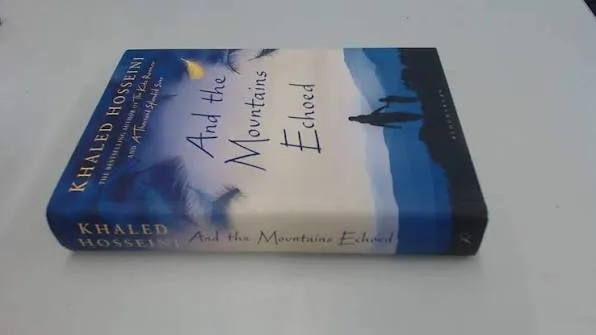
Of his three novels, And the Mountains Echoed gives the most affecting picture of sibling love.
Abdullah and his younger sister Pari are poor, and that shapes their bond. So do the small intimacies that make a place feel like home. Abdullah protects her fiercely. He comforts her and is the closest thing she has to a second parent.
Then their father gives Pari to a wealthy family in Kabul, and both their lives change.
The separation hurts, but the sharper pain is the idea that a relationship can sit at the centre of your life and still become something you can’t reach. A decision made in hard circumstances can outlast those circumstances by decades.
We usually talk about siblings through rivalry: the arguments, comparisons, the irritation of living with someone who knows exactly how to wind you up. We say less about the laughter, the freedom to be ridiculous together, or the relief of being known so well you stop performing.
We behave shamelessly around people we trust. We’re difficult, unfiltered, sometimes unkind, because we assume the relationship will survive us. We take each other for granted, and we forget how much of our happiness is based on someone being present.
Hosseini shows that sibling love can run as deep as romantic love, if not deeper, even if nobody writes songs about it. It lives in familiarity, in protection, in making room for another person.
The book also complicates devotion. Sacrifice has consequences, and the person who makes it lives with them long after. The one who benefits grows up, moves away, and builds a life without fully knowing what was given up for them.
That’s one of Hosseini’s most unsettling insights. Someone who loves you enough to sacrifice for you still pays the full price.
In A Thousand Splendid Suns, Mariam and Laila come from different generations. Circumstances neither chose tie their lives together.
They don’t start as friends. Their differences make closeness hard. But they endure domestic abuse, political violence, and strict limits on their freedom, and slowly they become each other’s safe place.
Hosseini shows how strangers turn into family when the world leaves them almost no room to breathe. Their bond matters because of what it demands.
Sometimes friendship means listening or sitting with someone who’s struggling. Other times, it asks for far more. Another person’s safety depends on your decision. Doing right costs you something. You carry a weight nobody else will share.
Mariam and Laila’s story shows the thankless side of love. Nobody witnesses every sacrifice. Not every act of devotion gets rewarded. Sometimes the person who gives the most receives the least.
Hosseini doesn’t suggest that unequal relationships are noble or that people should wreck themselves to keep others happy. He shows that love can force hard choices when freedom is limited, and alternatives are few.
Affection brings people together. Commitment decides what they’ll do when staying together gets difficult. Sometimes the truest act of love is choosing to let someone else leave, rather than promising to stay.
Hosseini writes about painful things without leaning on graphic detail or shock. His novels cover abuse, war, poverty, illness, and death. A writer who relies on suffering alone can drown a story in it. Hosseini, however, uses intimate details, restrained description, and ordinary domestic moments to show what cruelty does to people.
A classic example is in his book And the Mountains Echoed.
Parwana cares for her disabled sister, Masooma. The relationship holds affection, but also resentment, jealousy, guilt, and obligation. Hosseini doesn’t present caregiving as a steady stream of noble feelings. It’s a responsibility that can reshape a whole life.
These details work because we know them. Much of life’s heaviest work is repetitive and unglamorous. One decision can be carried through years of routine, long after the original moment.
His restraint keeps suffering from becoming a spectacle. He can be emotionally direct, and he still leaves readers room to feel the weight of a scene themselves. The books do have intensely dramatic moments. Their force comes from relationships we’ve spent time understanding and from knowing what the characters stand to lose.
The hardest lesson in his fiction is that the consequences of our choices don’t end when we move on.
We tend to romanticize sacrifice as a single event: one hard decision, one brave gesture.
The aftermath can last years. Someone gives up an opportunity, postpones a dream, or spends their life caring for someone who can’t return the favor.
Another person benefits without fully appreciating it. The one who sacrificed still has to live with the cost.
The reverse holds too. When we act selfishly, the consequences don’t follow us in equal measure. We move on, find happiness elsewhere, and build a new version of ourselves. The people we hurt are left to rebuild.
This is where Hosseini’s work leaves its deepest mark. He asks us to consider what our desires might cost the people we love, and what we expect from them in return. However, he doesn’t suggest that love must end in suffering. His novels are filled with tenderness, companionship, and hope. Rather, he reminds us that love cannot exist apart from responsibility. To love someone is to become part of a life beyond your own, and the choices you make can leave lasting marks on theirs.
That’s also why his writing makes us value ordinary life. The familiar laughter. The sibling who knows our worst habit. The people who make room for us without asking us to earn it daily.
These details matter. They make up much of what makes our lives worth living, and we often see their value only when they’re threatened or gone.
Hosseini’s fiction does more than record the tragedies of individuals and a nation or evoke strong emotion. It takes us back to the relationships through which people experience the world.
His greatest strength, for me, is balance. Hosseini shows the worst in a person without denying their capacity for good, while portraying the beauty of sacrifice without pretending it’s free.
Love in his books is rarely grand or easy to spot. Often it’s the daily decision to stay present, a responsibility nobody applauds, or the burden someone else carries so you can have a life you might never have known.
His books leave a question worth taking past the final page.
When you look at the life you’re building, do you ever stop to count what it costs the people who love you?

Hi I'm Tega, I am a microbiologist with a lifelong passion for reading, I fell in love with books as child (where I was briefly obsessed with Enid Blyton, lol) reading is simply my escape and hobby and sometimes doubles as therapy for me . My favorite genres are African lit, historical fiction, memoirs/biographies and fantasy. I do beta reading and post book reviews which you can check out on my Instagram @ te_ga_o.
The Sound Souls Make When They Die by Chinemefun Chimuanya
If Nollywood Cast Our Favourite African Books: Who Would Play Who?
Best Films About Unexpected Age Gap Romance
Literary Awards and the Racism Card: A Wake-Up Call for Black Africa
Interview with the Vampire Relationships, Ranked
10 Top Recent Films for Action and Comedy Fans
Comma Rules Every Writer Should Know
10 Most Hype-worthy 2026 Book Releases (African Literature Version)
Five Gambling Films That Know the Bet Is Only Half the Story
Movies Where Poker Reveals Who a Character Really Is
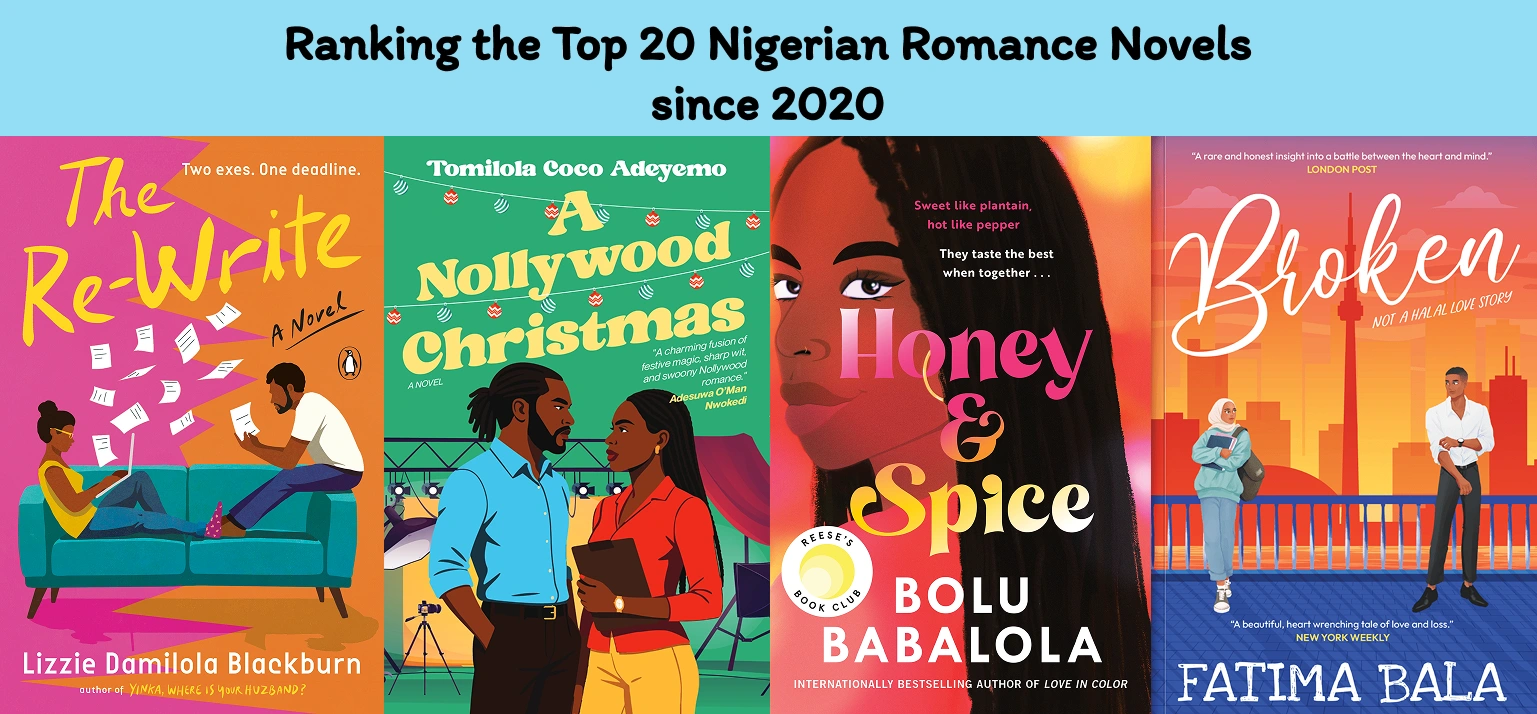
Ranking the Top 20 Nigerian Romance Novels since 2020
In Defense of Reading and Gaming

July 20, 2025 .
Animation, Lists
Our list rounds up the top 30 cartoon characters that were villains, each one more wonderfully wicked than the last.
READ MORE
November 27, 2025 .
Lists, Mythology
While this isn’t an exhaustive list, it comprises some of the most popular mythical creatures from around the world.
READ MORE
April 29, 2026 .
Lists, Opinions
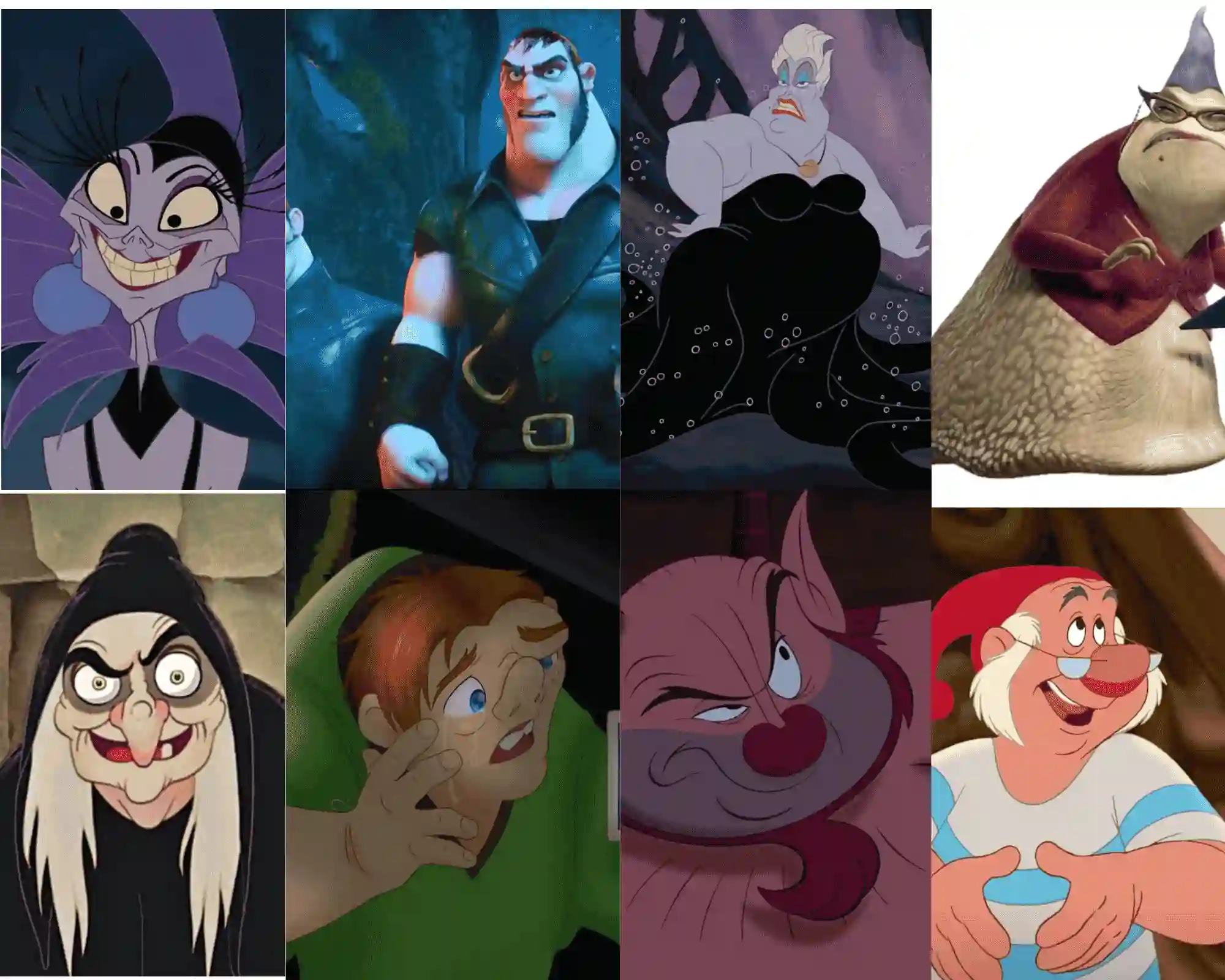
The Mouse is famous for its princesses and princes. However, the studio’s true genius lies in its embrace of “ugly Disney characters”.
READ MORE
October 28, 2025 .
Lists, Marvel, MCU, Opinions
Let’s go through a list of the top 7 strongest Marvel villains, from the wickedly powerful to the absolutely unstoppable.
READ MORE
May 6, 2026 .
Lists, MCU
Spider-Man is one of the many superheroes from the Marvel Universe whose stories shaped many childhoods. Who is your strongest Spiderman?
READ MORE

July 20, 2025 .
Writer Resources
Discover the differences in First-Person Point of View and Third-Person POV, and how each impacts character connection and narrative style.
READ MORE
May 15, 2026 .
Writer Resources
The tension between writer-centered and reader-centered approaches defines how a story is told and who it serves.
READ MORE

October 22, 2025 .
Essays, Writer Resources
Ever found a book that looks like a comic but tells a complete, well-structured story? Congratulations, it’s a graphic novel.
READ MORE
June 26, 2026 .
Writer Resources
Writing starts with forming ideas, imagination, dreams, and thoughts. And when these condense into a coherent progression, you have a plot.
READ MORE
May 10, 2026 .
Writer Resources
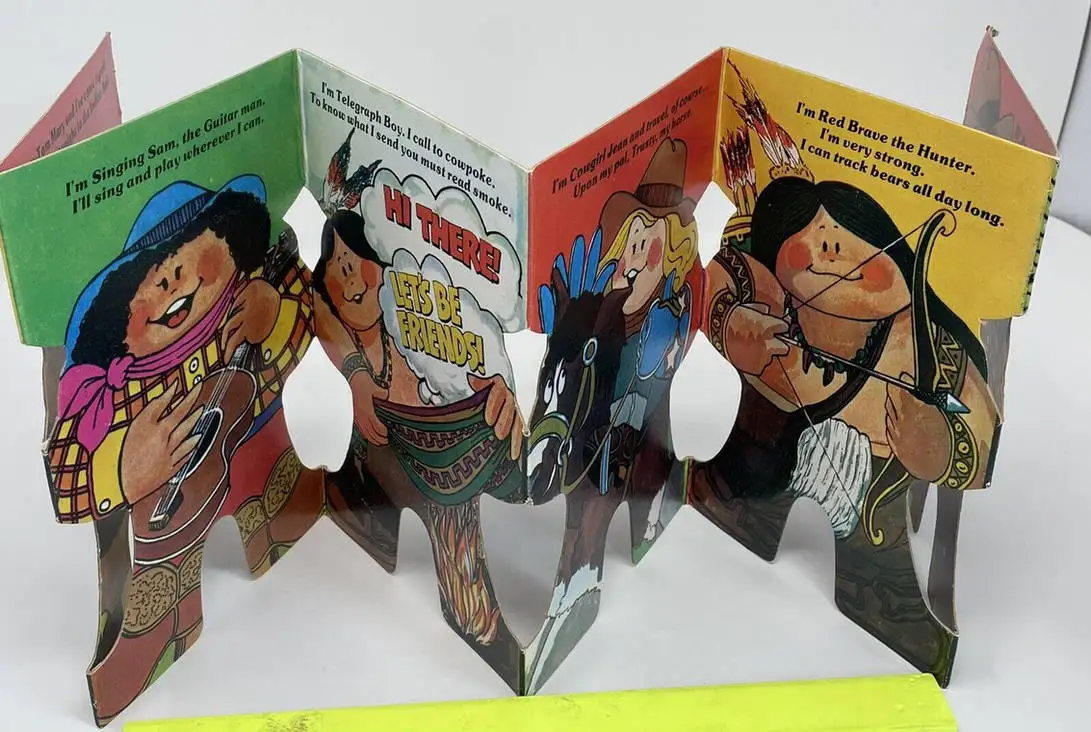
What is a board book, and how does it differ from others? Traditional publishing usually means novels, but published works span much more.
READ MORE
July 24, 2025 .
Essays, Writer Resources
READ MORE
February 8, 2026 .
Writer Resources
Breaking into traditional publishing can feel like decoding a secretive industry. This guide is a resource for finding the right agent.
READ MORE
February 28, 2026 .
Writer Resources
There are three paths in book publishing: traditional, self-publishing, and hybrid. The current focus is on traditional publishing.
READ MORE

July 20, 2025 .
Writer Resources
Today, writers are needed who combine creativity with technical expertise, professionalism, and adaptability.
READ MORE
Get our magazine for free!