Close menu
Ranking the best of African Literature






















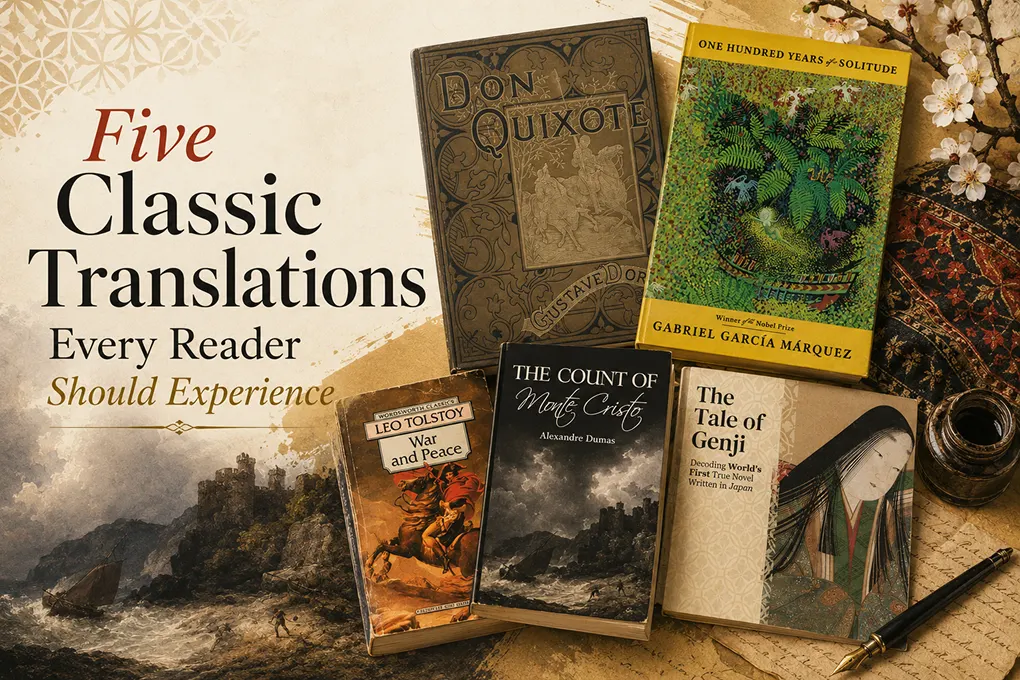





A good translator isn’t just translating words; they’re rebuilding style, humor, and emotional register from scratch in a completely different language.
Every reader should explore these five classics at least once, and reading them in translation is its own strange pleasure.
A translated novel isn’t really one writer’s work; it’s a conversation between the author and the translator, and in this regard, equal contributors. Every sentence in these books has crossed languages, cultures, and sometimes centuries before it lands on your page. The ability to explain a concept or even a joke in a way that doesn’t get lost in transliteration or offend the new audience is beyond a skill. Many consider it a talent.
Translations can intimidate many English readers. There’s always that nagging fear that something’s been lost, a rhythm that just goes flat.
No translation captures every facet of the original, true, but a great translator does something almost as good—they recreate the experience of reading the book. The tempo, wit, and tone can be carried over into another language entirely. In my opinion, this matters more.
That’s why translators deserve real credit alongside the authors they carry into English. Some have become literary figures in their own right, opening up stories that generations of readers would never have found otherwise.
Here are five classics that make a great entry point into world literature.
Written by Gabriel García Márquez (Spanish) and translated by Gregory Rabassa.
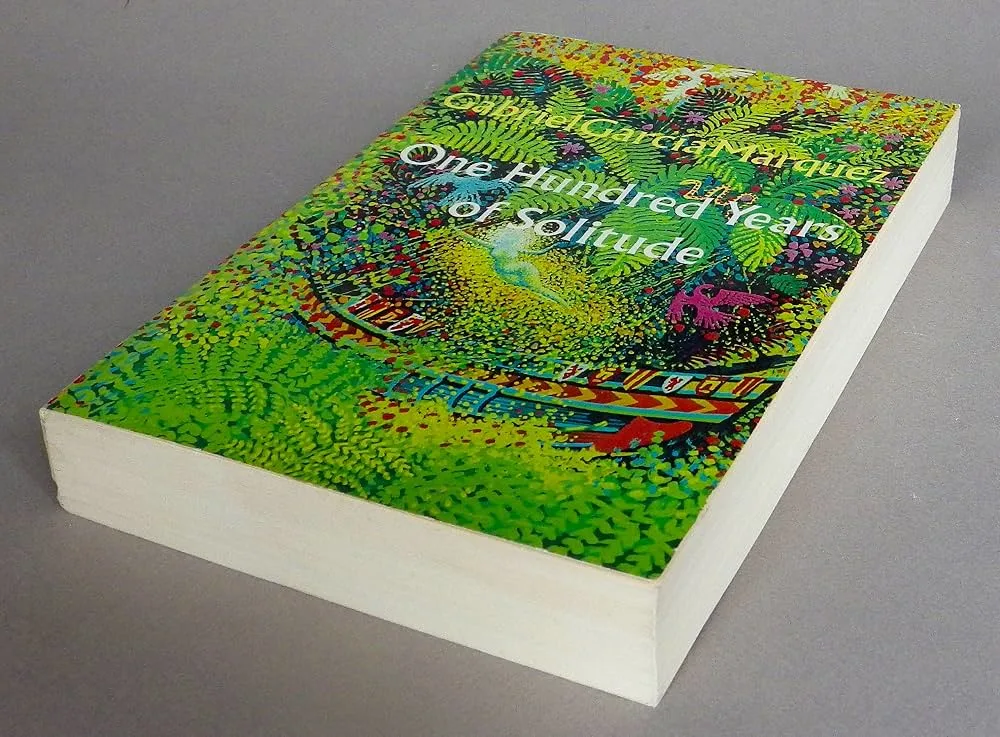
Set in the fictional town of Macondo, it follows the Buendía family across seven generations, blurring the ordinary and the supernatural until you stop asking which is which. The novel put magical realism on the map internationally and remains one of the defining works of twentieth-century literature.
Much of its English-language success comes down to Gregory Rabassa. García Márquez reportedly called Rabassa’s translation better than his own original, which is high praise from a writer not known for modesty.
Whether or not you take that literally, the translation is widely regarded as one of the finest ever done.
Read it if you like family sagas, heavy symbolism, and stories where myth and history blur together.
Written by Alexandre Dumas (French) and translated by Robin Buss.
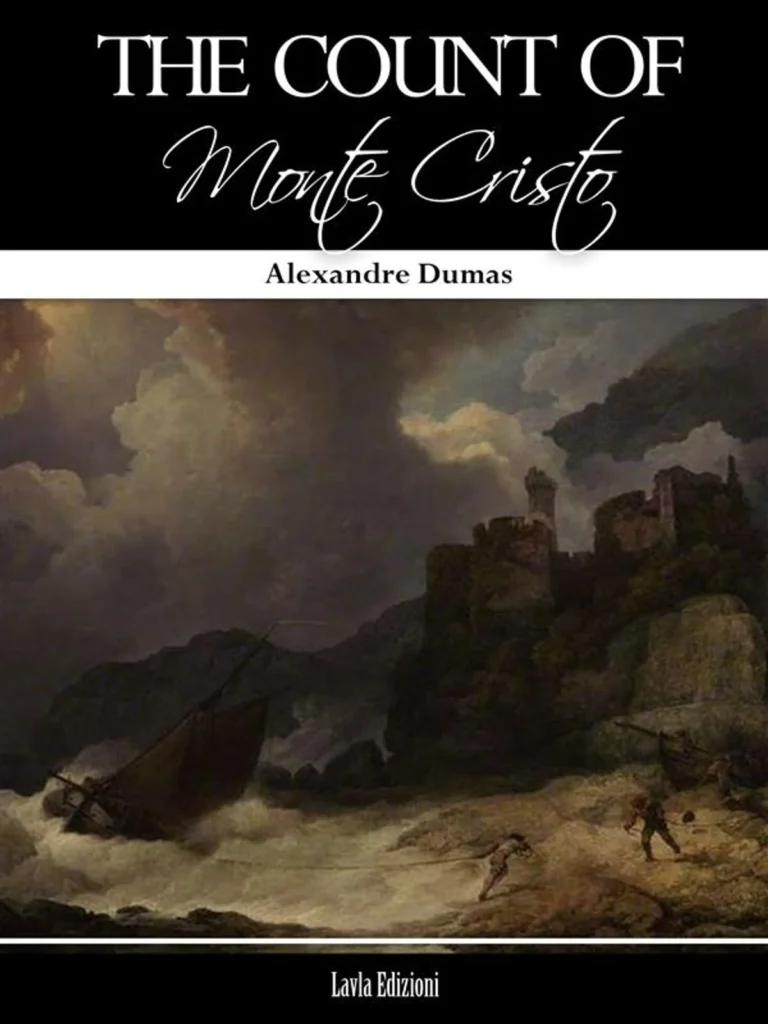
At its core, this is revenge literature done right.
Edmond Dantès is wrongfully imprisoned just as his life is about to take off. He escapes years later with a fortune, and reinvents himself as the mysterious Count of Monte Cristo. What follows is a tangled, deeply satisfying plot of justice, betrayal, and the cost of holding onto a grudge for two decades.
Older English translations were often abridged, stripping out sections that added length and historical texture. Robin Buss restored all of it in his Penguin Classics edition, a version that is both faithful, genuinely readable, and enjoyable, which is why it’s become the favorite among modern readers.
Dumas’ masterpiece is still just as fun 175 years later.
Read it if you like adventure, historical intrigue, elaborate plotting, and villains you won’t forget.
Written by Murasaki Shikibu (Japanese) and translated by Royall Tyler or Edward Seidensticker.
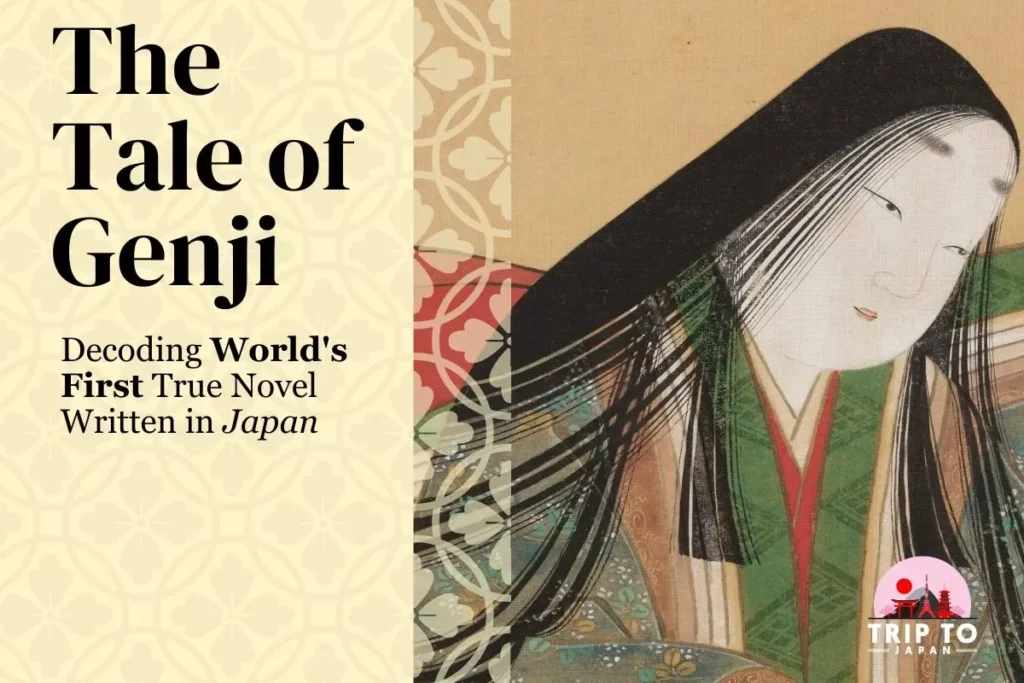
Written over a thousand years ago, The Tale of Genji is often called the world’s first novel. Set in the imperial court of Heian-era Japan, it follows Prince Genji through his loves, ambitions, and regrets. There’s no explosive plot here; the power comes from subtlety—shifting relationships, small emotional shifts, and quietly observed moments of daily life.
Reading Genji feels like walking through a vanished civilization. Etiquette, poetry, politics, and aesthetics shape every character’s life, and the result is an intimate window into a world long gone.
Royall Tyler’s translation keeps more of the original’s cultural texture intact, while Edward Seidensticker’s version is often the more approachable, reader-friendly starting point for newcomers.
Read it if you like historical fiction, literary classics, and character-driven storytelling.
Written by Leo Tolstoy (Russian) and translated by Pevear & Volokhonsky or Anthony Briggs.
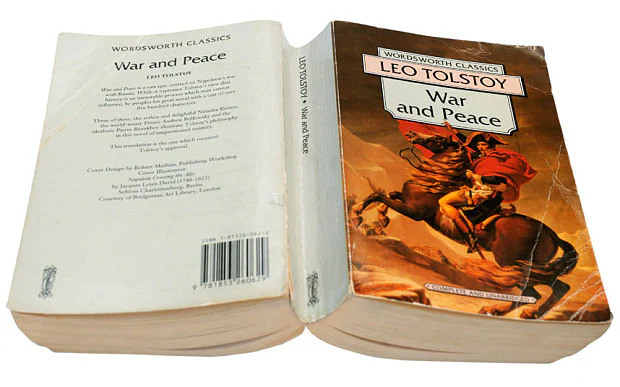
War and Peace sounds more intimidating than it actually reads. The novel unfolds against Napoleon’s invasion of Russia, following several aristocratic families through love, ambition, loss, and upheaval. Alongside the sweep of historical events, Tolstoy builds characters whose struggles feel startlingly familiar.
The translation you pick matters here. Pevear and Volokhonsky aim to preserve Tolstoy’s voice and quirks as closely as possible, while Anthony Briggs’ version reads more streamlined and modern. Neither is objectively better; it comes down to what you want from the prose. Some require patience or more developed tastes.
It’s a long book, but the characters stay with you, and the payoff is worth the time.
Read it if you like epic historical fiction, philosophical depth, and fully immersive storytelling.
Written by Miguel de Cervantes (Spanish) and translated by Edith Grossman.
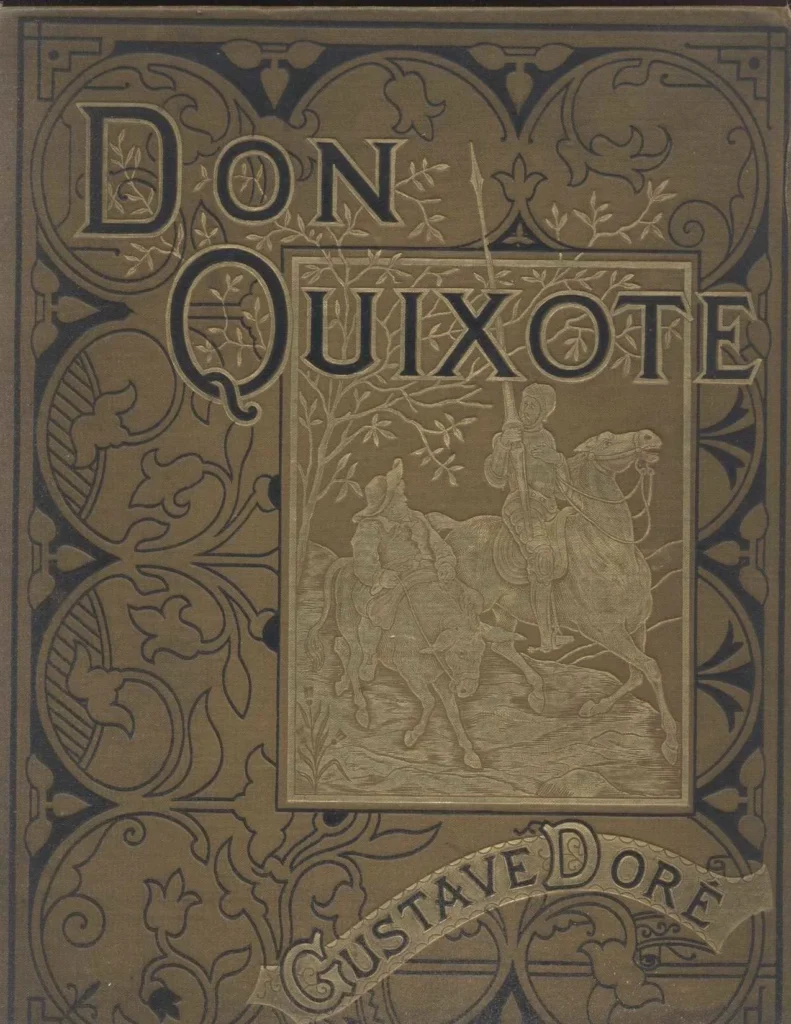
Almost every modern novel owes something to Don Quixote, whether writers realize it or not.
The story follows Alonso Quixano, an ordinary gentleman who convinces himself he’s a knight-errant and sets off on adventures that are, by turns, hilarious, absurd, moving, and unexpectedly profound, with his loyal squire Sancho Panza along for the ride.
Underneath the windmills and knightly delusions is a surprisingly modern story about idealism, imagination, and the gap between the world we dream up and the one we actually live in.
Edith Grossman’s translation is widely considered the best English version available today, praised for capturing both Cervantes’ wit and his emotional depth.
Read it if you like satire, literary history, and characters that stick with you.
Readers remember the author’s name and forget the translator’s, and that’s a mistake. A good translator isn’t just translating words; they’re rebuilding style, rhythm, humor, and emotional register from scratch in a language that works completely differently.
Two translations of the same novel can feel like two different books.
Next time you pick up a translated novel, check the translator’s name on the cover. They’re the reason you can read stories that were never written in your language in the first place, and why some of the best books haven’t been written yet.

Hi I'm Tega, I am a microbiologist with a lifelong passion for reading, I fell in love with books as child (where I was briefly obsessed with Enid Blyton, lol) reading is simply my escape and hobby and sometimes doubles as therapy for me . My favorite genres are African lit, historical fiction, memoirs/biographies and fantasy. I do beta reading and post book reviews which you can check out on my Instagram @ te_ga_o.
Best Films About Unexpected Age Gap Romance
Literary Awards and the Racism Card: A Wake-Up Call for Black Africa
Interview with the Vampire Relationships, Ranked
10 Top Recent Films for Action and Comedy Fans
Comma Rules Every Writer Should Know
10 Most Hype-worthy 2026 Book Releases (African Literature Version)
Five Gambling Films That Know the Bet Is Only Half the Story
Movies Where Poker Reveals Who a Character Really Is
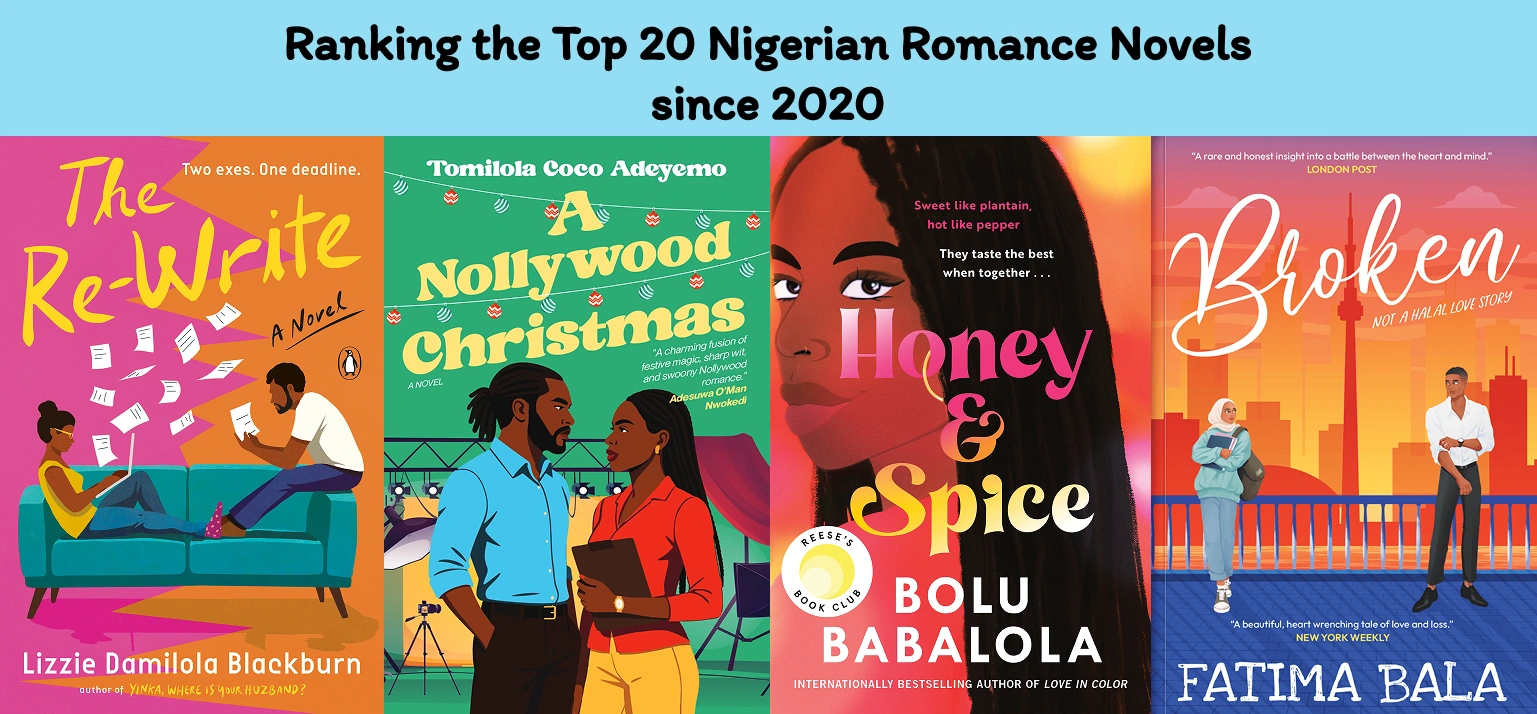
Ranking the Top 20 Nigerian Romance Novels since 2020
In Defense of Reading and Gaming
8 Third-Person Omniscient Examples for the Plot
A Trade of Blood (Ana and Din Mysteries #3) by Robert Jackson Bennett
July 20, 2025 .
Animation, Lists
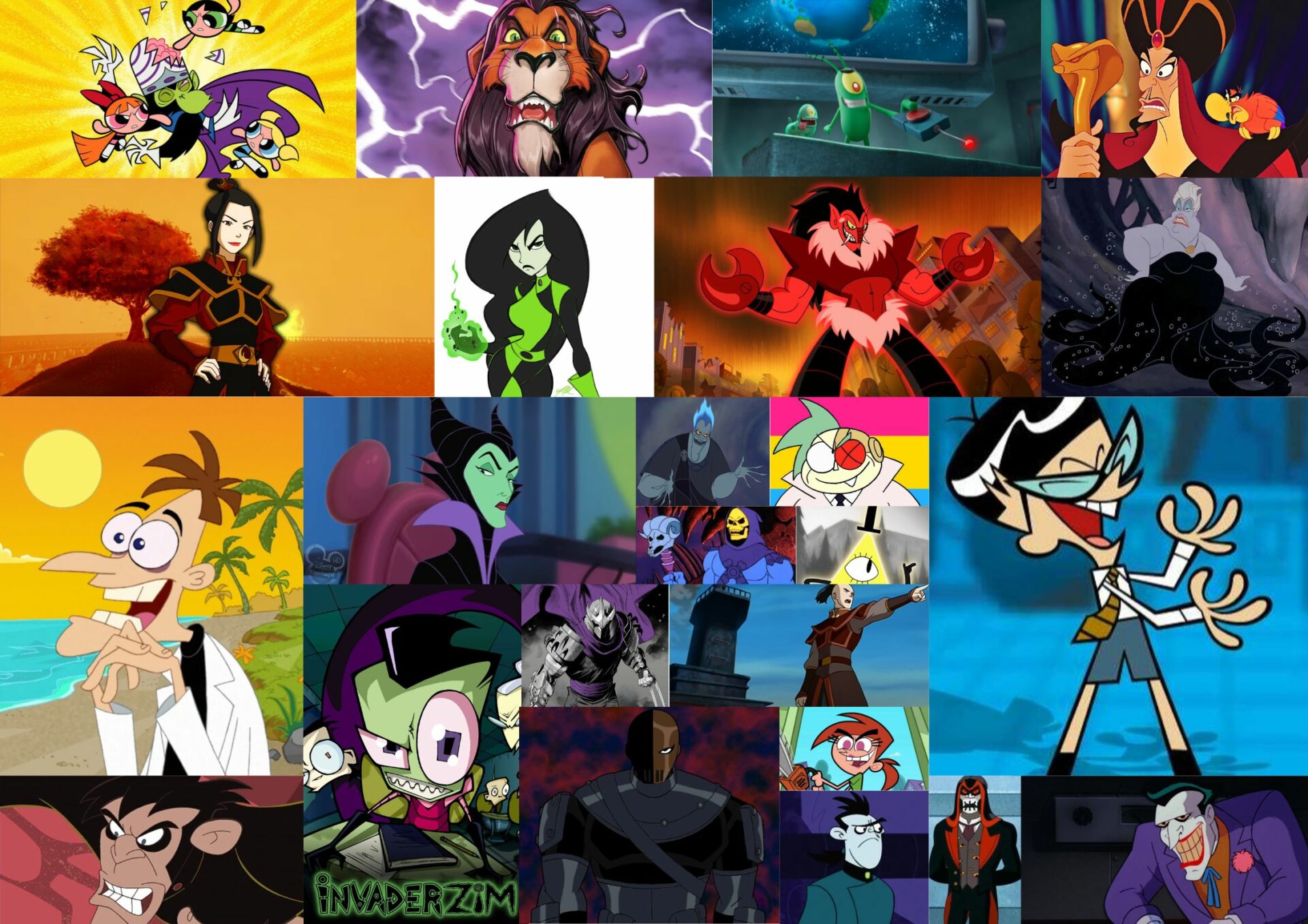
Our list rounds up the top 30 cartoon characters that were villains, each one more wonderfully wicked than the last.
READ MORE
October 28, 2025 .
Lists, Marvel, MCU, Opinions
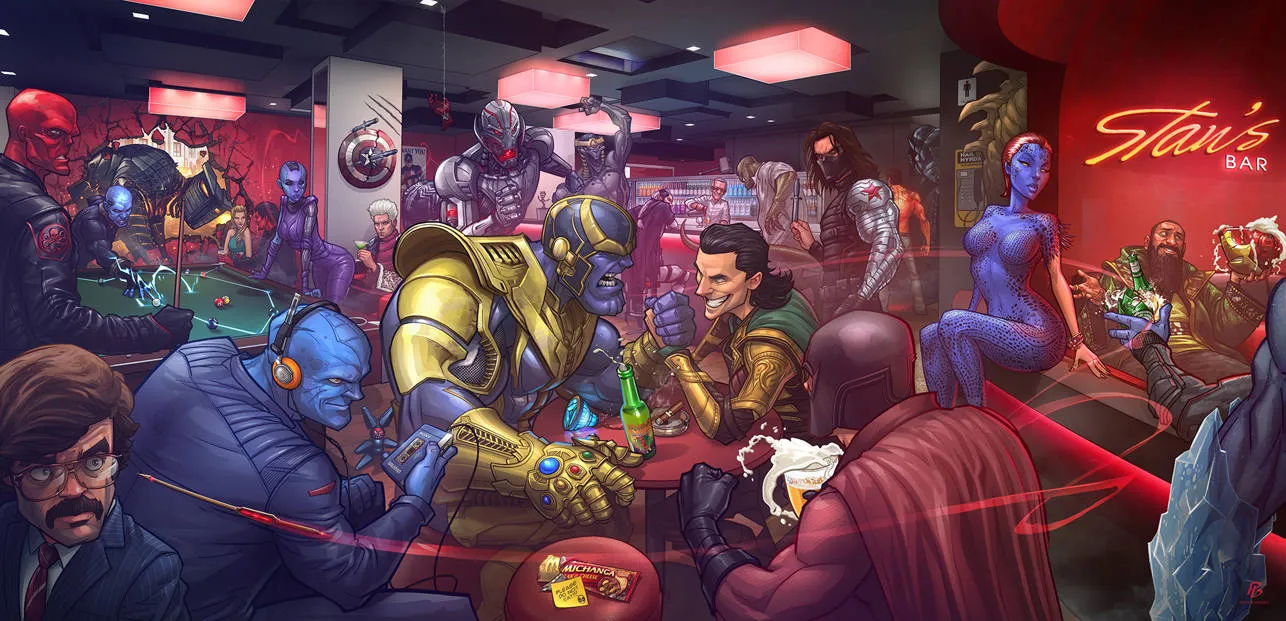
Let’s go through a list of the top 7 strongest Marvel villains, from the wickedly powerful to the absolutely unstoppable.
READ MORE
November 27, 2025 .
Lists, Mythology
While this isn’t an exhaustive list, it comprises some of the most popular mythical creatures from around the world.
READ MORE
April 29, 2026 .
Lists, Opinions
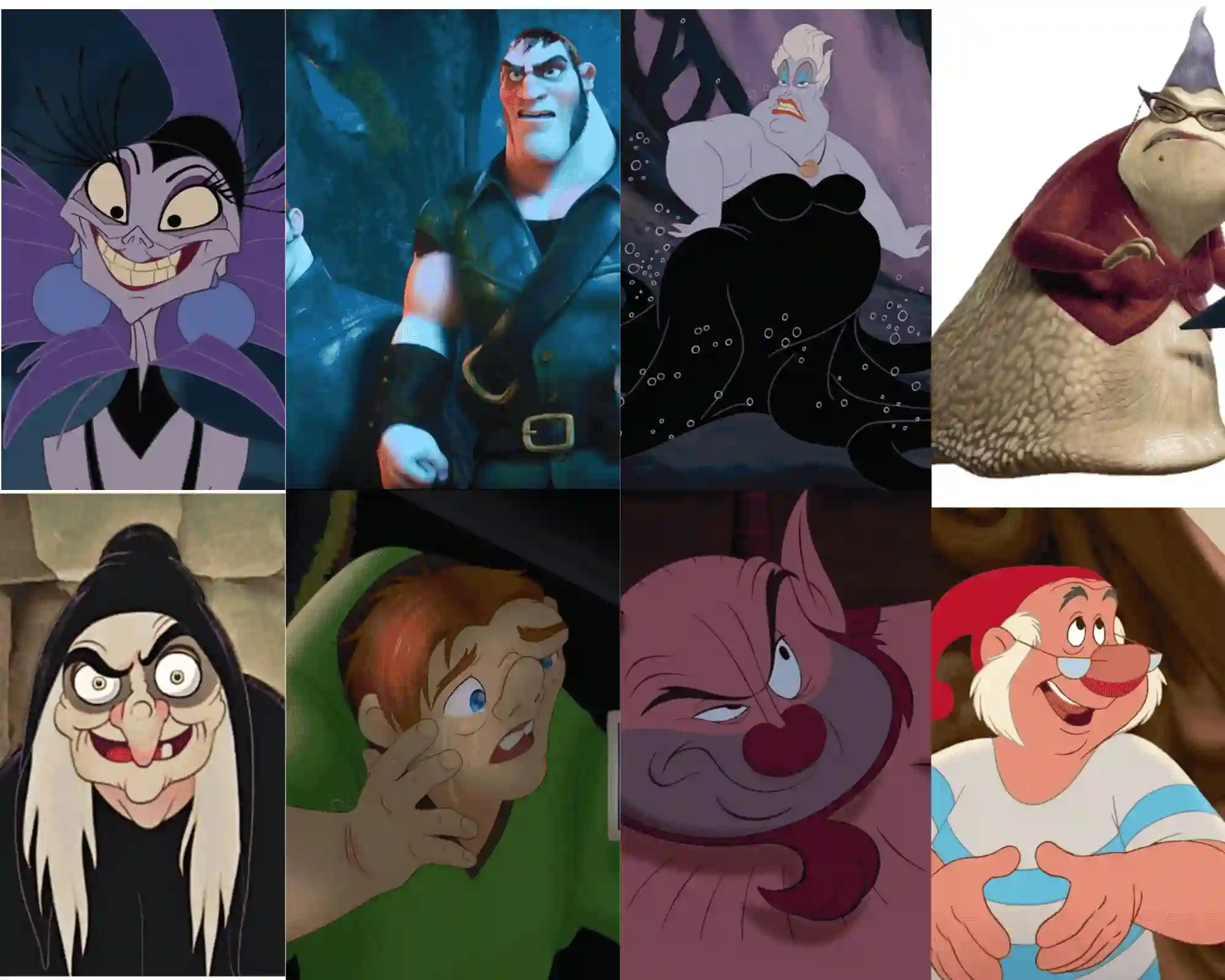
The Mouse is famous for its princesses and princes. However, the studio’s true genius lies in its embrace of “ugly Disney characters”.
READ MORE
May 6, 2026 .
Lists, MCU
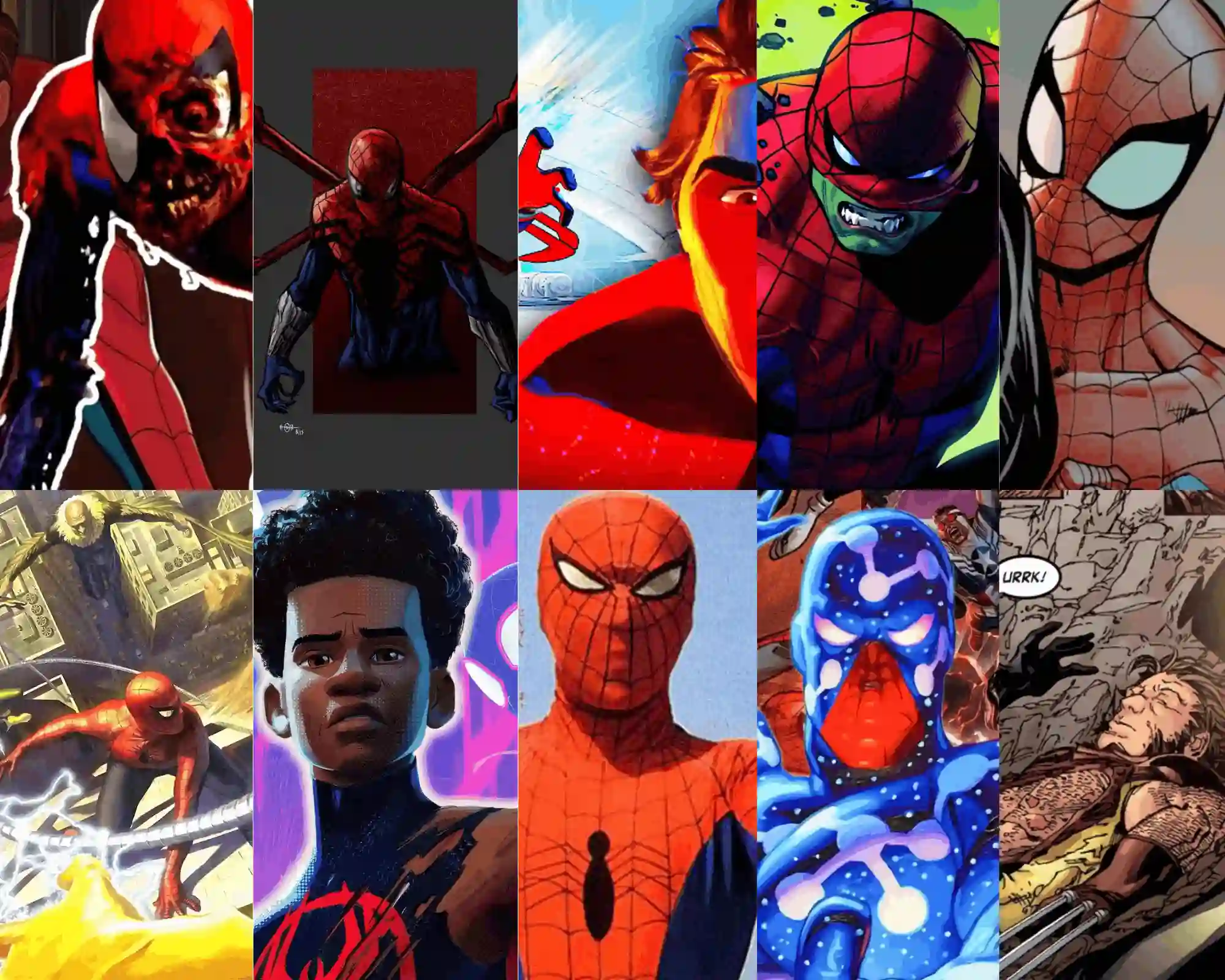
Spider-Man is one of the many superheroes from the Marvel Universe whose stories shaped many childhoods. Who is your strongest Spiderman?
READ MORE
September 30, 2026 .
Lists, TV Shows, Upcoming Movies
October isn’t celebrated as the official horror movie month for nothing, and some of these entries prove it.
READ MORE
September 9, 2026 .
Lists, TV Shows, Upcoming Movies
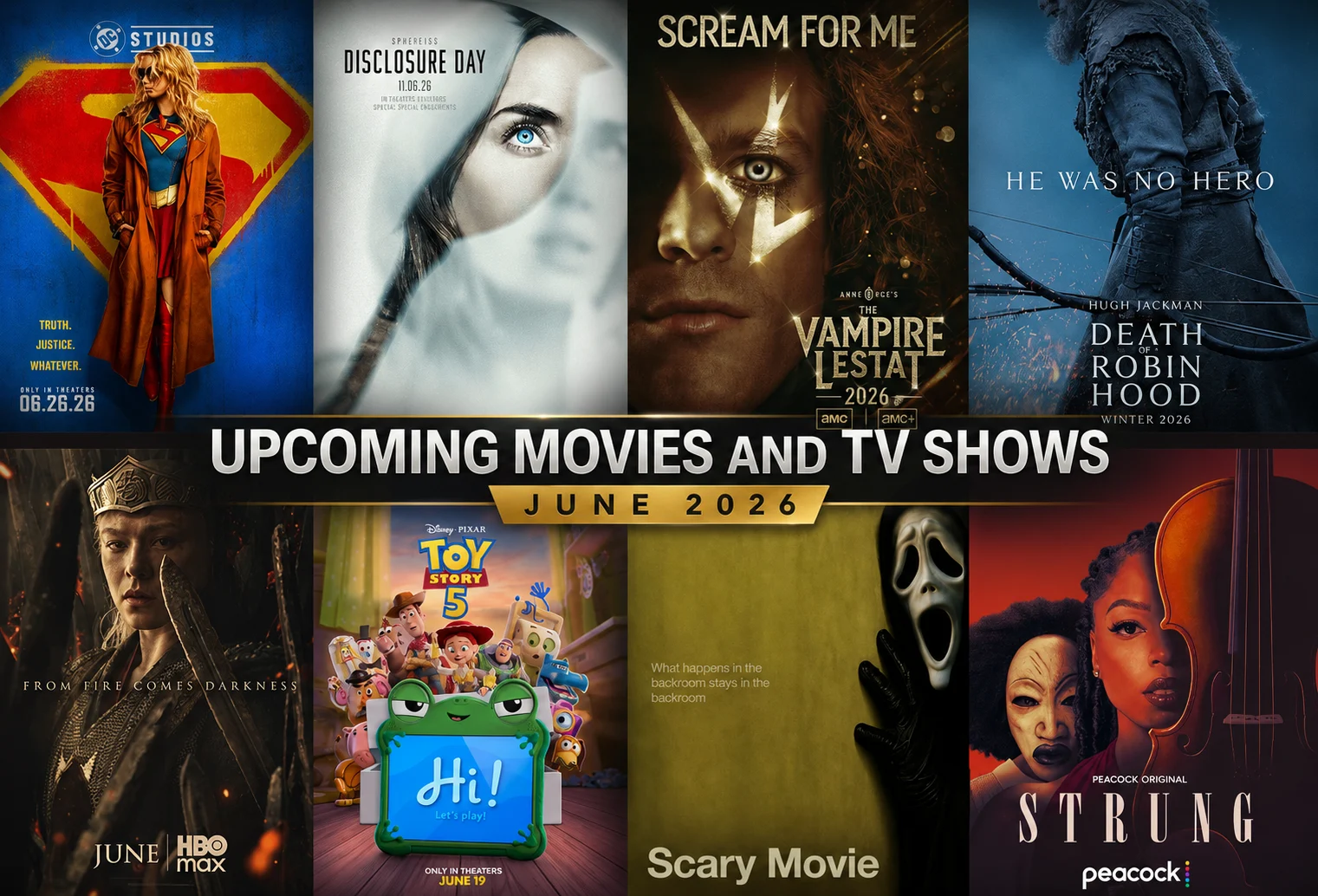
There’s something for everyone from every genre you love.
READ MORE
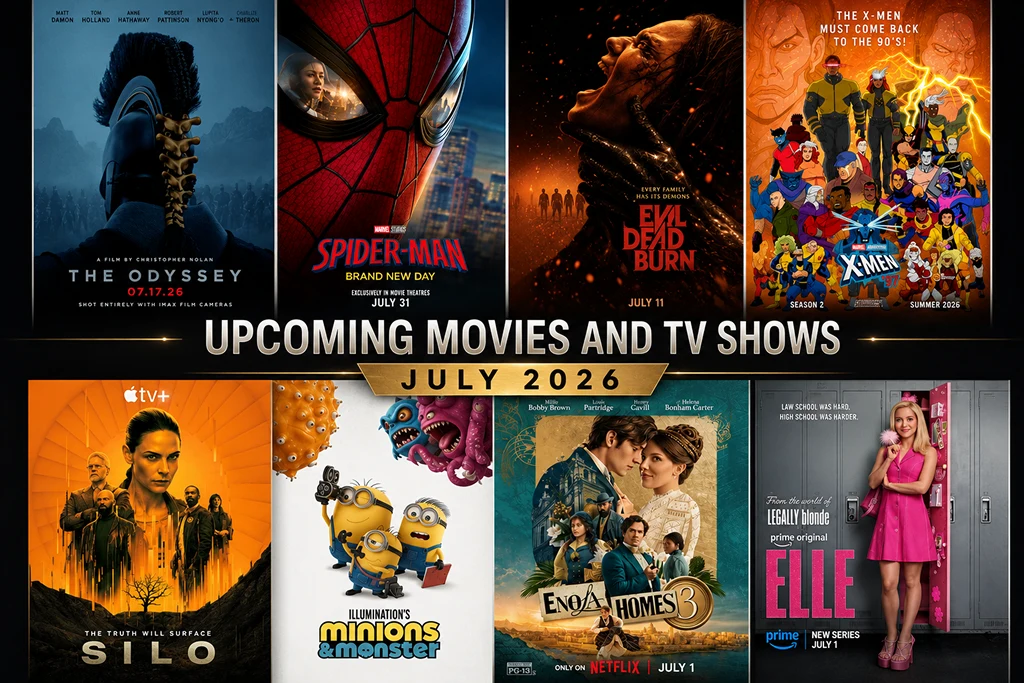
September 9, 2026 .
Lists, TV Shows, Upcoming Movies
July gears up with the hottest lineups of upcoming movies and TV shows.
READ MORE
September 9, 2026 .
Lists, TV Shows, Upcoming Movies
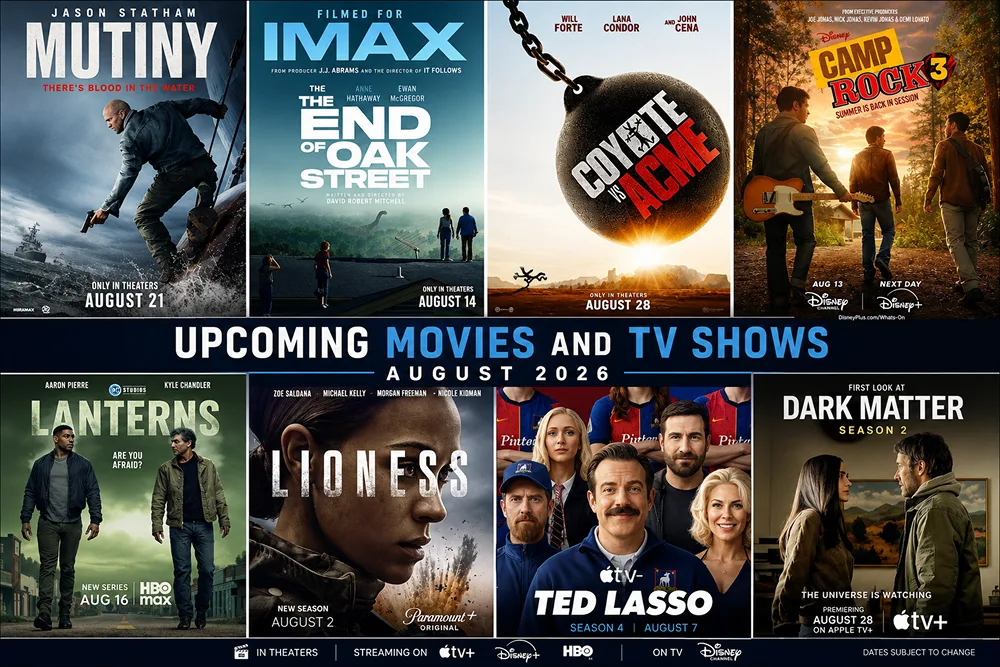
August line-up is here and they don’t disappoint.
READ MORE
April 29, 2026 .
Lists, Opinions
The Mouse is famous for its princesses and princes. However, the studio’s true genius lies in its embrace of “ugly Disney characters”.
READ MORE
September 9, 2026 .
Lists, Upcoming Movies
September’s lineup offers everything from action flicks to buddy comedy to romcom adaptations to keep you entertained all month long.
READ MORE
February 9, 2026 .
Lists
From Masobe to Narrative Landscape and Penguin Random House South Africa, here are the top 9 publishers of African Literature.
READ MORE

July 20, 2025 .
Lists
From Gardens of the Moon, it’s clear that the world of Malazan is richer in history and geographic detail, and than any other fantasy world.
READ MORE
February 23, 2026 .
African Literature, Lists
These are the books that could hold that kind of attention again. Not because they’re flawless, but because they can survive stillness.
READ MORE
Get our magazine for free!