Close menu
Ranking the best of African Literature



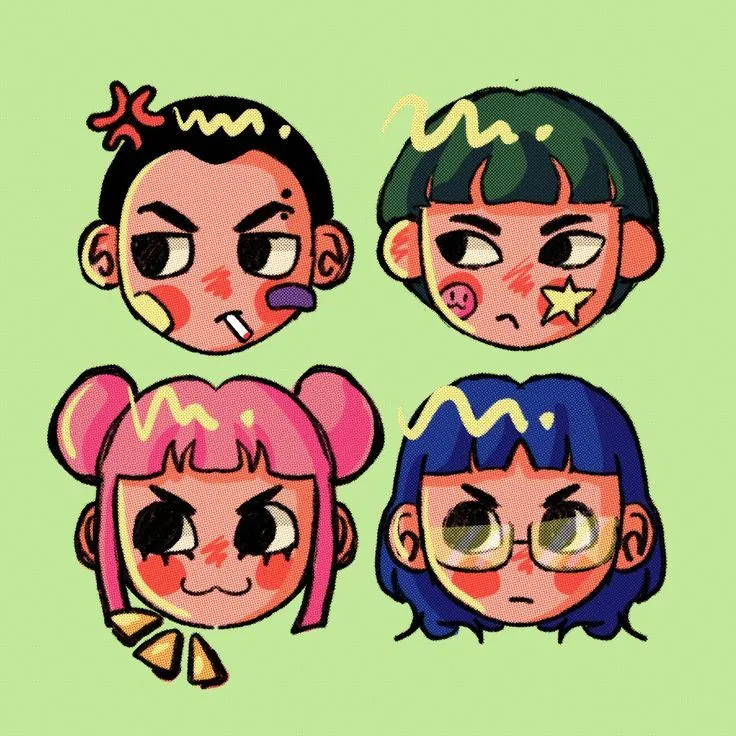















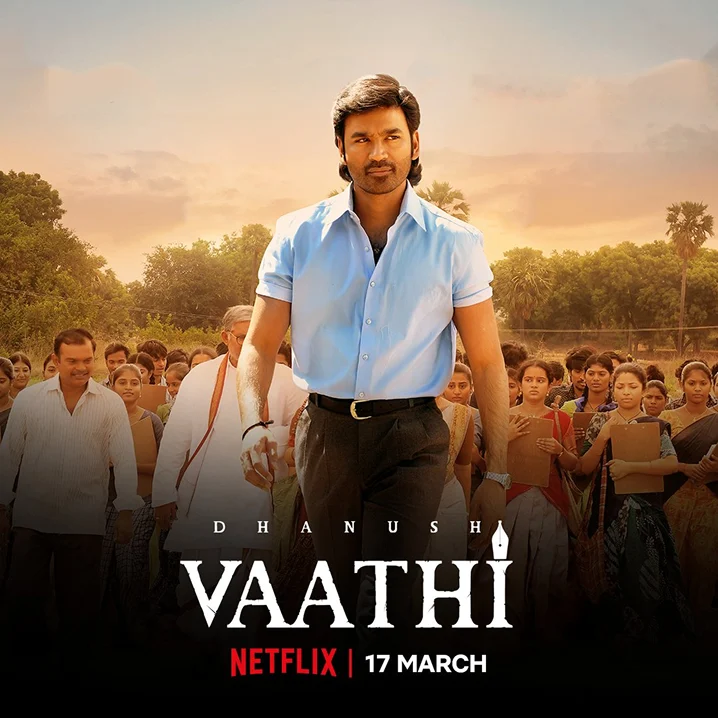
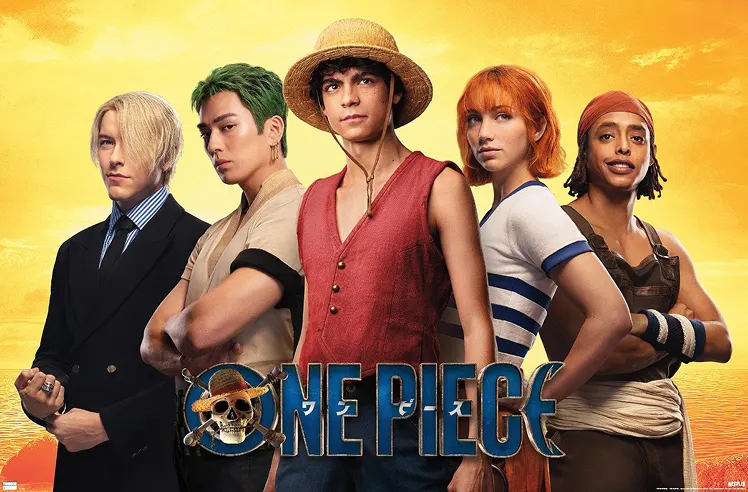


Cartoon style is often treated as simply drawing characters with exaggerated features, bright colours, and expressive faces.
Cartoon style is often treated as simply drawing characters with exaggerated features, bright colours, and expressive faces.
As more creators seek to expand their digital toolkit, transitioning into graphic arts and illustration has become a natural next step.
Cartooning offers an accessible entry point into visual design, providing a flexible playground where complex ideas transform into bold, memorable visuals. It could be as simple as line-based drawings and caricatures or as complex as highly expressive animation and stylised digital art.
Exploring these styles helps aspiring creators understand the fundamentals of visual expression, experiment with different aesthetics, and find an approach that complements the stories they want to tell.
A cartoon character does not need enormous eyes or an oversized head.
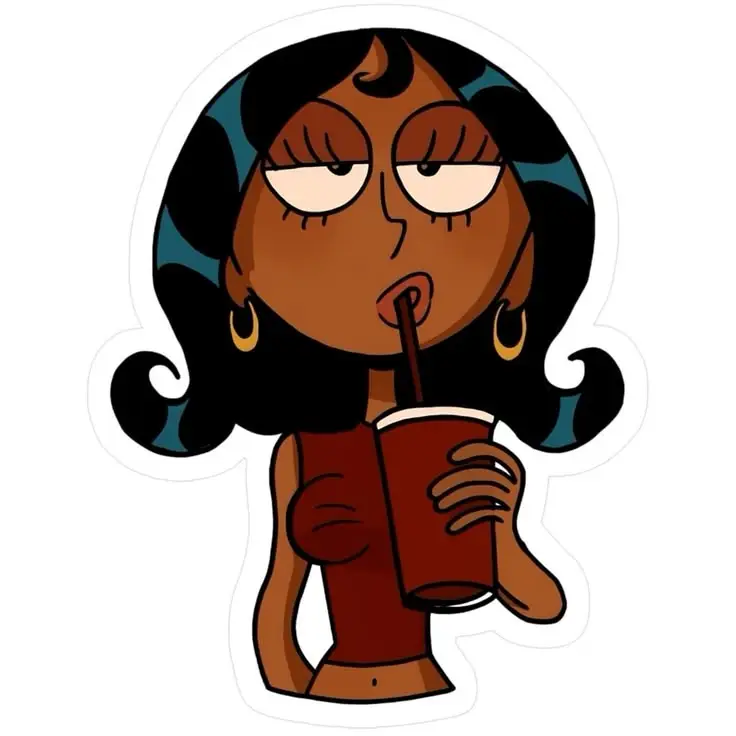
A cartoon can be highly detailed, deliberately awkward, almost abstract, or barely more than a few lines. What matters is the way the creator selects and manipulates visual information.
Instead of reproducing every detail of a face, an artist may emphasise a distinctive nose, hairstyle, expression, or body shape.
This is one reason cartooning works so well for storytelling. The artist isn’t simply recording reality; they’re deciding which parts of reality deserve attention.
Every cartoon style relies on a unique combination of core design elements. Adjusting these elements completely alters how an audience perceives your character and world:
The world of cartooning spans dozens of aesthetic movements, each carrying its own history, technical rules, and emotional tone.
Exploring these categories lets aspiring artists choose a visual language that matches their creative vision. When establishing your project’s identity, you don’t have to invent a look from scratch.
Most creators build upon, or blend, established historical and modern animation traditions:
Originating in the golden age of American animation (think 1920s Mickey Mouse), this vintage style is defined by rounded forms, simple facial features, and arms and legs that resemble curved rubber hoses rather than jointed limbs.
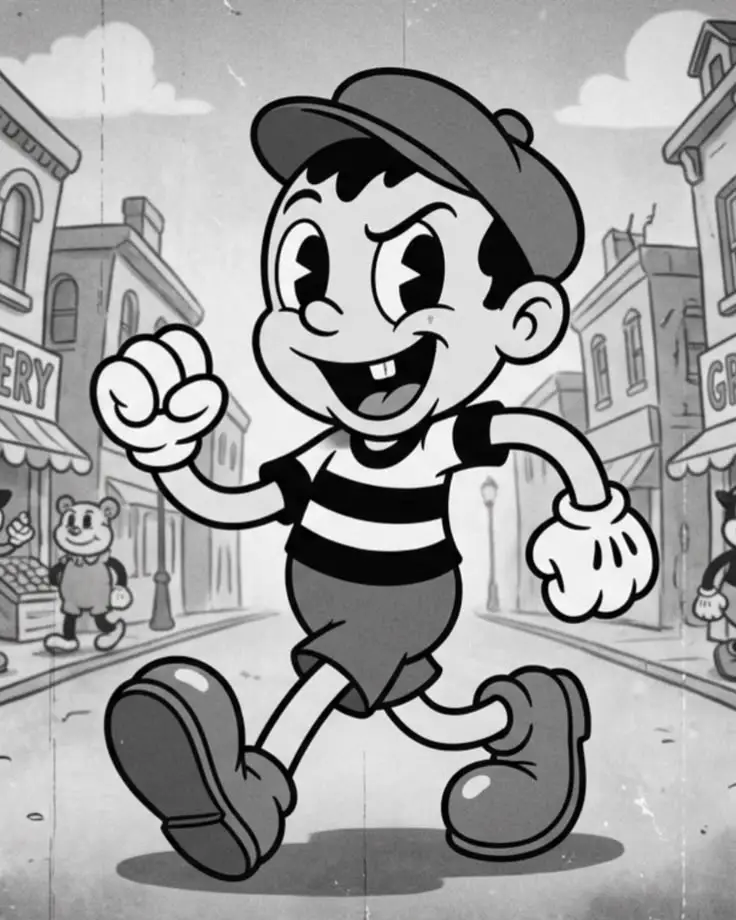
The characters have large, round eyes that convey emotion through minimal facial features. These characteristics made this animation’s characters as stunning and effective as they were, and it became the standard of animation.
Animations like Mickey Mouse, Felix the Cat, and Betty Boop used this style. Fleischer Studios and Disney used this art style to produce timeless cartoons that keep viewers in awe.
Chibi, a Japanese term that literally means “short”,, these styles deliberately exaggerates proportions, often giving characters oversized heads and simplified bodies.
The result can make characters appear cute, humorous, or highly expressive. This style often conveys a cute, playful aesthetic and appears in series like Teen Titans Go!, as well as countless Japanese examples.
Chibi is not just a cute drawing trick. In storytelling, the most common use is comic relief. A tense or dramatic scene can shift into chibi mode for a beat of humor, giving the audience a moment to breathe.
It also softens characters; for example, a villain drawn in chibi feels less threatening. This approach is common in character illustrations, comics, merchandise, games, and fan art.
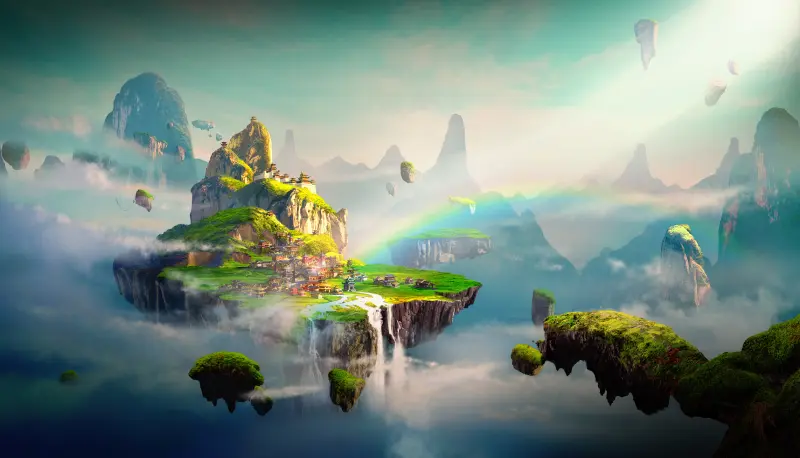
3D and CGI cartooning creates characters and environments with depth, volume, lighting, and physical space while retaining exaggerated cartoon features.
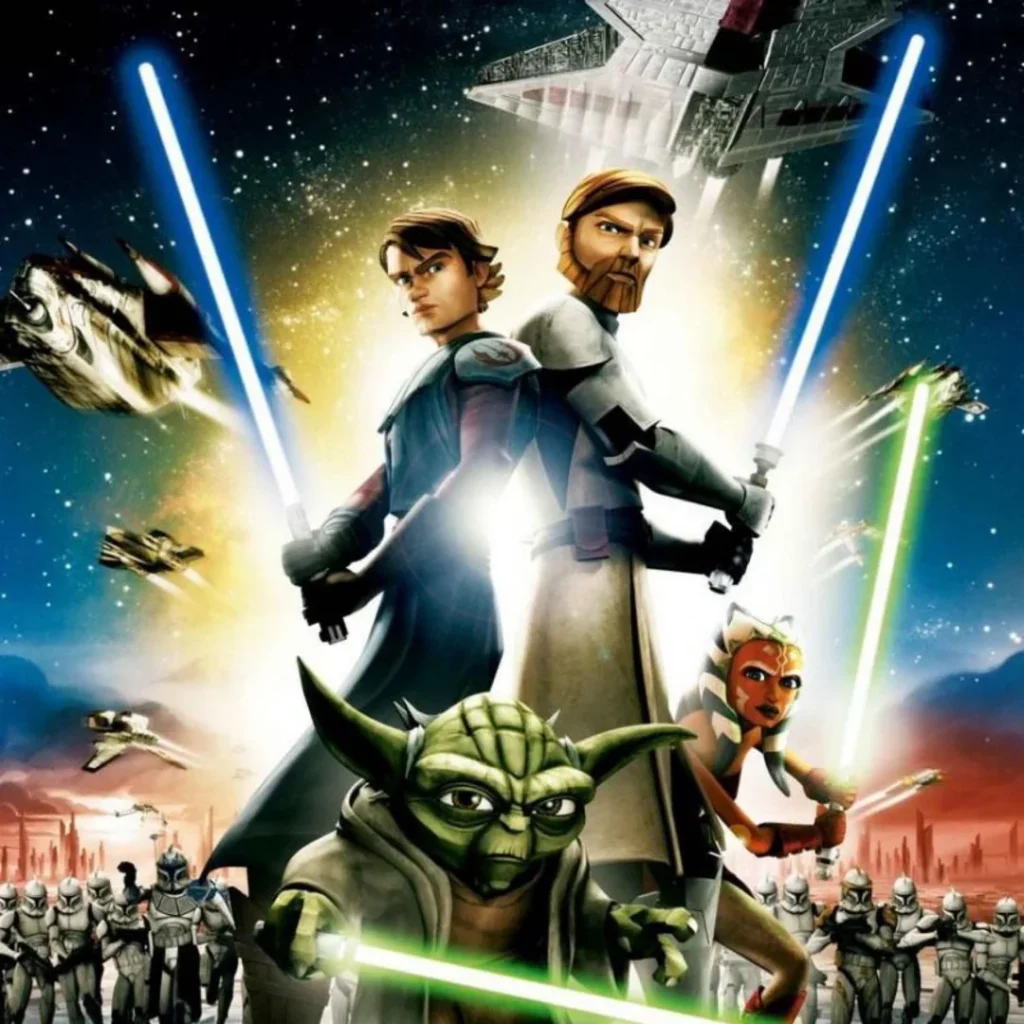
Although commonly associated with animation, the visual principles can also influence illustrated storytelling. For an author, this style can help you imagine a story with a strong sense of world-building.
Detailed environments, expressive characters, and carefully constructed settings can make fictional worlds feel tangible. It may particularly suit fantasy, adventure, science fiction, or children’s stories where the environment is an important part of the narrative.
Caricature exaggerates distinctive physical characteristics while retaining enough of the original appearance for the subject to remain recognisable.
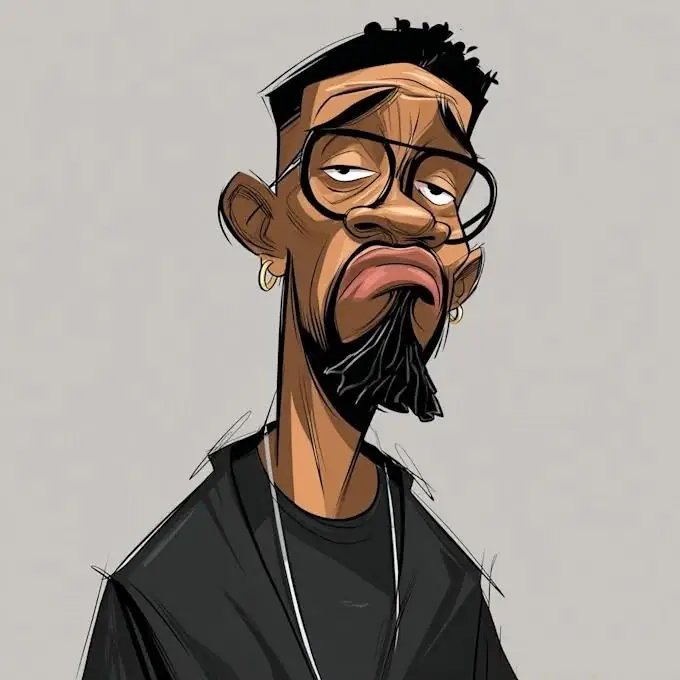
A character’s nose, hairstyle, facial expression, or body shape might be deliberately enlarged or distorted. This can be particularly useful when a character’s appearance is closely connected to personality.
Similarly, a boastful character might have an exaggerated posture, while a nervous character could be designed with a hunched frame and wide eyes. Rather than describing these qualities in prose, caricature makes them immediately visible.
Manga encompasses many different visual traditions, but manga-inspired cartooning is often associated with expressive characters, distinctive facial features, dynamic poses, and strong visual storytelling.
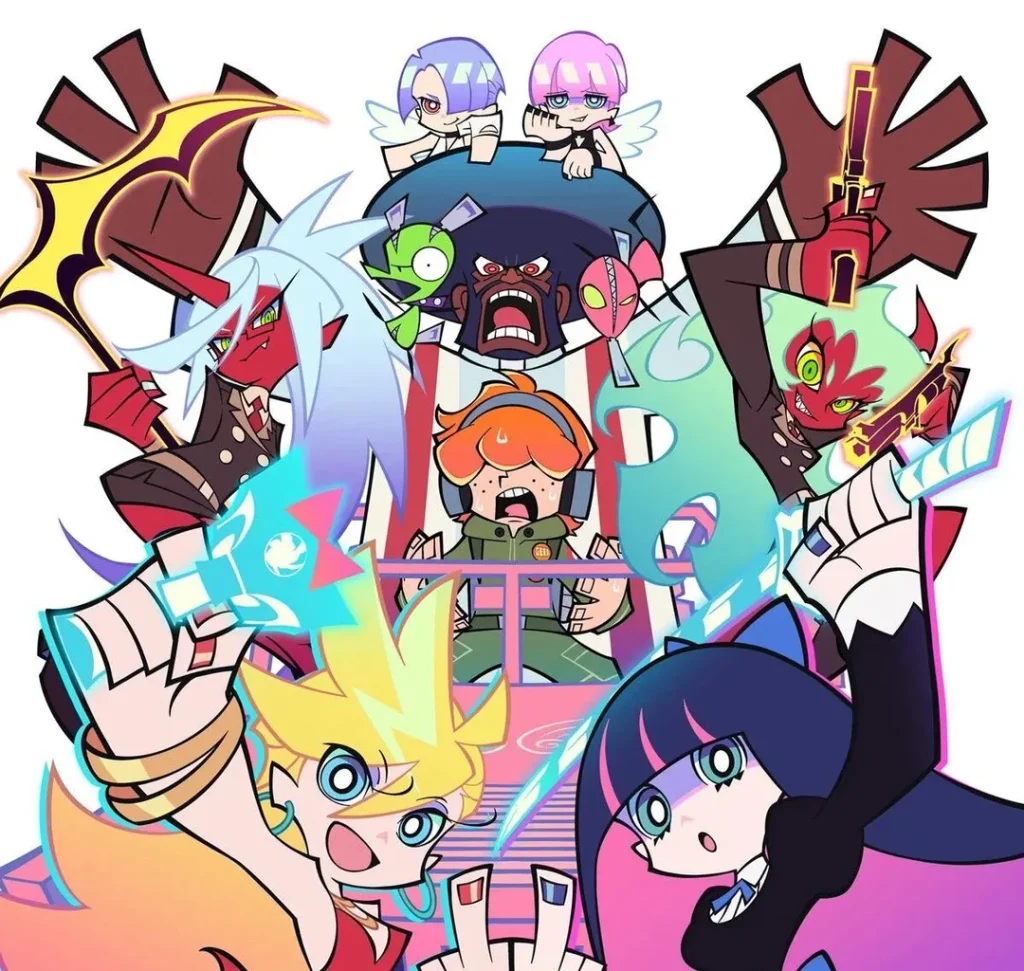
It is known for its colorful artwork, vibrant characters and, most of all, large, expressive eyes. The end result is character emotions that feel exaggerated yet powerful.
This exaggeration helps the reader engage and can be especially useful when developing graphic narratives or stories centred on strong character relationships.
With so many possibilities, it’s tempting to choose a style based entirely on appearance. A more useful question is: What does the story need the artwork to do?
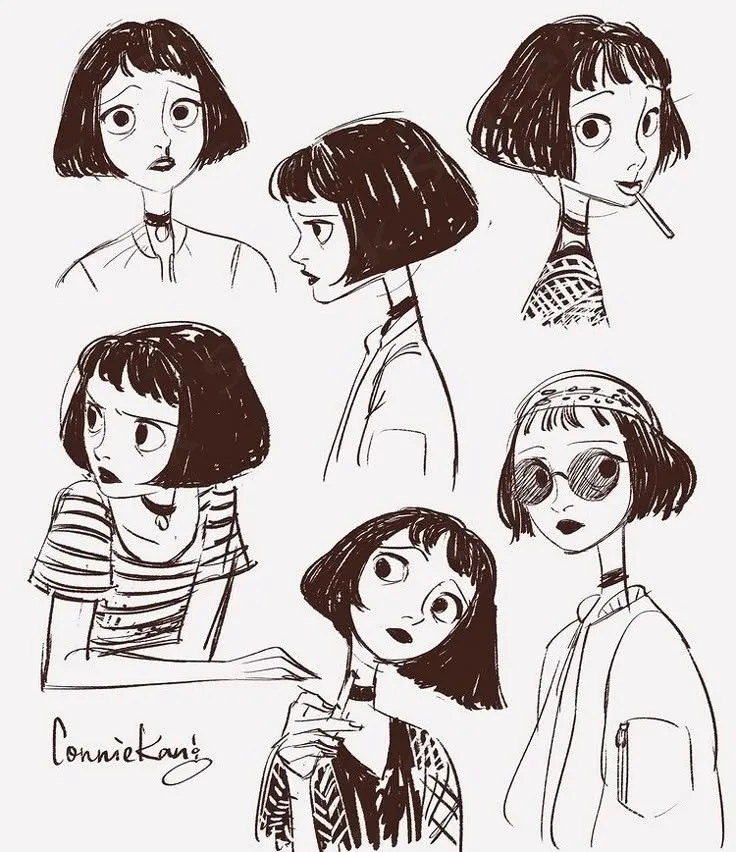
Cartooning can be more than a visual addition to a story; it can become part of how the story communicates its characters, emotions, and ideas.
A strong cartoon relies on deliberate visual choices, meaning that character design, movement, expressions, and even small visual details can contribute to the narrative. Narrative efficiency is especially useful here: when a cartoon has limited space or screen time, visual elements should ideally communicate something about the character, setting, conflict, or the story’s progression.
Humour can also play an important role. Cartoons naturally lend themselves to visual gags, exaggerated reactions, playful character interactions, and unexpected situations, but comedy does not have to dominate the entire story.
A funny moment can exist alongside dramatic, emotional, or reflective scenes, creating a more layered narrative. Similarly, combining contemporary references with familiar human experiences can help a cartoon feel relevant while retaining a sense of timelessness.
Most importantly, cartooning allows stories to communicate without relying entirely on dialogue. A character’s expression, posture, movement, or interaction with an object can reveal something that the character never explicitly says.
This medium gives creators a literal way to show, not tell.
Cartoon style is ultimately a means of communication, and there is no single formula for creating the perfect one. What makes a cartoon style effective is how well it communicates personality, emotion, movement, and story.
The foundation lies in understanding the fundamentals: shape, proportion, colour, linework, exaggeration, movement, and consistency.
Once artists understand these principles, they can begin experimenting with which rules to follow, which to bend, and which to break entirely.
Developing a memorable cartoon involves a delicate balance of artistic skill and storytelling finesse. Collect your favorite references, push your exaggerations, and let your personal aesthetic evolve organically.

Best Films About Unexpected Age Gap Romance
Literary Awards and the Racism Card: A Wake-Up Call for Black Africa
Interview with the Vampire Relationships, Ranked
10 Top Recent Films for Action and Comedy Fans
Comma Rules Every Writer Should Know
10 Most Hype-worthy 2026 Book Releases (African Literature Version)
Five Gambling Films That Know the Bet Is Only Half the Story
Movies Where Poker Reveals Who a Character Really Is
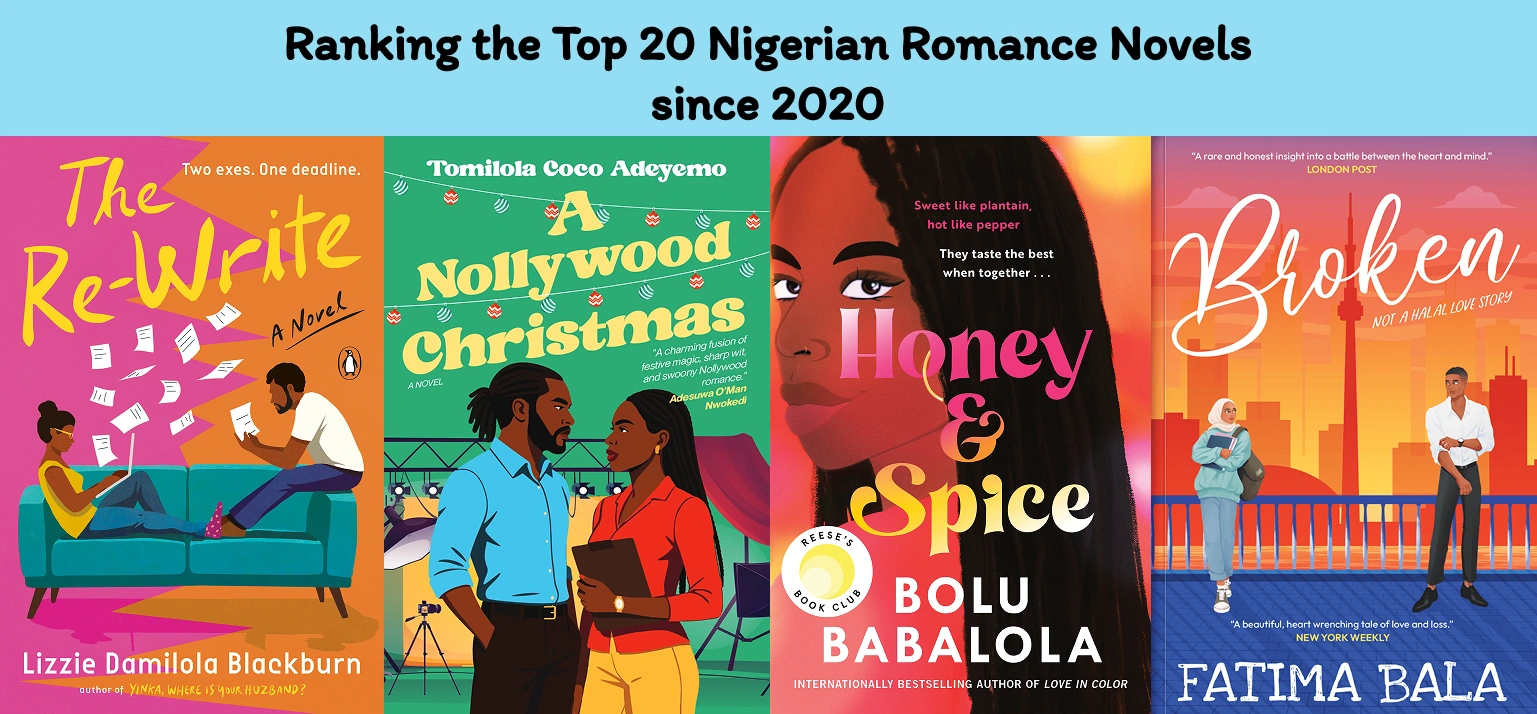
Ranking the Top 20 Nigerian Romance Novels since 2020
In Defense of Reading and Gaming
8 Third-Person Omniscient Examples for the Plot
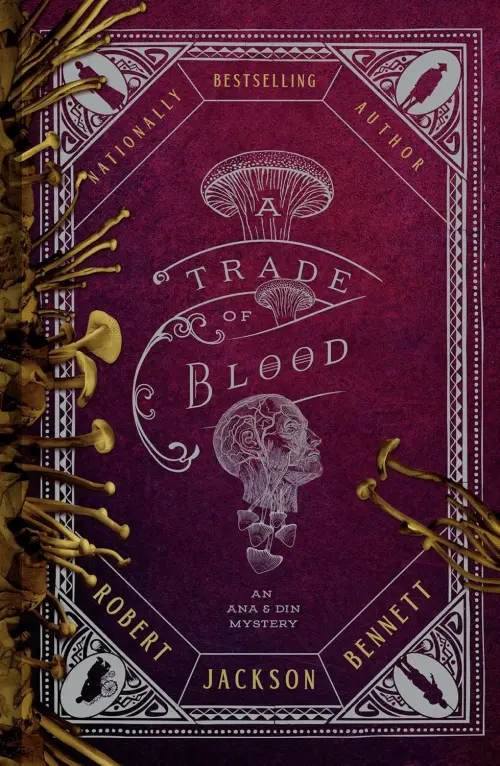
A Trade of Blood (Ana and Din Mysteries #3) by Robert Jackson Bennett
July 20, 2025 .
Animation, Lists
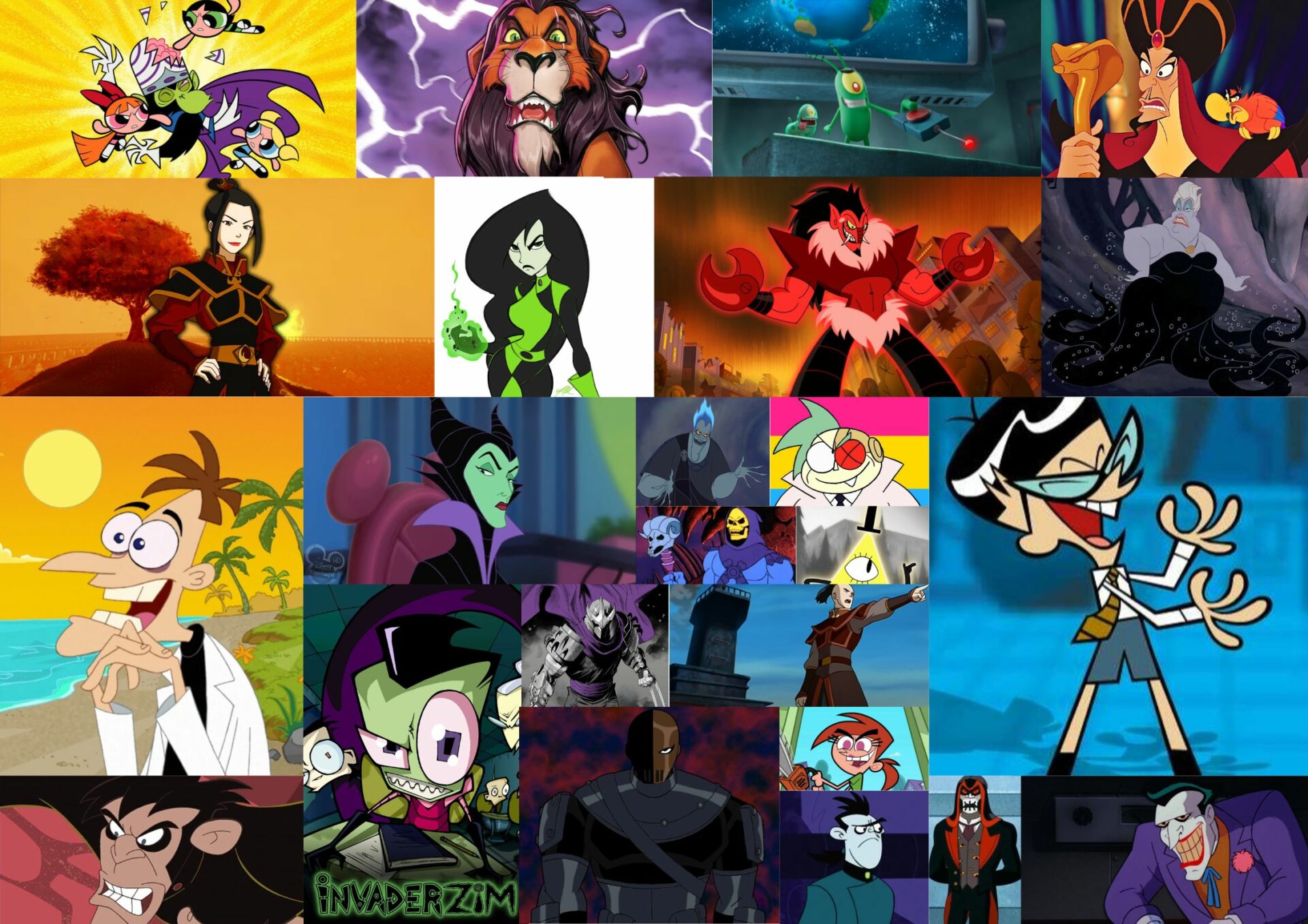
Our list rounds up the top 30 cartoon characters that were villains, each one more wonderfully wicked than the last.
READ MORE
October 28, 2025 .
Lists, Marvel, MCU, Opinions
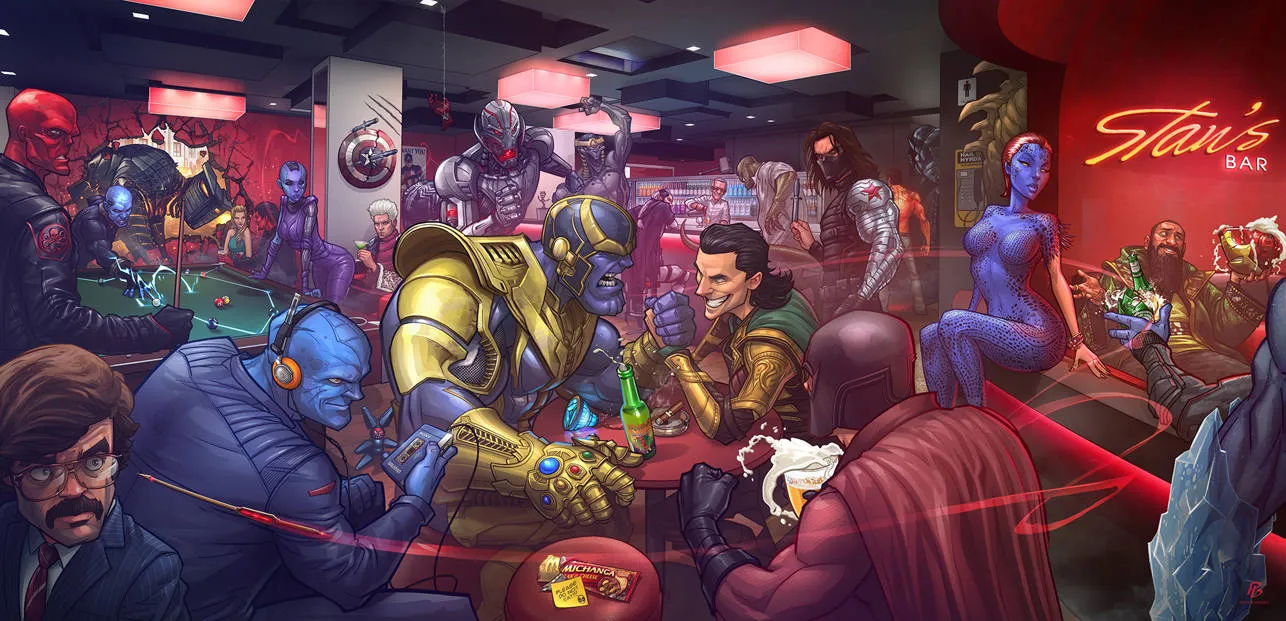
Let’s go through a list of the top 7 strongest Marvel villains, from the wickedly powerful to the absolutely unstoppable.
READ MORE
April 29, 2026 .
Lists, Opinions
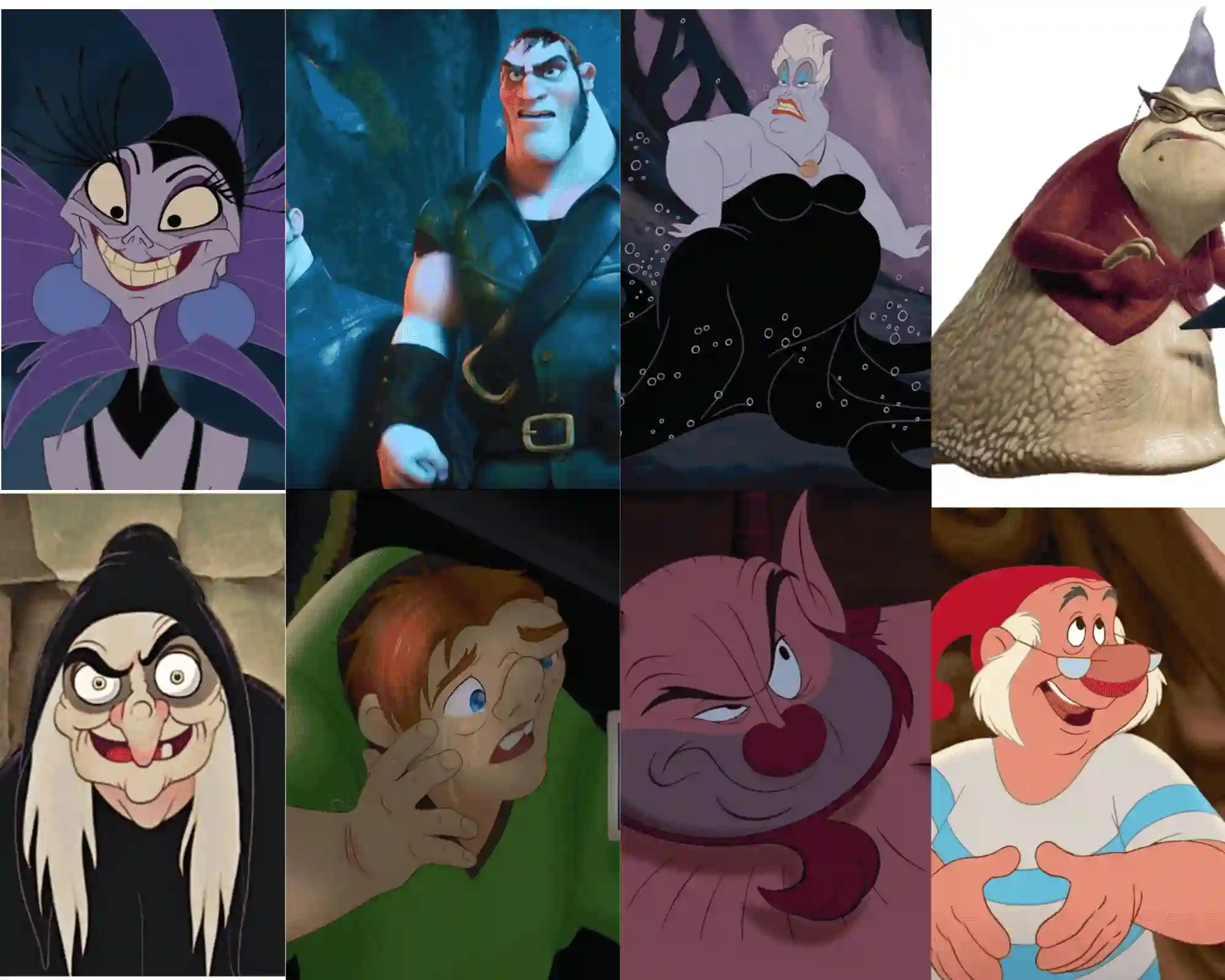
The Mouse is famous for its princesses and princes. However, the studio’s true genius lies in its embrace of “ugly Disney characters”.
READ MORE
May 6, 2026 .
Lists, MCU
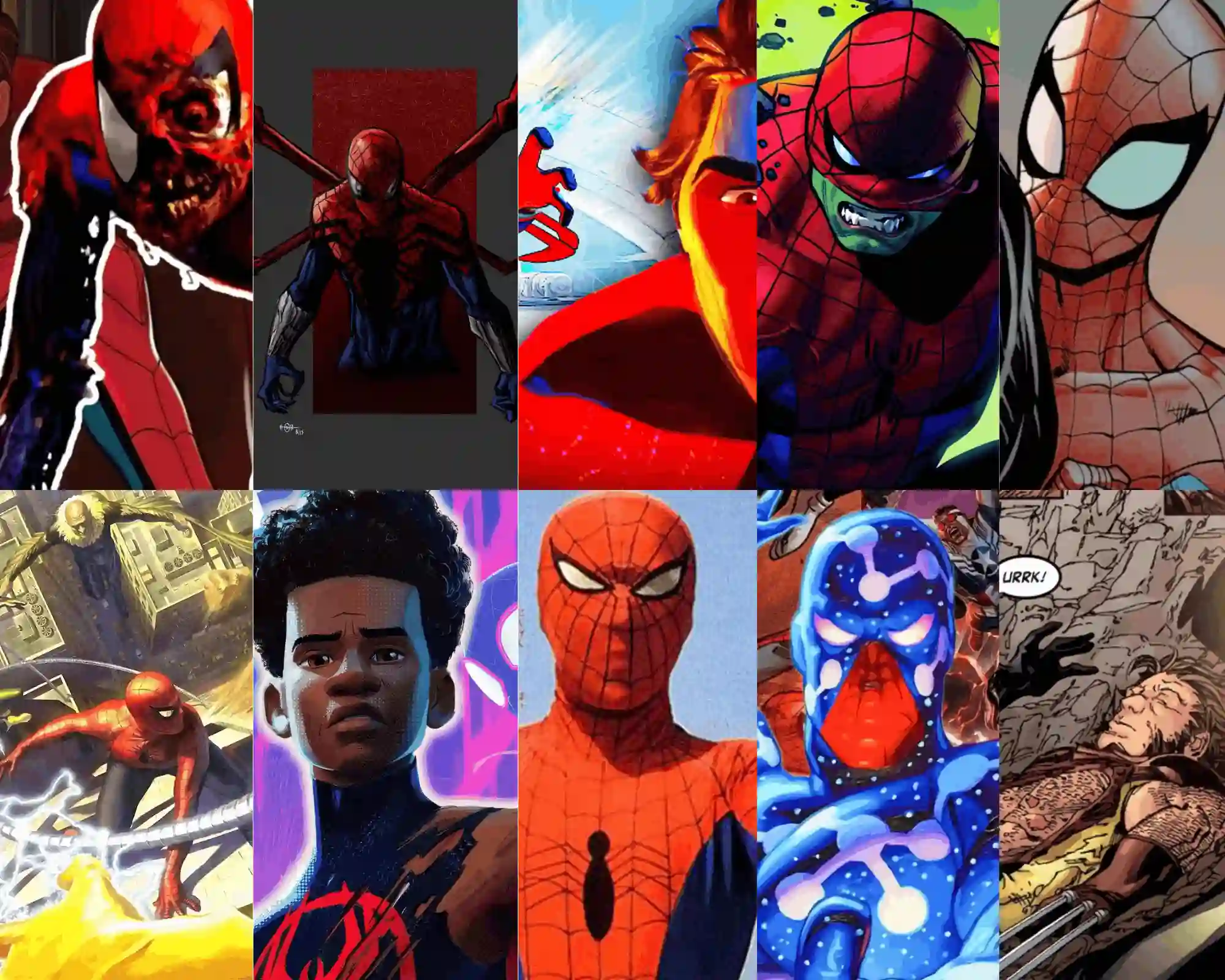
Spider-Man is one of the many superheroes from the Marvel Universe whose stories shaped many childhoods. Who is your strongest Spiderman?
READ MORE
November 27, 2025 .
Lists, Mythology
While this isn’t an exhaustive list, it comprises some of the most popular mythical creatures from around the world.
READ MORE

July 20, 2025 .
Writer Resources
Discover the differences in First-Person Point of View and Third-Person POV, and how each impacts character connection and narrative style.
READ MORE
May 15, 2026 .
Writer Resources
The tension between writer-centered and reader-centered approaches defines how a story is told and who it serves.
READ MORE
October 22, 2025 .
Essays, Writer Resources
Ever found a book that looks like a comic but tells a complete, well-structured story? Congratulations, it’s a graphic novel.
READ MORE
June 26, 2026 .
Writer Resources
Writing starts with forming ideas, imagination, dreams, and thoughts. And when these condense into a coherent progression, you have a plot.
READ MORE
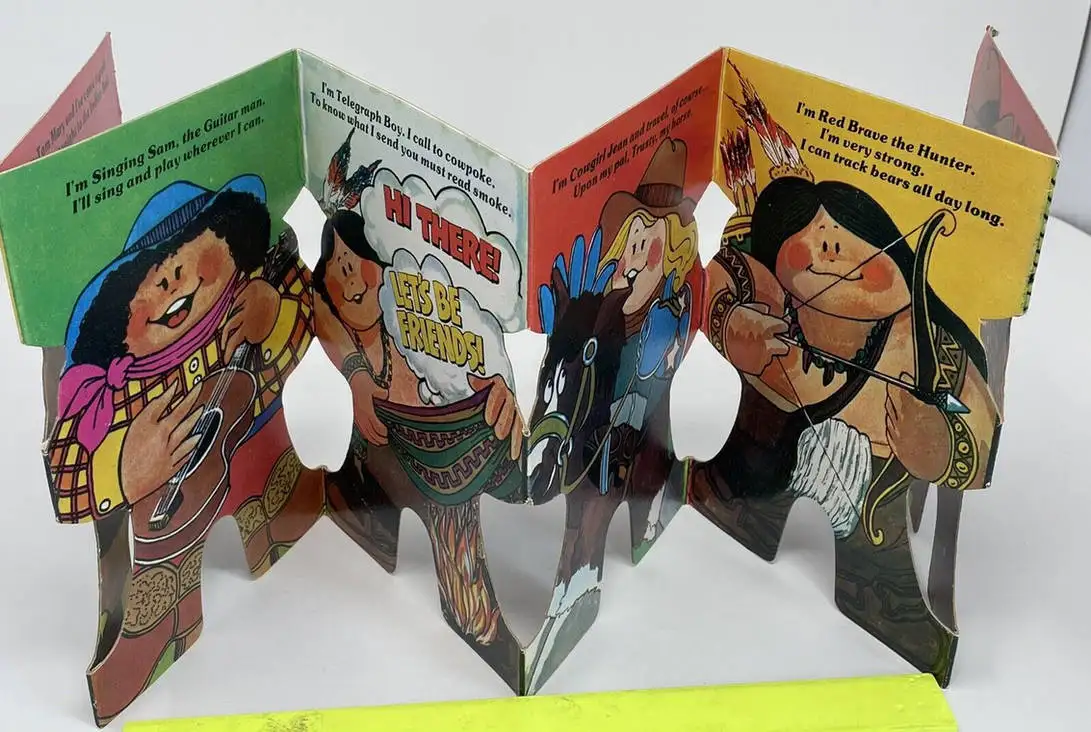
May 10, 2026 .
Writer Resources
What is a board book, and how does it differ from others? Traditional publishing usually means novels, but published works span much more.
READ MORE
July 24, 2025 .
Essays, Writer Resources
READ MORE
February 8, 2026 .
Writer Resources
Breaking into traditional publishing can feel like decoding a secretive industry. This guide is a resource for finding the right agent.
READ MORE
February 28, 2026 .
Writer Resources
There are three paths in book publishing: traditional, self-publishing, and hybrid. The current focus is on traditional publishing.
READ MORE

July 20, 2025 .
Writer Resources
Today, writers are needed who combine creativity with technical expertise, professionalism, and adaptability.
READ MORE
Get our magazine for free!