
Menu
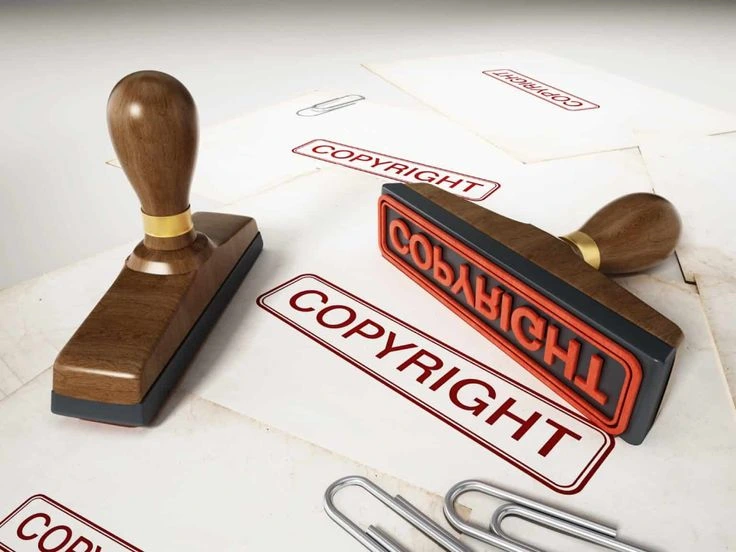





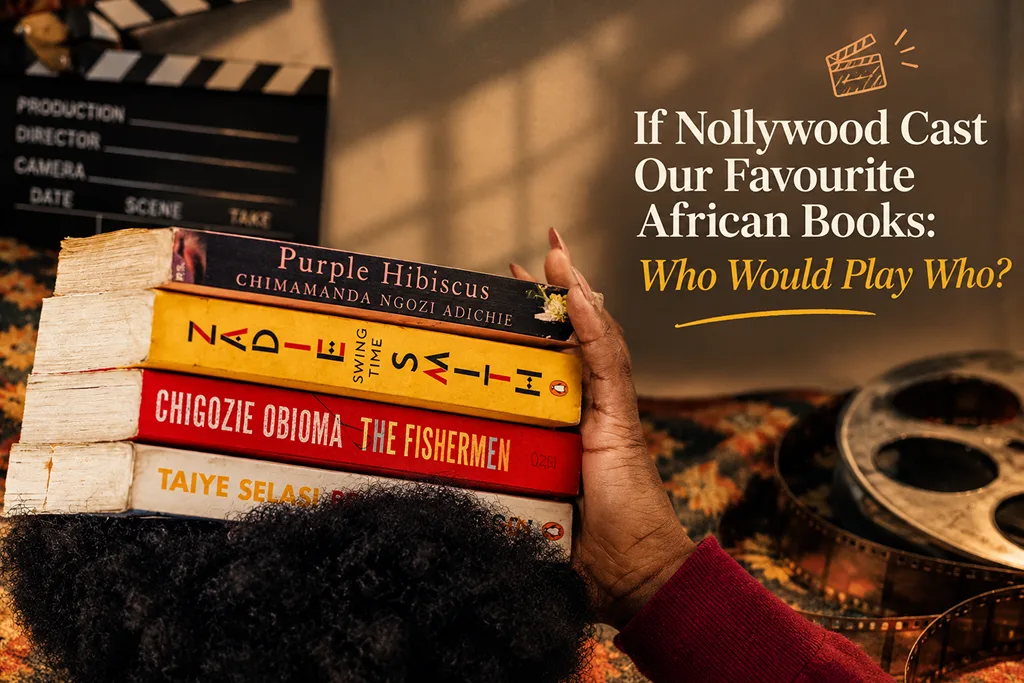




What happens when the people who want to enjoy it cannot afford it? This case calls for considering copyright leniency.
Copyright exists for a good reason.
Without legal protection, anyone could reproduce, distribute or sell another person’s creation without permission. This would make it harder for creators to benefit from their labour and sustain their careers.
However, protecting creative work raises another question: what happens when the people who want to enjoy it cannot afford it?
Books are becoming increasingly expensive, cinema tickets take a growing share of household budgets, and access to legitimate entertainment platforms usually requires paid subscriptions.
For audiences with limited purchasing power, enjoying certain works can become a luxury rather than an ordinary part of cultural life. Some turn to cheaper alternatives, including unauthorised copies and distribution channels.
This creates a difficult balance. Copyright should protect creators from exploitation, but it should not ignore the financial circumstances of the people who want to enjoy their work.
Rather than abandoning protection, this case calls for considering copyright leniency.
Treating copyright as an absolute restriction can overlook the different circumstances in which people access creative work.
A university student who cannot afford a prescribed novel is not in the same position as a company reproducing that novel for commercial gain.
Similarly, someone who cannot afford a cinema ticket may want to watch a film that is unavailable through affordable legal channels.
These situations deserve different considerations. Copyright enforcement should account for the nature, purpose and economic impact of unauthorised use rather than treating every infringement as equally harmful.
Commercial exploitation, for instance, poses a different threat to creators than limited personal or educational use.
This does not mean financial hardship gives everyone the right to reproduce and distribute copyrighted material. Creators still need protection from people who exploit their work without permission.
However, the law can recognise different levels of infringement and apply appropriate responses while preserving copyright holders’ rights.
Luckily, a legal foundation for copyright leniency already exists. The World Intellectual Property Organization recognises limitations and exceptions that allow certain uses of copyrighted material without the owner’s permission.
These provisions help balance copyright holders’ interests with the public’s. They cover areas such as research, education, quotation and access for people with disabilities.
Nigeria’s Copyright Act 2022 also reflects this principle. Its objectives include protecting authors’ rights to fair rewards while providing appropriate limitations and exceptions to support access to creative works.
Section 20 recognises fair dealing for purposes including private use, non-commercial research, criticism and review. Other provisions address educational uses and the activities of libraries and archives.
These exceptions do not create unrestricted permission to reproduce copyrighted material. They operate within specific legal conditions.
Nevertheless, they demonstrate that copyright protection can accommodate public interests without removing creators’ ownership rights.
Legal flexibility alone will not solve the affordability problem.
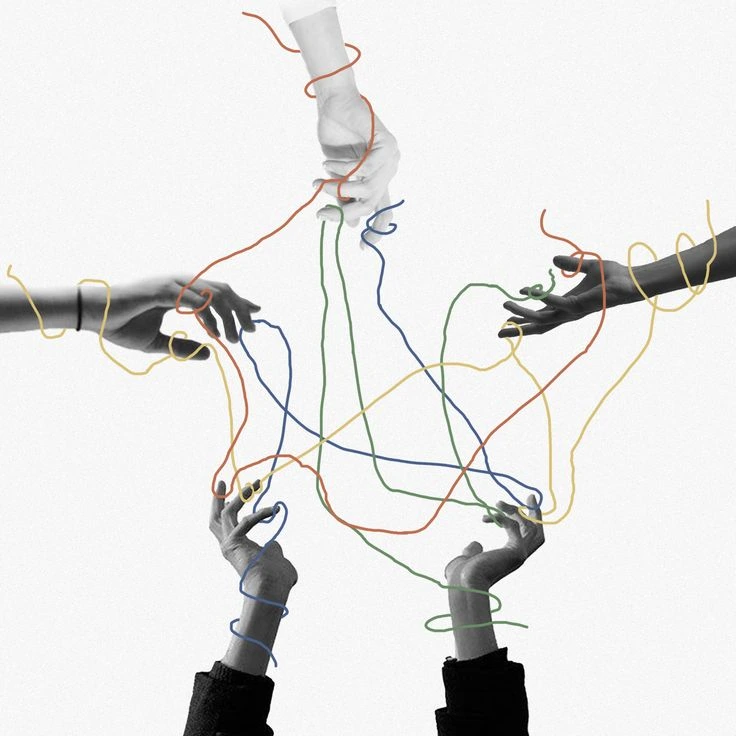
There also needs to be a serious conversation about how creative works are priced and distributed.
Making legitimate access more affordable could reduce the pressure that pushes audiences towards unauthorised alternatives.
Publishers, for instance, could make greater use of affordable editions, especially in countries where the cost of importing books makes them inaccessible to many readers.
Digital editions can also provide a cheaper alternative to hard-copy books, provided their prices reflect the purchasing power of the intended audience.
The same thinking could apply to films. Streaming services, cinemas and distributors could explore more affordable subscription options, discounted viewing periods and regional pricing.
A person who cannot afford a full subscription might still pay for a limited-access option. Someone who cannot afford a regular cinema ticket might attend a discounted screening.
These arrangements would give audiences more opportunities to pay for creative work, even when they cannot afford its standard price.
They would also allow creators and distributors to reach people who might otherwise be excluded from their markets.
Libraries deserve greater attention in this conversation, too. They provide a practical way to widen access without requiring everyone to purchase individual copies.
Public libraries, university libraries and community reading centres can provide access to books and educational materials through legitimate lending arrangements.
A stronger library system could make a considerable difference, especially for students and readers who cannot regularly purchase new books.
Digital lending could extend this benefit beyond physical library collections, provided licensing arrangements protect authors and publishers while allowing reasonable access.
However, there is a genuine danger in making copyright too flexible.
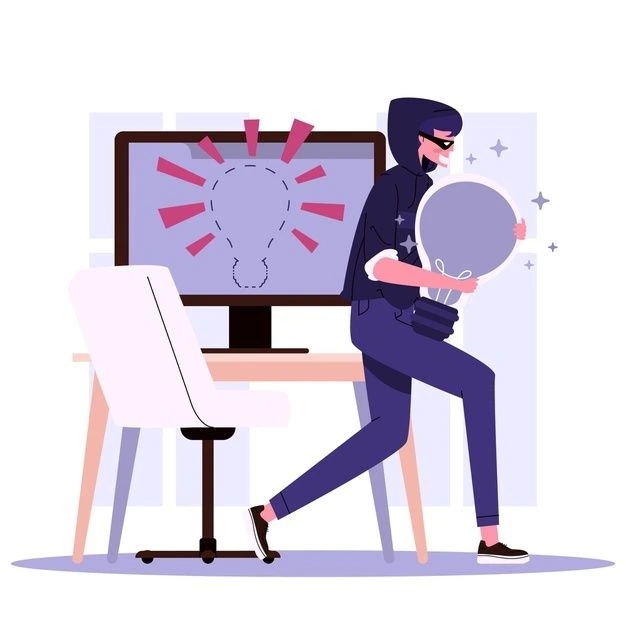
Creative industries depend on revenue, and unauthorised distribution can undermine that income.
When someone uploads an entire book or film for free, they may divert potential customers away from the people who produced it.
This is particularly concerning for independent creators. A bestselling author or major film studio may have several income sources, but an independent writer or filmmaker may depend heavily on sales from a single project. Unauthorised distribution can therefore affect their ability to recover production costs, earn a living and finance future work.
It would be unfair to frame every copyright restriction as an attempt to deny people access to art. Creative work takes time, money, skill and considerable effort to produce.
The people responsible for that work should not have to absorb the financial consequences of making it available to others.
Any argument for copyright leniency must therefore distinguish between reasonable access and unrestricted reproduction.
Borrowing a book through a library, for example, is different from a business producing and selling unauthorised copies. Likewise, quoting a passage for criticism does not carry the same implications as uploading an entire novel online.
Smaller creators also deserve particular consideration when discussing copyright reform. Policies designed to improve public access should not disproportionately weaken the bargaining power of independent writers, filmmakers and musicians.
Fair compensation, proper attribution and reasonable limits on reproduction must remain central to copyright protection.
International copyright principles offer a useful safeguard here. The three-step test, recognised in international copyright agreements, provides a framework for introducing flexibility without removing meaningful protection.
The affordability problem also raises questions about whether existing distribution and licensing arrangements serve audiences as effectively as they could.
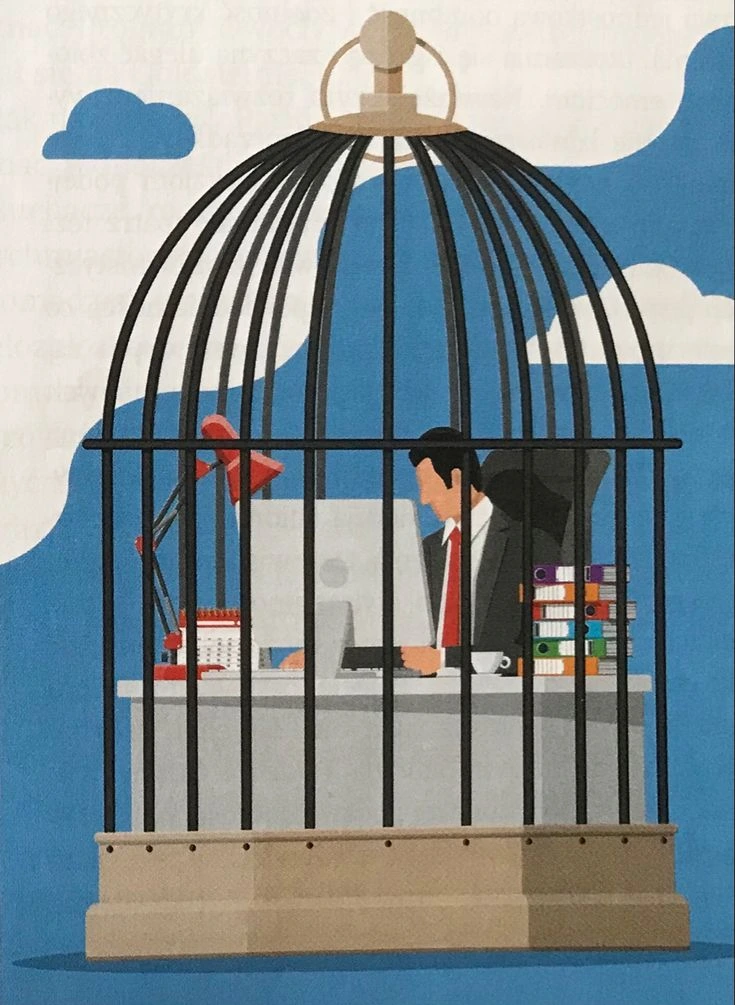
Some creative works remain difficult to access long after their initial release. Others become unavailable because publishers stop printing them, distributors withdraw them, or the relevant rights become difficult to trace.
This is particularly frustrating when a book is out of print or a film is no longer available through legitimate platforms. The work may still have cultural, educational or historical value, yet interested audiences have limited ways to access it.
Copyright reform could address some of these difficulties through clearer licensing arrangements for older and unavailable works.
It could also improve access to orphan works, where the rights holder cannot be identified or located after reasonable efforts. Such arrangements would need safeguards to protect any owner who later comes forward.
Educational and non-commercial exceptions could also receive greater attention, alongside stronger public lending systems and affordable licensing options.
These measures would create more opportunities for creators work to reach readers, students and viewers under reasonable conditions.
A wider cultural interest is also at stake. Books contribute to literacy and education. Films preserve stories, history and shared experiences.
Music carries cultural expression across generations. Access to these works allows people to participate in cultural life, regardless of their financial circumstances.
Copyright leniency should not be confused with permission to steal creative work. It should mean having a system that recognises the difference between exploitation and access.
Creators deserve to earn from their work, but access to literature, film and other forms of art should not depend entirely on personal wealth.
Protecting creative ownership and widening public access are not mutually exclusive goals.
The challenge is to ensure that one does not come at the unnecessary expense of the other.
Copyright should give creators a reasonable opportunity to benefit from their work without making the enjoyment of culture an option reserved for those who can afford its full price.

Avengers Endgame Should Have Been Endgame
Inside the Nigerian Secondary School Folklore Cinematic Universe
Netflix’s The Body: The Type of Psychological Thriller We’ve Missed
Why Are Books So Expensive in Nigeria? The Cost of Reading
Fatima Bala Honoured With TFAA’s 2026 Prize for Literature
Thuso Mbedu as Zélie: A Casting Choice or a Cultural Conversation?
Why Greek Mythology Keeps Returning in Modern Fantasy
Tomi Adeyemi Calls the Children of Blood and Bone Film ‘Made for All of Us’, Months After Distancing Herself From It
Lagos Book & Art Festival 2026 Opens at Freedom Park With ‘Repair’ Theme as CORA Turns 35
7 African Literature Books Set Outside Lagos and Abuja
10 Fantasy Characters Who Would Be Insufferable in Real Life
Superman vs Batman vs Wonder Woman
November 13, 2026 .
Essays
Do we forever operate on the defensive, fingers perpetually pointed towards the dark deeds of neo-colonial contemporaries and their colonial forebears?
READ MORE
November 11, 2026 .
Netflix, news
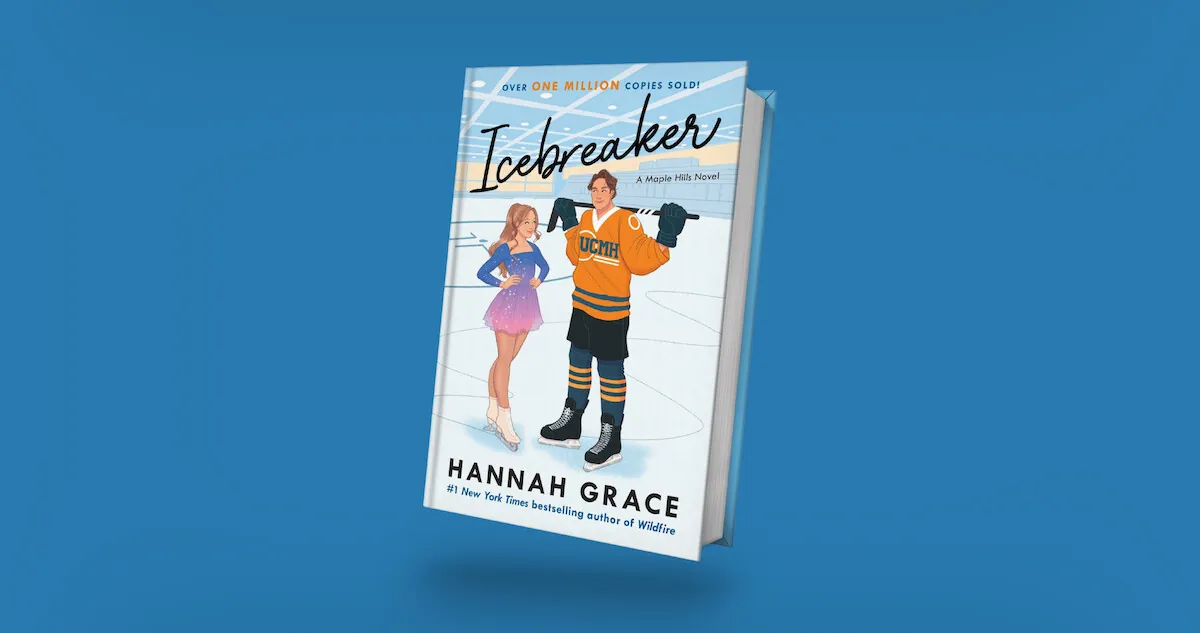
The Vampire Diaries star joins Daisy Jelley and Connor Simos in Netflix’s adaptation of Hannah Grace’s hockey romance, now filming in Vancouver.
READ MORE
November 16, 2026 .
African Literature, news
READ MORE

October 12, 2026 .
akefestival, nnediokorafor
Nnedi Okorafor found the calling to be a writer of the spectacular and the fantastic after she wrote her first ever story in the pages of a gifted copy of Isaac Asimov’s I, Robot
READ MORE

May 4, 2026 .
warriornun
They got my two favorite genres (fantasy and science fiction) and merged them. The result was an entertaining ten hours of world-building, character development, and badass fighting nuns.
READ MORE

July 20, 2025 .
Essays, Opinions
READ MORE

July 20, 2025 .
Essays, Opinions
READ MORE

July 20, 2025 .
Essays
Except if you have been living under a rock or in outer space since the beginning of time, there is no way you wouldn’t have heard of Wole Soyinka.
READ MORE

July 20, 2025 .
Essays, Opinions
READ MORE

September 12, 2025 .
Essays, Fantasy, Opinions
Fantasy is everything that lies in the realm of the fantastic. And, the more deviant from reality it is, the better.
READ MORE
November 12, 2026 .
Essays, Opinions
African literature embraces inclusivity, harnessing words as a medium to impart wisdom, preserve truths, and honor ancestral struggles.
READ MORE
October 22, 2025 .
Essays, Writer Resources
Ever found a book that looks like a comic but tells a complete, well-structured story? Congratulations, it’s a graphic novel.
READ MORE
July 18, 2026 .
Disney, Essays
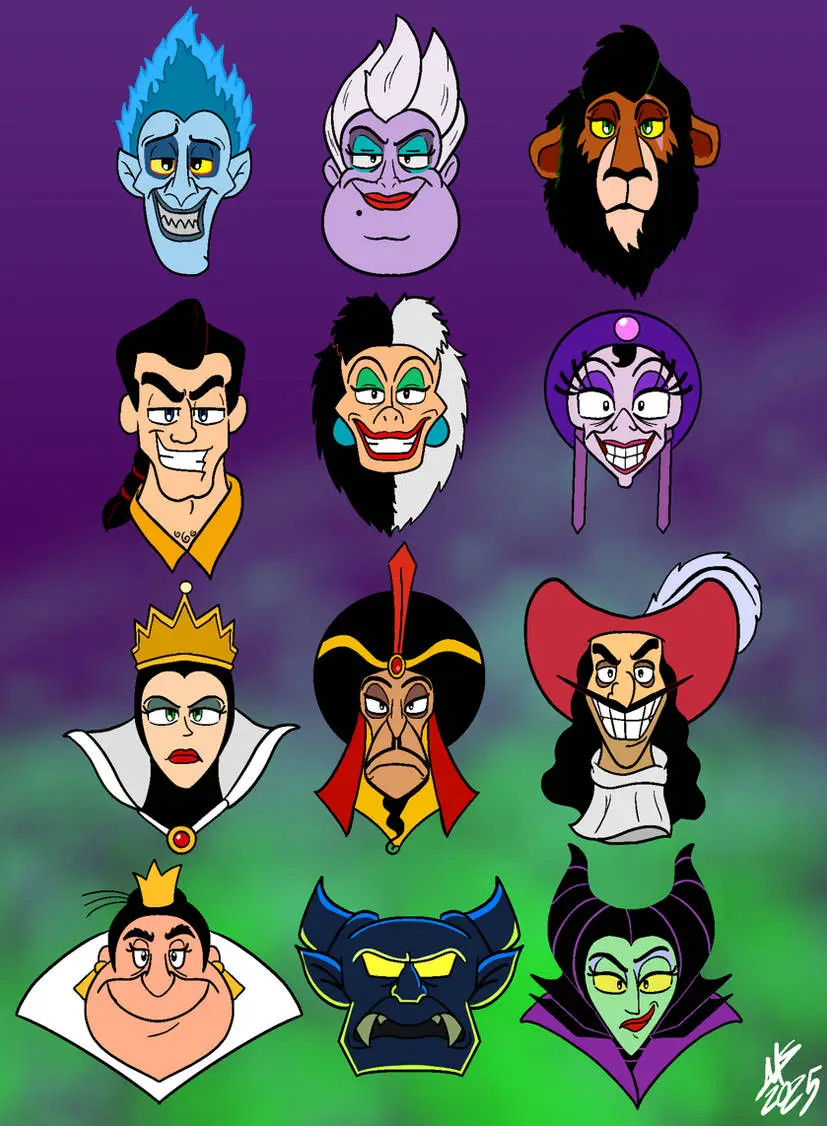
Let’s examine the trend of softening Disney villains, its implications, and viewers’ responses to less sensitive material.
READ MORE
July 24, 2025 .
Essays, Writer Resources
READ MORE
Get our magazine for free!