
Menu
























































This guide explores how to apply the rule of three in worldbuilding and provides a practical guideline for its corrrect us
The rule of three suggests that three related elements can give a sentence rhythm, shape a character’s journey, and guide readers towards a revelation.
For authors, understanding it means recognising patterns, controlling expectations, and deciding when a familiar structure serves the writing.
This guide explores how to apply the rule of three in worldbuilding, common pitfalls, and provides practical guidelines for corrrect usage, as well as practice exercises for success.
In speculative fiction, worldbuilding involves introducing the rules, customs, histories, and physical details that make an imagined setting believable.
Groups of three can help writers present these details without turning a story into an extended explanation.
A few well-chosen details can give readers a clear impression of a place. Instead of describing every building in a city, a writer might focus on rusted railway tracks, market stalls built beneath an elevated road, and the smell of spices drifting from a nearby kitchen.
The details appeal to different senses and suggest how people use the space. They may also hint at the city’s history, economy, and daily routines without requiring separate explanations.
The best details are specific to the setting. Three generic descriptions may establish an atmosphere, but distinctive observations help readers imagine a place that feels different from every other fictional location.
A writer may introduce three laws, customs, or restrictions that shape everyday life. In a fantasy kingdom, citizens might be forbidden from carrying weapons inside the royal city, required to surrender a portion of every harvest, and prohibited from speaking the monarch’s name after sunset.
These rules create practical and social consequences. Characters must decide how to obey them, challenge them, or exploit loopholes. The restrictions become part of the plot rather than background information.
Writers should also consider how the rules interact. A law that appears reasonable in isolation may become oppressive when combined with another. The resulting tension can reveal the society’s values and contradictions.
A recurring object, image, or phrase can carry meaning across a story. A broken bell might represent a failed warning, a river could mark the boundary between safety and danger, and a red thread might connect characters who do not yet know their relationship.
These symbols can change as the narrative develops. The river may initially suggest freedom, later become an obstacle, and finally provide a route to escape. Its significance grows through the events it shapes.
A writer does not need to explain every symbol directly. Repetition, context, and character response can help readers recognise the connections. Too many competing symbols, however, may make the story feel overdesigned.
A technique becomes mechanical when the writer follows the pattern without considering the passage’s needs.
To avoid this, start with the intended effect and choose a structure that achieves it.
Before adding a third element, identify the purpose of the sequence. Is it meant to clarify an idea, increase tension, reveal a contradiction, establish rhythm, or produce a joke?
The answer should guide the choice of details. In a suspense scene, the third event might reveal that a threat is closer than expected. In an informational article, it might complete an explanation by introducing a practical implication.
If the third element does not improve the passage, it may not be necessary.
The final element should contribute more than just coming last. It may raise the stakes, challenge an assumption, provide a contrast, or bring the sequence to a natural stopping point.
Consider the difference between “She was tired, exhausted, and weary” and “She missed the bus, walked six kilometres home, and fell asleep before removing her shoes.”
The first sentence repeats the same idea. The second uses three details to show how exhaustion developed and what it did to the character. The reader receives evidence rather than a series of labels.
Three elements do not need to be identical in length. A short phrase followed by a longer one and a brief final clause can create a satisfying rhythm.
For example: “He waited through the morning, watched the afternoon light fade across the empty station, and left.”
The longer middle element slows the sentence, while the final verb brings the action to a stop. A sequence of three equally long clauses might produce a more formal or deliberate effect.
Writers should also vary how the technique appears across a manuscript. Repeating three-part sentences in every paragraph can make the prose feel patterned and distract from the content.
The technique does not need to announce itself. Readers should be able to respond to the rhythm, progression, or surprise without stopping to count the elements.
This is especially important in dialogue and fast-moving scenes. A carefully balanced sentence may suit a formal speech, but it can sound unnatural during an argument or a moment of panic.
The goal is not to display the technique. It is to make the writing work better.
The rule of three is flexible, but it can still weaken writing when applied without a clear purpose.
Recognising these mistakes helps writers keep the technique’s benefits without letting it control every decision.
A writer may add a third example simply because two seem incomplete. This can produce unnecessary descriptions, slow down an exchange, or distract from the main point.
For instance, a character who has already revealed her fear through a decisive action may not need two additional gestures to make the same point. The scene may become stronger if the writer trusts the original detail.
Every element should earn its place. If removing one improves the pace or clarity, the trio may not be necessary.
Three descriptions don’t create a meaningful progression when they all say the same thing. Words such as “angry,” “furious,” and “enraged” may provide emphasis, but they do little to show how anger affects a character.
A stronger sequence might describe clenched hands, an unusually quiet voice, and a decision to leave before saying something harmful. The details show physical tension, emotional control, and action.
The difference lies in development. A trio should deepen the reader’s understanding rather than merely repeat the writer’s intention.
A reader may begin to predict the final element if every sequence follows the same pattern. The effect becomes especially noticeable when the third item is always the most dramatic or the funniest.
Writers can avoid this by varying the order, changing the length of the elements, or using a third detail that complicates rather than completes the pattern. They can also leave some sequences at two or extend others beyond three.
Predictability is not always a problem. A familiar pattern can reassure in a fairy tale or help in a speech. It becomes limiting when the reader can anticipate the effect without gaining anything from the experience.
Both approaches use the number three, but they solve different problems. The rule of three can shape a phrase, a joke, a character’s decisions, or a series of discoveries. The three-act structure organises a narrative’s larger movement.
Treating them as the same principle may lead writers to focus on the number of sections rather than the story’s development. A novel can use a three-act structure without relying heavily on three-part phrasing, and a story organised differently can still use the rule of three effectively.
A manuscript filled with balanced lists can begin to sound rehearsed. The problem isn’t the individual sentences, which may be effective, but how often you use them.
Writers should look at the surrounding paragraphs. If several sentences use the same rhythm, consider replacing some with a direct statement, a short fragment, a longer sentence, or a concrete action. Variation gives the strongest patterns more room to stand out.
A dramatic scene may need a single decisive event rather than three escalating incidents. A technical explanation may require six steps, while an uncertain ending may work better without a final revelation.
The technique should respond to the demands of the writing. Following it at the expense of pace, accuracy, or emotional credibility defeats its purpose.
When reviewing a draft, examine each noticeable trio and consider the questions below.

The goal is not to preserve every group of three, but to understand what each one contributes.
Consider this sentence: “The family was poor, struggling, and deprived.”
The three words reinforce one another, but they do not show readers how poverty affects the family. A more specific version might read: “The family shared one room, stretched each meal across two days, and walked several kilometres to the nearest clinic.”
The revised sentence provides concrete circumstances. The details also have different functions: living conditions, food insecurity, and access to healthcare. The reader can understand the family’s difficulties without relying on a cluster of similar adjectives.
A literary passage may require a different approach. “The house had no electricity, the well had dried up, and every evening the children counted the remaining candles” combines setting, a practical problem, and a recurring action. The final detail gives the situation a human focus.
During revision, ask what each element allows the reader to see, feel, or understand. That question is more useful than simply checking whether the sentence contains three items.
The following exercises help writers practise different applications of the technique.
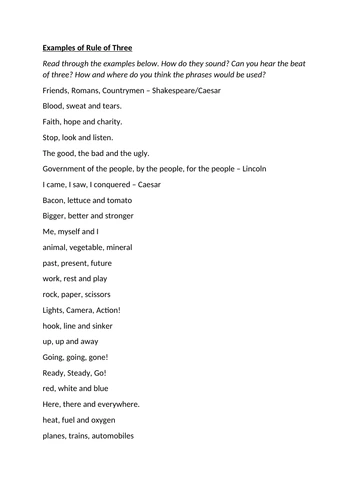
Each one focuses on a specific effect rather than the number of elements alone.
Write a sentence describing a character entering a room. Include three details that move from an ordinary observation towards something unsettling.
For example: “The room smelled of fresh paint, the curtains stirred despite the closed windows, and a wet footprint appeared beside her shoe.”
The first detail is ordinary, the second introduces a small inconsistency, and the third suggests that something is wrong. Try writing another version in which the final detail is subtle rather than frightening.
Choose a character with a clear goal, such as reaching a village before sunset, recovering a missing document, or persuading a reluctant friend to help.
Write three obstacles that make the goal progressively harder to achieve. Give each obstacle a different consequence, and make the final one force the character to reconsider the original plan.
For example, a traveller misses the last bus, discovers that the bridge ahead is closed, and learns that the only available boat belongs to someone who refuses to take passengers across the river.
The sequence works because each problem changes the options available. In a revision, remove any obstacle that doesn’t affect the character’s decisions.
Choose a character with a recognisable habit, such as excessive caution, vanity, impatience, or a need to impress others.
Write three actions that reveal the habit, making the final one the most exaggerated. If the character is excessively cautious, she might check the weather before leaving home, carry spare batteries for a device she does not own, and bring a printed map to a meeting in her own living room.
Then revise the sequence so the humour comes from the character’s behaviour rather than an unrelated surprise. The aim is to make the final detail feel both unexpected and consistent with the character.
Write a short mystery using three clues. The first should establish a question, the second should challenge the most obvious explanation, and the third should connect the evidence in a new way.
For example, a caretaker finds a key beneath a locked office door. Later, she discovers that the office’s only window has been painted shut from the inside. Finally, she learns the key belongs to a room that isn’t on the building’s official plans.
The clues should encourage readers to reconsider their assumptions. They don’t need to reveal the complete solution, but each should deepen the mystery rather than exist solely to delay an answer.
Write a paragraph describing a character’s anxiety using three similar adjectives. Then replace those adjectives with three details showing how the anxiety affects the character’s body, thoughts, and actions.
For example, instead of writing, “She was nervous, worried, and uneasy,” describe her repeatedly checking the time, losing track of a familiar conversation, and leaving her unfinished tea untouched.
Compare the two versions. The second gives readers evidence to interpret and lets the character’s feelings emerge through behaviour.
Write a short passage in which a character performs the same action three times. Establish an expectation through the first two occurrences, then make the third different in a way that changes the scene.
A character might knock twice on a neighbour’s door and receive no response. On the third attempt, the door opens from the inside, although the neighbour has been missing for a week.
Try a quieter version as well. The final change does not need to involve danger. It could reveal embarrassment, affection, or an unexpected decision.
The rule of three is a tool, not a measure of good writing.
Some passages benefit from a trio, while others require a different structure. Knowing when to leave it aside is part of using the technique well.
During a chase or fight, a sequence of three carefully balanced descriptions may interrupt the action. Readers may need short sentences, direct verbs, and immediate consequences instead.
A character fleeing through a burning building does not necessarily need three separate obstacles before reaching the exit. One unexpected collapse may create enough tension if it changes the character’s available choices.
Writers should consider the scene’s pace. The rule of three can still shape action, but it should not make urgent events feel rehearsed.
People do not always speak in balanced phrases. During grief, anger, panic, or embarrassment, a character may repeat a word, abandon a sentence, or struggle to explain what they mean.
A carefully constructed trio may weaken the scene if it makes the speaker sound more composed than the situation allows. Uneven dialogue can communicate emotional pressure more convincingly.
The technique remains useful when a character deliberately makes a speech, prepares an argument, or uses repetition to control a conversation. The choice should reflect the speaker rather than the writer’s preference for symmetry.
Some subjects require more than three points. Discussing a research method, a legal process, or a complicated historical event may require several distinctions to remain accurate.
Reducing such material to three categories can leave out essential qualifications. Writers should organise the information logically, using subheadings, examples, or additional stages where necessary.
The rule of three can still help within individual sections. It should not determine the total number of points when the subject requires a more complete account.
In scientific, technical, and instructional writing, the available evidence should determine how many examples or steps you include. If a process has five necessary stages, presenting only three for the sake of rhythm may mislead readers.
Likewise, a writer should not select three studies simply because a trio sounds complete when a reliable explanation requires a broader review of the evidence.
Clear organisation matters, but accuracy comes first. The technique can improve presentation without deciding what belongs in the account.
Not every narrative needs three revelations, a final attempt, or a neatly completed pattern. Some stories depend on uncertainty, incomplete understanding, or unresolved consequences.
Adding a third event to create closure can weaken an ending that should remain open. A single discovery or unanswered question may provide a more fitting conclusion.
The important consideration is the story’s intended effect. If an incomplete pattern reflects the character’s situation or leaves readers with a meaningful question, completing it may be unnecessary.
The rule of three’s strength comes from the relationship between the elements, not from the number itself.
More importantly, understanding the principle gives writers a chance to examine how repetition, progression, and contrast shape a story’s development, and when to rely on or move away from the technique.
Writers should treat the rule of three as an option, not a requirement. Use it when it sharpens an idea, builds anticipation, reinforces a theme, or strengthens the reading experience.
Sometimes, one well-chosen detail makes a stronger impression than three, while other moments benefit from four or more elements to achieve their intended effect.
Learn the principle, experiment with it, and let the story’s needs guide the final decision. Happy drafting!

10 Coolest Swords in History and Fantasy
Marvel vs. DC Female Superheroes
The Author’s Guide to the Rule of Three I
15 Writing-Adjacent Careers for Writers Looking for a Career Change
Authors Spotlight: Khaled Hosseini
The Sound Souls Make When They Die by Chinemefun Chimuanya
If Nollywood Cast Our Favourite African Books: Who Would Play Who?
Best Films About Unexpected Age Gap Romance
Literary Awards and the Racism Card: A Wake-Up Call for Black Africa
Interview with the Vampire Relationships, Ranked
10 Top Recent Films for Action and Comedy Fans
Comma Rules Every Writer Should Know
July 20, 2025 .
Animation, Lists
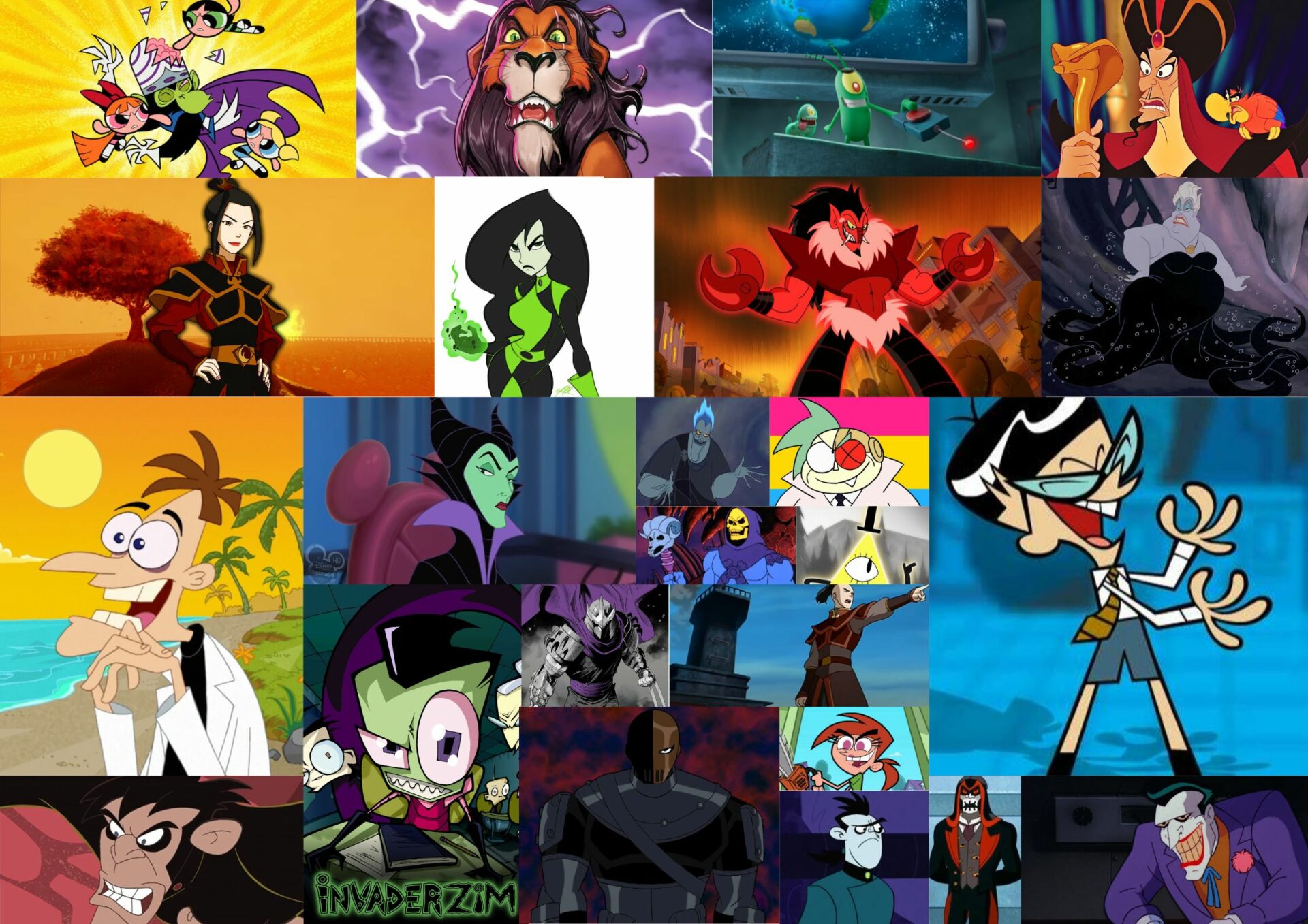
Our list rounds up the top 30 cartoon characters that were villains, each one more wonderfully wicked than the last.
READ MORE
April 29, 2026 .
Lists, Opinions
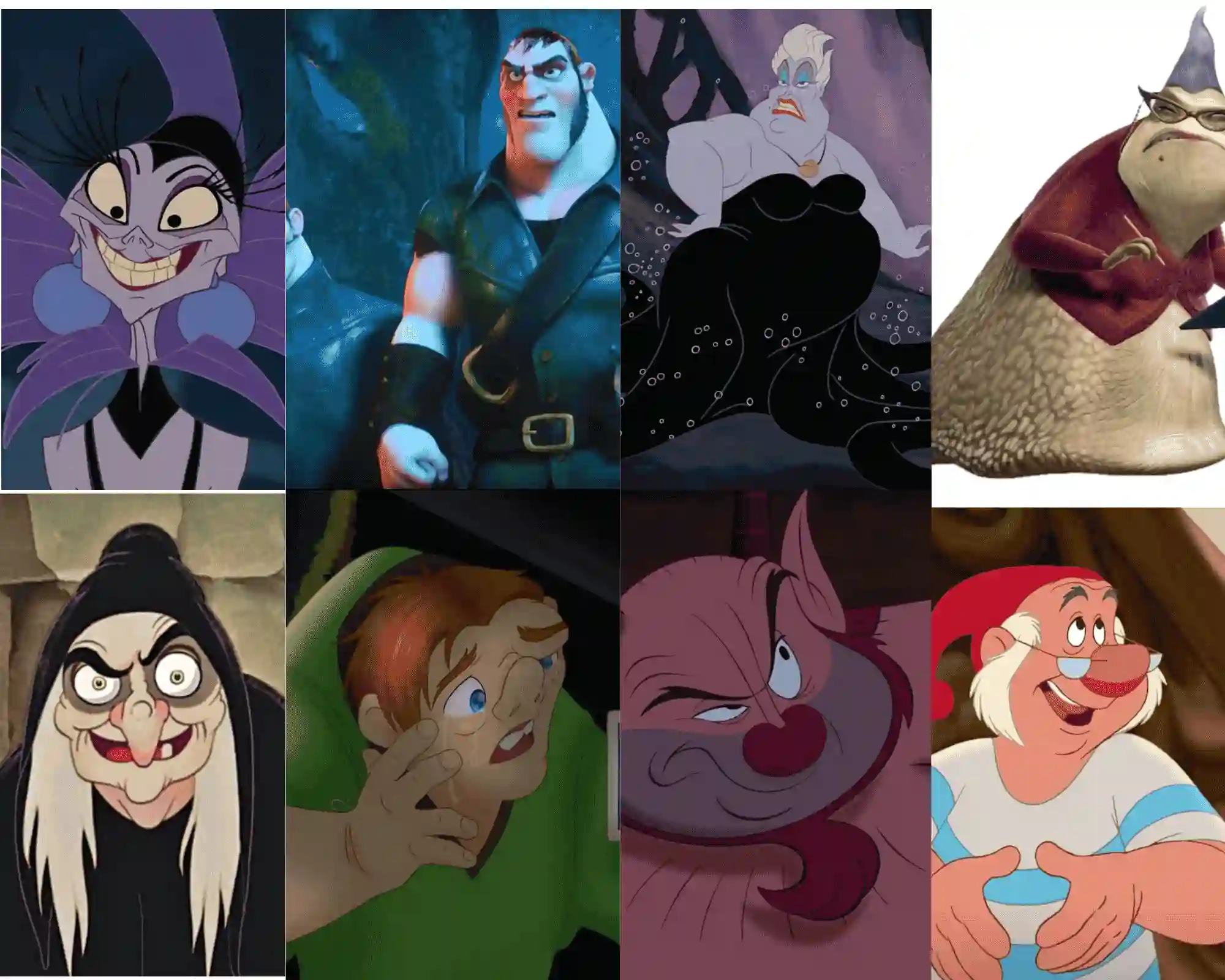
The Mouse is famous for its princesses and princes. However, the studio’s true genius lies in its embrace of “ugly Disney characters”.
READ MORE

November 27, 2025 .
Lists, Mythology
While this isn’t an exhaustive list, it comprises some of the most popular mythical creatures from around the world.
READ MORE

May 6, 2026 .
Lists, MCU
Spider-Man is one of the many superheroes from the Marvel Universe whose stories shaped many childhoods. Who is your strongest Spiderman?
READ MORE
February 26, 2026 .
Cartoons, Lists
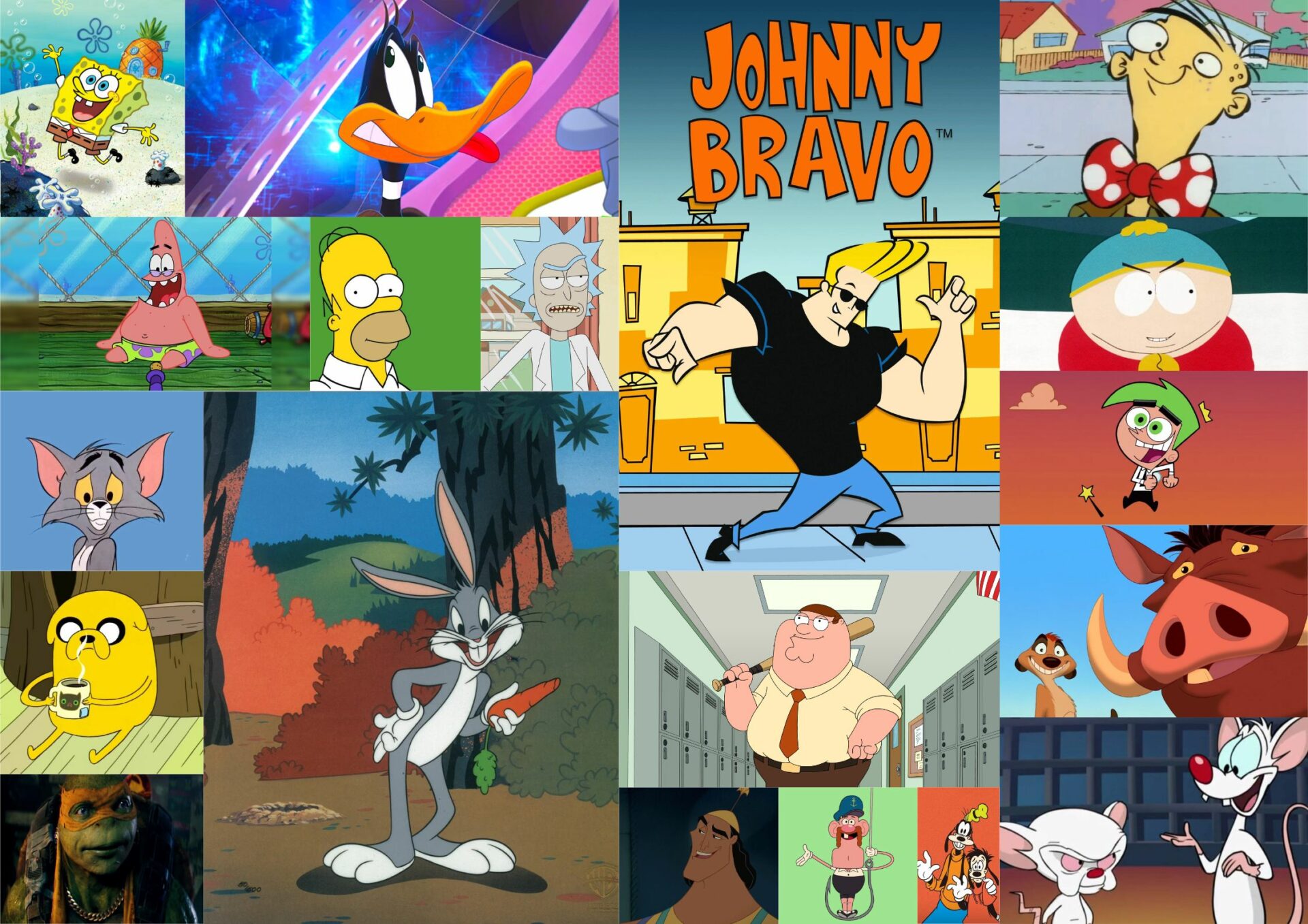
There are some outright funny cartoon characters who exist solely to crack you up, loud, hard, and with zero apology.
READ MORE

July 20, 2025 .
Writer Resources
Discover the differences in First-Person Point of View and Third-Person POV, and how each impacts character connection and narrative style.
READ MORE

May 15, 2026 .
Writer Resources
The tension between writer-centered and reader-centered approaches defines how a story is told and who it serves.
READ MORE

October 22, 2025 .
Essays, Writer Resources
Ever found a book that looks like a comic but tells a complete, well-structured story? Congratulations, it’s a graphic novel.
READ MORE
June 26, 2026 .
Writer Resources
Writing starts with forming ideas, imagination, dreams, and thoughts. And when these condense into a coherent progression, you have a plot.
READ MORE
May 10, 2026 .
Writer Resources
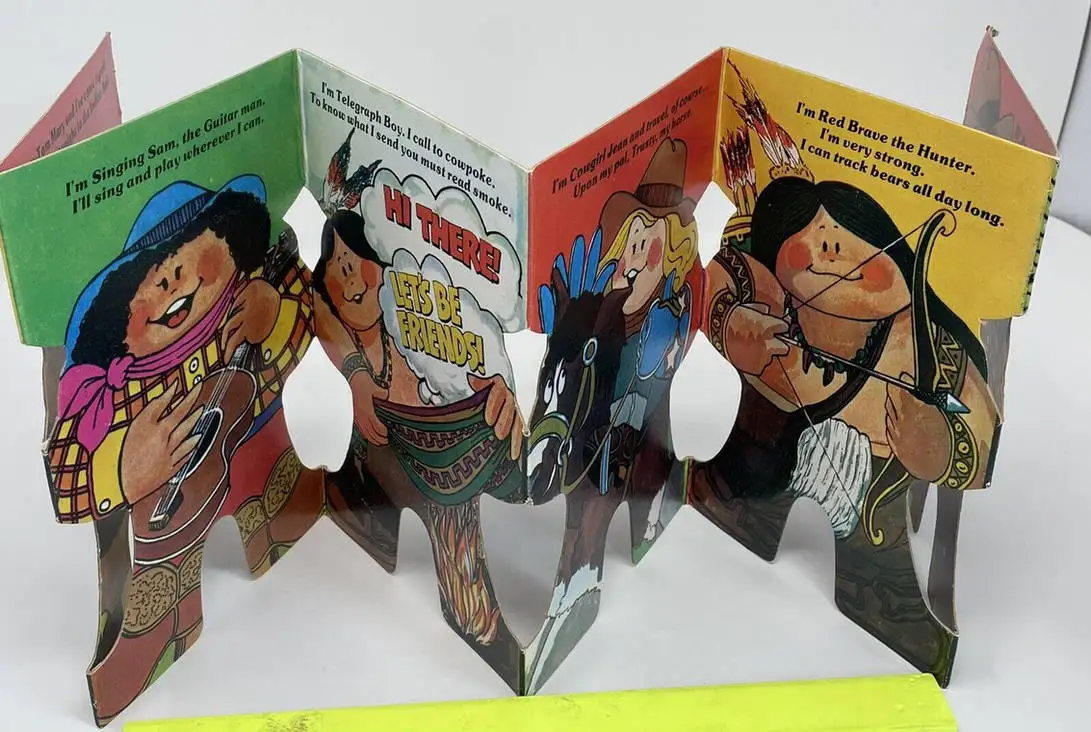
What is a board book, and how does it differ from others? Traditional publishing usually means novels, but published works span much more.
READ MORE
July 24, 2025 .
Essays, Writer Resources
READ MORE

February 8, 2026 .
Writer Resources
Breaking into traditional publishing can feel like decoding a secretive industry. This guide is a resource for finding the right agent.
READ MORE

February 28, 2026 .
Writer Resources
There are three paths in book publishing: traditional, self-publishing, and hybrid. The current focus is on traditional publishing.
READ MORE

July 20, 2025 .
Writer Resources
Today, writers are needed who combine creativity with technical expertise, professionalism, and adaptability.
READ MORE

Get our magazine for free!