Close menu
Ranking the best of African Literature


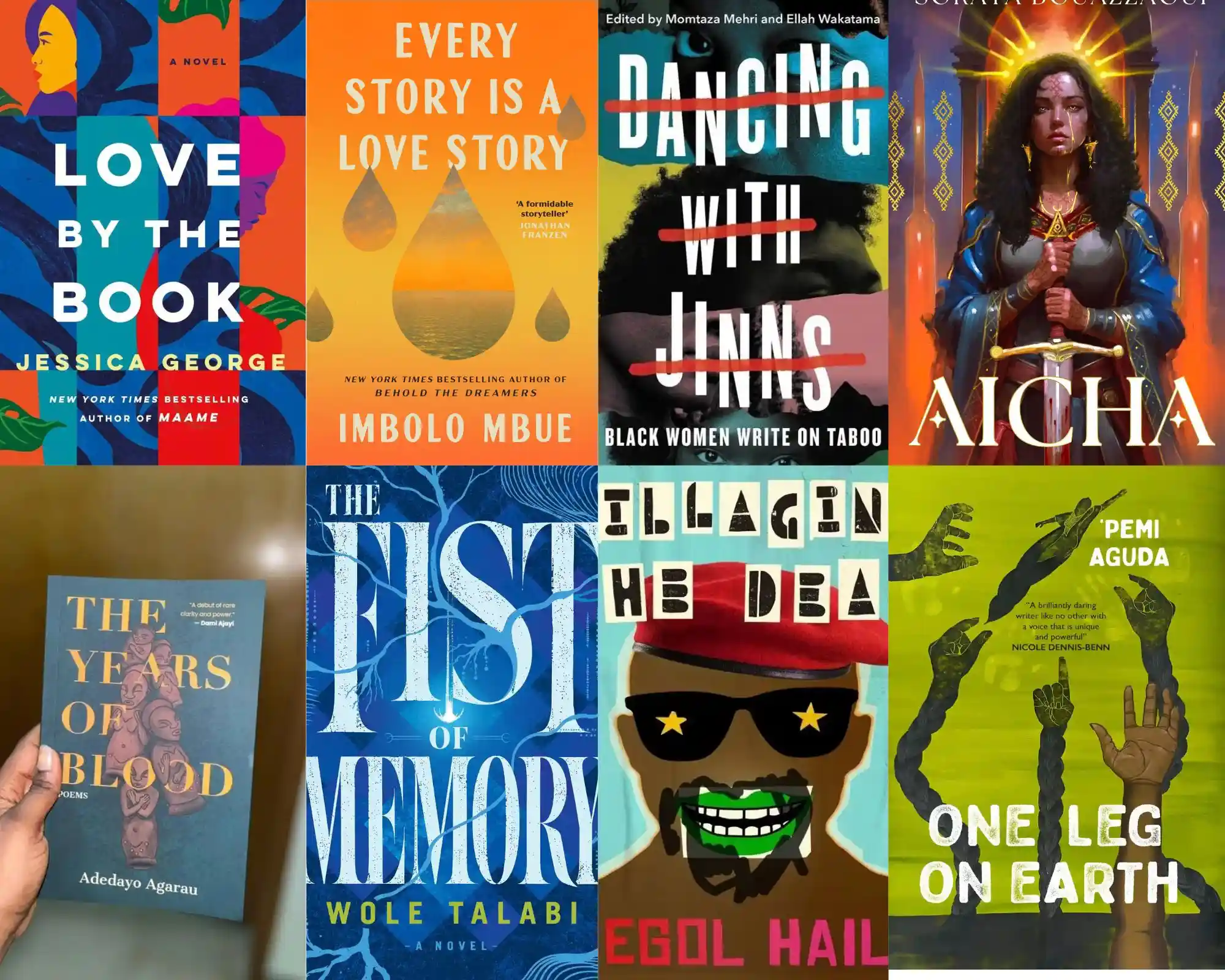





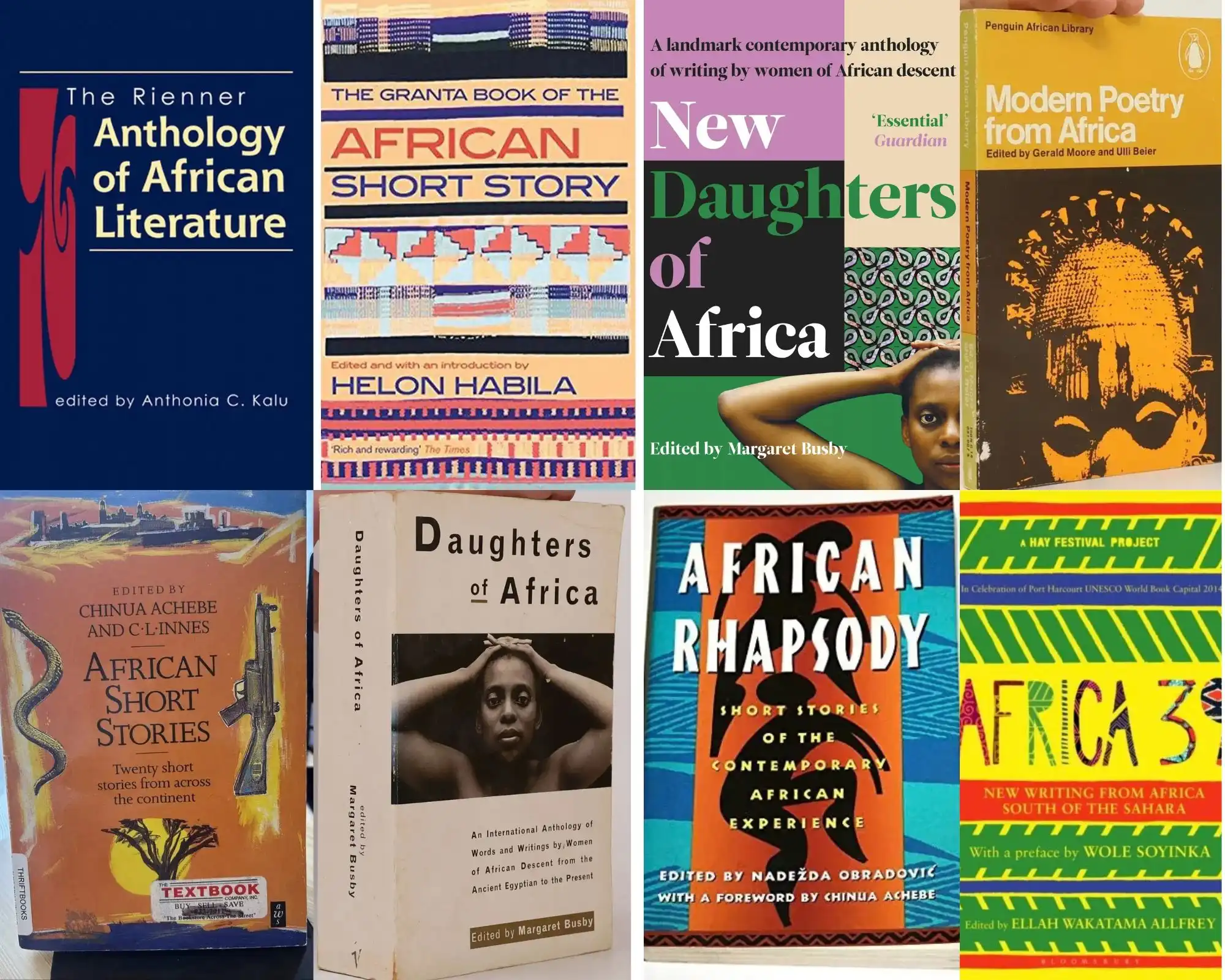







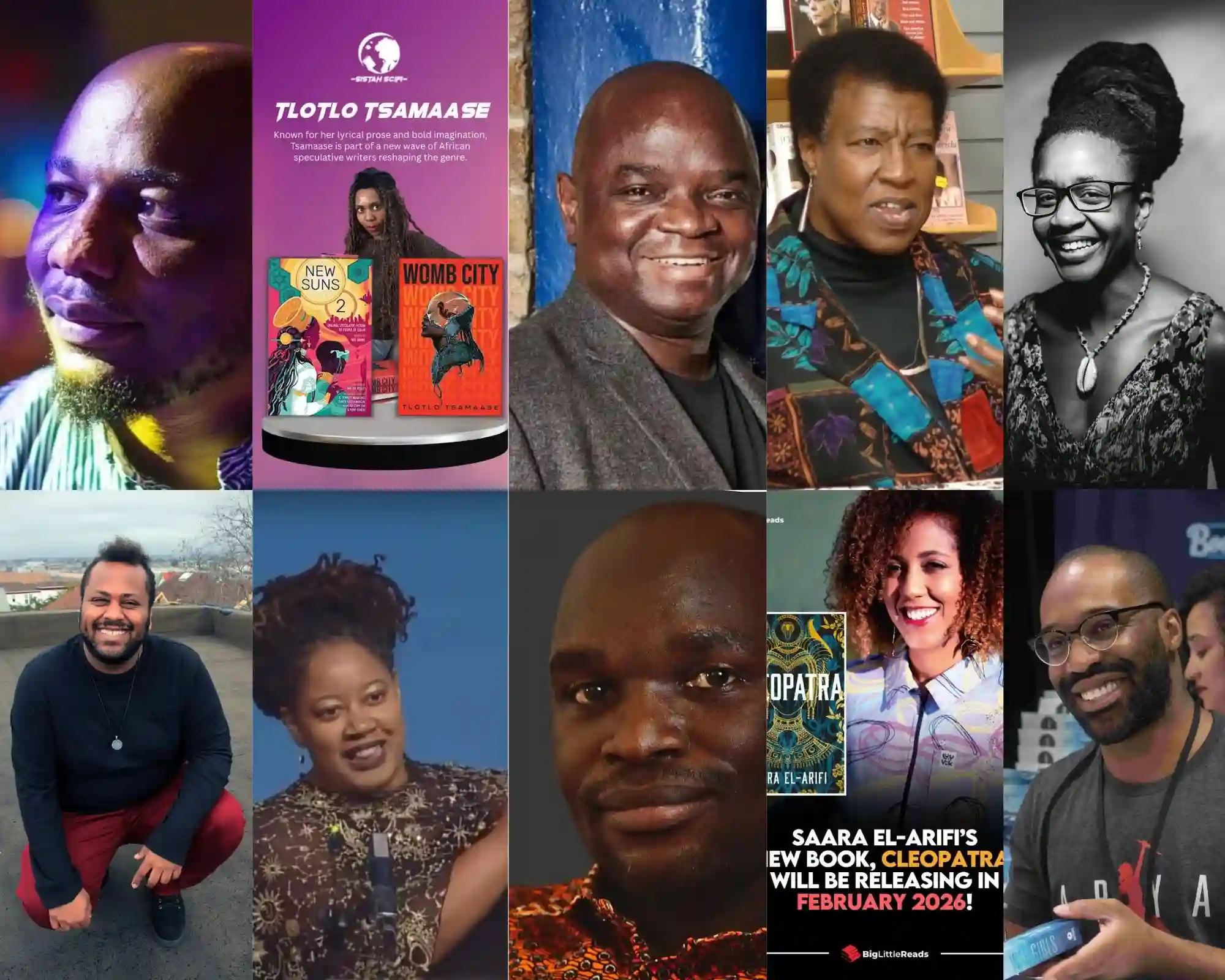
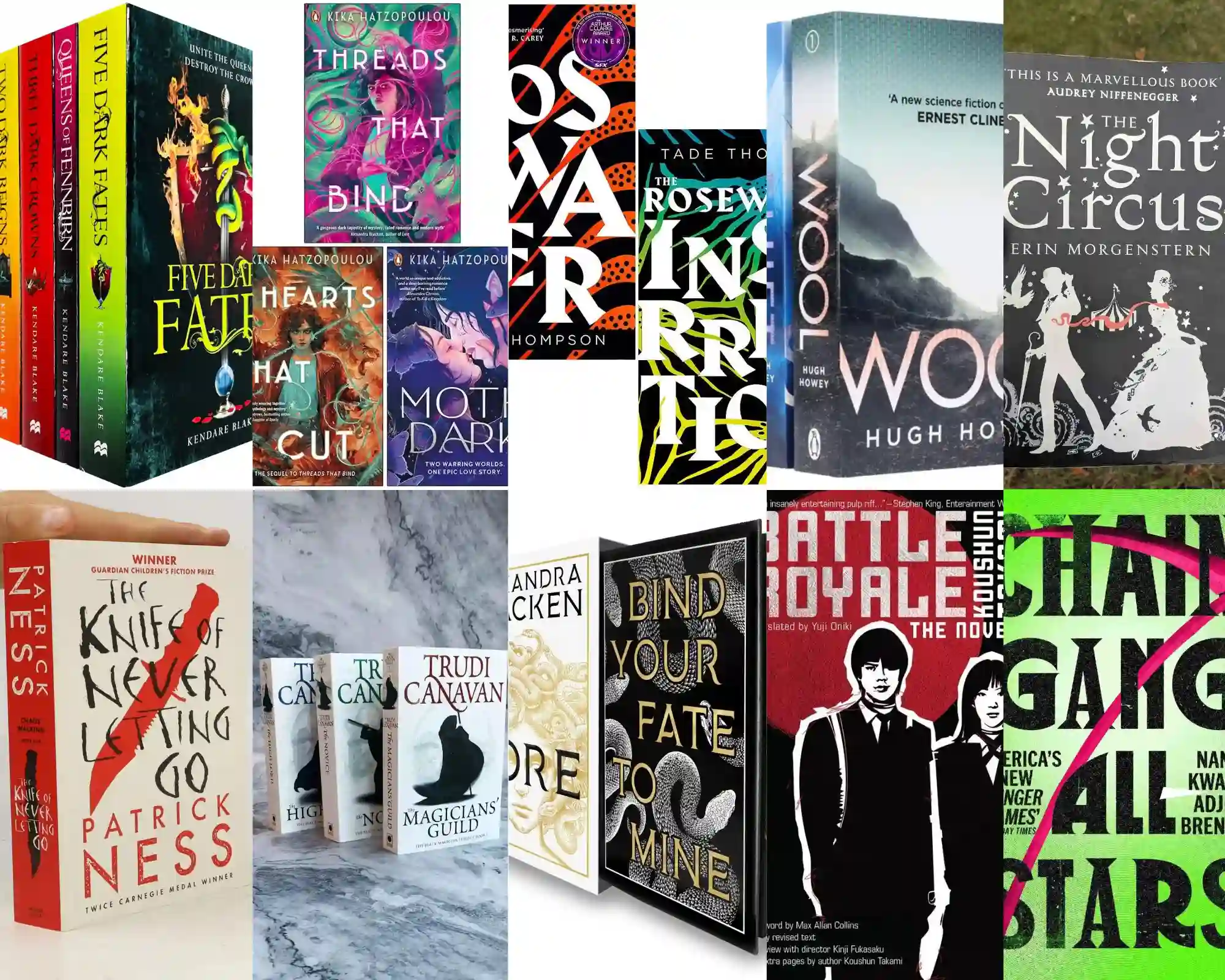










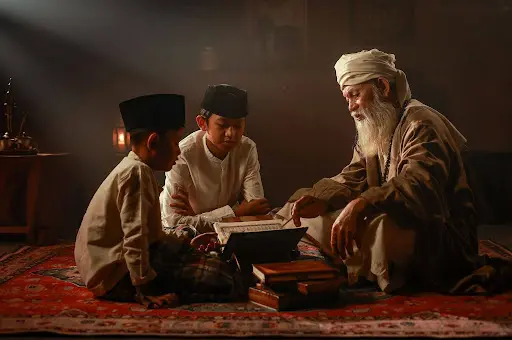





Anthologies offer one way to encounter that range without treating African literature as a single tradition.
African literature has never been easier to find, yet choosing where to begin can still be surprisingly difficult.
The continent has produced generations of novelists, poets, playwrights and storytellers, drawing from traditions that stretch from oral histories to contemporary fiction.
Anthologies offer one way to encounter that range without treating African literature as a single tradition. Within one volume, readers can move between countries, generations and literary forms, discovering familiar writers alongside authors they may never have encountered otherwise.
Here are eight anthologies that offer different routes into African classical and contemporary literature.
Published in the Heinemann African Writers Series in 1985, African Short Stories brings together twenty stories by writers from across the continent.
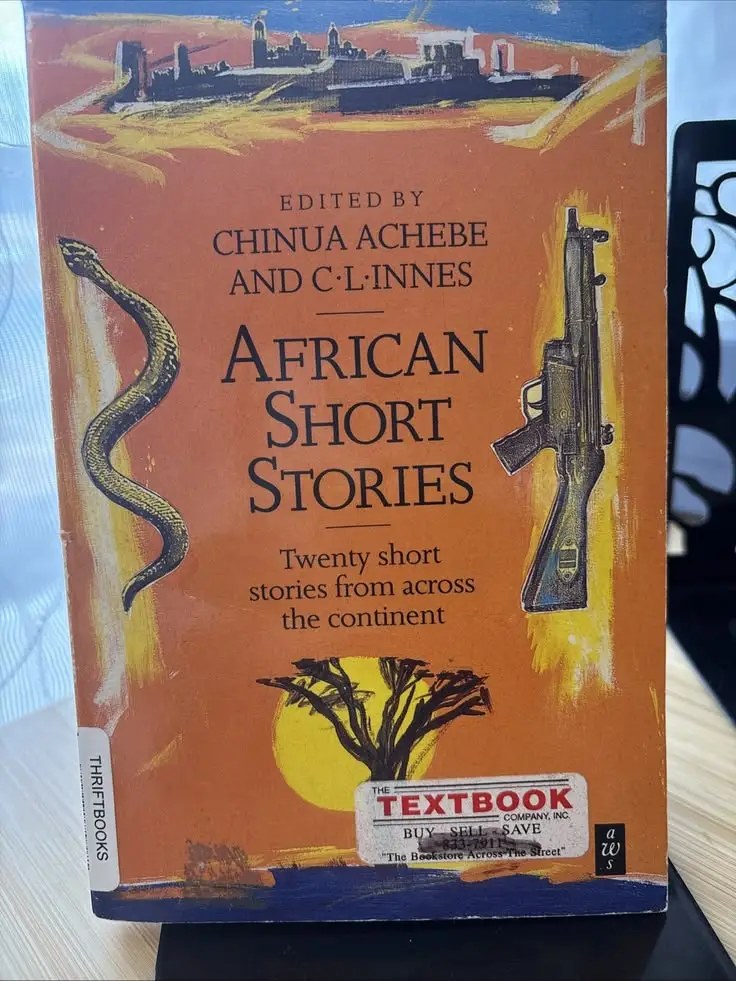
The selection includes writers such as Sembène Ousmane, Ama Ata Aidoo, Chinua Achebe, Jomo Kenyatta, Ngũgĩ wa Thiong’o, Nadine Gordimer and Bessie Head.
The geographical arrangement gives the collection a clear sense of the continent’s literary range.
Moving from one region to another makes it difficult to treat African fiction as though it emerged from one shared cultural or political experience. The differences between the stories are as important as their connections.
The range of writers is another reason anthologies remain useful. Well-known figures appear alongside authors who receive less attention on contemporary reading lists, creating a broader picture of the literary traditions that shaped modern African fiction.
For readers beginning with the short story, it brings several major voices and regions together in one volume.
Poetry occupies an important place in African literary traditions, and The Modern African Poetry offers a wide-ranging look at modern poetry from the continent.
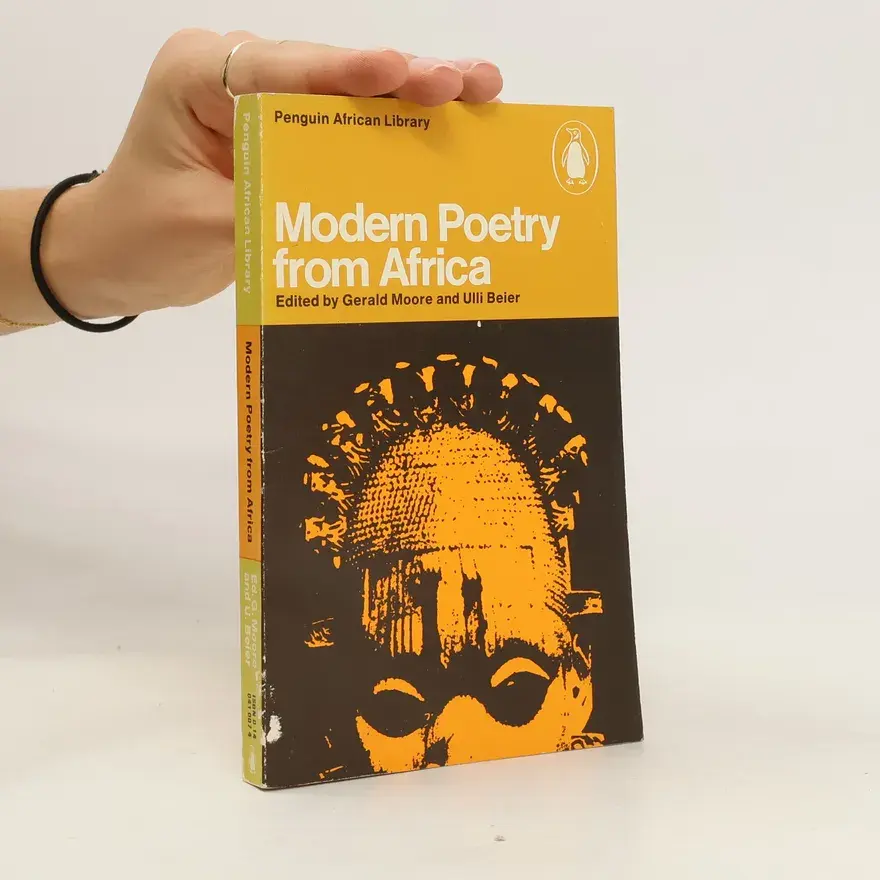
The anthology grew out of Modern Poetry from Africa, first published in 1963.
Later editions expanded considerably, with the fourth edition featuring ninety-nine poets from twenty-seven countries. The poems address subjects including war, political protest, love, nature, identity and everyday life.
Its range also shows how African poetry developed alongside major historical changes. Colonialism, independence, nationalism, exile and political conflict appear throughout the collection, but the poems are not confined to public or political subjects. Intimacy, memory, humour and ordinary experiences have space too.
Readers who associate African poetry mainly with political protest may therefore find a much broader literary landscape here.
The collection places different poetic traditions in conversation and shows how writers responded to both historical events and personal experience.
Some anthologies are organised around geography or literary periods. Margaret Busby’s Daughters of Africa takes a different approach by bringing together the writing of more than 200 women of African descent.
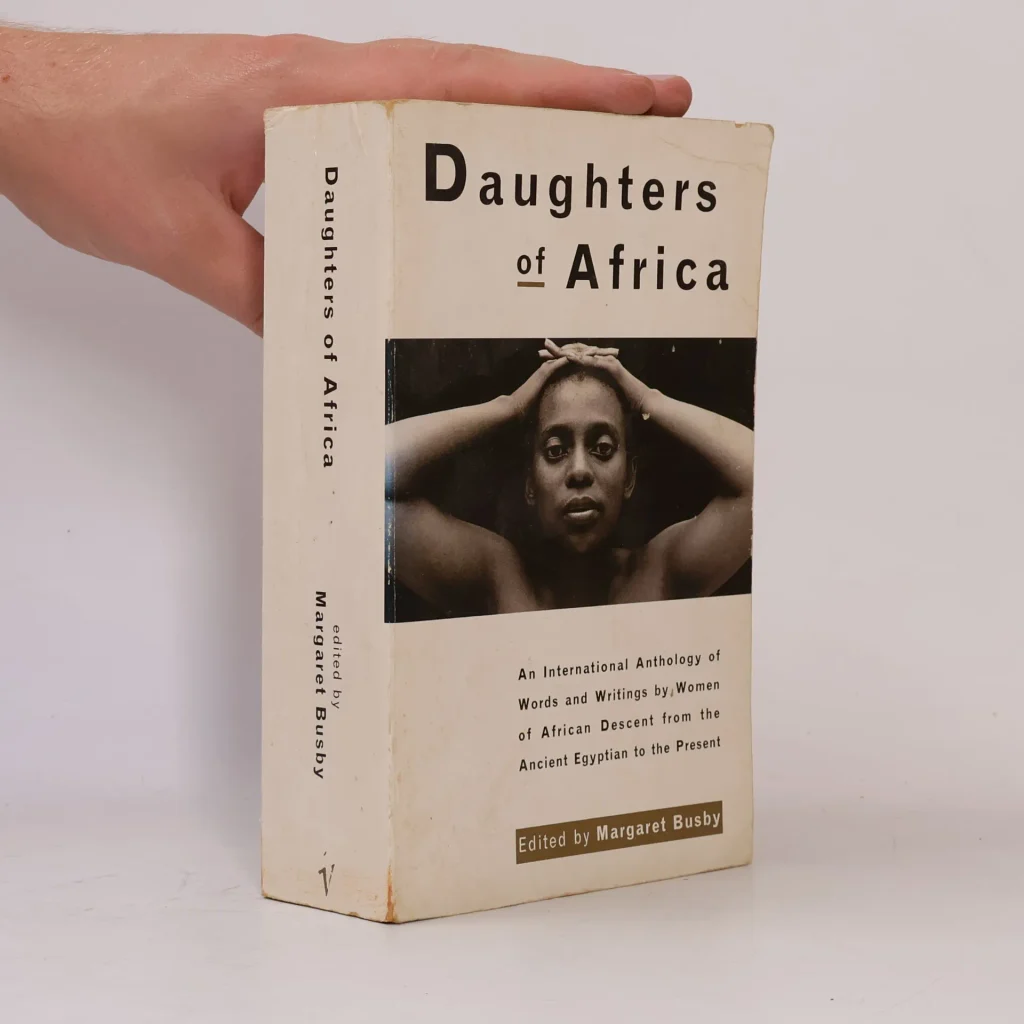
First published in 1992, the collection spans poetry, fiction, essays, drama, autobiography and other forms of writing.
Its scope reaches from older material to modern literature, creating a literary history that places women’s voices at the centre rather than treating them as an addition to a predominantly male canon.
The anthology also extends beyond the African continent. Writers from Africa appear alongside women from the Caribbean, Britain, the United States and elsewhere in the African diaspora.
The result reflects literary identities shaped by migration, slavery, colonialism and generations of movement between countries.
That broad definition of African writing gives Daughters of Africa scope beyond national borders. It is particularly useful for readers interested in how African and diasporic women’s writing intersect across time and place.
The Rienner Anthology of African Literature offers one of the broadest journeys through African literary traditions.
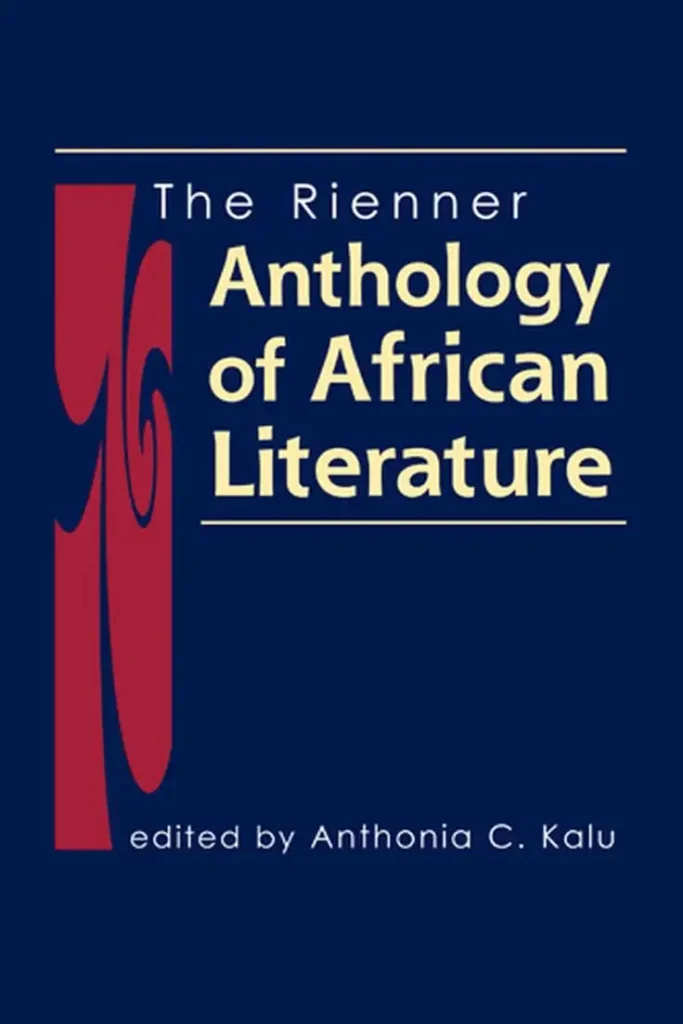
The 977-page collection moves from ancient cultures and oral traditions to contemporary fiction, poetry and drama.
The anthology includes myths and epics alongside writing by figures such as Chinua Achebe, Mariama Bâ, Bessie Head, Tayeb Salih, Wole Soyinka and Ngũgĩ wa Thiong’o.
Its selections are organised chronologically within geographical regions, while introductory material and biographical notes provide additional context.
That structure challenges a common assumption about where African literature begins. The modern African novel is only one part of a much longer history of storytelling and cultural expression.
Oral narratives, mythology, praise poetry and epic traditions existed long before twentieth-century literary movements and continue to influence later writing.
For readers who want both historical depth and modern literature in the same volume, this anthology offers an unusually expansive starting point.
The title African Rhapsody suggests something expansive, and the anthology approaches contemporary African life through twenty-five short stories by writers from sixteen countries.
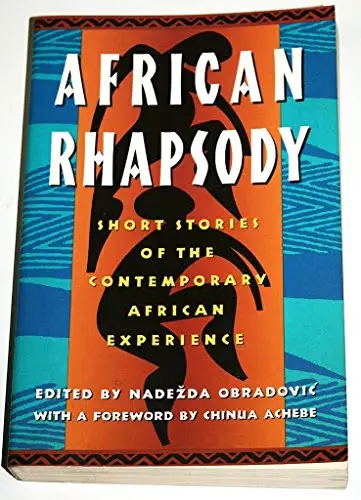
The collection covers North, South, East and West Africa and includes works translated from French, Arabic and Portuguese.
That linguistic range matters because African literature extends far beyond writing originally published in English. Translation opens the collection to literary traditions that many English-language readers might otherwise miss.
The stories address subjects including colonialism, apartheid, inequality, family pressures and political change. Yet the collection does not reduce contemporary African life to a catalogue of social problems. Instead, these wider issues appear through individual characters, relationships and circumstances.
That focus gives the anthology a distinctly human scale. Rather than presenting “Africa” as one broad idea, the stories allow readers to encounter particular lives shaped by very different histories and surroundings.
Published in 2011 and edited by Nigerian writer Helon Habila, The Granta Book of the African Short Story brings together writers from across the continent, including Chimamanda Ngozi Adichie, Abdulrazak Gurnah, Aminatta Forna, Fatou Diome, Leila Aboulela, Zoë Wicomb and Dambudzo Marechera.
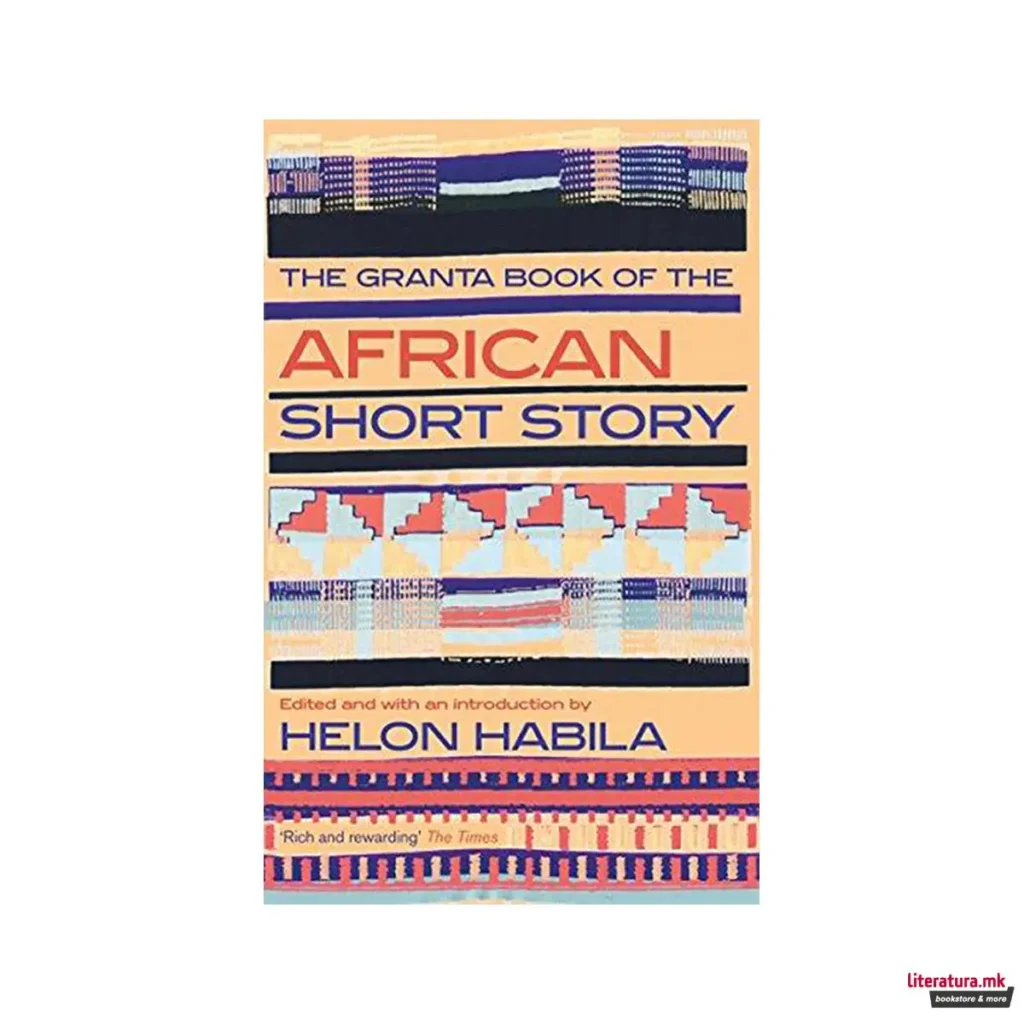
The anthology gives considerable attention to writers from newer generations while retaining links with earlier African literary traditions.
The narratives move through experiences shaped by travel, exile, migration and political change, reflecting a literary landscape in which movement between countries has become an important part of many writers’ experiences.
Reading the collection alongside an earlier anthology such as African Short Stories makes those changes especially visible.
The settings and narrative styles may differ, but concerns around identity, belonging, memory and power continue to appear in new forms.
Rather than presenting contemporary African fiction as a complete break from the past, Habila’s selection shows how newer writers can inherit longstanding concerns while approaching them through different literary styles and experiences.
While many anthologies look backwards to preserve literary history, Africa39 sought to identify writers who might shape its future.
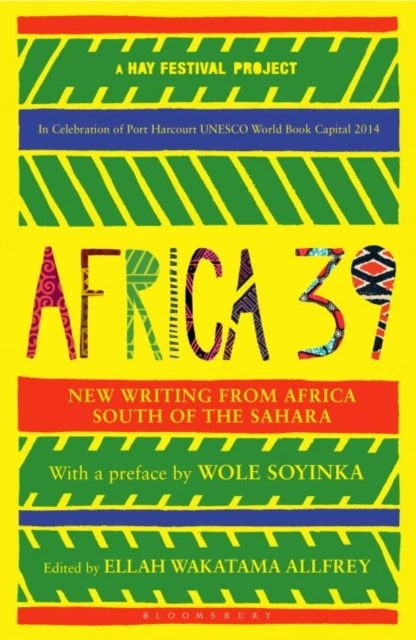
The Hay Festival and Rainbow Book Club created the project as part of Port Harcourt’s year as UNESCO World Book Capital in 2014.
It selected thirty-nine writers under the age of forty from sub-Saharan Africa and the African diaspora. The writers come from countries including Nigeria, Ghana, Kenya, Malawi, Liberia, Uganda, South Africa, Angola and the Democratic Republic of the Congo.
Some were already familiar to international readers, while others had received less attention outside their home countries.
The anthology captures a particular moment in African literary culture. Its writers explore lives shaped by multiple places, languages and cultural influences, with some stories remaining firmly rooted in home countries and others reflecting diasporic experiences.
As a result, Africa39 works less as a historical survey than as a snapshot of an emerging literary generation. It records the writers and perspectives gaining wider attention at a particular point in the development of contemporary African literature.
More than two decades after Daughters of Africa, Margaret Busby returned to the project with New Daughters of Africa in 2019.
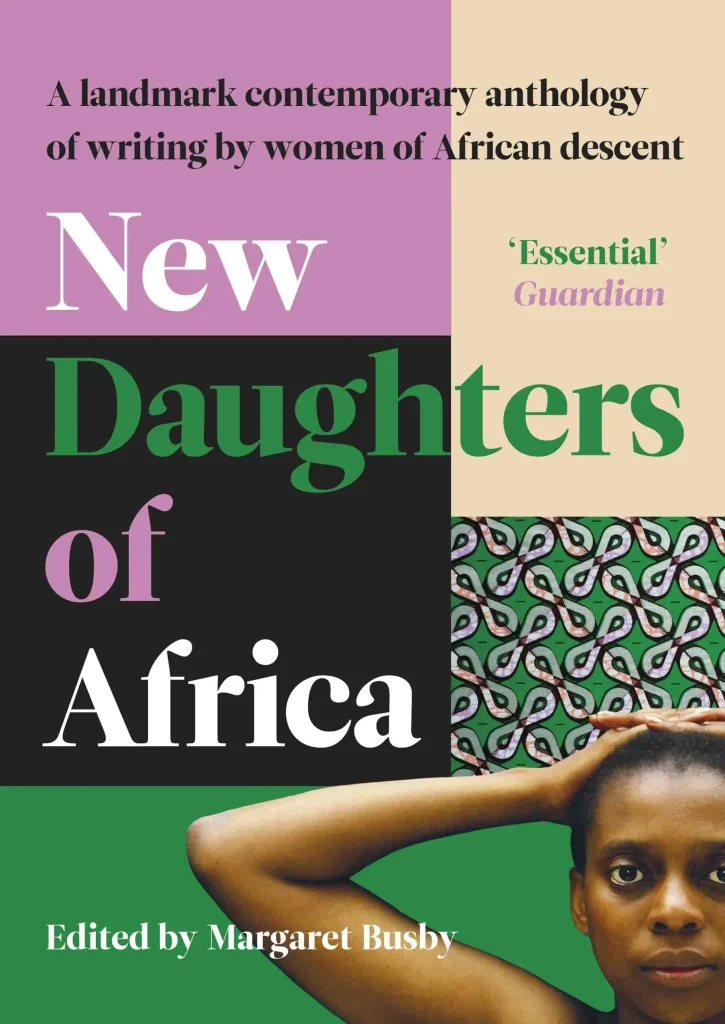
The anthology brings together more than 200 women writers of African descent across genres including autobiography, memoir, letters, short stories, poetry, drama, journalism, essays and speeches.
Writers from different generations appear alongside one another, allowing the collection to trace changes in subjects, literary forms and social experiences.
Its breadth also makes the relationship between the two Daughters of Africa volumes particularly interesting. The second collection expands the conversation to include newer writers and forms that reflect a changing literary and cultural landscape.
The result is a body of work that demonstrates how much can exist outside the conventional boundaries of the African novel.
Memoir, journalism, poetry, speeches and personal writing can offer equally revealing accounts of identity, history and everyday life.
Taken together, these anthologies show why African literature resists reduction to a single tradition.
A reader can move from oral histories and classical material to twentieth-century poetry, political fiction and contemporary stories about migration, gender, identity and belonging.
The collections also reveal how literary traditions change without simply replacing what came before.
Older concerns return in new settings, while newer writers introduce experiences that earlier generations could not have addressed in quite the same way. Reading across periods makes those connections easier to see.
The anthologies also broaden who gets included in African literary history. Some emphasise regional differences, others foreground women, younger writers, translated literature or the African diaspora. Each editorial approach changes what becomes visible to the reader.
That is perhaps the most useful thing about an anthology. It does not have to provide a complete picture of a continent as large and varied as Africa.
Instead, it can place enough different voices in the same volume to make simple definitions difficult.
A reader might arrive looking for a familiar novelist and leave with a new poet. Someone interested in contemporary fiction might encounter an older oral tradition that changes how they understand a later story.
A reader exploring African women’s writing might discover connections stretching across generations and continents. These eight anthologies offer different routes into that much larger literary world.
Together, they move between classical traditions, modern literary history and contemporary voices, giving readers plenty of places to begin exploring African literature without pretending that one collection can tell the whole story.

Best Films About Unexpected Age Gap Romance
Literary Awards and the Racism Card: A Wake-Up Call for Black Africa
Interview with the Vampire Relationships, Ranked
10 Top Recent Films for Action and Comedy Fans
Comma Rules Every Writer Should Know
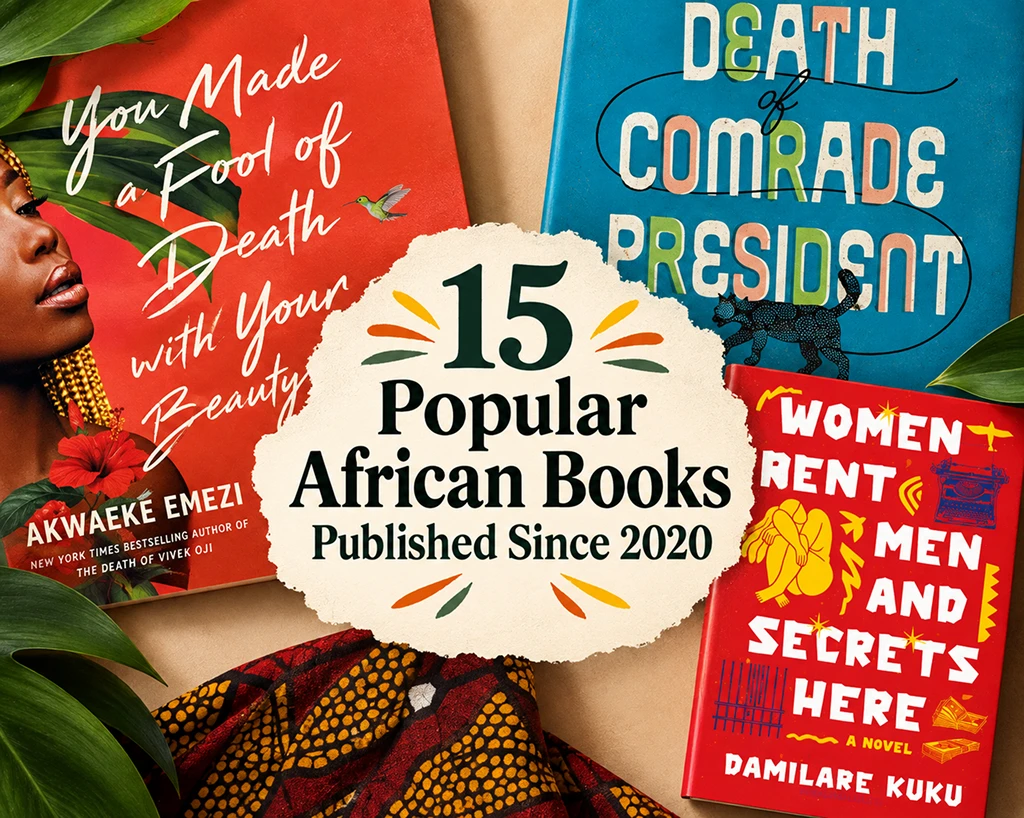
10 Most Hype-worthy 2026 Book Releases (African Literature Version)
Five Gambling Films That Know the Bet Is Only Half the Story
Movies Where Poker Reveals Who a Character Really Is
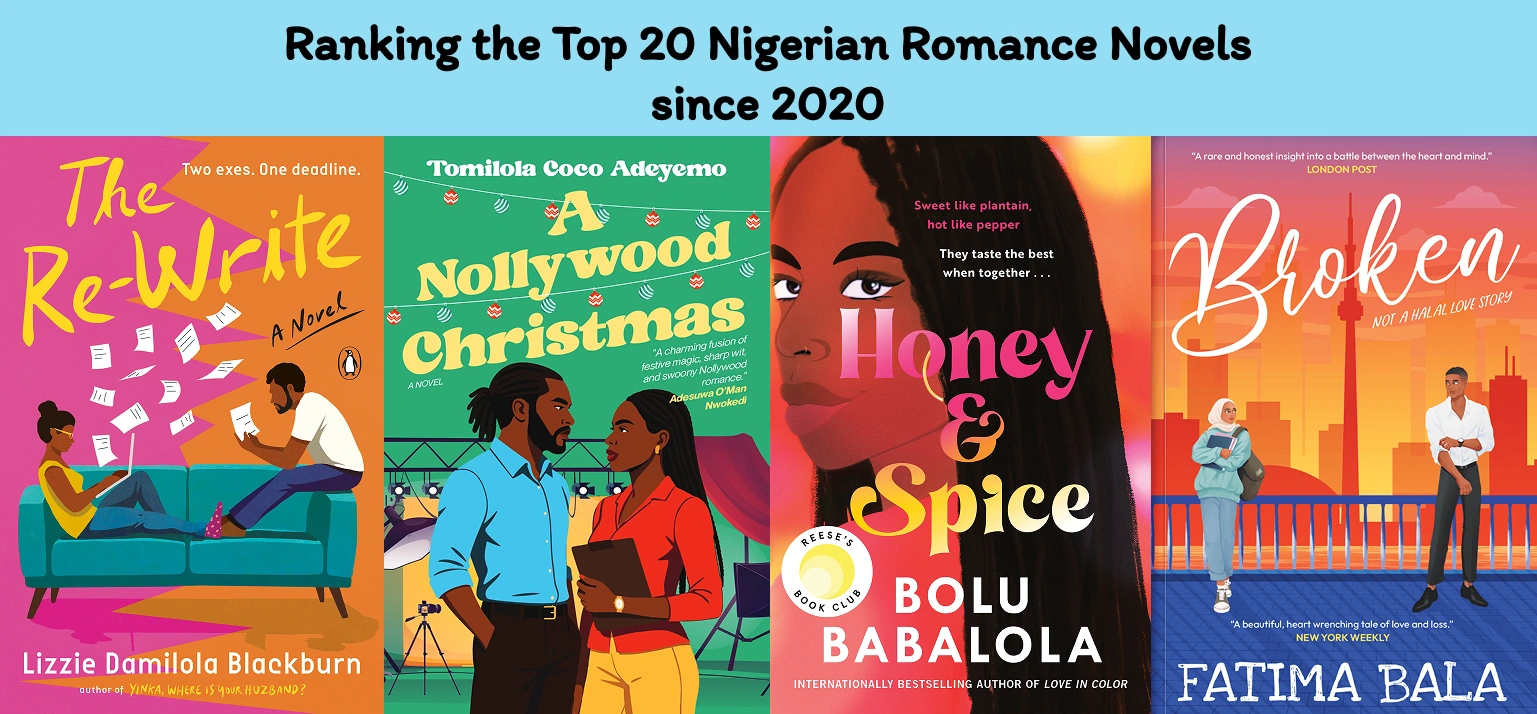
Ranking the Top 20 Nigerian Romance Novels since 2020
In Defense of Reading and Gaming
8 Third-Person Omniscient Examples for the Plot
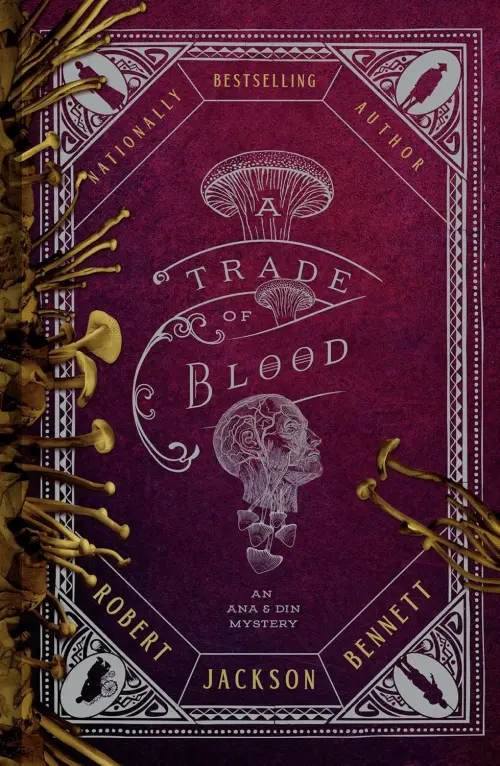
A Trade of Blood (Ana and Din Mysteries #3) by Robert Jackson Bennett
July 20, 2025 .
Animation, Lists
Our list rounds up the top 30 cartoon characters that were villains, each one more wonderfully wicked than the last.
READ MORE
October 28, 2025 .
Lists, Marvel, MCU, Opinions
Let’s go through a list of the top 7 strongest Marvel villains, from the wickedly powerful to the absolutely unstoppable.
READ MORE
April 29, 2026 .
Lists, Opinions
The Mouse is famous for its princesses and princes. However, the studio’s true genius lies in its embrace of “ugly Disney characters”.
READ MORE
May 6, 2026 .
Lists, MCU
Spider-Man is one of the many superheroes from the Marvel Universe whose stories shaped many childhoods. Who is your strongest Spiderman?
READ MORE

November 27, 2025 .
Lists, Mythology
While this isn’t an exhaustive list, it comprises some of the most popular mythical creatures from around the world.
READ MORE
September 30, 2026 .
Lists, TV Shows, Upcoming Movies
October isn’t celebrated as the official horror movie month for nothing, and some of these entries prove it.
READ MORE
September 9, 2026 .
Lists, TV Shows, Upcoming Movies
There’s something for everyone from every genre you love.
READ MORE

September 9, 2026 .
Lists, TV Shows, Upcoming Movies
July gears up with the hottest lineups of upcoming movies and TV shows.
READ MORE
September 9, 2026 .
Lists, TV Shows, Upcoming Movies
August line-up is here and they don’t disappoint.
READ MORE
April 29, 2026 .
Lists, Opinions
The Mouse is famous for its princesses and princes. However, the studio’s true genius lies in its embrace of “ugly Disney characters”.
READ MORE
September 9, 2026 .
Lists, Upcoming Movies
September’s lineup offers everything from action flicks to buddy comedy to romcom adaptations to keep you entertained all month long.
READ MORE
February 9, 2026 .
Lists
From Masobe to Narrative Landscape and Penguin Random House South Africa, here are the top 9 publishers of African Literature.
READ MORE

July 20, 2025 .
Lists
From Gardens of the Moon, it’s clear that the world of Malazan is richer in history and geographic detail, and than any other fantasy world.
READ MORE
February 23, 2026 .
African Literature, Lists
These are the books that could hold that kind of attention again. Not because they’re flawless, but because they can survive stillness.
READ MORE
Get our magazine for free!