Close menu
Ranking the best of African Literature




























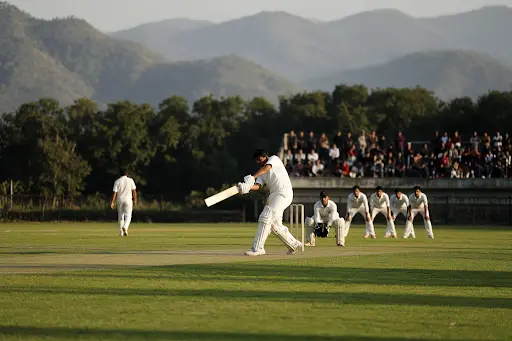

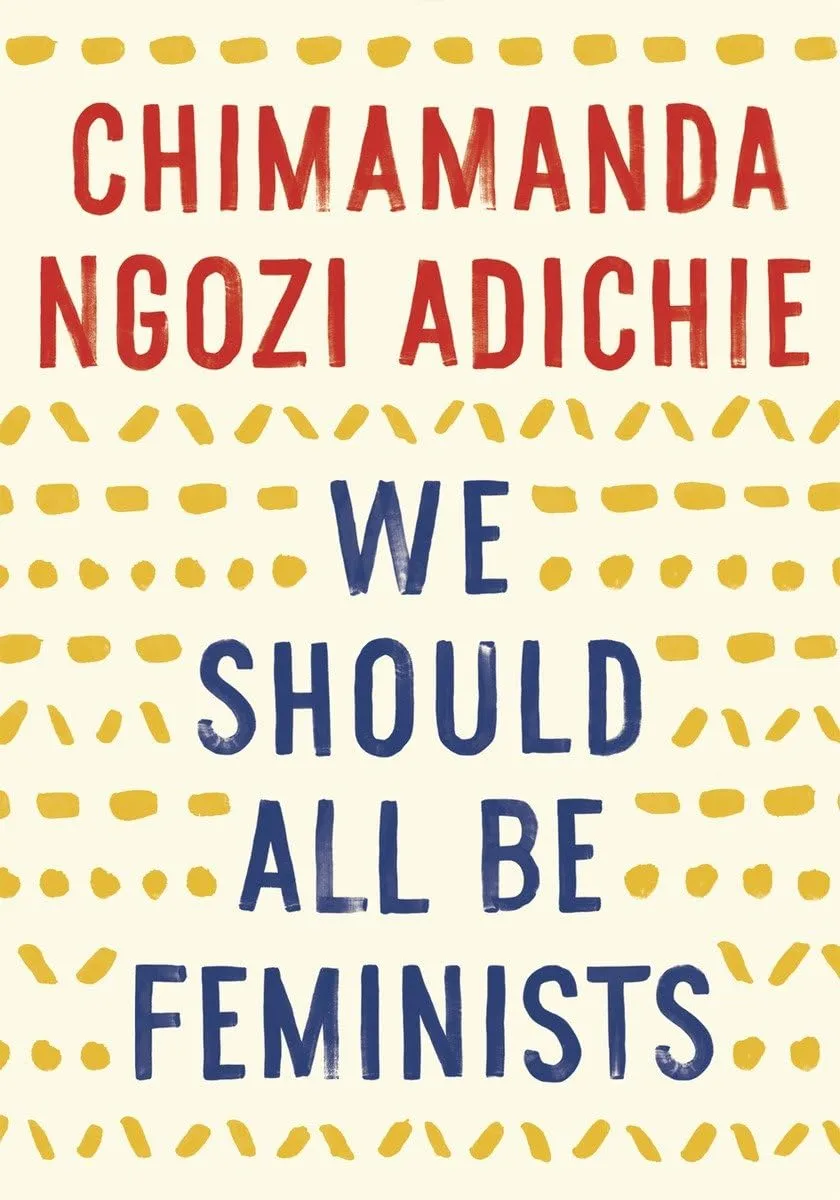












Sports and reading are two sides of the same coin. Naturally, these activities attract different people, with opinions on which is better.
Sports and reading are two sides of the same coin. Sports involve adrenaline-spiking activities like running, walking, jumping, and throwing- whether for fun, exercise or competition.
Reading is the mostly low-impact, dopamine-inducing sister, covering a multitude of genres under fiction and non-fiction, as well as reference books, textbooks, and graphic formats. Both offer a special experience that has resonated for decades.
Naturally, these activities attract different people, each with opinions on which is better. It is time to dig into the walls between sports and reading.
Sports did not just wake up one day and become the king.
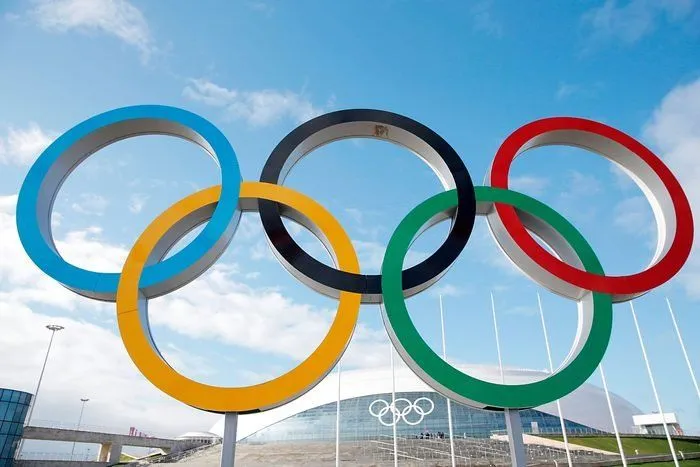
Back in Ancient Rome, rulers used gladiatorial games as political tools to control the masses and show off imperial power.
Fast forward to 19th-century Britain, and elite schools heavily standardised sports. They suddenly branded organised sports as the ultimate way to build character, toughness, and teamwork.
Today, the prestige of sports comes down to one major factor: visibility.
As a result, they create instant entertainment. And once visibility and a crowd are established, the money inevitably follows.
Players can use their athletic achievements to gain immense wealth, global accessibility, and celebrity status. Because sports have social capital, it’s easy to see how success is accessible.
Just as sports have historical roots, reading has its own fascinating backstory that explains why it’s seen as the ultimate intellectual staple.
For centuries, reading was an exclusive club. Before the printing press, people copied books by hand in quiet religious spaces. They were so rare and expensive, and only the incredibly wealthy or the deeply religious had access to them.

The printing press changed everything. It allowed people to mass-produce books, making them accessible to the general public.
Over time, building a personal library became a major status symbol, and being well-read became the ultimate marker of civilisation and education. Fast forward to today, where the landscape of literature has shifted again.
The internet has completely transformed reading. Online book communities are trending, and readers participate in book reviews that promote reading while keeping it intellectually engaging.
When sports and reading are placed side by side, the societal divide becomes obvious.

Looking at the pros and cons helps to explain how they fuel the tension between the two camps.
| Factor | Advantage | Disadvantage |
| Physical health | a. Sports improve physical health. It enhances cardiovascular fitness, strength, mobility, coordination, bone health and overall physical fitness. b. Reading is a low impact activity which slows your heart rate and eases physical tension in your muscles. The activity leads to lower cortisol (in non-triggering publications) and improves sleep quality. | a. Sports players, especially professional ones, can develop body overuse problems and unhealthy pressure to maintain a particular body type or performance level. b. Mostly sedentary. Long periods of sitting can contribute to inactivity, while prolonged reading can cause eye strain, headaches, poor posture, or sleep disruption, especially with screens. |
| Mental heath | a. The physical activity associated with sports can improve mental clarity, support mood, self-esteem, and psychological well-being. b. Reading provides relaxation, escapism, emotional processing, and a sense of camaraderie through stories. | a. At competitive levels, sports can increase stress and performance anxiety, as well as induce burnout. b. Certain books can be triggering for readers. Academic reading can create stress rather than relaxation. |
| Community | a. Sports create very strong communities through teams, clubs, schools, leagues, local competitions, and fandom. It gives people a shared identity and common interest. b. Book clubs, libraries, literary events, fandoms, reading challenges, and online book communities create spaces for people to connect over shared interests. | a. Sport communities can become tribal, exclusionary, overly competitive, or hostile toward opposing teams. In addition, access can also be limited by money, location, ability, or gender. b. Literary communities can also become elitist or intimidating to people who don’t consider themselves “serious readers.” |
| Profitability | a. Sports generate enormous industries around professional athletes, coaching, broadcasting, sponsorships, equipment, fitness, tourism, events, and merchandising. b. There are illustrious career paths in publishing, bookselling, editing, writing, libraries, literary events, audiobooks, ebooks, and adaptations. | a. Financial success is highly concentrated. Professional sport can be unstable, careers can be short, and most participants don’t make significant money from playing. b. Reading itself generally isn’t profitable for the reader, especially with the cost of hard copy books leading to sourcing from illegal sites. In addition, professional writers and other publishing workers famously receive unstable incomes, especially if they aren’t established names. |
| Cognitive Development | a. Physical activity develops reaction time, spatial awareness, strategic thinking, pattern recognition, concentration, memory, decision-making, teamwork, and problem-solving. b. Reading builds vocabulary, comprehension, knowledge, concentration, interpretation, imagination, critical thinking, and exposure to different perspectives. | a. Excessive focus on performance can also leave little time for other forms of learning. b. Too much reading can also become passive consumption rather than active thinking, especially when the role of gathering information changes from a general thirst for knowledge to trying to meet literature metrics. |
This sports vs. reading divide also survives through a two-way street of snobbery rooted in willful ignorance.
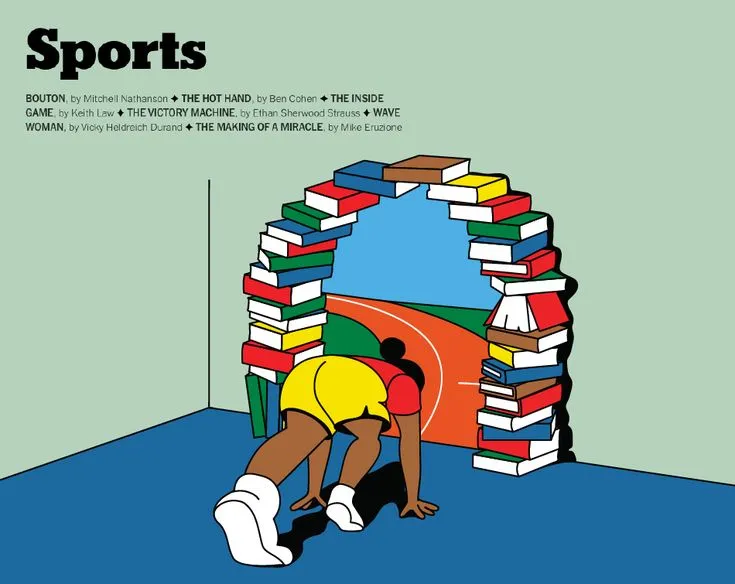
Nigerian Pidgin describes it as “I better pass my neighbor.” To understand the situation better, a breakdown is necessary.
Athletic circles also carry a deeply ingrained arrogance that treats physical action as the only “real” way to experience life.
Because reading is usually solitary, people can stereotype readers as people who would rather sit alone with a book than participate in social activities, which, to sports enthusiasts, is folly.
People often associate reading, particularly literary reading, with intelligence, academic achievement, or intellectual superiority. That can create the image of the reader as someone who thinks they’re “better” or smarter than people who aren’t interested in books.
In response, the physical activity lovers “mock” this trait in people who prefer to read to, in an unexplainable way, balance the scales.
Sports enthusiasts often look down on avid readers as less than. This perception stems from the belief that sweating on a pitch makes a person more productive than exercising their imagination.
There is also a tendency to measure productivity through physical output. Sweating, building muscle, improving speed, winning a match, or developing athletic skills are tangible achievements.
The benefits of reading, however, are less immediately visible. Vocabulary, imagination, critical thinking, empathy, and knowledge develop internally, making them easier to overlook.
Readers are snobs, and this high-handedness stems from beliefs that aren’t entirely accurate. One stereotype is that someone who spends a lot of time watching or playing sports cannot be an intellectual.
This situation appears in the first installment of High School Musical, where Troy goes through hoops to hide that he, the captain of the basketball team, is interested in the arts.
Not every sports enthusiast plays professionally. Some end up as regular 9-to-5 workers or business owners who support sport-related activities, or people who were the next Kobe Bryant but “tore their ACL.”
This group of people, the “nerds”, judge hard because they see them as fans wasting hours watching matches or arguing over people they don’t know personally.
Sports are aggressive, and unfortunately, this trait trickles down to everyday interactions. This combativeness ranges from simple disagreements to physical violence over losses.
Research shows reported domestic abuse incidents increase significantly during major international football tournaments. Incidents rise by 26% when a national team wins or draws, and by 38% when they lose.
Viewing sports as a purely physical endeavour ignores everything that goes on in a game.
At its core, athletics is dynamic problem-solving under extreme duress. An athlete isn’t simply reacting to a bouncing ball. This skill set is exemplified by a football midfielder anticipating teammates’ movements while reading opponents’ intent, all while managing their own exhaustion.
To dismiss this as less smart is to falsely define intelligence as something that can only happen while sitting still.
Similarly, viewing reading as a passive, purely cerebral activity misunderstands how deeply engaging with literature works.
Literature, from the writer’s angle, is reproducing human experiences or great fiction material in a way that resonates with its audience. Reading also requires profound emotional effort and remarkable mental strength to engage with actively.
Ultimately, the human experience is too vast, contradictory, and deeply fun to limit oneself to only half of the available spectrum.

Godsgift Isaiah is a music and book whore who enjoys everything about art.
Best Films About Unexpected Age Gap Romance
Literary Awards and the Racism Card: A Wake-Up Call for Black Africa
Interview with the Vampire Relationships, Ranked
10 Top Recent Films for Action and Comedy Fans
Comma Rules Every Writer Should Know
10 Most Hype-worthy 2026 Book Releases (African Literature Version)
Five Gambling Films That Know the Bet Is Only Half the Story
Movies Where Poker Reveals Who a Character Really Is
Ranking the Top 20 Nigerian Romance Novels since 2020
In Defense of Reading and Gaming
8 Third-Person Omniscient Examples for the Plot
A Trade of Blood (Ana and Din Mysteries #3) by Robert Jackson Bennett
July 20, 2025 .
Animation, Lists
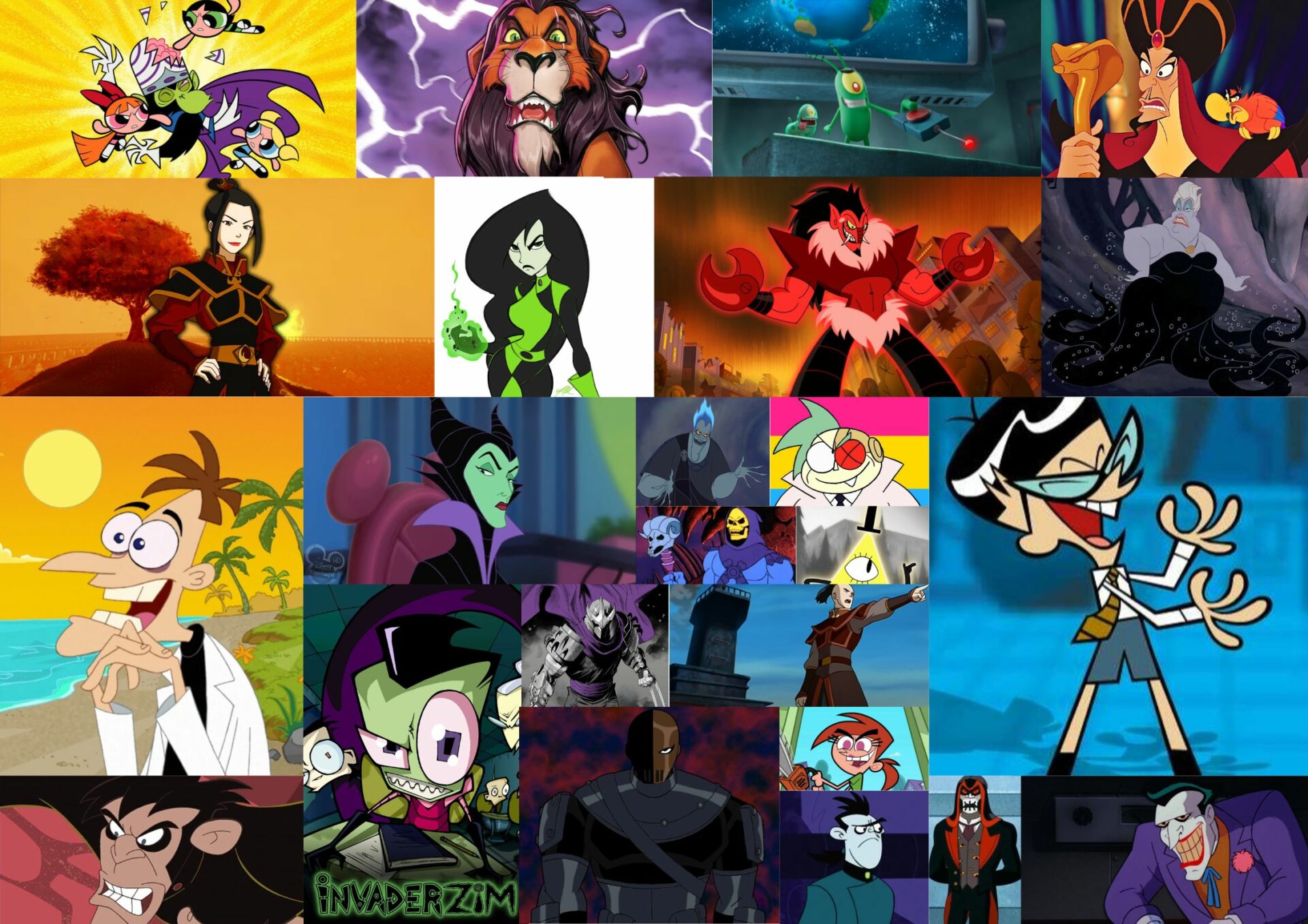
Our list rounds up the top 30 cartoon characters that were villains, each one more wonderfully wicked than the last.
READ MORE
October 28, 2025 .
Lists, Marvel, MCU, Opinions
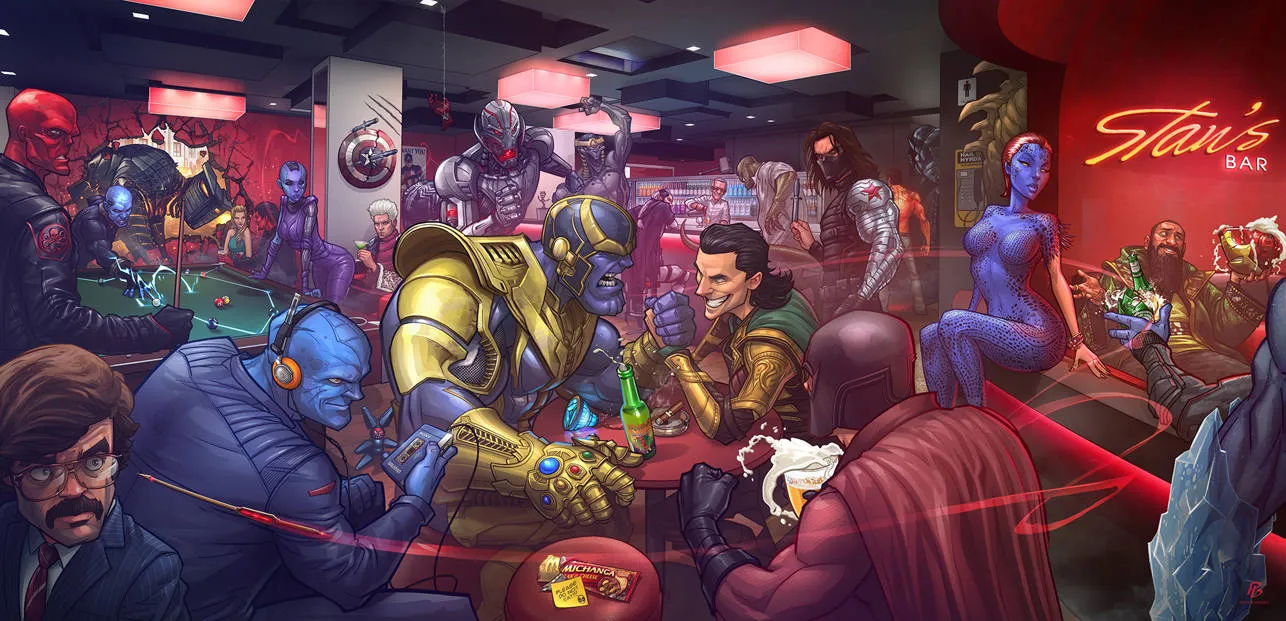
Let’s go through a list of the top 7 strongest Marvel villains, from the wickedly powerful to the absolutely unstoppable.
READ MORE
April 29, 2026 .
Lists, Opinions
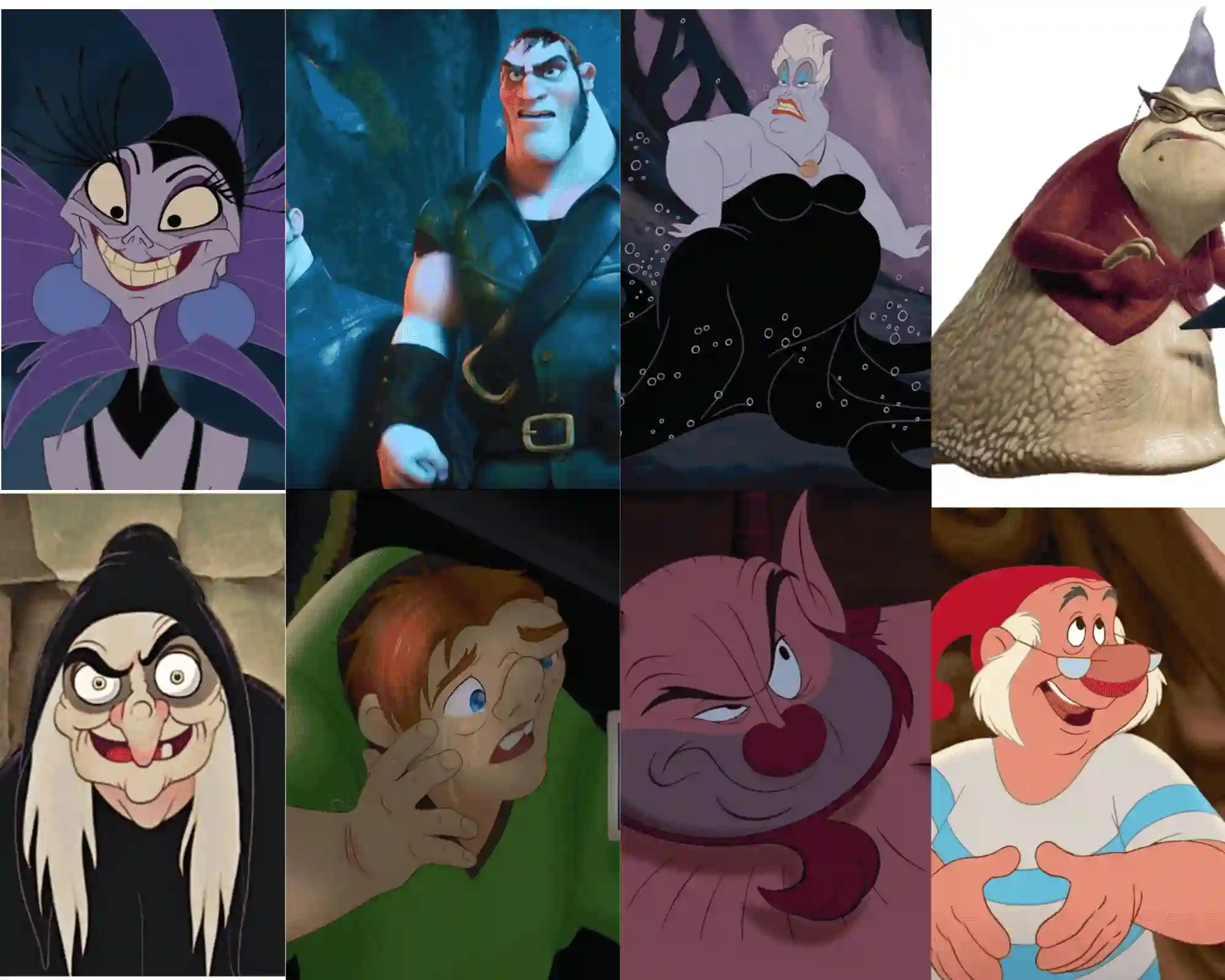
The Mouse is famous for its princesses and princes. However, the studio’s true genius lies in its embrace of “ugly Disney characters”.
READ MORE

November 27, 2025 .
Lists, Mythology
While this isn’t an exhaustive list, it comprises some of the most popular mythical creatures from around the world.
READ MORE
May 6, 2026 .
Lists, MCU
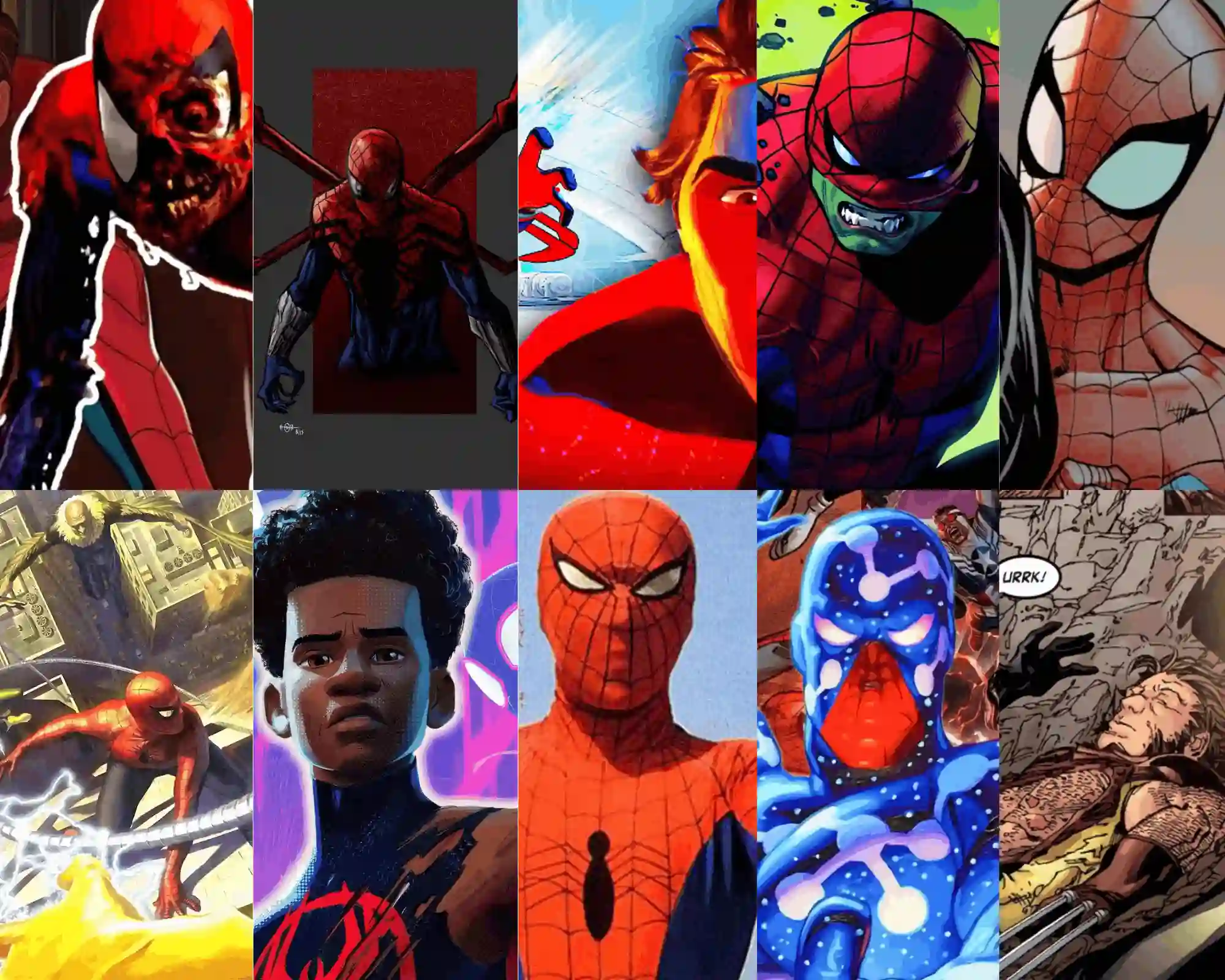
Spider-Man is one of the many superheroes from the Marvel Universe whose stories shaped many childhoods. Who is your strongest Spiderman?
READ MORE

July 20, 2025 .
Opinions
Book recommendations from random places don’t always cut it, and you often end up feeling unsatisfied with them.
READ MORE

July 20, 2025 .
Essays, Opinions
READ MORE

July 20, 2025 .
Essays, Opinions
READ MORE

September 11, 2026 .
Opinions
Book reviews aren’t just a jumble of words on how a book made you feel but also a veritable document that you can quickly refer to when your memories temporarily fail you.
READ MORE

July 20, 2025 .
Opinions
Reading hundreds of pages for a single book can be like facing Smaug, Chiefest of Calamities, but a short story is a small dragon that you can easily conquer.
READ MORE

July 20, 2025 .
Debates, Opinions
Reading nonfiction about what interests you can provide more color and context that might make your fiction reading experience more enjoyable.
READ MORE

September 12, 2025 .
Opinions
In a fast-paced world, reading asks us to slow down, surrender, and sit with another person’s words long enough for them to settle inside us.
READ MORE
November 24, 2025 .
Debates, Opinions
Reading is active while watching movies is passive. The act of turning pages creates a pause that enhances understanding.
READ MORE
July 26, 2025 .
Fantasy, Opinions
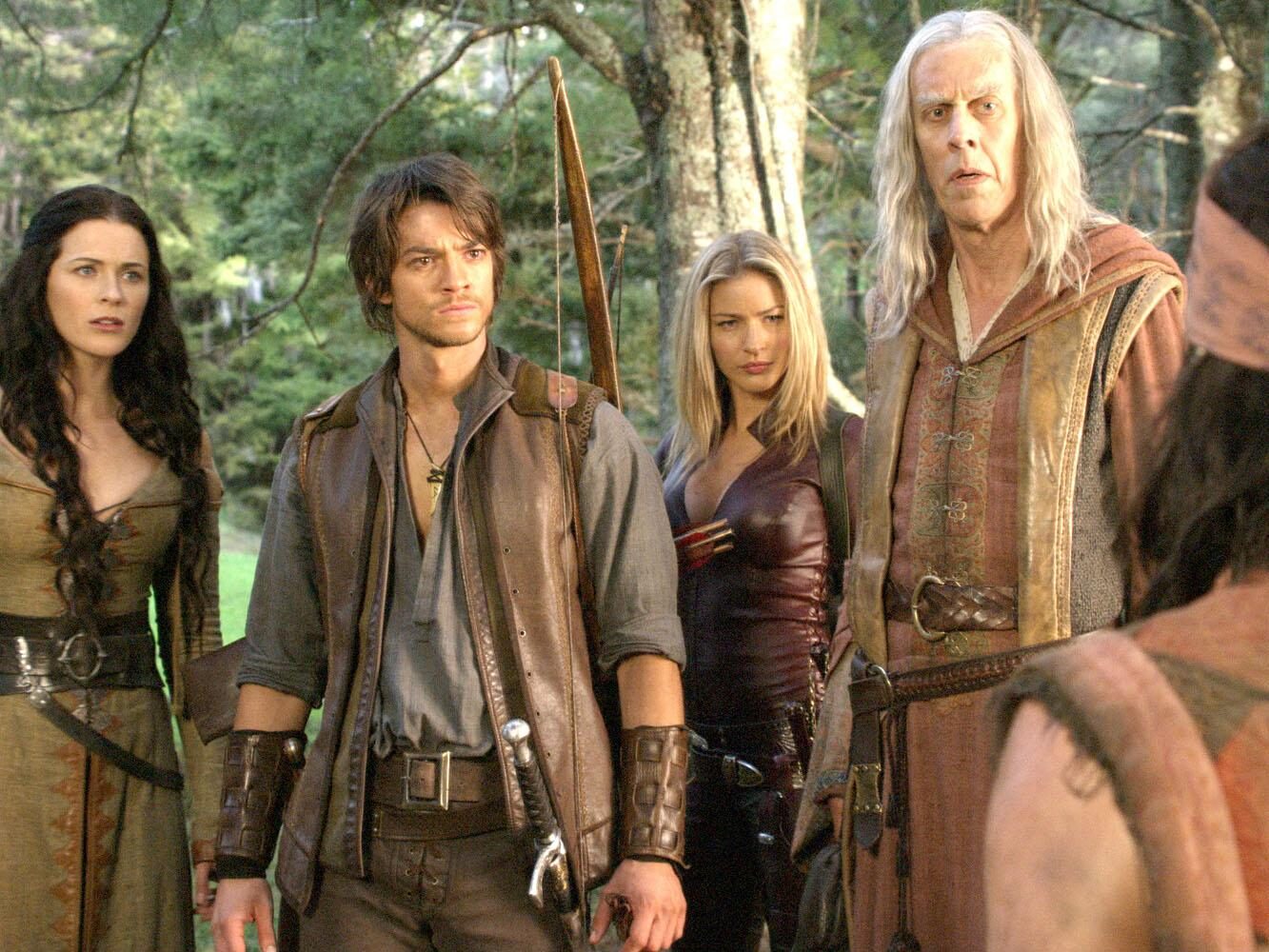
It’s cliche. But it’s rapid. It’s predictable. But it’s enjoyable. For lovers of the classic tropes, Legend of the Seeker is a worthy watch.
READ MORE
Get our magazine for free!