



















































The old versus new, an argument as old as time. Viewers miss 90s rom coms. In the same vein, modern rom coms are also fan favourites.
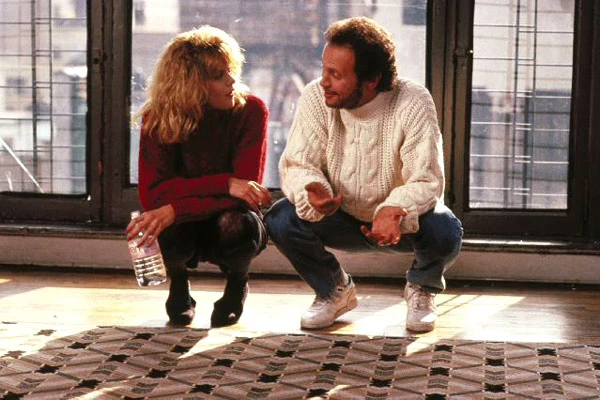
Rom-coms have always been an all-time comfort genre that inspires laughter, tears, and love.
From the 90s rom coms of When Harry Met Sally and Pretty Woman to modern hits like To All the Boys I’ve Loved Before, the successful love story formula has remained the same, but the dynamic has evolved.
Bring up romance movies in any group chat, and someone will declare that the 90s rom-coms were the golden age. Another would argue that modern rom-coms are more realistic and relevant. And, both aren’t wrong. They are responding to different emotional needs, shaped by different generations.
So what is the difference between the two?
There’s something comforting about revisiting ’90s rom-coms. The storytelling was simple but emotionally satisfying. They weren’t afraid of grand gestures: running through airports, holding boom boxes outside bedroom windows, and confessing love in the pouring rain.

The viewer knew there would be misunderstandings, a dramatic breakup, and then a perfectly timed reunion that made the conflict worth it. There’s a reason people still rewatch Notting Hill, 10 Things I Hate About You, Pretty Woman, and You’ve Got Mail.
For one, in the 90s rom coms, the meet-cutes were genuinely endearing. They felt organic because they reflected a pre-digital reality. People would randomly bump into each other at the bookstore or while walking down a busy street, or meet at a mutual friend’s wedding rather than an organised online space.
Bottom line, those were all unique, and so were the atmospheres in which they took place. This natural flow allowed relationships to unfold gradually, creating slow-burning romances that every viewer has come to love.
The 90s rom-coms understood the importance of casting chemistry. Instead of simply filling the roles with actors because they are attractive, which is a good factor to consider, the chemistry between the characters felt believable. You could see it in the eye contact, the awkward pauses, the tension. It was palatable.
Focusing too much on casting conventionally attractive actors to provide the audience with eye candy, rather than prioritizing a connection between the two leads, can ultimately be detrimental to the movie’s success.
Many 90s narratives were structurally strong and refreshingly original. They were either pioneering the ideas for the story or reenacting ideas from already written books.

Either way, it was a fresh angle. The plots relied on character development and storytelling rather than overt attempts to align with trends. The focus was on the emotional journey, and the storytelling felt cleaner and foolproof. Pacesetters, if you will.
Julia Roberts, Meg Ryan, Hugh Grant, and Heath Ledger were the emotional comfort characters that made the 90s rom-com unforgettable. The movies were like a walk down memory lane, shedding light on the prettier facets of a past. It was like a kaleidoscope through which we could look back at our childhood with yearning.
Here’s the thing: modern rom coms aren’t the cons of this story. They’ve actually done a lot of things better. Love today is shaped by dating apps, ghosting, and identity exploration, so naturally, the stories have evolved as well.
With a new generation comes innovations and newer perspectives. Despite the charm of earlier films, modern rom-coms offer clear strengths, with storytelling that embraces complexity. It’s no longer watching the same boy-meets-girl formula repeated endlessly.

Modern stories explore other scenarios; situationships, emotional baggage, healing, career conflicts, friendship dynamics, and self-discovery. It’s a whole new world. The characters are more complex, too, with layers to explore and discover.
A broader range of voices, backgrounds, and relationships is now at the centre of these narratives. It’s no longer a narrow point of view; different races and identities are given stronger voices and roles, creating a whole new world of possibilities. And when done well, it makes the genre richer and more honest.
With better technology and equipment, it’s inevitable that there’s better cinematography, sound design, editing, and visual quality than in ’90s rom-coms.

Most scenes today are visually stunning in a way older films simply couldn’t achieve with the technology available to them. The bright pop of colours is enough to draw anyone in and keep them hooked. The result is a more immersive viewing experience that enhances emotional impact.
The old versus new, an argument as old as time. Here’s the real truth no one asked for: Viewers miss 90s rom coms because they convey feeling. In the same vein, modern rom coms are also fan favourites because they feel more like the world we actually live in.
Ultimately, this debate is less about determining which era is superior and more about understanding what each contributes. The 90s mastered romantic idealism and emotional escapism. Modern films, meanwhile, ground romance in realism and cultural relevance.
The heart of a rom-com will always be about capturing the magic of human connection. And maybe that is what matters when selecting preferences.

July 20, 2025 .
Animation, Lists
Our list rounds up the top 30 cartoon characters that were villains, each one more wonderfully wicked than the last.
READ MORE
April 29, 2026 .
Lists, Opinions
The Mouse is famous for its princesses and princes. However, the studio’s true genius lies in its embrace of “ugly Disney characters”.
READ MORE
May 6, 2026 .
Lists, MCU
Spider-Man is one of the many superheroes from the Marvel Universe whose stories shaped many childhoods. Who is your strongest Spiderman?
READ MORE
February 26, 2026 .
Cartoons, Lists
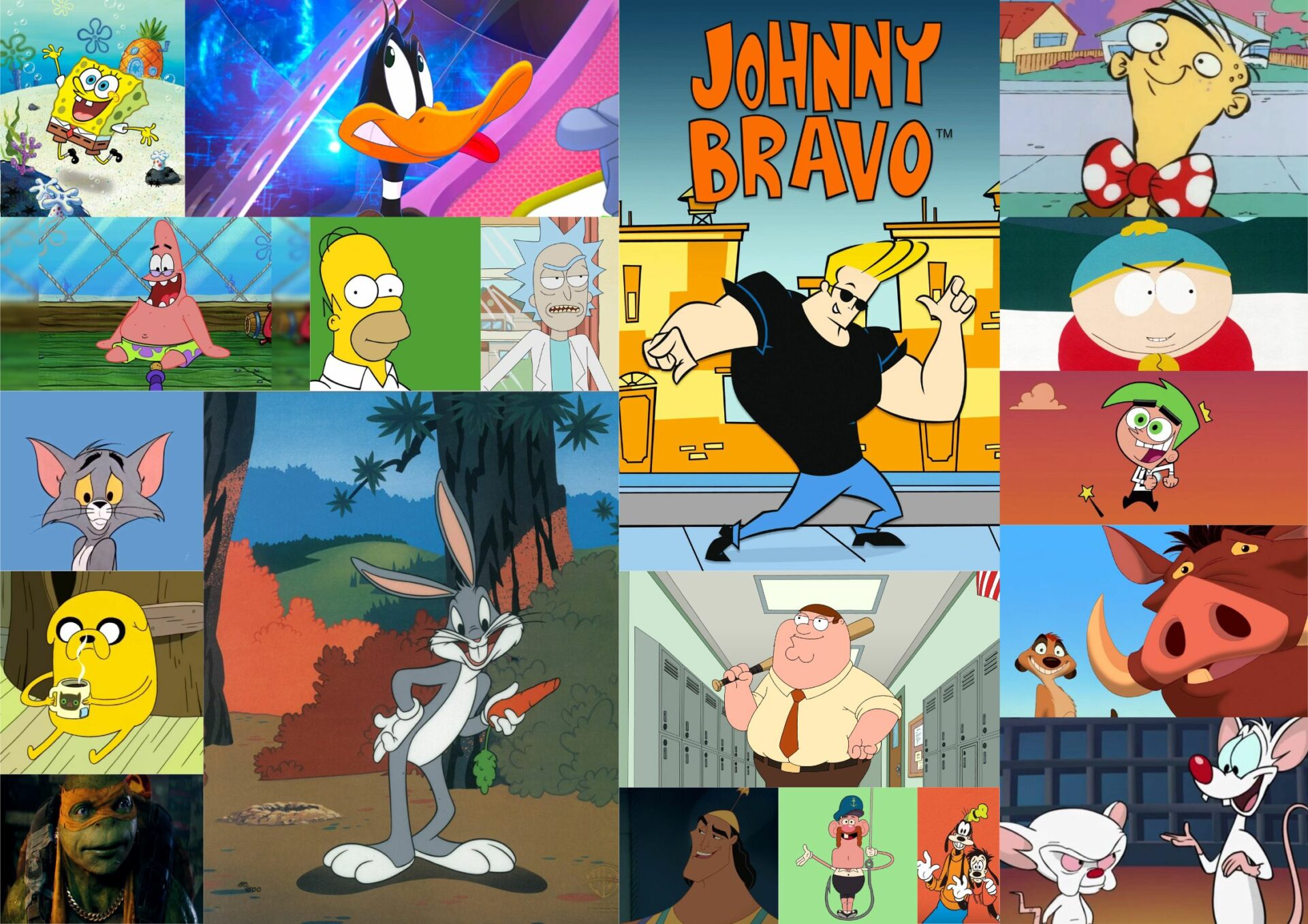
There are some outright funny cartoon characters who exist solely to crack you up, loud, hard, and with zero apology.
READ MORE
October 28, 2025 .
Lists, Marvel, MCU, Opinions
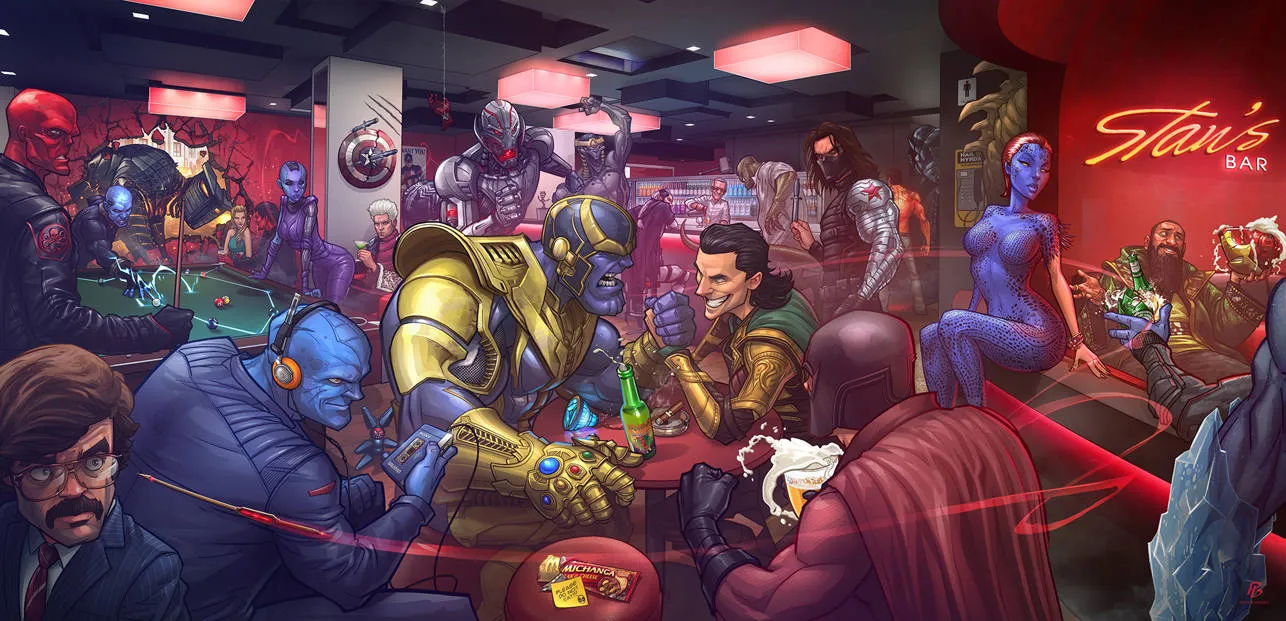
Let’s go through a list of the top 7 strongest Marvel villains, from the wickedly powerful to the absolutely unstoppable.
READ MORE


July 20, 2025 .
Opinions
Book recommendations from random places don’t always cut it, and you often end up feeling unsatisfied with them.
READ MORE

July 20, 2025 .
Essays, Opinions
READ MORE

July 20, 2025 .
Essays, Opinions
READ MORE

September 11, 2026 .
Opinions
Book reviews aren’t just a jumble of words on how a book made you feel but also a veritable document that you can quickly refer to when your memories temporarily fail you.
READ MORE

July 20, 2025 .
Opinions
Reading hundreds of pages for a single book can be like facing Smaug, Chiefest of Calamities, but a short story is a small dragon that you can easily conquer.
READ MORE

July 20, 2025 .
Debates, Opinions
Reading nonfiction about what interests you can provide more color and context that might make your fiction reading experience more enjoyable.
READ MORE

September 12, 2025 .
Opinions
In a fast-paced world, reading asks us to slow down, surrender, and sit with another person’s words long enough for them to settle inside us.
READ MORE
November 24, 2025 .
Debates, Opinions
Reading is active while watching movies is passive. The act of turning pages creates a pause that enhances understanding.
READ MORE
July 26, 2025 .
Fantasy, Opinions
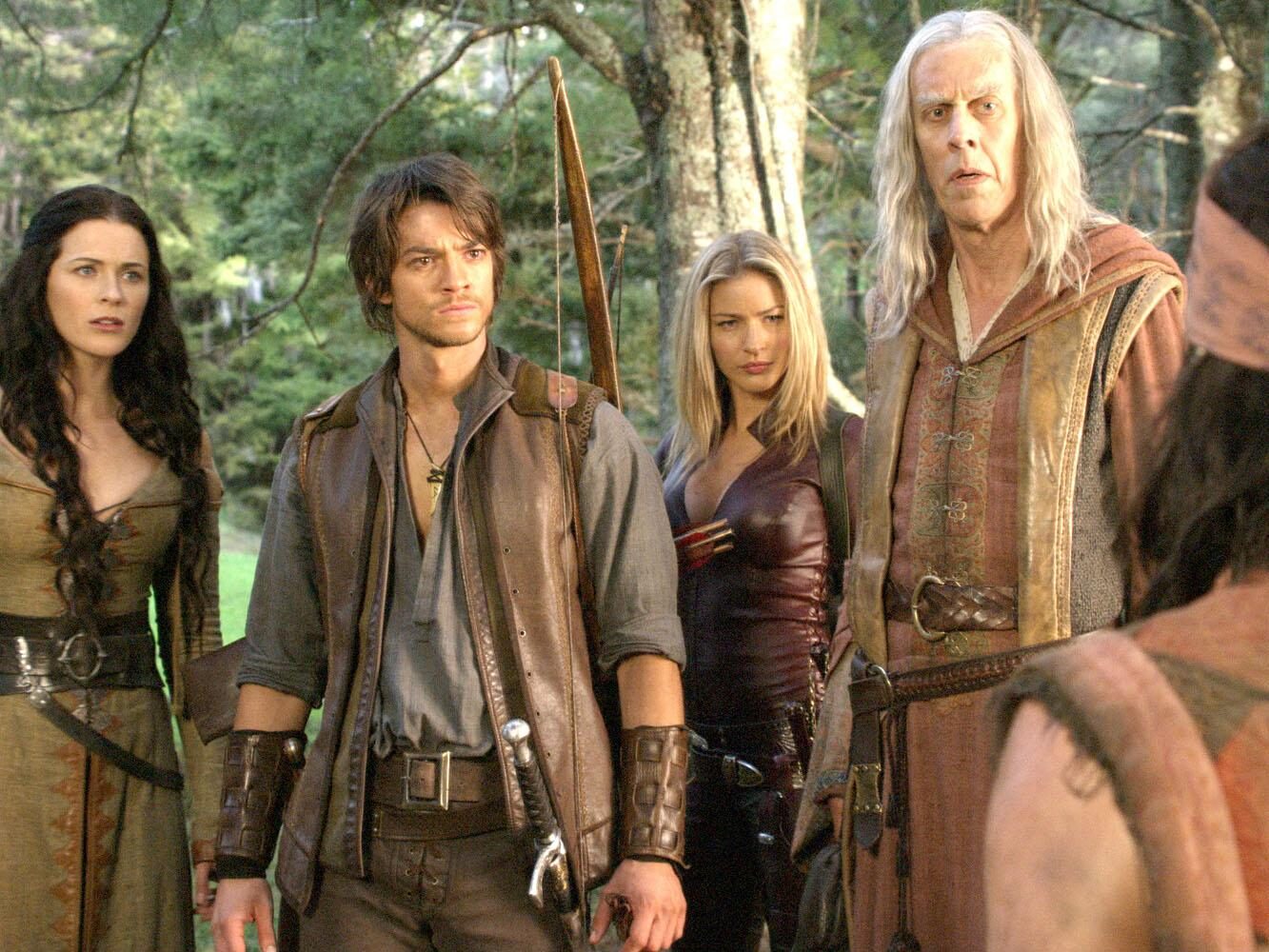
It’s cliche. But it’s rapid. It’s predictable. But it’s enjoyable. For lovers of the classic tropes, Legend of the Seeker is a worthy watch.
READ MORE

Get our magazine for free!