





















What if African authors used literary devices like this?
Literature has a reputation for being stuffy and snobbish. I recently found a list of literary devices, and I couldn’t stop picturing what would happen if African authors turned them loose on our own stories. So I tried it.
Here goes nothing.
Paralepsis is the convenient literary device of drawing attention to something while pretending not to mention it.
African families may already be natural experts at using paralepsis.
Imagine a narrator saying: “We will not discuss what happened between Uncle Tunde and the family treasurer. It is enough to say that Uncle Tunde has not attended Christmas lunch since 2017.”
You see the problem here? We are, in fact, discussing it.
Picture an entire African family novel built on this technique alone. Every chapter politely announces that a particular matter will not be discussed, then proceeds to discuss it in increasingly suspicious detail.
We shall not concern ourselves with why Auntie Ngozi suddenly changed churches. Three paragraphs later, it started, as these things often do, with the pastor’s wife.
At this point, the narrator has lost the plot and joined the gossip. It’s giving self-righteous amebo. (If you’re not Nigerian, ask a Nigerian friend what amebo means).
Circumlocution is simply dancing around something you want to say instead of getting to the point.
Someone dies. Nobody says they died. We just dress it up in phrases like:
Meanwhile, everyone knows exactly what happened.
The same treatment can be given to almost anything.
Tom did not steal the money; he facilitated its movement. Debby wasn’t gossiping; she was sharing information of communal importance. Hassan wasn’t broke; he was rich in the lord, or he was experiencing temporary financial constraints. Which is a respectable way of saying, “Please send me money.”
Syllepsis is one of those devices that sounds like it should be difficult to explain at a dinner party. In simple terms, one word applies to two different things, usually in two different senses.
For example: She broke his car and his heart. “Broke” is doing two different jobs.
Now, let’s imagine this in African literature.
My mother raised three children and her blood pressure. The government raised taxes and eyebrows. Uncle Tony lost the election and his temper.
There is something wonderfully economical about it, especially considering that we are managing everything in this country. Why not be miserly with words too?
A Nigerian wedding carries a whole chapter on its own: the wedding exhausted the bride, the groom, and the generator.
Litotes is the opposite of exaggeration or understatement, usually by saying that something is not the opposite.
So after a terrible family gathering, instead of saying the meeting was a disaster, you say it was not particularly peaceful. This feels especially useful in African literature because understatement is sometimes funnier than exaggeration. It brings to mind the Gobe trend online.
Here are more examples:
Kemi’s wedding was not exactly small. Tobi’s landlord was not known for his generosity. The politician’s speech was not particularly brief. Our Christmas gathering did not go entirely according to plan.
And everyone knows what these sentences mean.
The family meeting involved shouting. The wedding had 1,500 guests. Tobi’s landlord had charged him for something that was not technically a service. The politician has been speaking since before lunch.
Litotes gives us the freedom to say, “Things were not great,” when we mean, “Everything has gone completely wrong.”
Anadiplosis is when the last word of one sentence or clause becomes the first word of the next.
It can sound quite elegant, like: he feared poverty, and poverty had shaped his childhood.
But let’s imagine it in an African family.
My mother wanted a wedding. A wedding required aso-ebi. Aso-ebi required money. Money required Uncle Tony. Uncle Tony required convincing. And just like that, we have reached the real conflict.
Or take migration, for instance.
He left Nigeria for London. London became home. Home became the place he visited every Christmas. Christmas became the only time his children remembered where he came from.
The repetition starts to do something more serious here. It creates a chain, with each idea handing itself over to the next.
Aporia is the expression of doubt or uncertainty. This phrase is interesting in stories about family history, because every African family seems to have at least one event told so many times that nobody knows what happened anymore.
For instance, my mother says my father left because of money. My father says he left because of my mother. My grandmother says it was spiritual. I was twelve, and at that age I thought people simply left because they wanted to. And perhaps that is the most honest version of the story.
Antimetabole repeats words or ideas in reverse order. It gives you sentences that feel almost proverb-like: we left home to find ourselves and found ourselves leaving home.
Or…
We sent our children abroad for a better life, and now our children abroad send money home so we can have a better life.
It works particularly well for stories about patriotic declarations, identity, and the strange ways our lives come full circle. And, naturally, there is the family version: we raised them to leave, and now we complain that they left.
Fair enough.
Bathos is when a piece of writing suddenly drops from something grand or serious into something ordinary, silly, or anticlimactic.
African literature has plenty of fun with this. Take a reader who expects something profound: he had survived the war, crossed three countries, buried his father and rebuilt the family home. Then his mother called to ask if he had remembered to buy tomatoes.
Or: for thirty years she had carried the weight of migration, motherhood and grief.
And her mother’s soup pot.
No, I’m not confused. Yes, I double-checked my spelling, and no, I didn’t confuse it with ellipsis.
An apostrophe is punctuation and a literary device, too. What can I say, two things can be true.
In literature, apostrophe is when a speaker addresses someone or something that is absent, dead, abstract, or incapable of answering. So instead of saying, “The electricity went off,” we get: “Dear NEPA, I believe we need to talk.” Or, “Dear ₦aira, I remember when you were worth something.”
This one gets particularly interesting when writers use it for things that dominate ordinary life but cannot answer back: the landlord, government, economy, a generator, that one relative who owes you money.
Although, to be fair, the last one is technically capable of answering. They just won’t.
And perhaps that is the fun of it.
Literary devices can sound intimidating when they are presented as a list of definitions to memorise for an examination. But beneath all the Greek and Latin names, many are simply ways of making language behave differently.
And when you start imagining these things in familiar settings – family compounds, weddings, churches, immigration queues, WhatsApp groups, political rallies, and Sunday lunch- they become a lot less intimidating.
Literature isn’t always as stuffy as we make it seem.

Hi I'm Tega, I am a microbiologist with a lifelong passion for reading, I fell in love with books as child (where I was briefly obsessed with Enid Blyton, lol) reading is simply my escape and hobby and sometimes doubles as therapy for me . My favorite genres are African lit, historical fiction, memoirs/biographies and fantasy. I do beta reading and post book reviews which you can check out on my Instagram @ te_ga_o.
July 20, 2025 .
Animation, Lists
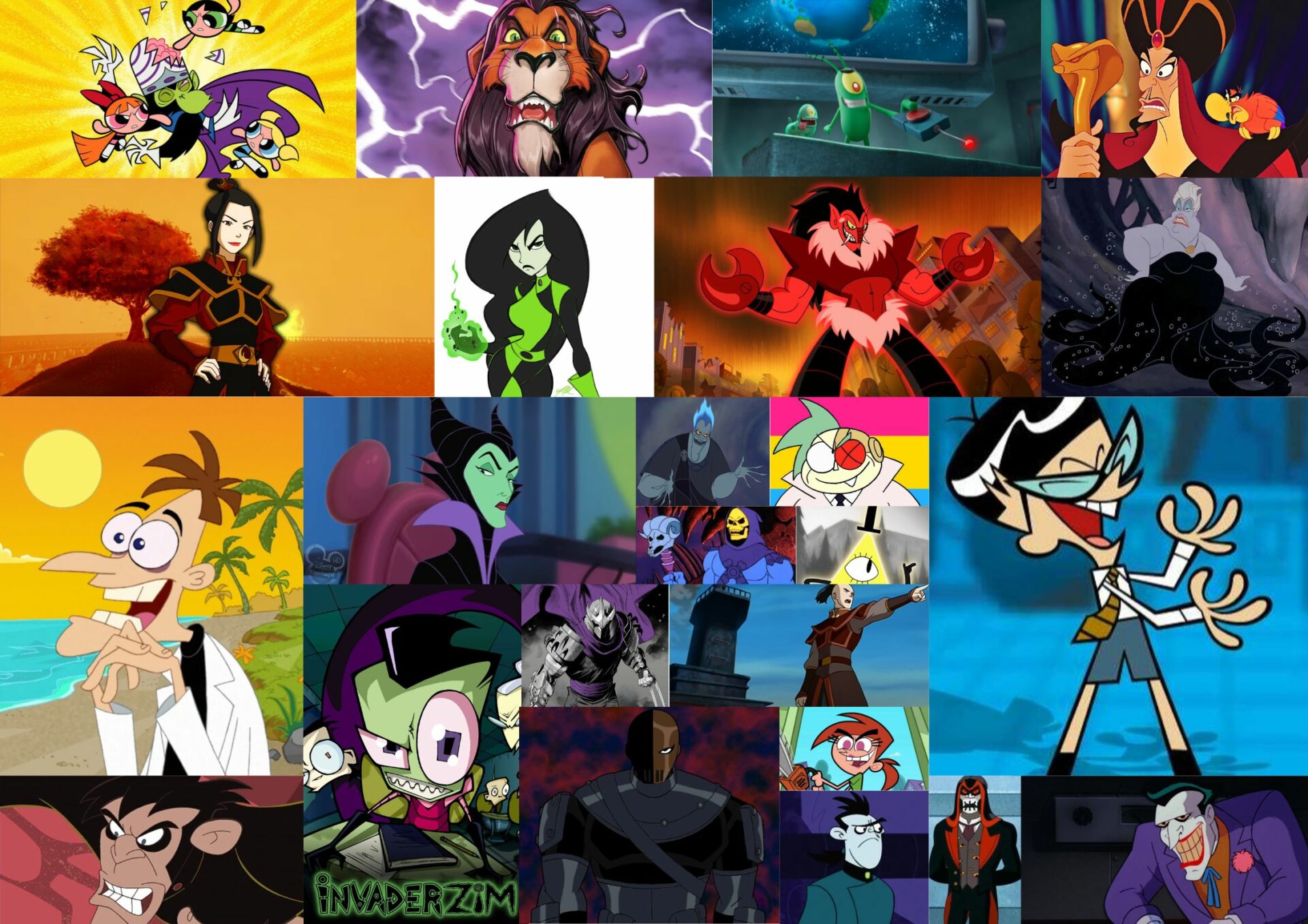
Our list rounds up the top 30 cartoon characters that were villains, each one more wonderfully wicked than the last.
READ MORE
April 29, 2026 .
Lists, Opinions
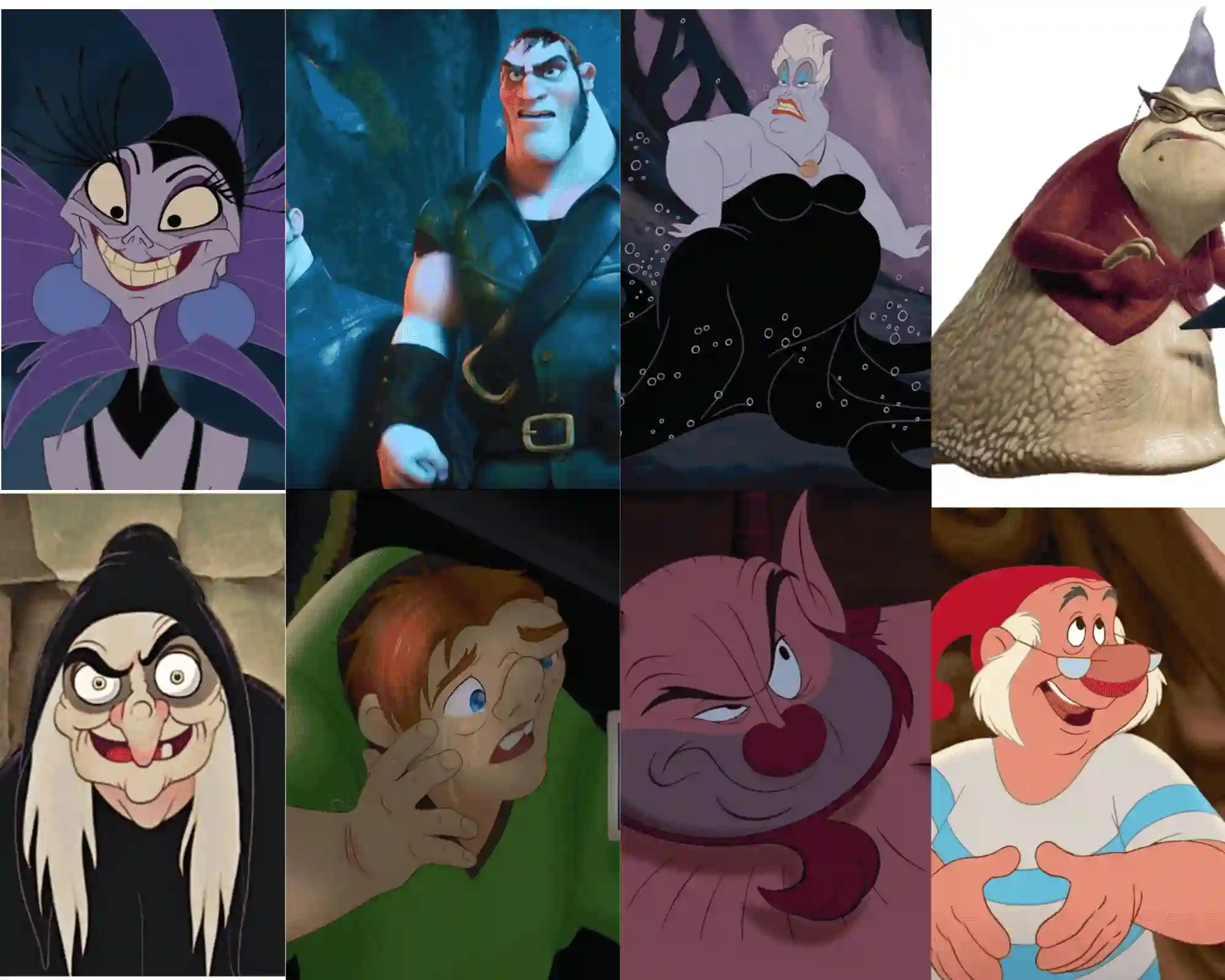
The Mouse is famous for its princesses and princes. However, the studio’s true genius lies in its embrace of “ugly Disney characters”.
READ MORE
October 28, 2025 .
Debates, Lists, Marvel, MCU
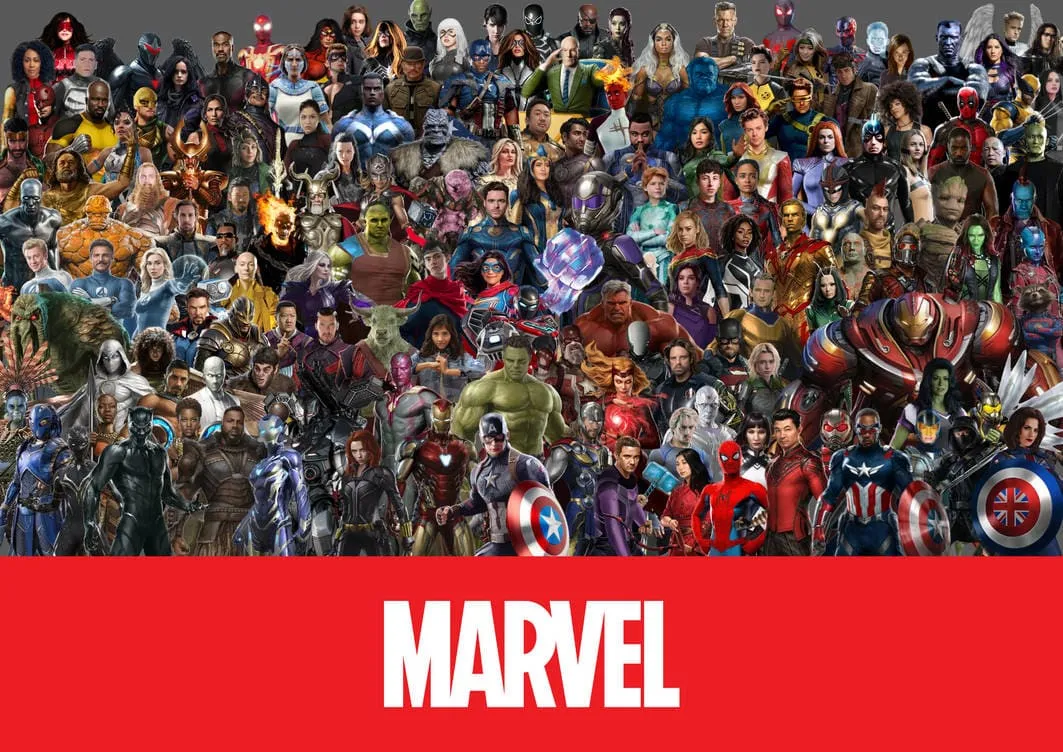
Every Marvel hero brings something to the table. But if we had to pick the top 8 most popular Marvel superheroes, who would make the cut?
READ MORE
November 27, 2025 .
Lists, Mythology
While this isn’t an exhaustive list, it comprises some of the most popular mythical creatures from around the world.
READ MORE
February 26, 2026 .
Cartoons, Lists
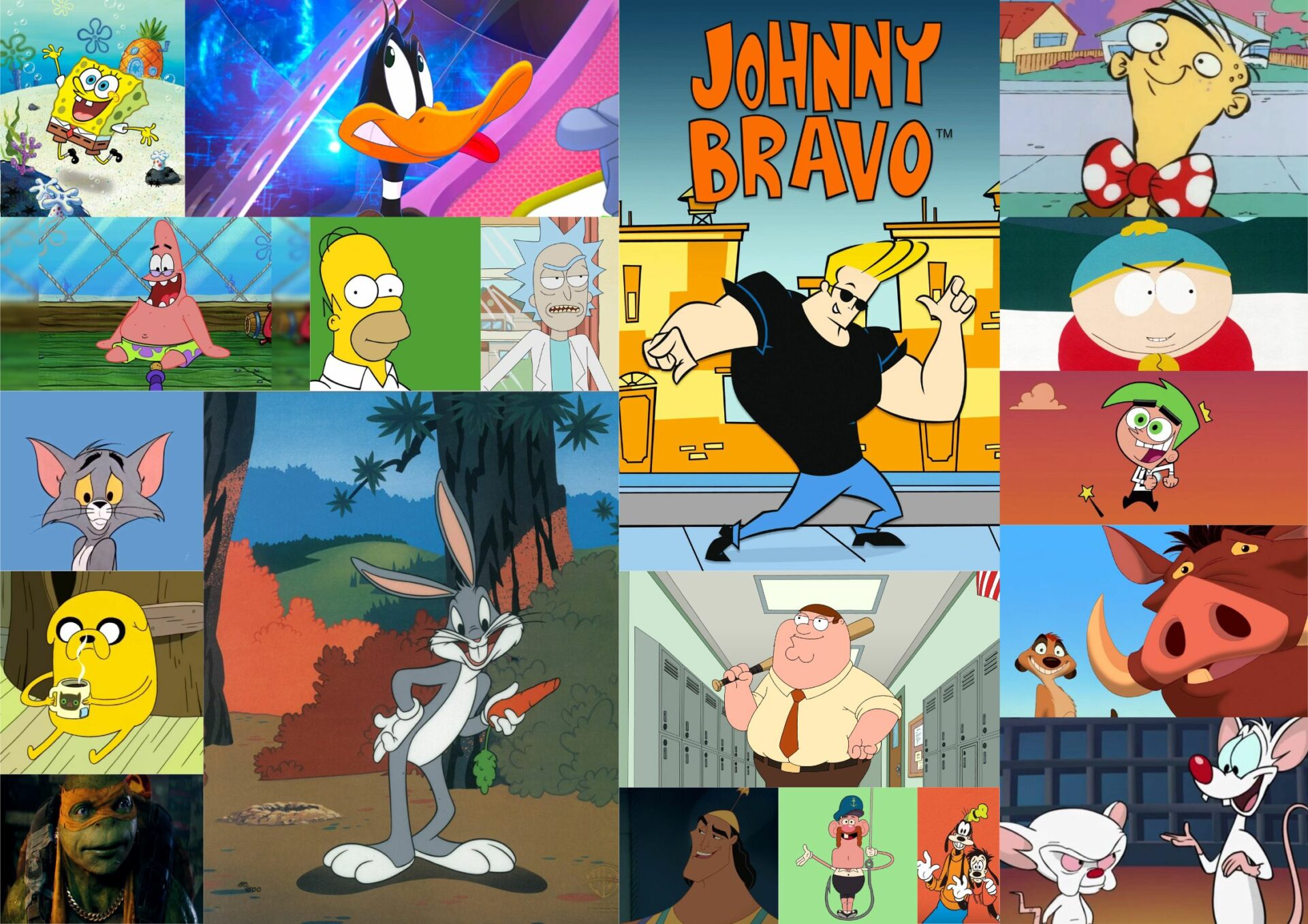
There are some outright funny cartoon characters who exist solely to crack you up, loud, hard, and with zero apology.
READ MORE

July 20, 2025 .
Writer Resources
Discover the differences in First-Person Point of View and Third-Person POV, and how each impacts character connection and narrative style.
READ MORE
May 15, 2026 .
Writer Resources
The tension between writer-centered and reader-centered approaches defines how a story is told and who it serves.
READ MORE

October 22, 2025 .
Essays, Writer Resources
Ever found a book that looks like a comic but tells a complete, well-structured story? Congratulations, it’s a graphic novel.
READ MORE
June 26, 2026 .
Writer Resources
Writing starts with forming ideas, imagination, dreams, and thoughts. And when these condense into a coherent progression, you have a plot.
READ MORE
May 10, 2026 .
Writer Resources
What is a board book, and how does it differ from others? Traditional publishing usually means novels, but published works span much more.
READ MORE
July 24, 2025 .
Essays, Writer Resources
READ MORE
February 8, 2026 .
Writer Resources
Breaking into traditional publishing can feel like decoding a secretive industry. This guide is a resource for finding the right agent.
READ MORE
February 28, 2026 .
Writer Resources
There are three paths in book publishing: traditional, self-publishing, and hybrid. The current focus is on traditional publishing.
READ MORE

July 20, 2025 .
Writer Resources
Today, writers are needed who combine creativity with technical expertise, professionalism, and adaptability.
READ MORE
Get our magazine for free!