
Menu


































This book centers on contemporary issues like masculinity and the dangerous consequences of rage and improper decisions. It also touched on issues like barrenness and the perceived notion of women being second-class citizens.

This book dates back to the pre-colonial and colonial eras of Uganda. It describes the history of Uganda in a fictional yet epic and surreal manner that leaves you thrilled, annoyed, and captivated all at once.
This book left me wanting, questioning, and at some point, hoping for a sequel. Kintu is a well-researched book and can serve as reference material for anyone interested in Ugandan history, the ugliness of colonialism, Christian conflicts/ conflict of belief (what I term the ills of interdenominational Christianity), and the complexity of love (incest) in this case.
In the beginning, there was a curse. A generational curse. A curse meant to succeed from one family lineage to another. This is almost similar to when God, in Exodus 34:7, decides to visit the fathers’ iniquities onto the fourth generation.
It all started with the death of Kalema, a boy who was supposed to be a page boy, to Kintu, the Ppookino (chief) of the Buddy province of 18th century Buganda kingdom (now Uganda). Karma was the son of Kidda Kintu, who, according to history, was from Rwanda. The Ppookino was obliged by tradition to visit small clans to ensure the laws of the land were adhered to as custom dictates.
He married two sisters, Nnakato and her twin, Babirye.
On one of such trips, Kalema committed an act Kintu found insulting. Out of rage, he struck Kalema, an action which later led to the boy’s death. (This reminds me of Okonkwo and Ikemefuna in Things Fall Apart).
I don’t intend to make this review a spoiler, but I need to write certain details to show why this book is worthwhile.
Kalema’s death and his subsequent “improper” burial led to his father cursing the whole Kintu lineage. The most interesting thing about this book is the fact that the main events actually started happening after the curse. We begin to see different characters, all from the Kintu bloodline, who exhibited strange and aberrant behaviors like unfaithfulness, improper sexual relationship (incest in this case), pride, depression for the reason of the curse, and other mental health conditions.
In addition, they are afflicted with sudden death, accidents, religious conflict/conflict of faith, poverty, and infectious diseases (HIV/Aids).
The book’s climax was when the whole Kintu lineage began locating one another to rid themselves of the curse. One peculiar lesson I picked from this book is that despite the sadness detailed in their bloodline, the family remained strong-willed, bold, united, and came together as a strong force to undo that which tends to purge them apart.
This book centers on contemporary issues like masculinity and the dangerous consequences of rage and improper decisions. It also touched on issues like barrenness and the perceived notion of women being second-class citizens.
Whether the curse was undone or not is left for the reader to decide.
“The mind was a curse. It’s ability to go back in time to regret and hop into the future to hope and worry was not a blessing”
” Nature is as ugly as it is beautiful. People drop dead, people kill each other, people go hungry. You don’t dwell, you just exist.
” Men, by nature, don’t have lips. We don’t discuss each other with our wives”
” What must be kept from the tongue stays off the tongue.
I’ll finish off by recommending this book. I gave it a 4 star ( just not to seem biased with a 5 star ⭐ rating). This is a masterpiece that sticks forever, and I promise you’ll pick it up again after you are through reading it.

The Author’s Guide to the Rule of Three II
10 Coolest Swords in History and Fantasy
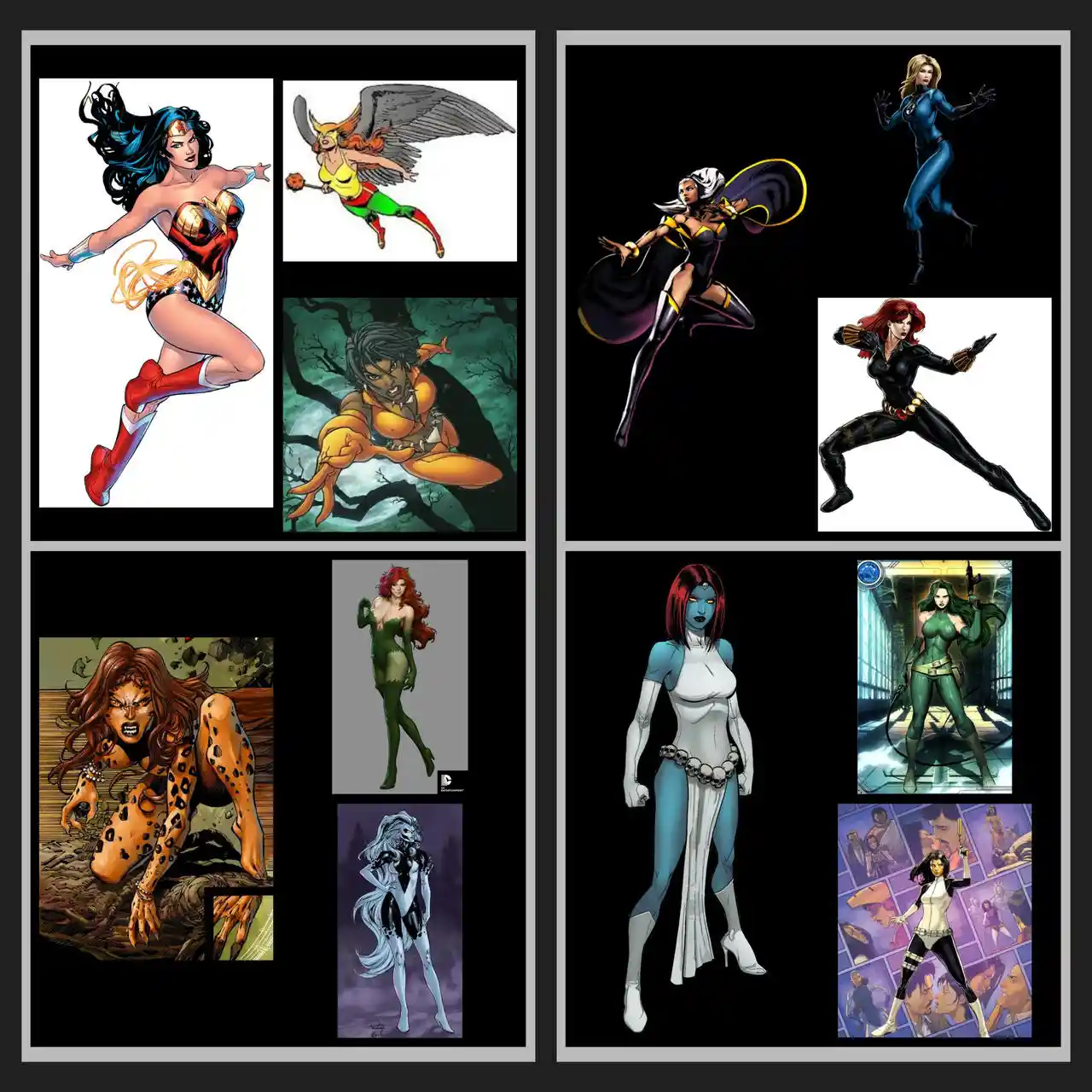
Marvel vs. DC Female Superheroes
The Author’s Guide to the Rule of Three I
15 Writing-Adjacent Careers for Writers Looking for a Career Change
Authors Spotlight: Khaled Hosseini
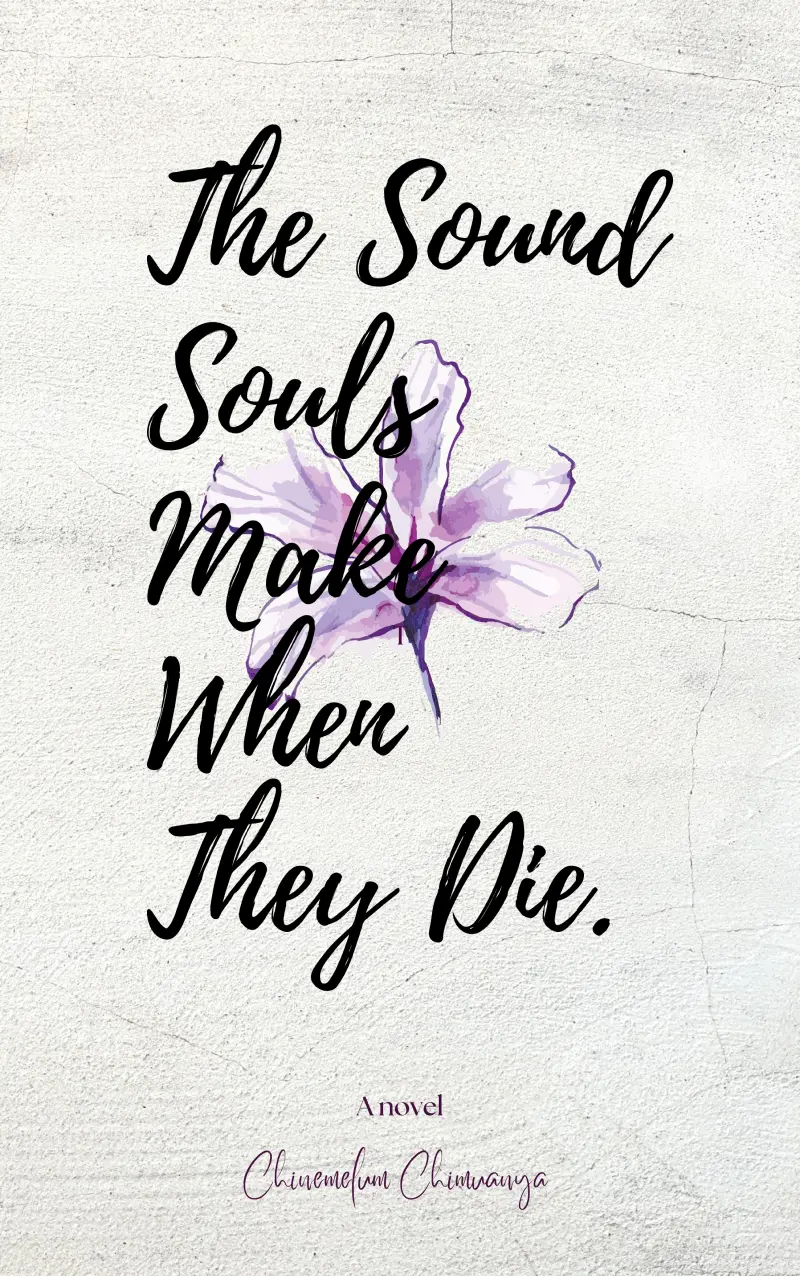
The Sound Souls Make When They Die by Chinemefun Chimuanya
If Nollywood Cast Our Favourite African Books: Who Would Play Who?
Best Films About Unexpected Age Gap Romance
Literary Awards and the Racism Card: A Wake-Up Call for Black Africa
Interview with the Vampire Relationships, Ranked
10 Top Recent Films for Action and Comedy Fans
July 20, 2025 .
Animation, Lists
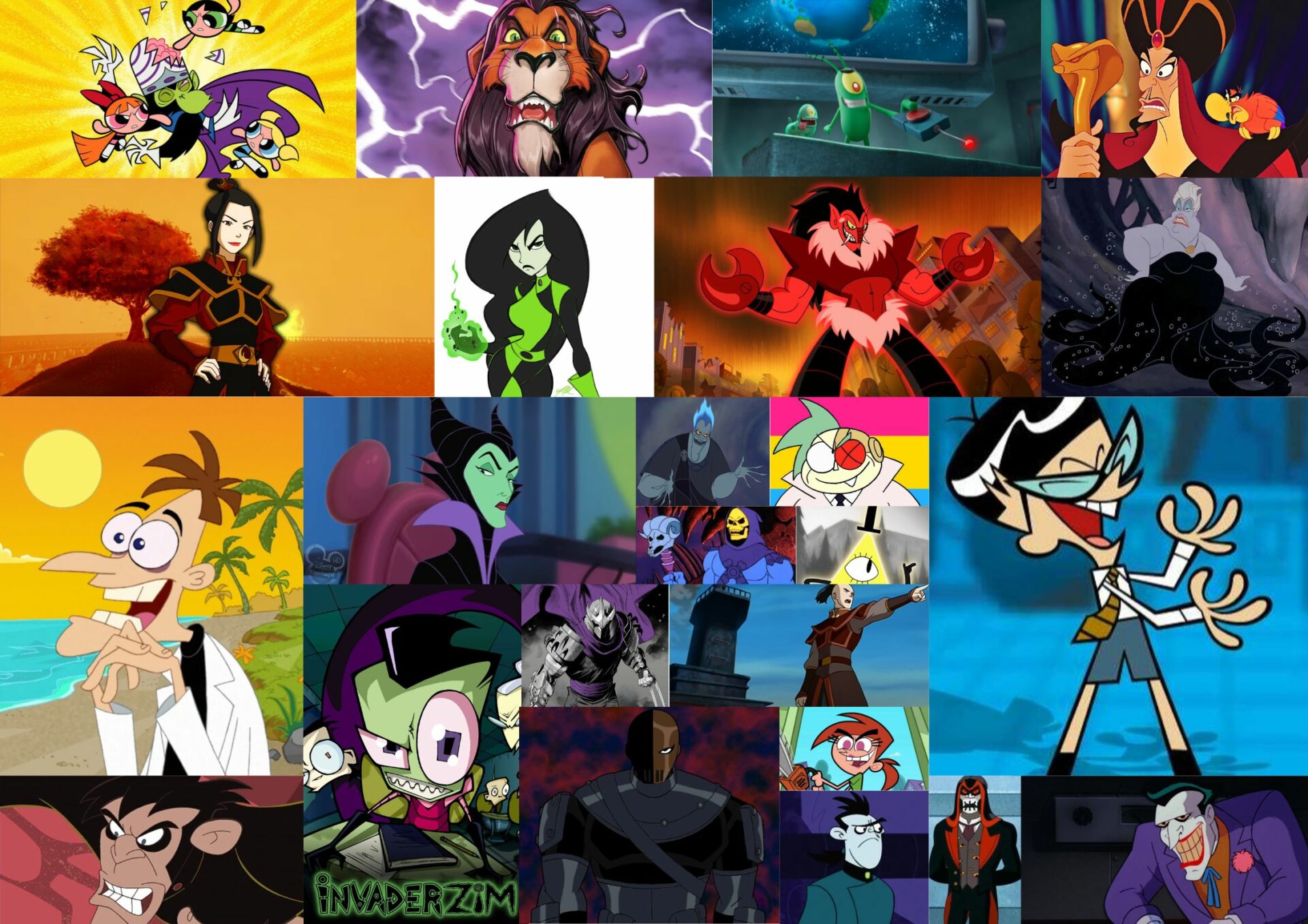
Our list rounds up the top 30 cartoon characters that were villains, each one more wonderfully wicked than the last.
READ MORE
April 29, 2026 .
Lists, Opinions
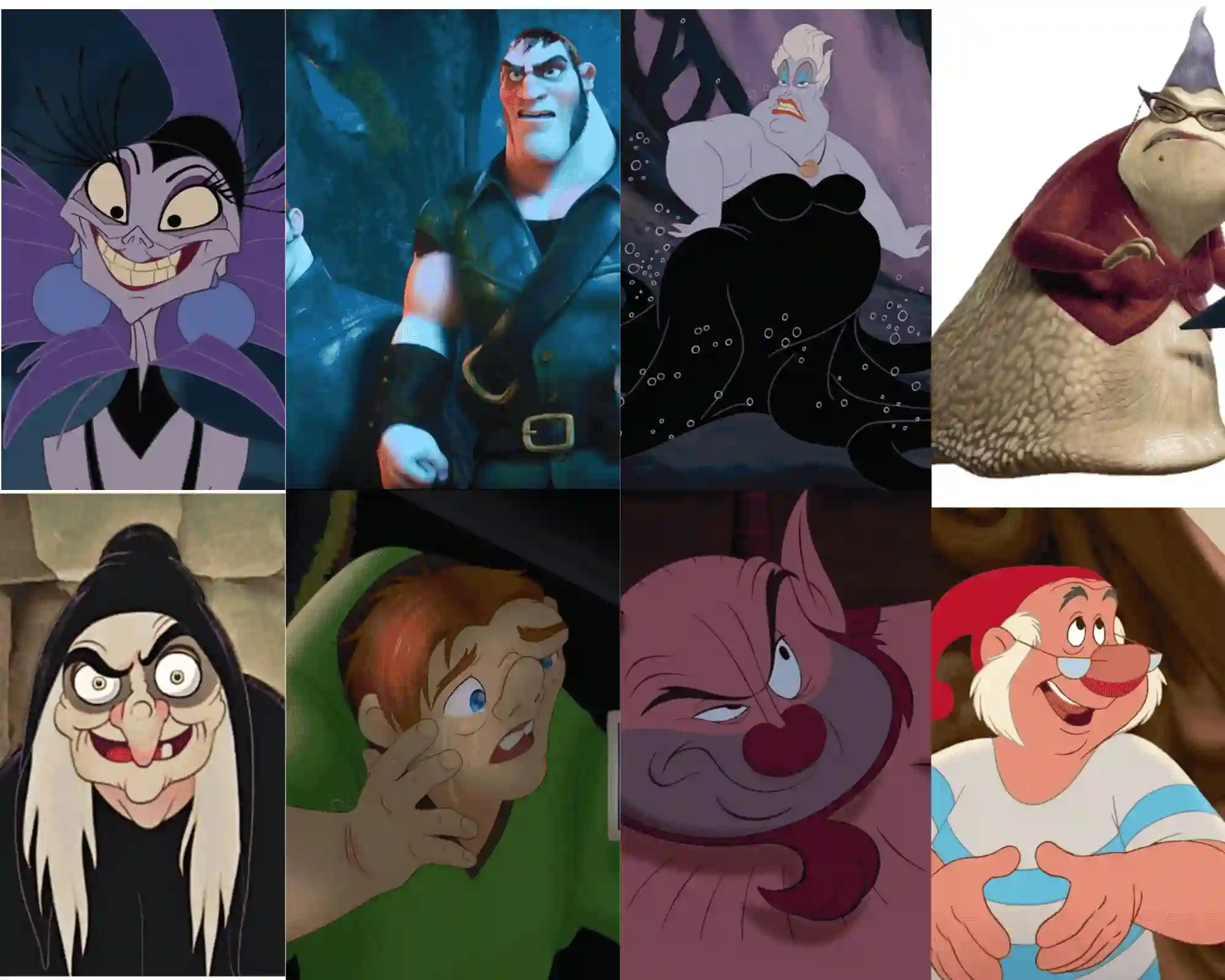
The Mouse is famous for its princesses and princes. However, the studio’s true genius lies in its embrace of “ugly Disney characters”.
READ MORE
November 27, 2025 .
Lists, Mythology
While this isn’t an exhaustive list, it comprises some of the most popular mythical creatures from around the world.
READ MORE
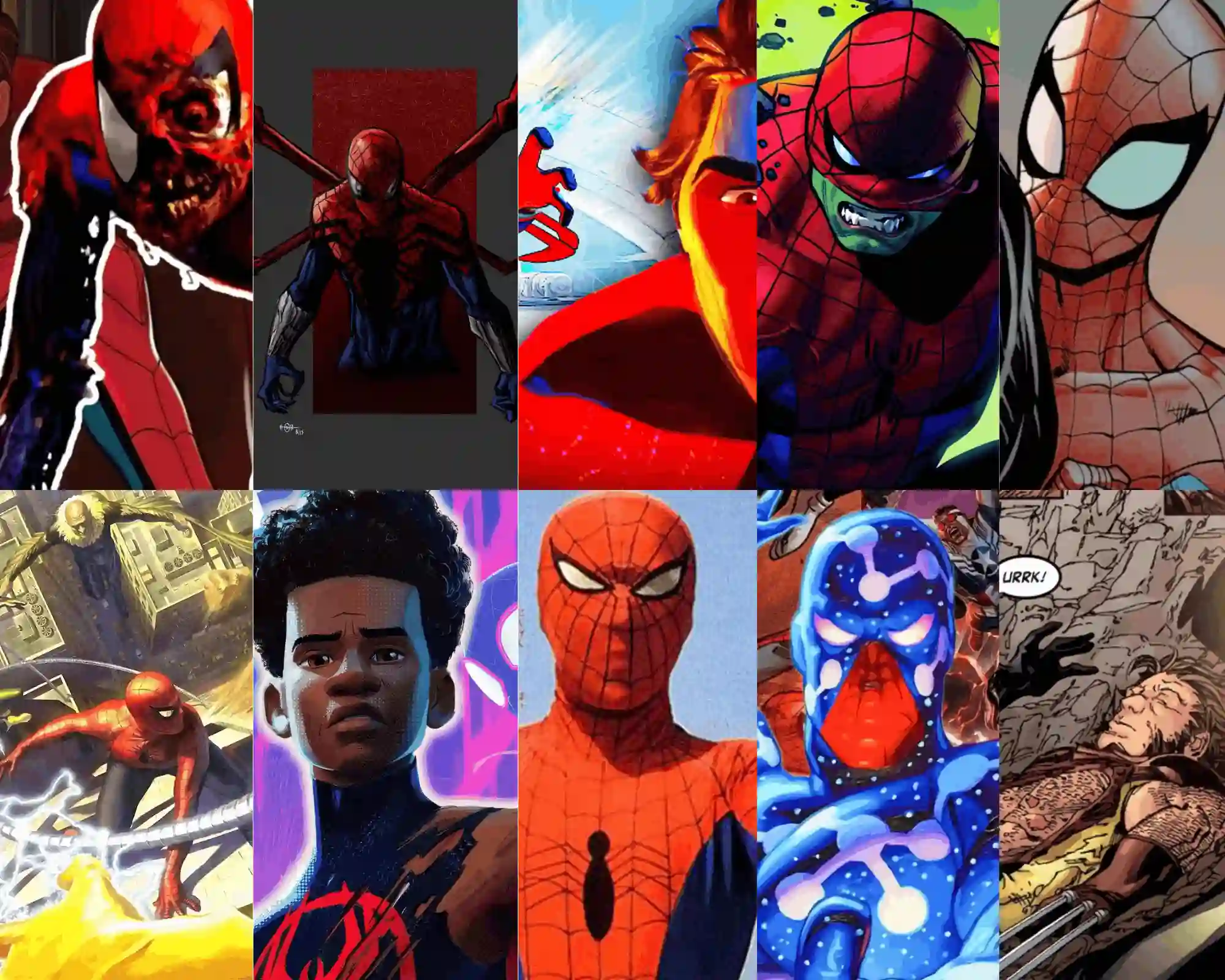
May 6, 2026 .
Lists, MCU
Spider-Man is one of the many superheroes from the Marvel Universe whose stories shaped many childhoods. Who is your strongest Spiderman?
READ MORE
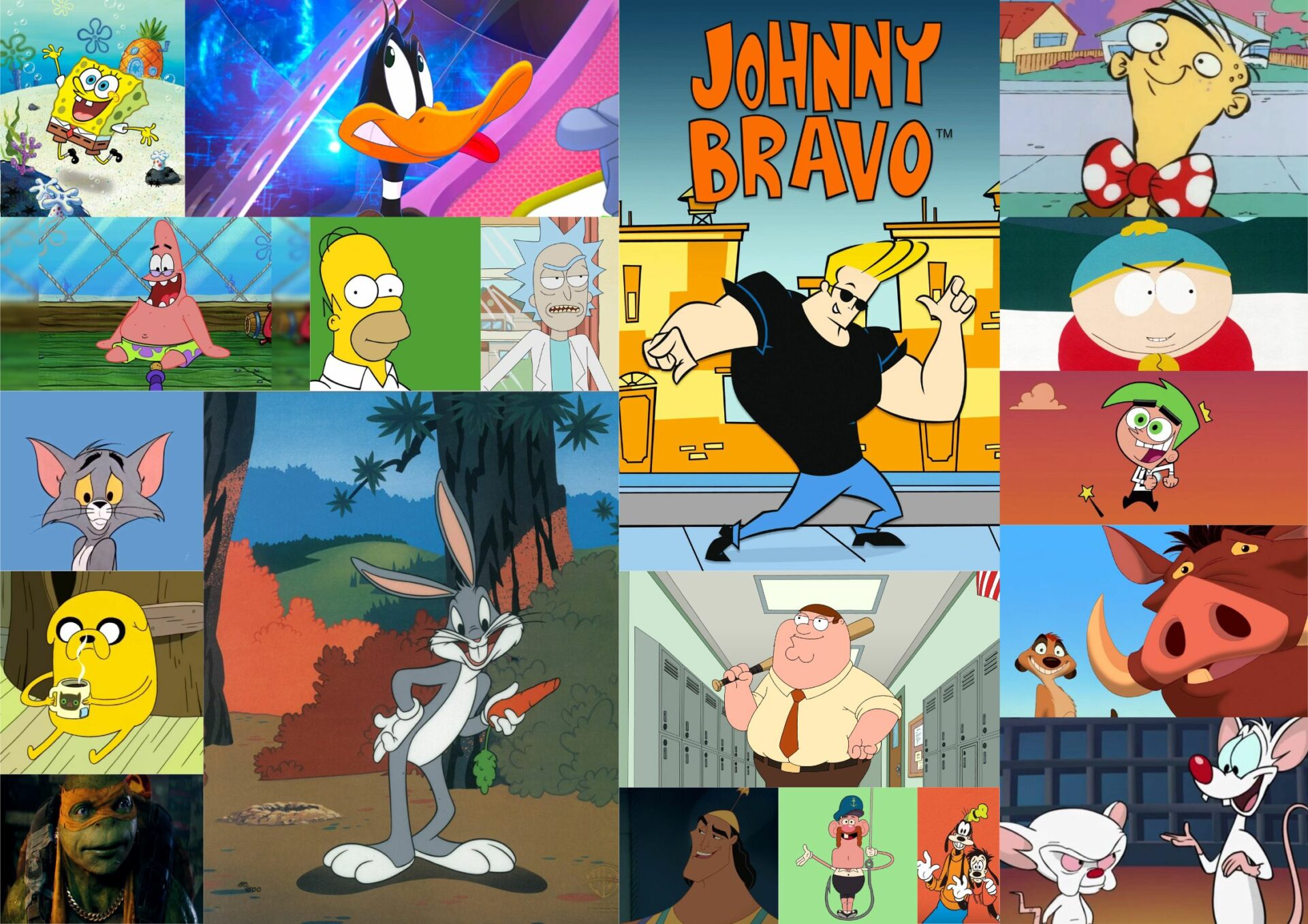
February 26, 2026 .
Cartoons, Lists
There are some outright funny cartoon characters who exist solely to crack you up, loud, hard, and with zero apology.
READ MORE

July 4, 2022 .
commonwealth, kintu
This makes Ntsika Kota the second African to clinch this prestigious prize after over a decade (the first being the Kintu author, Jennifer Makumbi)
READ MORE
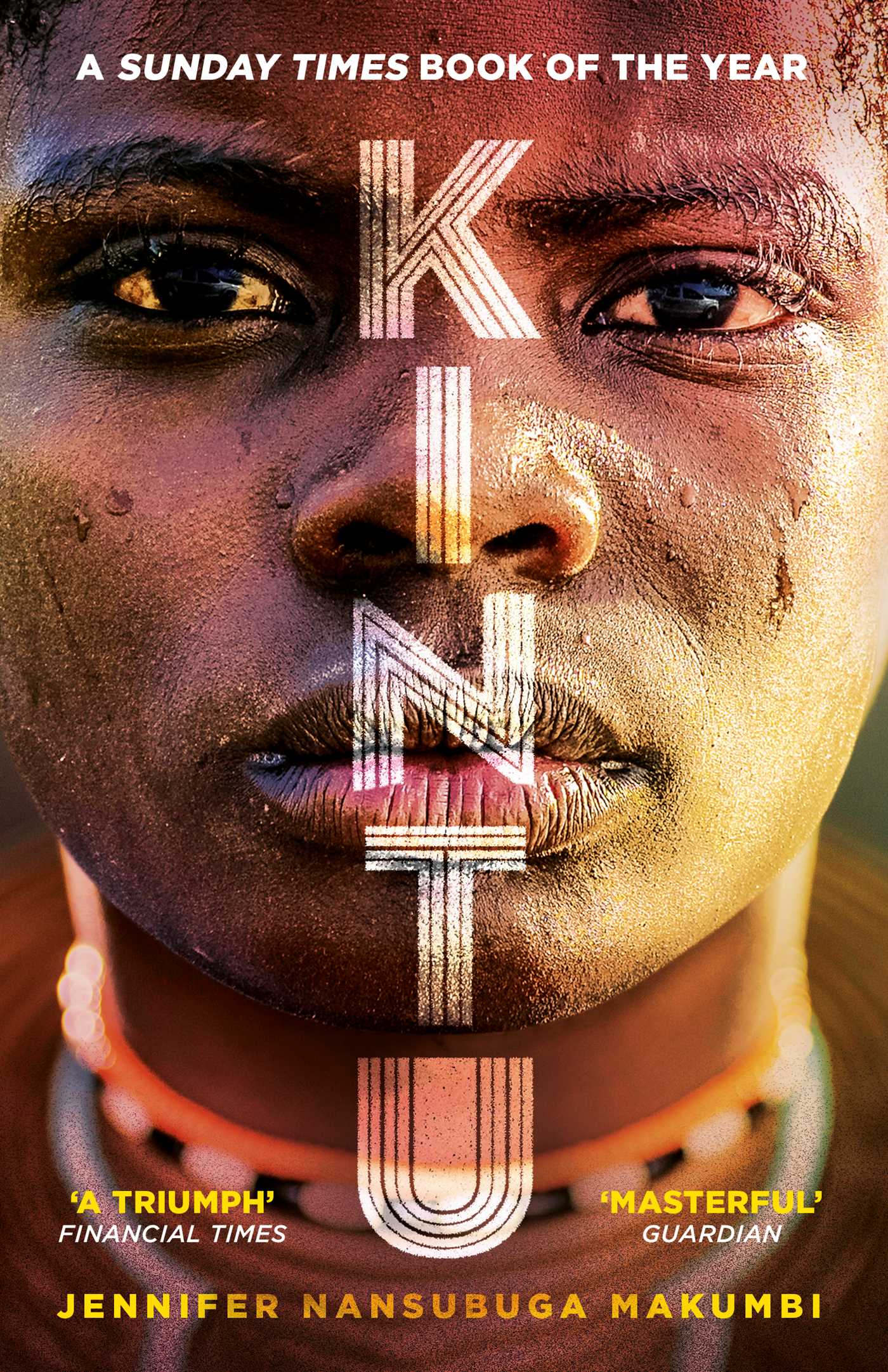
February 16, 2023 .
kintu
The characters are deeply flawed, and their actions impact each other, giving the novel a sense of realism.
READ MORE
August 5, 2022 .
agirlisabodyofwater, jennifernansubugamakumbi
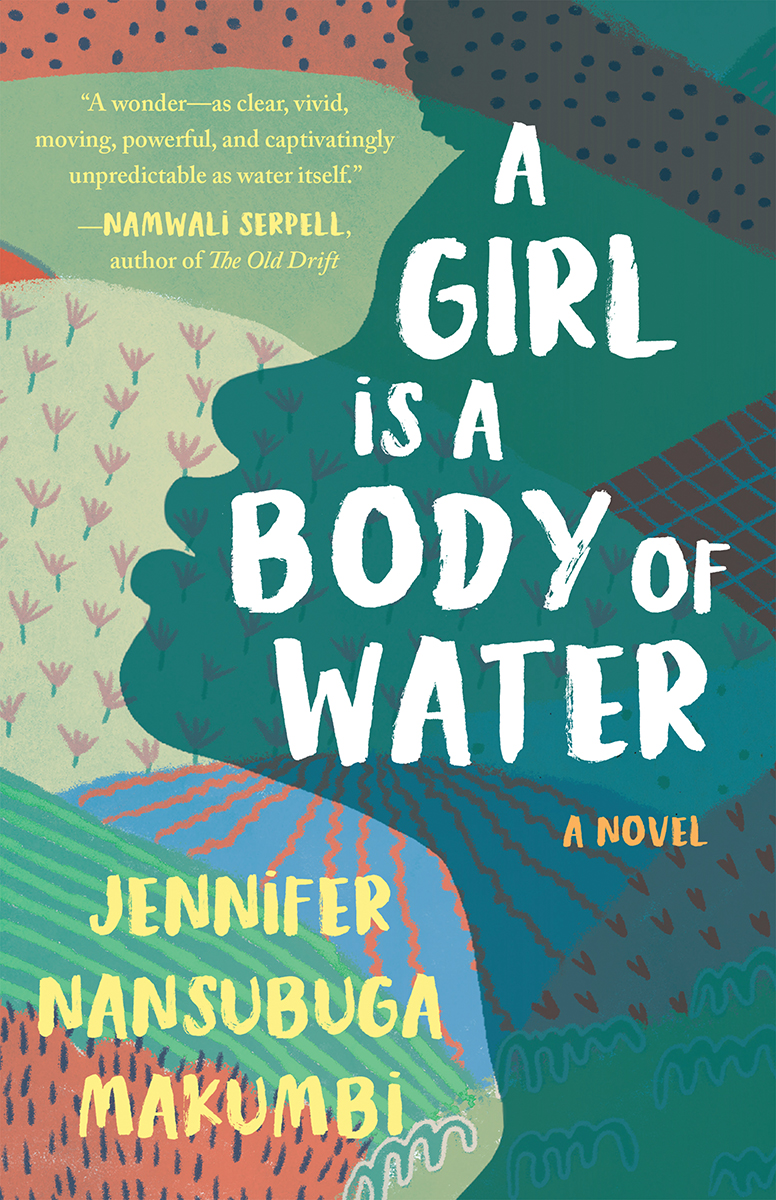
The language is impeccable, and I totally recommend this book without any reservations and with all the gods in my village backing me.
READ MORE
Get our magazine for free!