
Menu




























You know what you want to say, yet the paragraph on your screen refuses to cooperate. Your introduction sounds stiff, and the same words keep appearing. Another grammar check might miss the real problem: you need more examples of effective writing. Reading provides those examples. A novel can reveal how sentence length changes the pace. […]
You know what you want to say, yet the paragraph on your screen refuses to cooperate. Your introduction sounds stiff, and the same words keep appearing. Another grammar check might miss the real problem: you need more examples of effective writing.
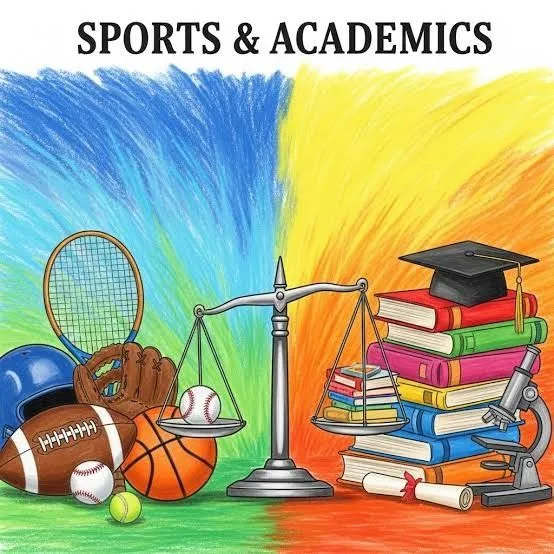
Reading provides those examples. A novel can reveal how sentence length changes the pace. An essay can show how evidence supports a claim without interrupting the argument. For students, reading and writing work best as connected habits, not separate assignments.
The improvement comes from noticing useful choices and trying them yourself. The goal is not simply to finish more books, but to understand what makes a particular page work.
A wider vocabulary gives you more ways to express an idea accurately. However, stronger academic writing rarely means replacing every familiar word with something longer.
Consider the difference between saying an author “mentions” a problem and saying they “challenge” an assumption. Each verb describes a different action. Choosing carefully makes your interpretation clearer before you add any further explanation.
Books, articles, and essays introduce unfamiliar terms alongside the situations that give them meaning. That context matters more than memorizing a dictionary definition.
When you encounter a useful expression, record the sentence around it. Then write an original example connected to your coursework. Keep only phrases you understand well enough to explain aloud. Otherwise, your next assignment may sound impressive while saying very little.
Reading also lets you examine the decisions hidden inside clear prose. Instead of asking whether a passage sounds good, ask what creates that effect.
A paragraph becomes tiring when every sentence has the same length and opening. Watch how an author moves between detailed explanations and brief observations.
For example, compare “The policy was unpopular. The policy was expensive. The policy failed.” with “The expensive, unpopular policy eventually failed.”
Neither pattern is automatically better. Repetition might emphasize a point, while the combined version moves faster. Your purpose should guide the choice.
Try reading your own draft aloud after studying a well-paced passage. Awkward pauses and repetitive openings become easier to notice when you hear them.
Strong organization involves more than adding “however” or “therefore.” Readers need to understand why one idea follows another.
Take a short article and label each paragraph by its purpose. Useful labels might include:
These notes create a reverse outline: a map of the structure already on the page. Apply the same method to your draft to spot repeated points or missing explanations.
Academic reading becomes useful for essay writing when you examine reasoning, not just collect quotations. A convincing passage deserves attention because of how its conclusion develops.
Suppose an article argues that recorded lectures improve learning. Does it measure student understanding, or does it only report that students prefer recordings? Those findings could support different conclusions.
Ask whether the evidence matches the claim, whether another explanation is possible, and which perspectives are missing. Such questions give you material for analysis rather than summary.
Your response might acknowledge a study’s useful findings while questioning whether they apply to another course. That approach creates a more precise argument than declaring the source entirely right or wrong.
When taking notes, separate the author’s position from your own reaction. Save the source details immediately so you can cite borrowed ideas accurately later.
Good academic writing requires time to read, think, draft, and revise, but a demanding workload does not always leave enough time for each stage. When too many assignments compete for attention, a student might pay for homework at MySuperGeek while using the available time to strengthen their understanding of the material. A more manageable workload can leave room for careful reading and meaningful revision.
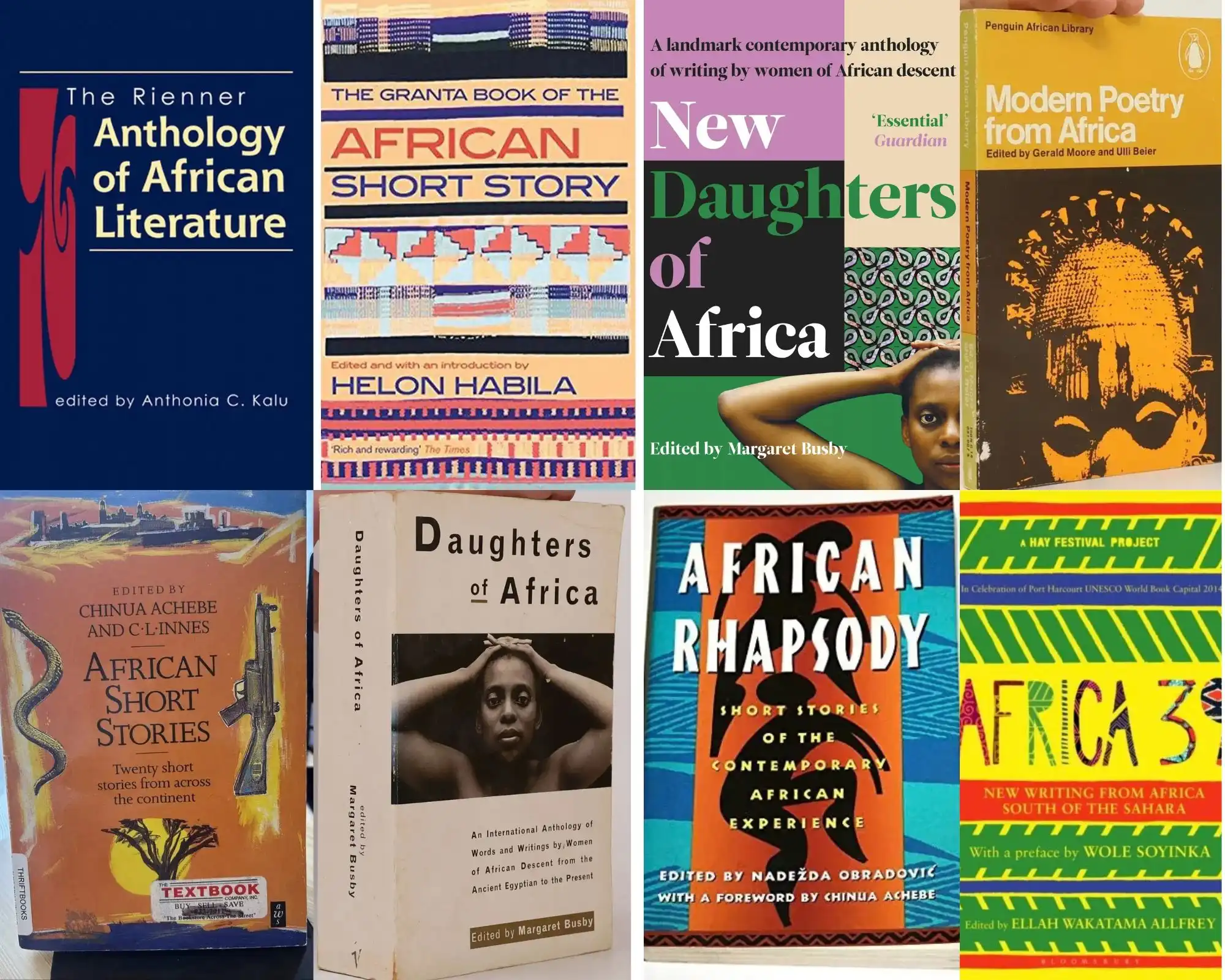
Reading only assignment-related material can limit the writing choices you encounter. Different genres offer different ways to explain, persuade, describe, and hold attention.
A personal essay might open with a small incident before revealing a broader theme. A science feature may explain an unfamiliar process through a concrete comparison. Poetry can draw attention to sound, precise images, and unnecessary words.
These techniques need adapting to your audience. A vivid scene might suit a reflective assignment, while a lab report requires direct descriptions of methods and results.
Developing your voice does not mean finding an unusual way to phrase every sentence. It means making consistent choices about tone, detail, emphasis, and your relationship with the reader.
Notice which passages feel natural to you and why. Perhaps you value understated humor, straightforward explanations, or carefully chosen examples. Experiment with those qualities without copying another writer’s distinctive wording.
You can enjoy a book without analyzing every page. For deliberate practice, though, choose a small passage that solves a problem you face in your own work.
The following exercise connects close reading with revision:
Treat the original as a structural example, not a sentence template to disguise through synonym changes. Develop your own wording and analysis, and cite any ideas or evidence taken from a source.
For instance, you might borrow the pattern “common belief, complication, revised explanation” from a magazine essay. Apply it to a course topic using your own reasoning and evidence. The transferable lesson is how the explanation develops, not what the original author said.
A reading routine should be small enough to survive deadlines, commuting, and part-time work. Begin with ten minutes as a manageable practice target, not a promise of instant improvement.
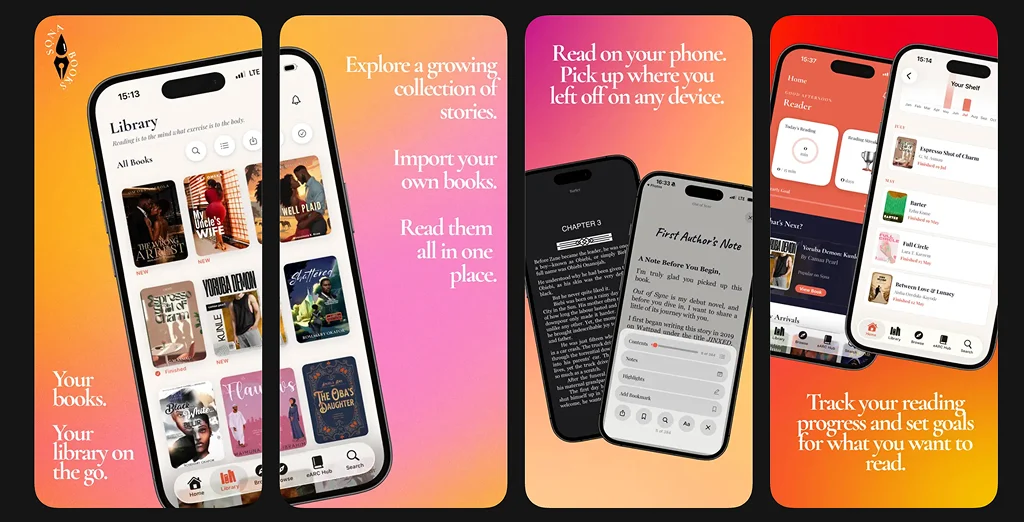
Keep something accessible: an essay collection, a library ebook, or an article saved for your next bus journey. Choose material that interests you alongside texts that stretch your understanding.
You do not need to finish everything. However, when the purpose is studying structure, read beyond the opening to see how the complete argument develops.
Keep a brief reading notebook with one observation and one possible use. “The author explains the example before introducing the technical term” offers a clearer revision prompt than “good paragraph.”
Before starting an assignment, revisit those notes. Select one technique to practice rather than trying to transform your entire writing style at once.
Reading helps students become better writers when observation turns into action. New vocabulary matters when it sharpens meaning, and an interesting structure matters when it helps readers follow your reasoning.
On your next assignment, choose one improvement: a clearer opening, a more precise verb, or a better explanation after a quotation. Draft it, read it aloud, and revise.
You do not need to sound like the authors you admire. You need to understand their choices well enough to make better choices of your own.

The Tyrant Overlord. Fantasy buff and avid football fan.
15 Writing-Adjacent Careers for Writers Looking for a Career Change
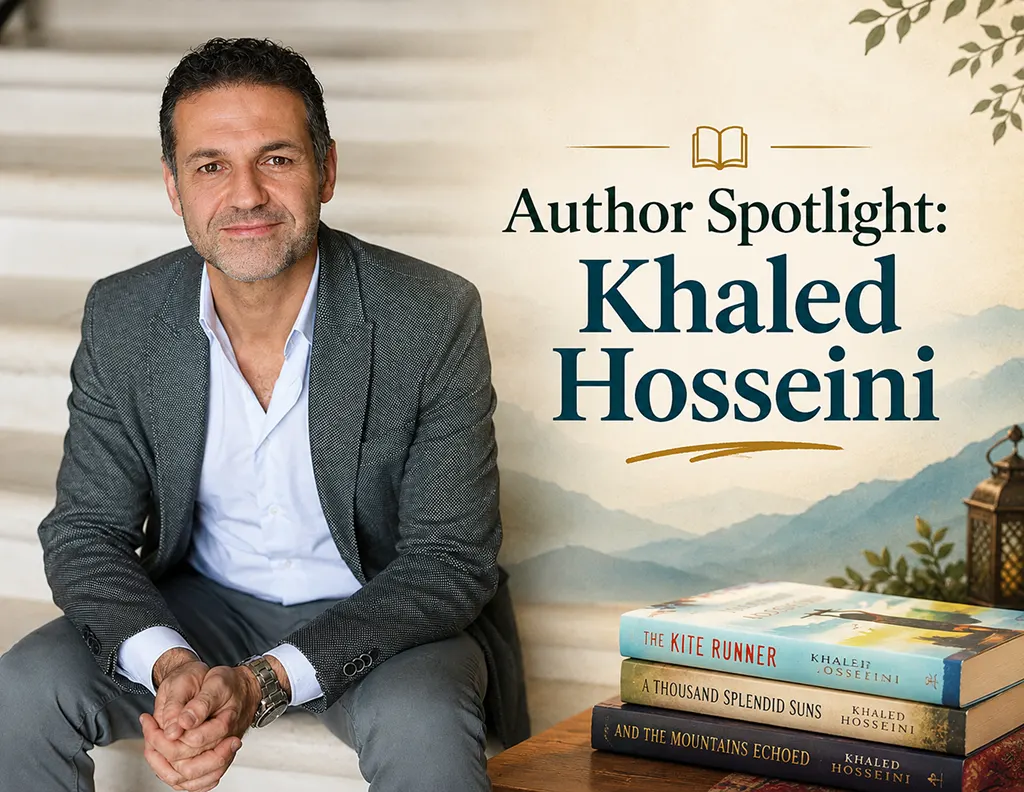
Authors Spotlight: Khaled Hosseini
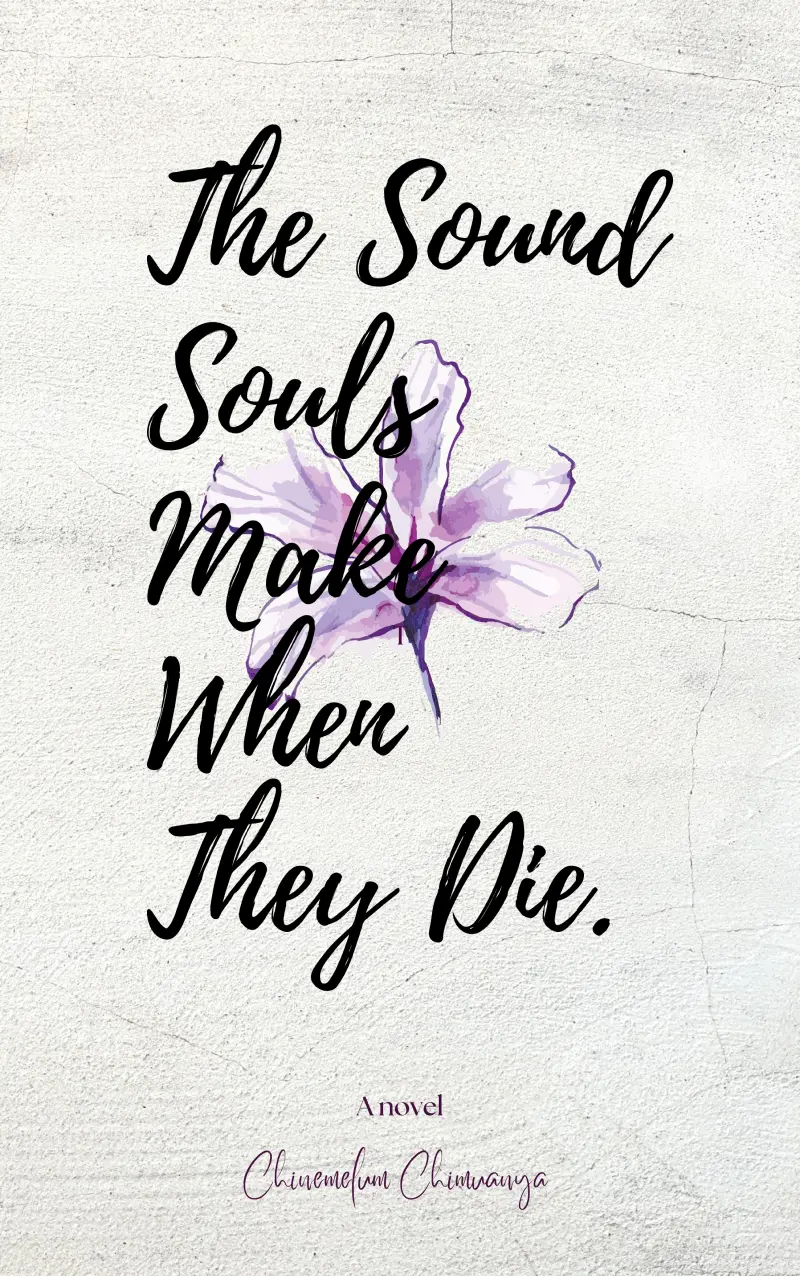
The Sound Souls Make When They Die by Chinemefun Chimuanya
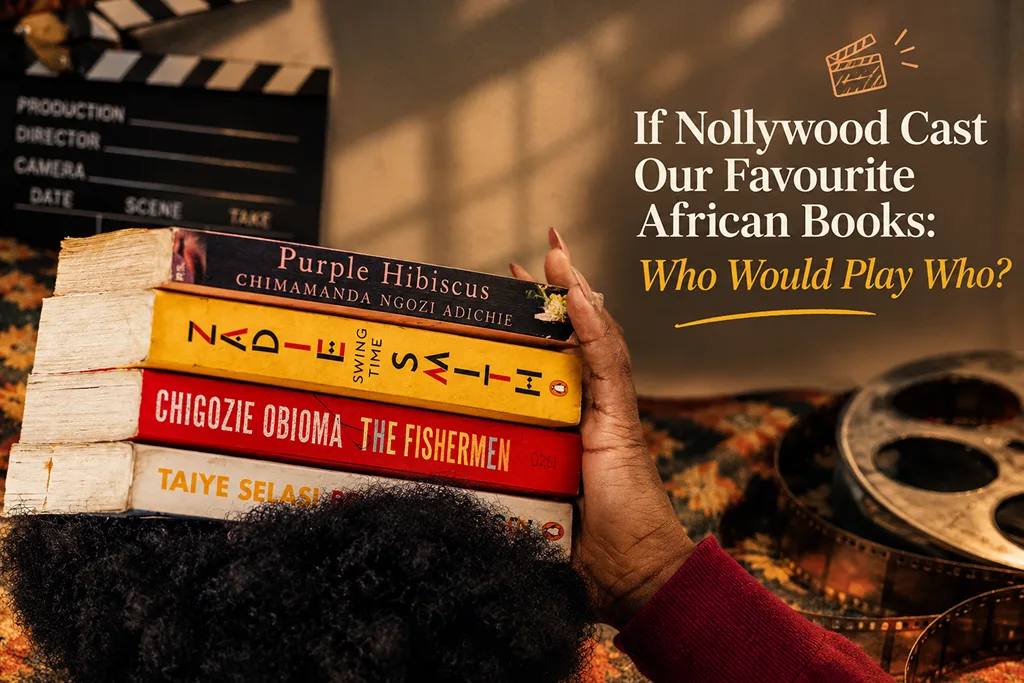
If Nollywood Cast Our Favourite African Books: Who Would Play Who?
Best Films About Unexpected Age Gap Romance
Literary Awards and the Racism Card: A Wake-Up Call for Black Africa
Interview with the Vampire Relationships, Ranked
10 Top Recent Films for Action and Comedy Fans
Comma Rules Every Writer Should Know
10 Most Hype-worthy 2026 Book Releases (African Literature Version)
Five Gambling Films That Know the Bet Is Only Half the Story
Movies Where Poker Reveals Who a Character Really Is
July 20, 2025 .
Animation, Lists
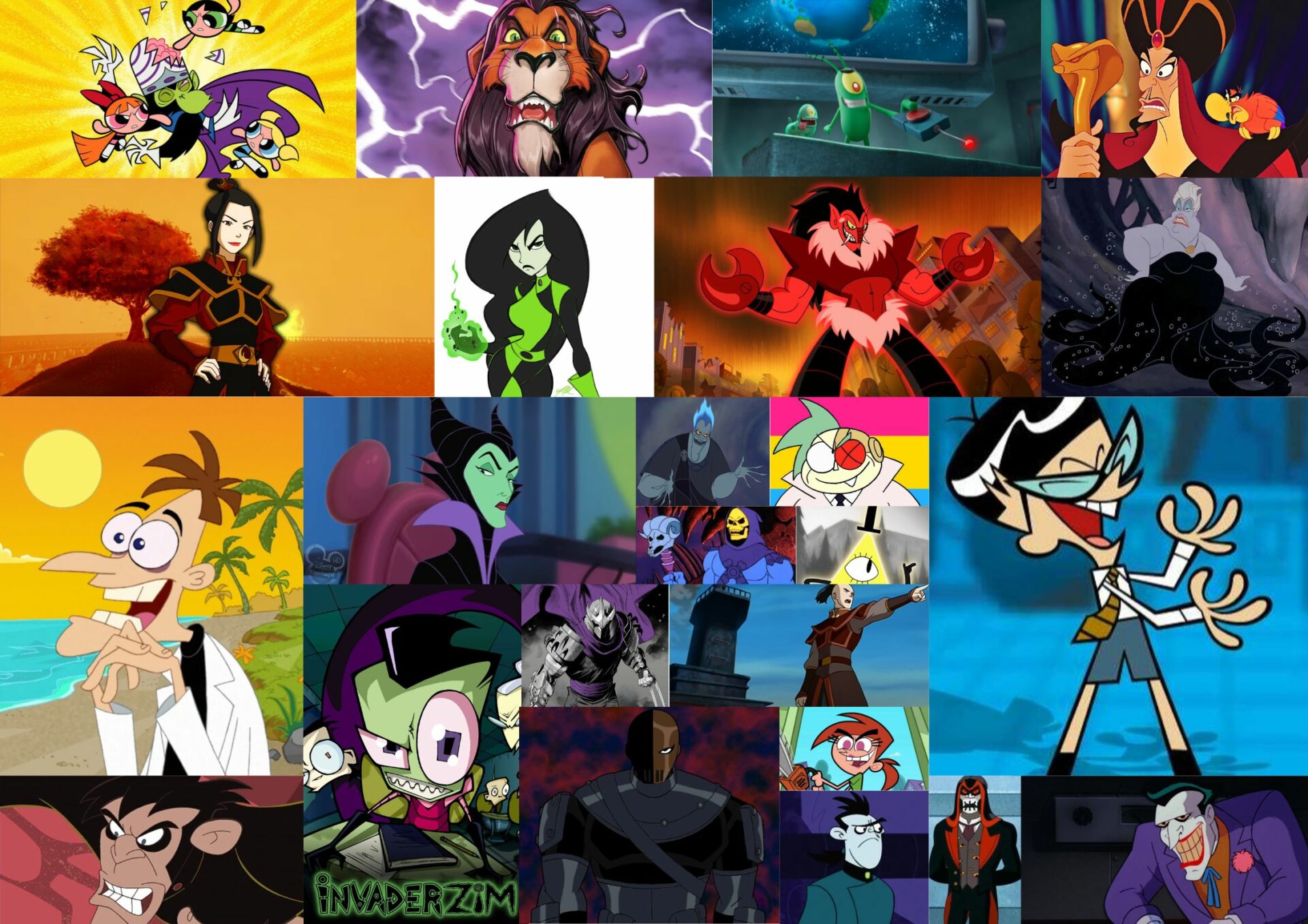
Our list rounds up the top 30 cartoon characters that were villains, each one more wonderfully wicked than the last.
READ MORE
April 29, 2026 .
Lists, Opinions
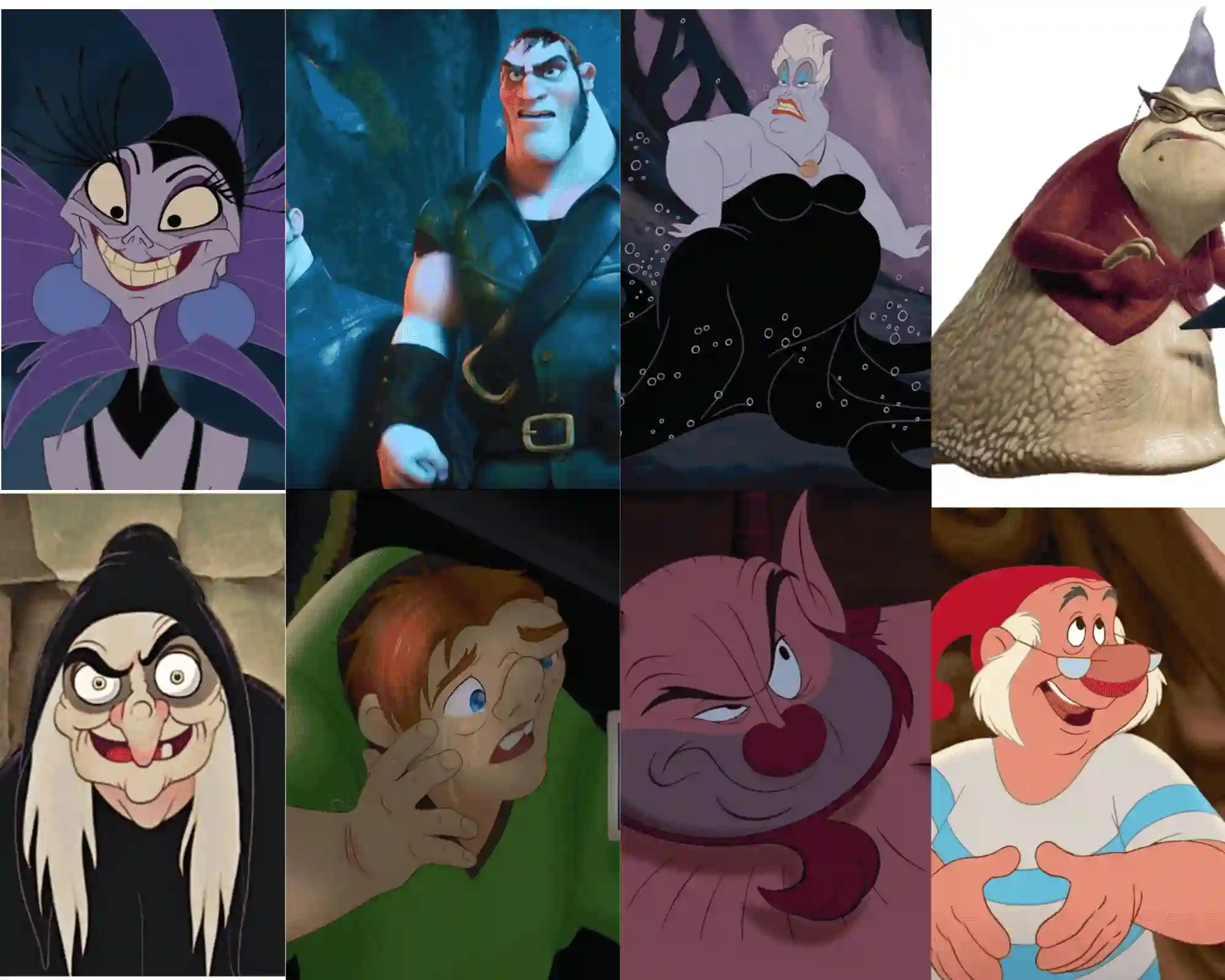
The Mouse is famous for its princesses and princes. However, the studio’s true genius lies in its embrace of “ugly Disney characters”.
READ MORE

November 27, 2025 .
Lists, Mythology
While this isn’t an exhaustive list, it comprises some of the most popular mythical creatures from around the world.
READ MORE

October 28, 2025 .
Lists, Marvel, MCU, Opinions
Let’s go through a list of the top 7 strongest Marvel villains, from the wickedly powerful to the absolutely unstoppable.
READ MORE
February 26, 2026 .
Cartoons, Lists
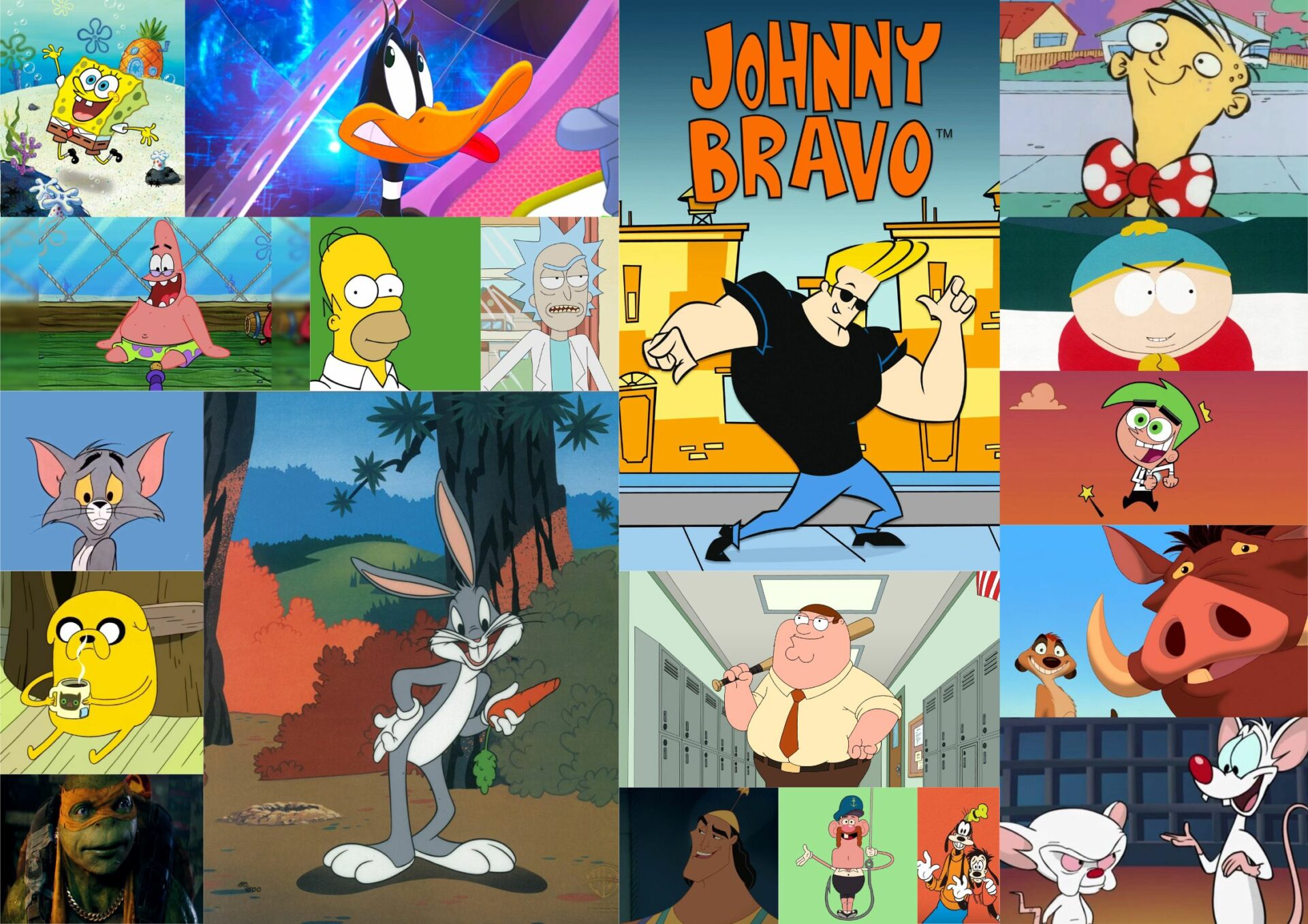
There are some outright funny cartoon characters who exist solely to crack you up, loud, hard, and with zero apology.
READ MORE
October 12, 2021 .
African Literature, chimamanda, cna, zikora
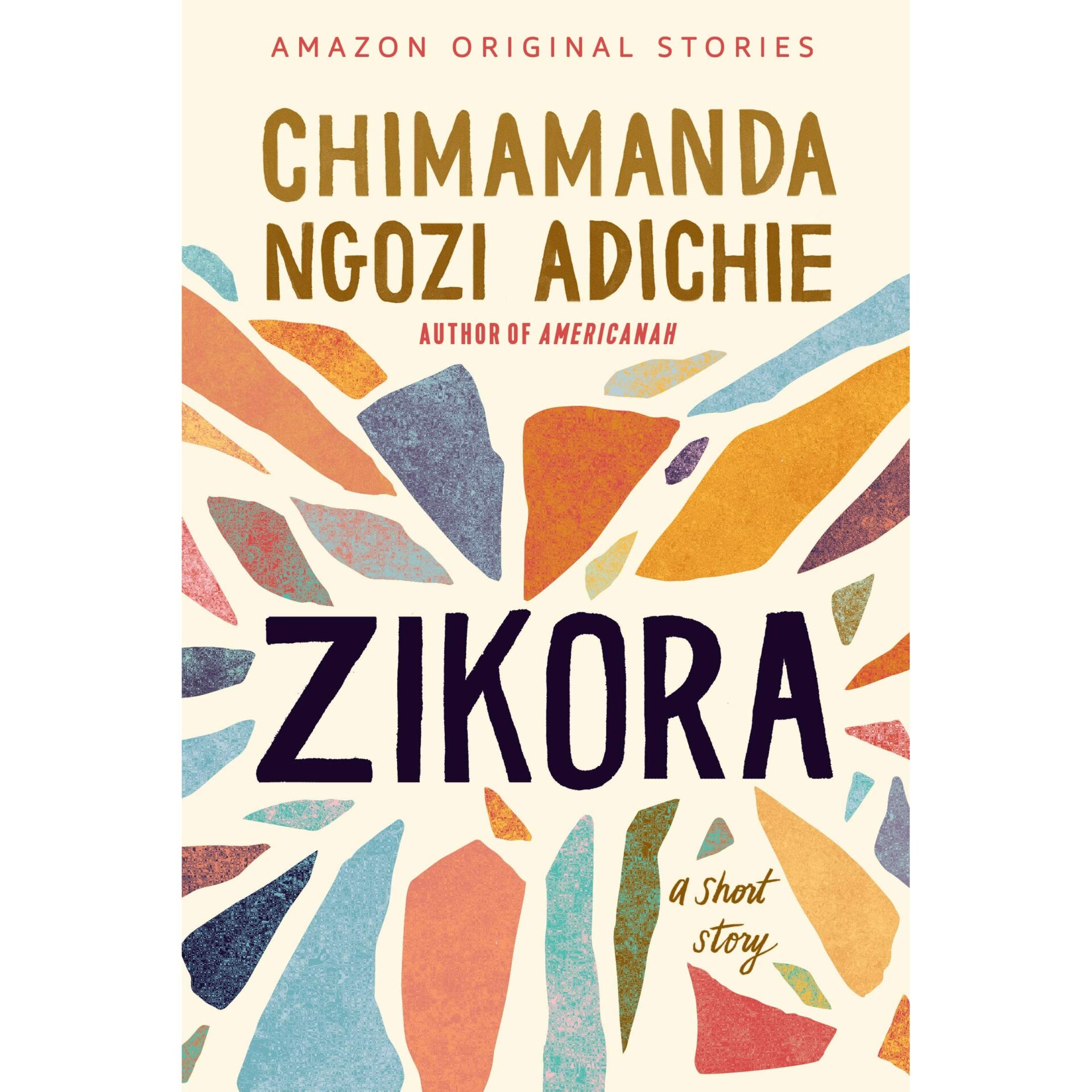
Hopefully, the reading of a book as this will enlighten men and generally educate people in the making of the right choices regarding amatory unions.
READ MORE

July 20, 2025 .
Opinions
Book recommendations from random places don’t always cut it, and you often end up feeling unsatisfied with them.
READ MORE
September 2, 2025 .
African Literature
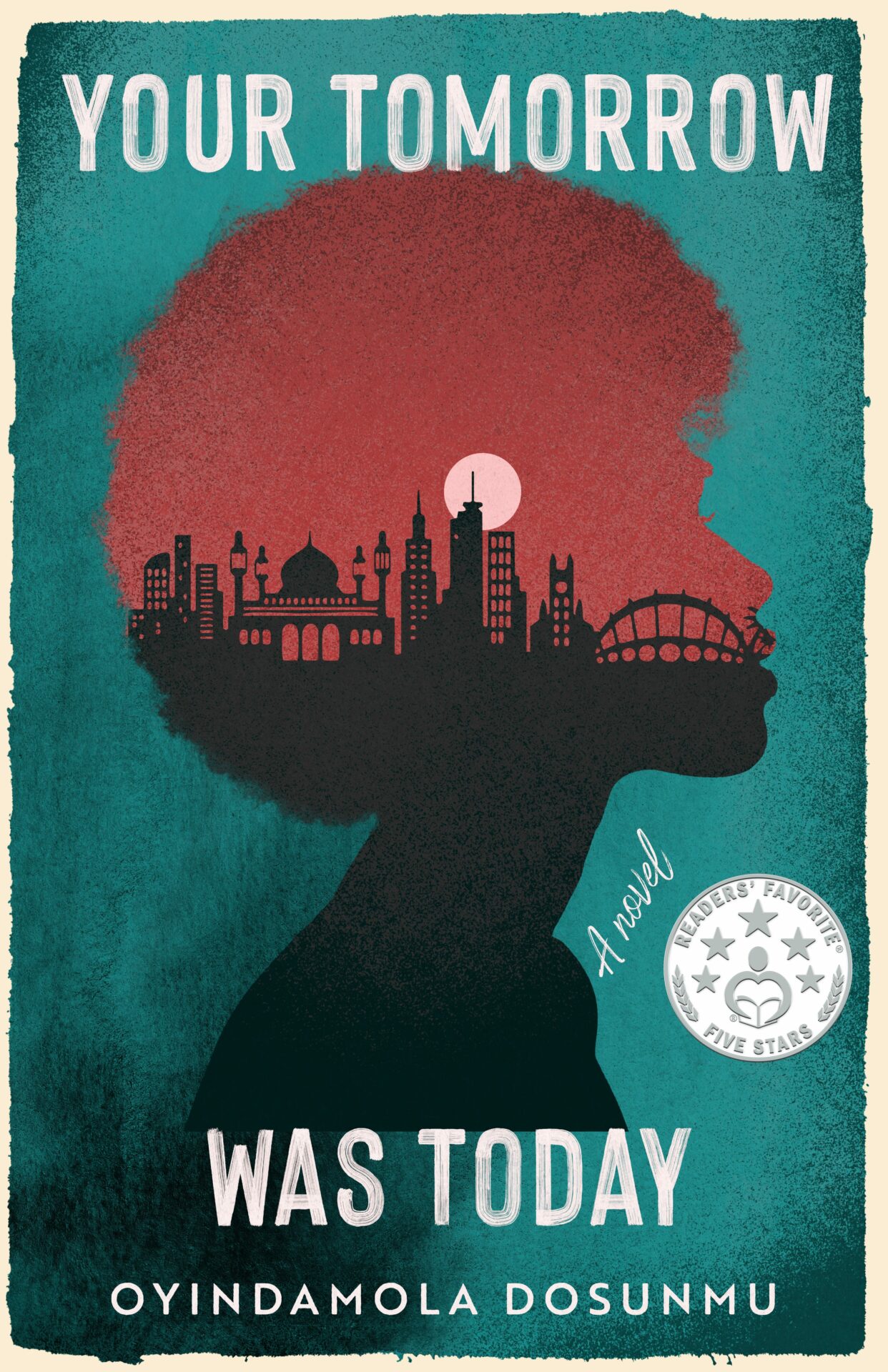
So yes, Your Tomorrow Was Today is guaranteed to be a book that will touch you, regardless of gender, interests or philosophy.
READ MORE

October 24, 2021 .
Netflix, Psychopaths, Serial Killer, Thriller, You S3
READ MORE

November 2, 2025 .
Netflix, Psychopath, Serial Killer, You S1, You S2
Oh, and Joe is also a stalker and serial killer who believes he’s helping his ‘love interests’ by killing people he thinks are a threat or bad influence to them
READ MORE
July 18, 2022 .
akwaekeemezi, youmadeafoolofdeathwithyourbeauty
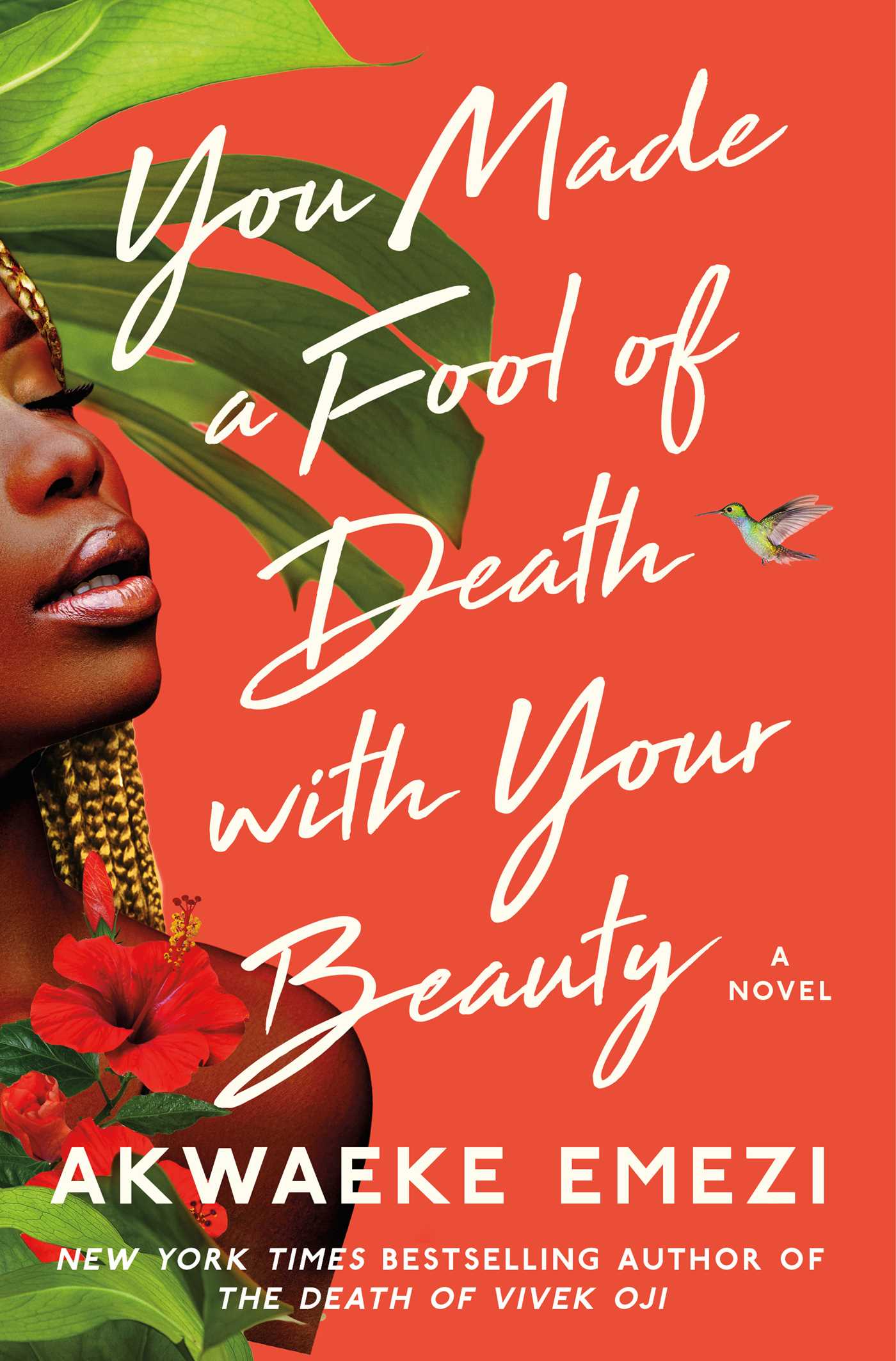
I have reread it for the 100th time since its release, and I still do not feel full… I very much recommend this book with all the gods in my village backing me!
READ MORE
February 19, 2022 .
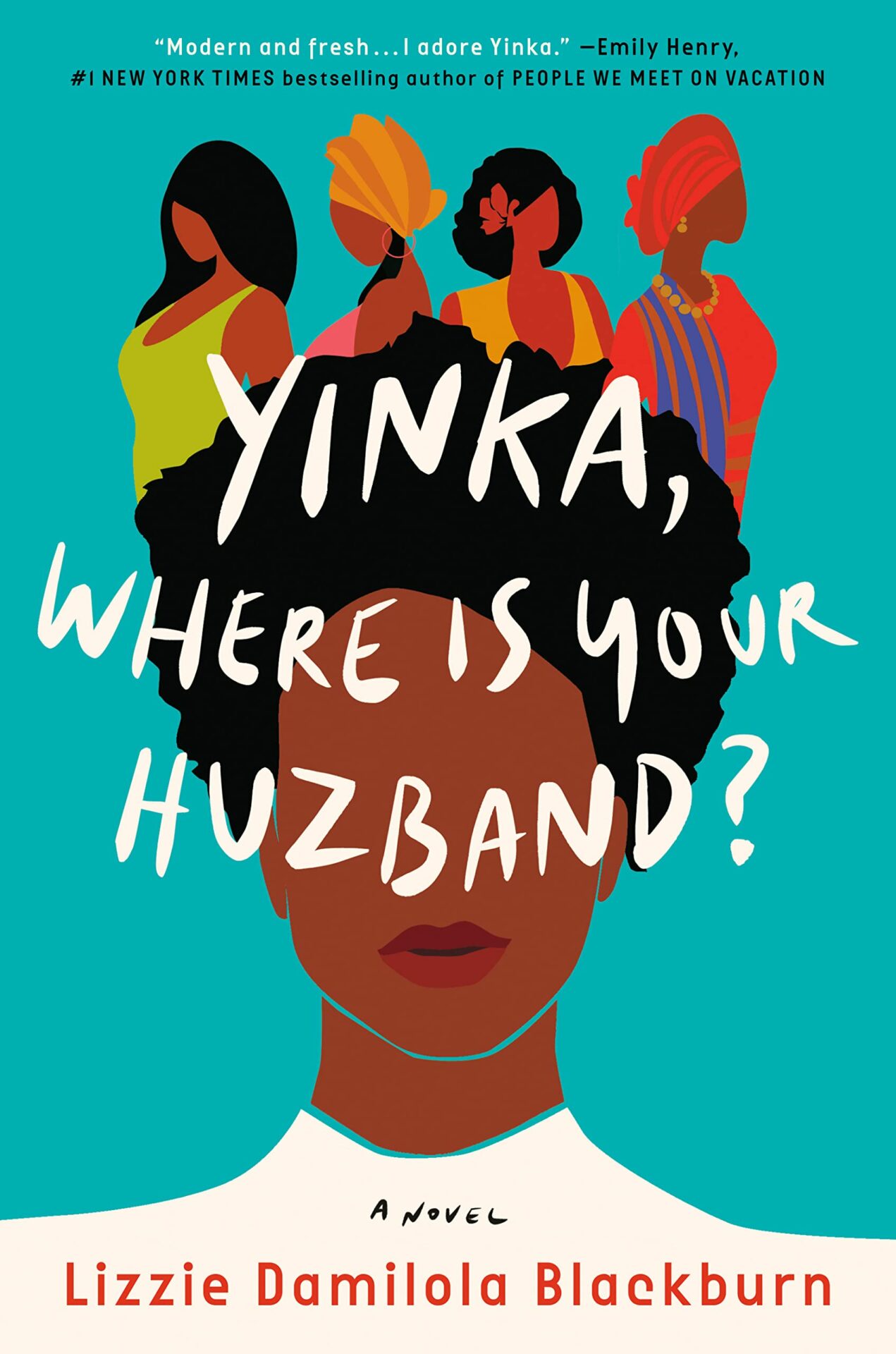
African Literature, Book Reviews, British Nigerian, lizziedamilolablackburn, Nigerian, Self growth, yinkawhereisyourhuzband
READ MORE
July 24, 2023 .
contemporary
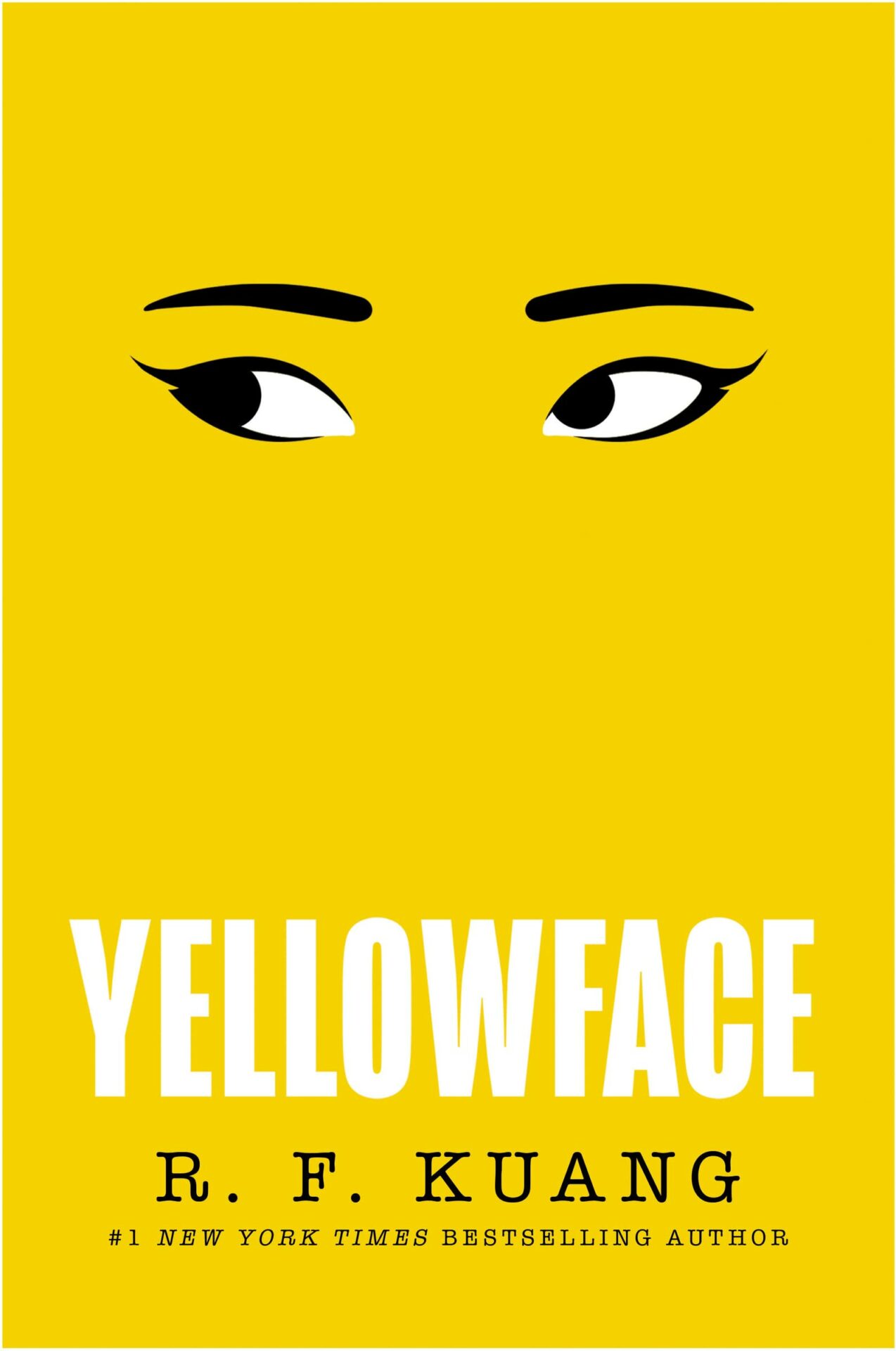
The story exposed some of the tricks and techniques of the publishing world and how small and sometimes brutal the industry can be.
READ MORE

July 20, 2025 .
Writer Resources
Discover the differences in First-Person Point of View and Third-Person POV, and how each impacts character connection and narrative style.
READ MORE
Get our magazine for free!