
Menu

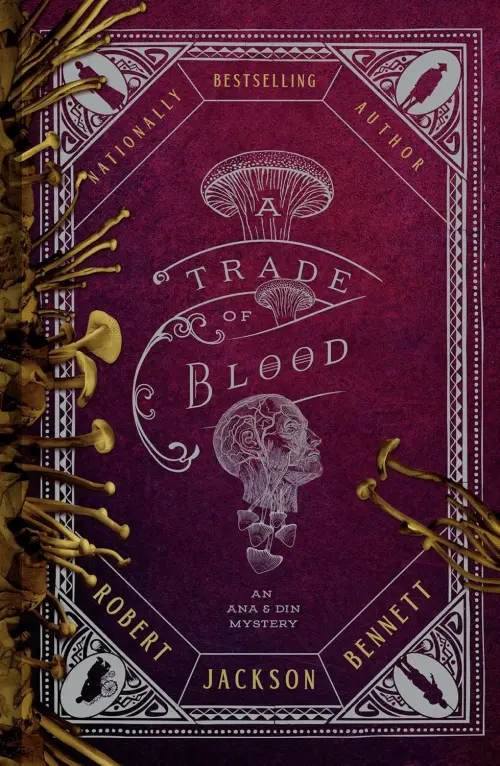

















The respect around early edition books raises a more interesting question: does being first actually make a book better?
Walk into a serious book collector’s library, and one is likely to find early editions, glass-wrapped in protective sleeves, their spines carefully preserved and their pages left almost untouched.
Some cost more than an entire shelf of newer books. For collectors, that first or early printing can feel like owning a small piece of literary history, and to be fair, it is.
There is something undeniably appealing about holding a book that existed close to the moment it first entered the world. Yet the respect around early edition books raises a more interesting question: does being first actually make a book better?
The idea that the earliest publication must be the most authentic version of a book sounds convincing until authors begin revising their own work.
Writing is rarely a single, finished act. Books change through editing, new drafts, authorial reconsideration, and sometimes the simple realisation that something did not work the first time.
Mary Shelley’s Frankenstein is a particularly good example. The 1818 edition and the substantially revised 1831 edition are not the same text.
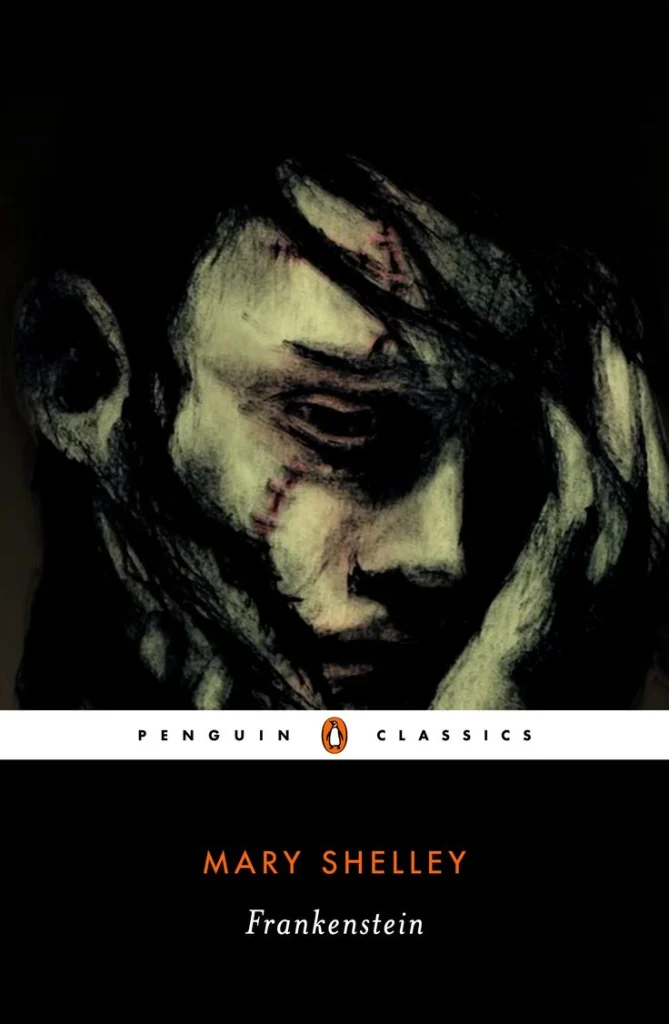
Shelley altered parts of the novel, including Victor Frankenstein’s characterisation and the story’s framing. The differences are significant enough to change how the novel can be interpreted.
So which one is the “real” Frankenstein? The easy answer would be the first edition because it came first. The more interesting answer is that both versions tell us something about the novel and its author.
The 1818 text shows what Shelley originally published, while the 1831 version reflects changes she made later in her life. Treating one as automatically superior misses what the differences themselves can teach us.
Stephen Crane’s The Red Badge of Courage presents a similar problem.
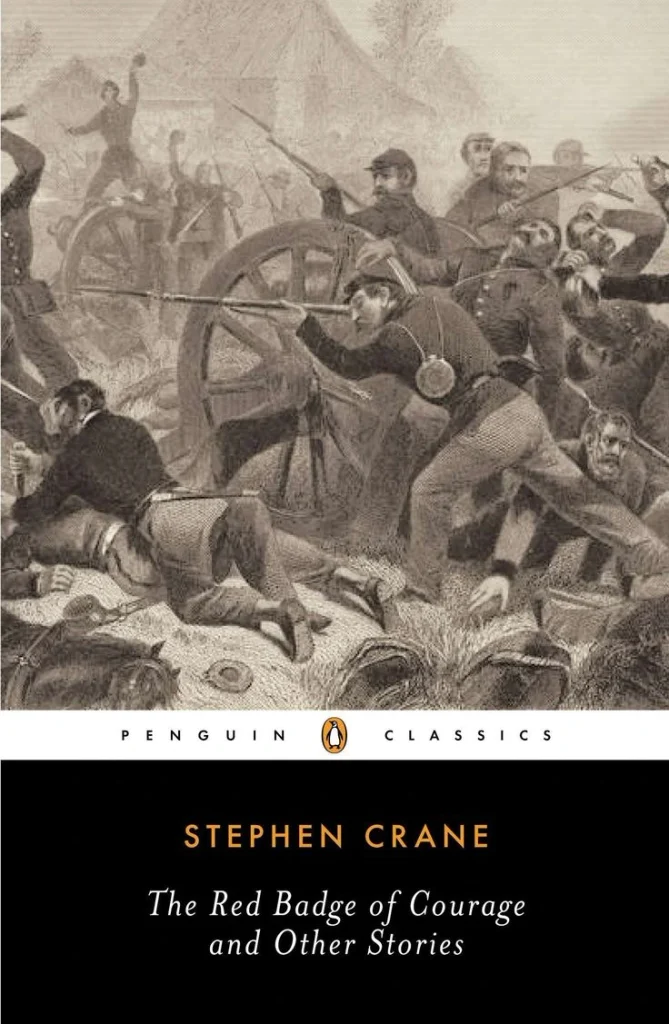
The novel passed through drafts and different published versions, with changes affecting elements such as pacing and presentation.
The romance of early edition books depends partly on the belief that they preserve an author’s purest creative vision. Real writing is much messier than that.
A first publication may contain decisions an author later reconsidered, errors that were subsequently corrected, or passages that benefited from further editing.
For someone who simply wants to read a novel, the appeal of an early edition can be quite different from its appeal to a collector.
A fragile first printing may be historically fascinating, but it is not necessarily the edition most suited to reading on a rainy afternoon with a cup of tea.
Later editions can offer practical advantages. Errors may have been corrected, awkward passages revised, and formatting improved.
Scholarly editions can add introductions, notes, and historical context that make difficult works easier to understand.
In non-fiction, the difference can be even greater because newer editions may include updated research and information that did not exist when the first edition was published.
There is also the question of authorial revision. Some writers continued changing their work long after its first publication, whether because they had changed their minds, discovered weaknesses, or gained more perspective.
A later edition that an author personally revised may therefore tell us more about their considered intentions than the first version ever could.
This does not make every later edition superior. Sometimes revisions weaken a work, remove material, or reflect pressures outside the author’s original creative vision.
Then there is the money. The market for early edition books has created a strange situation in which a book’s physical scarcity can matter more than its literary quality.
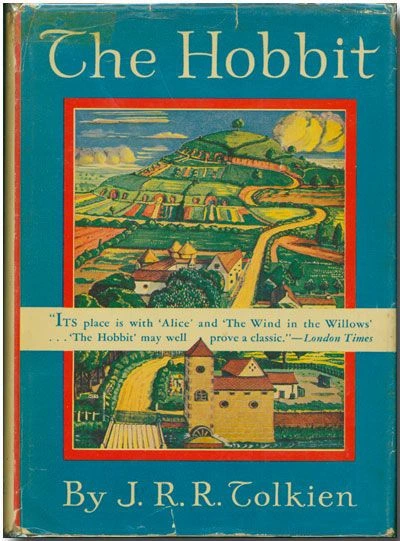
A first printing with a surviving dust jacket can command a remarkable price, while a later edition of the same text may be worth very little.
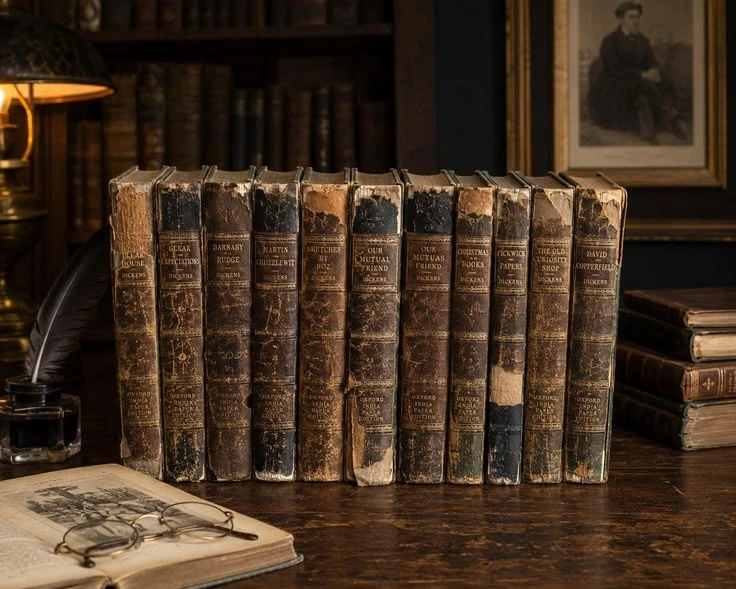
That makes sense from a collecting perspective. A scarce object is desirable precisely because there are fewer of them. But scarcity and literary importance are not the same thing.
A forgotten novel can become valuable because only a small number of copies were produced. A widely celebrated novel can have little financial value in an early edition if large numbers survived. The market does not necessarily reward the best writing. It rewards rarity, condition, provenance, and demand.
There is nothing inherently wrong with that. Collectors are allowed to care about things readers do not. A person who spends years searching for a particular printing may care about its history, typography, binding, or connection to a particular moment.
None of this makes early editions pointless. In fact, their greatest value may have very little to do with being the best version to read.
For scholars, early editions can provide evidence of how a work developed. Comparing different versions can reveal changes in language, characterisation, political attitudes and authorial intent.
In some cases, later editions even remove or alter material that tells us something important about the period in which the book was first published.
Jack Kerouac’s On the Road is a good example of why multiple versions can be fascinating.
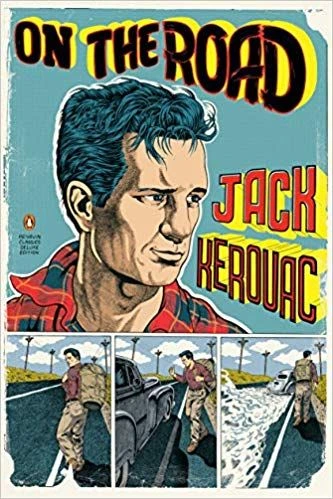
The manuscript, the edited 1957 publication, and the later version based on Kerouac’s original scroll offer different perspectives on the same work. None erases the value of the others. Together, they show how a piece of writing can change.
An early edition also preserves a physical history. The paper, typeface, binding, illustrations, and dust jacket can reveal how publishers produced and marketed books at a particular time.
A first edition from the 1920s is therefore more than an early copy of a text. It is also a physical record of how books were made and experienced in that period.
The answer depends on what you’re valuing. For a collector interested in literary history, early edition books can be extraordinary objects.
It may preserve a version of a work that later editions changed, a design that disappeared, or a physical connection to the period in which the book first appeared. For scholars, comparing editions can reveal things that reading a single version never could.
Similarly, for someone who mainly wants to experience the story, paying a premium simply because a book came first makes less sense. A later edition may be easier to read, more accurate, better annotated, and far less stressful to handle.
Early editions deserve their reputation, but not all of it. They are valuable records of literary and publishing history, and some are genuinely extraordinary objects.
They can also preserve versions of books that later editions changed or replaced. What they cannot guarantee is a better reading experience simply because they got there first.
After all, a book’s greatest achievement is not surviving in perfect condition. It is getting into someone’s hands, being opened, argued with, scribbled in, reread, and remembered.

Marvel vs. DC Female Superheroes
The Author’s Guide to the Rule of Three I
15 Writing-Adjacent Careers for Writers Looking for a Career Change
Authors Spotlight: Khaled Hosseini
The Sound Souls Make When They Die by Chinemefun Chimuanya
If Nollywood Cast Our Favourite African Books: Who Would Play Who?
Best Films About Unexpected Age Gap Romance
Literary Awards and the Racism Card: A Wake-Up Call for Black Africa
Interview with the Vampire Relationships, Ranked
10 Top Recent Films for Action and Comedy Fans
Comma Rules Every Writer Should Know
10 Most Hype-worthy 2026 Book Releases (African Literature Version)
July 20, 2025 .
Animation, Lists
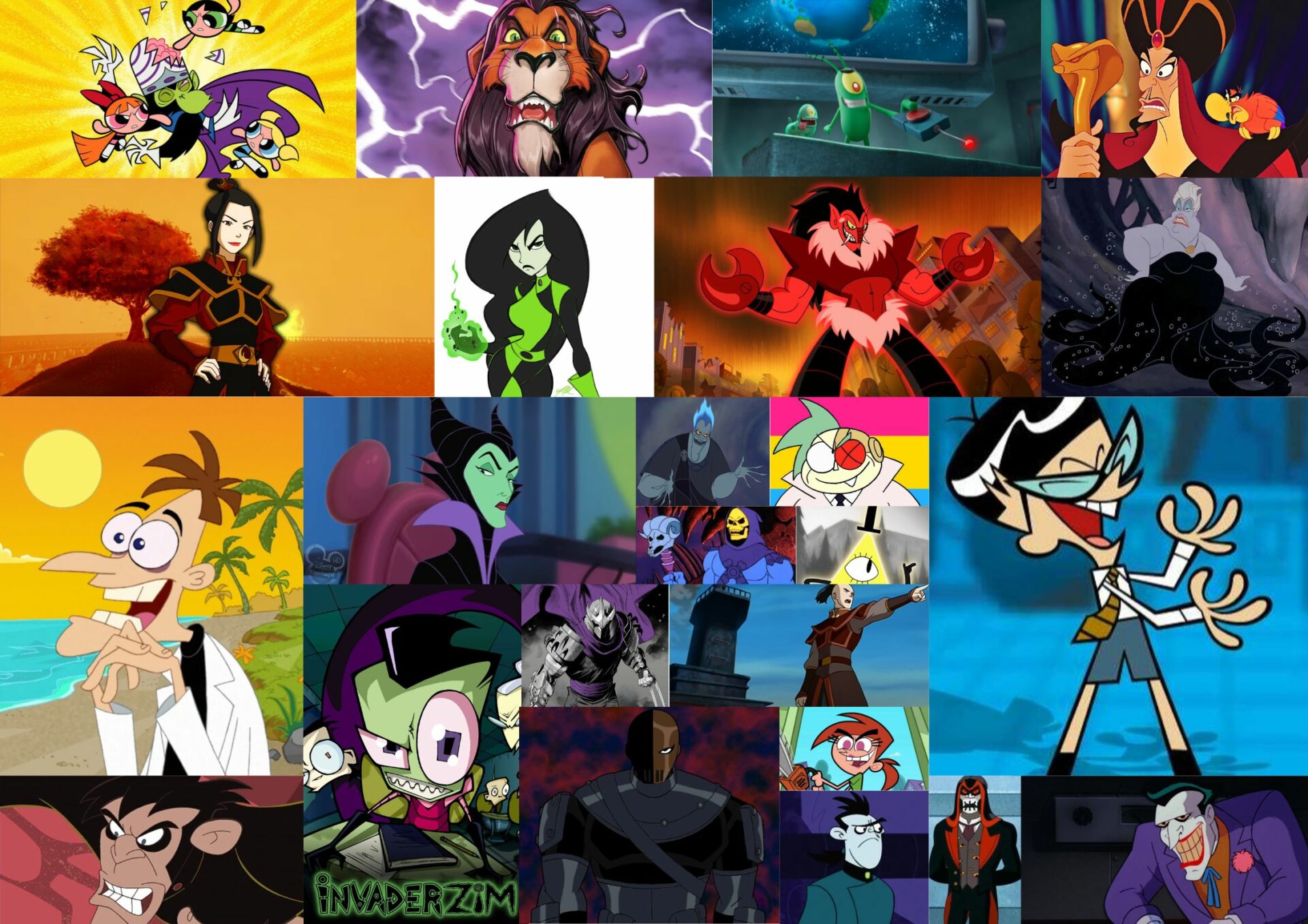
Our list rounds up the top 30 cartoon characters that were villains, each one more wonderfully wicked than the last.
READ MORE
April 29, 2026 .
Lists, Opinions
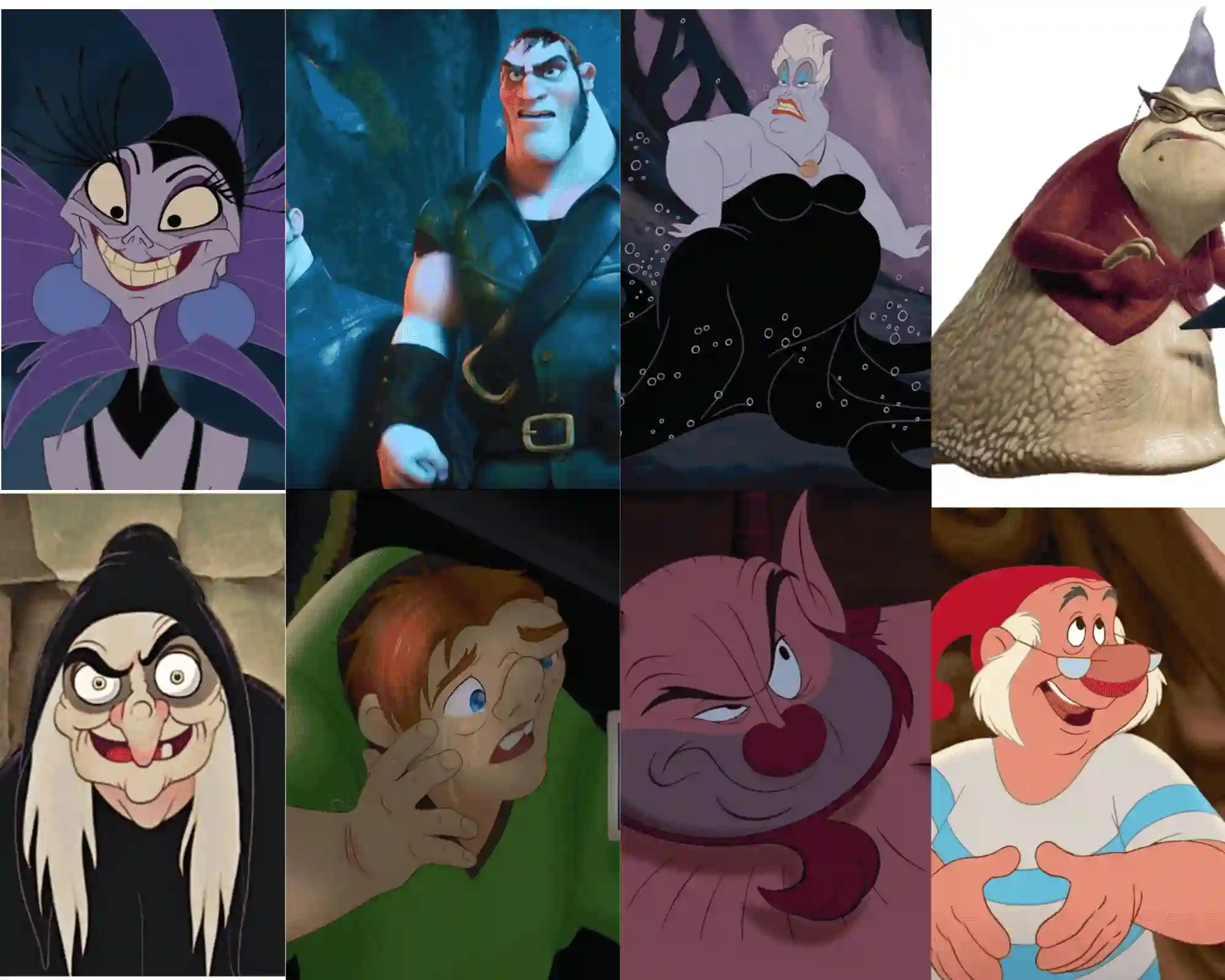
The Mouse is famous for its princesses and princes. However, the studio’s true genius lies in its embrace of “ugly Disney characters”.
READ MORE
November 27, 2025 .
Lists, Mythology
While this isn’t an exhaustive list, it comprises some of the most popular mythical creatures from around the world.
READ MORE
February 26, 2026 .
Cartoons, Lists
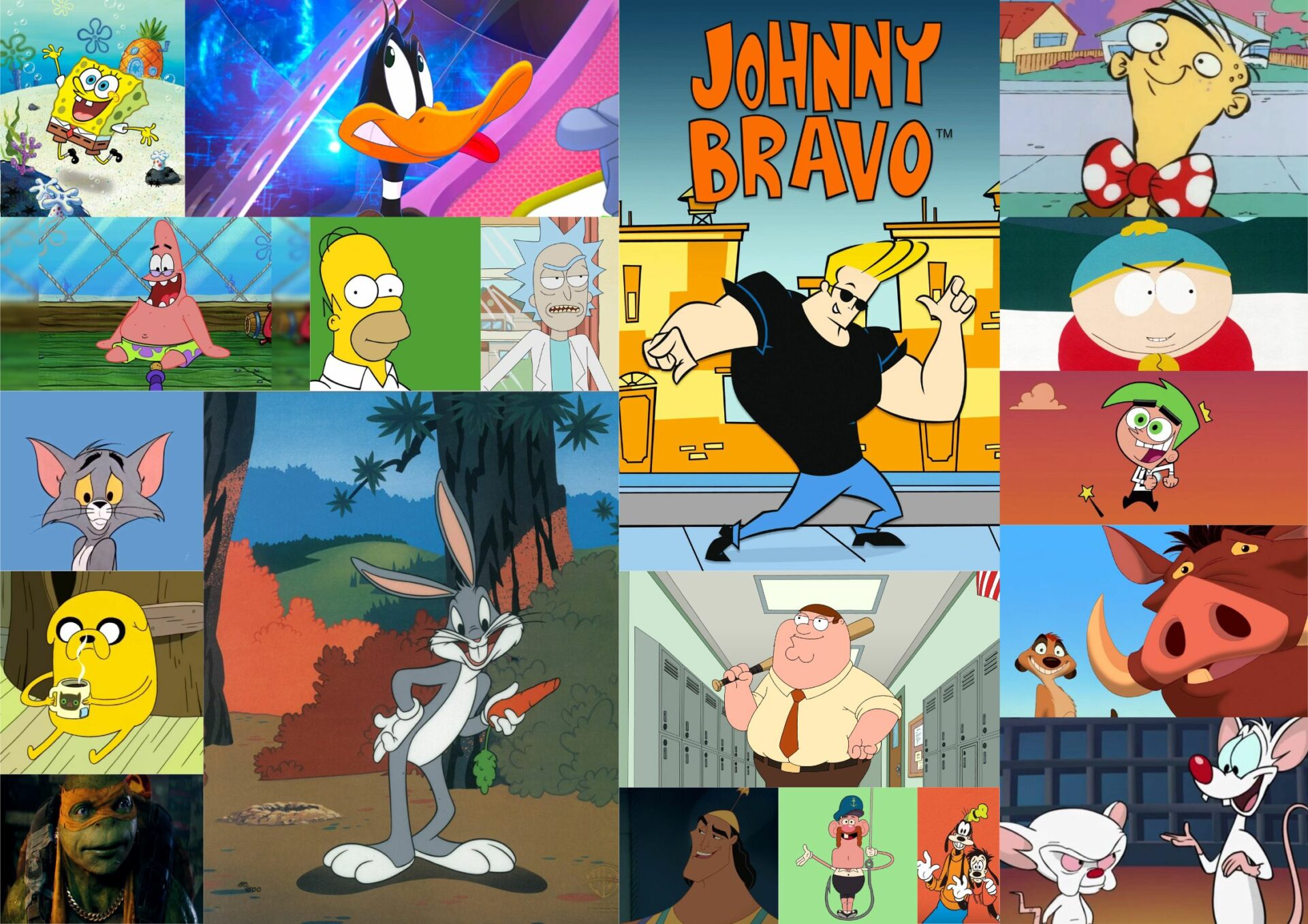
There are some outright funny cartoon characters who exist solely to crack you up, loud, hard, and with zero apology.
READ MORE
May 6, 2026 .
Lists, MCU
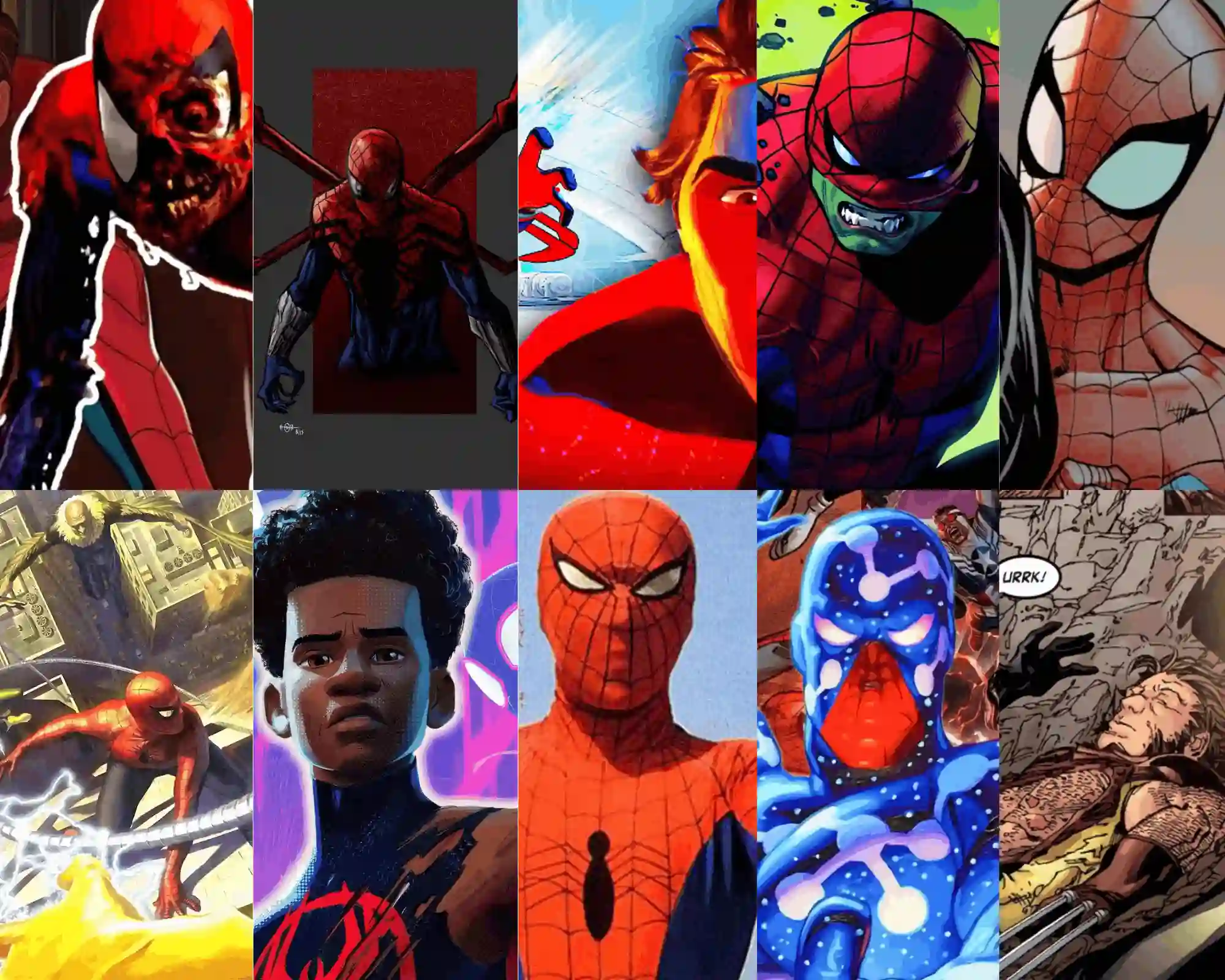
Spider-Man is one of the many superheroes from the Marvel Universe whose stories shaped many childhoods. Who is your strongest Spiderman?
READ MORE

July 20, 2025 .
Opinions
Book recommendations from random places don’t always cut it, and you often end up feeling unsatisfied with them.
READ MORE

July 20, 2025 .
Essays, Opinions
READ MORE

July 20, 2025 .
Essays, Opinions
READ MORE

September 11, 2026 .
Opinions
Book reviews aren’t just a jumble of words on how a book made you feel but also a veritable document that you can quickly refer to when your memories temporarily fail you.
READ MORE

July 20, 2025 .
Opinions
Reading hundreds of pages for a single book can be like facing Smaug, Chiefest of Calamities, but a short story is a small dragon that you can easily conquer.
READ MORE

July 20, 2025 .
Debates, Opinions
Reading nonfiction about what interests you can provide more color and context that might make your fiction reading experience more enjoyable.
READ MORE

September 12, 2025 .
Opinions
In a fast-paced world, reading asks us to slow down, surrender, and sit with another person’s words long enough for them to settle inside us.
READ MORE
November 24, 2025 .
Debates, Opinions
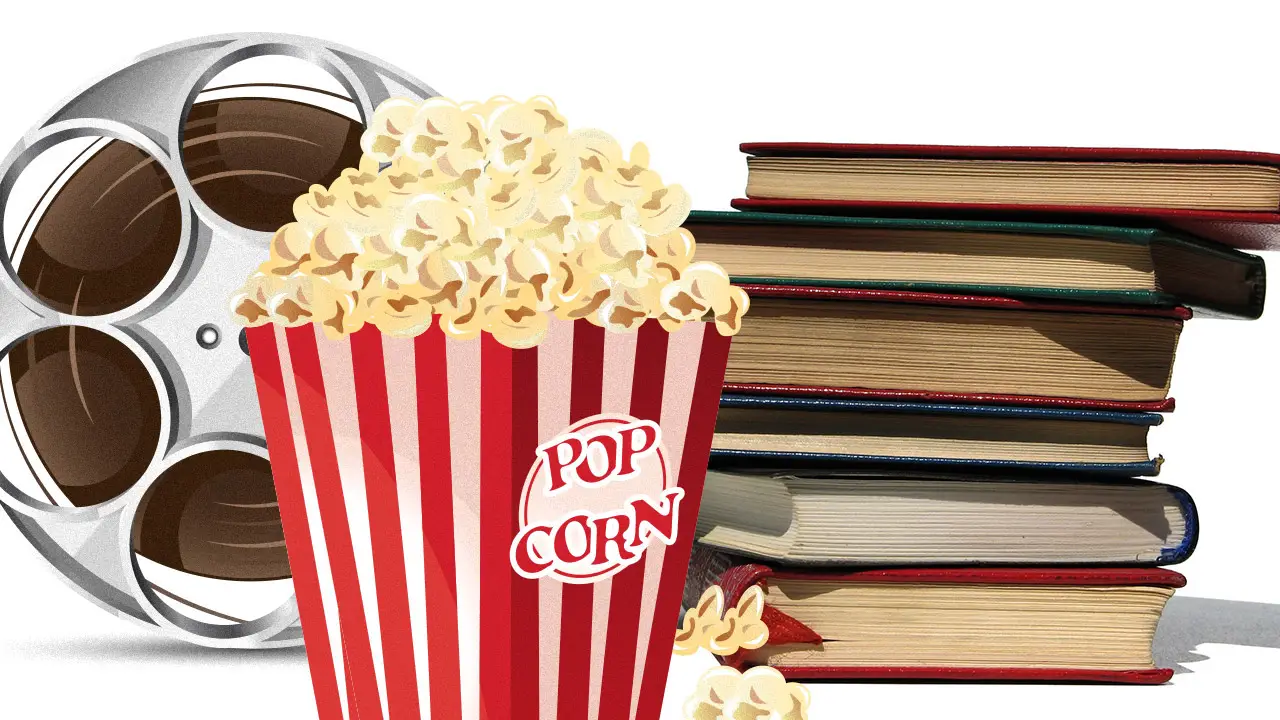
Reading is active while watching movies is passive. The act of turning pages creates a pause that enhances understanding.
READ MORE
July 26, 2025 .
Fantasy, Opinions
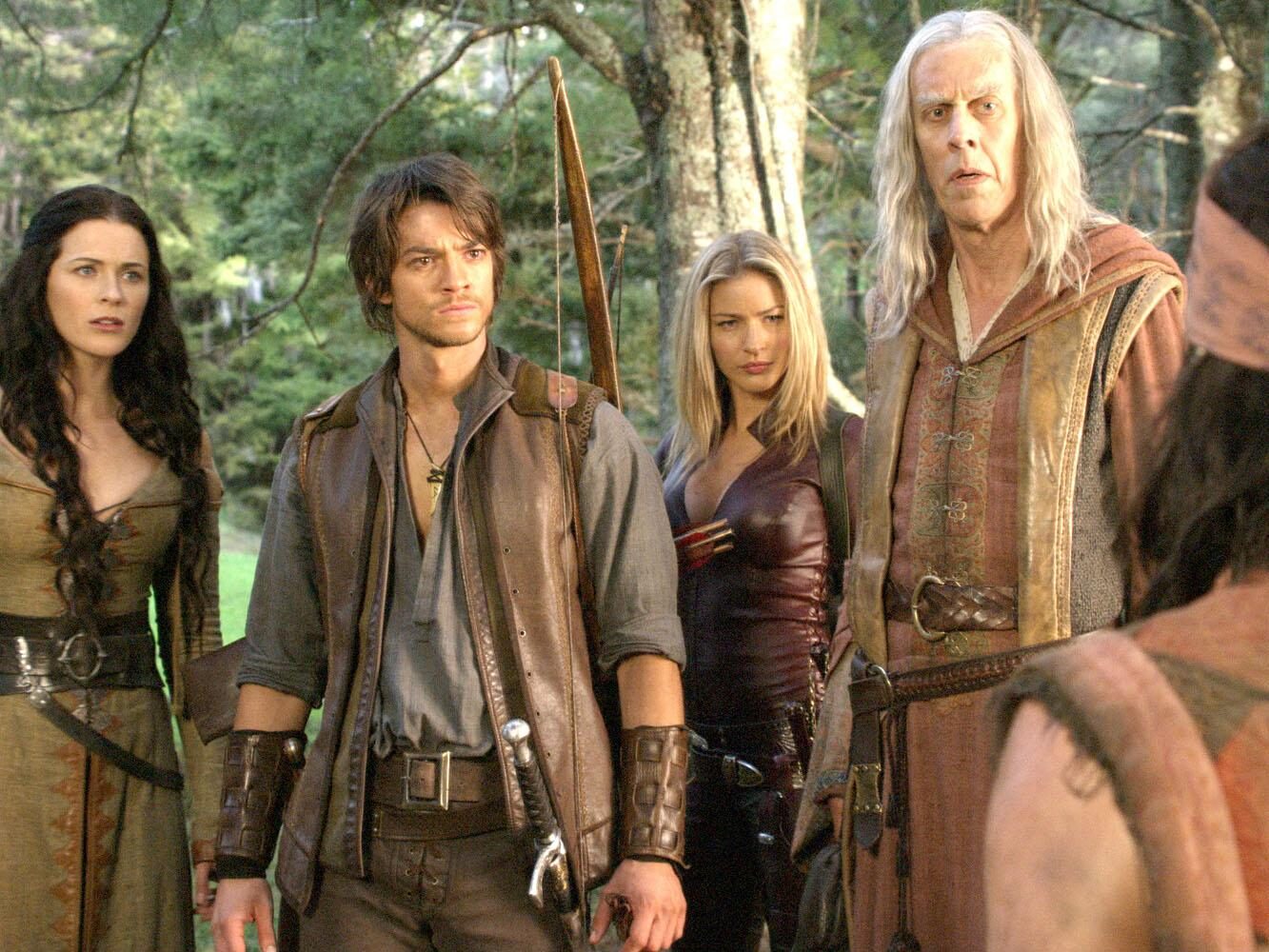
It’s cliche. But it’s rapid. It’s predictable. But it’s enjoyable. For lovers of the classic tropes, Legend of the Seeker is a worthy watch.
READ MORE
Get our magazine for free!