Close menu
Ranking the best of African Literature



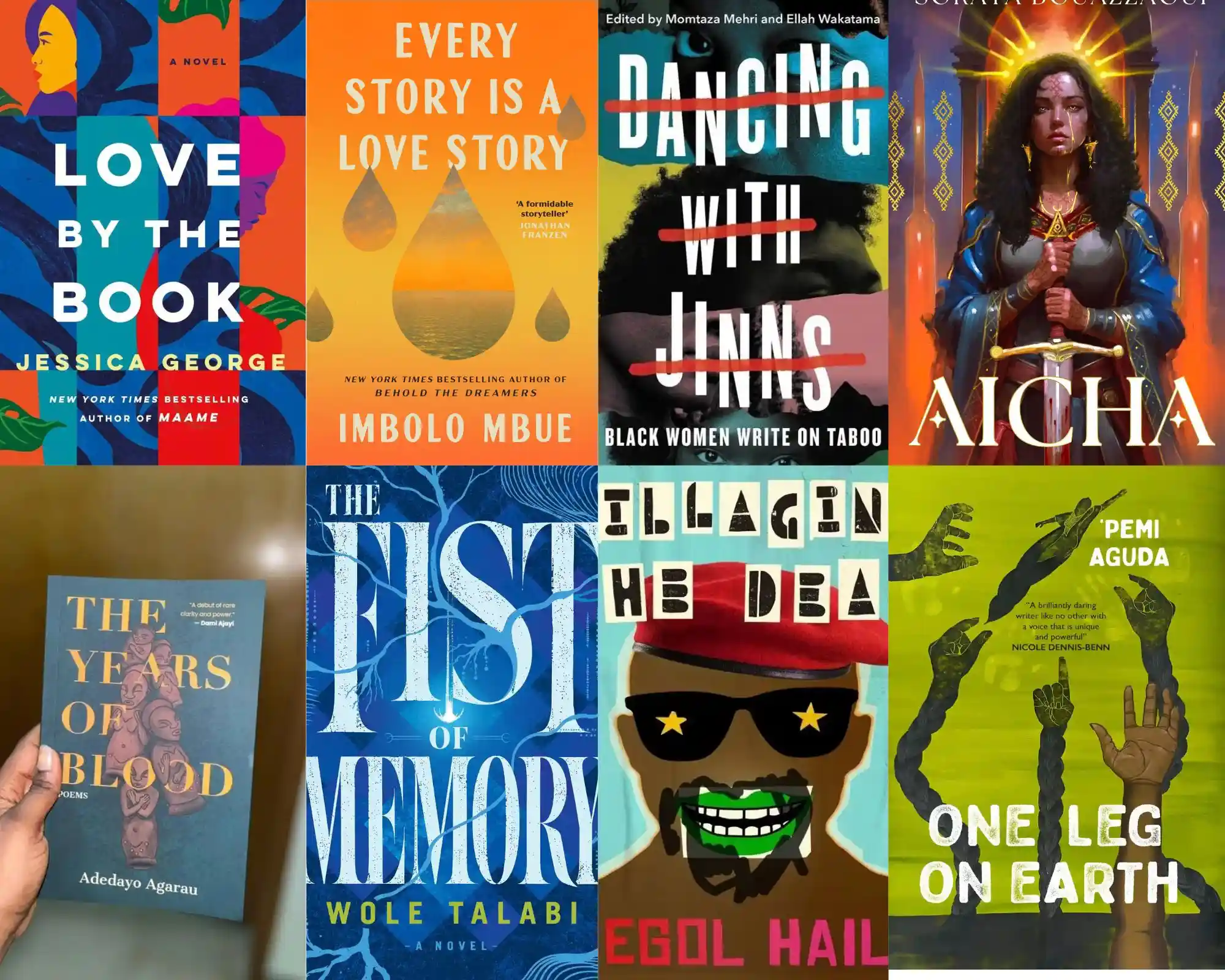

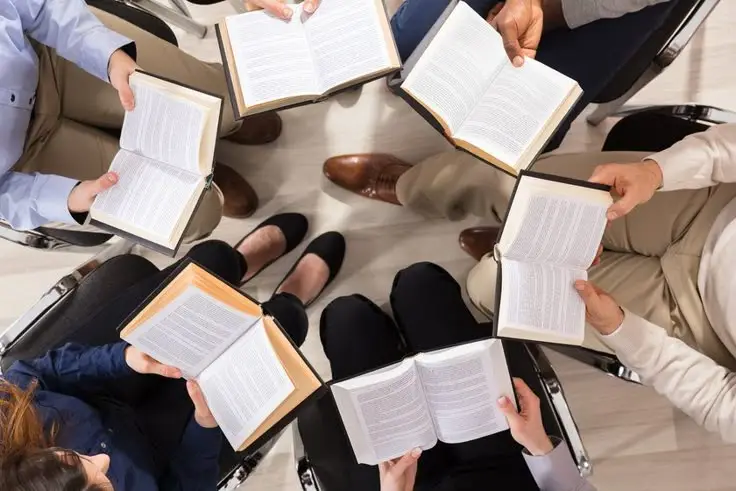


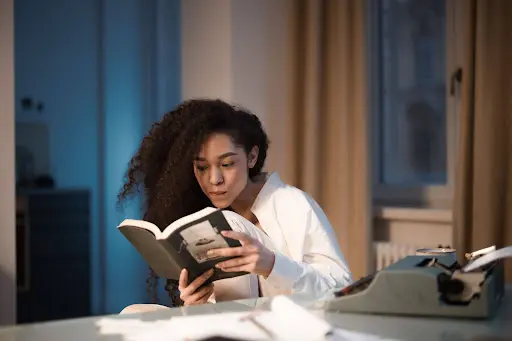




Reading can be quiet, but it doesn’t have to stay that way. Make things with the books you read. Photograph them. Collect and redesign them.
Reading doesn’t have to end when you close the book. There’s so much more you can do to make your hobbies more fun.
You can learn how books get made, change how your favourite covers look, photograph your reading, or take a book out into the world with you.
Some of these activities need nothing more than your shelf and a bit of curiosity.
For book clubs or reading buddies looking to spice up their literary experience, here are 8 hobbies you can choose from.
Bookbinding teaches you to see a book as an object, not just text.
Start simple—anyone who’s had a notebook already half-knows how to bind loose pages. From there, you can move into stitched bindings, hardcover construction, decorative endpapers, and book repair.
You choose everything: paper, cover, thread, size, and the book ends up looking exactly how you want it to.
Got an old book with loose pages or a damaged cover? Don’t toss it. Learn to repair it instead. Remember, a stitch in time saves nine applies here too.
Grab a basic kit and a few cheap materials. You don’t need a studio for this. And if you get good enough at it, you can turn it into a side gig.
A great cover sells a book on its own. That makes redesigning covers a fun exercise if you’ve got any design instinct.
Pick a classic. Pretend you’re designing a new edition for a modern publisher. Forget the original cover completely. Think about setting, characters, mood. What image tells the story without giving it away?
Try Jane Eyre, The Great Gatsby, or Things Fall Apart. Make three versions: one focuses on photography, the next typography only, and the last one inspired by vintage editions.
Use Canva, Adobe, or paper, paint, and collage. The exercise sharpens your eye for the small choices that separate one edition from another.
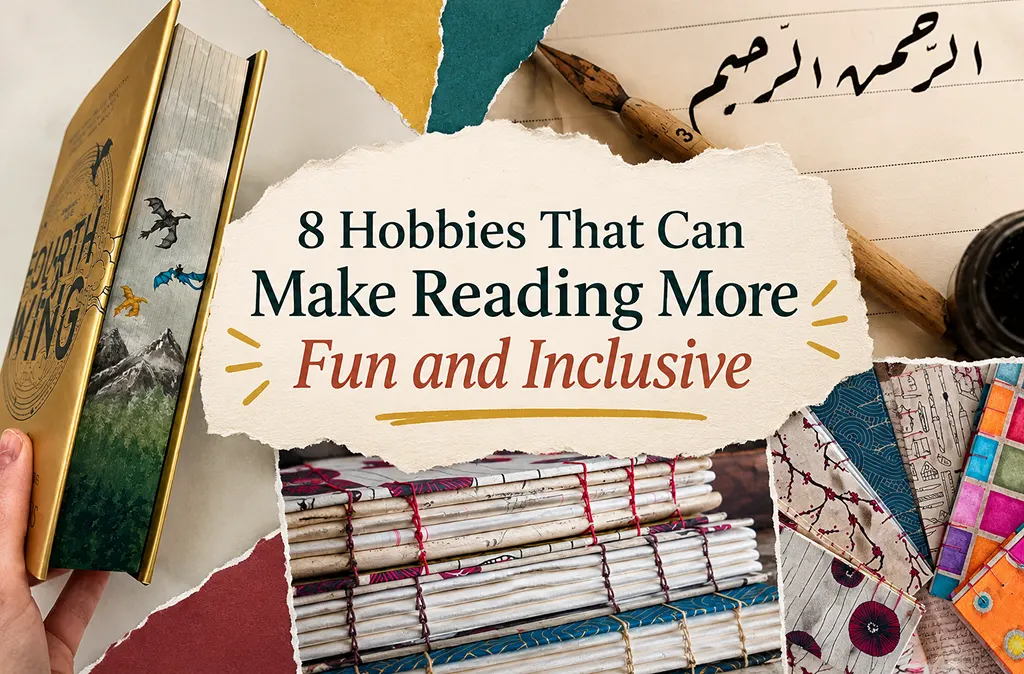
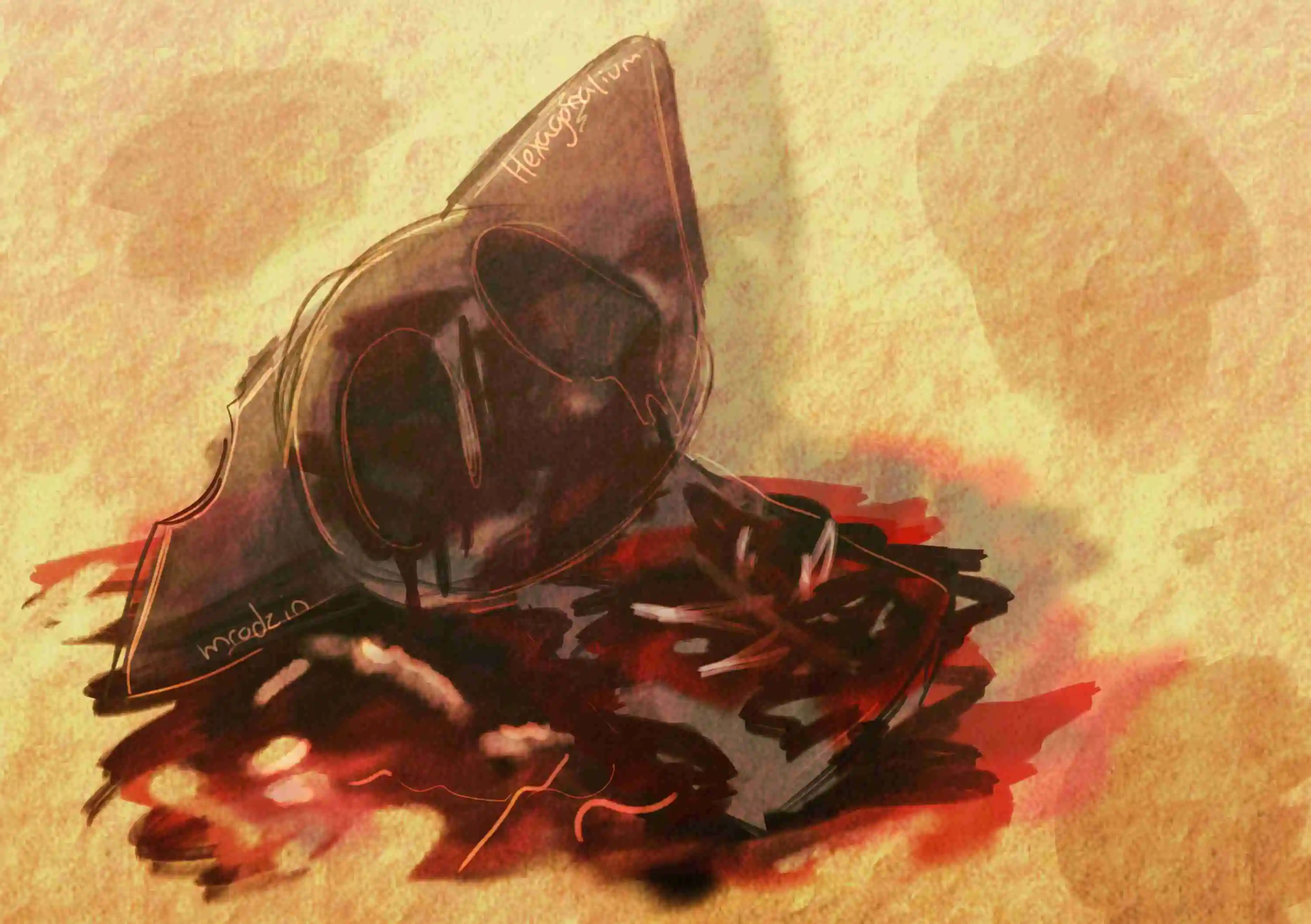
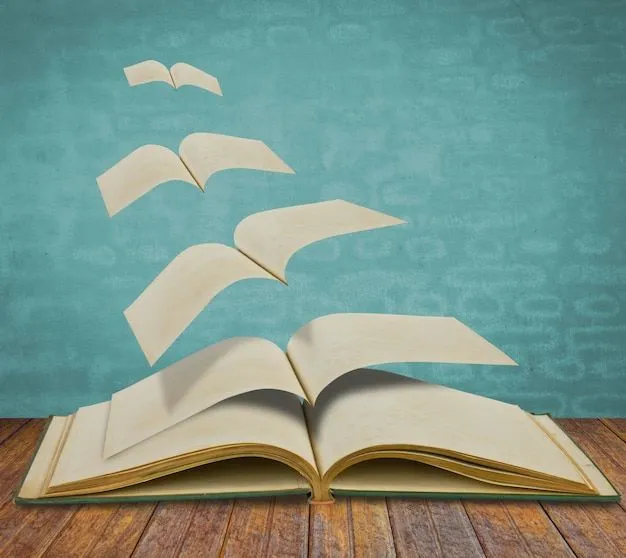
Look at the outer edges of a closed book. Some antique and special edition books hide paintings there. Close the book and the image appears. Open it, and it vanishes.
This tradition goes back centuries, and some examples are stunning. Picture a hardback copy of Things Fall Apart with a painting tucked into the edge.
Don’t start on an expensive antique. Grab a cheap second-hand copy and practice first. Learn how the pages move before you get ambitious. Tutorials exist online for this.
Paint a landscape, flowers, a building, or a scene from the book. This hobby sits between painting and book collecting. It also makes you think of a book as three-dimensional, not a flat cover with pages inside.
You don’t need a fancy camera. A phone, decent natural light, and some attention to composition go a long way. Penguin Random House recommends natural light over overhead fluorescent light, which can throw off color and create glare.
Photograph a book next to objects from its story. Build a flat lay. Shoot spines and pages. Build a visual theme around one novel.
There’s a professional side too. Justina Nekrašaitė, known as The Book Photographer, runs a studio in Amsterdam shooting books, magazines, and printed objects. Her work zeroes in on paper, binding, typography, and layout.
A few Bookstagram accounts worth following for looser inspiration: @booksandquills, @blueeyedbiblio, @themilelongbookshelf. Study their light, background, and composition, then build your own style.
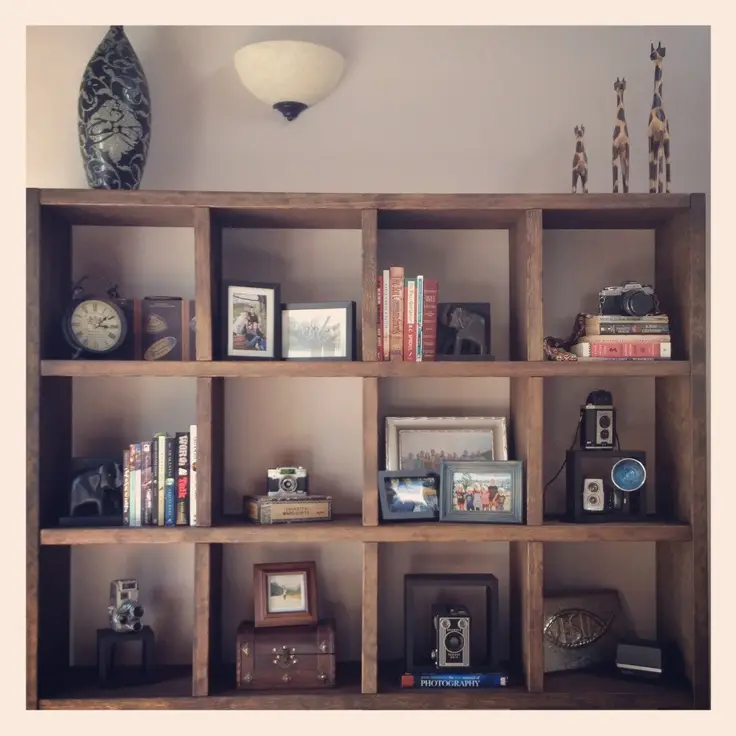
Owning a lot of books and collecting them are different things. A real collection has a reason behind it. Different editions of one novel. First editions. Vintage Penguin covers. Translated lit. Books from indie publishers. Novels from one specific decade.
You could even collect different covers of the same title.
Take One Hundred Years of Solitude, for example. Track down editions from different countries, and you see the novel differently each time, since every cover designer made their own call on how to present it.
Collecting gives you a reason to hit second-hand shops, charity shops, book fairs, and antique markets. Pick a theme first. Otherwise, “I collect books” turns into “I’ve run out of shelf space” fast.
Visit places tied to writers, movements, and specific books: author homes, historic libraries, indie bookshops, literary festivals, real locations from novels.
London gives you Shakespeare, Virginia Woolf, and Charles Dickens. Dublin means James Joyce. Paris means Hemingway and Baldwin.
You don’t need to leave the country. Nigeria has its own literary geography, with places tied to writers, literary events, indie bookshops, and locations pulled straight from Nigerian fiction.
Research first. A literary trip gets more interesting once you know why a street or a building matters.
Calligraphy pairs naturally with reading. Books give you endless material to practise on.
Copy a favourite poem. Write out a passage. List character names. Reproduce a quote in a few lettering styles. Start with basic brush lettering or a plain pen. You don’t need to turn every page into a masterpiece.
It changes how you read too. Write a sentence out by hand, and you notice every word. A passage you’d normally skim hits differently.
Your favourite lines can become framed pieces, bookmarks, journal pages, gifts.
Poetry was meant to be heard, not just read silently. Recording yourself out loud forces you to slow down and notice rhythm, punctuation, pauses, and sound.
Pick one poem. Read it a few times. Record the first attempt without worrying about how it sounds. Listen back. Try again.
You’ll likely notice a line you thought was simple has a strange rhythm, or that you’ve been stressing the wrong word the whole time. Spoken aloud, a poem can turn into something else entirely.
Keep the recordings private, or build an audio archive to share with people you love. Imagine getting one from someone special on a meaningful day.
If you like it, explore spoken-word poetry. Listen to how other poets read their own work, then compare it to yours. Good practice too if you want to get comfortable with public speaking or voice recording.
Reading can be quiet, but it doesn’t have to stay that way.
Make things with the books you read. Photograph them. Collect and redesign them. Travel around the world because of your favourite author. Give their words a voice.
Hi I'm Tega, I am a microbiologist with a lifelong passion for reading, I fell in love with books as child (where I was briefly obsessed with Enid Blyton, lol) reading is simply my escape and hobby and sometimes doubles as therapy for me . My favorite genres are African lit, historical fiction, memoirs/biographies and fantasy. I do beta reading and post book reviews which you can check out on my Instagram @ te_ga_o.
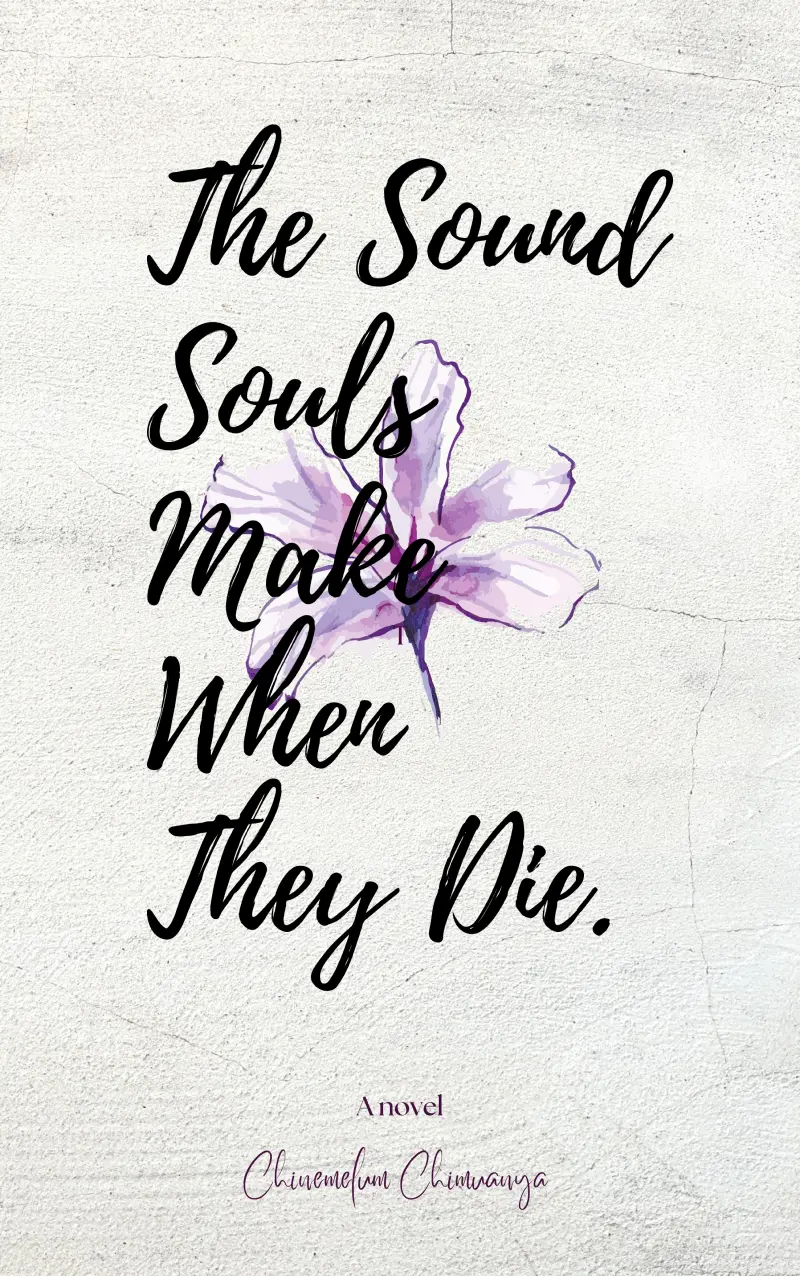
The Sound Souls Make When They Die by Chinemefun Chimuanya
If Nollywood Cast Our Favourite African Books: Who Would Play Who?
Best Films About Unexpected Age Gap Romance
Literary Awards and the Racism Card: A Wake-Up Call for Black Africa
Interview with the Vampire Relationships, Ranked
10 Top Recent Films for Action and Comedy Fans
Comma Rules Every Writer Should Know
10 Most Hype-worthy 2026 Book Releases (African Literature Version)
Five Gambling Films That Know the Bet Is Only Half the Story
Movies Where Poker Reveals Who a Character Really Is
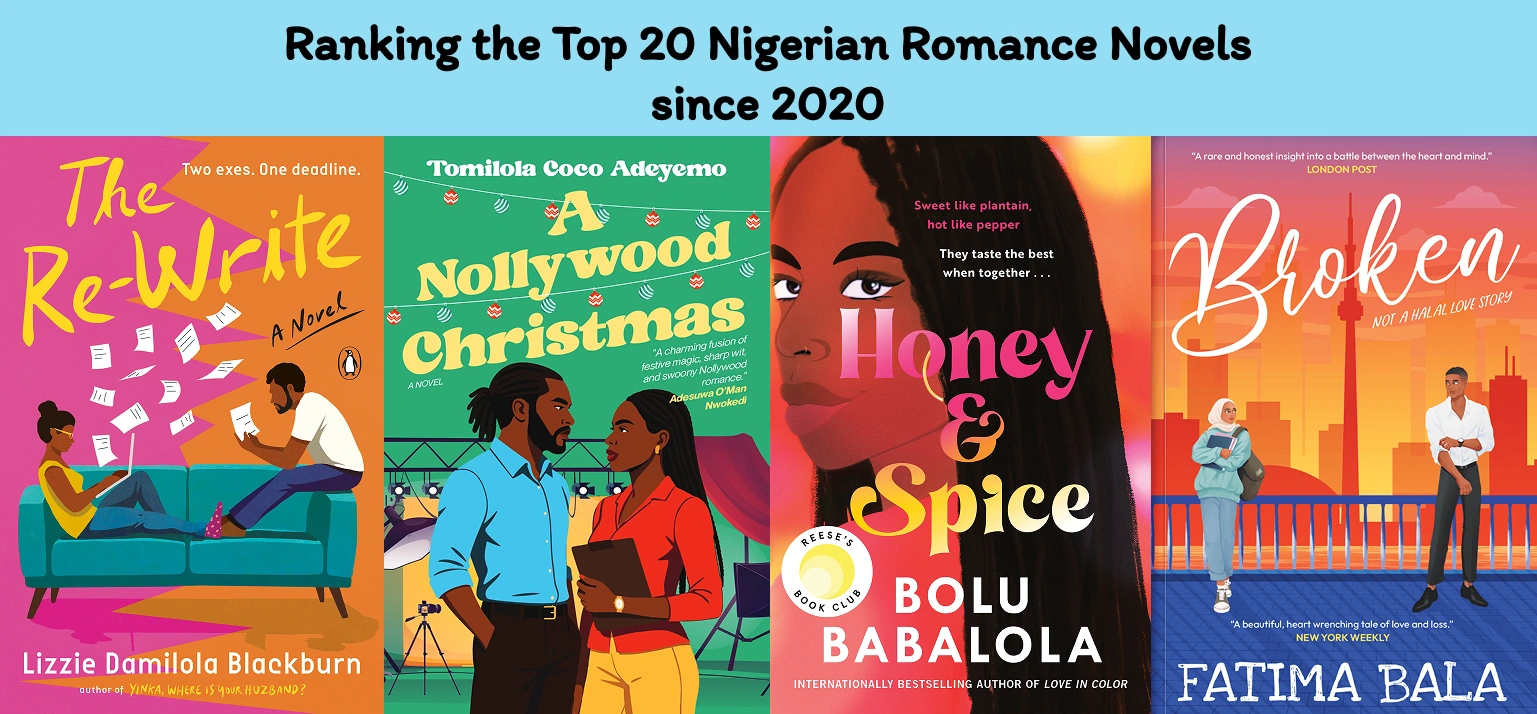
Ranking the Top 20 Nigerian Romance Novels since 2020
In Defense of Reading and Gaming
July 20, 2025 .
Animation, Lists
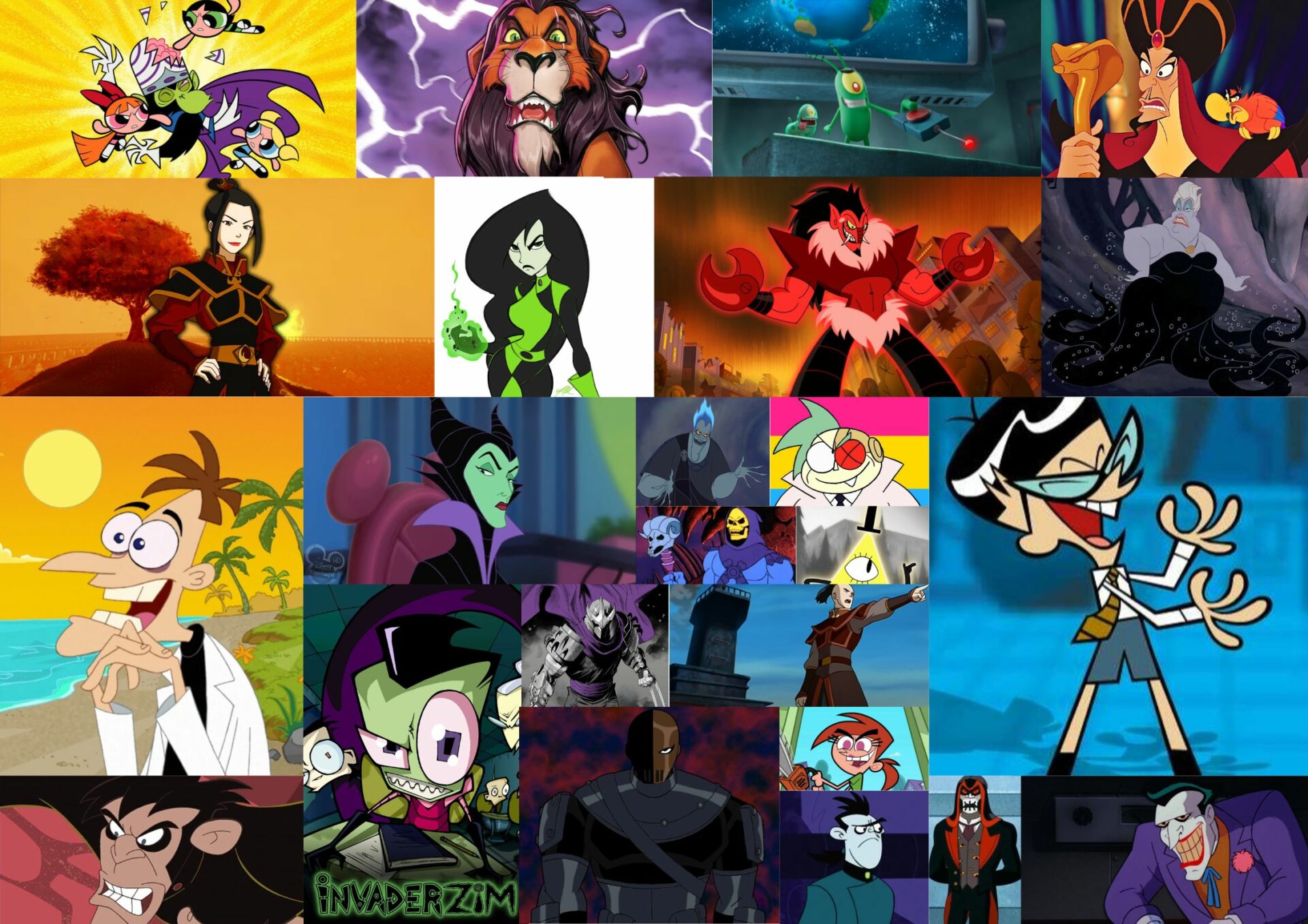
Our list rounds up the top 30 cartoon characters that were villains, each one more wonderfully wicked than the last.
READ MORE
November 27, 2025 .
Lists, Mythology
While this isn’t an exhaustive list, it comprises some of the most popular mythical creatures from around the world.
READ MORE
April 29, 2026 .
Lists, Opinions
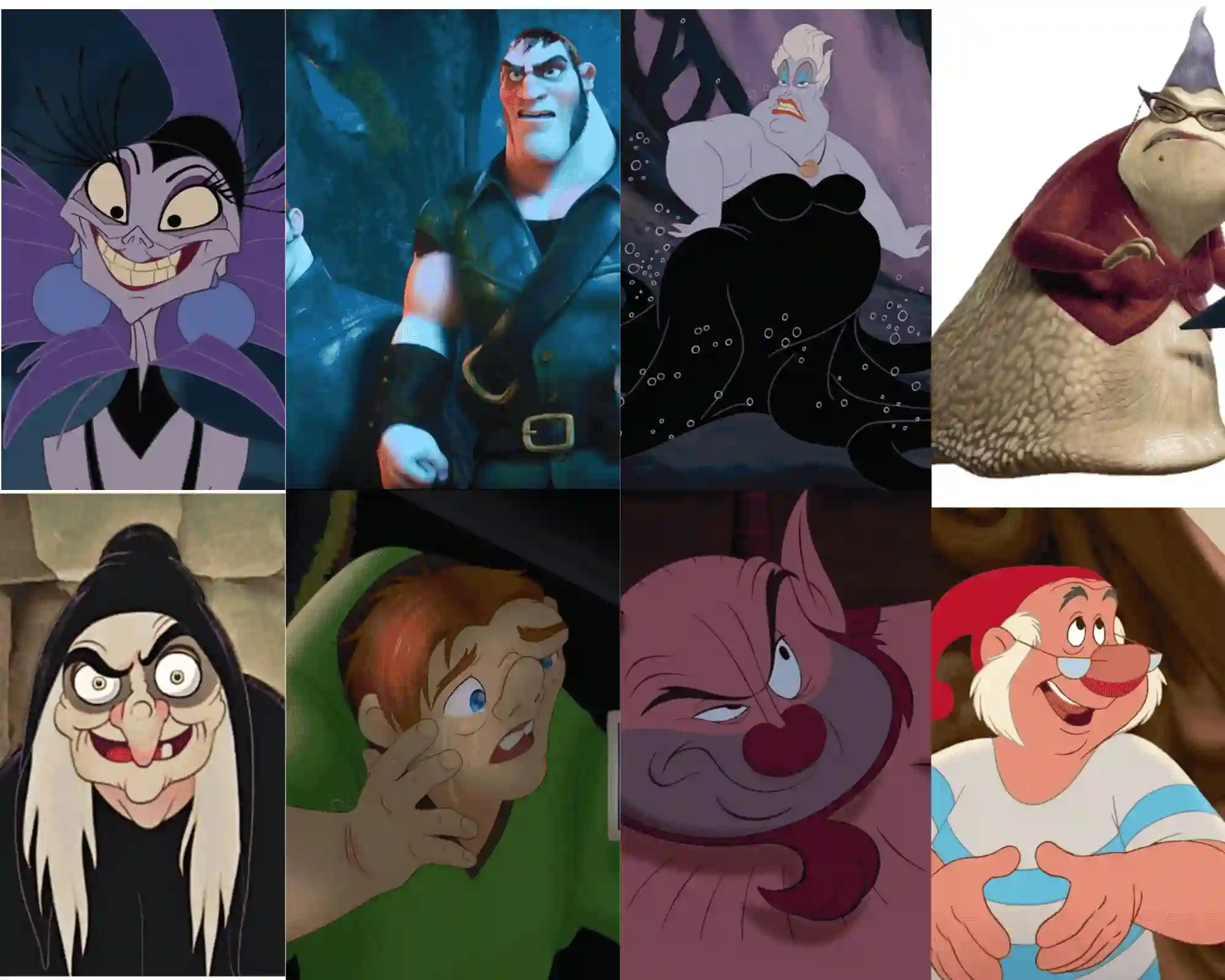
The Mouse is famous for its princesses and princes. However, the studio’s true genius lies in its embrace of “ugly Disney characters”.
READ MORE
October 28, 2025 .
Lists, Marvel, MCU, Opinions
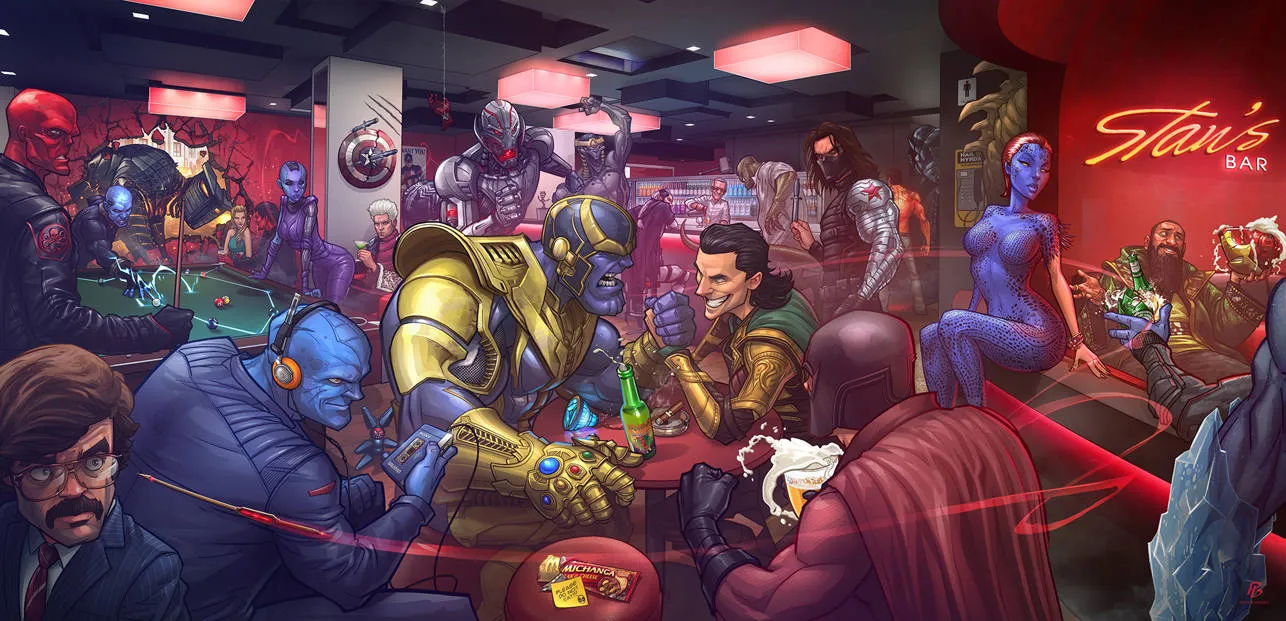
Let’s go through a list of the top 7 strongest Marvel villains, from the wickedly powerful to the absolutely unstoppable.
READ MORE
May 6, 2026 .
Lists, MCU
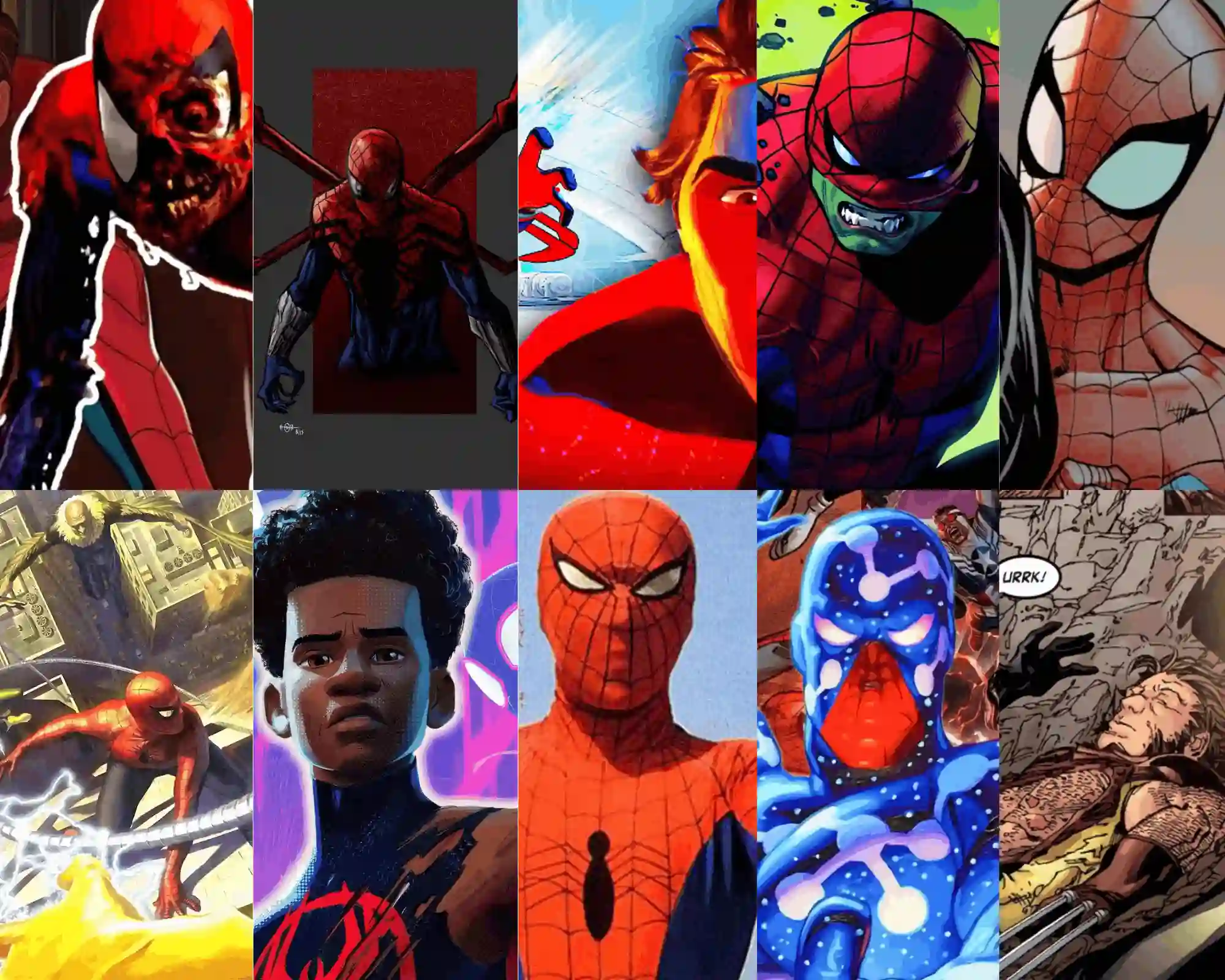
Spider-Man is one of the many superheroes from the Marvel Universe whose stories shaped many childhoods. Who is your strongest Spiderman?
READ MORE

July 20, 2025 .
Opinions
Book recommendations from random places don’t always cut it, and you often end up feeling unsatisfied with them.
READ MORE

July 20, 2025 .
Essays, Opinions
READ MORE

July 20, 2025 .
Essays, Opinions
READ MORE

September 11, 2026 .
Opinions
Book reviews aren’t just a jumble of words on how a book made you feel but also a veritable document that you can quickly refer to when your memories temporarily fail you.
READ MORE

July 20, 2025 .
Opinions
Reading hundreds of pages for a single book can be like facing Smaug, Chiefest of Calamities, but a short story is a small dragon that you can easily conquer.
READ MORE
July 20, 2025 .
Debates, Opinions
Reading nonfiction about what interests you can provide more color and context that might make your fiction reading experience more enjoyable.
READ MORE
September 12, 2025 .
Opinions
In a fast-paced world, reading asks us to slow down, surrender, and sit with another person’s words long enough for them to settle inside us.
READ MORE
November 24, 2025 .
Debates, Opinions
Reading is active while watching movies is passive. The act of turning pages creates a pause that enhances understanding.
READ MORE
July 26, 2025 .
Fantasy, Opinions
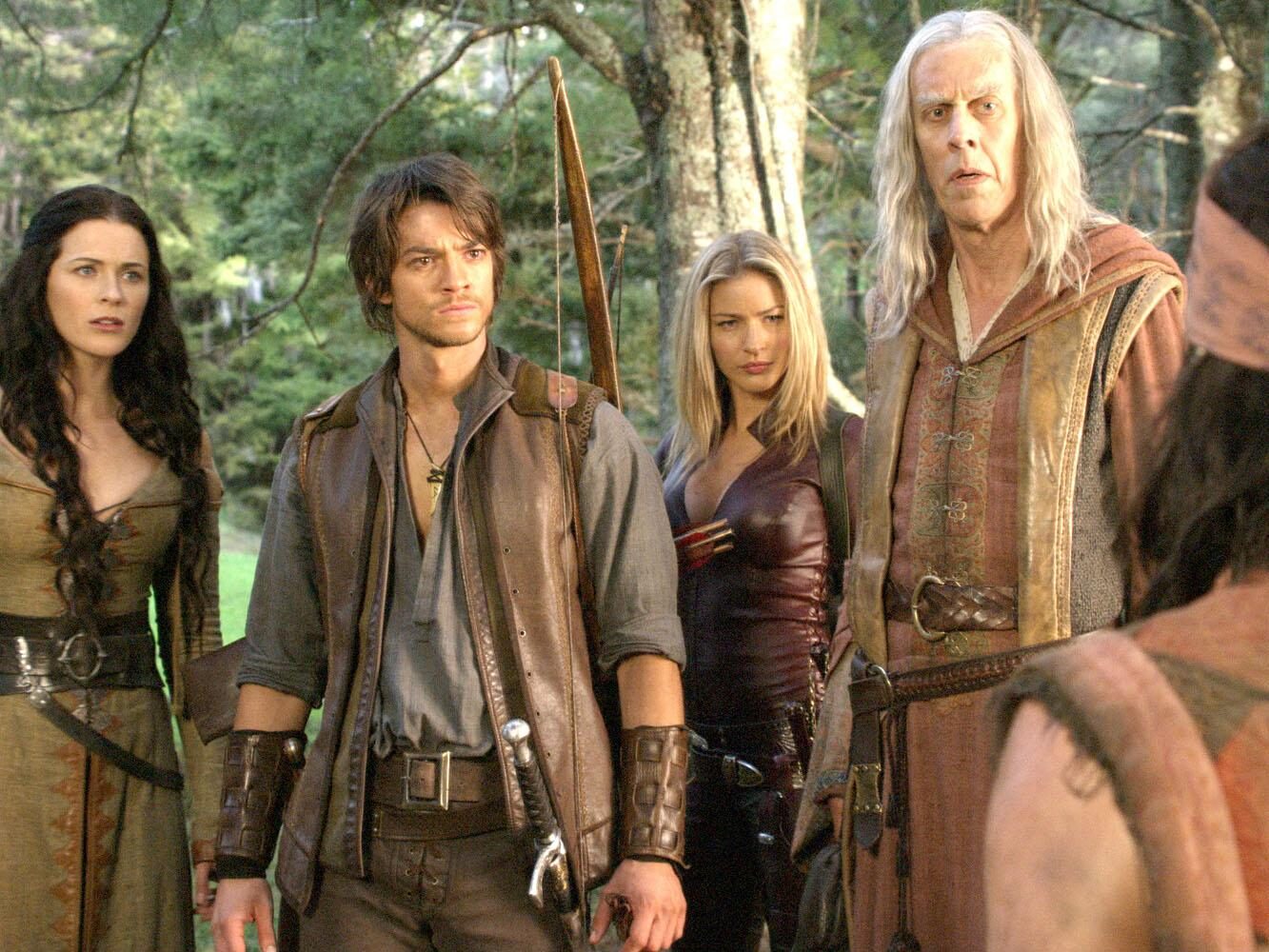
It’s cliche. But it’s rapid. It’s predictable. But it’s enjoyable. For lovers of the classic tropes, Legend of the Seeker is a worthy watch.
READ MORE
Get our magazine for free!