
Menu






















As a writer, I learnt a lot from reading I, Tituba, Black Witch of Salem. Style. Language usage. Clarity of voice.

Strangely, I didn’t know what to expect when I clicked on the ‘buy’ button on eBay, purchased this book, and sat in anticipation of its arrival. I had no idea what to imagine when it arrived, and I opened it.
Well, except for the fact that it had been recommended by a friend, whose judgement in books I trust. They told me about I, Tituba, Black Witch of Salem, after they learned about a project I was working on.
When I read the opening, I knew! I didn’t know what I knew, but I knew.
‘Abena, my mother, was raped by an English sailor on the deck of Christ the King one day in the year 16** while the ship was sailing for Barbados. I was born from this act of aggression. From this act of hatred and contempt.’
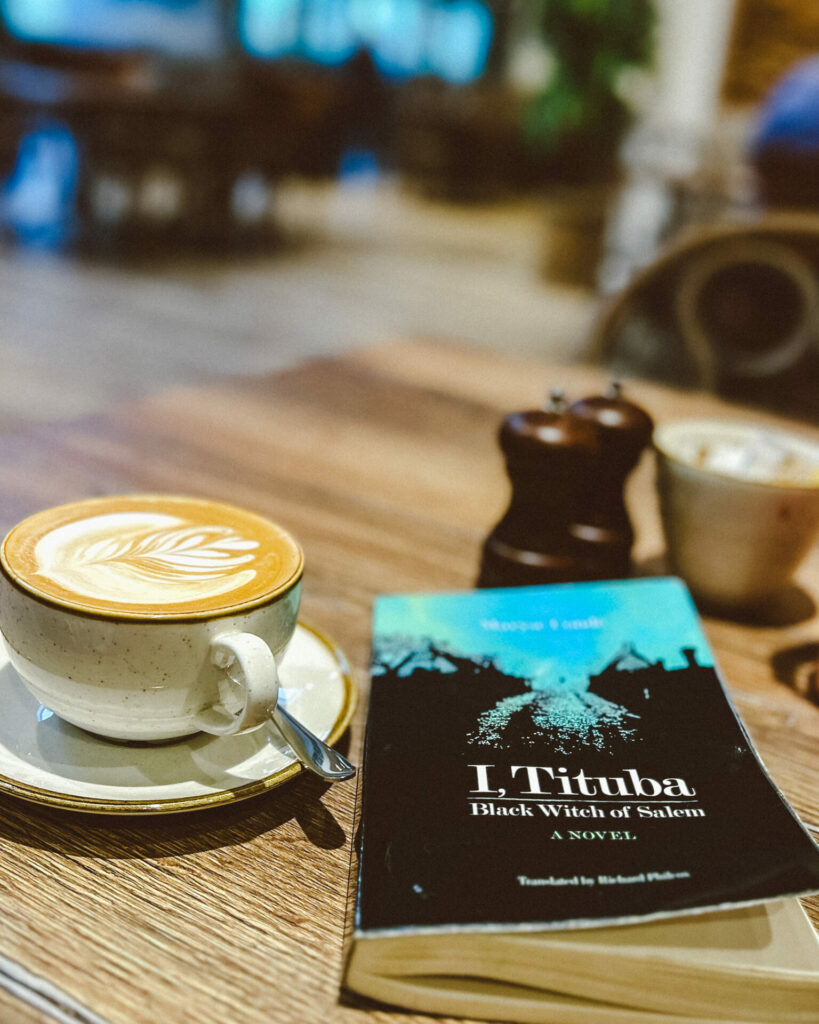
The book’s premise is that of a rebellion, with the audacity of the conception beckoning me to draw nearer. Maryse Condé, the author, had decided it was time for Tituba to take her place in history as one of the witches of the Salem Witch Trials—a black witch of Salem—as the history books conveniently do not give her that much space.
I continually applaud Condé for heeding the call of Tituba and giving her this voice.
‘Tituba and I lived for a year on the closest of terms. During our endless conversations, she told me things she had confided to nobody else.’
— Maryse Condé.
I, Tituba, Black Witch of Salem, surprised me in ways unimaginable, but before I try to get to the nitty gritty, a bit of summary on the book (I am not going to do an amazing job with that. Besides, no, spoilers, please, read it!)
The novel is narrated by Tituba herself, who recounts her life story with wit, resilience, and haunting clarity.
Born in Barbados to an enslaved Akan mother, Abena, who is hanged when Tituba is still a child, she is raised by Mama Yaya, a healer and spiritual guide who teaches her traditional African spiritual practices. Somewhere in the story, she falls in love with John Indian, who works for the Parris family, and she chooses to follow him into New England.
In Salem, Massachusetts, she is treated with deep suspicion and hostility because of her race, gender, and spiritual knowledge. When several young girls in the Parris household begin to display strange behaviour, Tituba is accused of witchcraft. Under pressure and torture, she confesses — not because she is guilty, but because it is her only path to survival.
Though she is imprisoned and condemned, she eventually returns to Barbados. But her experiences have changed her. And the ending might break you.
Now, to my thoughts.
Where do I start?
The storytelling is captivating. I didn’t think following the life of a slave in such harsh and, mostly, inhumane conditions from Barbados to Salem and back to Barbados would be so thrilling that sometimes I felt guilty for enjoying it so much. Don’t blame me, blame the storytelling.
However, as expected, accompanying this thrill is also that sense of anger, pain and dread. I feel like the author tried (and I could be wrong) not to dwell so much on the brutality of slavery, lest, it took focus from the life suffering of Tituba—which was very much painful on its own and linked to slavery as much—but the bits of the main atmosphere of slavery that slipped through the cracks still manages to leave a distaste in your mouth.
There is a lot to say and take away from the form and style, but I think, for me, the most glaring is the reader’s awareness and the awareness of the existing history (which Tituba is not mentioned as much).
It is how you feel carried along throughout, like the writer knows you are with her and gently takes your hand for the journey. The author occasionally addresses you—not directly, but you still feel the breakaway from the narration to, somehow, talk to you. It is the intimacy with Tituba and the author’s voice.
And I say this, being aware that the version I read is translated. It makes me wonder what part of the form was informed by the original version and what part was born through the translation. But my dwelling on that is just my mind dilly-dallying.
As you might already know, the essence of studying, primarily, is the absorption of knowledge (or, if you can put it in a better academic way). And that assimilation is my last take on this book. As a writer, I learnt a lot from reading I, Tituba, Black Witch of Salem. Style. Language usage. Clarity of voice. Experimental writing. The list is long. Alas! I wrote two chapters of my own work while deeply plunged into this novel.
See? Now I use “Alas” (even though wrongly used). How fancy. This book’s effect.
There are novels I read, and novels I study.
You can always spot the books I study when you see the numerous highlights, underlined paragraphs, little notes scattered over the pages, comments to myself, annotations, and so on.
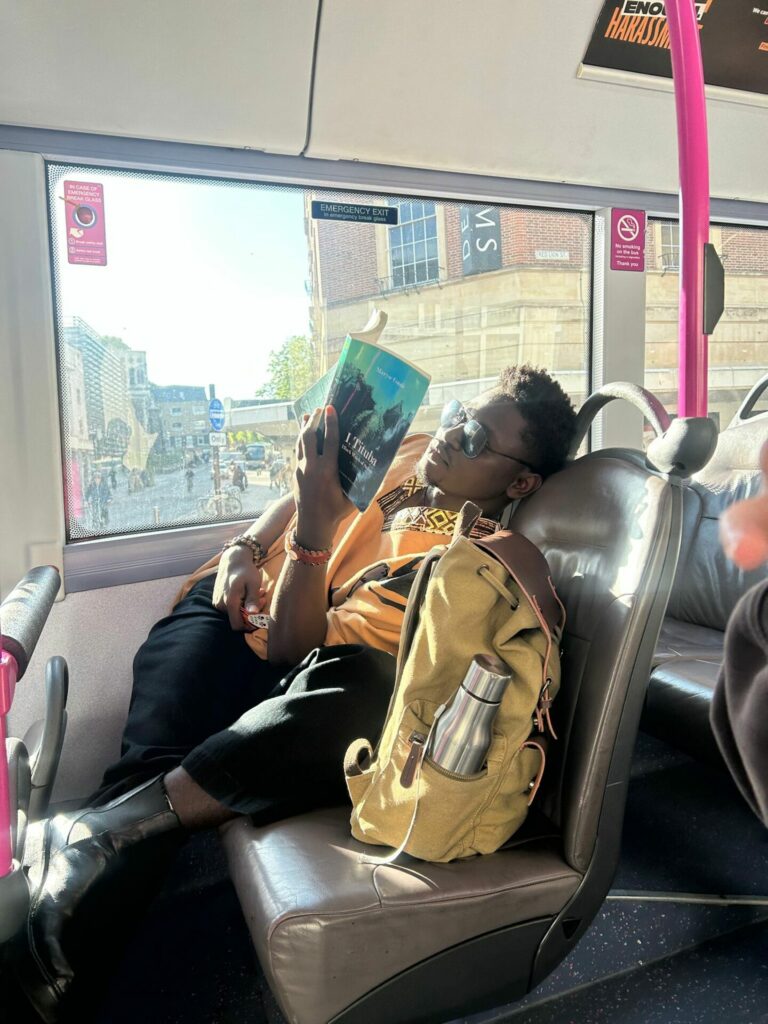
This novel, I, Tituba Black Witch of Salem, is no exception. I was bewitched. And so it took me longer to finish it. I let it sit with me, guiding me. I picked it up when I was in the middle of my writing, and somehow found myself blocked. I picked it up when I wanted to be filled with energy, because this book is brimming with it. I woke up in the middle of the night to read it when I had a gnawing feeling about a scene and needed clarity.
There were flipbacks and re-reads. There were minutes of staring at pages in deep contemplation. There were conversations with myself. All that happened not because it was confusing or difficult to read (it was quite the opposite), but because you’d want to relive these scenes, to have Tituba whisper those words to you again.
You’d want to sit and think about burning questions and doubts about humanity, and how we could subject others to that much barbarity.
Now, my final thoughts, it won’t be everyone’s cup of tea, as I am aware of the nuances that come with reading a book like this or navigating its subject matter, but if you want to read something bold, daring, haunting, enchanting, ethereal and spiritual, then get yourself a copy.
Remember to pick up some candles, a sage, and crystal balls for the seance, for Tituba will be speaking to you.

I am Alpha. 🤓 Writer, Filmmaker, creative entrepreneur, book connoisseur, an undercover nerd etc. I am a Ghanaian currently in Lagos with Multichoice Talent Factory✌️🏿 Follow my Bookstagram: Instagram.com/books.kitchen For my writing: Instagram.com/let_alpha_write And where I am mostly myself: Instagram.com/the_alpha_himself I would love a follow. I will follow back. 😉
The Author’s Guide to the Rule of Three II
10 Coolest Swords in History and Fantasy
Marvel vs. DC Female Superheroes
The Author’s Guide to the Rule of Three I
15 Writing-Adjacent Careers for Writers Looking for a Career Change
Authors Spotlight: Khaled Hosseini
The Sound Souls Make When They Die by Chinemefun Chimuanya
If Nollywood Cast Our Favourite African Books: Who Would Play Who?
Best Films About Unexpected Age Gap Romance
Literary Awards and the Racism Card: A Wake-Up Call for Black Africa
Interview with the Vampire Relationships, Ranked
10 Top Recent Films for Action and Comedy Fans
July 20, 2025 .
Animation, Lists
Our list rounds up the top 30 cartoon characters that were villains, each one more wonderfully wicked than the last.
READ MORE
April 29, 2026 .
Lists, Opinions
The Mouse is famous for its princesses and princes. However, the studio’s true genius lies in its embrace of “ugly Disney characters”.
READ MORE
November 27, 2025 .
Lists, Mythology
While this isn’t an exhaustive list, it comprises some of the most popular mythical creatures from around the world.
READ MORE
May 6, 2026 .
Lists, MCU
Spider-Man is one of the many superheroes from the Marvel Universe whose stories shaped many childhoods. Who is your strongest Spiderman?
READ MORE
February 26, 2026 .
Cartoons, Lists
There are some outright funny cartoon characters who exist solely to crack you up, loud, hard, and with zero apology.
READ MORE
October 12, 2021 .
African Literature, chimamanda, cna, zikora
Hopefully, the reading of a book as this will enlighten men and generally educate people in the making of the right choices regarding amatory unions.
READ MORE

July 20, 2025 .
Opinions
Book recommendations from random places don’t always cut it, and you often end up feeling unsatisfied with them.
READ MORE
September 2, 2025 .
African Literature
So yes, Your Tomorrow Was Today is guaranteed to be a book that will touch you, regardless of gender, interests or philosophy.
READ MORE

October 24, 2021 .
Netflix, Psychopaths, Serial Killer, Thriller, You S3
READ MORE

November 2, 2025 .
Netflix, Psychopath, Serial Killer, You S1, You S2
Oh, and Joe is also a stalker and serial killer who believes he’s helping his ‘love interests’ by killing people he thinks are a threat or bad influence to them
READ MORE
July 18, 2022 .
akwaekeemezi, youmadeafoolofdeathwithyourbeauty
I have reread it for the 100th time since its release, and I still do not feel full… I very much recommend this book with all the gods in my village backing me!
READ MORE
February 19, 2022 .
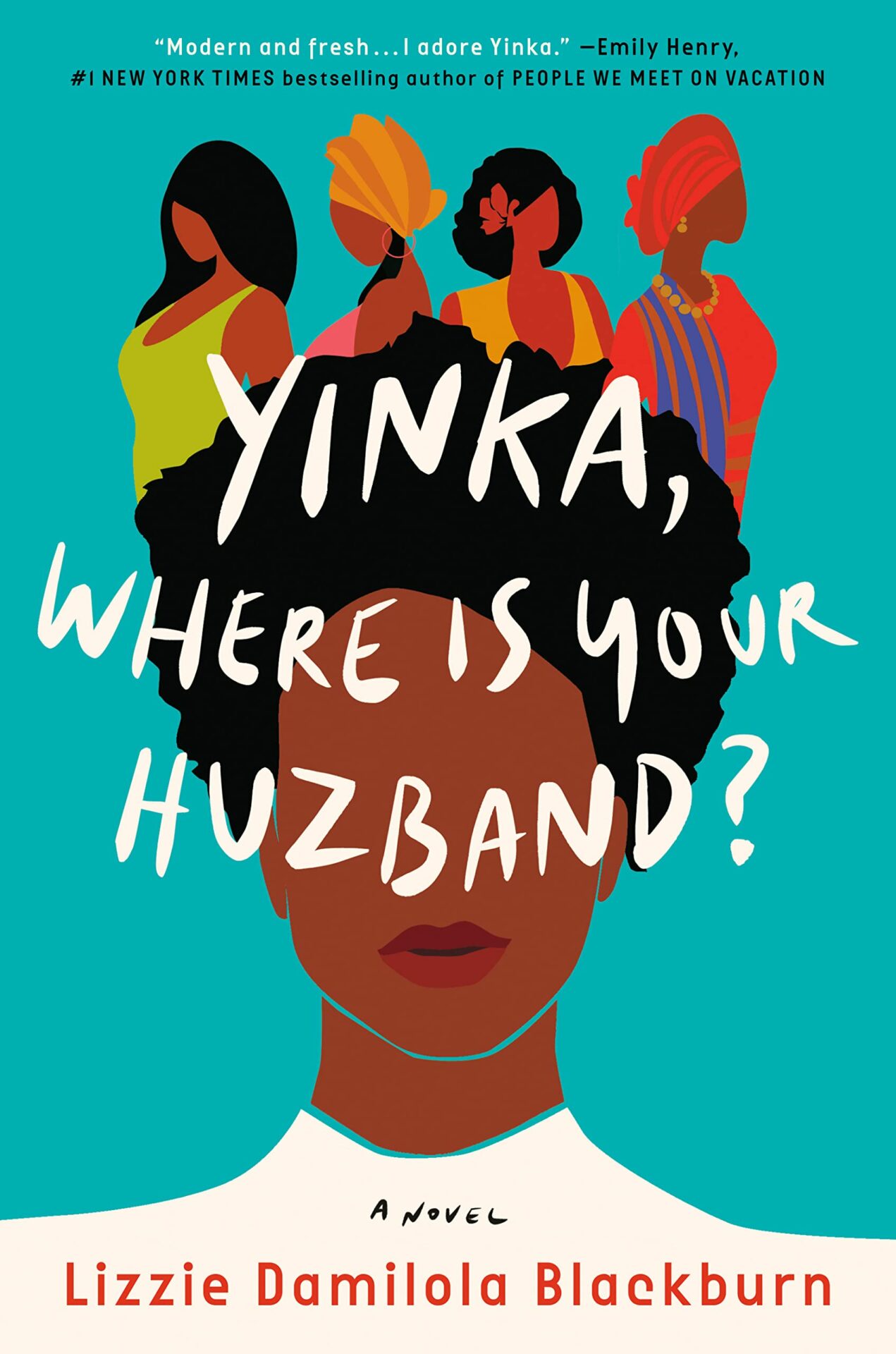
African Literature, Book Reviews, British Nigerian, lizziedamilolablackburn, Nigerian, Self growth, yinkawhereisyourhuzband
READ MORE
July 24, 2023 .
contemporary
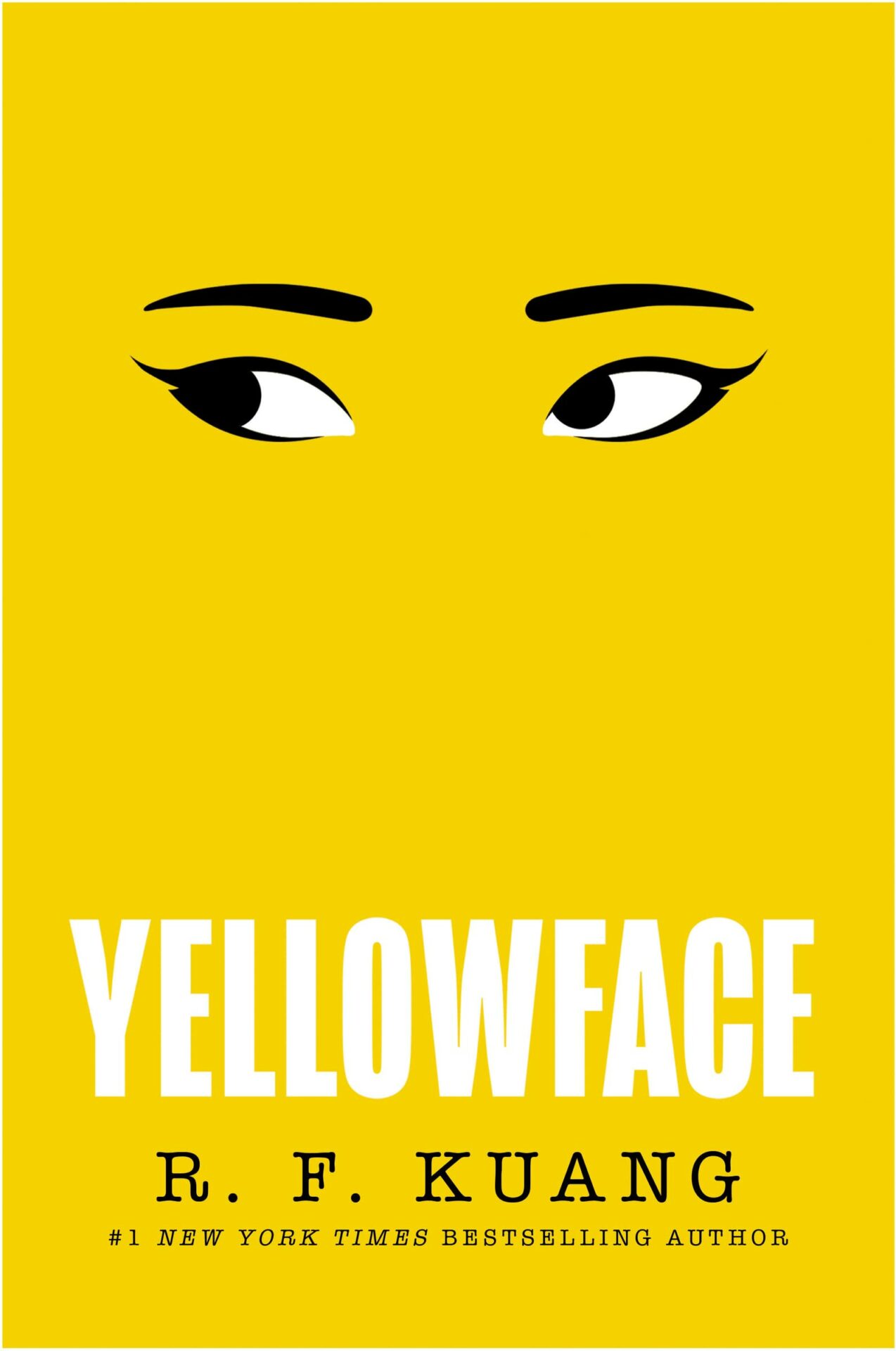
The story exposed some of the tricks and techniques of the publishing world and how small and sometimes brutal the industry can be.
READ MORE

July 20, 2025 .
Writer Resources
Discover the differences in First-Person Point of View and Third-Person POV, and how each impacts character connection and narrative style.
READ MORE
Get our magazine for free!