











































































How habits from games influence our real lives — helping with discipline and teamwork, but sometimes leading to stress and unhealthy competitiveness.
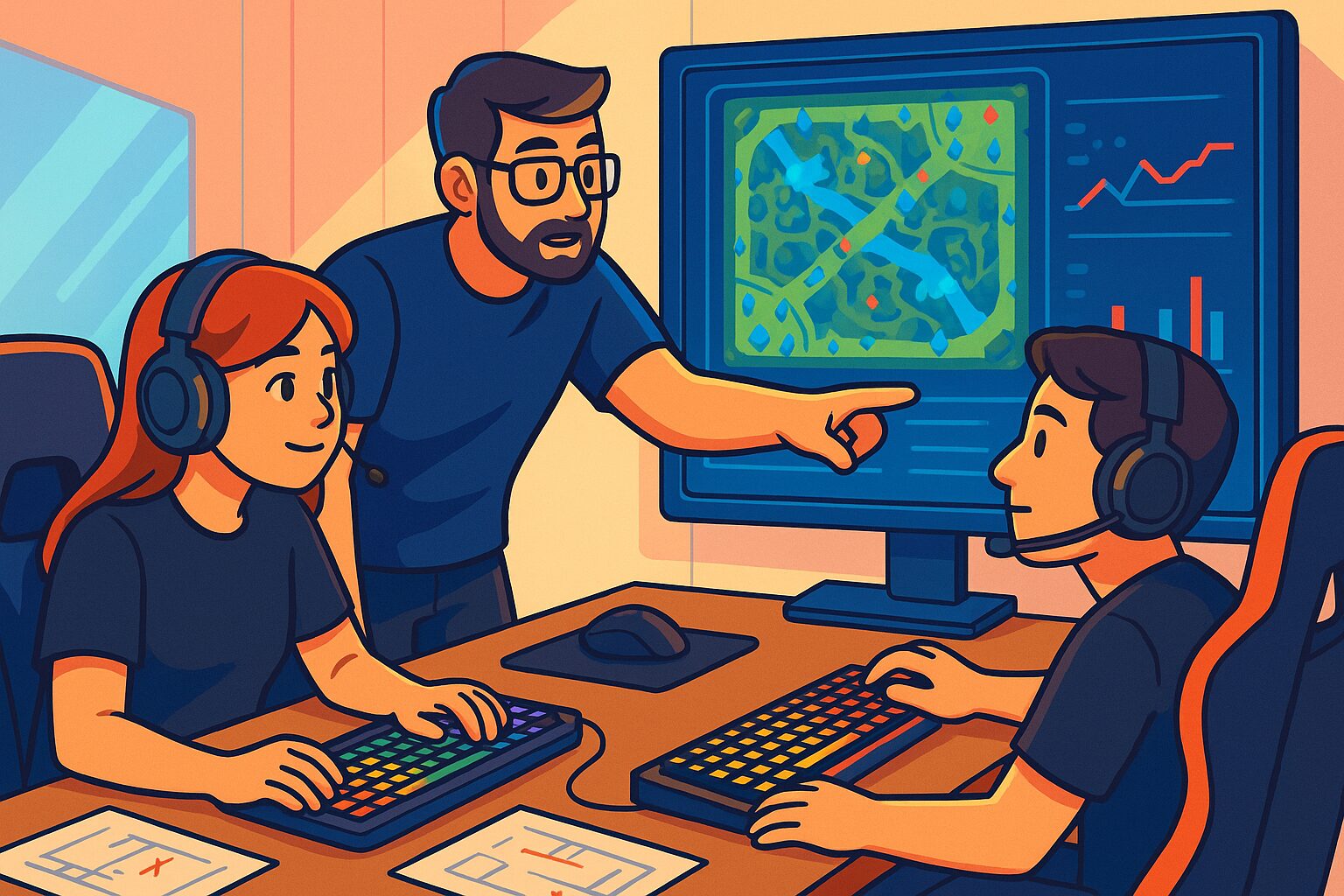
Sometimes I wonder how deeply games influence our everyday lives. They’ve long stopped being just a way to unwind — they shape behavior, affect communication, and even influence decision-making.
This is especially noticeable in competitive titles like League of Legends, where speed, reaction, and teamwork matter most. We spend hours perfecting the same actions in-game — and at some point, they become part of who we are.
But here’s the question: are all the habits we bring from the virtual world really worth carrying into the real one?

In competitive games, we act quickly and precisely: we calculate our next moves, pick the right timing, and analyze mistakes. Over time, this becomes second nature, and these behavior patterns start to show up in everyday situations. Even without meaning to, they get locked in as automatic responses to tasks.
After several years of playing League of Legends, I developed a particular way of thinking: assess risks first, then choose an action, and only then execute. It works in studying, at work, and even in everyday routines.
One of these habits is “shotcalling.” Quickly assigning tasks, giving clear commands, aiming for synchronicity — all of this, in my opinion, is extremely useful in any team setting. Whether it’s a meeting or launching a new project, the game-based approach helps avoid delays and stay focused.
When everyone knows their role and acts in sync, the outcome is faster and more efficient. What’s interesting is that this behavior model is internalized through repeated gameplay — not through management courses or business books.
When I compare team dynamics in games and real-life projects, I constantly notice how much they have in common. Especially when checking out lol scores and analyzing how different teams approach a match — it makes you want to apply the same logic in real life. How players cover each other’s weaknesses, how they adapt to unexpected strategies, how they perform under pressure — all of this translates well into any team process with a shared goal.
Gaming experience ends up being a kind of mental simulator — not for the body, but for how you think and interact.
Competition itself isn’t a bad thing. On the contrary, it can push you to grow, step outside your comfort zone, and strive to be better, faster, stronger. In games, this is especially intense — every action affects the outcome, every move can be decisive.
You get pulled in — you want to win, feel progress, climb the ranks. But if you lose focus for a second, that motivation can quickly turn into constant pressure, fear of failure, and toxic perfectionism. Everything starts being measured by results alone.
In League of Legends, where every match ends in either victory or defeat, players get used to living in a strict win-or-lose mindset. That way of thinking easily slips into everyday life. You’re no longer just doing a task — you’re either winning or failing. Even if it’s just a disagreement with a colleague or a regular daily situation. Perhaps league of legends tournaments contribute to this too — we watch teams clash, where everything is decided in an instant, and subconsciously start applying the same logic to real life.
At some point, you stop focusing on the essence of things and start thinking about who’s going to be right. Even small interactions start feeling like tests of competence, like a challenge.
As a result, we unintentionally copy the same aggression, the same sharpness, the same desire to win at all costs. Even in situations where there’s nothing to win. When life turns into a never-ending match instead of a lived experience — it becomes exhausting. And I think it’s important to recognize that in time.

There are definitely some upsides. Games teach discipline, how to learn from mistakes, and how to work as a team. This is especially true in competitive titles — when you want to win, you stop just reacting and start analyzing: why did I lose, what went wrong, how can I improve? Over time, you develop the ability to take feedback calmly — even when it’s harsh. After hours of ranked games, criticism no longer feels like a personal attack — it’s more of an opportunity to adjust and do better.
Another important factor is internal motivation. In games, it builds up quickly — you want to rank up, unlock new champions, improve your skills. That mindset easily transfers into real life. You start asking yourself similar questions: how can I grow in my career, how can I “level up” my abilities? Eventually, it becomes a habit to seek out new knowledge and challenges. For me, it means I’m not afraid to learn something from scratch — it feels like picking a new champion and heading into practice.
I think these gameplay patterns can be a great tool for self-development if approached consciously. The key is understanding their value. If you don’t treat games as an addiction but rather as a training ground, you can bring a lot of good from them into real life. And I’m not just talking about teamwork, discipline, or motivation — but also adaptability, creative thinking, and the ability to perform under pressure. All of that goes far beyond the virtual world.
Not every gaming habit belongs in real life. Tilt, dodging responsibility, or being overly aggressive in communication often carry over from games into everyday situations. If you spend a lot of time in toxic environments, you start adapting without noticing — patience wears thin, tone sharpens, and blame comes too easily.
At some point, you might start treating others like random teammates in matchmaking — expecting failure, assuming the worst. Even if you don’t want to be toxic, the mindset settles in. It damages trust and makes teamwork more difficult, turning interactions shallow. What feels normal in-game can lead to distance and tension in reality.
There’s also the habit of constant comparison — in games it’s expected, but in life it can lead to burnout. When everything becomes a competition — who’s better, faster, more successful — you lose your own rhythm. And real life, unlike a ranked match, doesn’t demand constant proof of your value.
I don’t think we need to draw a strict line between games and real life. Games are part of our culture, and by extension — part of who we are. But like with any kind of influence, what really matters is having a filter. The useful habits can be consciously integrated into daily life, while the harmful ones need to be recognized and adjusted. The key is to make sure the game isn’t the one in control — we should be the ones choosing which traits are worth carrying over into the offline world.

The Tyrant Overlord. Fantasy buff and avid football fan.
July 20, 2025 .
Animation, Lists
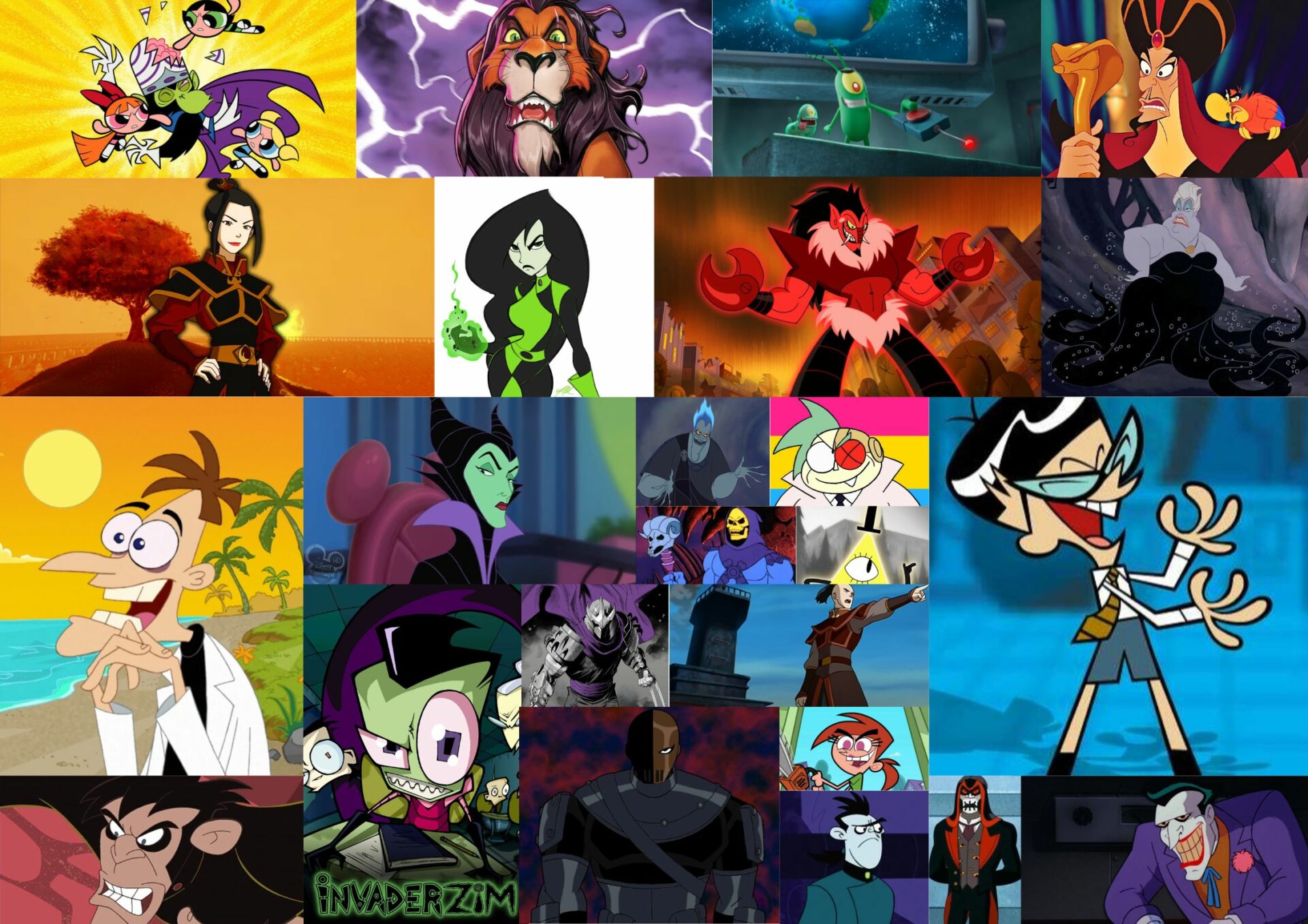
Our list rounds up the top 30 cartoon characters that were villains, each one more wonderfully wicked than the last.
READ MORE
April 29, 2026 .
Lists, Opinions
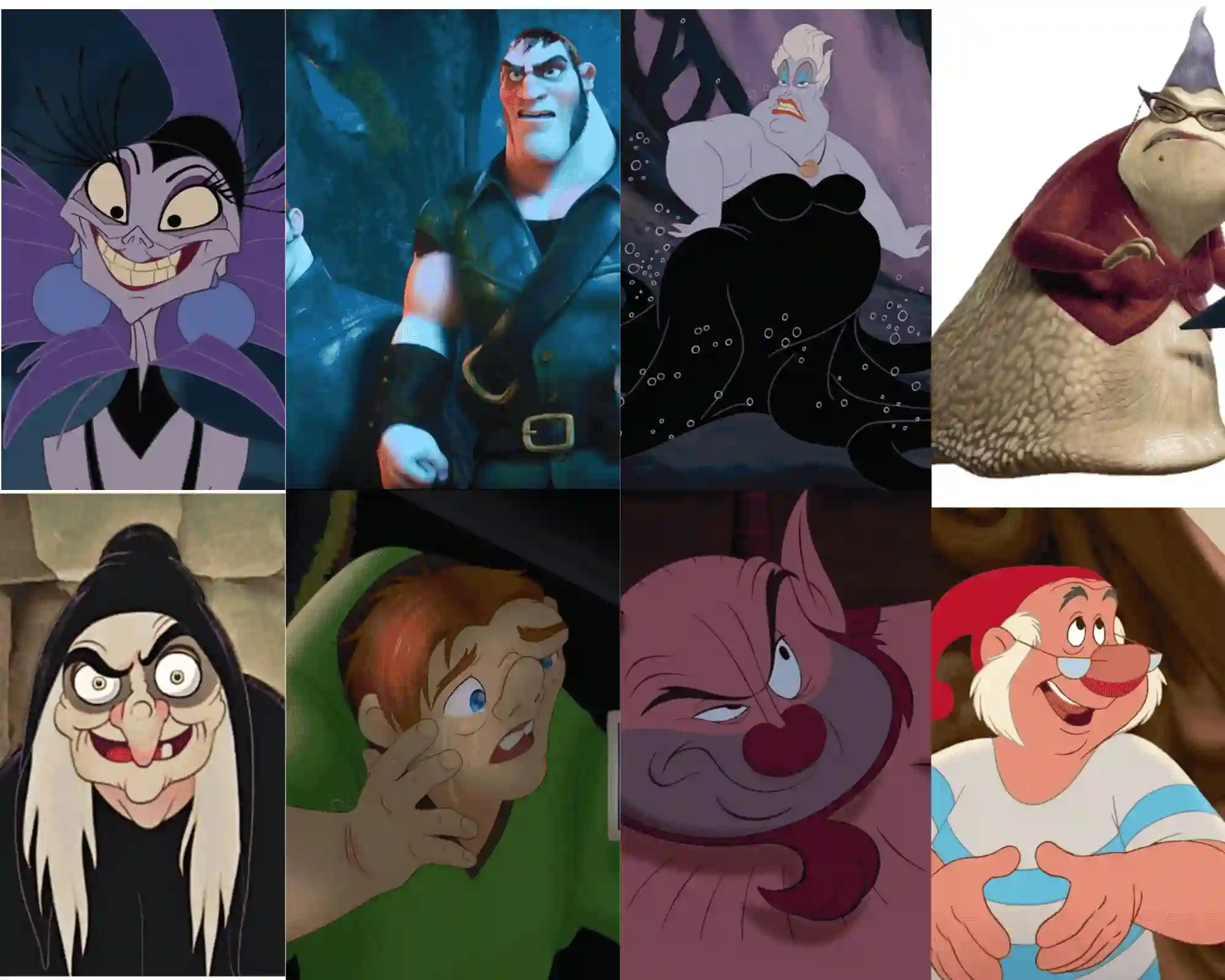
The Mouse is famous for its princesses and princes. However, the studio’s true genius lies in its embrace of “ugly Disney characters”.
READ MORE

May 6, 2026 .
Lists, MCU
Spider-Man is one of the many superheroes from the Marvel Universe whose stories shaped many childhoods. Who is your strongest Spiderman?
READ MORE

October 28, 2025 .
Debates, Lists, Marvel, MCU
Every Marvel hero brings something to the table. But if we had to pick the top 8 most popular Marvel superheroes, who would make the cut?
READ MORE
February 26, 2026 .
Cartoons, Lists
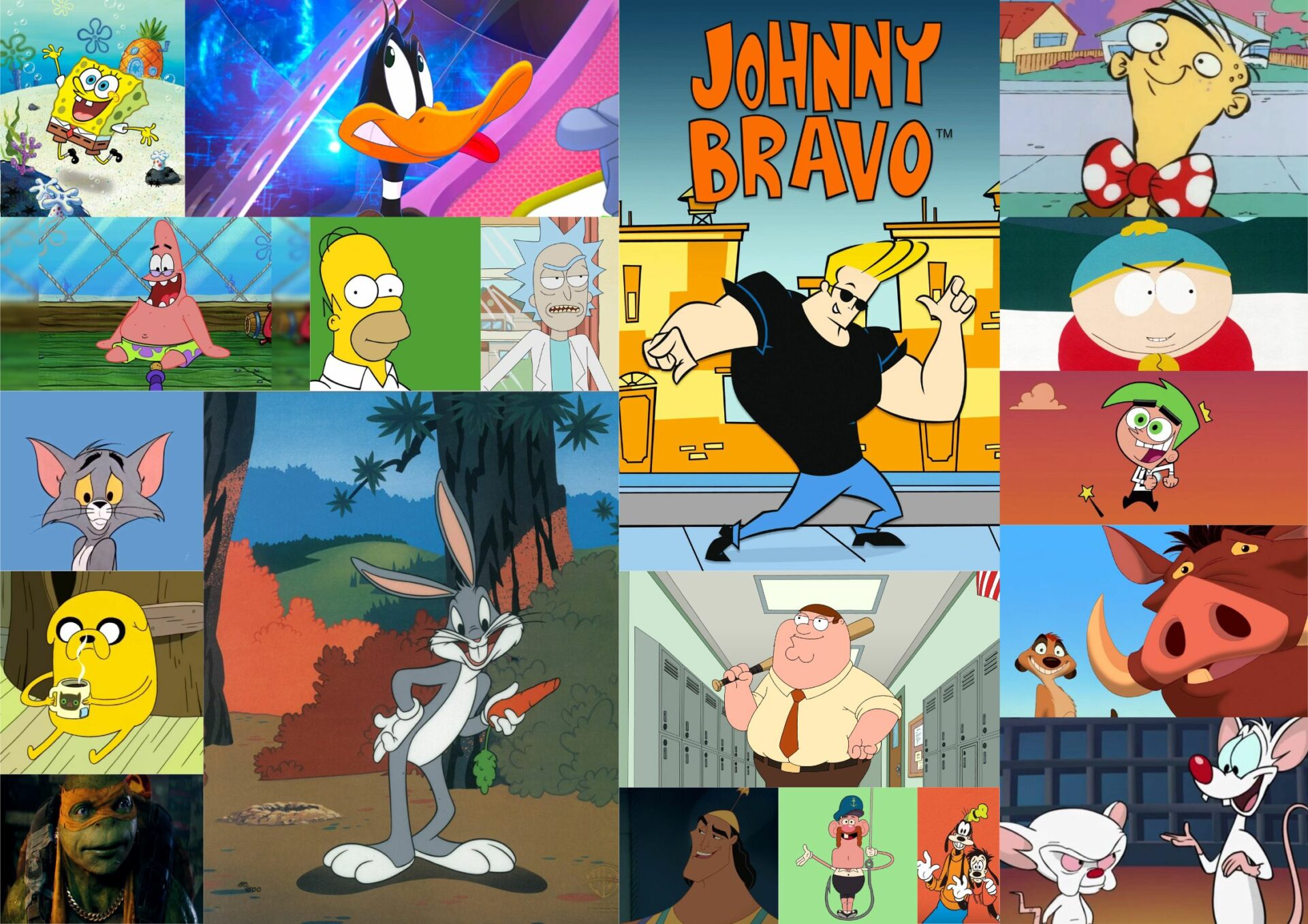
There are some outright funny cartoon characters who exist solely to crack you up, loud, hard, and with zero apology.
READ MORE


Get our magazine for free!