















Stranger Things was always about 80s kids growing up while fighting monsters, and those callbacks to their younger selves were genuinely moving.
Spoiler warning: This review contains spoilers for the final season of Stranger Things.
It’s been ten years since Netflix’s biggest show premiered and launched the streaming giant into the stratosphere. On New Year’s Eve, the series dropped its final episode after breaking season five into three parts (Volumes 1-3).
Naturally, I binged the entire thing instead of watching in the batches Netflix released like a person with self-control (just kidding, I’m just a hoarder).
I went in blind, avoiding the noise to form my own opinions before social media got in my head (I was already seeing polarizing takes). I’m dividing this review into three parts: the good, the bad, and the plot holes.
In my opinion, it wasn’t a bad ending, even though half the internet disagrees. Let’s get into it.
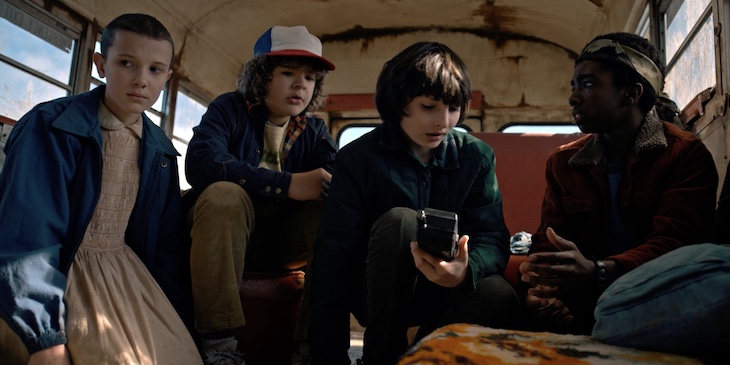
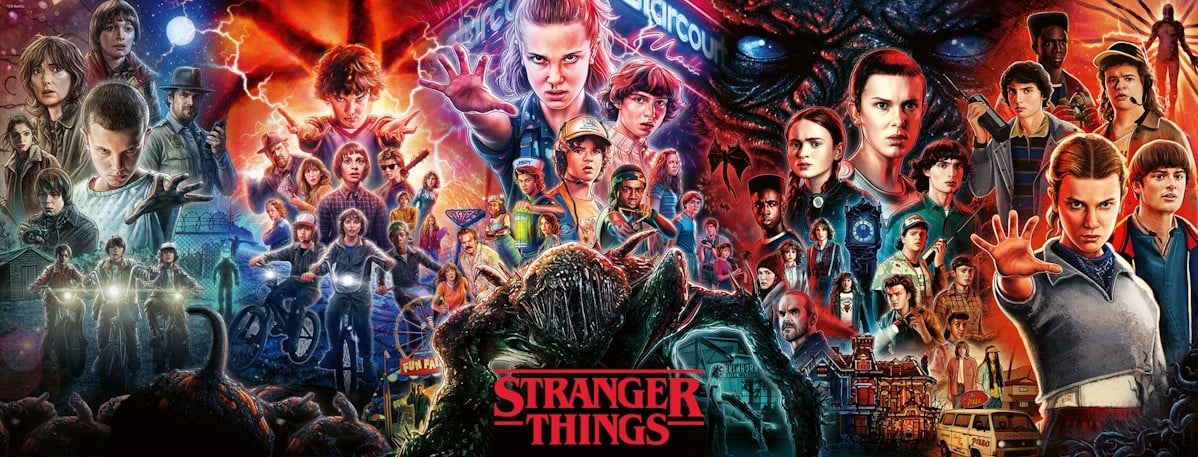
For the uninitiated (where have you been?), Stranger Things follows a group of kids in 1980s Hawkins, Indiana, who discover a parallel dimension called the Upside Down after their friend Will Byers vanishes.
What starts as a search for a missing kid spirals into five seasons of fighting interdimensional monsters, government conspiracies, and a telepathic girl named Eleven with a shaved head and a taste for Eggo waffles.
The main antagonist, Vecna (formerly Henry Creel/One), is a powerful psychic who was the first test subject in the lab experiments that created Eleven. He’s been orchestrating the Upside Down’s invasion of Hawkins since season one, and the final season brings this decade-long battle to a close.
Monsters, military cover-ups, D&D campaigns, bikes, synth music, and a lot of feelings. That’s the show.
Now we’re all caught up, let’s get to season five.
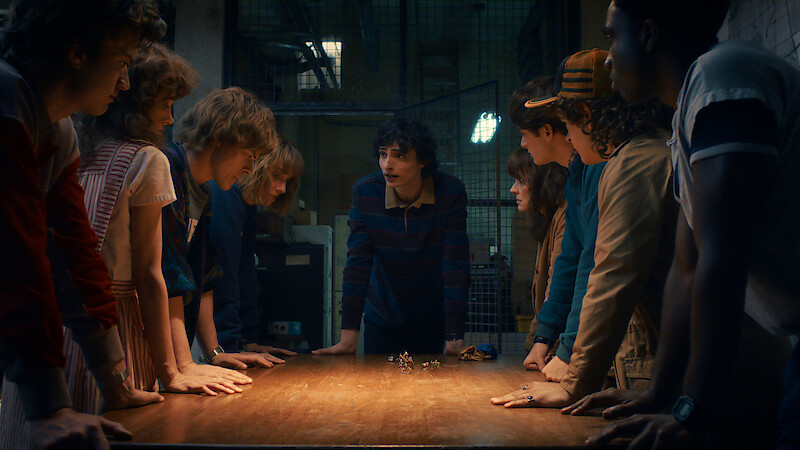
First and foremost, they finally aged up the characters because it was getting ridiculous watching adults play kids. Thanks to Netflix taking a literal decade to film five seasons, the kids grew up whether the show liked it or not.
One thing they nailed this season: getting everyone on the same mission. Previous seasons scattered different groups across locations and dimensions on mini-quests, leading to disjointed narratives where nobody knew what anyone else was doing until the finale. While I didn’t mind this in season two, it became exhausting in later seasons. This time, everyone was synced up and in one place (well, two: the Upside Down and Hawkins).
The friendships remained the show’s backbone. They resolved everyone’s arcs beautifully—from the original crew of Mike, Lucas, Dustin, Will, and Max, to the older squad of Nancy, Jonathan, Steve, and Robin. Thank God they didn’t kill Steve (I was genuinely worried).
Dustin’s valedictorian speech was one of the best TV speeches in recent memory; emotional, perfectly delivered, everything.
The flashbacks hit hard. Stranger Things was always about 80s kids growing up while fighting monsters, and those callbacks to their younger selves were genuinely moving.
Joyce and Hopper finally got their happy ending. After everything they’ve been through, they earned it.
The final scene was perfect—a callback to the pilot with the kids playing Dungeons & Dragons, then figuratively passing the torch to the next generation. I also loved the open-ended conclusion. I’m choosing to believe Eleven is alive somewhere, living the normal life she deserves. Fuck the Military.
And if she’s really dead? That’s okay too. It was on her own terms, protecting the people she loved.
Let’s start with how they completely glossed over the chaos from season four. A giant interdimensional rift tore through town, and the military just… slapped a giant metal band-aid on it? Either Hawkins has collective amnesia, or everyone’s committed to living in denial.
How did no one in the primary cast die? With stakes this high and a cast this large, it felt unrealistic that none of the core characters (or even the newer additions) didn’t bite it. Don’t get me wrong—I love that these traumatized kids miraculously survived and got happy endings. But it made all the tension from previous seasons feel pointless.
I love Max. She’s one of my favorites. But she should have died in season four.
Vecna/Henry Creel was just possessed all along? What’s with shows refusing to commit to pure villainy? Just give us a villain who loves being evil for the sheer joy of it, not because some sentient rock influenced you.
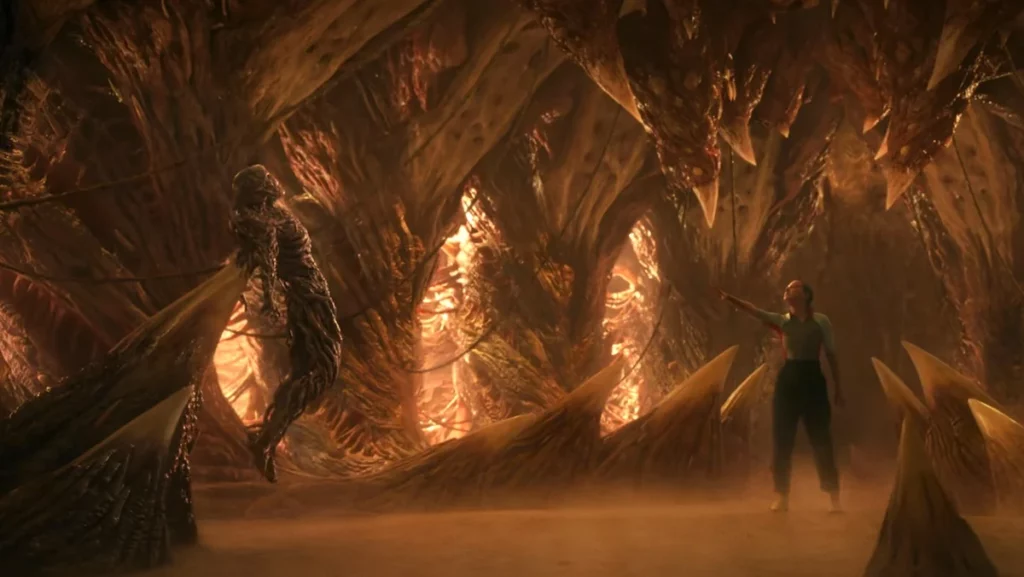
The final battle was fine, but it could’ve been so much better. What happened to Vecna’s army of Demogorgons and demo-dogs? I thought he had dozens? I expected the crew battling creatures in the Abyss while Eleven faced Vecna, but nope. Turns out the writers intentionally scaled back to avoid “Demogorgon fatigue.” Yeah… nobody liked that.
I get they’d been fighting all season, but I understand why people were disappointed they didn’t deliver an epic showdown instead of wrapping everything up too quickly.
P.S. When you have almost a dozen characters storm the villain’s lair for a finale showdown, at least give them something to do besides standing around while the main character fights him. It defeats the purpose of all of them being there in the first place.
While some were as glaring, others were easy to dismiss.
The Henry Creel stage play—why did they assume we all watched it and just incorporate it into the season? The timeline made no sense. How was Henry in high school at the same time as Joyce, the Wheelers, and all the other parents?
When did Nancy become a Navy SEAL? Killing soldiers left, right, and center. I loved Robin joking about Nancy quitting school to enlist because you can’t waste skills like that on investigative journalism. She always loved her shotgun, but when did she master automatic rifles and tactical combat?
They conveniently forgot a lot this season. Like how the characters killed soldiers (with zero consequences, though one could argue the soldiers did worse), drugged an entire family, and kidnapped a kid.
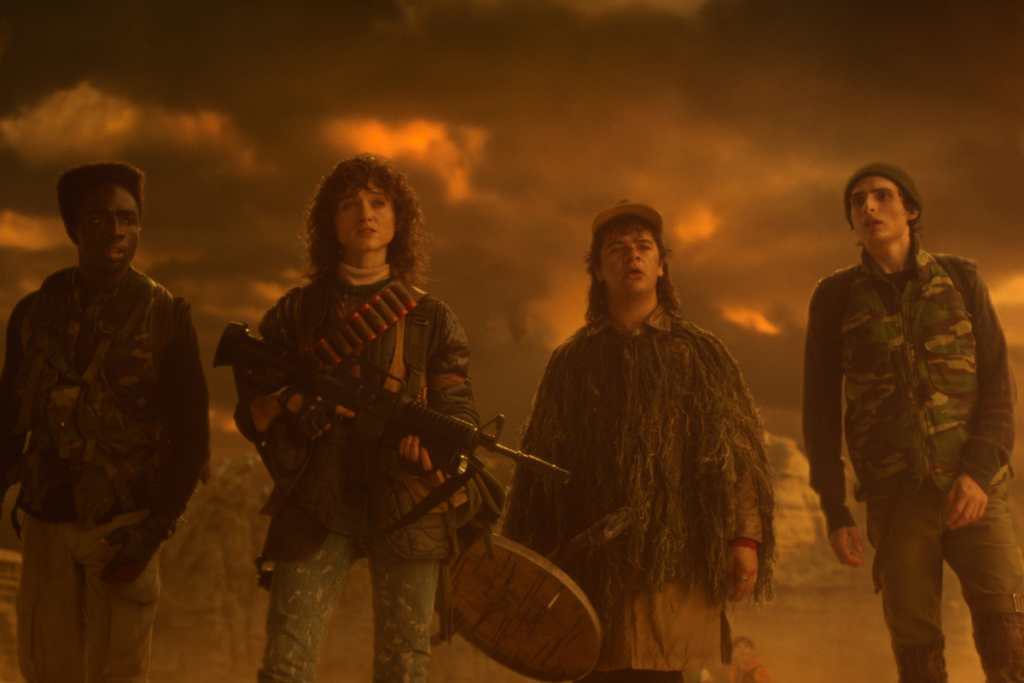
The bloody Military being the ultimate villain was just annoying. The world is ending, and all you can think about is capturing a girl to restart the experiments that caused this mess in the first place?
Some loose ends, though: What happened to the remaining soldiers and Dr. Kay? I get they packed up and left Hawkins with nothing left to do there, but at least give us some resolution. Did someone finally kill Dr. Kay? Because that woman was more insufferable than Vecna. At the very least, someone (Murray, maybe?) should’ve exposed their experiments on pregnant women and children.
I had so many gripes with some scenes that felt so ridiculous. Take, for instance, Max and Holly standing around having a heart-to-heart while running from Vecna. Convenient how Vecna gave them time to chat instead of, you know, capturing them.
Will’s coming-out scene was sweet and emotional (of course, everyone accepted him), but did it need to happen then? The whole “shedding secrets to defeat Vecna” angle was ridiculous. Also, I’m pretty sure most people already suspected he was gay, and he could have easily come out after the big battle.
Also, how was Max able to graduate high school with her friends when she spent nearly two years in a coma? Although a good argument could be that her friends helped her catch up, so that’s fair. But they could have at least explained it in a voiceover or something.
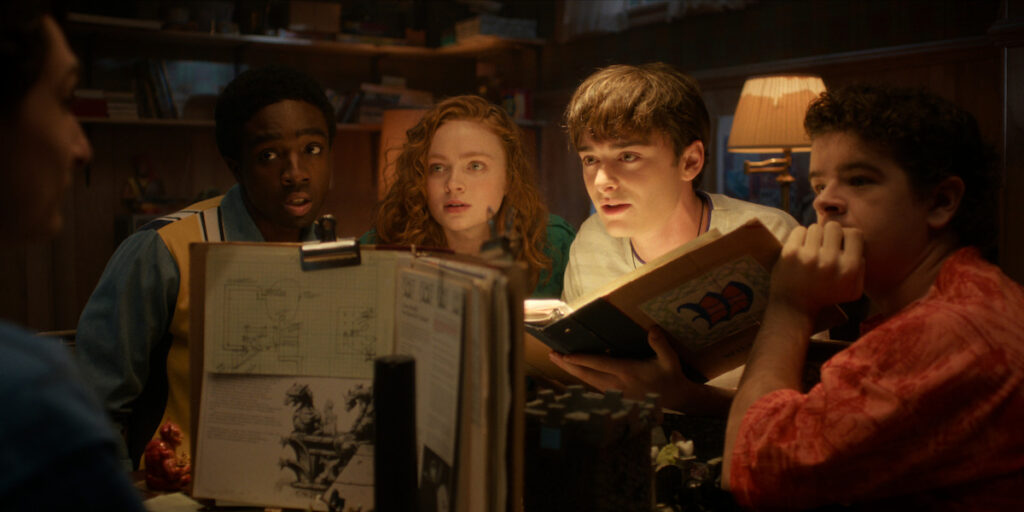
Will the Stranger Things finale enter the hall of fame of great series endings? Probably not.
Will it join the ranks of most-hated final seasons like Game of Thrones, Killing Eve, and How I Met Your Mother? Definitely not.
Was it the best way to end a series like Stranger Things? Yes. I don’t think they could’ve ended it any other way, and for that, I’m grateful.
Contrary to what many believe, it was a solid way to wrap up one of the most epic sci-fi shows of recent times. Netflix found a middle ground, avoiding the pitfalls of catastrophic endings. It ended as it lived: with too many characters, spectacle, nostalgia, and emotional closure.
And because Hollywood will always be Hollywood, the Stranger Things franchise is far from over. They’re already working on two spinoffs. God forbid a successful IP ever rests in peace when there’s money to be made.

Chioma is a content marketer and film buff. When she isn't creating stuff for brands, you can find her watching movies and reading. Favorite genres include; Fantasy, Action, YA, Thriller, and Chick-Lit.
Literary Awards and the Racism Card: A Wake-Up Call for Black Africa
Interview with the Vampire Relationships, Ranked
10 Top Recent Films for Action and Comedy Fans
Comma Rules Every Writer Should Know
10 Most Hype-worthy 2026 Book Releases (African Literature Version)
Five Gambling Films That Know the Bet Is Only Half the Story
Movies Where Poker Reveals Who a Character Really Is
Ranking the Top 20 Nigerian Romance Novels since 2020
In Defense of Reading and Gaming
8 Third-Person Omniscient Examples for the Plot
A Trade of Blood (Ana and Din Mysteries #3) by Robert Jackson Bennett
Upcoming Movies and TV Shows to Watch this October 2026
July 20, 2025 .
Animation, Lists
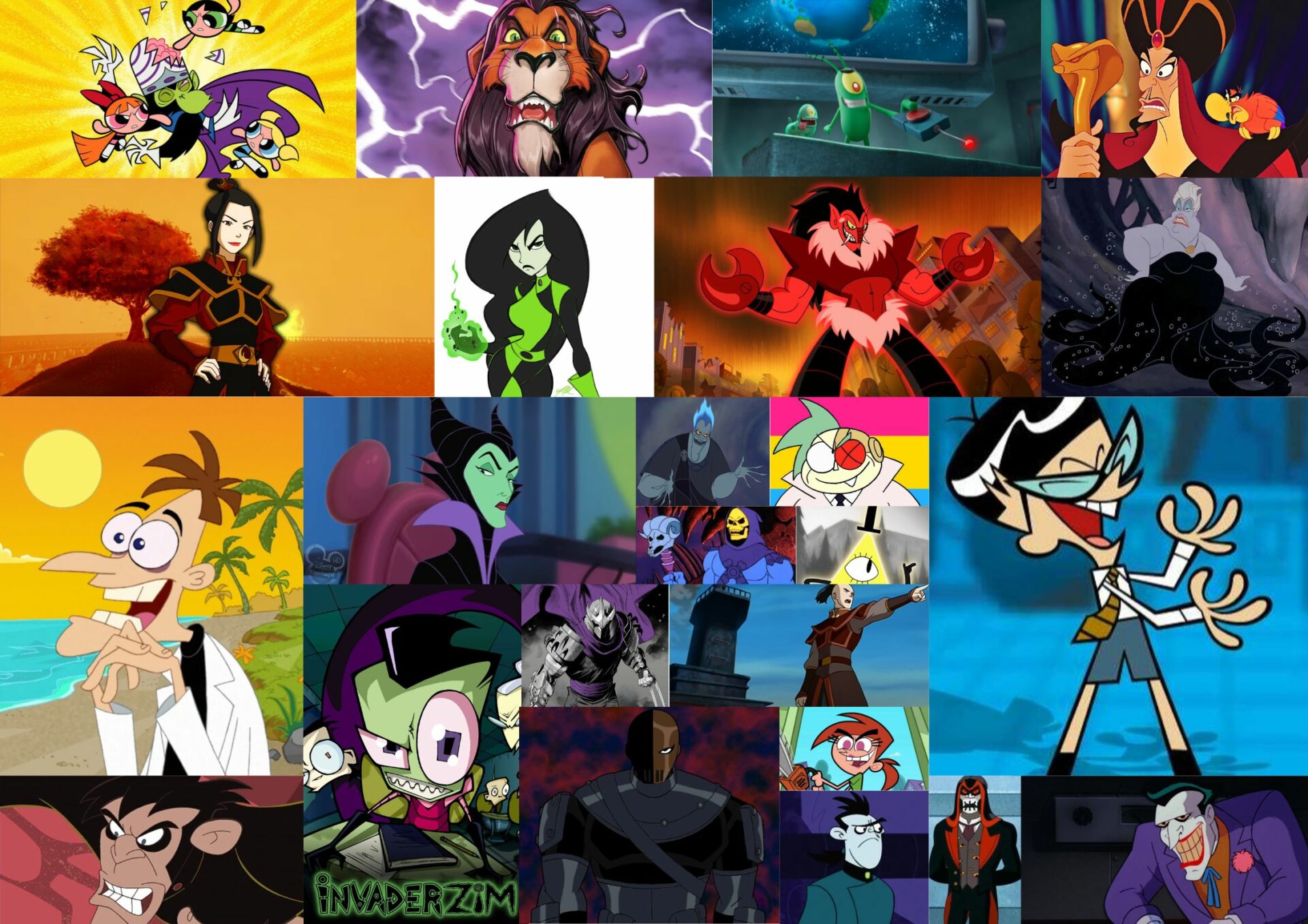
Our list rounds up the top 30 cartoon characters that were villains, each one more wonderfully wicked than the last.
READ MORE
October 28, 2025 .
Lists, Marvel, MCU, Opinions
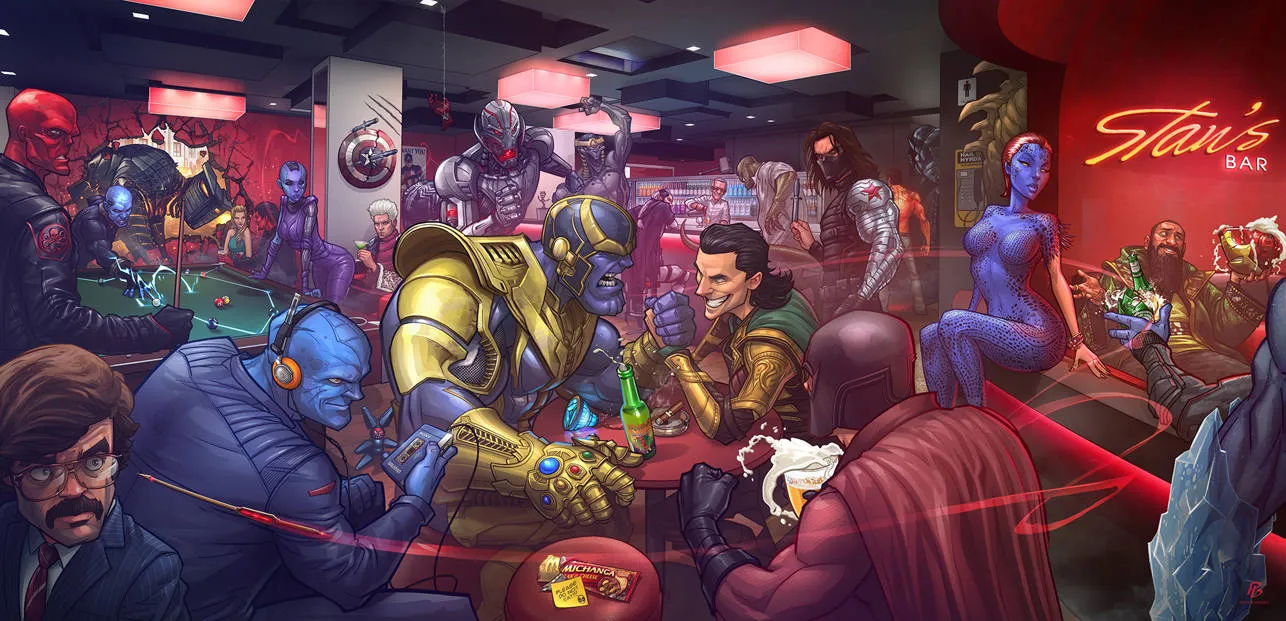
Let’s go through a list of the top 7 strongest Marvel villains, from the wickedly powerful to the absolutely unstoppable.
READ MORE
April 29, 2026 .
Lists, Opinions
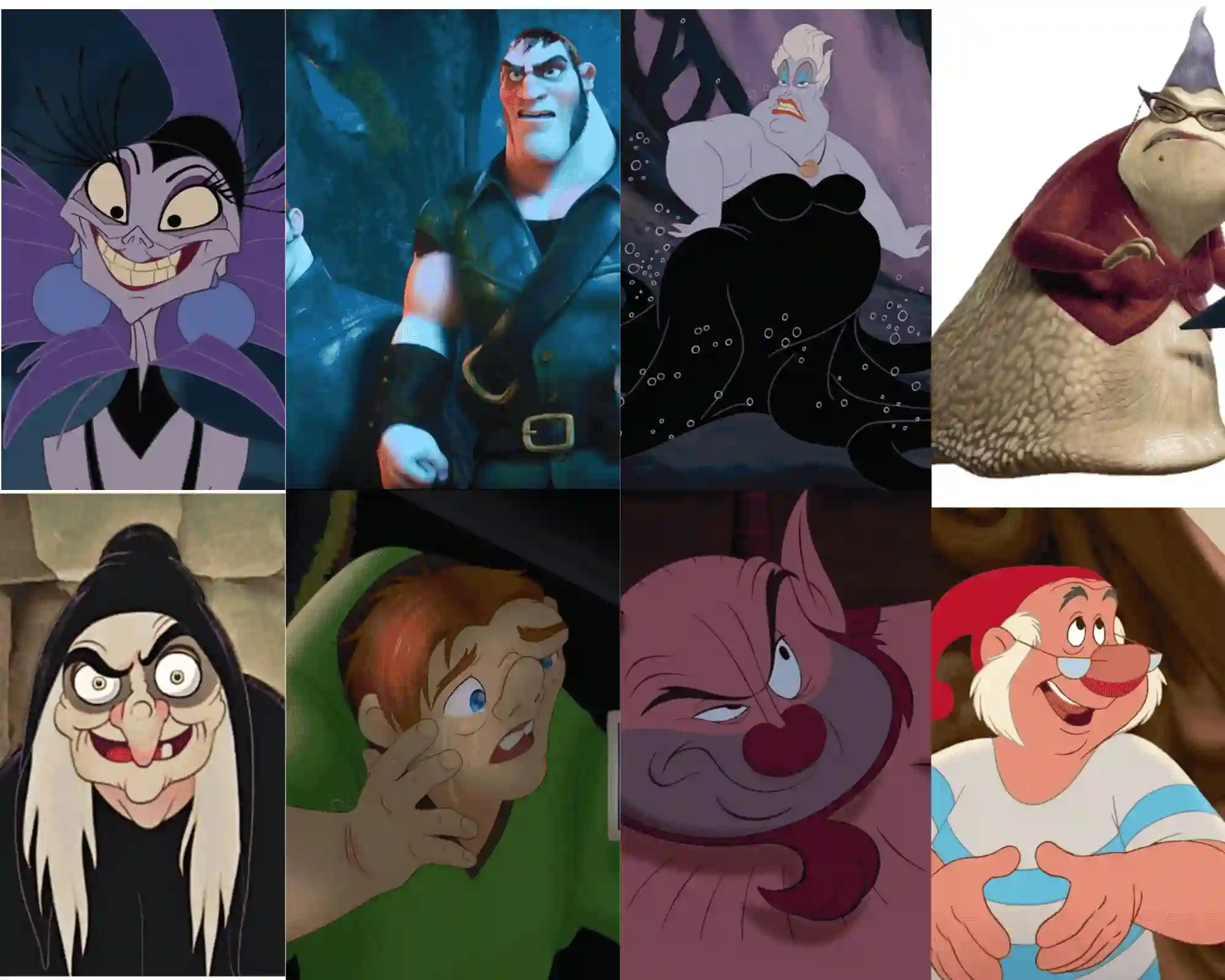
The Mouse is famous for its princesses and princes. However, the studio’s true genius lies in its embrace of “ugly Disney characters”.
READ MORE
November 27, 2025 .
Lists, Mythology
While this isn’t an exhaustive list, it comprises some of the most popular mythical creatures from around the world.
READ MORE
June 25, 2026 .
Lists, Opinions
If Game of Thrones taught us anything, it’s that the characters we hate the most tend to outlive everyone else.
READ MORE
October 24, 2021 .
Netflix, Psychopaths, Serial Killer, Thriller, You S3
READ MORE
November 2, 2025 .
Netflix, Psychopath, Serial Killer, You S1, You S2
Oh, and Joe is also a stalker and serial killer who believes he’s helping his ‘love interests’ by killing people he thinks are a threat or bad influence to them
READ MORE

July 20, 2025 .
Documentary, Netflix, Romance Scam, True Crime
READ MORE

December 8, 2021 .
Christmas, Doppelgangers, Netflix, Princess, Romantic comedy
READ MORE
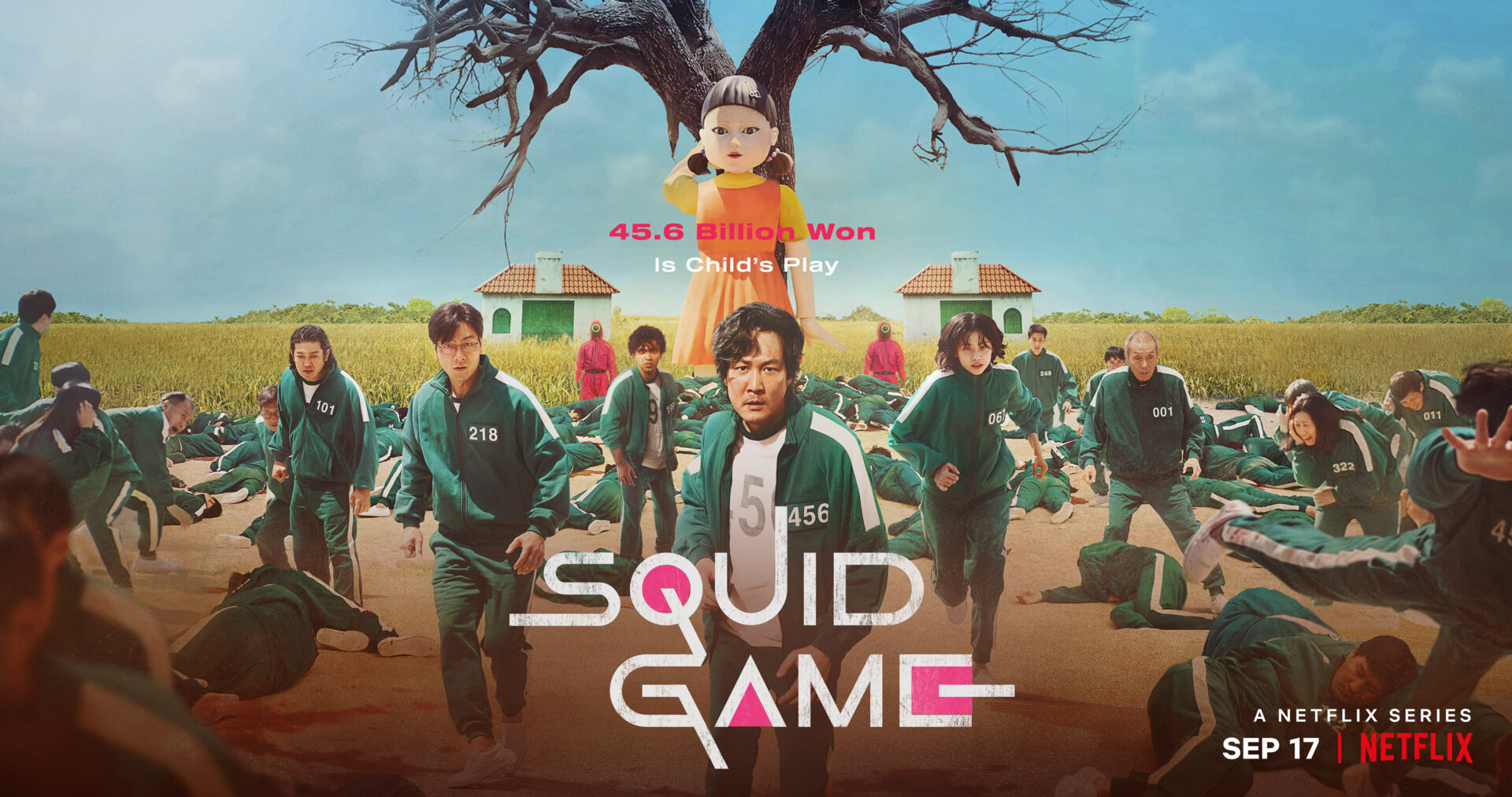
October 26, 2021 .
korea, movies, Netflix, series, squid game
The story is upsetting. Seeing and meeting different humans and knowing that only one person will get out alive is painful.
READ MORE
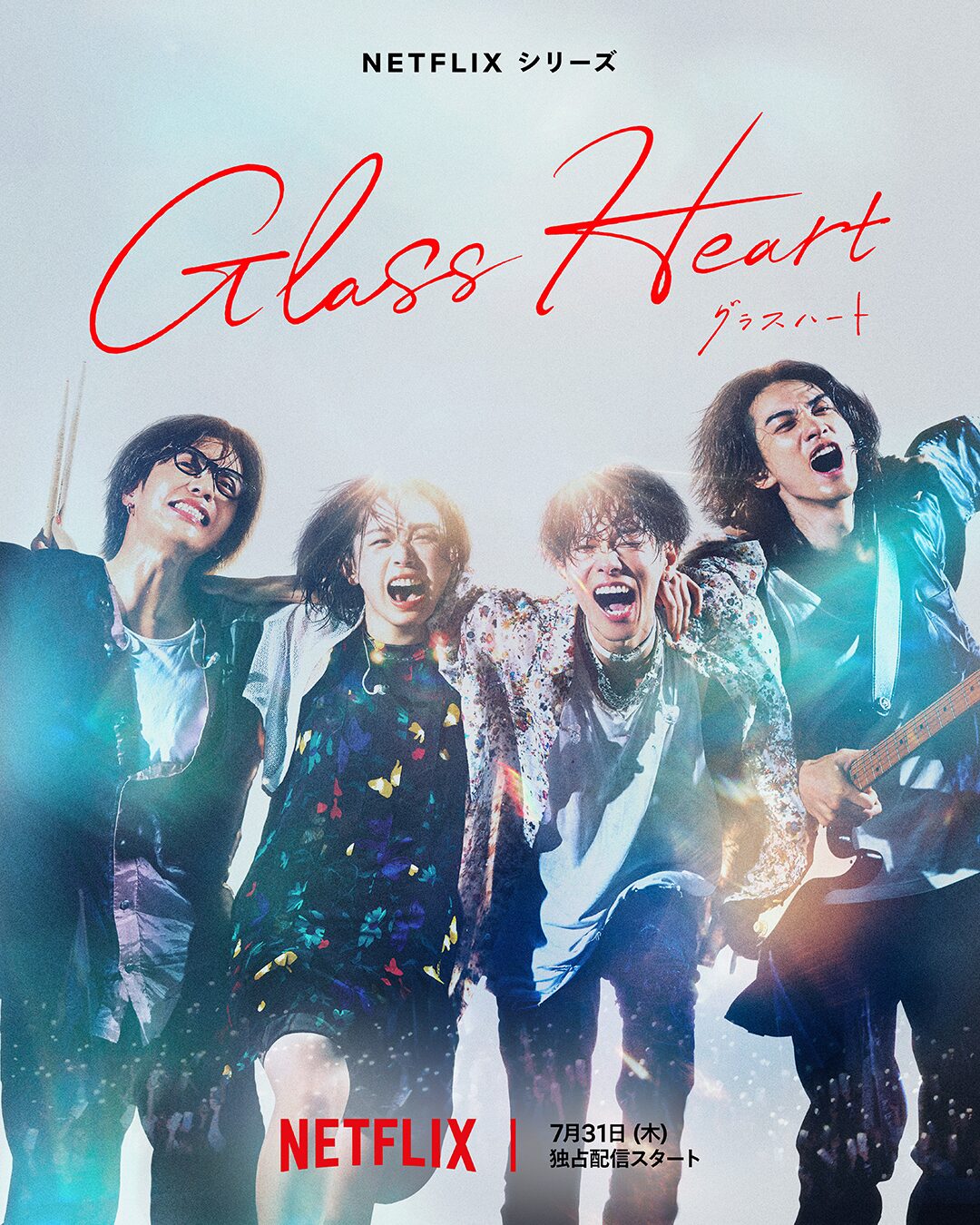
August 21, 2025 .
Netflix
Glass Heart is not perfect, and I still have many questions whose answers I’ll never know. But I don’t want a second season, the end was the perfect end anyone could ask for.
READ MORE

May 5, 2026 .
Fantasy, Horror, Netflix
The story is filled with the usual creepy imagery that’s a classic Mike Flanagan move, with effective jumpscares, tension, and complex human emotions.
READ MORE

June 17, 2026 .
bridgerton, Netflix
The second season of Bridgerton, while eagerly anticipated by many, is certainly not gaining as much acclaim as its predecessor, and the reasons are no secret.
READ MORE
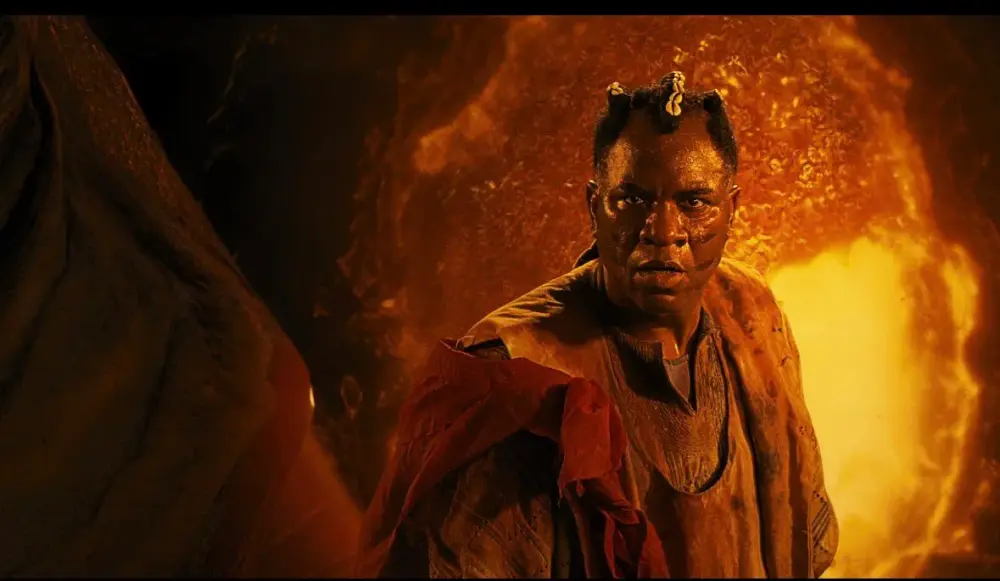
February 19, 2026 .
Netflix, Nollywood
Right now, Aníkúlápó: The Ghoul Awakens feels less like a complete chapter and more like a long, uneven bridge between two stronger stories.
READ MORE
Get our magazine for free!