











































Studying third-person omniscient examples can help writers understand how an all-knowing narrator shapes a plot.
The perspective from which a story is told can shape how readers understand its characters, conflicts, and major events.
While some stories follow a single character’s experiences, others explore the thoughts, feelings, and motivations of several characters.
This broader perspective allows readers to understand situations that individual characters may not fully comprehend.
Third-person omniscient narration gives writers the freedom to explore multiple characters’ inner lives, reveal information beyond a single character’s knowledge, and connect different events within a story.
When used effectively, it can create dramatic irony, develop complex relationships, build suspense, and bring several plotlines together.
Many established authors have used this narrative technique to tell stories about families, communities, societies, and entire fictional worlds. Therefore, studying third-person omniscient examples can help writers understand how an all-knowing narrator shapes a plot.
Third-person omniscient narration tells a story from outside the characters, usually using pronouns such as he, she, and they. The defining feature, however, is not the pronouns. It is the narrator’s access to information.

An omniscient narrator can know what several characters think and feel. It can also reveal events happening elsewhere, provide background information, explain circumstances unknown to the characters, or show readers the significance of an event before the characters understand it themselves.
Omniscience does not mean that every character’s thoughts must appear in every scene. A narrator can have access to a character’s private thoughts without revealing them immediately.
The writer controls what readers receive and when. That control is important for plot. Knowing everything does not mean telling everything at once.
Third-person omniscient and third-person limited narration can look similar on the page because both commonly use he, she, or they. The difference is how much the narrator knows.
| Feature | Third-person omniscient | Third-person limited |
| Access to thoughts | Can enter several characters’ minds | Usually stays with one viewpoint character at a time |
| Knowledge | May know facts unavailable to characters | Generally restricted to the viewpoint character’s knowledge |
| Movement | Can shift across locations and perspectives | Usually remains close to one character |
| Commentary | May offer broad social, moral, or historical observations | Usually filtered through the character’s understanding |
| Best suited to | Ensembles, family sagas, epics, social novels | Intimate character arcs and focused suspense |
Neither approach is automatically better. The choice depends on what the plot needs. A survival story may benefit from restricted information because uncertainty is central to the experience. A multigenerational family story may need a wider perspective to connect events across several lives.

Elizabeth Bennet spends much of Pride and Prejudice interpreting the people around her, particularly Fitzwilliam Darcy. Her understanding of Darcy changes as she discovers that some of her early judgments were wrong.
Austen’s narration can stay close to Elizabeth’s experience while still maintaining enough distance for readers to recognise the gap between Elizabeth’s assumptions and the wider circumstances.
The narrator is not simply reproducing Elizabeth’s thoughts as unquestioned truth.
That gap becomes part of the plot. Elizabeth makes decisions based on what she believes about Darcy and Wickham, while readers gradually receive enough information to see that her interpretation is incomplete.
For writers, this demonstrates how third-person omniscient examples can create dramatic irony without immediately revealing every answer.
A narrator may give readers enough information to question a character’s assumptions while letting the character keep acting on them.
Key Takeaways: Let the narrator know more than a character without necessarily revealing the full truth. The difference between what a character believes and what is actually happening can drive the story forward.
George Eliot’s Middlemarch centers on a community rather than a single protagonist.

Dorothea has her ambitions and disappointments, while Tertius Lydgate has his own professional ambitions.
Other characters bring their relationships, financial concerns, prejudices, and private desires into the same social world.
The narration moves between these lives and shows how one person’s choices affect another. A decision that looks minor from one character’s position can have consequences for people elsewhere in the community.
This broad perspective prevents the third-person omniscient examples from feeling like separate stories. They become parts of one social and emotional structure.
For writers working with a large cast, that is one of the major strengths of omniscient narration. The narrator can show connections that the characters themselves may not recognise.
Key Takeaway: Use a wide narrative perspective to turn separate character arcs into an interconnected plot.
War and Peace moves between intimate personal experiences and events of enormous historical scale.
Pierre, Natasha, Andrei, and other characters have their own relationships, ambitions, fears, and personal conflicts, while war reshapes the world around them.

The narration can pull back from an individual character and consider the larger forces surrounding that person’s life.
A private conversation can exist beside military movements, political developments, family decisions, and social change.
This movement between scales allows the novel to make historical events feel personal. A character can worry about love or family while an entire society is transformed by war.
This illustrates how writers can apply third-person omniscient examples to connect a character-driven plot to a much larger setting.
The wider historical story does not have to replace the personal story. It can give those personal decisions greater consequences.
Key Takeaway: Use changes in narrative scale to connect individual conflicts with larger social, political, or historical events.
The narrator of Vanity Fair is far from invisible.

Thackeray’s comments on characters and their behaviour expose contradictions and sometimes address readers directly. The result is a classic among third-person omniscient examples.
Becky Sharp is skilled at managing how others see her. The narrator, however, is not limited to the version of Becky that she presents to the world.
Readers can see behind her social performance and understand aspects of her behaviour that other characters may miss.
This makes the narrator an active presence in the story. The voice does not simply record events like a camera. It interprets them.
That approach can change the reader’s relationship to the plot. Readers are not only watching characters make decisions.
They are also receiving commentary that shapes how those decisions are understood.
Key Takeaway: An omniscient narrator can have a distinctive personality. Commentary, irony, humour, or judgement can become part of the storytelling itself.
Charles Dickens builds A Tale of Two Cities across London and Paris, placing private lives against the upheaval of the French Revolution.

The story moves between characters, locations, and developing events before bringing those threads together.
The narrator can leave one group of characters and show what is happening somewhere else. This lets several parts of the plot develop at the same time.
This structure is especially important in third-person omniscient examples because the characters do not fully know one another’s circumstances. Readers can understand how different events connect before the characters do.
As the separate threads converge, earlier information gains significance. Events that initially seemed distant or unrelated begin to affect the same central conflict.
Key Takeaway: Use omniscient narration to develop separate story threads before bringing them together. The reader can see the connections forming even when the characters cannot.
One Hundred Years of Solitude follows generations of the Buendía family and Macondo’s changing history. The story does not belong to one individual for long.

Instead, the narration moves across generations, relationships, events, and recurring patterns.
Names repeat. Mistakes return. Relationships develop along familiar lines. Characters live their own lives without necessarily recognising how closely they resemble what came before.
The ideal representation of third-person omniscient examples allows readers to notice these repetitions. An individual character may experience an event as new, but the larger story reveals a pattern that extends across generations.
That gives the plot a sense of structure beyond individual events. The narrator can connect moments separated by years and show how one generation echoes another.
Key Takeaway: A broad narrative perspective can reveal patterns across time. This is particularly useful for family sagas and stories built around inherited conflicts, recurring behaviour, or generational consequences.

Frodo’s journey is central to The Lord of the Rings, but the larger story extends far beyond his immediate experience. Other characters travel, fight, search, plan, and make decisions elsewhere in Middle-earth.
The narrative can move away from one group and follow another part of the wider conflict. This gives readers information that individual characters do not possess.
Frodo does not need to know what Aragorn, Gandalf, or other characters are doing for the reader to understand how their separate journeys belong to the same struggle.
This distinction matters when selecting strong third-person omniscient examples while drafting. A narrator can provide a broad understanding of the conflict while keeping individual characters limited by their own circumstances.
Key Takeaway: A wide narrative perspective can connect several journeys without giving every character the same knowledge.
When the Pevensie children enter Narnia, they do not understand the world’s history or danger.

The narration can give readers information beyond the children’s immediate experience, making the fictional world feel larger than what the characters currently understand.
The story therefore has two levels of discovery. The children learn what Narnia is, while readers gain a broader understanding of its people, conflicts, and history.
This can be particularly effective in fantasy because the narrator can introduce the wider world without requiring readers to discover every piece of information at the same time as the characters.
The technique also creates room for anticipation. Readers can understand that certain events or figures are important before the children fully appreciate their significance.
Key Takeaway: Use the narrator’s wider knowledge in third-person omniscient examples to expand a fictional world while keeping characters inside their own limited understanding.
The examples above show different uses of the same broad narrative approach.

Omniscience is not simply a way to enter several characters’ minds. Its real value comes from what that wider knowledge allows the plot to do.
Dramatic irony occurs when readers understand something that a character does not.
An omniscient narrator can create this effect by revealing a secret, misunderstanding, intention, or danger before the affected character discovers it.
A character might trust someone who readers already know is hiding important information. The tension comes from waiting to see when the character discovers what the audience already knows.
The technique can also work on a smaller scale. A character may misunderstand another person’s silence, while the narrator has already shown readers the fear or hesitation behind it.
For the plot: The gap between reader knowledge and character knowledge can create anticipation and make ordinary decisions carry greater tension.
An omniscient narrator can give several important characters room to develop without treating their stories as completely separate.
One character may pursue professional success while another deals with family responsibilities. Their goals can develop independently until one person’s decision changes the other’s circumstances.
This works especially well when the plot depends on relationships rather than a single central journey.
For the plot: Multiple viewpoints can show how different ambitions and decisions collide, creating a more interconnected conflict.
A broad narrator can show events taking place in different locations or among different groups. This is useful when a story has several protagonists or parallel plotlines.
For example, one storyline might follow a family dealing with financial pressure while another follows a political conflict affecting the same community.
The characters may not initially realise their problems are connected, but the narrator can show readers how the two threads move toward the same conflict.
For the plot: Omniscient narration can make separate storylines feel like parts of one larger structure.
Omniscience gives the narrator access to information, but the writer still controls when that information reaches the reader.
A narrator might reveal that a character is being watched without explaining who is watching. It might reveal that a decision will have serious consequences without explaining exactly what those consequences will be.
This creates suspense without requiring complete secrecy. The main difference is between having information and disclosing information. An omniscient narrator can know the answer while allowing readers to discover it gradually.
For the plot: Control the timing of information so that knowledge creates anticipation rather than removing uncertainty.
An omniscient narrator can move beyond the immediate concerns of individual characters and provide social, cultural, historical, or political context.
This is useful when characters’ choices are shaped by circumstances they cannot control. The narrator can establish those connections without forcing every character to understand them.
For the plot: Use the wider perspective to show the forces surrounding characters and explain why their choices matter beyond the immediate scene.
A broad narrative perspective can connect events across third-person omniscient examples. Recurring choices, conflicts, relationships, or images can become more meaningful when readers see them across several characters.
This is particularly useful in stories about families, communities, generations, or societies. A theme does not have to be explained directly if the narrator can show the same idea appearing in different forms.
For the plot: Let patterns emerge through connected events rather than explaining the theme every time it appears.
Omniscience should serve the story, not exist simply because the writer wants access to more information.
Before moving beyond a character’s perspective, consider what the shift adds. It might reveal a misunderstanding, introduce new conflict, connect two events, establish important background information, or change the reader’s understanding of a scene.
If the shift does none of these things, it may not be necessary.
An omniscient narrator can move between characters, but constant movement can make a scene difficult to follow.
A shift should have a clear reason. It might contrast two reactions to the same event, reveal that two characters have misunderstood each other, or show information that changes the significance of what has just happened.
The aim is not to reveal everyone’s thoughts. The aim is to reveal the thoughts that matter to the scene and the plot.
An omniscient narrator can be humorous, reflective, critical, sympathetic, or relatively unobtrusive. Whatever approach is chosen, the narrator’s presence should feel deliberate.
A narrator who regularly comments on social behaviour creates a different experience from one that mainly moves between characters’ thoughts.
Consistency does not require every sentence to sound identical. It means the narrator’s overall relationship with the story remains recognisable.
Moving between characters’ thoughts is one of the easiest ways to make an omniscient scene confusing.
Transitions can be signalled through:
Example: Lena watched the envelope disappear into his coat. She assumed he had not noticed her. He had noticed her immediately, but fear kept his face still.
The first sentence establishes Lena’s observation. The next gives readers her assumption. The final sentence moves into the other character’s knowledge and explains the difference between what he feels and what he shows.
The shift adds information and changes how the scene is understood.

Third-person omniscient narration gives a writer considerable freedom, but that freedom can also create problems when the narrative lacks control.
Moving between characters, revealing information, and providing wider context all require careful handling. A few common mistakes can make the point of view feel confusing, overly explanatory, or disconnected from the plot.
Third-person omniscient examples give writers a way to explore multiple characters’ experiences while maintaining a broad understanding of the fictional world.
It can help establish dramatic irony, develop interconnected plotlines, reveal conflicting motivations, and connect personal struggles to wider social or historical events.
Writers should remember, however, that third-person narration and third-person omniscient narration are not interchangeable.
Ultimately, third-person omniscient narration matters because it lets readers see more than any single character can. When that wider knowledge serves the story, it can make the plot more connected, layered, and revealing.

July 20, 2025 .
Animation, Lists
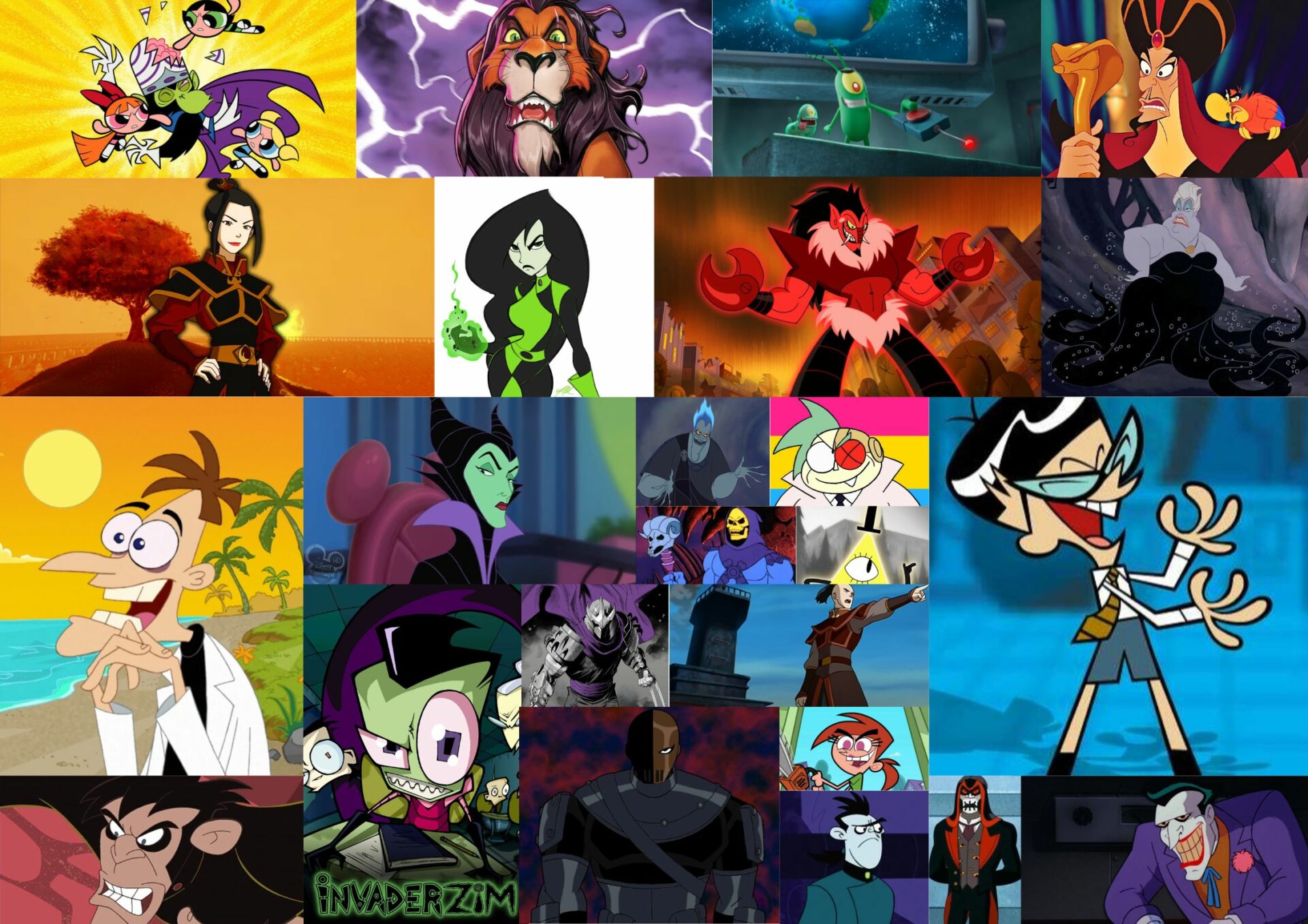
Our list rounds up the top 30 cartoon characters that were villains, each one more wonderfully wicked than the last.
READ MORE
April 29, 2026 .
Lists, Opinions
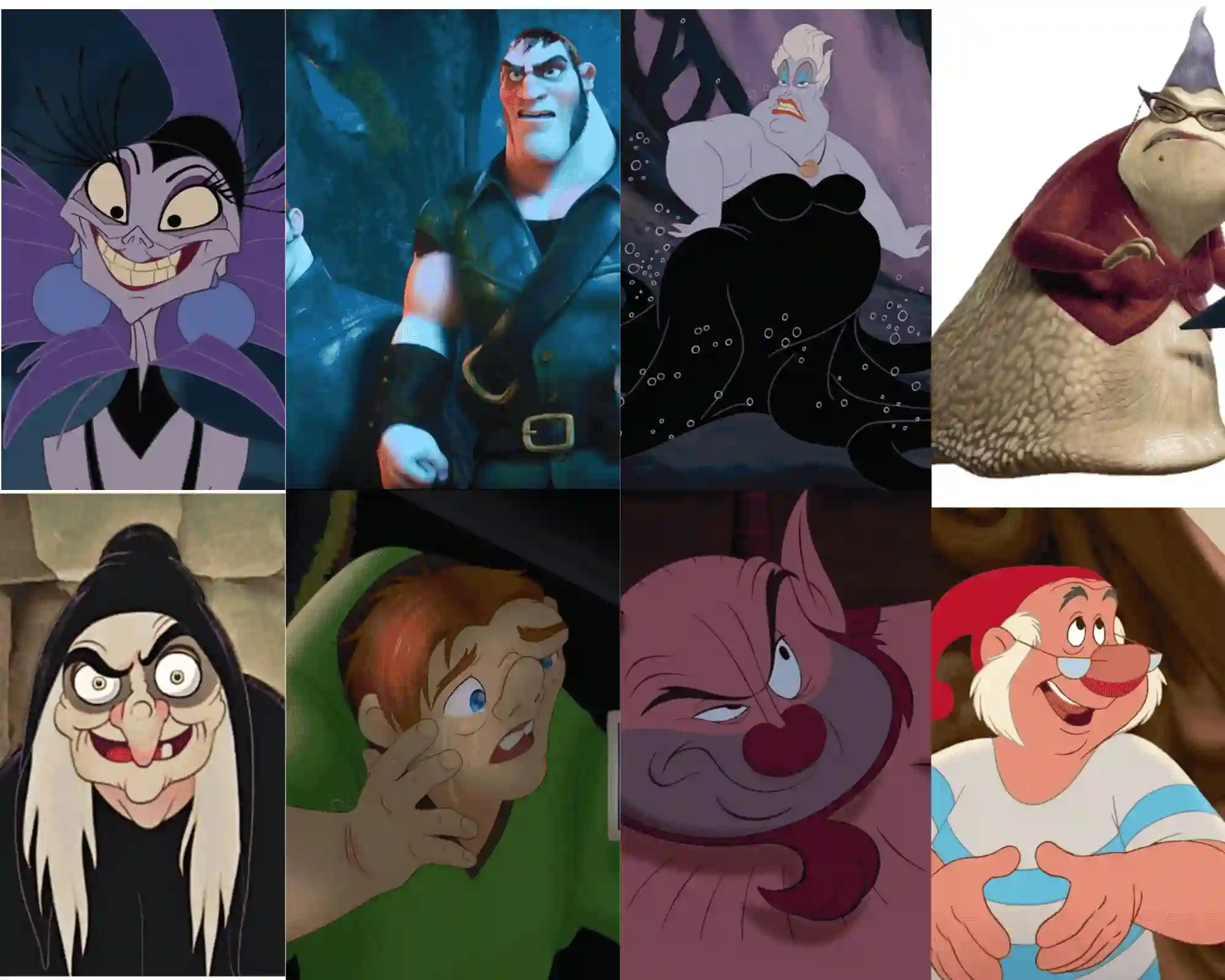
The Mouse is famous for its princesses and princes. However, the studio’s true genius lies in its embrace of “ugly Disney characters”.
READ MORE

October 28, 2025 .
Debates, Lists, Marvel, MCU
Every Marvel hero brings something to the table. But if we had to pick the top 8 most popular Marvel superheroes, who would make the cut?
READ MORE
February 26, 2026 .
Cartoons, Lists
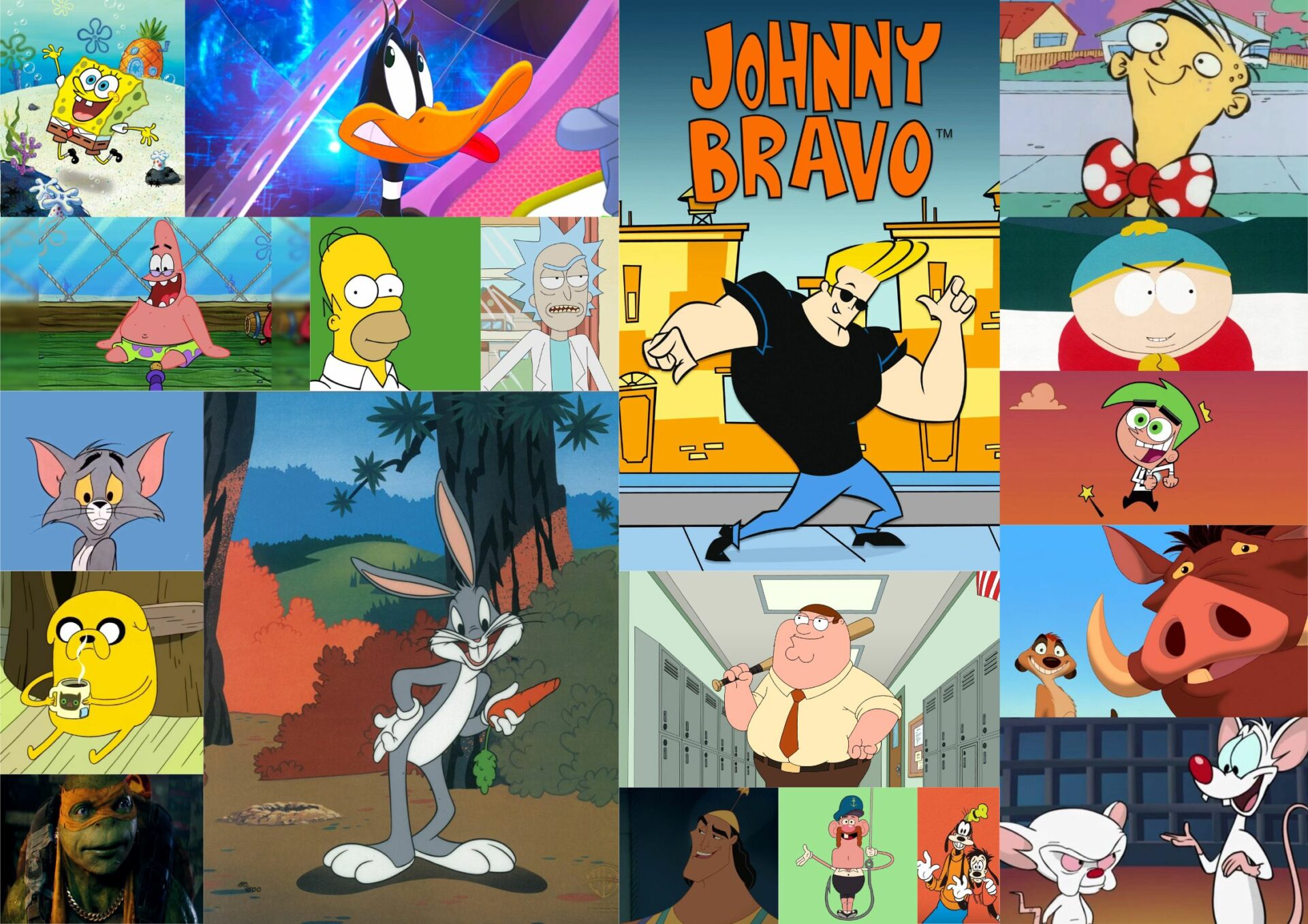
There are some outright funny cartoon characters who exist solely to crack you up, loud, hard, and with zero apology.
READ MORE

November 27, 2025 .
Lists, Mythology
While this isn’t an exhaustive list, it comprises some of the most popular mythical creatures from around the world.
READ MORE

July 20, 2025 .
Writer Resources
Discover the differences in First-Person Point of View and Third-Person POV, and how each impacts character connection and narrative style.
READ MORE

May 15, 2026 .
Writer Resources
The tension between writer-centered and reader-centered approaches defines how a story is told and who it serves.
READ MORE

October 22, 2025 .
Essays, Writer Resources
Ever found a book that looks like a comic but tells a complete, well-structured story? Congratulations, it’s a graphic novel.
READ MORE
June 26, 2026 .
Writer Resources
Writing starts with forming ideas, imagination, dreams, and thoughts. And when these condense into a coherent progression, you have a plot.
READ MORE
May 10, 2026 .
Writer Resources
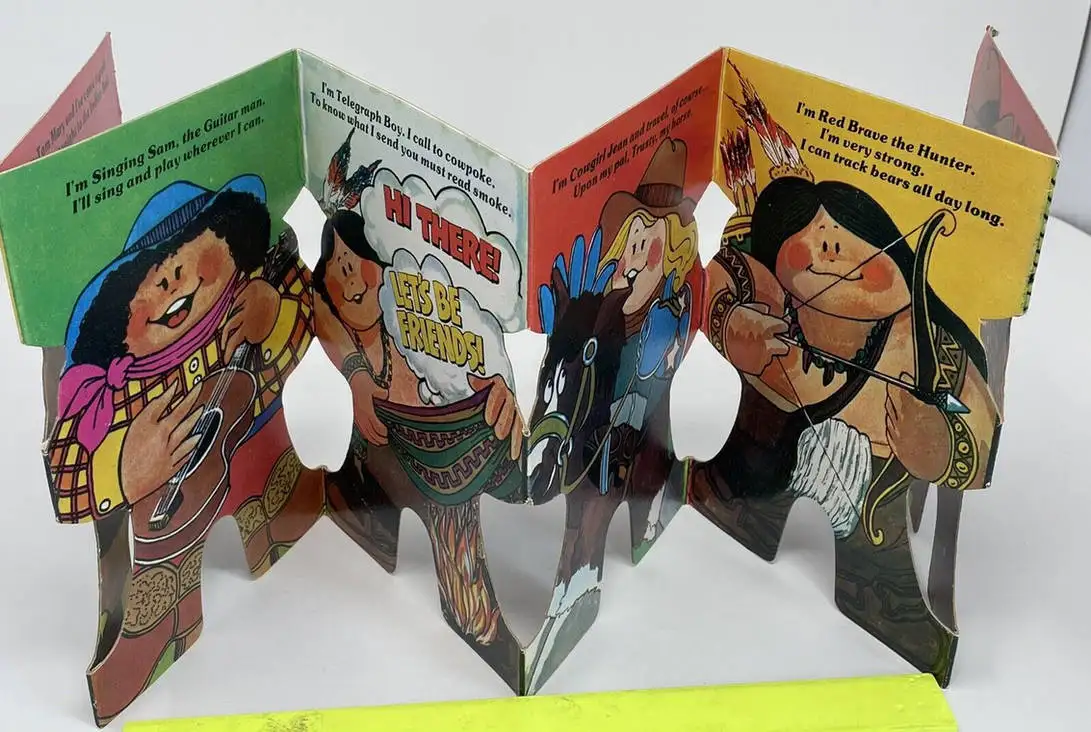
What is a board book, and how does it differ from others? Traditional publishing usually means novels, but published works span much more.
READ MORE

July 24, 2025 .
Essays, Writer Resources
READ MORE

February 8, 2026 .
Writer Resources
Breaking into traditional publishing can feel like decoding a secretive industry. This guide is a resource for finding the right agent.
READ MORE

February 28, 2026 .
Writer Resources
There are three paths in book publishing: traditional, self-publishing, and hybrid. The current focus is on traditional publishing.
READ MORE

July 20, 2025 .
Writer Resources
Today, writers are needed who combine creativity with technical expertise, professionalism, and adaptability.
READ MORE

Get our magazine for free!