
Menu

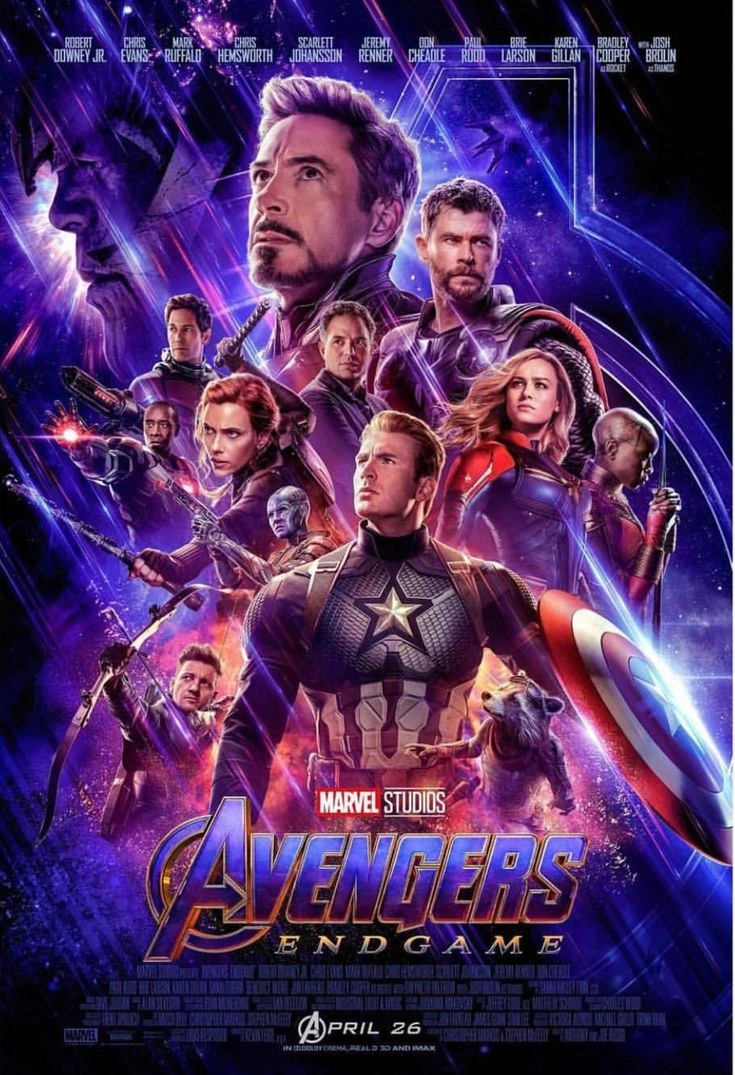
















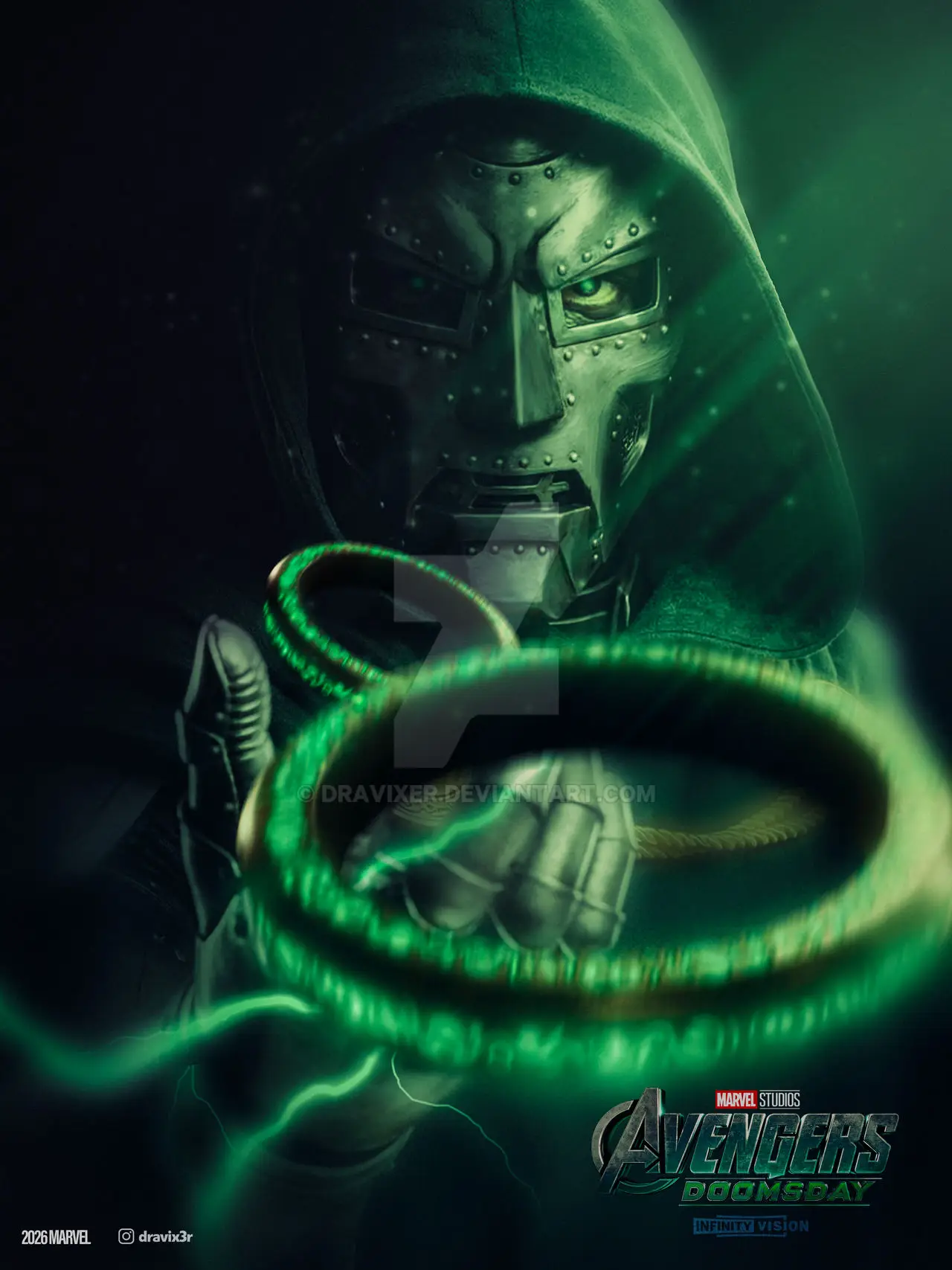





















Marvel Studios made billions of dollars with Avengers: Infinity War and Avengers Endgame. But then it decided it wasn’t quite finished.
Marvel Studios made billions of dollars with Avengers: Infinity War and Avengers Endgame. BILLIONS.
It gave us one of the most ambitious cinematic crossovers ever attempted, an intergalactic warlord who spent an entire decade terrorising the universe, and a final battle that had grown adults cheering at the sight of Captain America holding Mjölnir and ” Avengers assemble”.
The film is genuinely good: a thrilling conclusion that ties up every loose end, honors the fallen, and sends the survivors on their way to new things.
But then Marvel decided it wasn’t quite finished.
To be fair, there was no shortage of stories left to tell. The Marvel comic book universe is enormous, with hundreds of characters, alternate realities, villains, and storylines that could easily sustain another decade of filmmaking.
The departure of some original mighty heroes also presented an opportunity to introduce fresh faces and explore corners of the MCU that had previously received little attention.
In the years following Avengers Endgame, Marvel released everything from genuinely entertaining superhero adventures to films that struggled to justify their existence.
Let’s look at what Marvel has been doing with the universe since Thanos turned to dust.
The fact that no MCU movie has yet exceeded Avengers Endgame’s box office gross stands to reason.
As of today, it is the highest-grossing movie of all time and remains one of the most acclaimed movies in the entire genre.
Before declaring the entire post-Endgame era a creative disaster, it is worth acknowledging that Marvel did not immediately lose its touch.
In fact, some of its strongest films arrived after the Infinity Saga had concluded. The problem is that these successes increasingly felt like individual victories rather than pieces of a satisfying larger picture.
Technically, Far From Home belongs to the Infinity Saga, but its position immediately after Avengers Endgame makes it an important part of this conversation.

It was the first chance to see what the world looked like after the Blip and, more importantly, what life looked like for Peter Parker after losing Tony Stark.
Peter was grieving, struggling with the expectations placed on him, and trying to figure out whether he was ready to become the next big thing in a world that had lost its Iron Man.
That was an interesting direction for Spider-Man, especially considering how much Tony’s mentorship had shaped his MCU journey.
And Mysterio? Excellent casting, excellent manipulation, and one of the more satisfying villains revealed in the franchise.
The post-credit scene, with Peter’s identity exposed to the entire world, also set up a genuinely interesting problem for the next film. It was a good epilogue because it understood that Endgame’s aftermath deserved attention.
Remember when Marvel introduced a superhero who wasn’t already connected to six other characters or three previous films and the audiences actually enjoyed it?
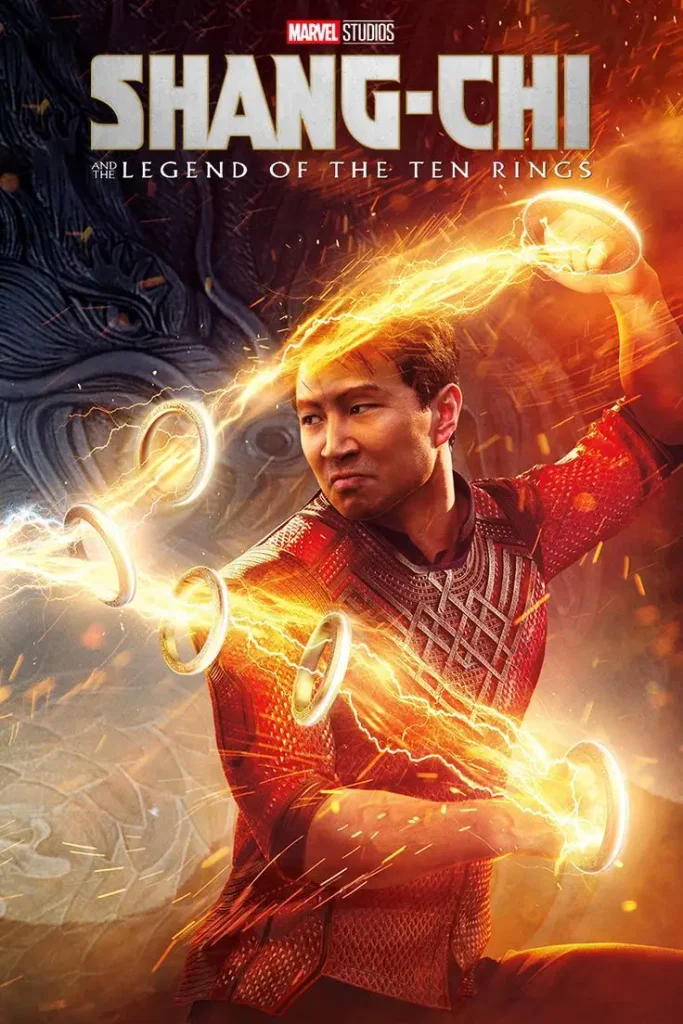
If Marvel needed evidence that its future did not have to depend on the original Avengers, Shang-Chi provided it.
Introducing a relatively unfamiliar superhero to mainstream audiences was a considerable gamble, but the film delivered impressive martial arts sequences, an interesting family conflict, and a villain who was considerably more compelling at least until the movie traded all of it for a giant CGI dragon.
Wenwu was particularly fascinating. Here was a man with centuries of power, wealth, and influence whom grief and his inability to let go of the woman he loved ultimately destroyed.
His relationship with Shang-Chi gave the film an emotional foundation that made the inevitable superhero spectacle more meaningful.
The film was a critical success, earning a 92% critics’ score on Rotten Tomatoes. So naturally, one would expect Marvel to build on the momentum and give Shang-Chi a prominent place in its new universe.
Instead, his follow-up has taken considerably longer than anyone would have hoped.
There’s no pretending that seeing Tobey Maguire and Andrew Garfield return as Spider-Man didn’t make the people ridiculously happy.
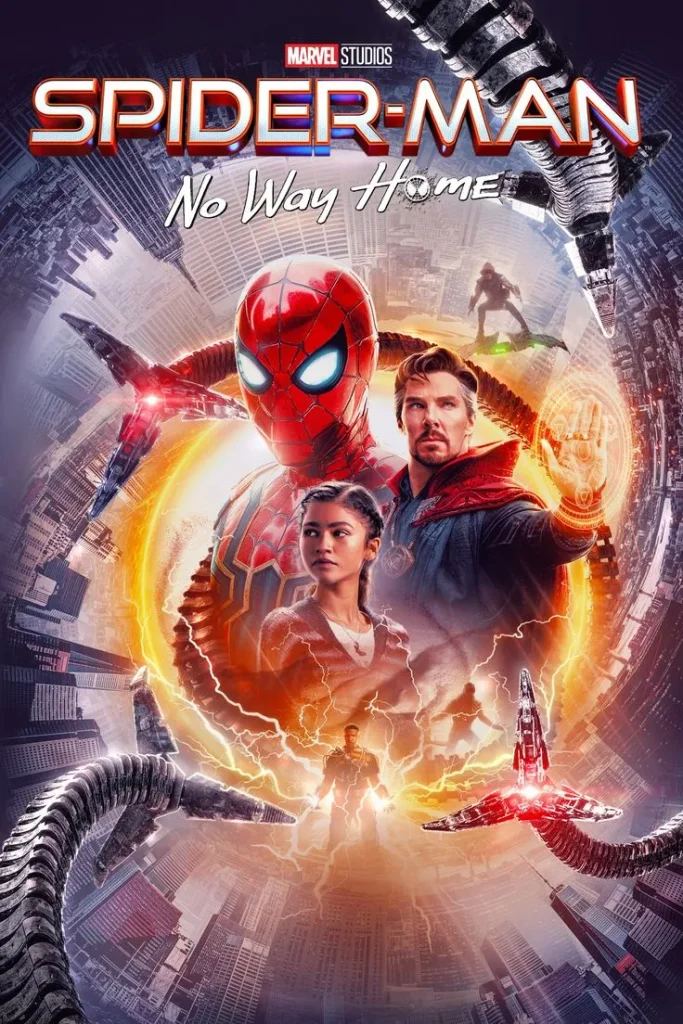
Spider-Man: No Way Home was a theatrical event. Bringing together three generations of Spider-Man films, revisiting familiar villains, and giving audiences the crossover they had spent years imagining was an absolute masterstroke.
Peter Parker’s decision to sacrifice his relationships and allow the world to forget him was a fitting conclusion to his journey.
He started as a teenager who desperately wanted to be recognised as a superhero and ended as someone willing to give up everything, including the people he loved, to do the right thing.
The film grossed approximately $1.9 billion worldwide, making it one of the biggest box-office successes in the franchise.
But much of its appeal came from characters and storylines established outside the MCU. No Way Home thrived partly because it brought back characters and memories from earlier Spider-Man films.
It was a celebration of superhero cinema as much as it was an advancement of Marvel’s new storyline.
The film was excellent, but nostalgia is not a sustainable substitute for storytelling.
Perhaps the strongest argument against the idea that Marvel should have stopped making movies after Avengers Endgame is Guardians of the Galaxy Vol. 3.
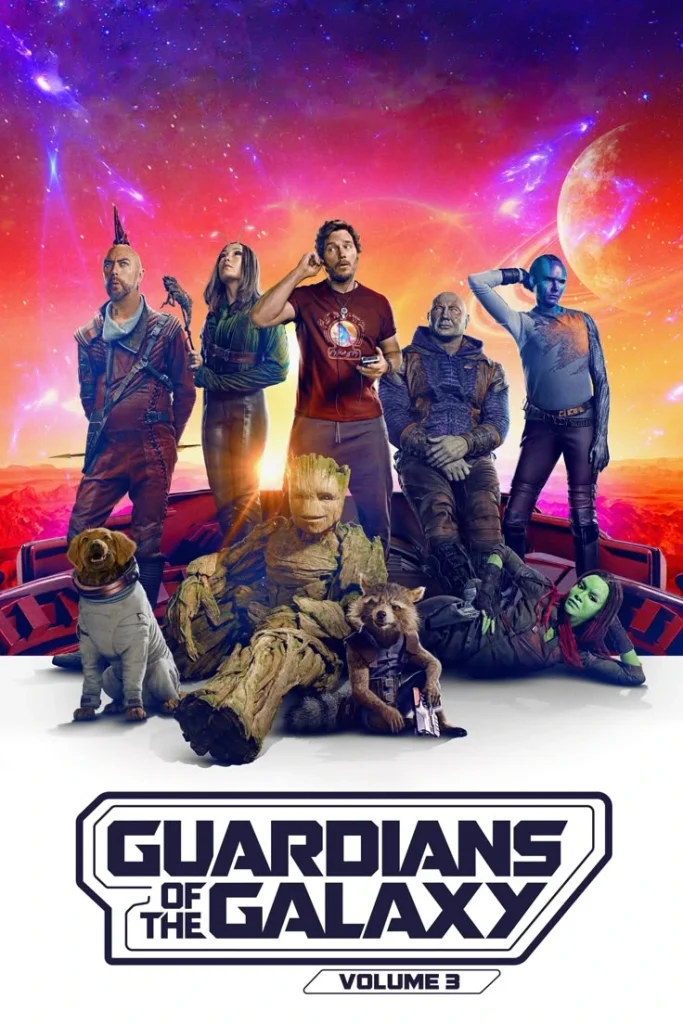
James Gunn delivered an emotionally satisfying conclusion to the Guardians’ journey, particularly through Rocket’s traumatic past and his relationship with the High Evolutionary.
Peter Quill finally had to confront his grief and move forward. Nebula began embracing the possibility of a life beyond survival. Drax discovered that his purpose extended beyond being a destroyer, while Rocket finally accepted himself as the leader of the family he had found.
More importantly, it gave the original Guardians a proper farewell without making their departure dependent on another Avengers-level catastrophe.
Rocket’s story provided the emotional foundation, while the rest of the team received meaningful resolutions to their individual journeys.
The film earned approximately $846 million worldwide, making it one of the more successful post-Endgame releases.
Unfortunately, not every post-Endgame project deserves a standing ovation; some were decent ideas with questionable execution.
I genuinely wanted to love Eternals.
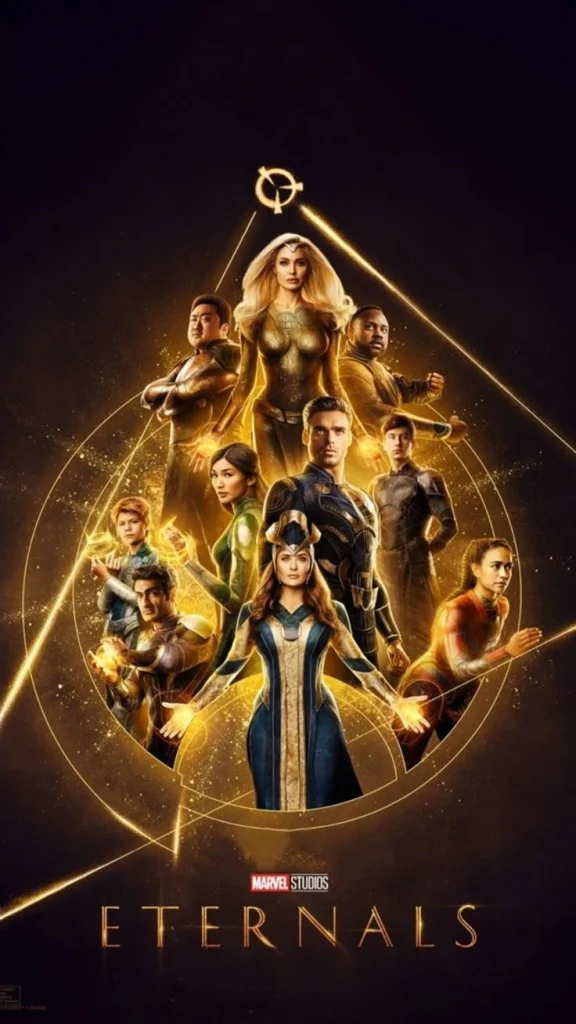
The premise was interesting, the cast was stacked, and introducing a group of ancient cosmic beings who had secretly influenced human civilisation for thousands of years sounded like a brilliant way to expand the MCU.
Unfortunately, having ten superheroes does not automatically make a superhero movie ten times better.
The film introduced the Celestials, the Deviants, the emergence of Tiamut, and an entirely new mythology that could have significantly expanded Marvel’s cosmic storytelling.
It also attempted to develop ten immortal characters, their complicated relationships, and their individual motivations within a single film.
There was simply too much happening.
Some characters barely received enough development to make their eventual decisions meaningful, while the central conflict struggled to establish the urgency it needed.
And given the sheer magnitude of the Celestials’ plans, one would expect their existence to have far greater consequences in the wider MCU.
Remember that giant Celestial emerging from the Indian Ocean? An event that should have been one of the franchise’s biggest developments somehow remained in the background for over three years.
With a 48% critics’ score on Rotten Tomatoes, Eternals became the first MCU film to receive a Rotten designation on the platform.
Marvel had the ingredients for an incredible film: Gorr the God Butcher, Jane Foster returning as Mighty Thor and Thor navigating yet another identity crisis. What could possibly go wrong?
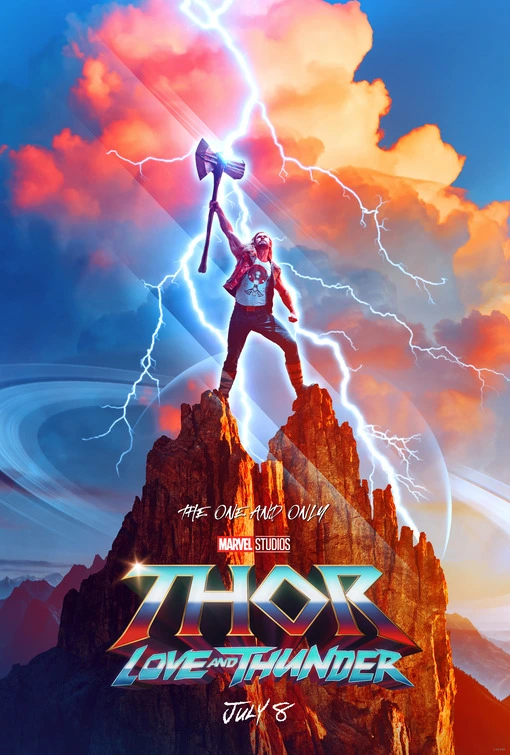
Apparently, everything needed to be funny. Taika Waititi’s Thor: Ragnarok successfully reinvented Thor by introducing a more comedic personality without completely abandoning the character’s emotional struggles.
Thor: Love and Thunder, however, took that approach and turned the humour up to eleven.
Gorr’s tragic backstory and his hatred of the gods should have made him one of the most compelling villains in the MCU.
Instead, he received surprisingly little screen time, considering the significance of his comic-book counterpart and the scale of the threat he represented.
Jane Foster’s cancer storyline was another missed opportunity. Her transformation into Mighty Thor was exciting, but the film never gave her illness the emotional weight it deserved.
There was a genuinely good Thor film somewhere in there. Sadly, the mountain of jokes buried it.
The introduction of the multiverse should have been one of Marvel’s most exciting creative opportunities.
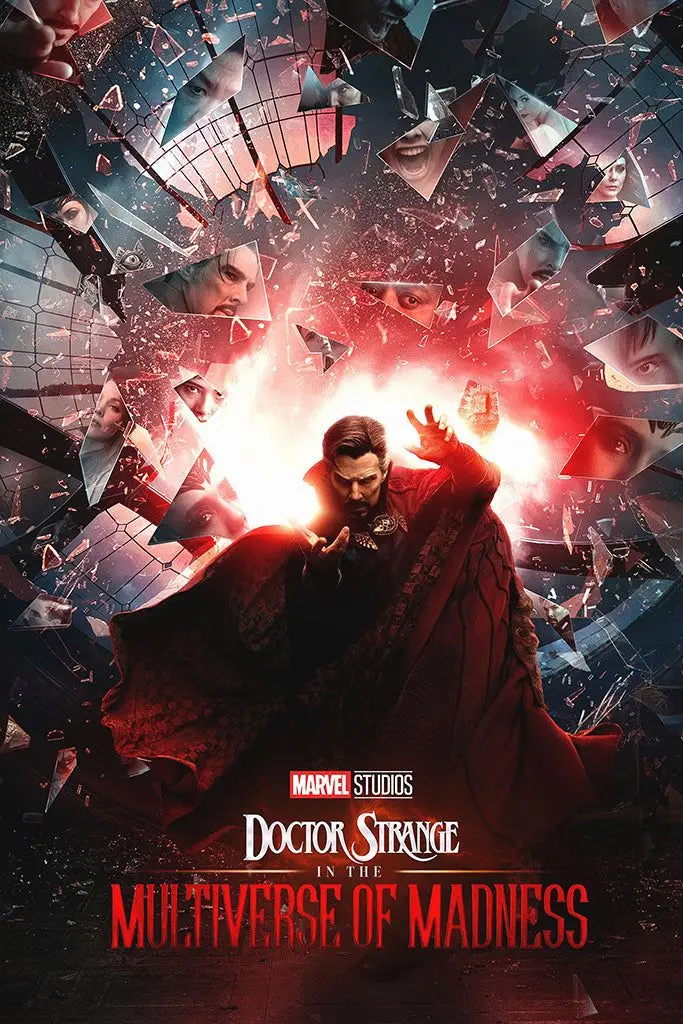
And with Sam Raimi directing, there was an opportunity to deliver something genuinely different from the usual MCU formula.
To be fair, the film had some memorable moments. Raimi’s horror-inspired direction gave it a distinctive identity, Elizabeth Olsen was excellent as Wanda, and the introduction of the Illuminati was a fun little treat for comic-book and superhero-film enthusiasts.
However, Wanda Maximoff’s arc remains one of the biggest frustrations with the film.
After WandaVision, there was so much potential in exploring Wanda’s grief, her relationship with her children, and her gradual descent into the Scarlet Witch.
Instead, she became the primary antagonist, spending much of the film slaughtering superheroes across alternate realities in pursuit of the children she had created in a fictional Westview reality.
Yes, the Darkhold corrupted her and she was grieving, but there was a more interesting character study buried somewhere beneath all the chaos.
The film made approximately $956 million worldwide, proving that audiences were still interested in Marvel’s bigger concepts. But commercial success does not automatically mean narrative satisfaction.
There is something particularly frustrating about The Marvels.
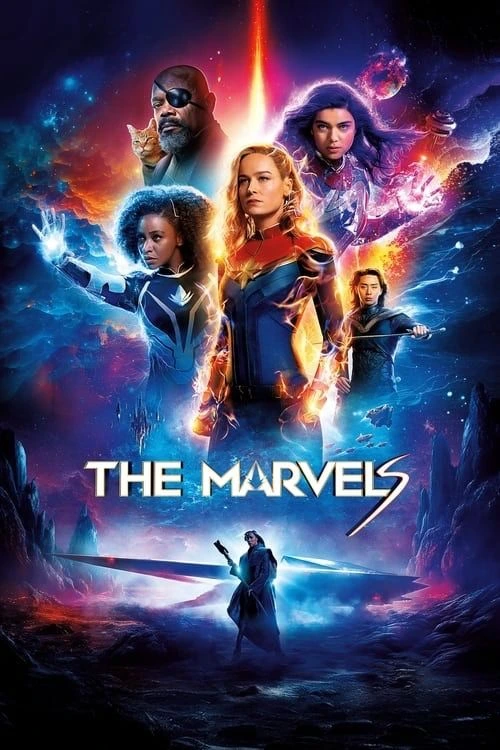
The film had an interesting premise. Instead, it became a casualty of Marvel’s increasingly complicated storytelling structure.
The Marvels brought together Carol Danvers, Monica Rambeau, and Kamala Khan, three characters whose stories had been developed across different films and television series.
Marvel introduced Carol in Captain Marvel, continued Monica’s development through WandaVision, and gave Kamala her own Disney+ series, Ms. Marvel.
Now, Marvel expected audiences to bring all that background knowledge into one theatrical release.
And while dedicated fans might have followed every instalment, the franchise increasingly asked casual viewers to keep up with an expanding list of characters and projects just to understand a single film.
The film’s villain, Dar-Benn, also struggled to leave a lasting impression, and its central conflict lacked the emotional weight necessary to make the adventure memorable.
With approximately $206 million in worldwide earnings, The Marvels became the lowest-grossing MCU theatrical release at the time.
Its 63% critics’ score was hardly catastrophic, but its box-office performance exposed just how much the franchise’s commercial appeal had weakened.
Avengers Endgame crossed the $1 billion mark in just five days, setting records and becoming the fastest movie to reach the milestone.
It will forever be the benchmark for subsequent installments. If that is the case, then the prognosis is dire as that bar is almost impossible to clear.
The post-Infinity Saga era has produced some genuinely excellent films.
But these successes exist alongside a growing collection of films that feel unnecessarily complicated, underdeveloped, or more interested in establishing the next instalment than telling a satisfying story of their own.
Rather than appreciating what it had accomplished, the studio became increasingly concerned with finding another way to keep audiences coming back.
But sometimes, the best thing a storyteller can do is stop. Indeed, Avengers Endgame doesn’t just feel like an ending; it feels like the end.

The Case for Copyright Leniency
Inside the Nigerian Secondary School Folklore Cinematic Universe
Netflix’s The Body: The Type of Psychological Thriller We’ve Missed
Why Are Books So Expensive in Nigeria? The Cost of Reading
Fatima Bala Honoured With TFAA’s 2026 Prize for Literature
Thuso Mbedu as Zélie: A Casting Choice or a Cultural Conversation?
Why Greek Mythology Keeps Returning in Modern Fantasy
Tomi Adeyemi Calls the Children of Blood and Bone Film ‘Made for All of Us’, Months After Distancing Herself From It
Lagos Book & Art Festival 2026 Opens at Freedom Park With ‘Repair’ Theme as CORA Turns 35
7 African Literature Books Set Outside Lagos and Abuja
10 Fantasy Characters Who Would Be Insufferable in Real Life
Superman vs Batman vs Wonder Woman
November 13, 2026 .
Essays
Do we forever operate on the defensive, fingers perpetually pointed towards the dark deeds of neo-colonial contemporaries and their colonial forebears?
READ MORE
November 11, 2026 .
Netflix, news
The Vampire Diaries star joins Daisy Jelley and Connor Simos in Netflix’s adaptation of Hannah Grace’s hockey romance, now filming in Vancouver.
READ MORE
November 16, 2026 .
African Literature, news
READ MORE

October 12, 2026 .
akefestival, nnediokorafor
Nnedi Okorafor found the calling to be a writer of the spectacular and the fantastic after she wrote her first ever story in the pages of a gifted copy of Isaac Asimov’s I, Robot
READ MORE

May 4, 2026 .
warriornun
They got my two favorite genres (fantasy and science fiction) and merged them. The result was an entertaining ten hours of world-building, character development, and badass fighting nuns.
READ MORE

July 20, 2025 .
Opinions
Book recommendations from random places don’t always cut it, and you often end up feeling unsatisfied with them.
READ MORE

July 20, 2025 .
Essays, Opinions
READ MORE

July 20, 2025 .
Essays, Opinions
READ MORE

September 11, 2026 .
Opinions
Book reviews aren’t just a jumble of words on how a book made you feel but also a veritable document that you can quickly refer to when your memories temporarily fail you.
READ MORE

July 20, 2025 .
Opinions
Reading hundreds of pages for a single book can be like facing Smaug, Chiefest of Calamities, but a short story is a small dragon that you can easily conquer.
READ MORE

July 20, 2025 .
Debates, Opinions
Reading nonfiction about what interests you can provide more color and context that might make your fiction reading experience more enjoyable.
READ MORE
September 12, 2025 .
Opinions
In a fast-paced world, reading asks us to slow down, surrender, and sit with another person’s words long enough for them to settle inside us.
READ MORE

November 24, 2025 .
Debates, Opinions
Reading is active while watching movies is passive. The act of turning pages creates a pause that enhances understanding.
READ MORE
July 26, 2025 .
Fantasy, Opinions
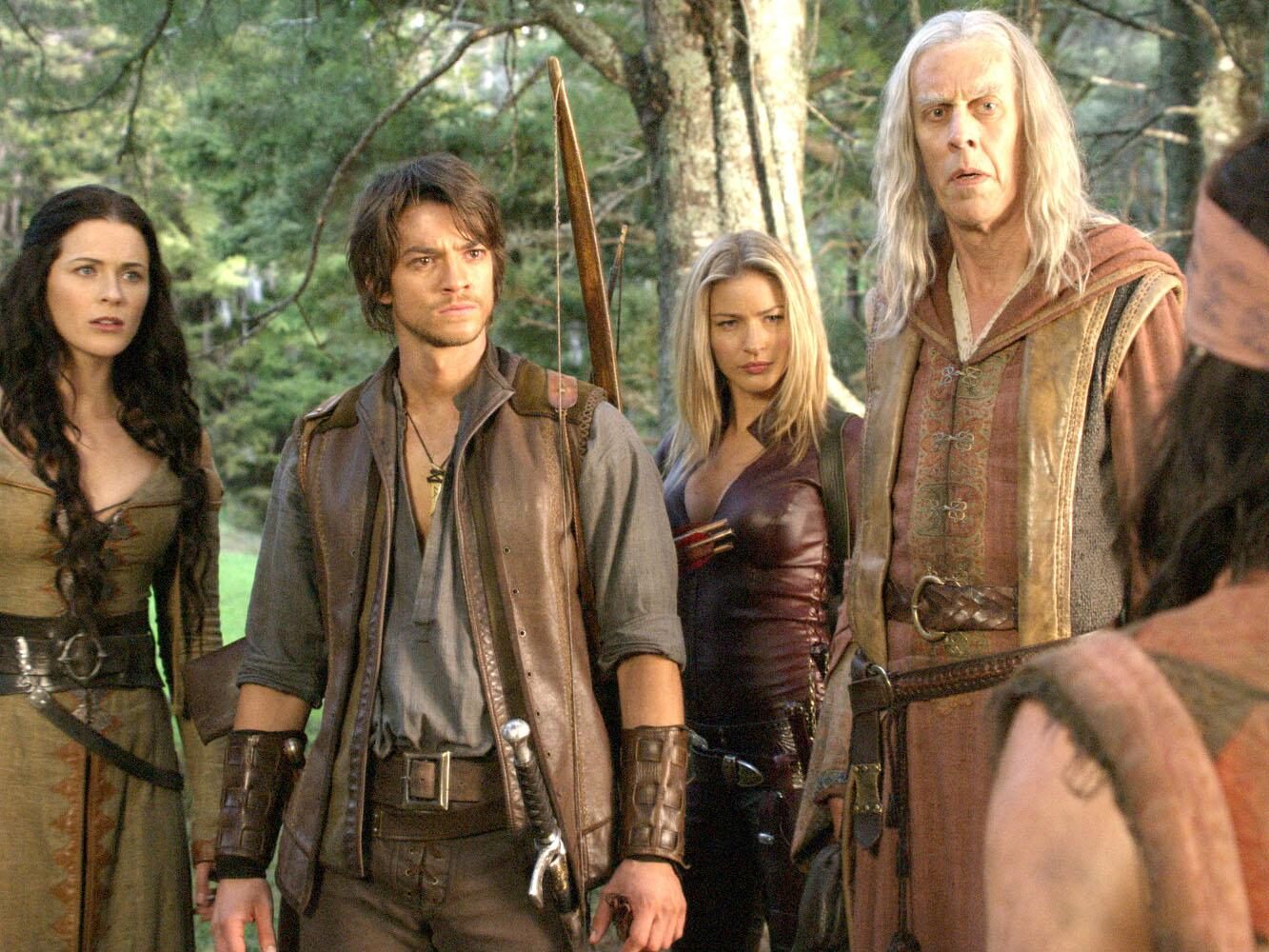
It’s cliche. But it’s rapid. It’s predictable. But it’s enjoyable. For lovers of the classic tropes, Legend of the Seeker is a worthy watch.
READ MORE
Get our magazine for free!