

























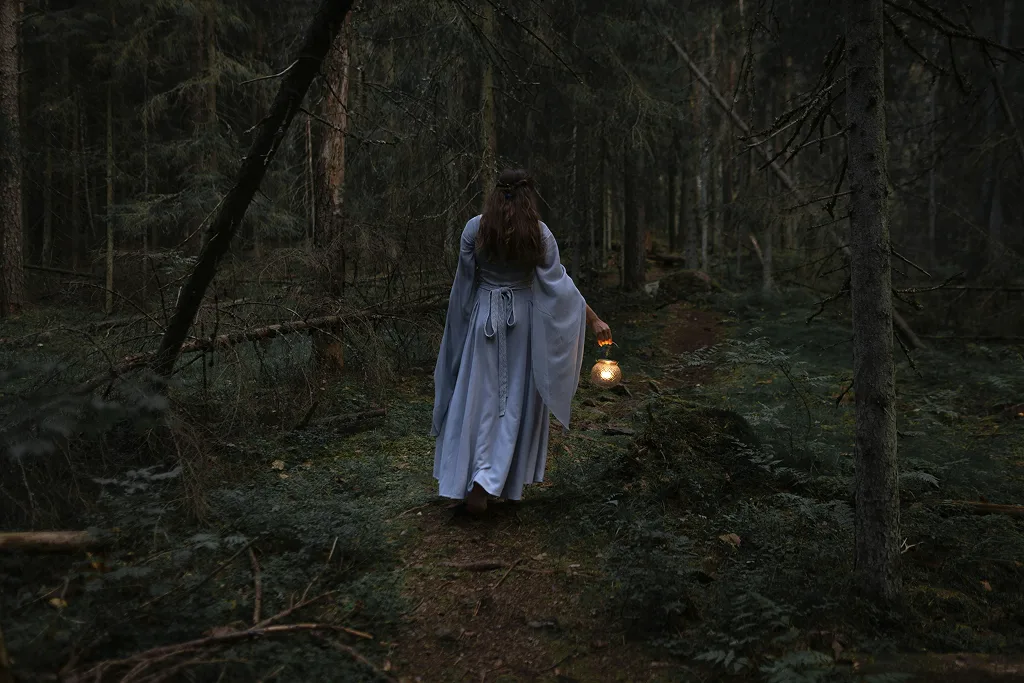
The Surviving Sky is a debut that spins a yarn about a boy and a girl, deep from the author’s vivid and lush imagination. The characters eventually warp the plot to fit their romantic struggles.

“A leaf contains a life / Paths form in wilderness / Two roads in sleep, and yet / I rouse to many / Balance is an unheard rhythm / Awakening occurs beyond time / We continue to live / In undying separate illusions.”
The Surviving Sky is a debut that spins a yarn about a boy and a girl, deep from the author’s vivid and lush imagination. The characters eventually warp the plot to fit their romantic struggles.
Amazingly written.
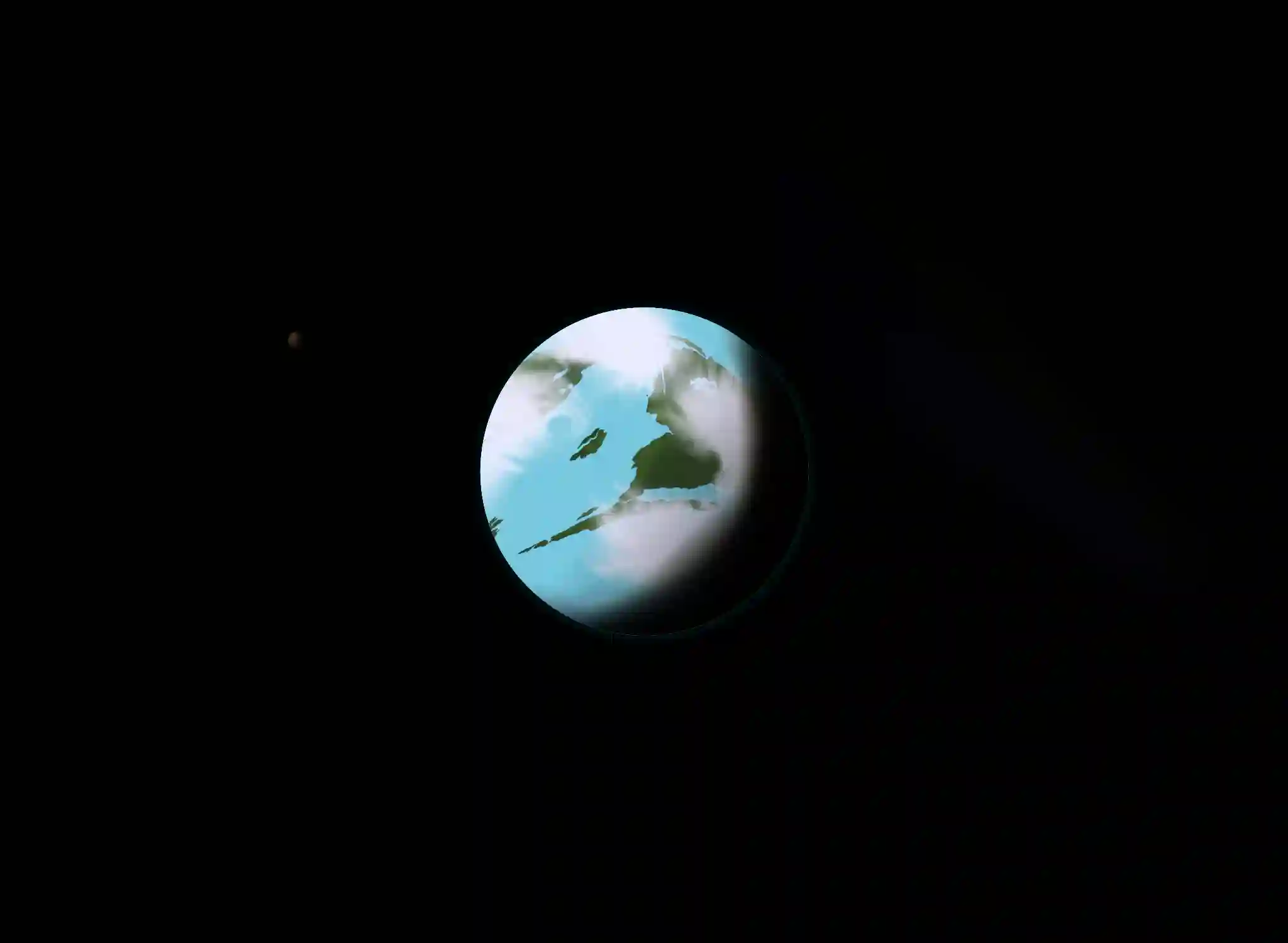
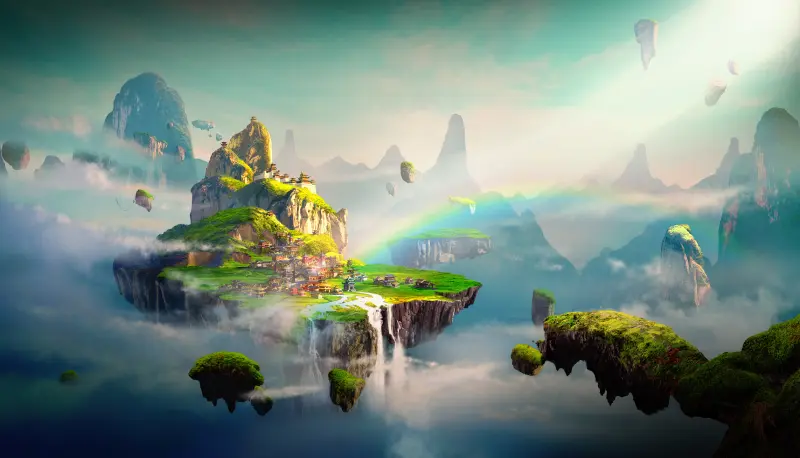
It is a world of floating cities in which the remnants of humanity now reside within a turbulent, lush, cataclysmic, and devastatingly eco-weathering system of a planet, but also a beautiful planet and universe worth sacrificing everything you hold dear to.
The Surviving Sky is set in a stratified society (smacking of a post-cataclysmic event thousands of years from the current timeline…), which hints at the Hindi caste system. We follow the POV of two characters, who are also partners and in conflict about their worldviews.
The human elements that have survived thus far have done so in separate floating cities that utilize special people called Architects.
These are the people who harness some unknown energy to enter an infinite multiversal quantum realm that can detect consciousness as points of a monad within the hyperdimensional space and even shape an ever-changing tapestry of a city filled with sentient plants, floating among the cities in the midst of clouds, on a jungle-wide planet full of night terrors and earth-shattering tectonic plate movements.
Iravan is one of the Architects, and his wife, Ahilya, is “just” a mere Archaeologist with very little societal value but is brilliant nevertheless.
The novel starts with her terrifying expedition to the land below, which uses a lull in the deadly earth rages that constantly envelope vast sections of land. Things quickly get out of hand, hinting that their people’s knowledge, myth, and lore have severe holes in them and that something primal has begun to interfere with their thousand-year-old civilization.
“Rages, Bha, of course, I love her. I love her more than I can handle.”
“Then why is it so hard for you to be with her?”
It’s because you’ve taken away my choice, Iravan thought. That, in the end, was why he had stayed away from Ahilya for seven months. He’d been angry with her, yes. Still, it was more than simply that—it was a rebellion of his feelings, precipitated by the uncertainty of knowing whether his entire marriage had been a sham in the service of material bonds or if he and Ahilya had only lost their way together.
The need to preserve the bonds itched at him like shackles around his neck. Questioning the bonds was unconscionable—they were the oldest architectural tradition. Yet as the two roads opened behind his brows, he knew the one that led away from Ahilya led to freedom, clarity, the discovery of the Resonance, and all that lay unanswered.
He could never tell Bharavi about this.
Friends, though they were, she still held a vote in the council. In rebelling against material bonds, Iravan would fail a condition of Ecstasy immediately.
Bharavi reached low and gripped his arm. “What is the problem, Iravan?” she persisted. “This isn’t a rhetorical question.”
“This farce—it isn’t easy, all right?” he deflected.
“If you love her as much as you say, then where is the farce?”
“Loyalty is precious to Ahilya, and she’ll stand by those who are hers through a hundred earth rages, even at the expense of everything else. You saw what she was like after Oam.”
“And that’s terrible because?”
“Because I can never measure up! Because I can never love her how she wants to be loved.”
“Why in rages not, Iravan?”
“Oh, I don’t know,” he said scathingly. “Maybe it’s because I must keep so many raging secrets from her all the time.”
We begin with the slow exposition of our characters, hints of the plot, and a refreshing, complex, and unique world-building that introduces a combination of own-world structuring and lore, unlike most of the regular fantasy I’ve read.
It brings to mind the beautiful Dreamblood duology by N.K. Jemisin.
The book starts a bit slow. The initial chapters (all a bit longer than usual) slowly set the scene and introduced our characters and universe without massive info-dumping (which is what I often personally prefer, like getting lost in your own thoughts).
After the hundredth page, all sorts of philosophical, romantic, mystical, and dramatic mishaps break loose.
“What are you doing?” Oam squeaked. “Why are we just waiting here?”
Iravan tried again. In his first vision, he saw himself as Oam and Ahilya did, feet dug into the crisscross of the nest, fists gripping branches, head bent in exhaustion. His skin glowed blindingly as trajectory tattoos articulated themselves in complex fractals.
In his second vision, he approached the magnaroot star, wielding his constellation lines like a hundred whips, hunting for an opening to latch them.
The star anticipated him before he could decide his move. It expanded in his second vision, crashing into his mind, leaving him no time even to gasp.
His Two Visions merged.
At that instant, Iravan felt true terror.
His skin began to crack and bleed. Spines grew on his back, in his neck, through his eyes. He opened his mouth, but only dust blew out, tiny gray-white seedlings rushing out of him. His gums rotted, spikes under his nails, twigs yanking his hair, and he thought, Yes, good, rip, bleed, die, seed, survive. He recognized a tiny battering interference—his own—as his trajecting dust mote tried to stop from ripping his plant self apart. He smiled through bloody teeth and pressed the pain deeper into himself. The agony was beautiful; he wept in its rapture—
Iravan blinked.
He wrenched himself free, tearing through the grip of the magnaroot. He scrambled away from the star.
This book incorporates a wonderful blend of Hindu philosophy and mysticism, sci-fi, and Fantasy smashed into flattering and often cutting, albeit poetic prose. It’s got sentient jungles, which is quite frankly awesomely gobsmacking, and also unflinching and panpsychic (from the philosophical theory of panpsychism) views about consciousness.
It’s a book about where our sense of self (I do prefer the term, ‘soul’, sometimes) separates/merges and becomes undistinguishable, inseparable even, from the concept of our “I”, “me”, “you”, “us,” and also nature.
The author then combines all these thought-provoking concepts with unique speculations that leave us remembering our racial memories and our innate biases towards our perceptions of reality as well as what the species is capable of doing by just imagining, thinking, being, living…
This is an absolute must-read. It’s grim, dark, and marvelously violent. The author goes above and beyond in the way of unique, vivid, and fantasmagorical own-world structuring, thereby building a world rife with danger.
A planet that only seems like hell when one views it from without rather than within, that inner realm where we all share our reality as mathematical probabilities full of infinite potential.
It also asks us to think about Gaia (which made me think of Allan Watts’ lectures), animals, non-living autonomous cellular automata, and even living beings without a signature of consciousness, like dead leaves.
“A leaf contains a life / Paths form in wilderness / Two roads in sleep, and yet / I rouse to many / Balance is an unheard rhythm / Awakening occurs beyond time / We continue to live / In undying separate illusions.”
I might not have totally enjoyed the main characters’ relationship dynamic (lots of unnecessary bickering!) and its portrayal (including the page count dedicated to that), but at least it was well-written.
I highly recommend this one for enthusiastic characters or their next fix and a dose of good ‘ol literary drama, dreams, entertainment, fantasy, and food for thought.
I’m really excited about the release of the second book later this year.

An obsessive compulsive Sci-Fi/Fantasy enthusiast || INTP hermit || Lover of all things Esoteric and Arcane
July 20, 2025 .
Animation, Lists
Our list rounds up the top 30 cartoon characters that were villains, each one more wonderfully wicked than the last.
READ MORE
April 29, 2026 .
Lists, Opinions
The Mouse is famous for its princesses and princes. However, the studio’s true genius lies in its embrace of “ugly Disney characters”.
READ MORE
October 28, 2025 .
Debates, Lists, Marvel, MCU
Every Marvel hero brings something to the table. But if we had to pick the top 8 most popular Marvel superheroes, who would make the cut?
READ MORE
November 27, 2025 .
Lists, Mythology
While this isn’t an exhaustive list, it comprises some of the most popular mythical creatures from around the world.
READ MORE
February 26, 2026 .
Cartoons, Lists
There are some outright funny cartoon characters who exist solely to crack you up, loud, hard, and with zero apology.
READ MORE

May 21, 2023 .
sciencefiction
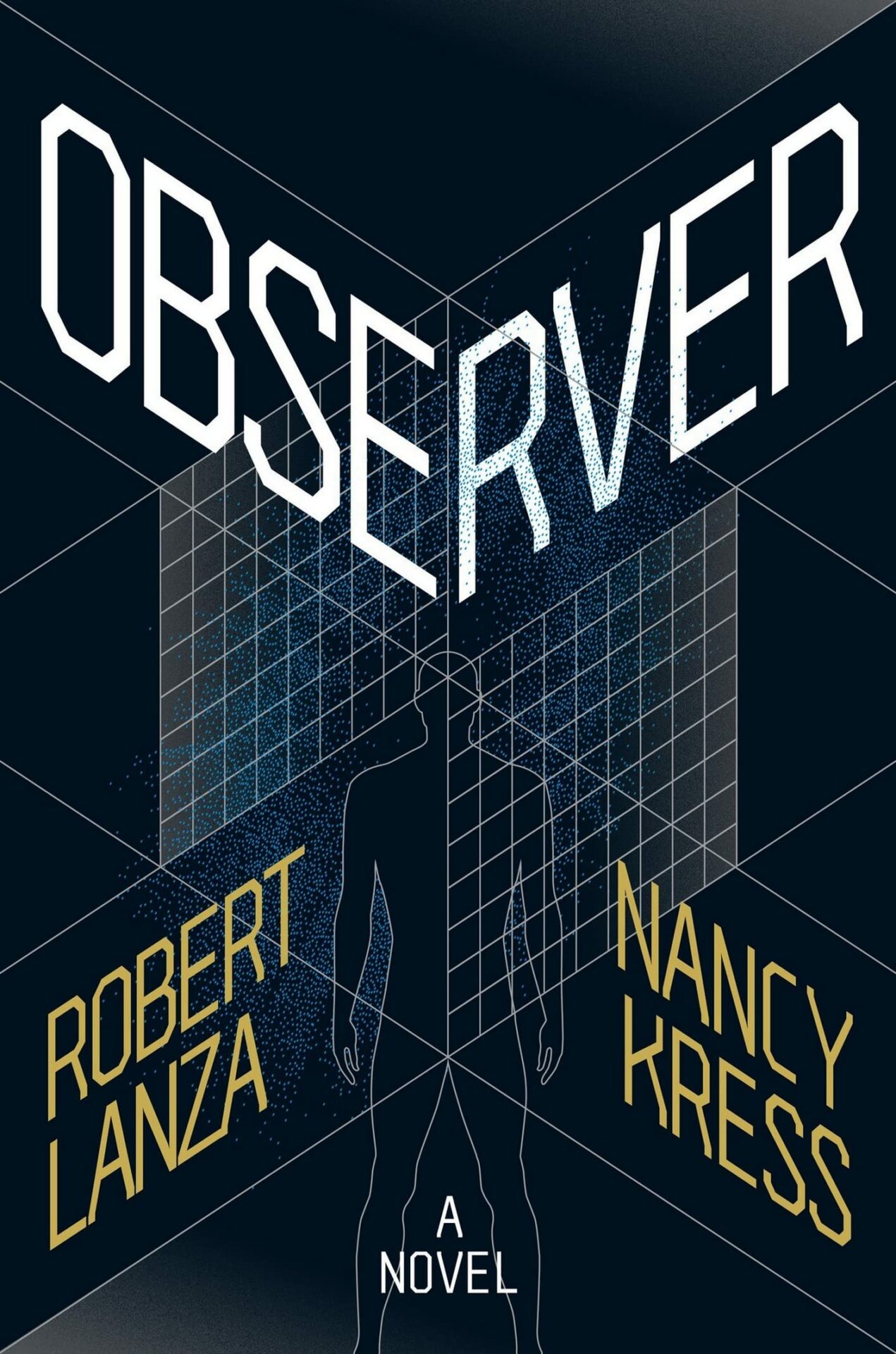
What if we could tweak our bio-processors to alter the algorithms responsible for our perception of said reality
READ MORE
July 31, 2023 .
sciencefiction
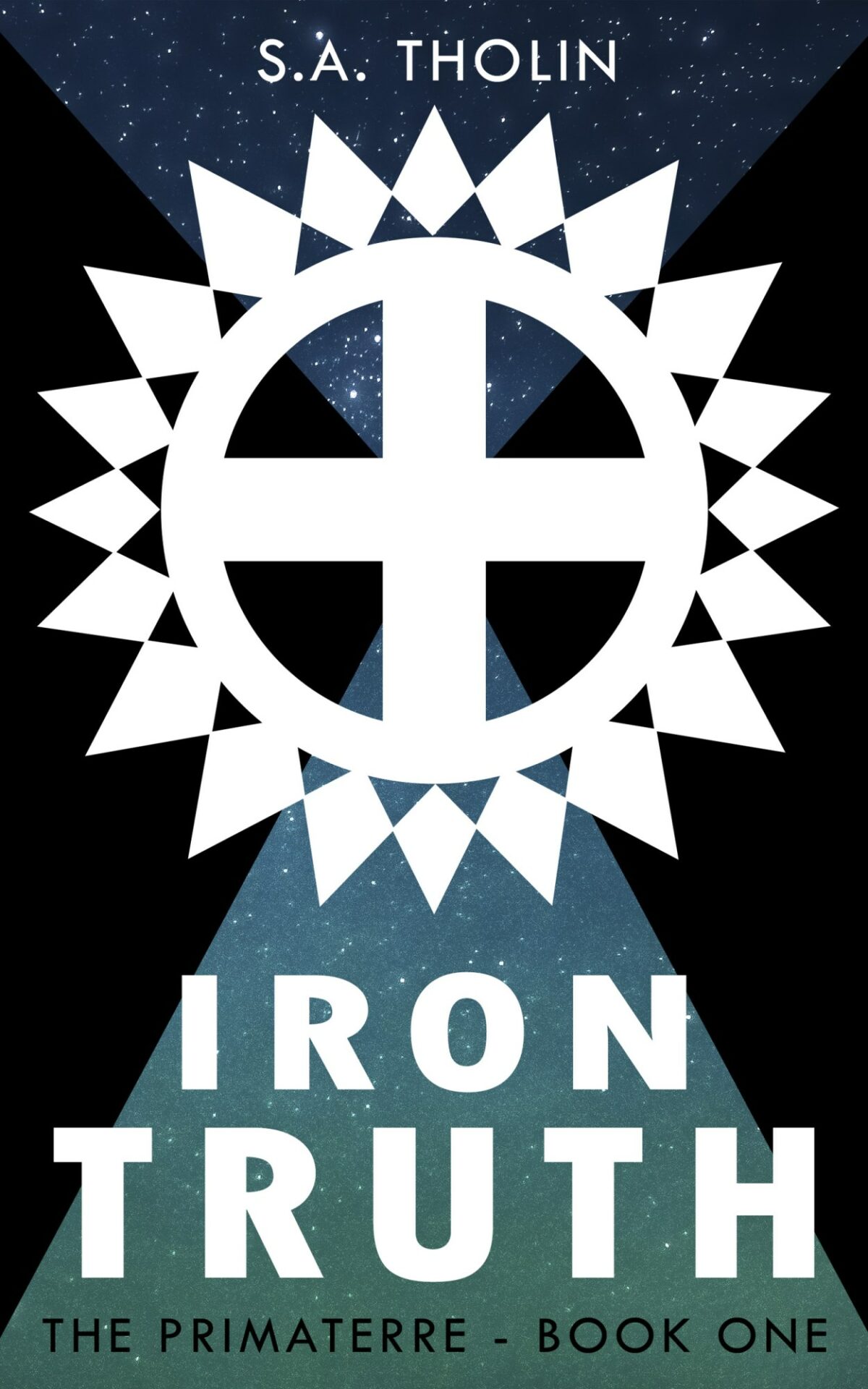
S.A. Tholin’s action-packed Iron Truth is a perfect blend of far-future science fiction and existential dread in the form of cosmic horror!
READ MORE

May 17, 2023 .
sciencefiction
The plot is very well-paced, and the protagonists/characters are complex, with expertly thought-out life experiences and inner monologues
READ MORE

August 14, 2023 .
sciencefiction
READ MORE

Get our magazine for free!