
Menu



















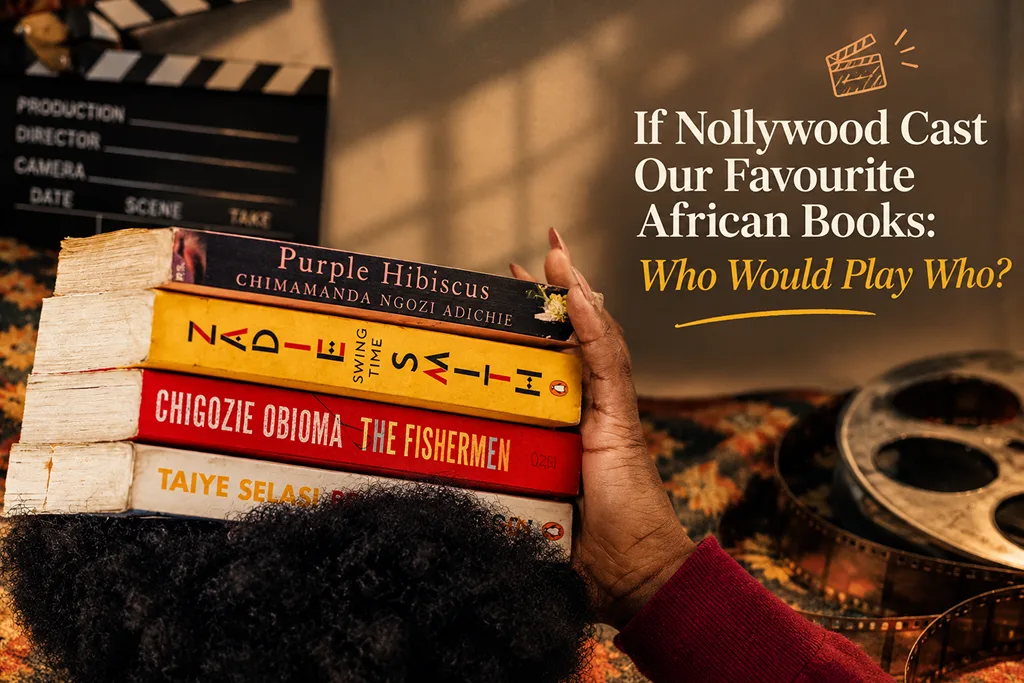




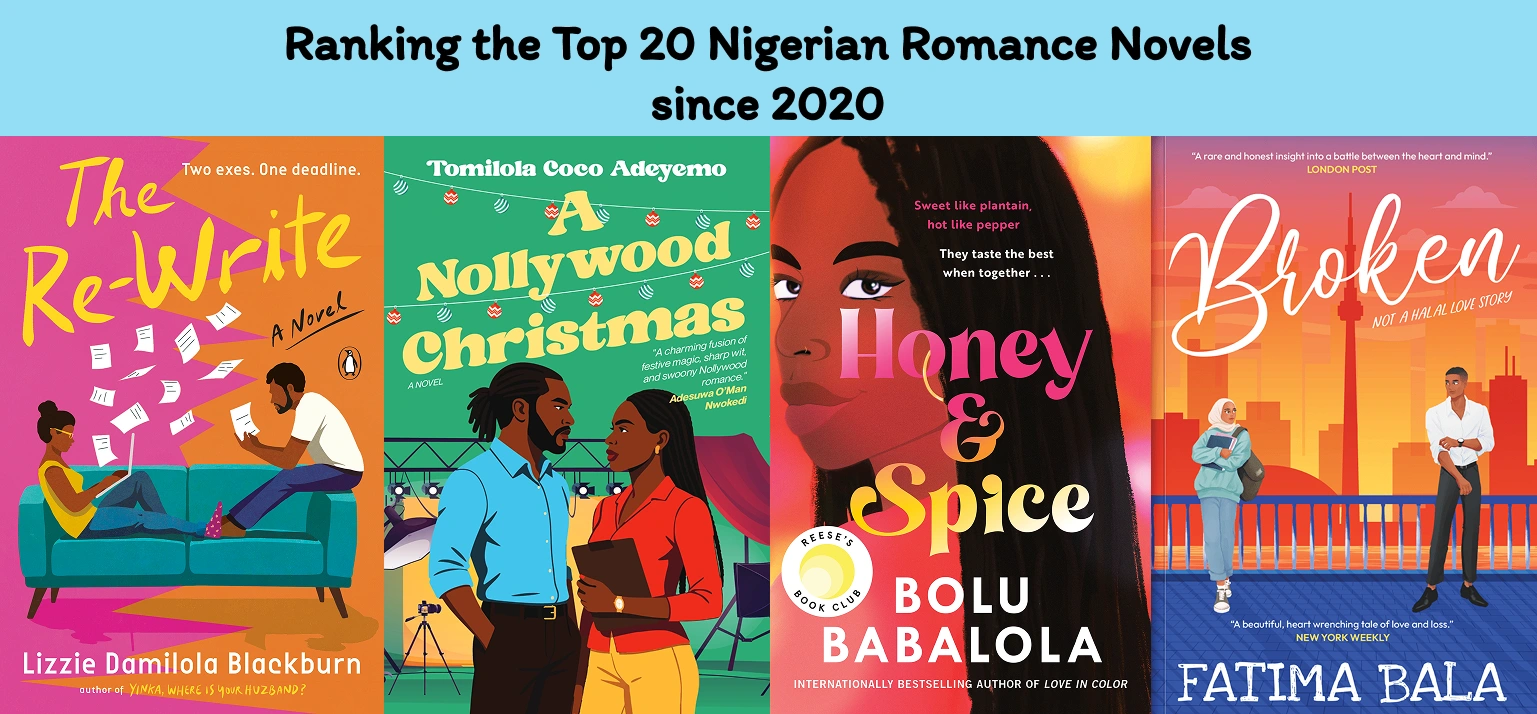


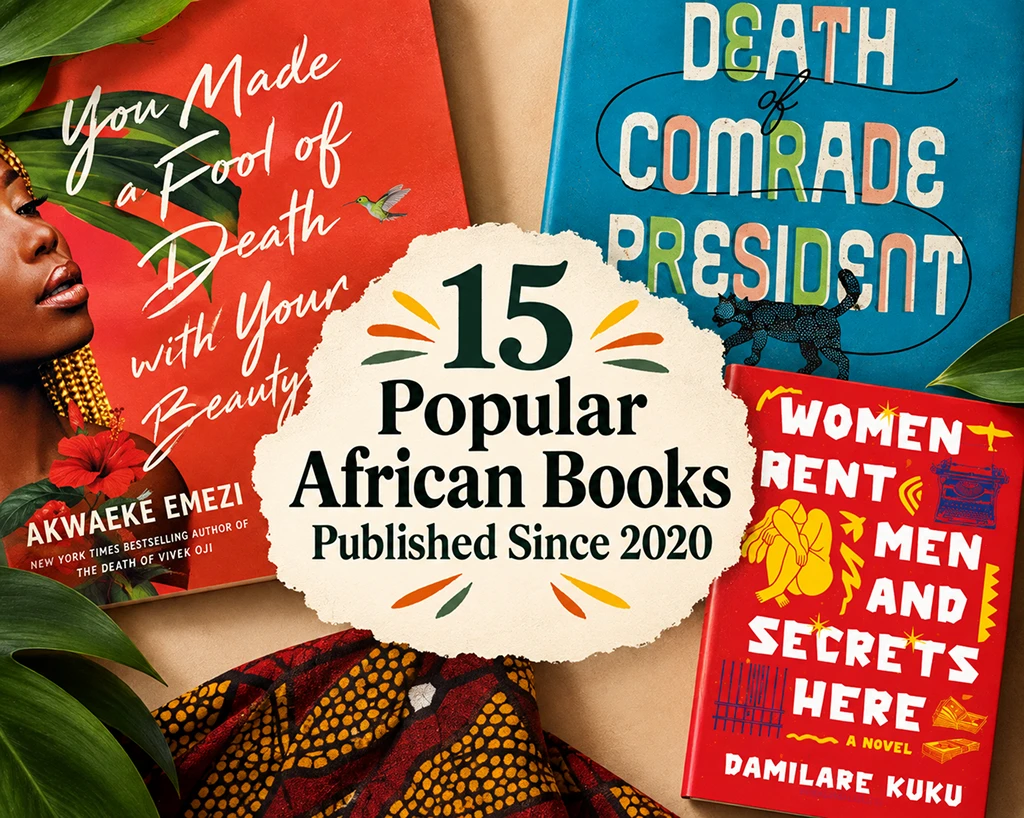


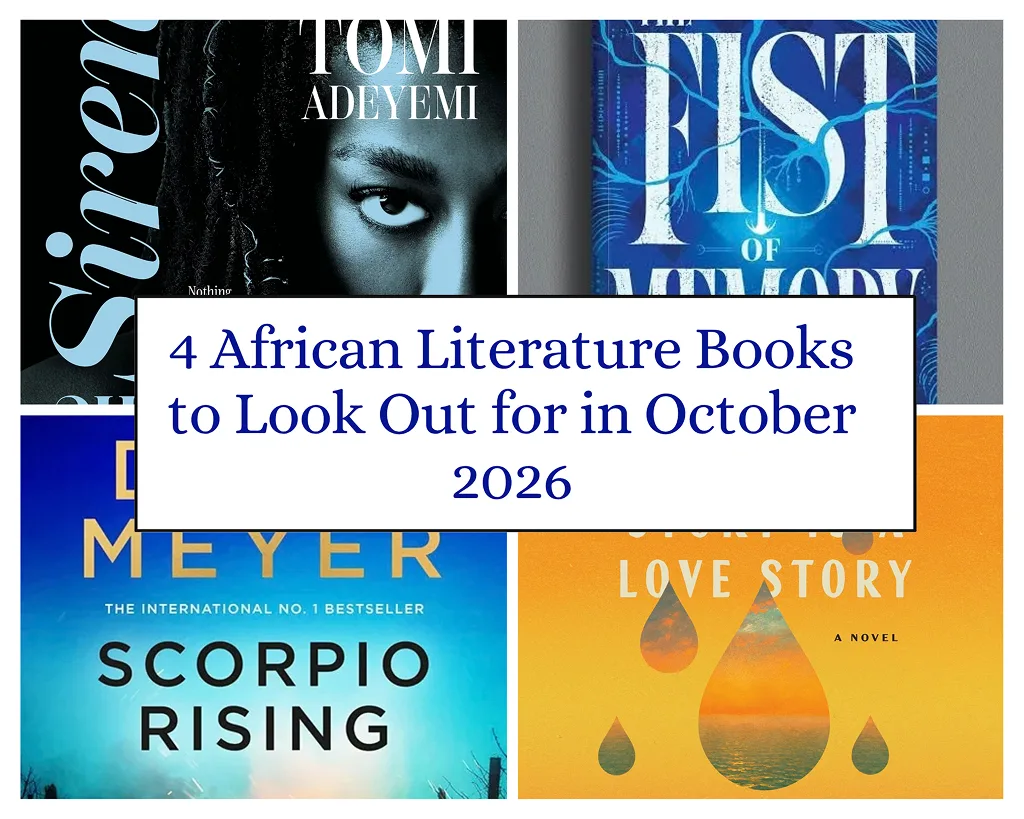






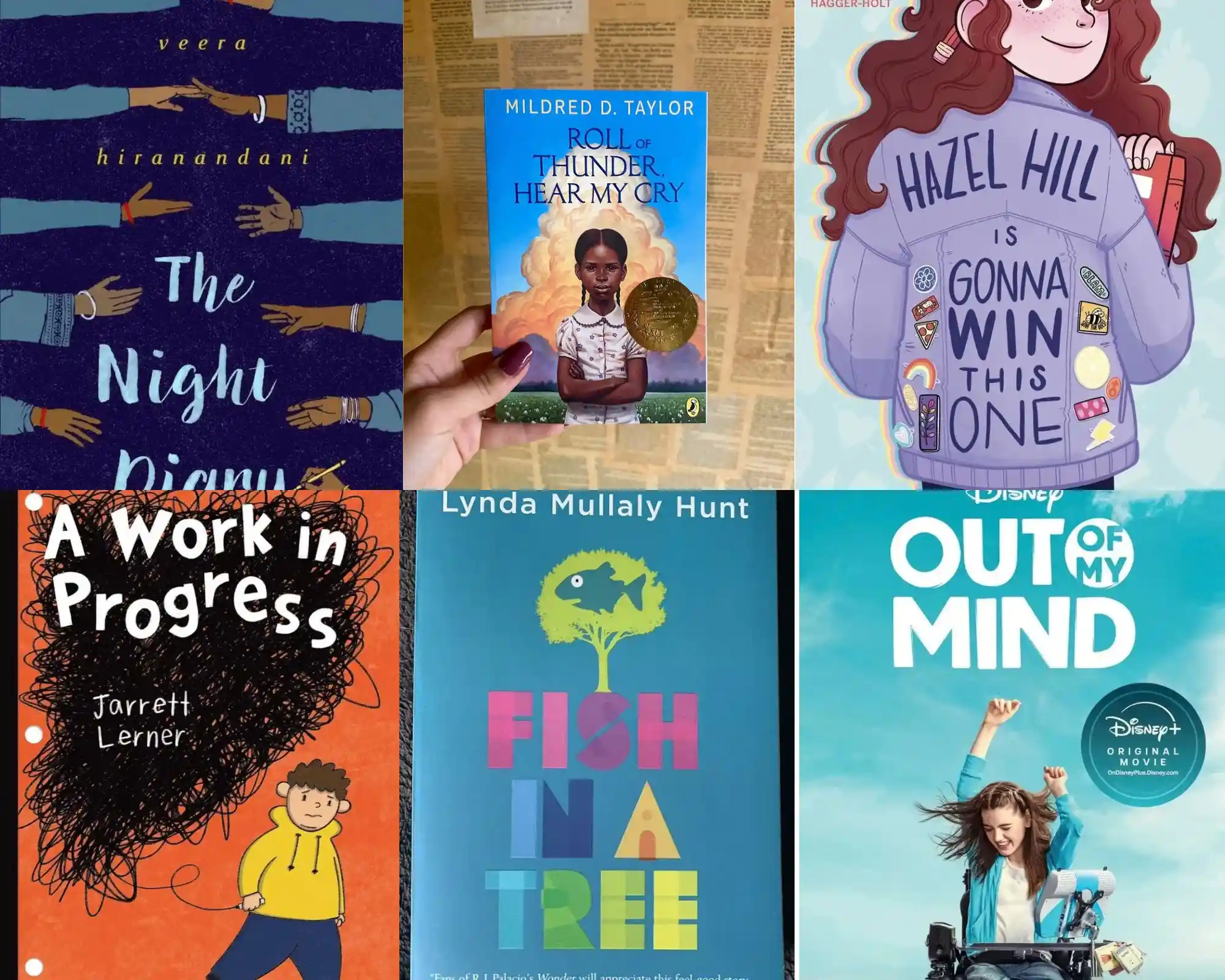


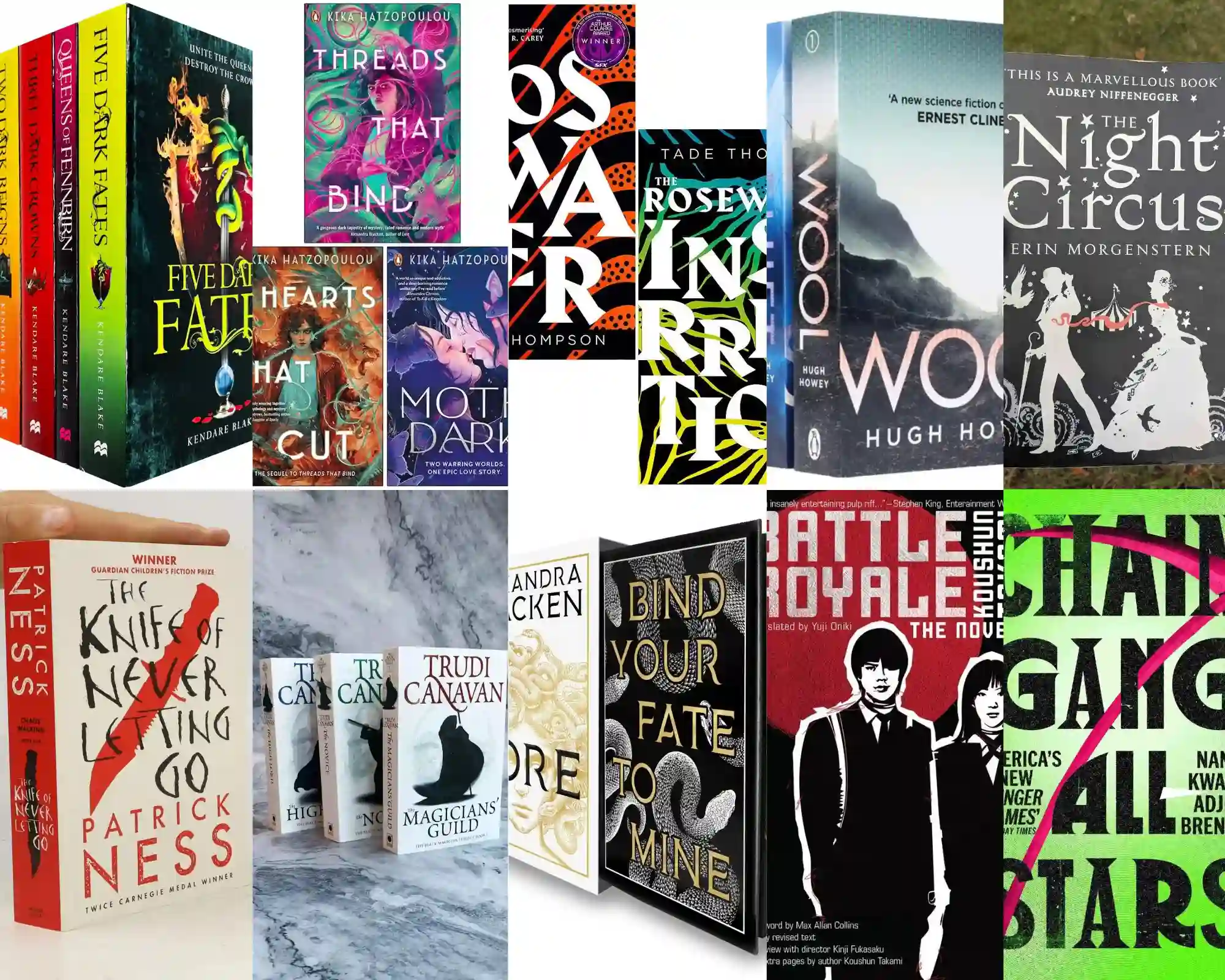

There’s a certain privilege that comes with not checking the price tags when you go book shopping.
There is nothing like finding out a book you are excited to read is significantly more expensive than you expected. You’ll double-check the price, convert it into your local currency, think twice about your budget, and sometimes decide you’ll come back to it.
For some people, buying a book can be straightforward. However, for others, it can be a bit of a process. And this has nothing to do with how much you earn; it has to do with the issues facing the publishing industry in Africa.
According to UNESCO, Africa imported books worth around $597 million in 2023. However, it only exported $81 million worth of books.
That is over 7 times more than they exported!
So, there is a big issue with the book industry in Africa. But how does this affect the everyday reader in Nigeria?
There are a few reasons why imported books are expensive.
Most international publishers will price their books in foreign currencies such as USD and GBP. When Nigerian book sellers import these books, they have to pay in foreign currency. This means if the naira weakens against the foreign currency, the cost to stock the book will increase.
A book that was once quite cheap could become significantly more expensive. And this cost will be passed on to the consumer.
Books don’t just magically appear in your favorite bookstore. They may have to be transported multiple times depending on where they were published.
Each step of the way increases the price. Plus, importers and retailers have to factor in storage, handling, and margin.
This means the price of a book in Nigeria can be very different from that of an international online book seller.
One way to avoid imported books is to buy locally produced books. However, even these can be affected by the economy.
Many items used to produce books are imported, such as paper, printing ink, and binding. This means Nigerian publishers face issues with currency and increased production costs.
The issues in Nigeria are not just the lack of foreign books. They need a better printing and publishing industry to produce books competitively.
Even books produced locally by a Nigerian author may be more expensive than you expect.
Image source: Unsplash
Africa has amazing authors, publishers, and stories that should be recognized globally. Sadly, the data shows that the publishing industry still depends heavily on foreign countries.
This has led to increased costs for readers in Africa to have access to international literature.
A large amount of money is leaving the continent, and a stronger publishing industry would make it easier for African authors to reach a wider audience. More African stories, languages, and opinions would be able to get into the global literary community.
But popularity is not the same as a strong publishing industry. Just because they have some internationally acclaimed authors doesn’t mean they have the infrastructure, distribution, and investment to create a competitive book market.
Yes, but not immediately.
Buying books from Nigerian publishers and authors helps to support local publishing. This creates demand for books, supports those involved in production and distribution, and encourages publishers to invest in new titles.
It keeps African stories circulating. The best thing to do is be a little more mindful of where you buy your books.
Here are a few options to consider;
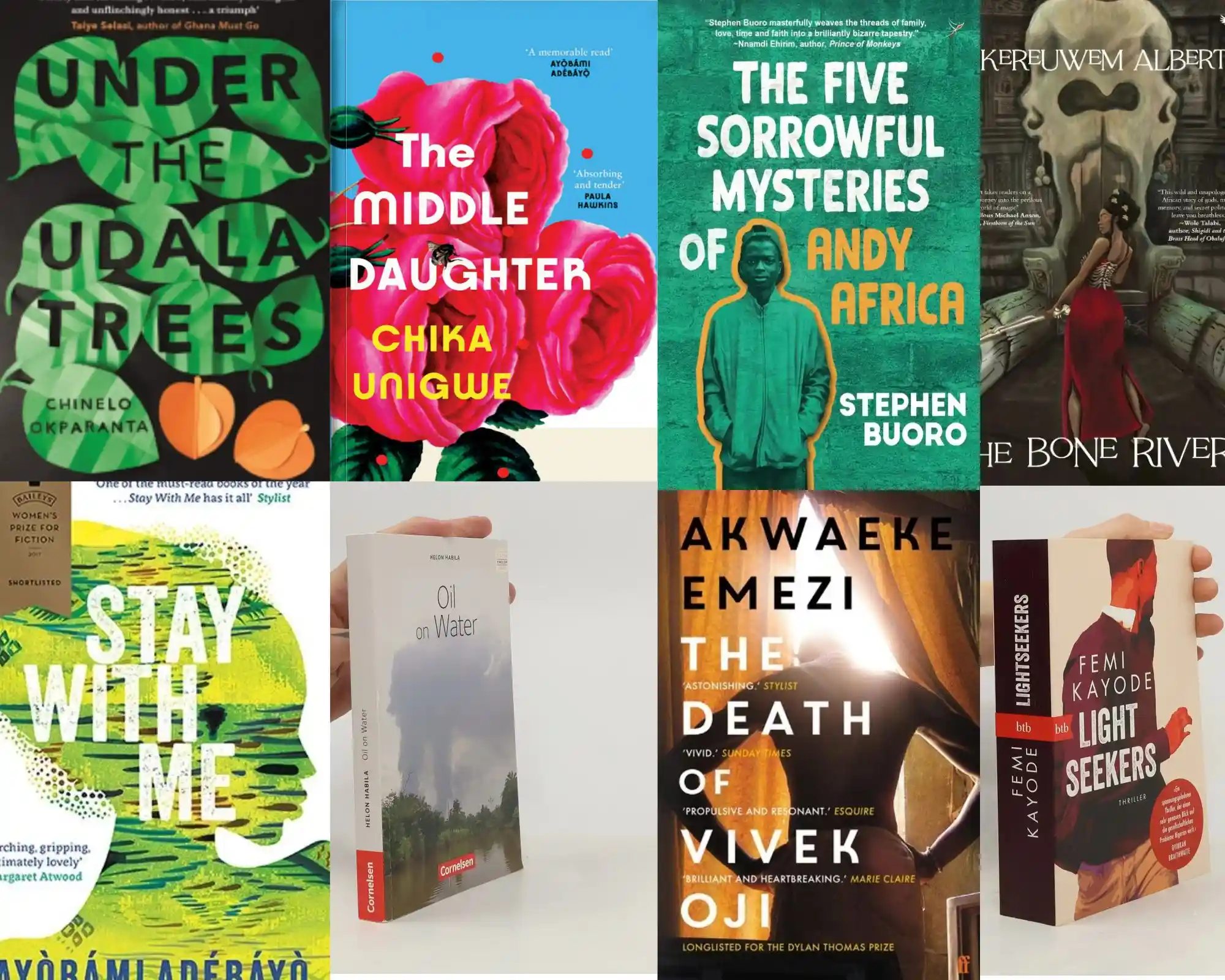
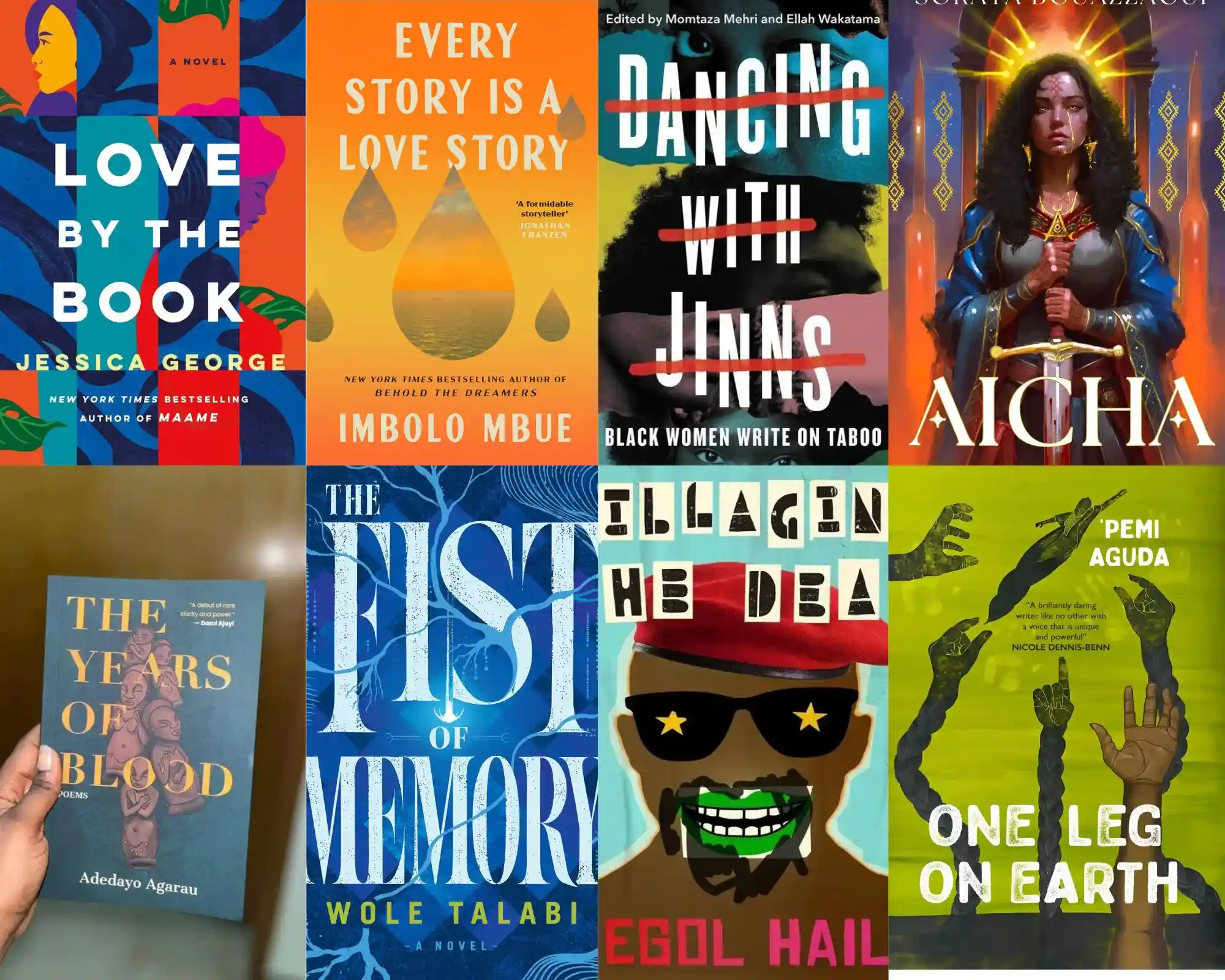
Don’t always go for the international bestsellers. Search for books produced by Nigerians and other African publishers. There is a wide range of books, including fiction, history, essays, poetry, and modern literature books.
Try buying directly from publishers, authors, or authorised distributors. This can help you find new releases, get discounted prices, and support those involved in getting the books out there.
Not every book needs to be brand new.
Second-hand book stores, book sales, and reading groups can help you find older books for a more reasonable price. Just make sure the book is in good condition and all the pages are present.
Book fairs, literary festivals, and publisher-run sales often have discounted books. It’s a great way to find new authors and publishers.
If you aren’t going to read the book more than once, it can be cheaper to borrow. Book swaps and reading groups can help you swap books. If available, legally produced e-books can also be a cheap alternative to imported books.
We shouldn’t stop African readers from buying international books. Literature should be able to move around, and we should have access to stories from all over the world.
However, we shouldn’t be paying outrageous amounts for these stories.
Why is a continent full of talented writers so dependent on imported books?
A stronger publishing industry in Africa will help everyone. Authors who want to get their books out to a wider audience, publishers who want to create sustainable markets, and readers who want to get books for a lower price.
Maybe we shouldn’t look at not checking the price tag as the highlight of being a reader.
A strong book culture requires more than just book lovers; it requires an industry that can get the actual books into their hands.
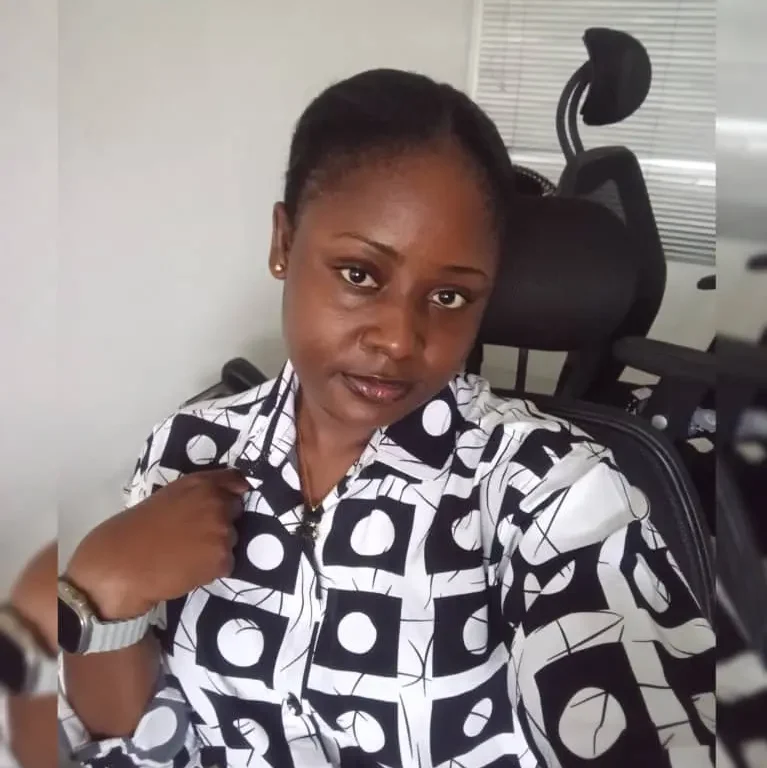
Hi I'm Tega, I am a microbiologist with a lifelong passion for reading, I fell in love with books as child (where I was briefly obsessed with Enid Blyton, lol) reading is simply my escape and hobby and sometimes doubles as therapy for me . My favorite genres are African lit, historical fiction, memoirs/biographies and fantasy. I do beta reading and post book reviews which you can check out on my Instagram @ te_ga_o.
Fatima Bala Honoured With TFAA’s 2026 Prize for Literature
Thuso Mbedu as Zélie: A Casting Choice or a Cultural Conversation?
Why Greek Mythology Keeps Returning in Modern Fantasy
Tomi Adeyemi Calls the Children of Blood and Bone Film ‘Made for All of Us’, Months After Distancing Herself From It
Lagos Book & Art Festival 2026 Opens at Freedom Park With ‘Repair’ Theme as CORA Turns 35
7 African Literature Books Set Outside Lagos and Abuja
10 Fantasy Characters Who Would Be Insufferable in Real Life
Superman vs Batman vs Wonder Woman
15 Underrated African Romance Authors You’re Missing Out On
MGM+ Greenlights The American Heiress, Starring Julianna Margulies
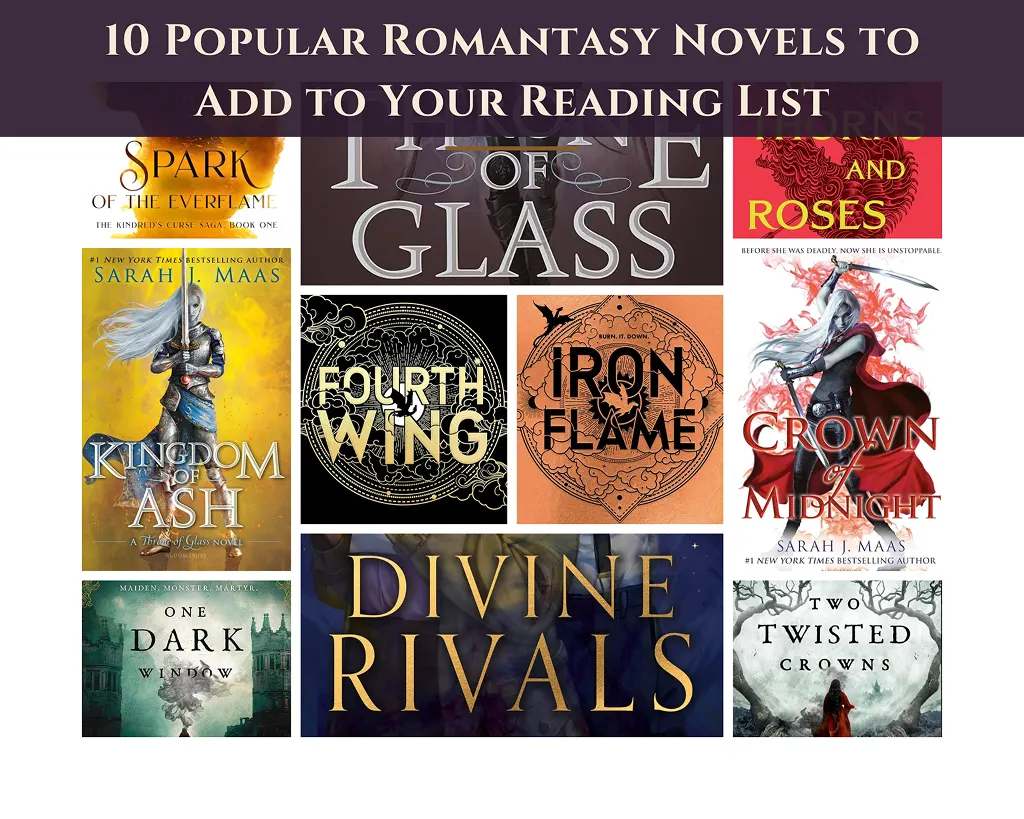
10 Popular Romantasy Novels to Add to Your Reading List
Netflix’s Icebreaker Adds Paul Wesley as Coach Faulkner as Filming Begins on Hannah Grace’s Hockey Romance
November 12, 2026 .
Lists, Romantasy
This list explores some of the most popular fantasy romance novels in the genre.
READ MORE
November 13, 2026 .
Essays
Do we forever operate on the defensive, fingers perpetually pointed towards the dark deeds of neo-colonial contemporaries and their colonial forebears?
READ MORE
November 27, 2025 .
Debates
DC is great at making comics and animated movies, while the MCU has the upper hand in its cinematic aspects
READ MORE
November 11, 2026 .
Netflix, news
The Vampire Diaries star joins Daisy Jelley and Connor Simos in Netflix’s adaptation of Hannah Grace’s hockey romance, now filming in Vancouver.
READ MORE

January 20, 2026 .
Netflix, Sci-Fi, Stranger Things
Stranger Things was always about 80s kids growing up while fighting monsters, and those callbacks to their younger selves were genuinely moving.
READ MORE
June 3, 2026 .
African Literature, publishing
READ MORE

August 6, 2026 .
African Literature, publishing
The new $500 prize invites unpublished short stories on the theme of “Inheritance” — submissions close August 31, 2026.
READ MORE
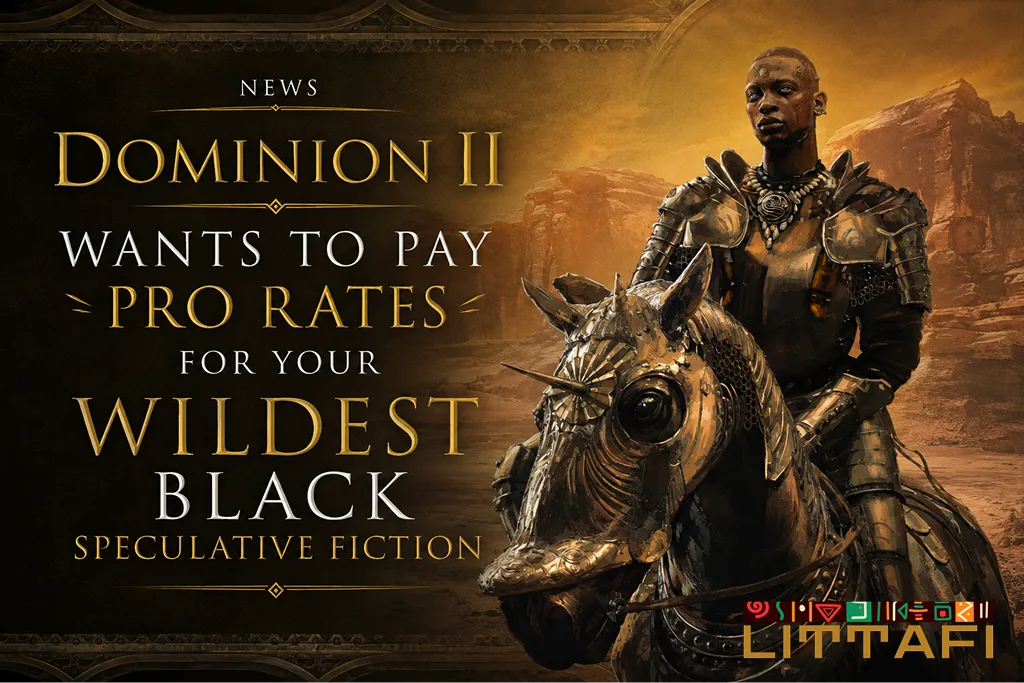
August 6, 2026 .
publishing, speculative fiction
If you’re an African or diaspora writer with a story that traditional publishing houses might deem “too strange,” “highly political,” or too “out there,” this is your call.
READ MORE
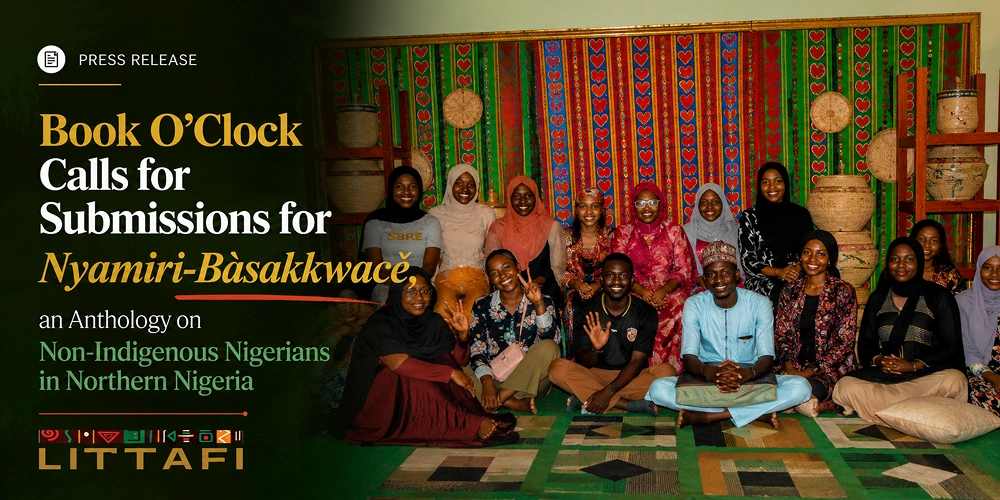
July 13, 2026 .
African Literature, publishing
A new literary collection from Book O’Clock invites essays, short stories, and poetry from Nigerian writers whose lives have straddled origin and the North.
READ MORE
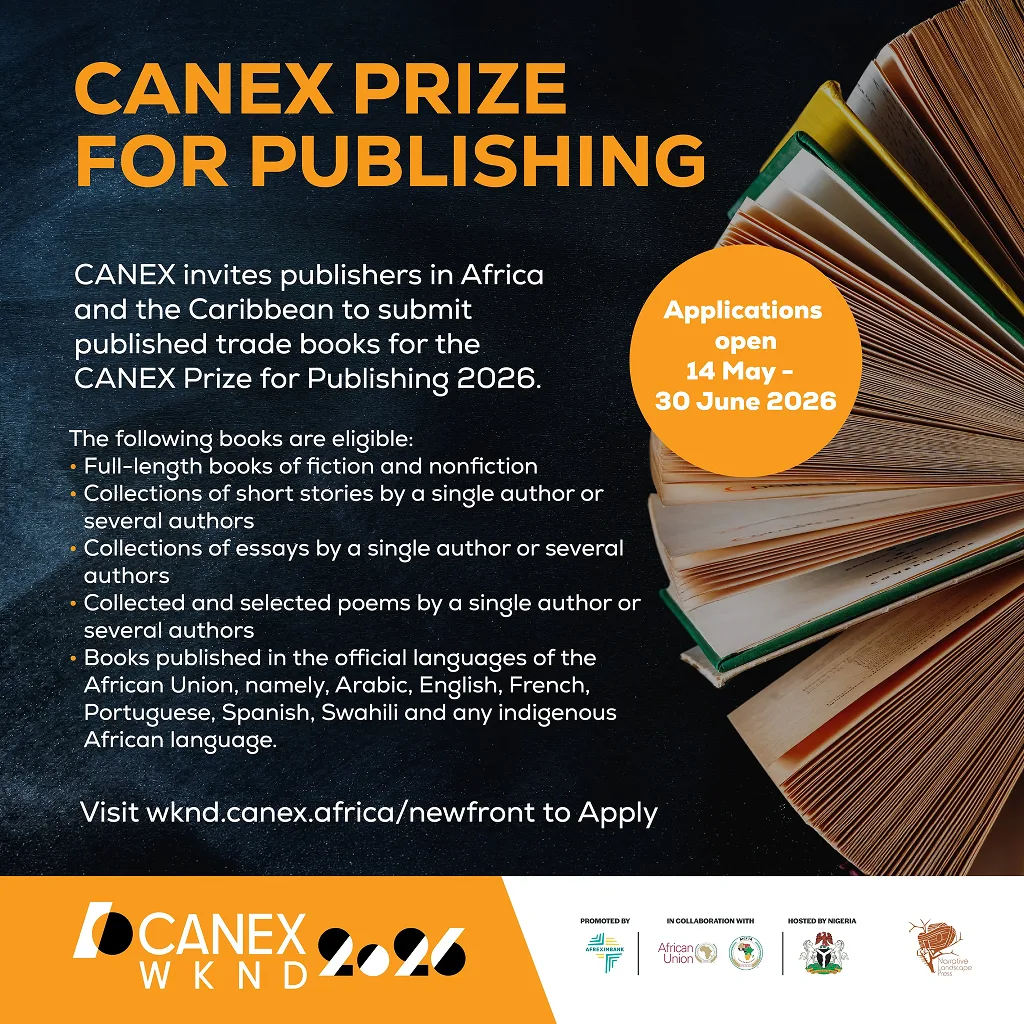
June 8, 2026 .
African Literature, publishing
Now in its third edition, the USD20,000 prize celebrates excellence in African and Caribbean publishing.
READ MORE
Get our magazine for free!