Close menu
Ranking the best of African Literature





















When a story is finally complete, it prompts the great challenge: traditional publishing vs. self-publishing.

When a story is finally complete, a feeling of relief settles over the body. Finally, the hours of staring at blinking cursors, doubting sentences, and changing character names for the tenth time pay off.
Then a different feeling creeps in, a quiet pause, and the recurring question: What comes next? It prompts the great challenge: traditional publishing vs. self-publishing.
Traditional publishing offers the support of an established system, complete with agents, editors, and the steady process toward a finalized release.
In contrast, self publishing is more immediate, direct, and uncontrolled. Self-publishing gives full control without waiting for approval or dealing with gatekeepers.
Some swear the traditional route is the only real mark of success. Others say self publishing gives provides immesurable freedom. The result is trying to figure out which works best per individual. It’s a decision every writer faces.
However, to adequately select the right home for a manuscript there needs to be an understanding of the intricacies involved in the mainstream publishing routes.

Traditional publishing is often seen as the classic route to literary success. It involves submitting a manuscript to an agent or publisher and, if accepted, having it marketed by professionals.
People love to complain about gatekeepers in traditional publishing vs self publishing, but in the right situation, they become a kind of support system. Agents fight for better deals. Editors sharpen the story. Marketing teams think about angles most writers wouldn’t bother with.
There’s a whole crew working toward the same book. That validation carries weight, because an acceptance from a publishing house still signals to bookstores, reviewers, libraries, and even some readers that the work has “passed the test.”
A book going through a traditional house usually ends up feeling… groomed (in the best way). The changes include clean edits, thoughtful pacing, and a cover that doesn’t scream “made in Canva at 2 AM.” It’s like handing a messy draft to a team that actually enjoys polishing things.
This is one of the biggest draws. Traditional publishers have established networks to get your book into brick-and-mortar bookstores, libraries, physical retailers, and sometimes foreign markets or rights deals. That kind of reach is hard to replicate as a self-published author.
There’s also the prestige factor. Having a recognized publisher’s name attached can bring legitimacy, media attention, and access to awards or industry reviews that are harder to get when publishing independently.
Traditional publishing sometimes comes with an advance, some paid up front, even before sales begin. The publishing house covers costs like editing, cover design, printing, and distribution. There is no need to pay out-of-pocket to complete the publishing process.
But even here, the royalty rates tend to be low (often in the ballpark of 10–15% for print, small-ish percentages on ebooks depending on contract).
And royalties often start only after the advance is “earned back.” That means if sales don’t hit a certain threshold, additional royalty payments may not come in.
Traditional publishing can be slow. From manuscript acceptance to final publication often takes 12–24 months, sometimes longer. Editors tinker, covers are designed, marketing plans drawn up, and printing scheduled. That can be frustrating if the author is in a rush for the manuscript to be released, but it also gives time for quality control, positioning, and build-up.
But the drawn-out process also means longer waits for feedback, slower revenue, and delayed momentum, which isn’t always ideal for writers in a rapid-fire creative flow.

Now that we’ve seen what traditional publishing has to offer, it’s time we also see what self-publishing has to offer. Self-publishing is a modern alternative that is more hands-on.
With self-publishing, the author has a say in everything from the book production process (editing and cover design) to pricing and promotion, as well as the cost. This control matters, especially for writers with a very clear vision or for those telling unorthodox stories.
There’s no delay in self publishing. Once a manuscript is complete, polished, and sent out, the publishing process is complete in weeks or months, depending on the author’s readiness. That speed can be a significant advantage if the creative material is in response to a trend, or attempting to keep up momentum on a series. This is the thrill that traditional publishing will never offer.
Self-publishing royalty rates tend to be much higher than traditional deals. On many platforms, authors get 35–70% of sales, depending on format, price, and distribution method.
Because there’s no middleman cutting a large portion, a self-published author who sells moderately well might earn more than a traditional author, especially after accounting for the low royalty rates that are typical in conventional contracts.
With self-publishing, the author often retains full rights, meaning new versions can be re-released, translated, adapted, or remixed without needing a publisher’s permission. That kind of control is rare in traditional deals.
Instead of relying on a publisher to create buzz, authors build their own small ecosystems. Email lists. Reader groups. Social media pockets. It’s slower at first, but the connection can feel deeper and more solid than anything a marketing department could manufacture.
Self-publishing can work exceptionally well for niche audiences or genres that mainstream publishers might overlook. If a book appeals to a specific, passionate group, self-publishing may provide better odds than traditional rejection or forced edits.
Some surveys of independent authors suggest many earn more from self-published works than comparable traditionally published authors, particularly if they produce multiple titles and maintain consistent output.
Also, unlike traditional publishing (where one advance or one book deal might be it), self-publishing allows the author to build their catalog gradually, with no gatekeeper to reapprove their second or third book.
It is easy to treat the whole conversation like a battlefield, but the lines blur more than we care to admit.
Many successful writers use hybrid publishing, mixing traditional and self-publishing depending on the project. For example, a writer may self publish a niche nonfiction book while pursuing traditional publishing for a novel.
Some authors start indie to build an audience, then land a traditional deal. Hybrid approaches combine the strengths of both worlds: creative control and speed from self-publishing, with the prestige and support of traditional publishing.
At the end of the day, the reader relationship is what carries everything. Whether a publisher curates that connection or the author builds it themselves, the story only lives when someone is turning pages.
Editing, design, and marketing matter everywhere. Traditional authors get the in-house version, while self published authors build a freelance support. Different routes, same expectations.
Choosing the right path depends on your goals, resources, and personality. Ask yourself:
There is no one-size-fits-all answer. Understanding the pros, cons, and realities of each option empowers you to make a choice aligned with your writing career.
It’s not about traditional publishing vs self publishing. It’s about what feels sustainable, fulfilling, and realistic.
Some writers want structure, support, stability, and are fine with handing over a portion of their royalties in exchange for services and reach. Others prefer autonomy, frequent releases, control, and are comfortable investing time and maybe money upfront.
Some crave validation and the prestige of a recognized publisher. Others care more about retaining rights, building direct relationships with readers, and owning their entire creative process.
The debate between these two paths ultimately reflects different ways to pursue the same goal: sharing stories with readers. As careers and ambitions evolve, so do the routes available. Choosing between them hinges not on superiority, but on which aligns best with the vision for the creative material.

15 Writing-Adjacent Careers for Writers Looking for a Career Change
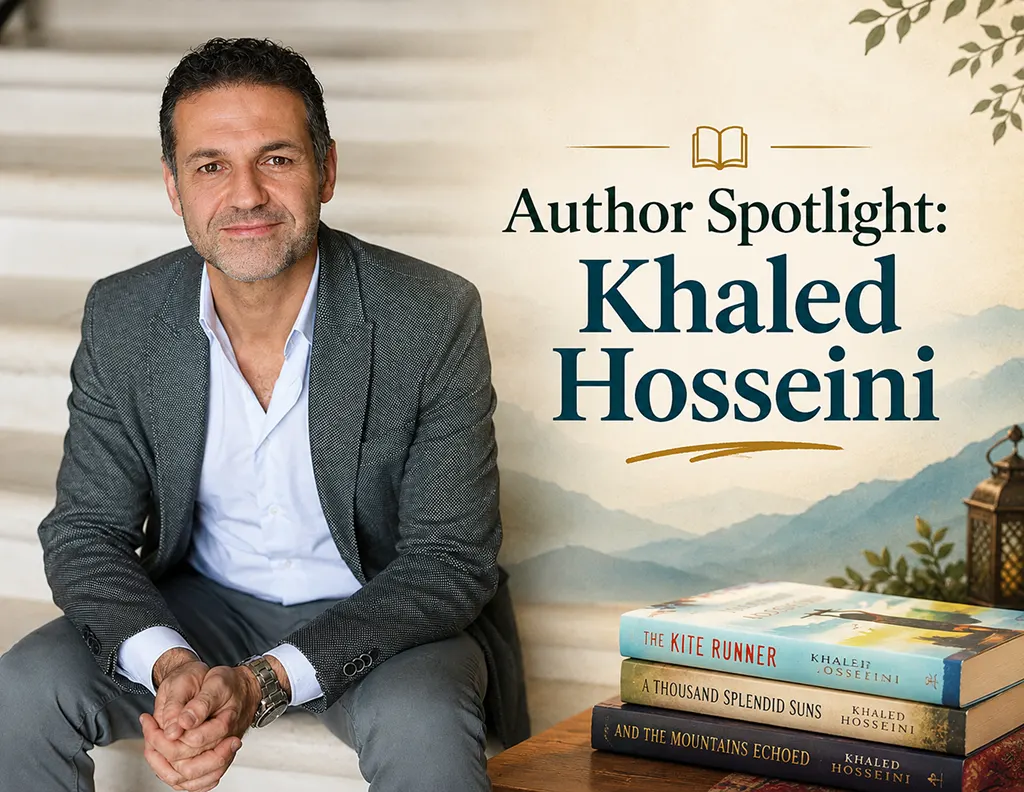
Authors Spotlight: Khaled Hosseini
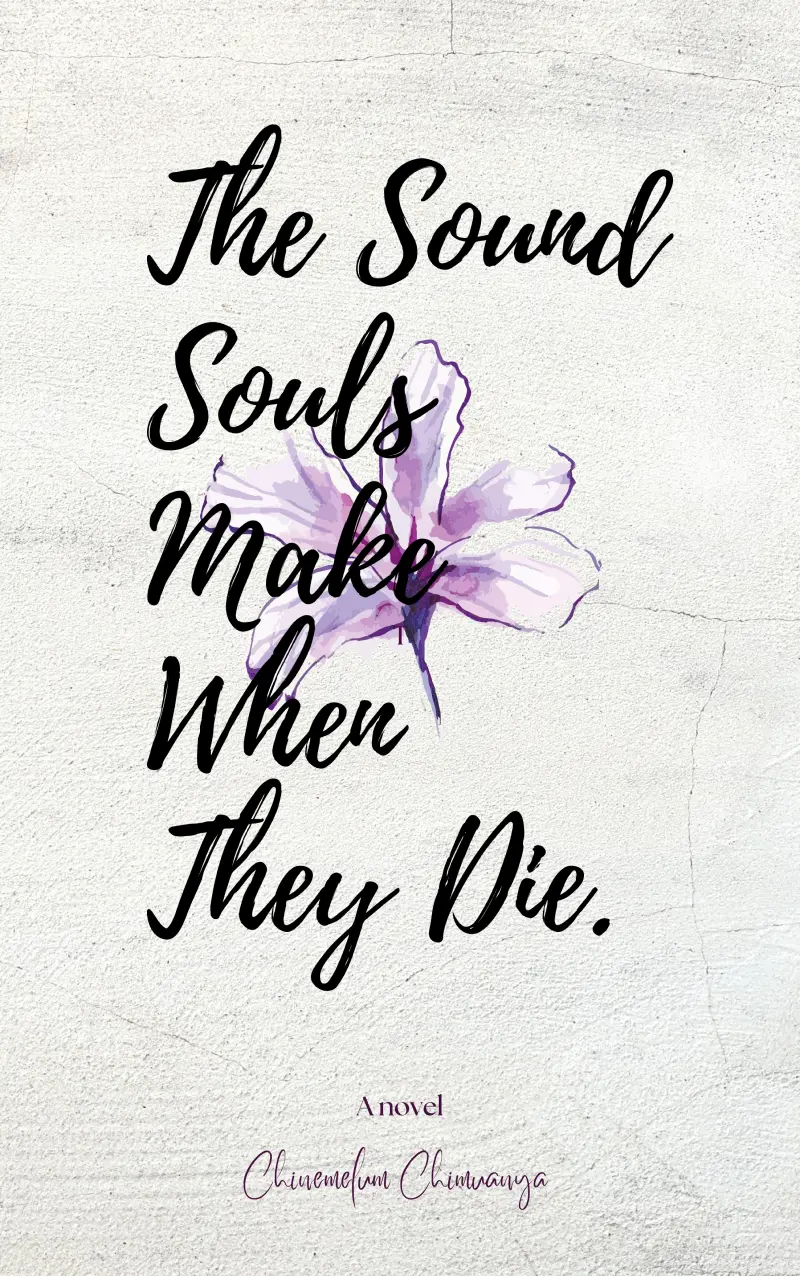
The Sound Souls Make When They Die by Chinemefun Chimuanya
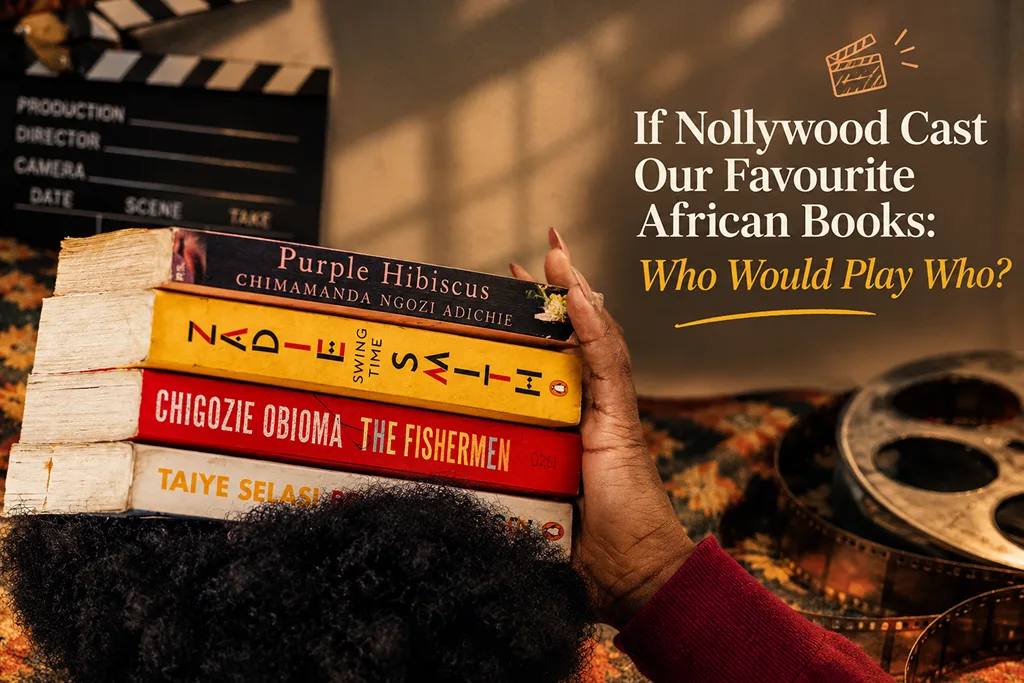
If Nollywood Cast Our Favourite African Books: Who Would Play Who?
Best Films About Unexpected Age Gap Romance
Literary Awards and the Racism Card: A Wake-Up Call for Black Africa
Interview with the Vampire Relationships, Ranked
10 Top Recent Films for Action and Comedy Fans
Comma Rules Every Writer Should Know
10 Most Hype-worthy 2026 Book Releases (African Literature Version)
Five Gambling Films That Know the Bet Is Only Half the Story
Movies Where Poker Reveals Who a Character Really Is
July 20, 2025 .
Animation, Lists
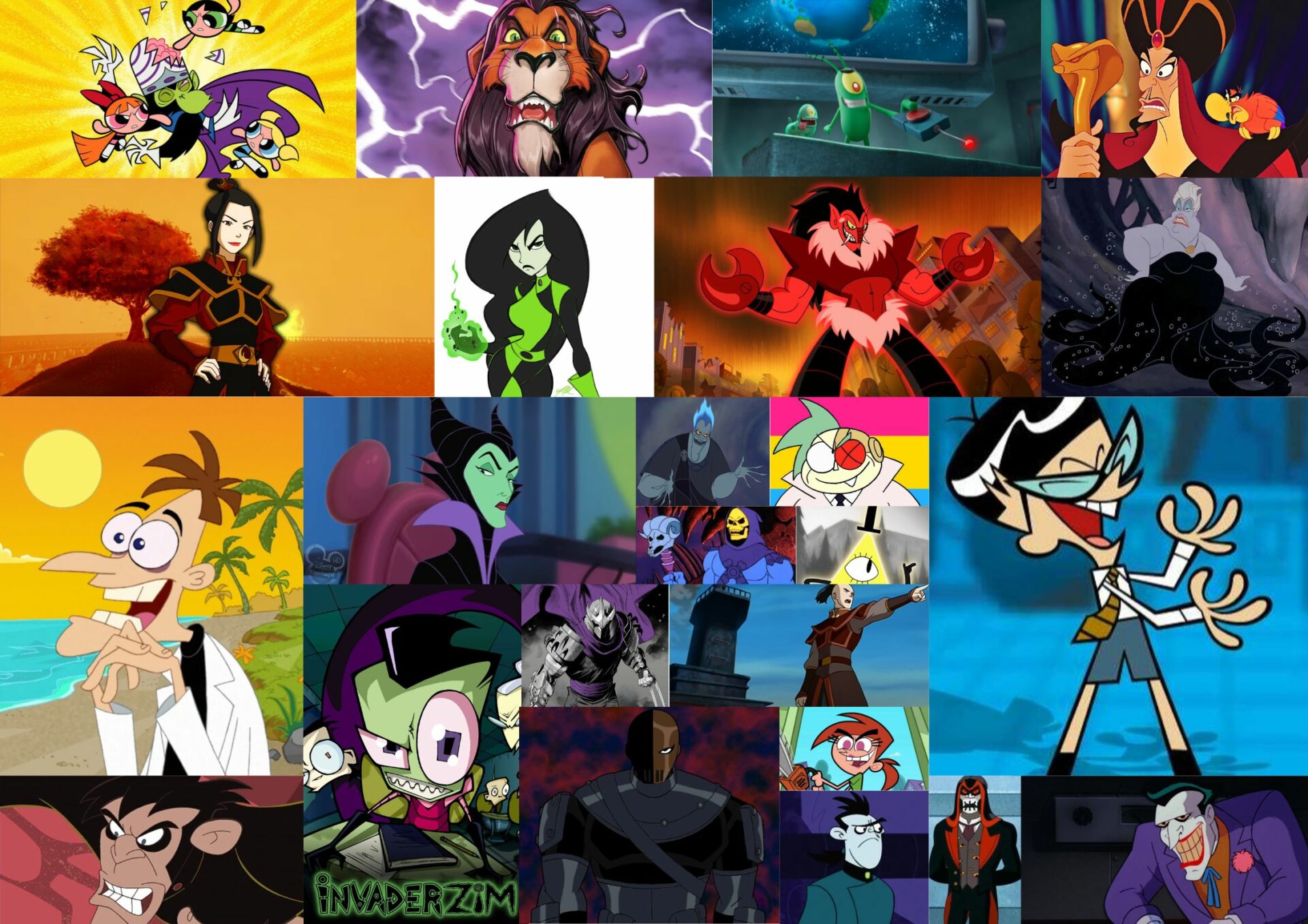
Our list rounds up the top 30 cartoon characters that were villains, each one more wonderfully wicked than the last.
READ MORE
November 27, 2025 .
Lists, Mythology
While this isn’t an exhaustive list, it comprises some of the most popular mythical creatures from around the world.
READ MORE
April 29, 2026 .
Lists, Opinions
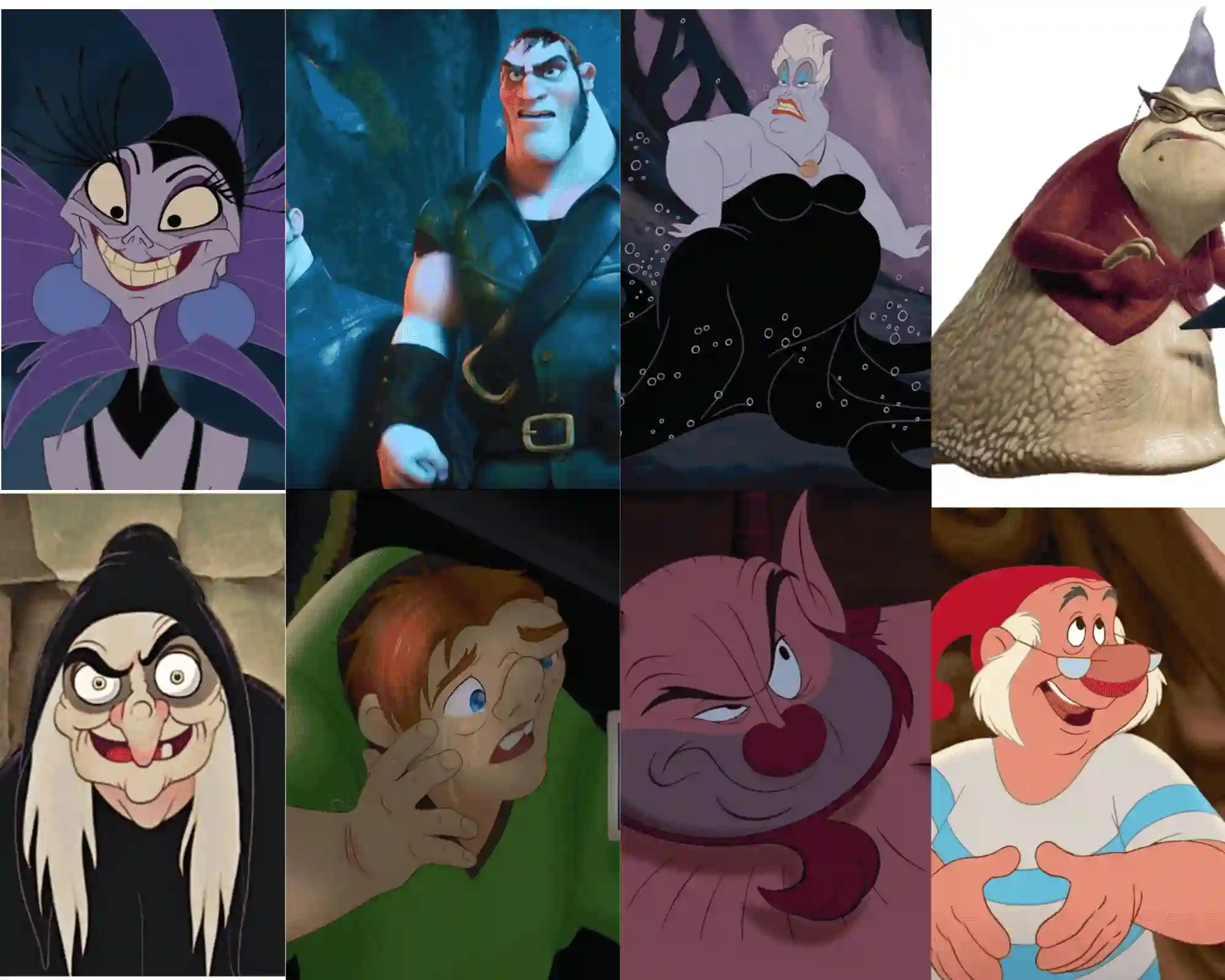
The Mouse is famous for its princesses and princes. However, the studio’s true genius lies in its embrace of “ugly Disney characters”.
READ MORE
October 28, 2025 .
Lists, Marvel, MCU, Opinions
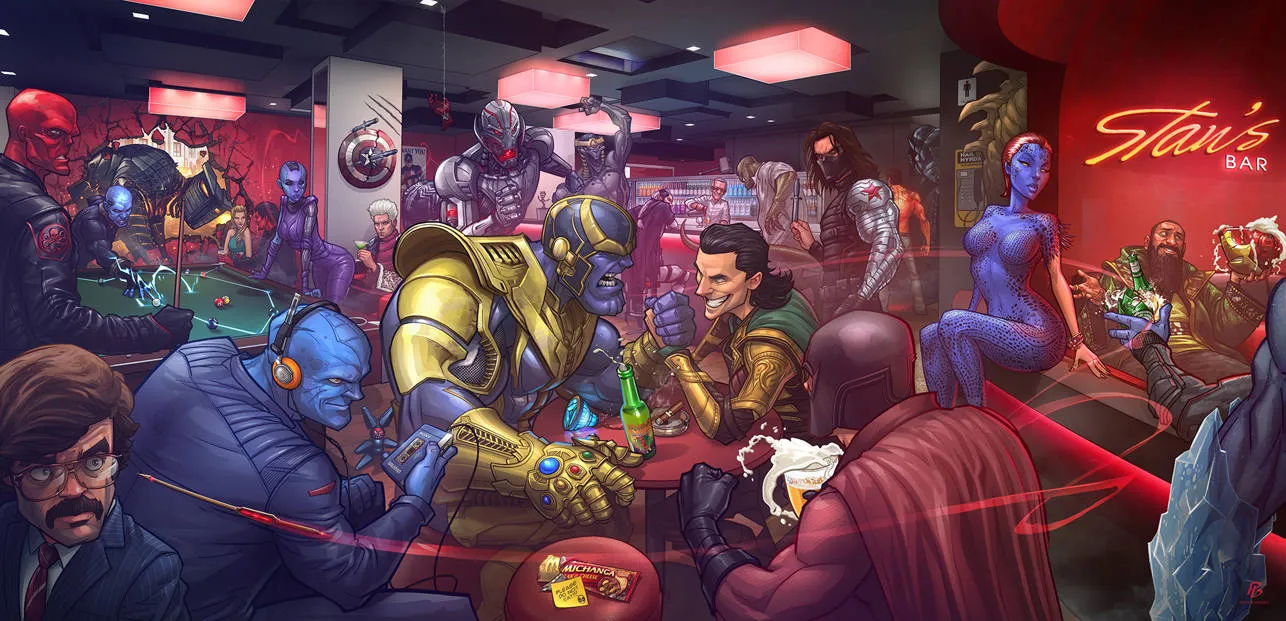
Let’s go through a list of the top 7 strongest Marvel villains, from the wickedly powerful to the absolutely unstoppable.
READ MORE
May 6, 2026 .
Lists, MCU
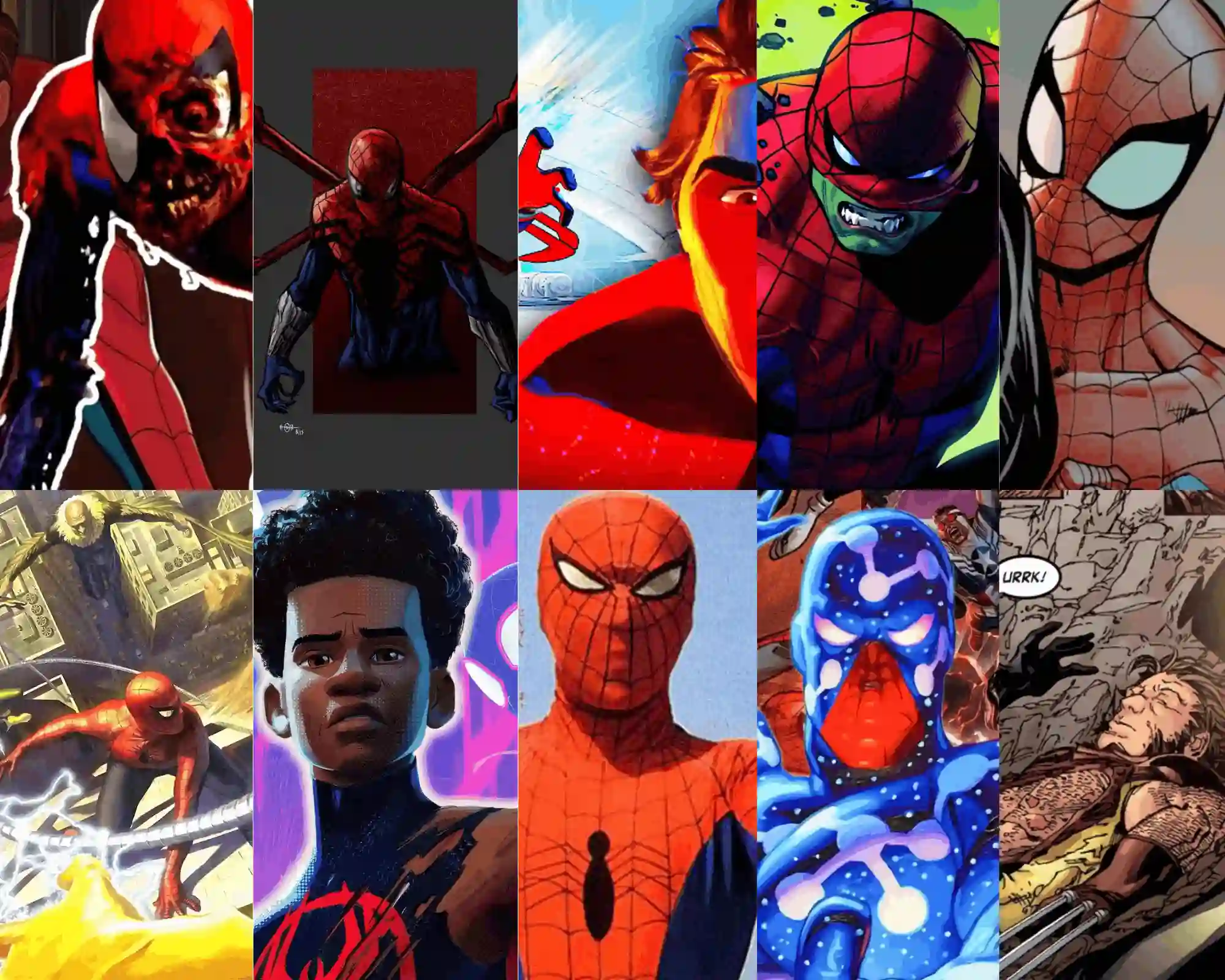
Spider-Man is one of the many superheroes from the Marvel Universe whose stories shaped many childhoods. Who is your strongest Spiderman?
READ MORE

July 20, 2025 .
Writer Resources
Discover the differences in First-Person Point of View and Third-Person POV, and how each impacts character connection and narrative style.
READ MORE
May 15, 2026 .
Writer Resources
The tension between writer-centered and reader-centered approaches defines how a story is told and who it serves.
READ MORE
October 22, 2025 .
Essays, Writer Resources
Ever found a book that looks like a comic but tells a complete, well-structured story? Congratulations, it’s a graphic novel.
READ MORE
June 26, 2026 .
Writer Resources
Writing starts with forming ideas, imagination, dreams, and thoughts. And when these condense into a coherent progression, you have a plot.
READ MORE
May 10, 2026 .
Writer Resources
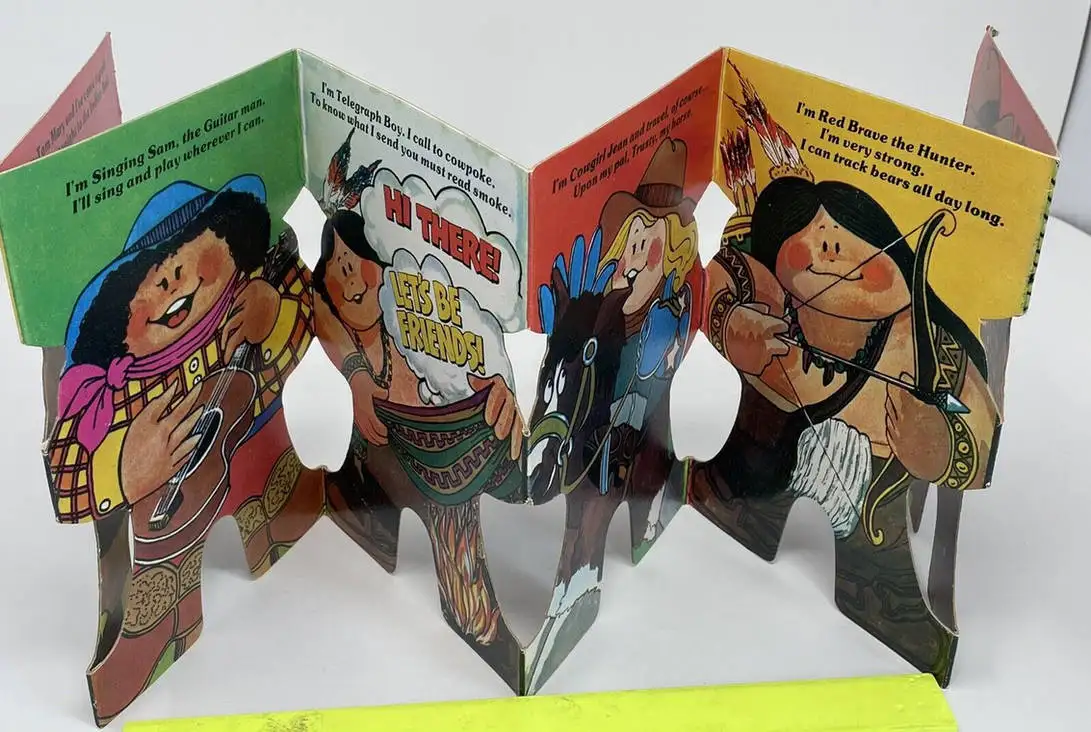
What is a board book, and how does it differ from others? Traditional publishing usually means novels, but published works span much more.
READ MORE
July 24, 2025 .
Essays, Writer Resources
READ MORE
February 8, 2026 .
Writer Resources
Breaking into traditional publishing can feel like decoding a secretive industry. This guide is a resource for finding the right agent.
READ MORE
February 28, 2026 .
Writer Resources
There are three paths in book publishing: traditional, self-publishing, and hybrid. The current focus is on traditional publishing.
READ MORE

July 20, 2025 .
Writer Resources
Today, writers are needed who combine creativity with technical expertise, professionalism, and adaptability.
READ MORE
Get our magazine for free!