
Menu




















































There was a time when the scariest thing about Nigerian secondary school was what supposedly happened after lights out.
There was a time when the scariest thing about Nigerian secondary school life wasn’t a difficult exam, a wicked senior, or the risk of getting caught breaking a school rule.
It was what supposedly happened after lights out.
Every hostel had its legends. Some came from senior students, others from new students who had transferred from different schools.
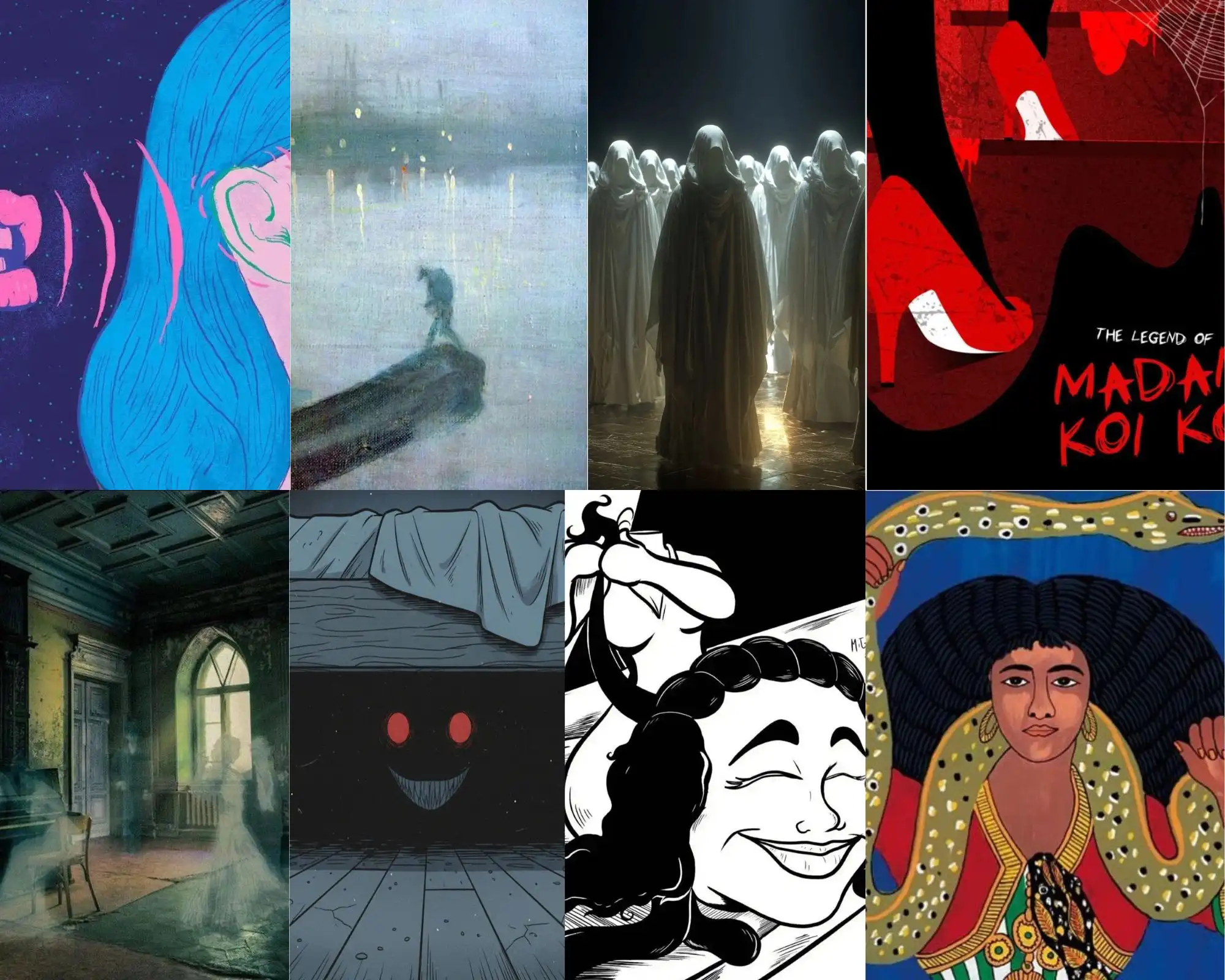
A mysterious woman wearing red heels could be walking through the corridors. A baby could be crying somewhere in the bushes. A girl could be sitting on her bed, holding her own head while plaiting her hair.
And if somebody heard a strange noise outside, a supernatural explanation was always waiting.
These tales were practically another part of the Nigerian secondary school curriculum.
Nobody taught anyone during lessons, but they travelled from one generation of students to another.
Some even had sequels, alternative endings and characters who seemed to appear in every school.
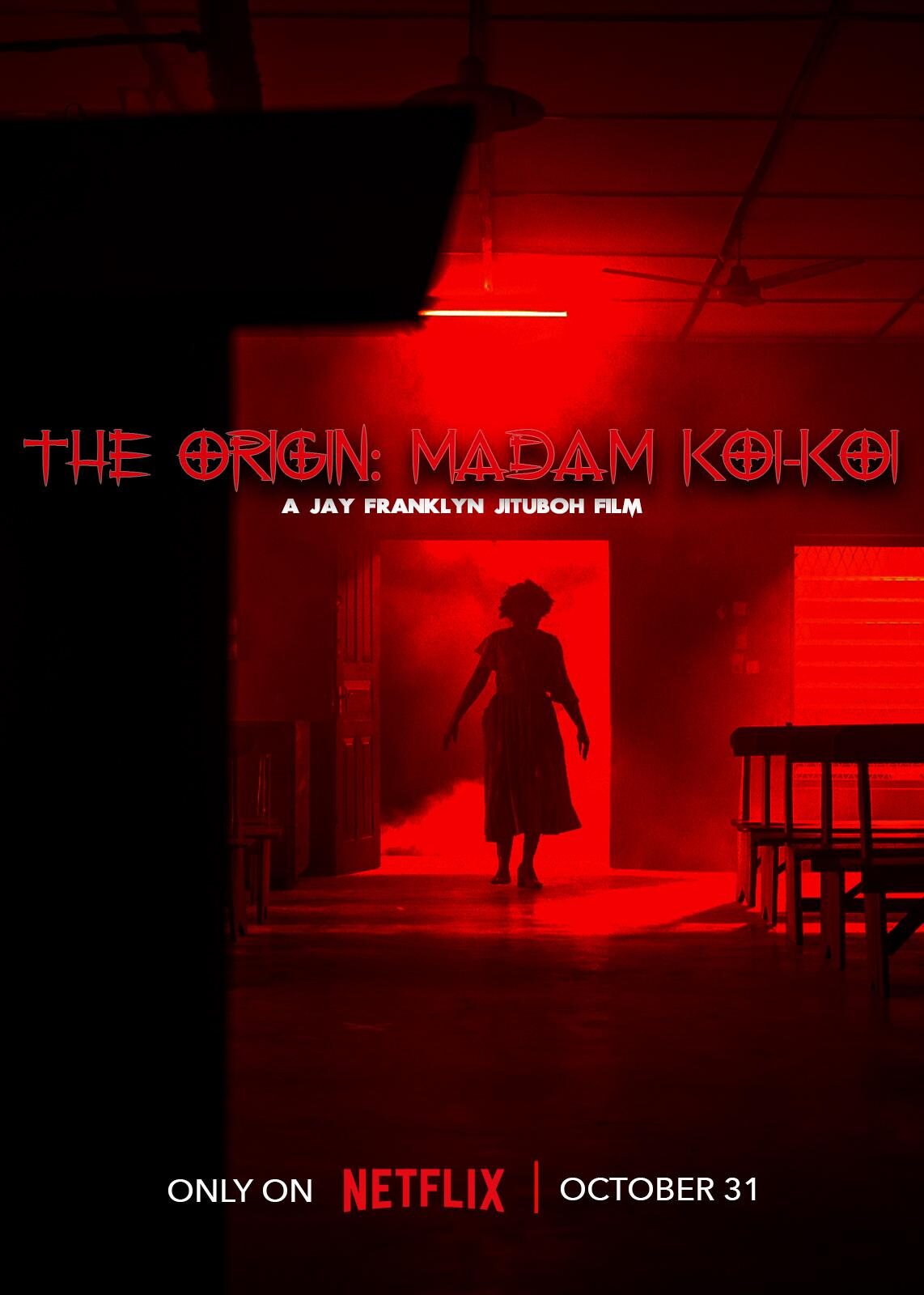
Every Nigerian secondary school folklore collection must begin with Madam Koi Koi.
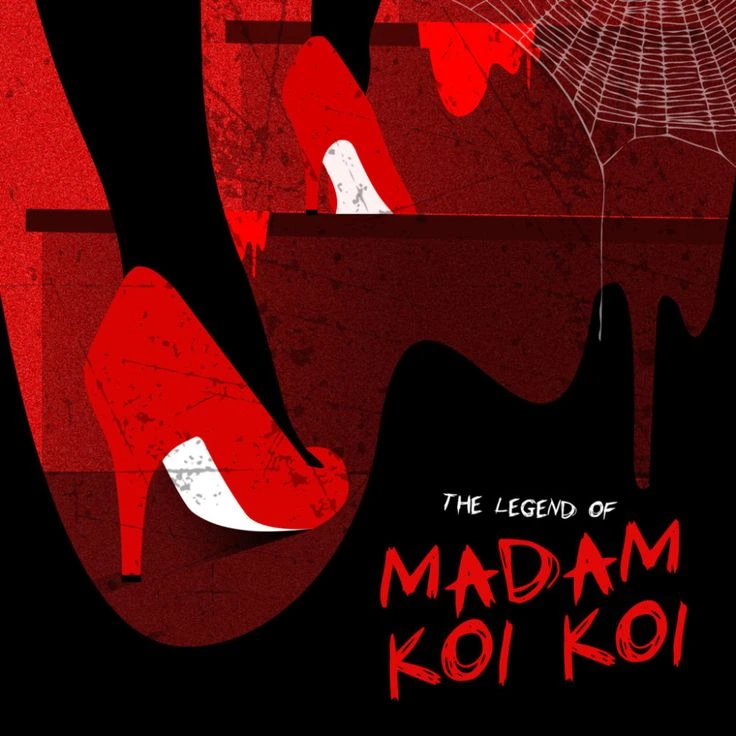
She is practically the leading character, and her reputation has survived generations of students.
The familiar story involves a beautiful but wicked female teacher who loved wearing red high heels.
Her shoes made a distinctive sound whenever she walked through the school corridors, earning her the name Madam Koi Koi.
Her supposed history varies between accounts.
In one version, she was dismissed after injuring a student and later died in a road accident.
Another claims that students attacked and killed her after enduring years of cruel treatment. Whatever the circumstances, her spirit supposedly returned to haunt the school.
The sound of her heels announces her arrival. Koi koi. Koi koi.
Students supposedly hear the footsteps moving through corridors and around dormitories after lights out. Some versions also place her near school toilets, making an ordinary midnight bathroom visit considerably less appealing.
The interesting thing is how much the story changes from school to school.
Everybody seems to have a version, and somebody always knows someone who attended the particular school where the incident supposedly happened.
The Bush Baby legend played on one of the easiest ways to attract somebody’s attention: the sound of a child crying.
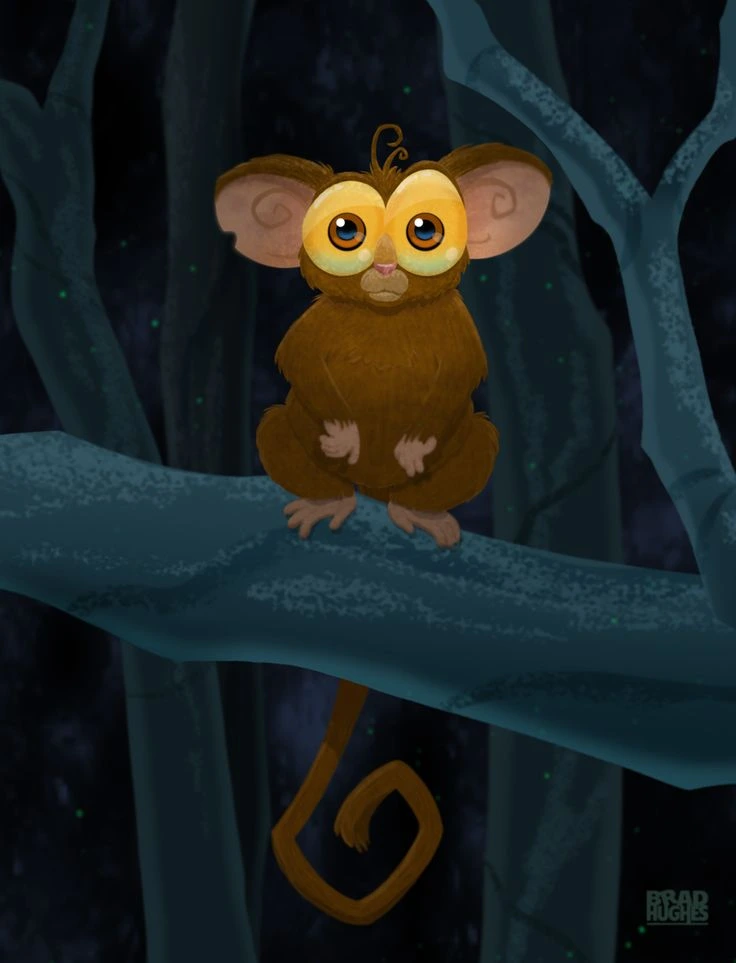
Students were warned about a creature that imitated an infant’s cries. It supposedly hid around bushes and isolated parts of the school compound, calling out to anybody unfortunate enough to hear it.
Anyone who went looking for the crying child risked disappearing.
Some versions introduced a rather unusual incentive. The creature carried a mat that could supposedly bring wealth to whoever managed to possess it.
Unfortunately, getting the mat involved a dangerous encounter with its owner.
This detail resembles Egbere, a figure in Yoruba folklore associated with a small, weeping spirit and a mysterious mat believed to bring wealth.
The school legend therefore draws on an older tradition rather than existing entirely within boarding school storytelling.
Interestingly, bush babies are also real African primates.
These nocturnal animals have large eyes and distinctive calls. However, no established connection links the animals to the supernatural creature described in the hostel stories.
Rebecca, also called Oroma in some versions, had hair that drew attention in the hostel. Her plaits were always neat, and nobody seemed to know who made them.
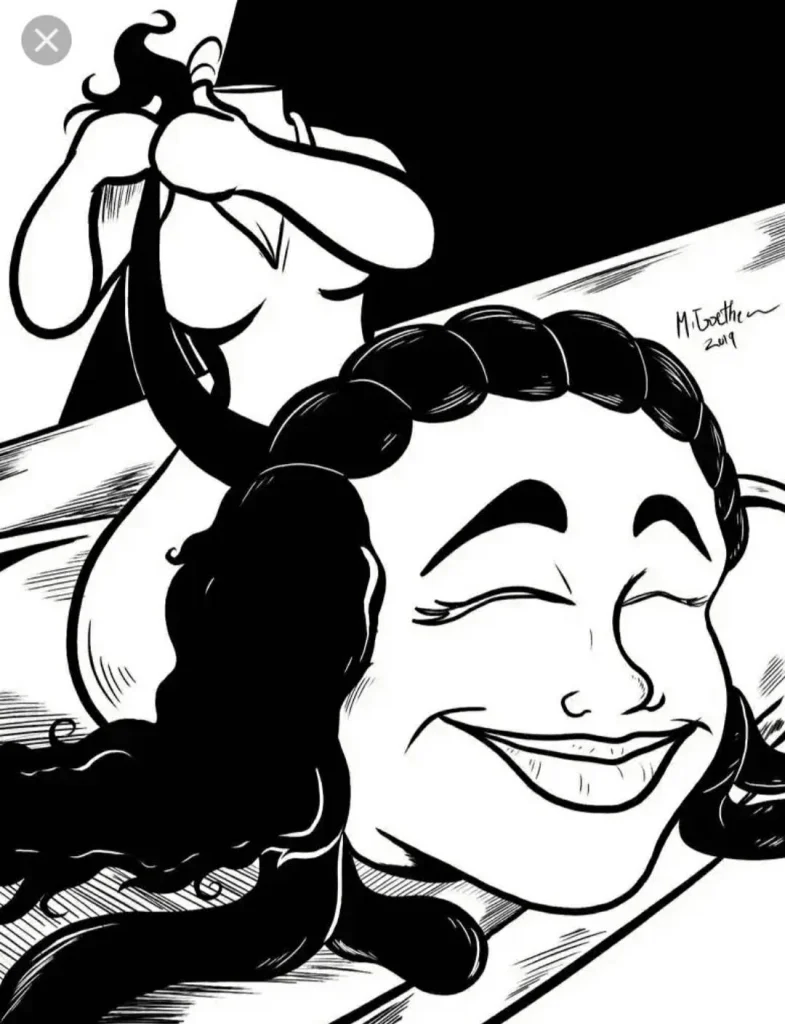
Her roommates supposedly kept asking about her hairstylist, but she refused to say who it was.
The mystery continued until one night, when a roommate woke up and discovered Rebecca holding her own head while plaiting its hair.
The girl was apparently sitting there with her head detached from her body. It is one of the more bizarre tales in boarding school folklore, particularly because its horror comes from an ordinary hostel activity.
What begins as curiosity about somebody’s neat hairstyle ends with an encounter nobody would want to explain the following morning.
Names and details vary across recollections, but the detachable-head revelation remains the legend’s defining feature.
Not every Nigerian secondary school legend needed an elaborate backstory.
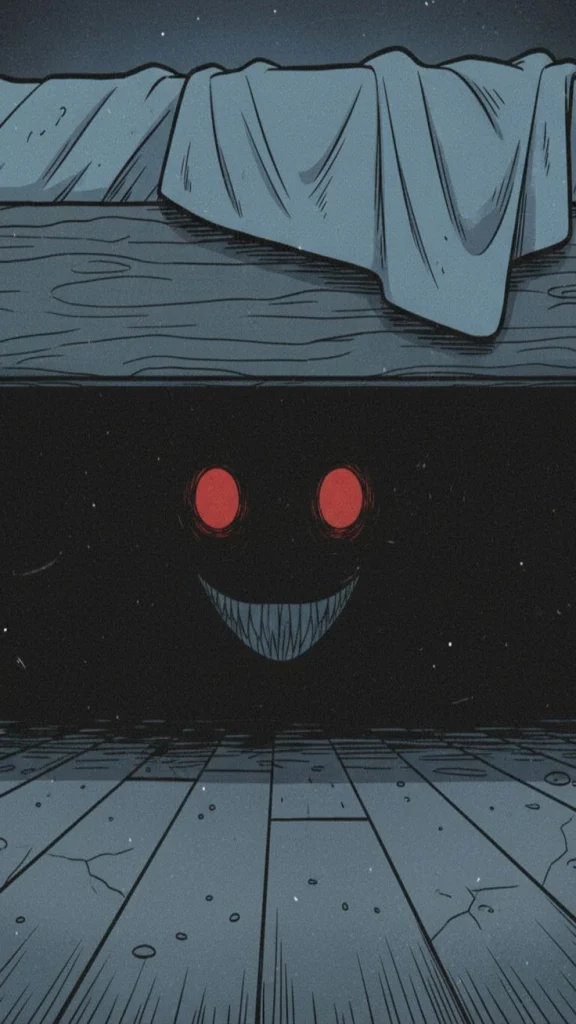
The Bunk Shaker proved it. According to the story, a mysterious presence visited hostels at night and targeted students sleeping on the upper bunks.
It began by gently shaking the bed, gradually increasing the movement until the occupant woke up.
The moment the student looked down to investigate, the creature supposedly pulled them off the bed and disappeared.
No one could consistently describe what the creature looked like or where it came from. Its entire reputation rested on making students suspicious of their sleeping arrangements.
Some hostel legends were frightening because their characters looked perfectly ordinary. The Men in White belonged to this category.
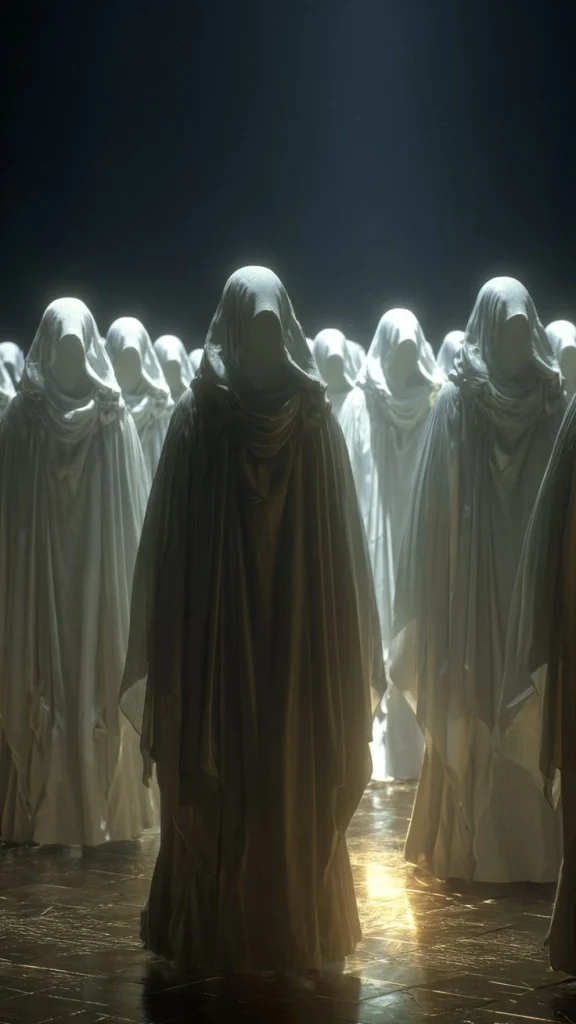
In one account shared by a former boarding school student, two men dressed entirely in white appeared unexpectedly. They tried to persuade the student to follow them to the toilet, but she refused.
A teacher standing some distance away caught her attention, and the strange visitors reportedly disappeared.
It is difficult to establish what actually happened, but the account captures the fear of encountering something that looks human but might not be.
The toilet also featured prominently in other hostel legends.
Between the long walk from the dormitory, poor lighting and warnings about strange visitors, it was hardly the most appealing destination after lights out.
Some Nigerian secondary school legends did not even require a mysterious character.
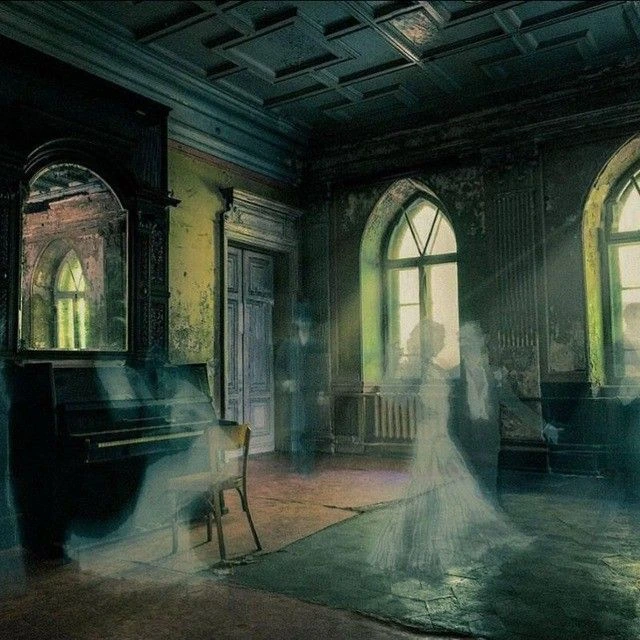
The building itself was supposedly responsible for the disturbance.
A former student recalled hearing that an assembly hall became active at midnight. Benches and tables allegedly moved around, crashing into one another as though an invisible group of people were rearranging the furniture.
The account appeared in Zikoko’s collection of boarding school horror stories, alongside other recollections from former students.
What makes this particular legend interesting is the setting. An empty hall, usually associated with school activities and morning assemblies, became the subject of frightening conversations because of what supposedly happened after midnight.
It is another example of how ordinary school buildings acquired supernatural reputations.
A classroom, hall or hostel block could become the centre of a legend without anyone having a convincing explanation for what happened there.
Whistling after dark was another activity surrounded by warnings.
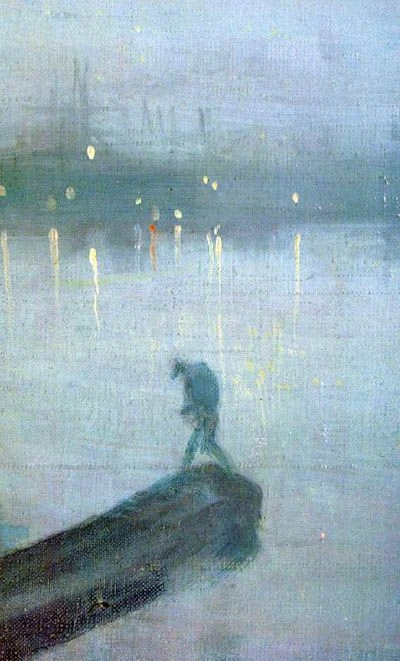
Depending on the community, people believed that whistling at night could attract snakes, spirits or other unwanted visitors.
Some versions suggested it could summon something from the darkness. These beliefs existed beyond boarding schools, but hostel life gave them a convenient setting.
A student who whistled after lights out could quickly become the subject of serious complaints from roommates uninterested in testing the supernatural theory.
In some communities, the warning went beyond attracting spirits. People also associated nighttime whistling with calling out to unseen beings or inviting unwanted attention.
Such beliefs gave hostel seniors another reason to discourage the habit.
The funniest part was that nobody wanted to be the one to find out whether the warning was true. One unnecessary whistle could leave an entire dormitory listening for a response.
Mami Wata is one of the most recognisable figures in African supernatural storytelling, although her history extends well beyond Nigerian secondary school folklore.
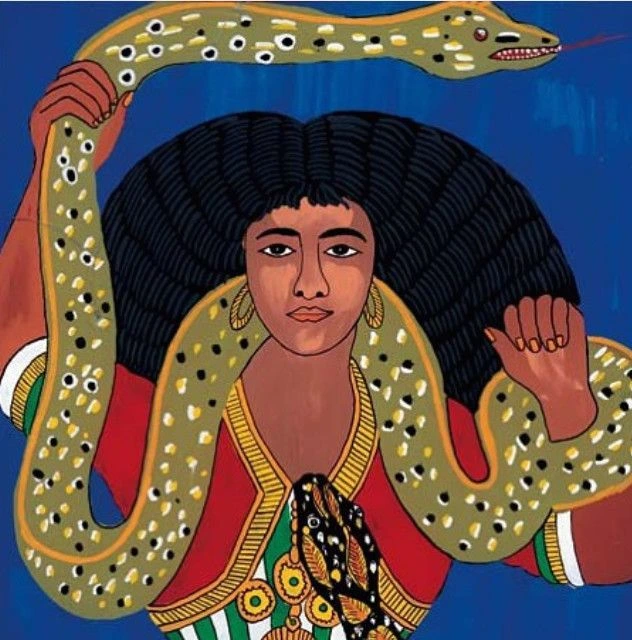
She is a powerful water spirit recognised across different African communities. Her representations vary, but she is commonly depicted as a beautiful woman, sometimes with a fish’s tail and snakes.
The Smithsonian’s National Museum of African Art explains that a nineteenth-century German image of a female snake charmer influenced modern representations of Mami Wata.
The image circulated widely in western and central Africa, where communities adapted it to existing beliefs about water spirits.
In southeastern Nigeria, particularly among the Anang and Ibibio, Mami Wata also became associated with wealth and healing.
The version students heard was usually less concerned with her cultural significance. Mami Wata was presented as a beautiful woman who appeared around rivers and other bodies of water.
She supposedly attracted unsuspecting people before drawing them into the water.
For children growing up in Nigeria, these warnings provided another reason to avoid swimming in unfamiliar places. The possibility of encountering a beautiful woman in the middle of nowhere was not particularly reassuring either.
However, Mami Wata should not be reduced to a dangerous mermaid. Her place in African spirituality is much more complex.
For many communities, she represents prosperity, healing and protection, alongside the dangers associated with water.
Boarding school provided an unusual environment for storytelling.

Students spent almost every day together, shared rooms and had limited opportunities to escape the company of their classmates.
New students also arrived steadily.
Every resumption brought people from different towns, states and family backgrounds. They arrived with their own childhood experiences, beliefs and supernatural tales.
A student might introduce a legend heard at home. Another might claim something similar happened at a former school. A senior would add a frightening detail, and before long, the story would become part of the hostel’s unofficial history.
As the tales travelled, their details changed. Characters acquired different names, incidents received alternative explanations, and some legends developed entirely new features.
This explains why two former students can remember different versions of the same supernatural encounter.
The school environment also made these stories easier to believe. Long corridors, isolated buildings, large compounds and poorly lit areas provided suitable settings.
An ordinary noise could become suspicious once somebody introduced a supernatural explanation.
Then there was the storytelling itself. Some students were exceptionally good at frightening their roommates. They knew when to lower their voices, when to pause and when to mention that the creature was supposedly standing outside the window.
The unfortunate listener would then spend the rest of the night trying to sleep without looking in that direction.
Many of these legends have survived long after the students who first heard them left school.
Some have found their way into Nollywood, social media and online conversations, while others remain familiar through personal recollections.
However, these legends did not all begin in school hostels. Some drew from traditional beliefs, others from religious interpretations, and several developed through modern urban storytelling.
Boarding school brought them together in one shared environment.
That is also why their details are not always consistent. One former student might insist that Madam Koi Koi had one red shoe, while another remembers two.
Someone might know Rebecca as Oroma, while another has never heard the name. The Bush Baby story might involve a mysterious mat in one school and a different encounter in another.
The differences are part of the experience. Nobody needed a single official version, and no authority was responsible for keeping the characters’ histories consistent.
Each school, hostel and generation had room to add its own details. In a way, that is what made the folklore feel like a universe rather than a collection of unrelated ghost stories.
Years later, the details might be a little hazy, but the characters remain familiar. They have become part of the memories shared by Nigerians who attended different schools and grew up in different generations.
And if a former boarding school student suddenly hears high heels approaching an empty corridor, Madam Koi Koi will likely still be the first person who comes to mind.

The Case for Copyright Leniency
Avengers Endgame Should Have Been Endgame
Netflix’s The Body: The Type of Psychological Thriller We’ve Missed
Why Are Books So Expensive in Nigeria? The Cost of Reading
Fatima Bala Honoured With TFAA’s 2026 Prize for Literature
Thuso Mbedu as Zélie: A Casting Choice or a Cultural Conversation?
Why Greek Mythology Keeps Returning in Modern Fantasy
Tomi Adeyemi Calls the Children of Blood and Bone Film ‘Made for All of Us’, Months After Distancing Herself From It
Lagos Book & Art Festival 2026 Opens at Freedom Park With ‘Repair’ Theme as CORA Turns 35
7 African Literature Books Set Outside Lagos and Abuja
10 Fantasy Characters Who Would Be Insufferable in Real Life
Superman vs Batman vs Wonder Woman
November 13, 2026 .
Essays
Do we forever operate on the defensive, fingers perpetually pointed towards the dark deeds of neo-colonial contemporaries and their colonial forebears?
READ MORE
November 11, 2026 .
Netflix, news
The Vampire Diaries star joins Daisy Jelley and Connor Simos in Netflix’s adaptation of Hannah Grace’s hockey romance, now filming in Vancouver.
READ MORE
November 16, 2026 .
African Literature, news
READ MORE

October 12, 2026 .
akefestival, nnediokorafor
Nnedi Okorafor found the calling to be a writer of the spectacular and the fantastic after she wrote her first ever story in the pages of a gifted copy of Isaac Asimov’s I, Robot
READ MORE

May 4, 2026 .
warriornun
They got my two favorite genres (fantasy and science fiction) and merged them. The result was an entertaining ten hours of world-building, character development, and badass fighting nuns.
READ MORE

July 20, 2025 .
Opinions
Book recommendations from random places don’t always cut it, and you often end up feeling unsatisfied with them.
READ MORE

July 20, 2025 .
Essays, Opinions
READ MORE

July 20, 2025 .
Essays, Opinions
READ MORE

September 11, 2026 .
Opinions
Book reviews aren’t just a jumble of words on how a book made you feel but also a veritable document that you can quickly refer to when your memories temporarily fail you.
READ MORE

July 20, 2025 .
Opinions
Reading hundreds of pages for a single book can be like facing Smaug, Chiefest of Calamities, but a short story is a small dragon that you can easily conquer.
READ MORE
July 20, 2025 .
Debates, Opinions
Reading nonfiction about what interests you can provide more color and context that might make your fiction reading experience more enjoyable.
READ MORE
September 12, 2025 .
Opinions
In a fast-paced world, reading asks us to slow down, surrender, and sit with another person’s words long enough for them to settle inside us.
READ MORE

November 24, 2025 .
Debates, Opinions
Reading is active while watching movies is passive. The act of turning pages creates a pause that enhances understanding.
READ MORE
July 26, 2025 .
Fantasy, Opinions
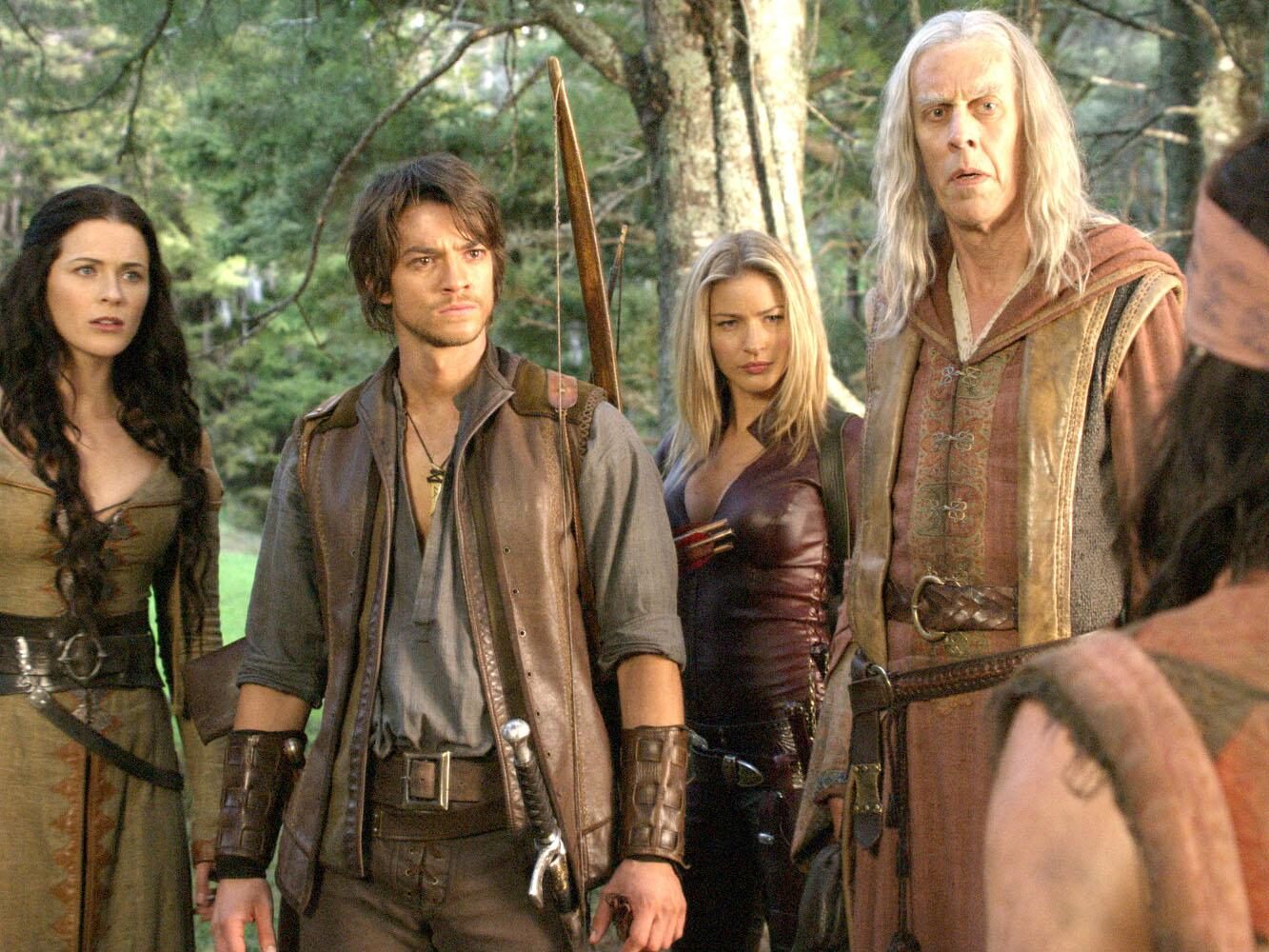
It’s cliche. But it’s rapid. It’s predictable. But it’s enjoyable. For lovers of the classic tropes, Legend of the Seeker is a worthy watch.
READ MORE

Get our magazine for free!