Close menu
Ranking the best of African Literature


































Every story has an origin. The author’s perspective shapes narratives, influences characters, and engages audiences.
Every story has an origin. Even the most imaginative literary fiction carries traces of its creator.
The author’s view shapes narratives, influences characters, and engages audiences. It isn’t necessarily the same as the narrator’s perspective, and a character’s opinions shouldn’t automatically be treated as the writer’s.
So, what exactly is an author’s perspective, and how does it shape contemporary literature?
Simply put, an author’s perspective is the worldview, experience, and value system that shapes how a writer approaches a subject.

It serves as a lens through which the story is told, affecting the plot. language, and conclusions. An author’s perspective, by contrast, is the underlying worldview of the creator.
Traditional literature frequently relied on an objective, god-like narrator who reported events with detached authority. Contemporary literature, by contrast, embraces radical subjectivity. Authors lean into the idea that no story is neutral.
Many Modern writers filter truth through a personal perspective. Different observers can describe the same concept in multiple ways.
With ambition, one writer might see ambition as liberation. Another might see it as destructive. A third might focus on the social structures that determine ambition.
It is tempting to think of perspective simply as an author’s collection of opinions.
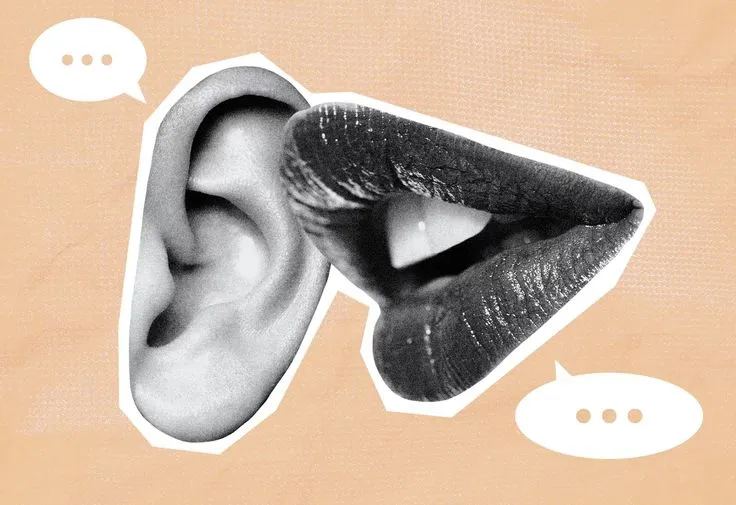
An opinion is usually a conscious position on a particular subject. Perspective, on the other hand, includes the less obvious assumptions through which people interpret the world.
A writer might consciously believe that all people deserve equal opportunities while unconsciously writing female characters who are consistently rewarded for being agreeable.
Similarly, they might want to create a morally complex antagonist while unconsciously making every villain from a particular social group cruel or manipulative.
A writer might intend to write a realistic working-class character but let personal assumptions about poverty shape how that character speaks, dresses, and behaves.
These contradictions matter for character development and story flow. Perspective operates both consciously and unconsciously. This is why self-awareness matters so much in writing. The beliefs deliberately placed into a story are only part of the picture.
Before going further, we need to make an important distinction. The author is not automatically the narrator. This sounds obvious, but it is one of the easiest mistakes to make when discussing perspective.
A novelist can write through the perspective of a character whose worldview is completely different from their own.
The first-person narrator saying, “I hated everyone in this town” does not mean the author hates everyone in that town. Likewise, a character expressing a politically controversial belief does not automatically turn the novel into a statement of the author’s political beliefs.
For writers, this distinction creates considerable freedom. A narrative does not have to become a direct transcript of personal beliefs. In fact, some of the richest stories emerge when the author’s perspective collides with their characters’ perspectives.
To truly see how an author’s perspective functions as a structural blueprint, we can look at how contemporary writers manipulate their worldviews to shape their narratives.
The distinction between a character’s limited point of view and an author’s overarching perspective is important. The two perspectives serve different purposes.
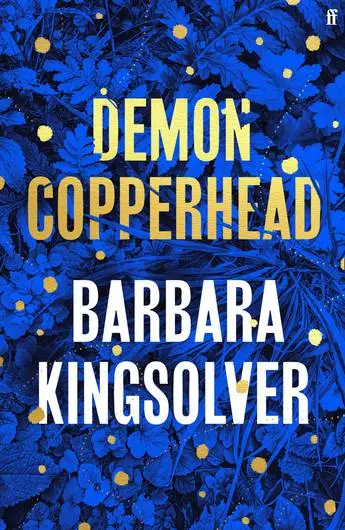
The hidden relationship can reveal what they fear and what they value. It can also reveal how far they are prepared to go for a life they have chosen.
Kingsolver’s perspective as a native of rural Kentucky anchors the book. She views the region through a deeply protective, empathetic, and politically conscious lens.
While Damon directly recounts the raw, immediate miseries of his lived experience, Kingsolver uses the narrative architecture to execute a systemic critique.
By intentionally placing Damon within the historical reality of the corporate marketing of OxyContin to rural workers, the author’s perspective frames the resulting opioid epidemic not as a collection of personal moral failures, but as targeted corporate warfare waged against a vulnerable community.
An author’s perspective also dictates which societal norms the story questions. It also shapes how the narrative evaluates marital conflicts.
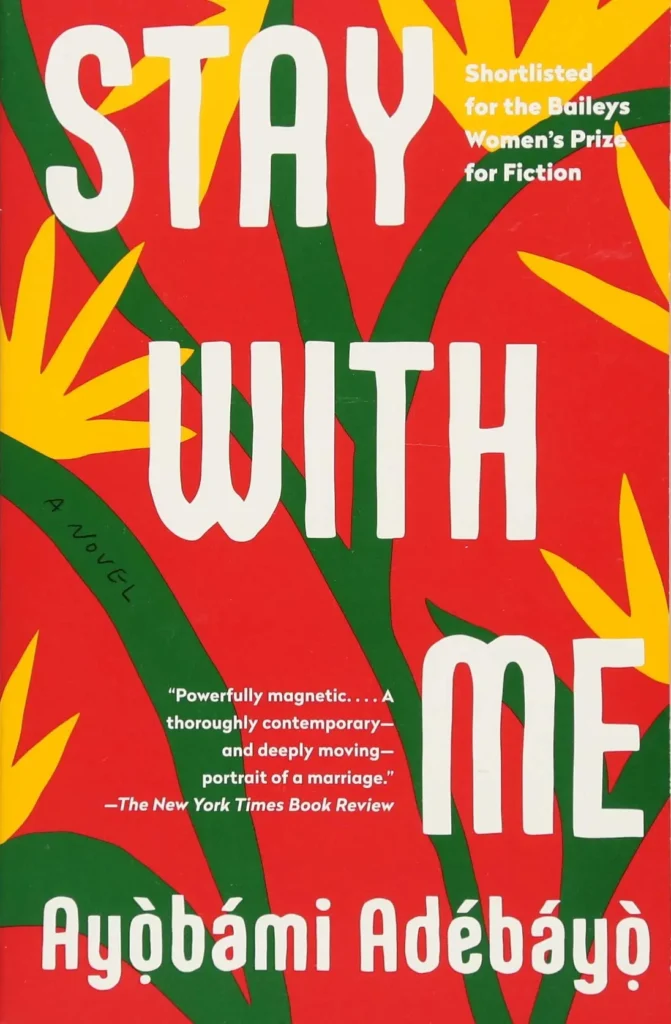
Adébáyọ̀ approaches her writing through an empathetic, critical feminist lens. The text focuses on the intense social, domestic, and psychological pressures placed on women.
Set against the backdrop of political turbulence in 1980s Nigeria, the novel follows Yejide and Akin, a couple facing severe interference from extended family because of childlessness.
Yejide undergoes a traumatic false pregnancy out of desperation, and later loses two consecutive children, Ayomide and Sesan, to the devastating realities of Sickle Cell Disease.
Rather than framing the conflict around the traditional tragedy of a woman’s barrenness, Adébáyọ̀’s perspective exposes the hidden layer of Akin’s impotence and the web of domestic deception designed to protect patriarchal pride.
She highlights how deeply ingrained societal expectations regarding fertility break women down, shifting the focus of critique from the individual characters onto the rigid cultural expectations themselves.
Sometimes, an author’s perspective deliberately challenges human-centric assumptions.
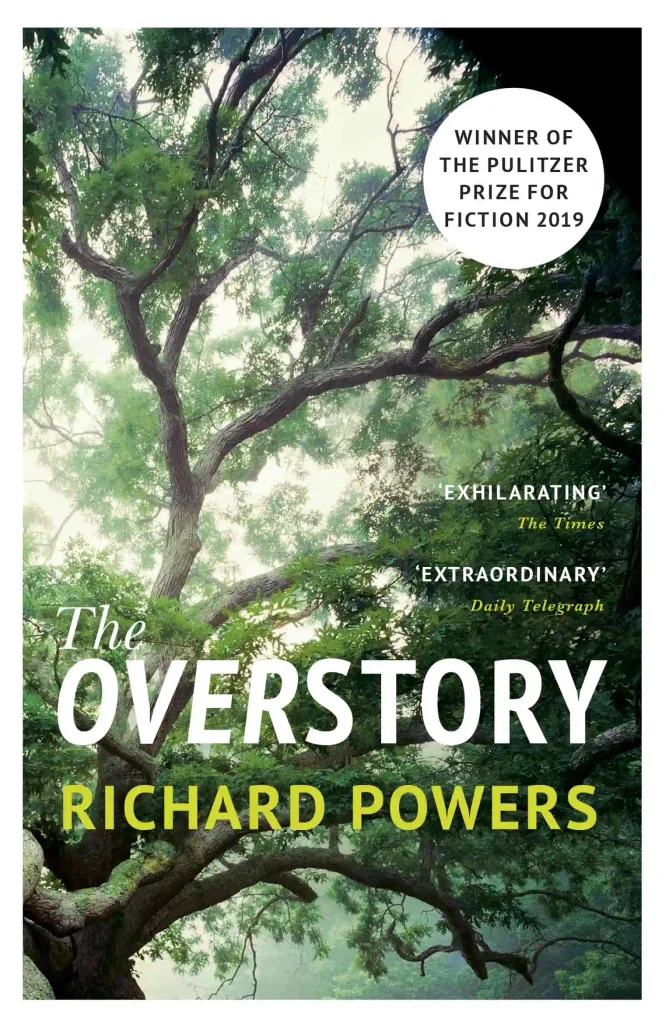
Powers looks at the world through an eco-centric, scientific lens that explicitly decenters humans, treating humanity as a brief, destructive flash in Earth’s long history.
The Overstory features nine human protagonists whose lives eventually converge during the Pacific Northwest timber wars, Powers’ perspective structures the novel strictly like a tree (Roots, Trunk, Crown, Seeds).
In the Roots section, Powers introduces human characters solely through their ancestral relationships with specific trees.
His narrative choices consistently prioritize the “agency,” communication networks, and deep-time survival of trees over standard human domestic drama, illustrating the perspective that humanity must adapt to nature’s timeline or face extinction.
When an author has spent decades as a political activist, political prisoner, and cultural critic, their perspective on contemporary society completely bypasses straightforward realism.
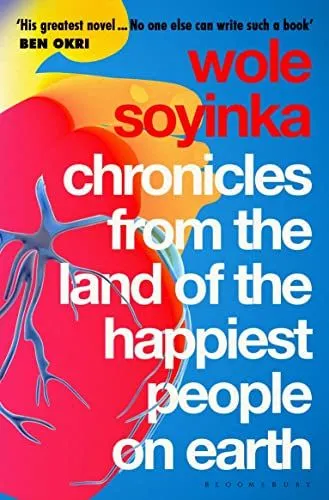
As a political activist and former political prisoner, Soyinka possesses a deeply critical, urgent, and fiercely defiant perspective against political corruption and religious hypocrisy in post-independence Nigeria.
The plot follows an idealistic student group, “The Gong of Four,” whose lives fracture in adulthood. When a political conspiracy assassinates prominent engineer Duyole Pitan-Payne, his closest friend, surgeon Dr. Kighare Menka, uncovers a horrific underground black-market syndicate called “Human Resources” that harvests and sells human body parts to the political and religious elite for ritualistic charms to retain power.
Soyinka uses this grotesque trade to directly satirize a real-world international poll that branded Nigeria among the happiest nations, using his authorial perspective to show how easily corrupt power structures literally and figuratively cannibalize their citizens.
A writer’s perspective need not be restricted to personal experience. Writers constantly imagine lives different from their own.
That is one of fiction’s great privileges. However, imagination requires research and humility. Writing about an unfamiliar culture, profession, disability, historical period or social experience without understanding its realities can result in misrepresentation.
Research can help, so can sensitive readers—conversations with people who have lived the experience and a willingness to revise assumptions. The objective is not to achieve some impossible state of perfect neutrality. It is to avoid treating assumptions as facts.
To prevent an author’s perspective from flattening a story into a simple black-and-white narrative, practice building valid, compelling arguments for opposing viewpoints.
If two characters are locked in an ideological struggle, write the scene in a way that gives both sides undeniable points of truth. When every perspective in a conflict feels fully realized and defended, the narrative transcends simple commentary and becomes genuine art.
Ultimately, understanding the mechanics of authorial perspective is quite doable. One does not need to invent a completely artificial, detached voice to write meaningful literature.
In fact, contemporary readers are actively looking for the raw honesty of radical subjectivity. A unique blend of culture, family history, personal anxieties, and societal observations is the greatest asset.

Best Films About Unexpected Age Gap Romance
Literary Awards and the Racism Card: A Wake-Up Call for Black Africa
Interview with the Vampire Relationships, Ranked
10 Top Recent Films for Action and Comedy Fans
Comma Rules Every Writer Should Know
10 Most Hype-worthy 2026 Book Releases (African Literature Version)
Five Gambling Films That Know the Bet Is Only Half the Story
Movies Where Poker Reveals Who a Character Really Is
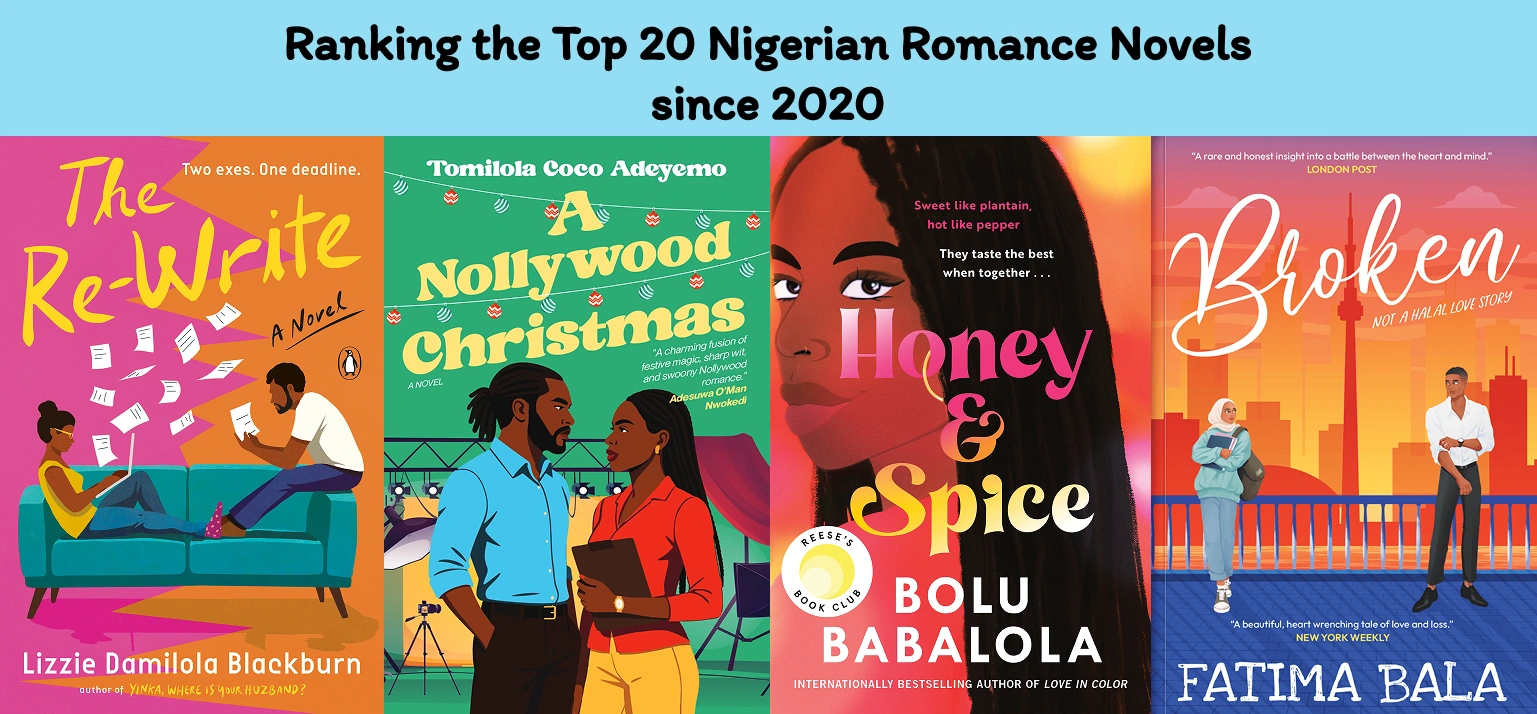
Ranking the Top 20 Nigerian Romance Novels since 2020
In Defense of Reading and Gaming
8 Third-Person Omniscient Examples for the Plot
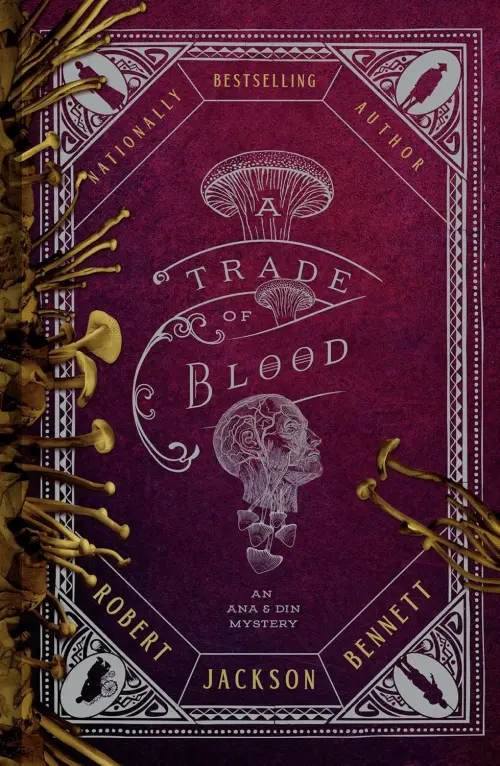
A Trade of Blood (Ana and Din Mysteries #3) by Robert Jackson Bennett
July 20, 2025 .
Animation, Lists
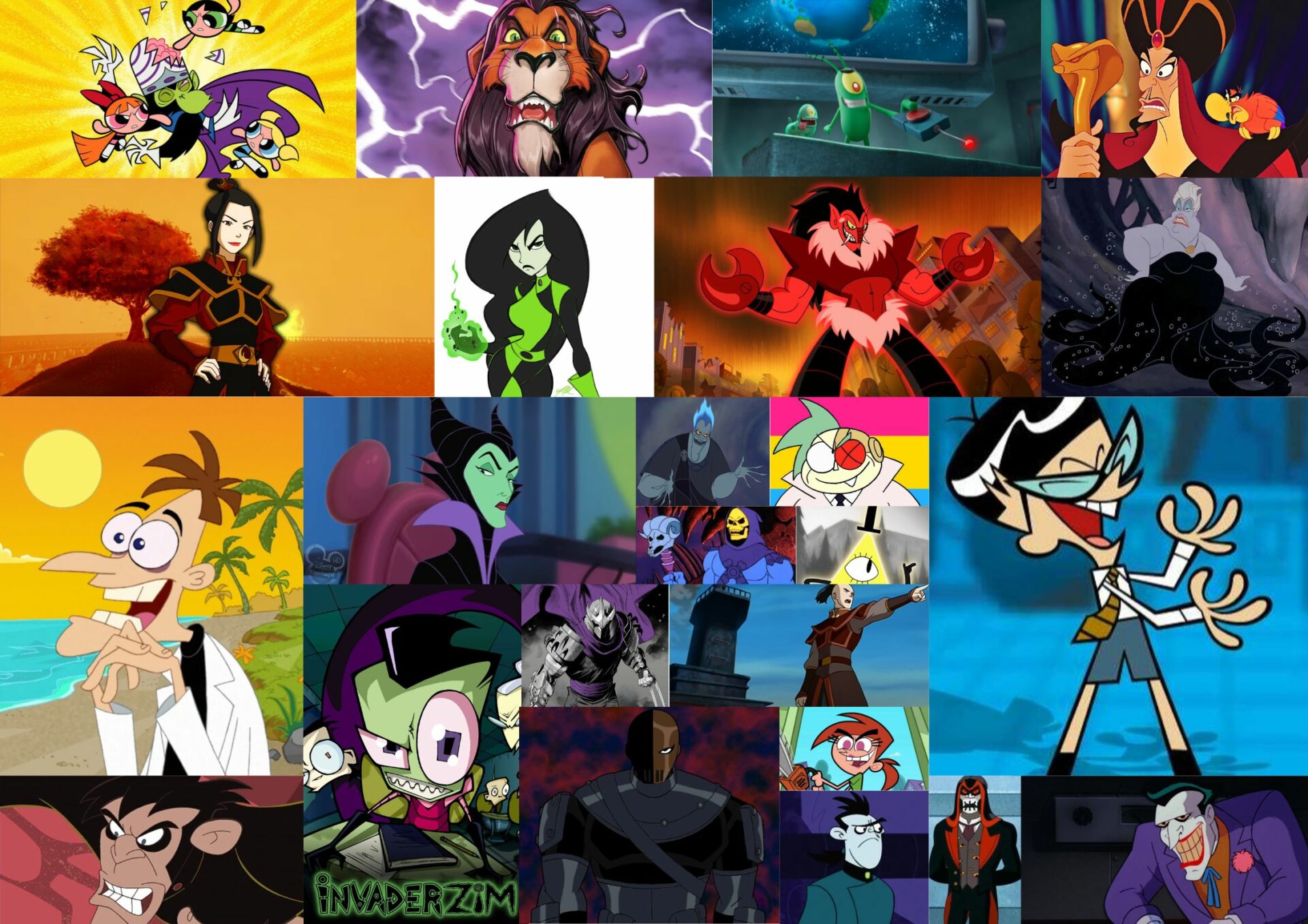
Our list rounds up the top 30 cartoon characters that were villains, each one more wonderfully wicked than the last.
READ MORE
October 28, 2025 .
Lists, Marvel, MCU, Opinions
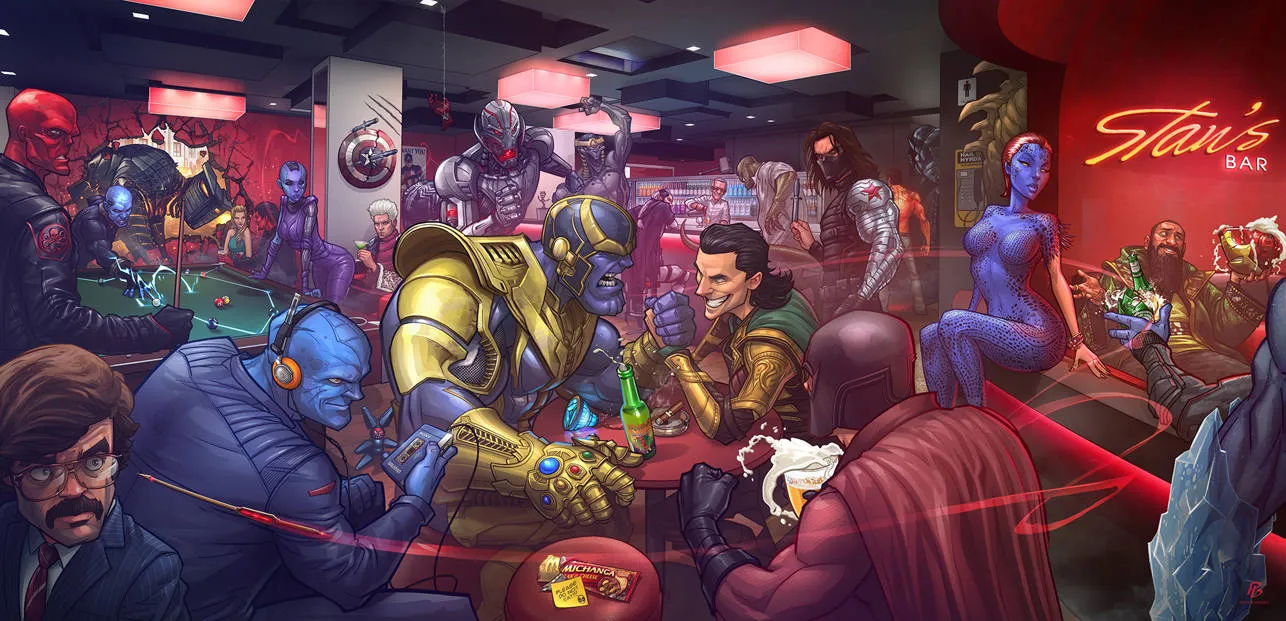
Let’s go through a list of the top 7 strongest Marvel villains, from the wickedly powerful to the absolutely unstoppable.
READ MORE
April 29, 2026 .
Lists, Opinions
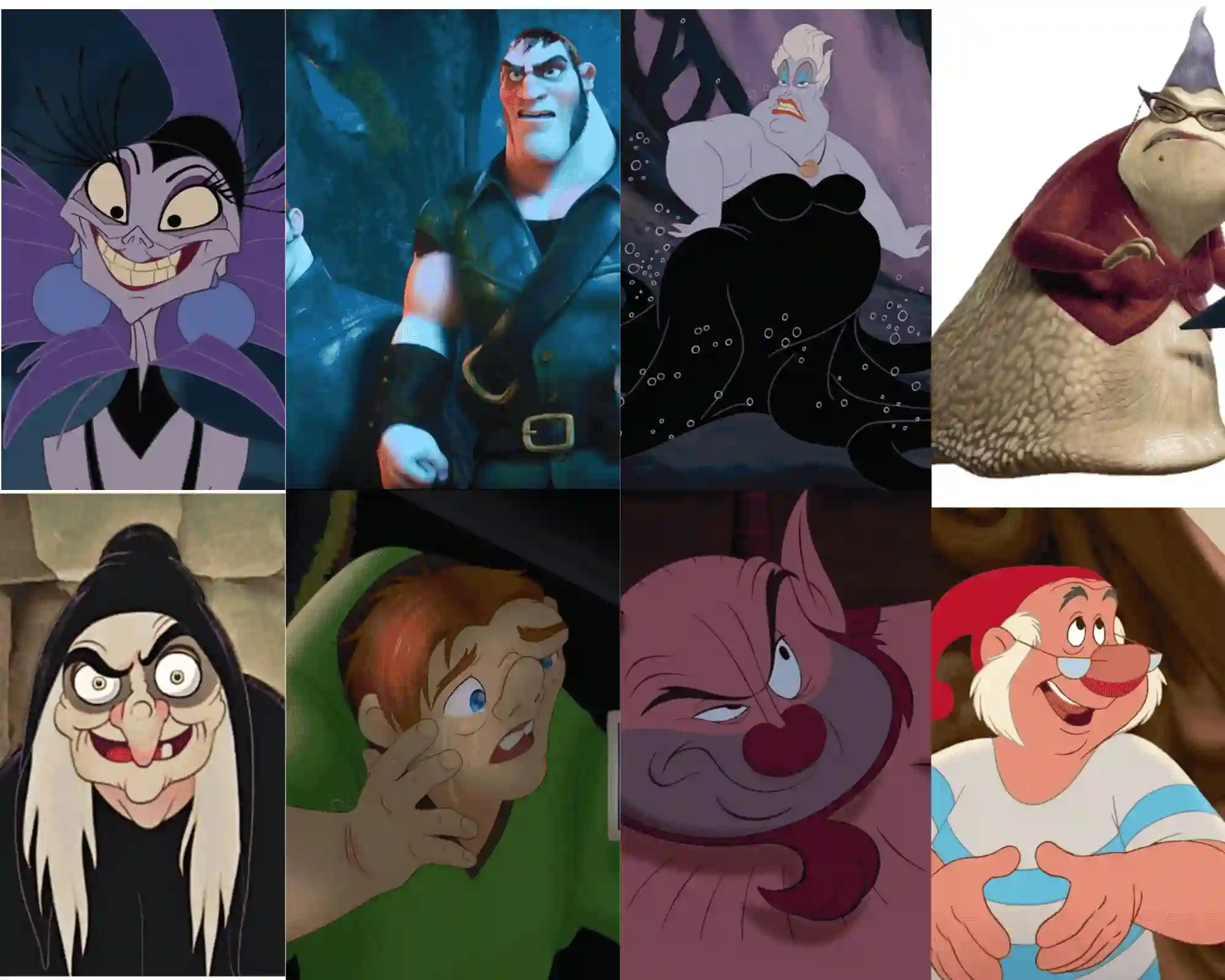
The Mouse is famous for its princesses and princes. However, the studio’s true genius lies in its embrace of “ugly Disney characters”.
READ MORE

November 27, 2025 .
Lists, Mythology
While this isn’t an exhaustive list, it comprises some of the most popular mythical creatures from around the world.
READ MORE
May 6, 2026 .
Lists, MCU
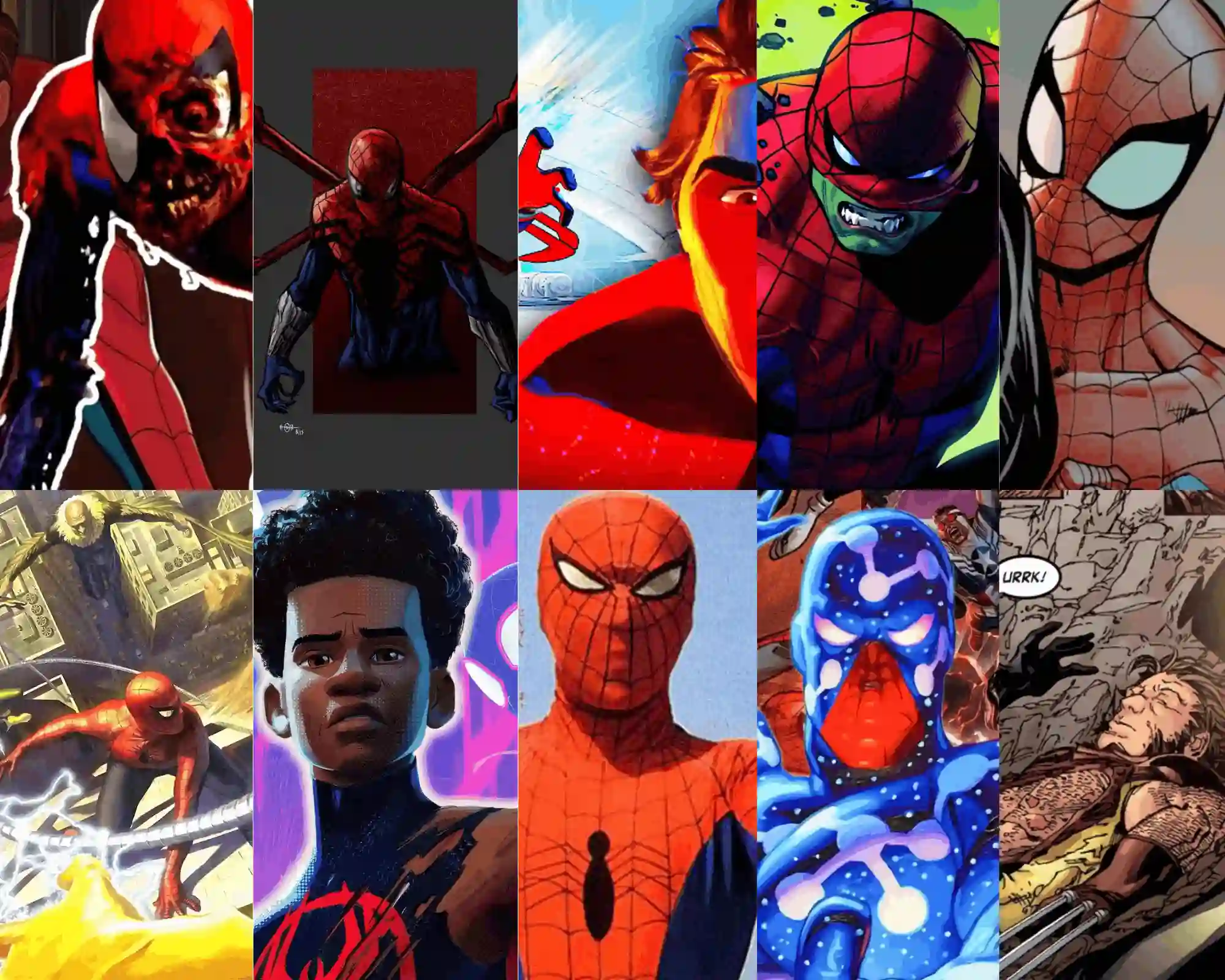
Spider-Man is one of the many superheroes from the Marvel Universe whose stories shaped many childhoods. Who is your strongest Spiderman?
READ MORE

July 20, 2025 .
Writer Resources
Discover the differences in First-Person Point of View and Third-Person POV, and how each impacts character connection and narrative style.
READ MORE
May 15, 2026 .
Writer Resources
The tension between writer-centered and reader-centered approaches defines how a story is told and who it serves.
READ MORE

October 22, 2025 .
Essays, Writer Resources
Ever found a book that looks like a comic but tells a complete, well-structured story? Congratulations, it’s a graphic novel.
READ MORE
June 26, 2026 .
Writer Resources
Writing starts with forming ideas, imagination, dreams, and thoughts. And when these condense into a coherent progression, you have a plot.
READ MORE
May 10, 2026 .
Writer Resources
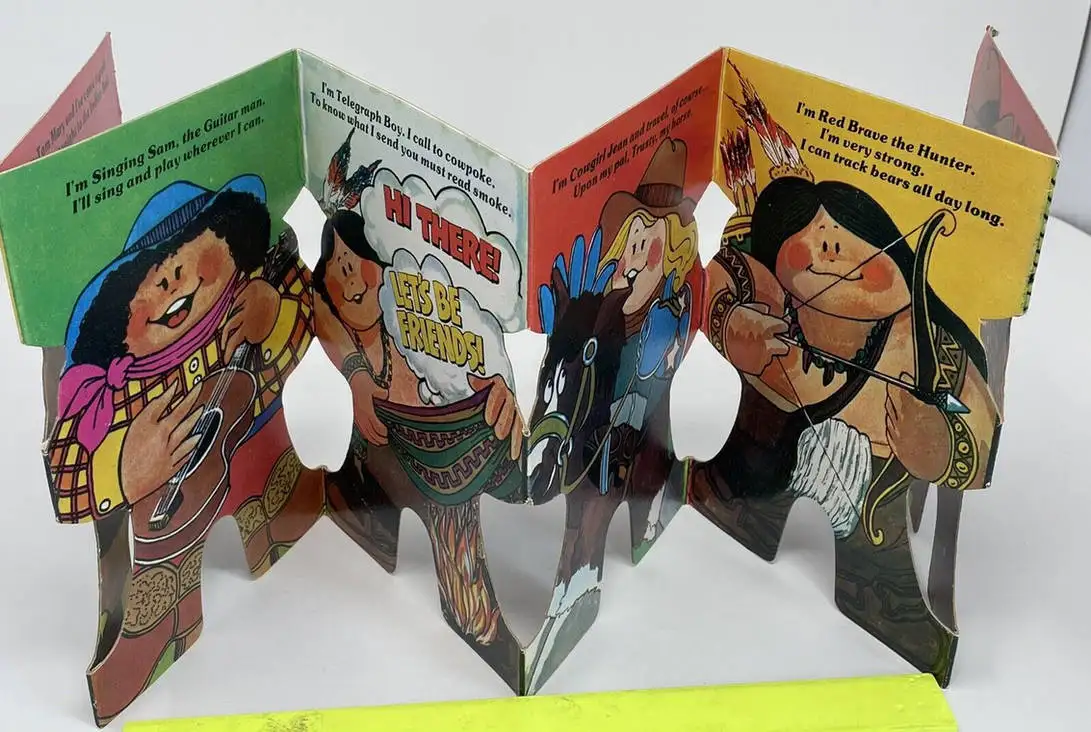
What is a board book, and how does it differ from others? Traditional publishing usually means novels, but published works span much more.
READ MORE
July 24, 2025 .
Essays, Writer Resources
READ MORE
February 8, 2026 .
Writer Resources
Breaking into traditional publishing can feel like decoding a secretive industry. This guide is a resource for finding the right agent.
READ MORE
February 28, 2026 .
Writer Resources
There are three paths in book publishing: traditional, self-publishing, and hybrid. The current focus is on traditional publishing.
READ MORE

July 20, 2025 .
Writer Resources
Today, writers are needed who combine creativity with technical expertise, professionalism, and adaptability.
READ MORE
Get our magazine for free!