



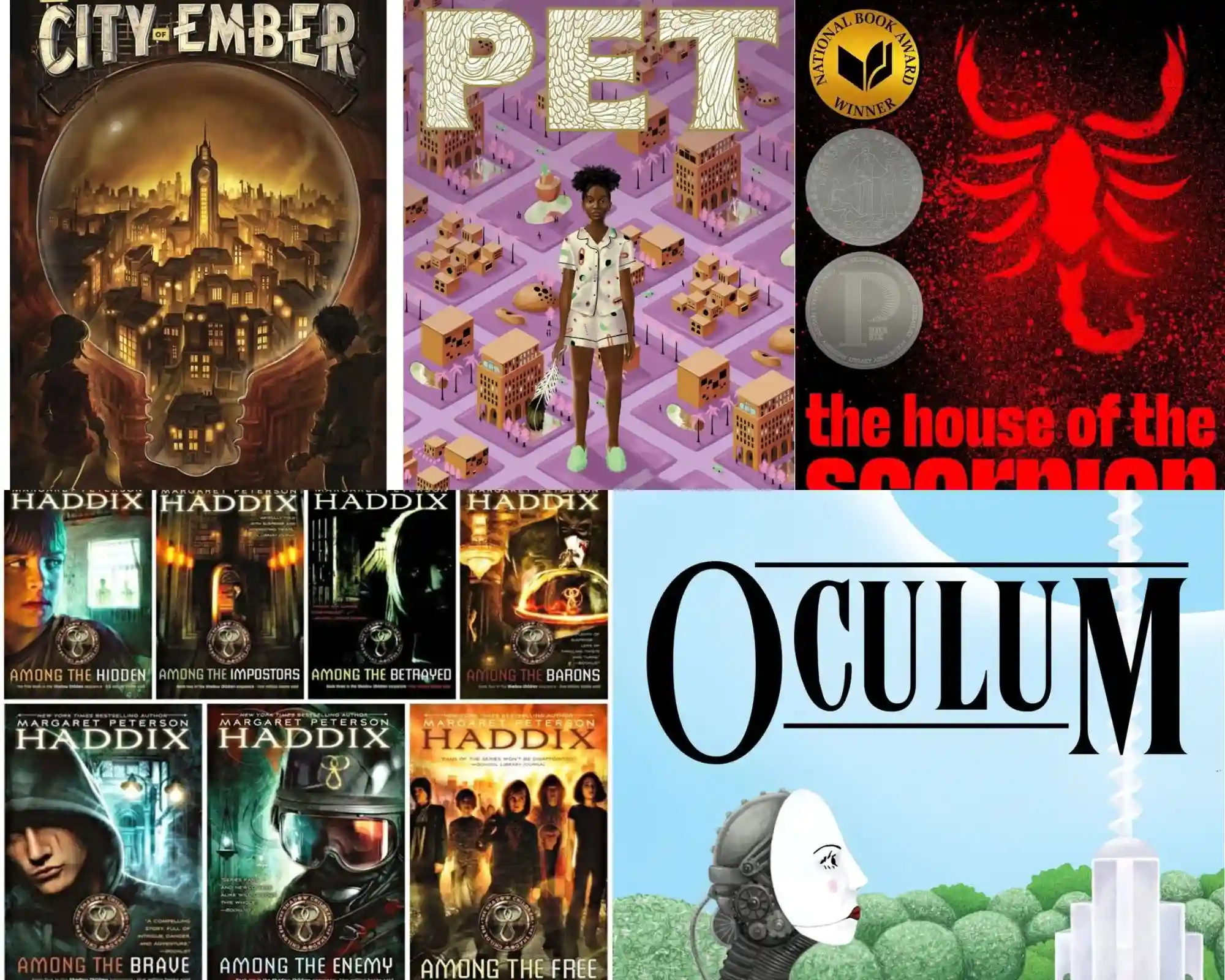














There’s a reason dystopian fiction has the longevity it does. Here are five dystopian books to keep on the shelf.
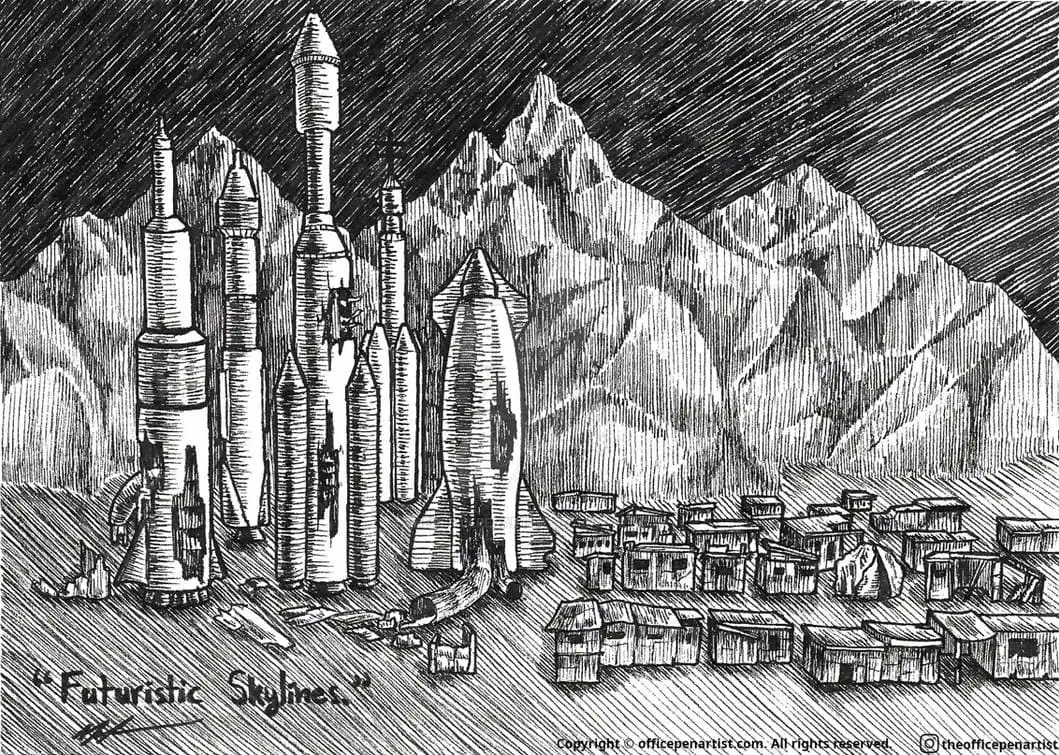
There’s a reason dystopian fiction has enjoyed such longevity.
It never truly fades, likely because of the stark mirror these stories hold to society. These stories feel both outlandish and chillingly plausible, exposing how delicate order and authority become when pushed to extremes.
They conjure futures that feel distant yet familiar, where the world is fractured or, perhaps, more honest.
Through collapsing governments, strict surveillance, or subtle, occasional acts of rebellion, these stories keep asking the same uneasy question: what happens if we keep going like this?
For those who prefer thought-provoking, unsettling, painfully real stories, here are five dystopian books to keep on the shelf, not just for imagined chaos, but for the questions they leave behind.
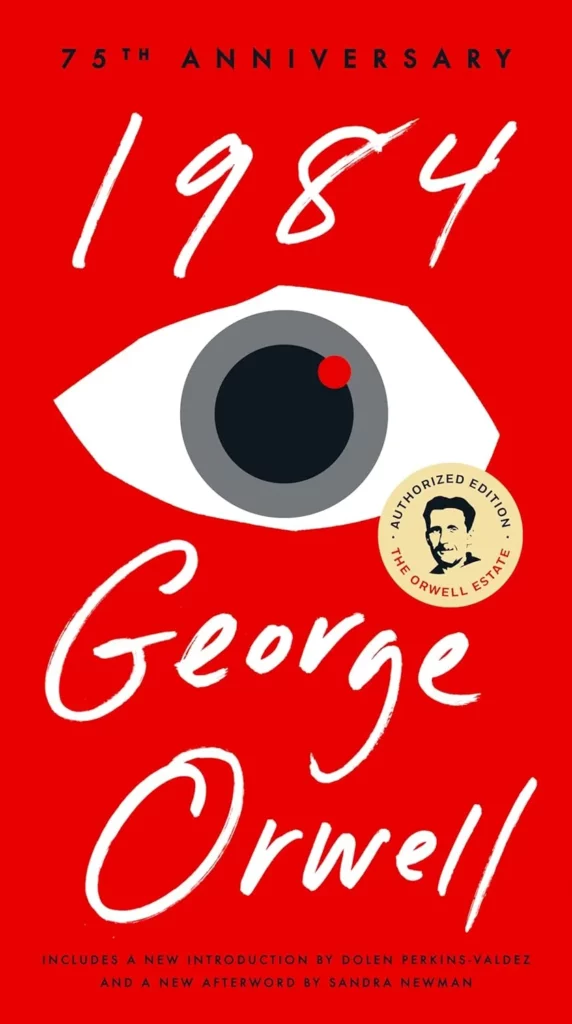
Published decades ago, it remains one of the most popular novels in modern literature. It envisions a future where power is not only political but invasive, permeating thoughts, memories, and the nature of reality.
The story follows Winston Smith, an ordinary man who works at the Ministry of Truth, whose job is to rewrite history to fit the government’s version of reality. But somewhere along the line, he begins to question everything: the lies, the slogans, the bending of truth, at least in thought.
The novel explores totalitarianism’s power to twist truth and memory. Orwell’s writing is clear yet weighty, creating lingering paranoia about the consequences of disobedient thoughts.
The novel’s strongest point is its exploration of totalitarianism and how power can twist truth and memory. Orwell’s writing is clear and deliberate with intention. Paranoia and blurred truths leave a lingering sense that wrong thoughts can eradicate the reader.
Not everyone connects with it the same way. Some find it too heavy, others think it explains more than it shows. But that’s the point. 1984 does not try to comfort its readers. It just lays out its world and lets the unease do the rest. And that is probably why, among the best dystopian books out there, it still feels like the one everything else is measured against.
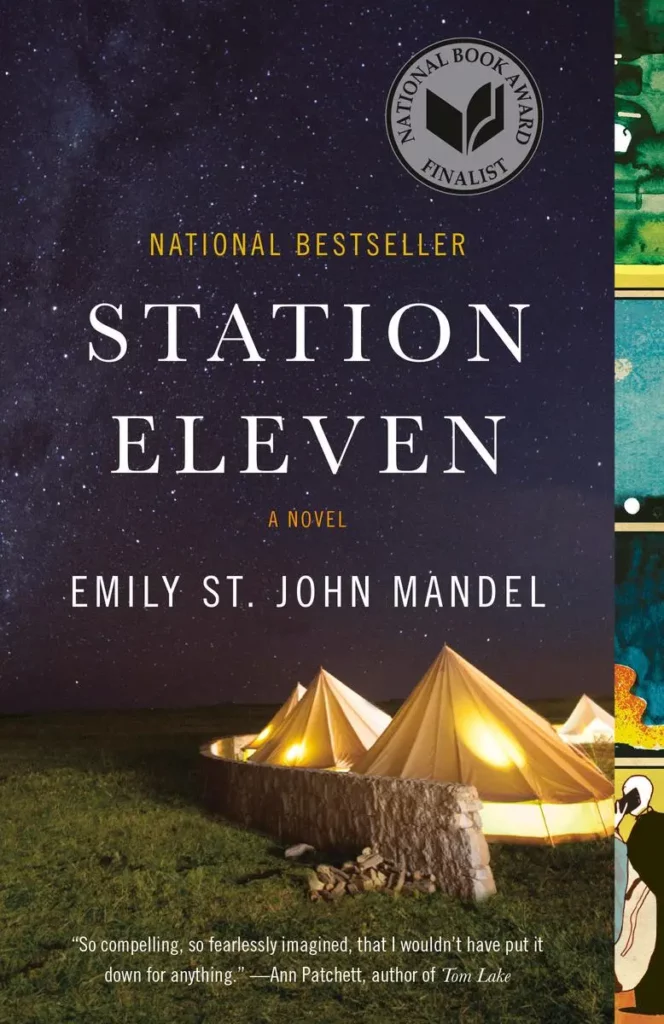
Station Eleven often appears on the list of best dystopian books, although it doesn’t look or feel like one at first. The story follows a world reshaped by a pandemic, focusing on how people remember, rebuild, and find meaning when almost everything else is gone.
Set before and after a flu pandemic that wipes out most of humanity, a group of characters are connected across time: a famous actor, a young girl in a traveling Shakespeare troupe, a comic book artist, and others with intersecting lives in expected ways.
The story is less about the collapse of humanity and more about what remains and how memory, art, and the persistence of culture can outlast disaster. Station Eleven leaves a deep impression by showing what extreme conditions can do to human beings.
The book doesn’t rush to grand conclusions. It lingers. The pace drifts between tension and calm, destruction and quiet, mundane moments. That balance is what sets it apart: It’s less about catastrophe and more about what comes afterward.
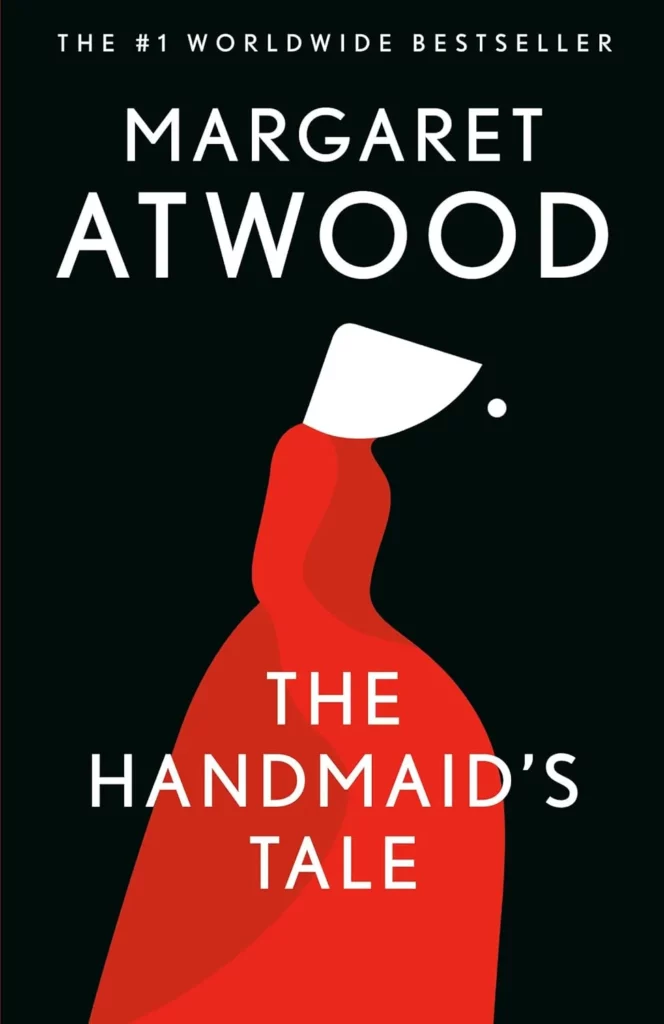
Set in Gilead, a society built on strict rules and religious control, women’s identities are reduced to their functions, Offred, a Handmaid, must bear children for powerful families. Her memories and quiet defiance show what happens when freedom becomes a privilege instead of a right.
The book explores how power and belief disrupt ordinary lives. Atwood’s imagined world unsettles, with its quiet tension and the sense that normalcy can be rewritten overnight.
Some readers find the book slower than expected, lingering on atmosphere and Offred’s thoughts instead of rushing towards events.
The Handmaid’s Tale remains among the best dystopian books. Its questions about power, control, and what happens when people stop paying attention linger and feel as relevant now as when it was first written.
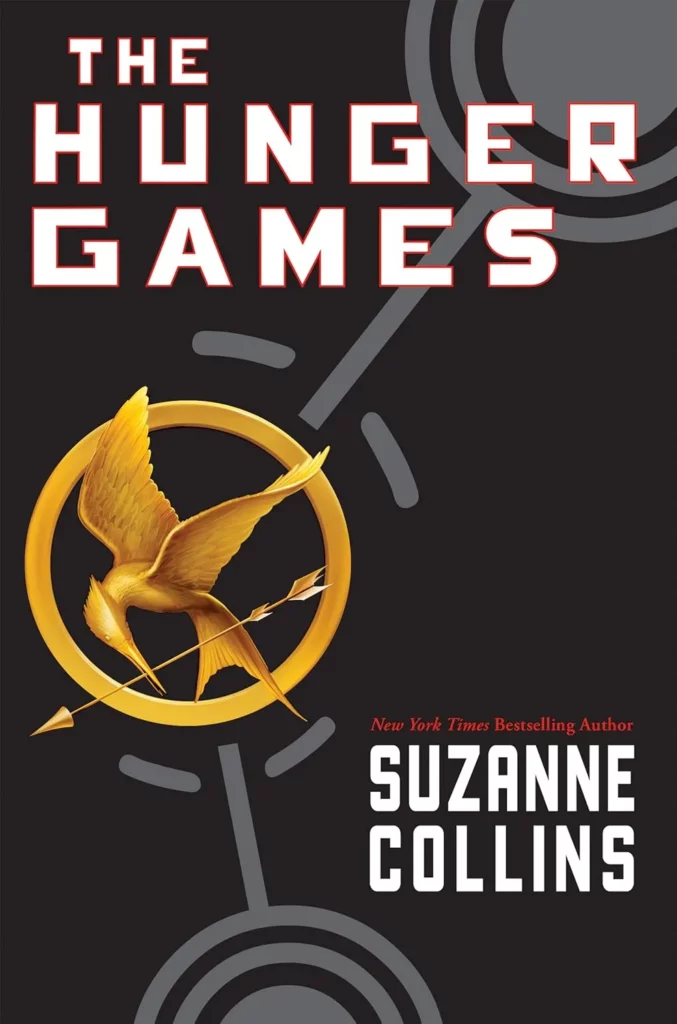
This is the kind of story that makes the reader cheer for a teenage girl to kill her peers. It’s set in Panem, a future nation where every year, children are chosen to fight to the death for the entertainment of the elite. The theme says a lot about power, spectacle, and what happens when control becomes a way of life.
The story compels not just through violence or suspense, but by mirroring systems that reward obedience and punish resistance. The Capitol’s wealth versus the districts’ hunger presents an amplified version of existing social divides. Collins builds a believable, stinging world.
Katniss Everdeen is its heart. She’s not fearless or polished, but her instinct to protect others at her expense makes her powerful. Her actions examine survival, moral choice, and the cost of being portrayed as a symbol without consent.
Not everyone is a fan of the violence, the love story, or the simplicity of the writing. Some people find the violence too sharp, or the love story too distracting. The Hunger Games leaves a due to its thrilling and unsettling nature. It makes the reader root for survival while realizing the whole setup shouldn’t exist in the first place.
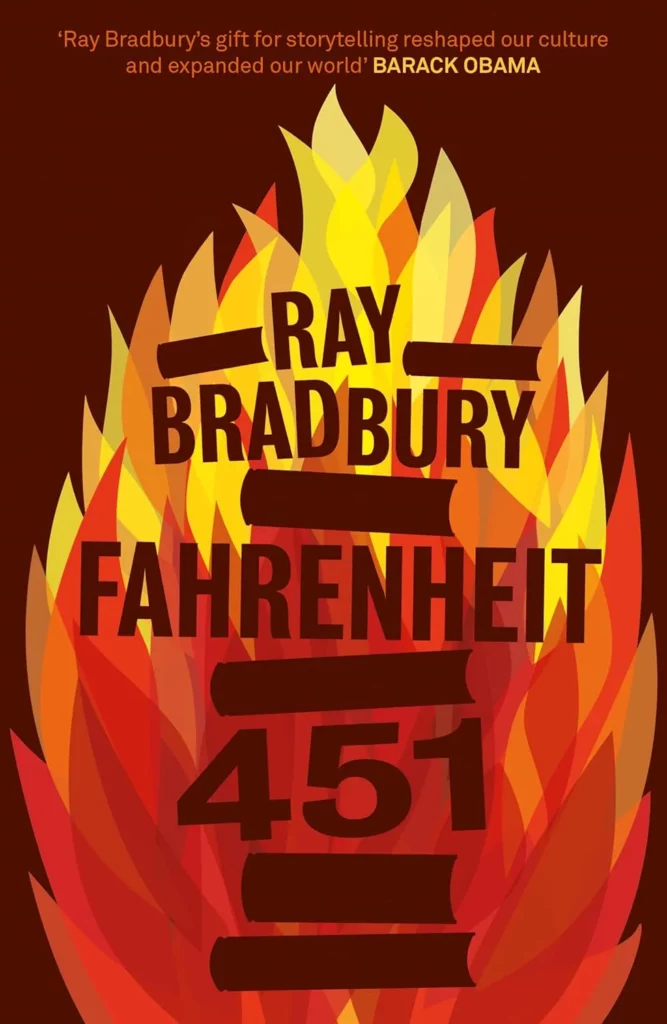
Fahrenheit 451 follows Guy Montag, a fireman who burns books in a future where independent thought is dangerous. Initially obedient and numbed by constant entertainment, Montag’s perspective shifts after meeting a curious young woman and witnessing a woman die for her books, leading him to read in secret as his world begins to unravel.
The story is both strange and familiar, a warning about what happens when thought is traded for comfort. Bradbury’s writing is rich and smoky, filled with metaphors and a quiet kind of sadness.
It’s short but heavy: a story about censorship and how easily people surrender independent thought when comfort feels safer.
These stories twist familiar fears into larger narratives. Yet, at their heart, they’re about endurance.
Dystopian Books aren’t just about the end of the world. They’re about trying to remember who we are when everything else burns.

July 20, 2025 .
Animation, Lists
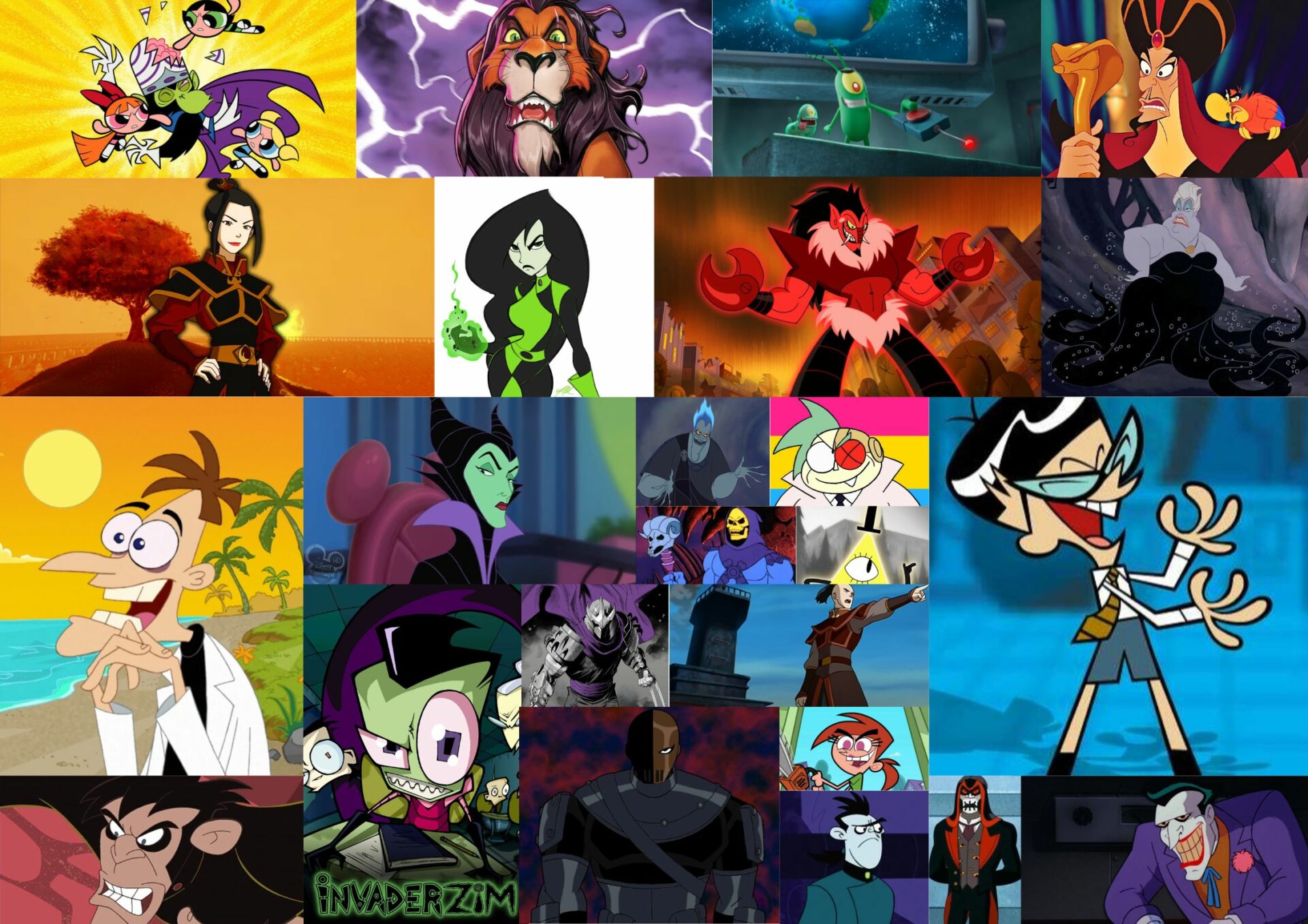
Our list rounds up the top 30 cartoon characters that were villains, each one more wonderfully wicked than the last.
READ MORE
April 29, 2026 .
Lists, Opinions
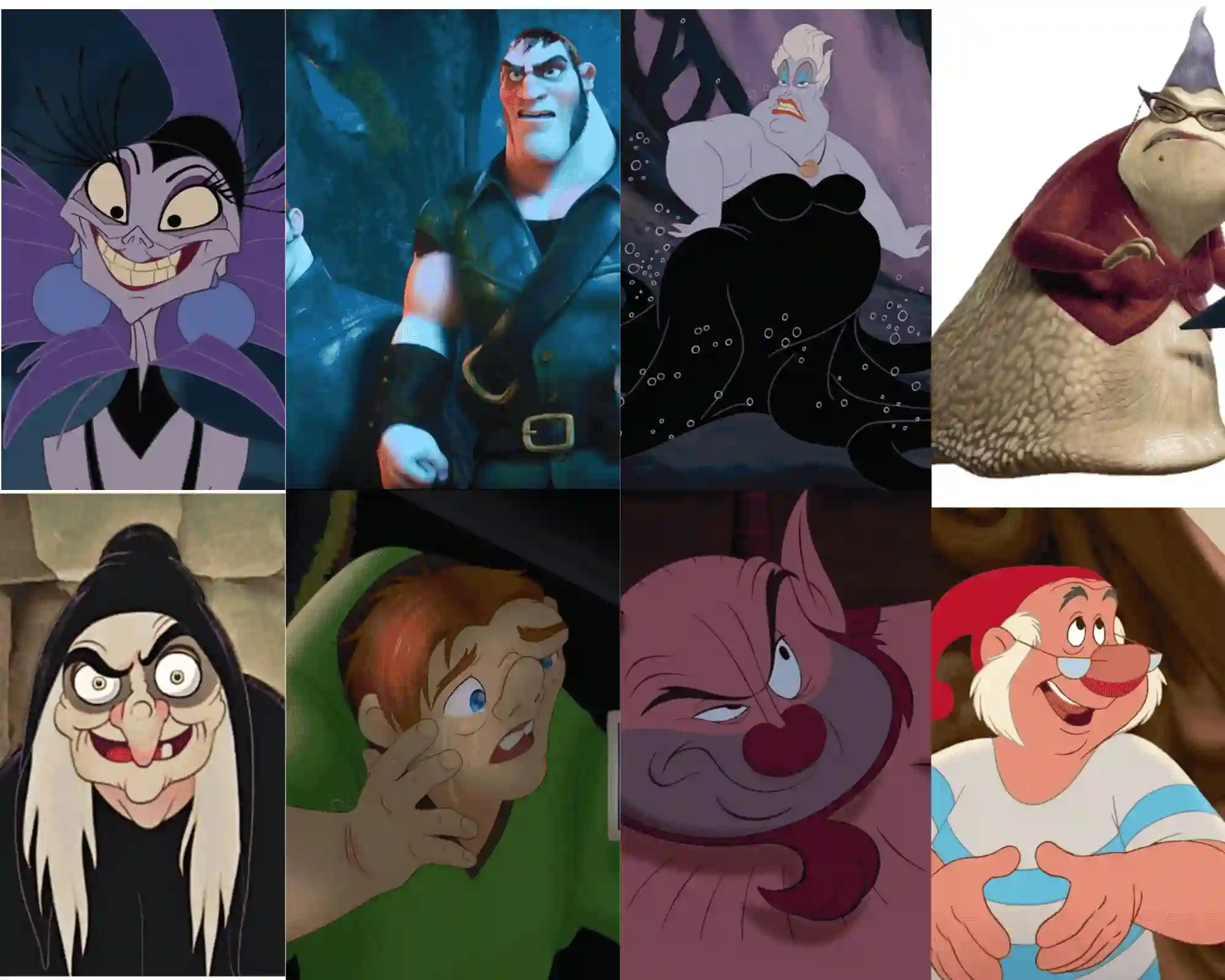
The Mouse is famous for its princesses and princes. However, the studio’s true genius lies in its embrace of “ugly Disney characters”.
READ MORE
May 6, 2026 .
Lists, MCU
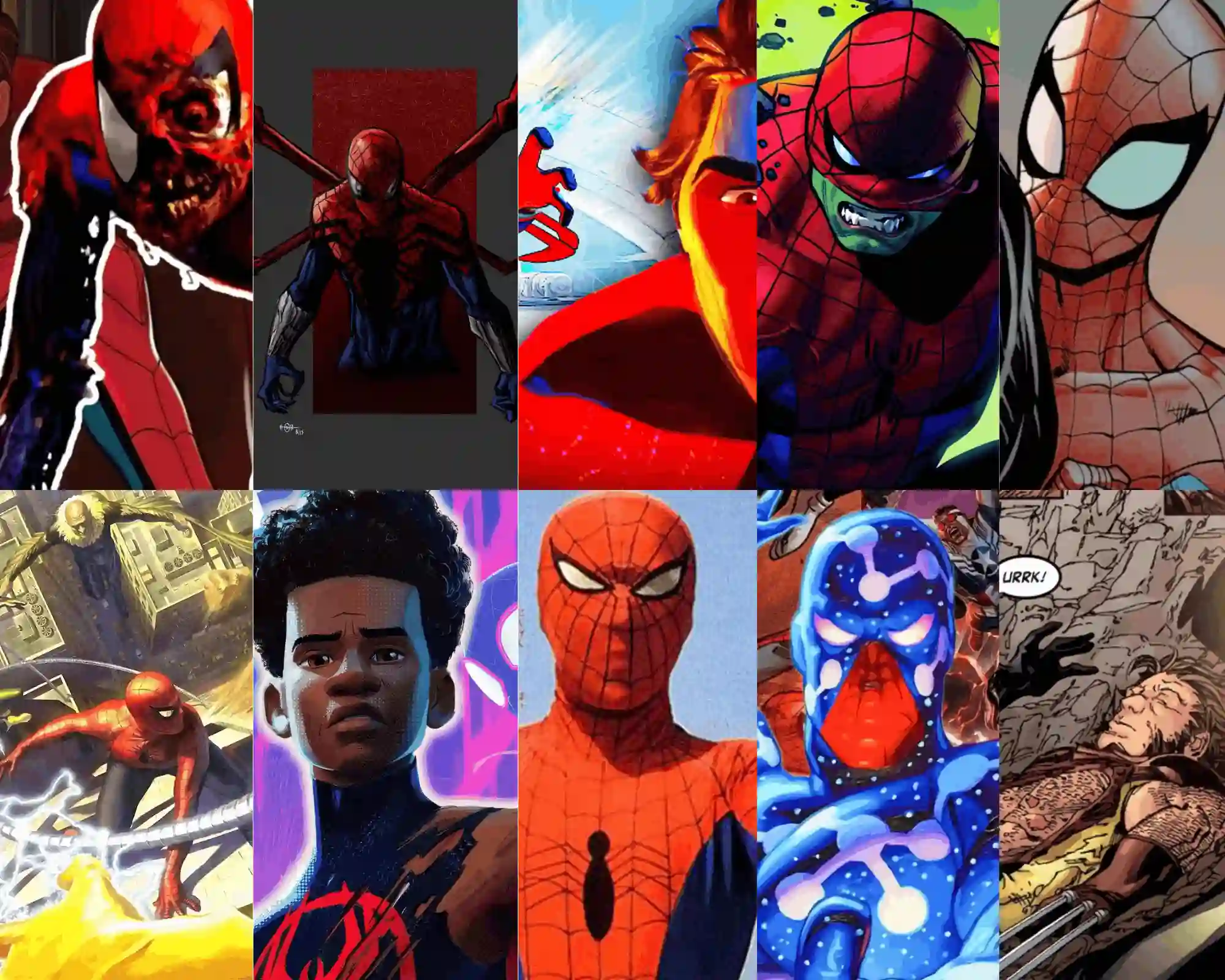
Spider-Man is one of the many superheroes from the Marvel Universe whose stories shaped many childhoods. Who is your strongest Spiderman?
READ MORE
October 28, 2025 .
Debates, Lists, Marvel, MCU
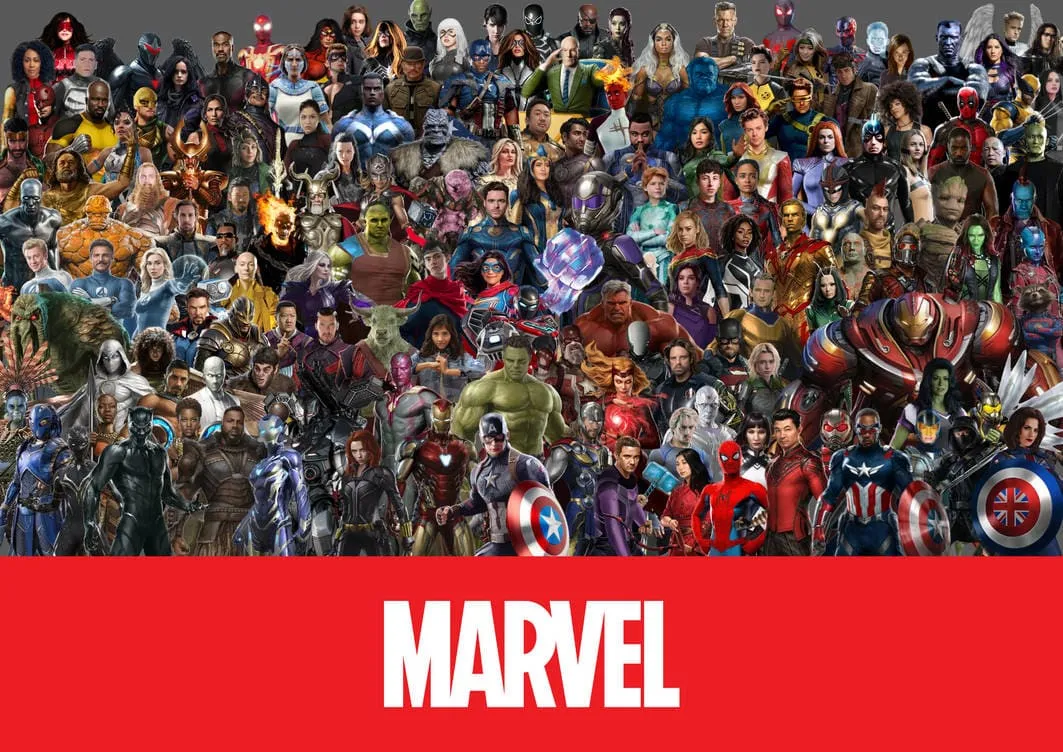
Every Marvel hero brings something to the table. But if we had to pick the top 8 most popular Marvel superheroes, who would make the cut?
READ MORE
October 28, 2025 .
Lists, Marvel, MCU, Opinions
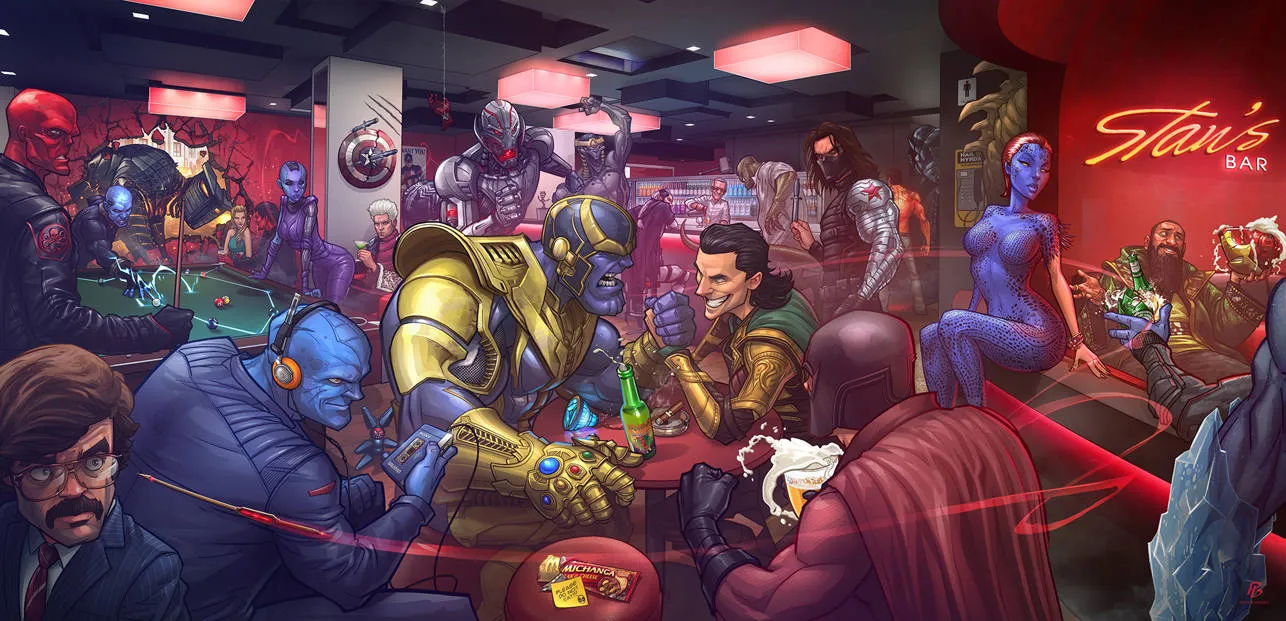
Let’s go through a list of the top 7 strongest Marvel villains, from the wickedly powerful to the absolutely unstoppable.
READ MORE


October 4, 2026 .
Epic Fantasy, Fantasy
I can confidently say that the Stormlight Archive’s magic system is the best I’ve ever seen in Fantasy Fiction.
READ MORE

October 4, 2026 .
Epic Fantasy, Fantasy, thewheeloftime
Also, the character development has reached a level where readers can actually identify characters by their speech, mannerisms and actions. It’s the height of realism.
READ MORE
October 4, 2026 .
Epic Fantasy, Fantasy
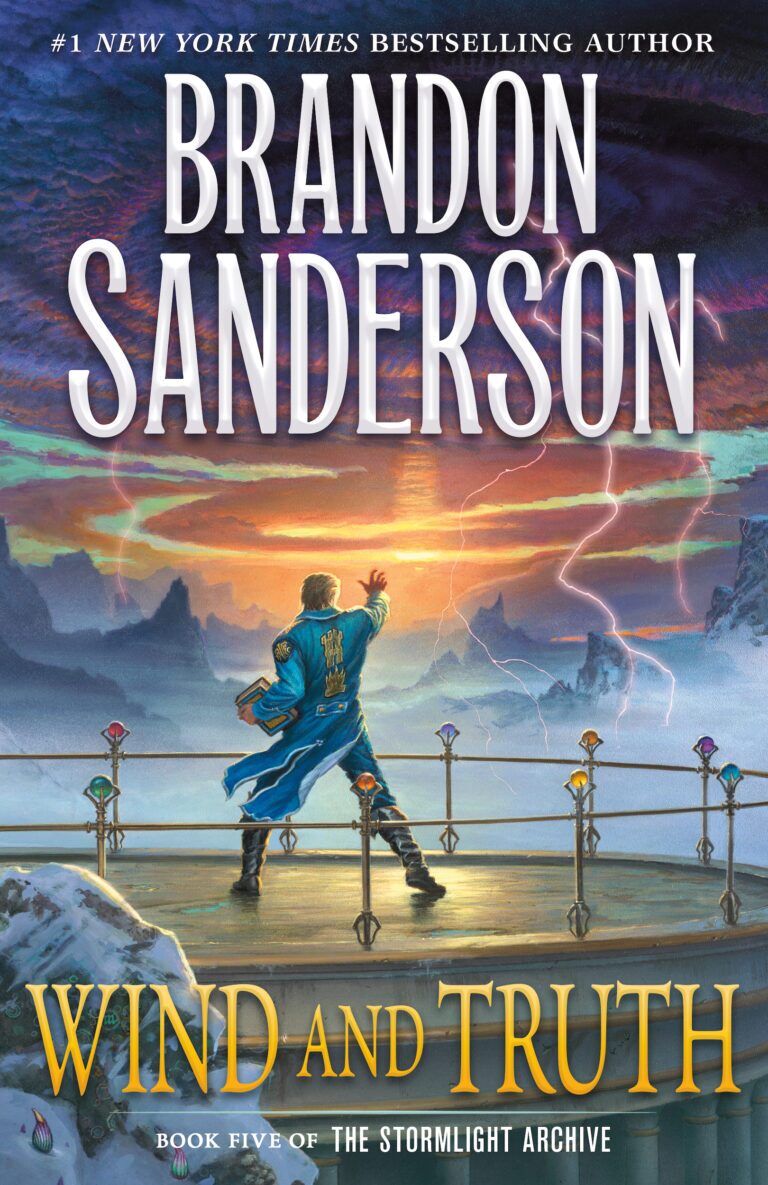
In Wind and Truth, the big boys have shown up on the playground, and the arena must be cleared out ahead of major confrontations.
READ MORE
October 4, 2026 .
Epic Fantasy, Fantasy
Word count tells you how long you’ll live with a series. Named characters per 100,000 words tells you how much room that series gives each person.
READ MORE
July 26, 2025 .
Fantasy, Opinions
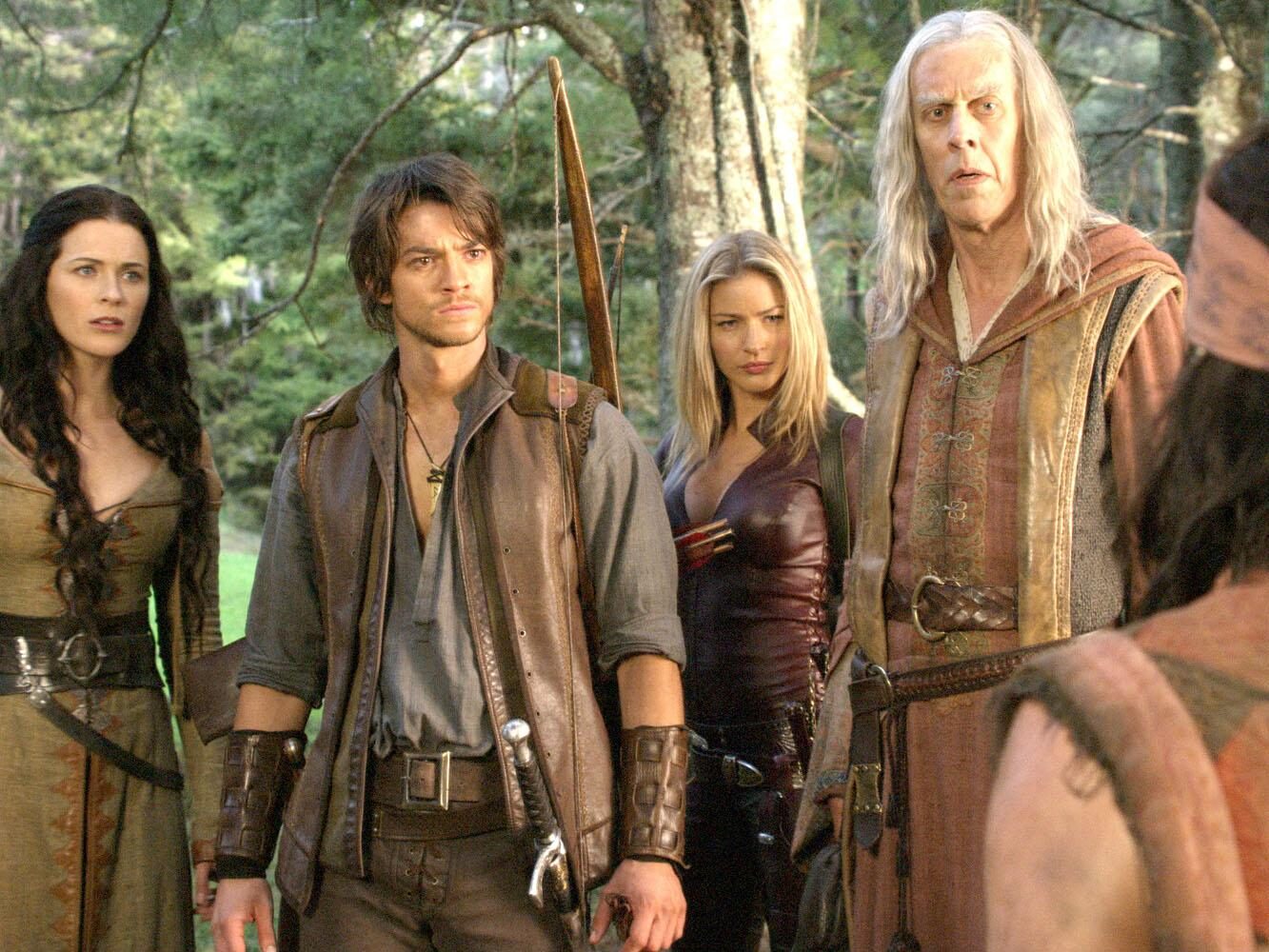
It’s cliche. But it’s rapid. It’s predictable. But it’s enjoyable. For lovers of the classic tropes, Legend of the Seeker is a worthy watch.
READ MORE
July 20, 2025 .
Fantasy, Opinions
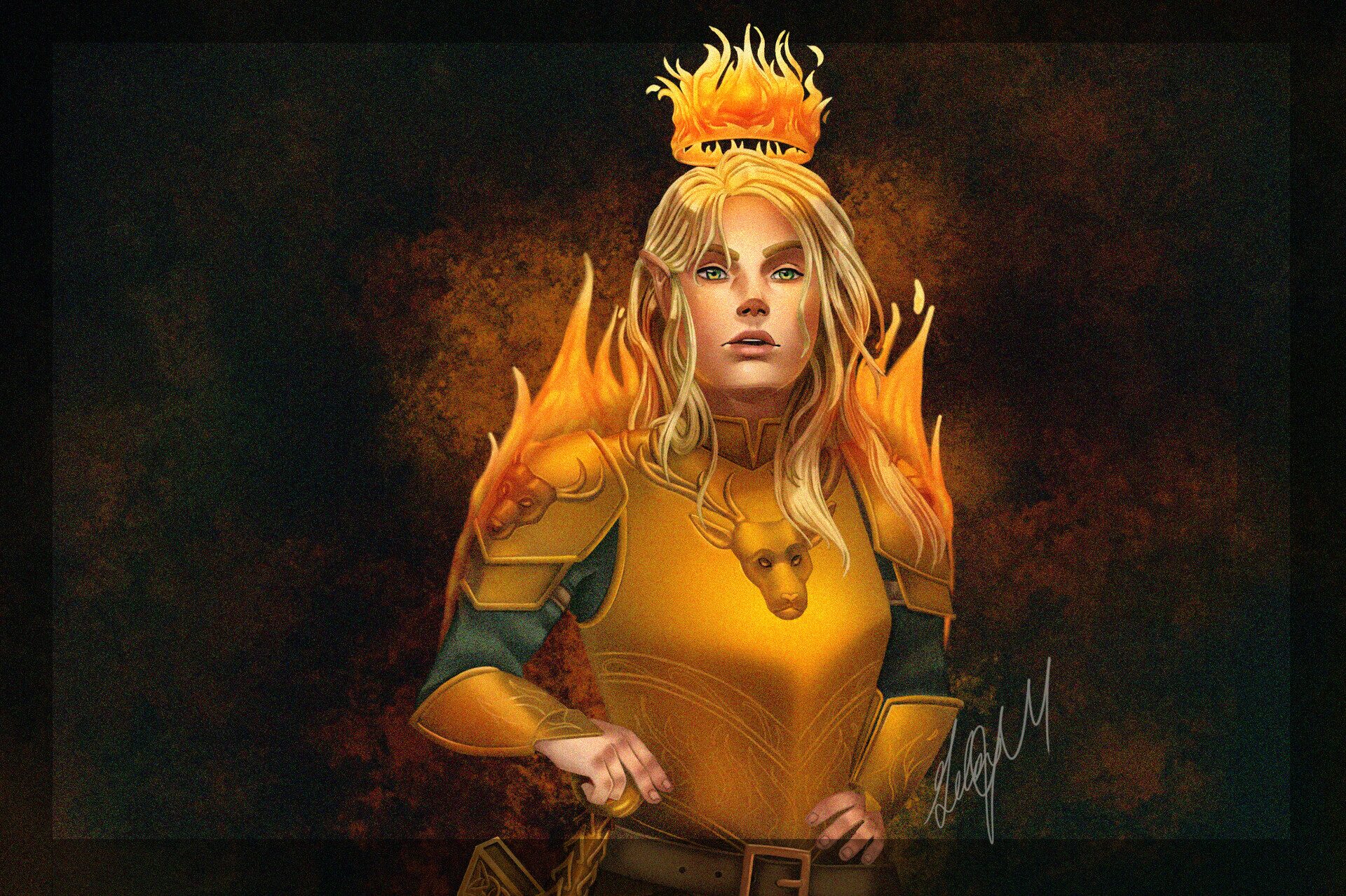
Like any well-developed fictional character, there are several exciting, often polarizing sides to Celaena Sardothien, all of which are worth discussing.
READ MORE
September 12, 2025 .
Essays, Fantasy, Opinions
Fantasy is everything that lies in the realm of the fantastic. And, the more deviant from reality it is, the better.
READ MORE
October 4, 2026 .
African Fantasy, Epic Fantasy, Fantasy
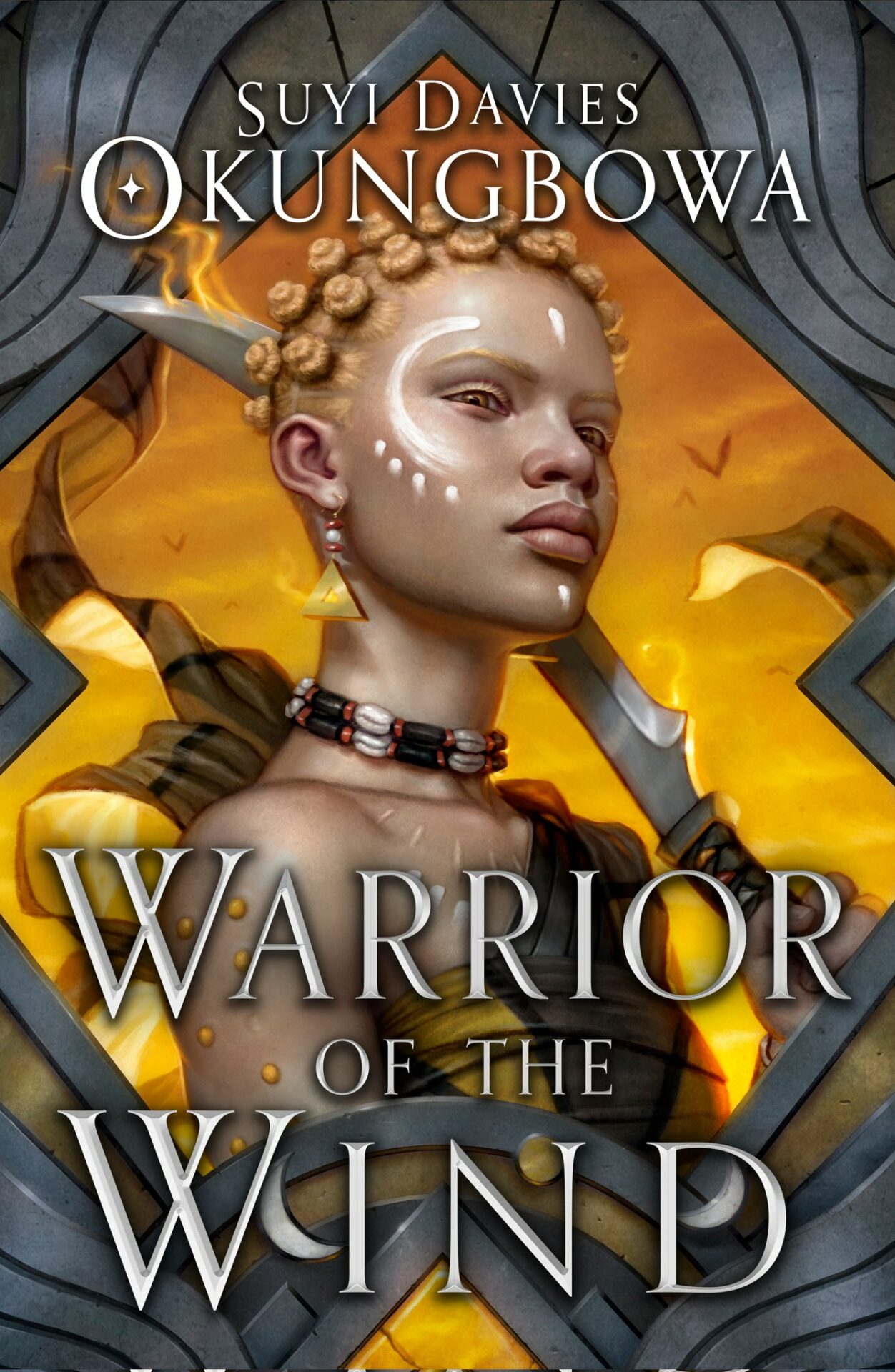
Another thing I enjoyed was discovering the origin of the name Nameless Republic. I chuckled and gave Suyi an invisible high-five. Àgbà Ìwé!
READ MORE
October 4, 2026 .
African Fantasy, Fantasy
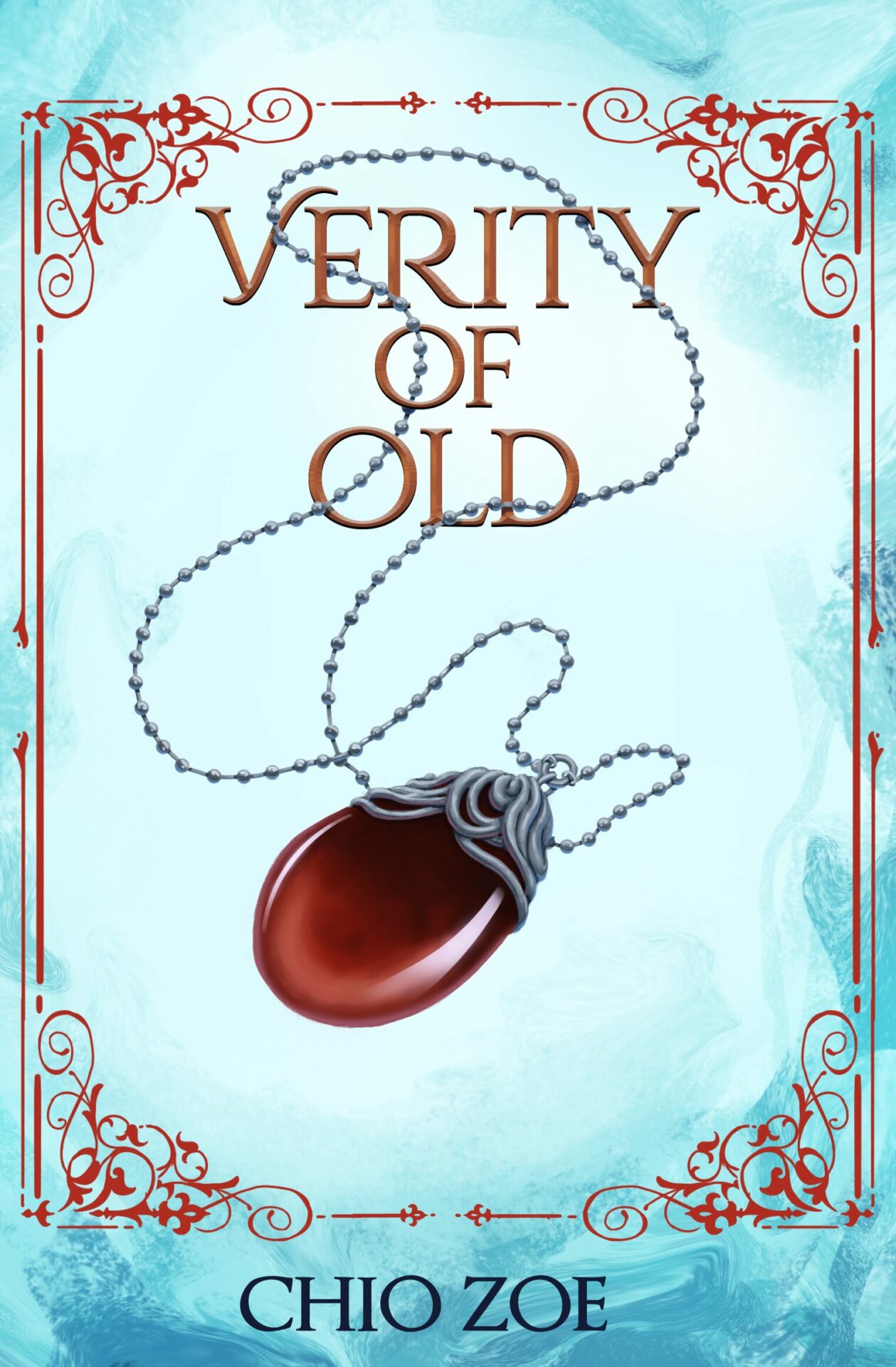
Verity of Old is a marked improvement from Memory of Stone, with a massive finale reveal that makes the final book an immediate must-read.
READ MORE
Get our magazine for free!