
Menu



































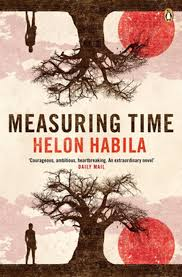
Measuring Time, winner of the Virginia Library Foundation prize for fiction (2008), follows the lives of two persons (Mamo and LaMamo) and how the course of their dreams, motivations, disinterest and conflicts revolve around family, settings and emotions.
My labor on titling this essay is not minute. In my head, during its preliminary gatherings, it has evolved in form, purpose and meaning. ‘A Juxtaposition Of Three Helon Habila’s Novels’ felt industrious but the task, when it dawned, may not meet a proficient response.
Thus, this current title materialized for a singularity. For future writings, the initial title may, however, be explained.
Measuring Time, winner of the Virginia Library Foundation prize for fiction (2008), follows the lives of two persons (Mamo and LaMamo) and how the course of their dreams, motivations, disinterest and conflicts revolve around family, settings and emotions.
My aim is plainly to discuss dated issues surrounding backgrounds, the Unity of Drama, and the retrospection of contents.
David Carroll, in one of his writings about Chinua Achebe, spoke, in uncontroversial terms, about Africa, “The Dark Continent”, as being harassing because of an animalistic force. The relationship of this citation with the upper body of this essay is to bring to light certain setbacks of missionaries, and whatnot, that explored the novel’s protagonist(s).
The other great hazard of the explorers and missionaries was the anopheles mosquito. The pursuit, the locating and finally the combating of this carrier of malaria, the scourge of the European in Africa, is a saga in itself. The mosquito joined forces with the slavers in keeping Africa unexplored for the eighteenth and much of the nineteenth century, and it added to the image of Africa another ingredient —the Dark Continent was also the White Man’s Grave.
This extract alludes invariably to the information that makes Africa renowned for specific reasons. In the novel, during one of Mamo’s involuntary journeys into royal journalism, he entered —in a chapter titled ‘mamo’s notes toward a biography of the mai: mr. graves’— in lucid terms the advent of any probable missionary, colonialist, or civil servant and this subtly serves a corroboration of David’s passive facts about Africa not only being suburban.
Mr. Graves first came to Nigeria in 1896. At the time, of course, the vast land stretching from the Atlantic in the south to the Sahel savannah in the north wasn’t called Nigeria. To the Western eye it must have seemed like a vast nameless and trackless collection of villages and towns and cities and kingdoms, chaotic and innocent and reeling from the ravages of tribal wars, but also rich in agricultural products and mineral resources just ready for the taking. But whoever was going to take them must first contend with malaria, and the warlike tribes, and the local slave raiders. If he survived all these, there was still the French and the German trading outposts to compete with. These must have seemed very exciting prospects for an eighteen-year-old Yorkshire farm boy looking for adventure.
-(Mamo, pgs 251.)
The novel places less emphasis on the manipulative element of these missionaries. As a spectator myself courtesy of the immersive engineering of the author, I observed, in one of the diary entries of late Mrs Drinkwater (the wife of the missionary that succeeded Dol Bok, a prior missionary) that a handful of the purposes of the religious missions into Africa was to equip themselves (the whites) with human labor during the forthcoming forms of civilization. However, this is connotative.
It is not enough to conquer their land; we must conquer their minds as well. And to do that we must use more than gentle Christian persuasion, more than books and schools. We must break their spirits, we must break their backs and throw them down into the dust, as it were, then slowly raise them up again —but this time as gentler, more useful beings. Then they’ll be grateful to us in the future. They’ll become our loyal co-workers in the huge task of civilization.
-(Mrs Drinkwater, pgs 243.)
As a wholeness of thought, the story’s voluptuous areas and schisms center on Mamo and his newly found disposition of scribing, however, submissive.² His illness, sickle cell anemia, and the injurious restrictions they bring afford him this luxury of a different fame. In Mai’s biography which he writes, I find the genre as being intrinsically subjective. It allots little or no regard for its writers as a result of the focus on the character(s) showcased. Helon’s novel, fortified, is a nullification of this theory. Mamo, as a classy man, purposely infuses what I refer to as an ending preface into the biographic writings. This preface glorifies, in coded hints, him.
Moreover, politics, as a cankerworm that’s ubiquitous, is lodged in the Mai’s courtyards in its impure largeness, and Mamo’s brewing defiance to not document the Mai’s life (past and present) for fraudulent inclinations elates me. He prefers his own contexts: Asabar, Zara, Lamang, and LaMamo, for inclusion.
With the novel being eighteen pages longer than the earth’s orbit of the sun, it informs intricate readers about Helon’s background. Born in Gombe State, where parts of this novel revel, Helon discussed the thematic resonances of patriarchy, paternalistic miseries, educational martyrs (as seen in Uncle Iliya’s loss of proprietorship), failed politics (as seen in Lamang’s ignominious defeat) and war with its aftermaths of desertification. As a part of these thematic preoccupations, heartbreak, by Habila, is well symbolically represented as follows:
I read somewhere about a species of rodents called lemmings. They have amazing mannerisms. Sometimes, out of a strange and mysterious compulsion, they mass themselves on the edge of a cliff and then jump into the water below to drown. Weird, isn’t it?
-(Zara, pgs 210.)
For instance, how other authors stifle (themselves) idiomatic nonfiction(s) into the sidelines of things in precise colloquy and arcs, Habila alludes to something well-mannered yet dark through a character’s tidings to a prospect. This trait secludes him in quality and euphemisms.
To discontinue this writing, I have included yet another excerpt from Measuring Time, where fate meets resolve and how it provokes reflections for certain personal and emotional possibilities.
For a moment he felt tempted to tell her about Zara, but he stopped himself. This was a personal pain, a personal disappointment. He’d sit in a corner alone, like a wounded dog, and lick his wounds, gradually rallying himself for another climb, another leap. That was what life was all about anyway, wasn’t it, one hill after the next till finally you came to the hill you couldn’t climb, or you were just too tired to try—like his father, like Mr. Graves, like his uncle Haruna. And Zara, had she also met a hill that was too high to climb, too wide to circumvent, and decided to give in? But, he said to himself, why do I go on flagellating myself over something I knew I had lost a long time ago? For surely from the moment she told me she was going to South Africa with a former friend I knew I had lost her.
-(Helon, pgs 272.)

Emmanuel Olabiyi is a creative writer, reader, and a flutist.
15 Writing-Adjacent Careers for Writers Looking for a Career Change
Authors Spotlight: Khaled Hosseini
The Sound Souls Make When They Die by Chinemefun Chimuanya
If Nollywood Cast Our Favourite African Books: Who Would Play Who?
Best Films About Unexpected Age Gap Romance
Literary Awards and the Racism Card: A Wake-Up Call for Black Africa
Interview with the Vampire Relationships, Ranked
10 Top Recent Films for Action and Comedy Fans
Comma Rules Every Writer Should Know
10 Most Hype-worthy 2026 Book Releases (African Literature Version)
Five Gambling Films That Know the Bet Is Only Half the Story
Movies Where Poker Reveals Who a Character Really Is
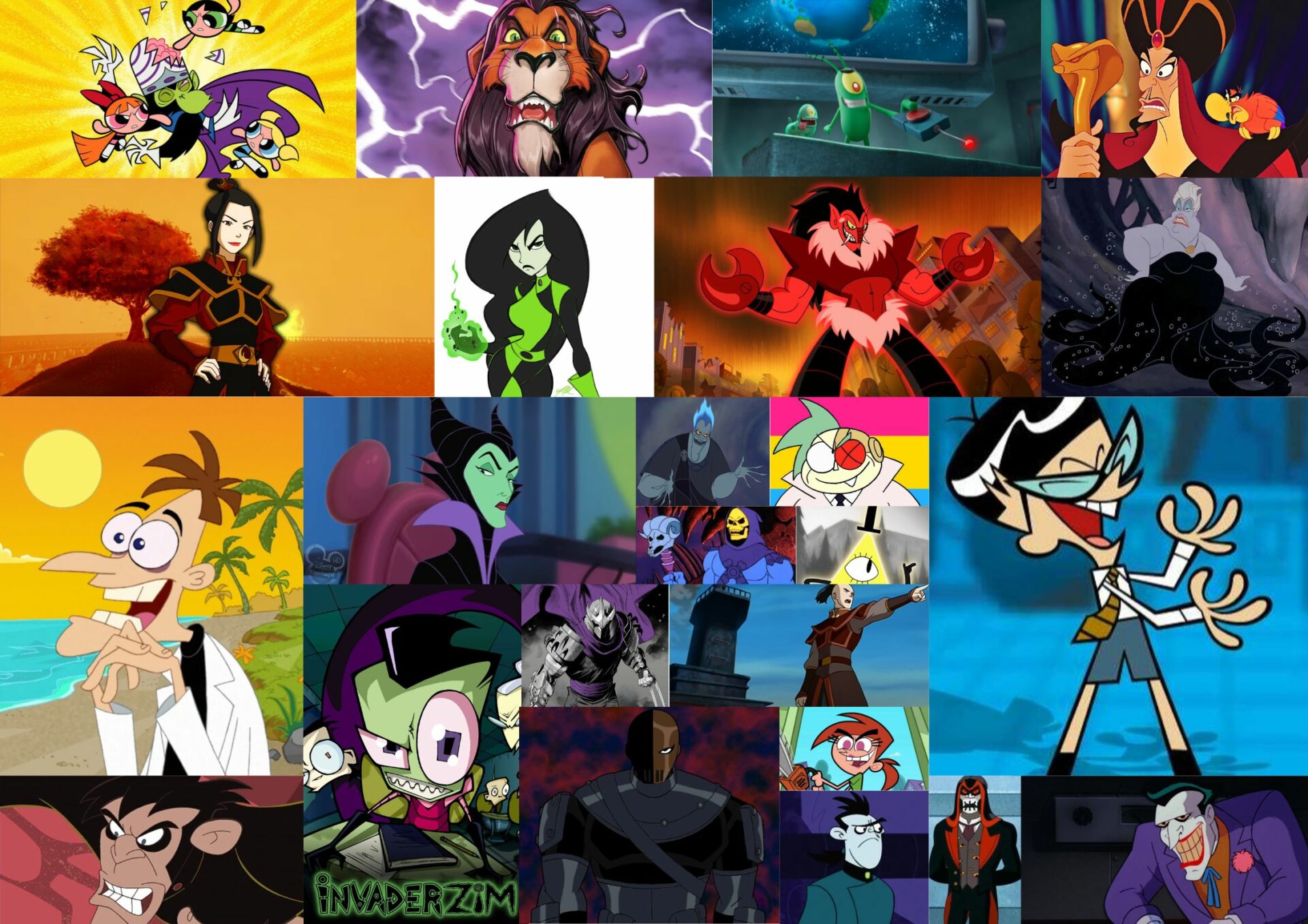
July 20, 2025 .
Animation, Lists
Our list rounds up the top 30 cartoon characters that were villains, each one more wonderfully wicked than the last.
READ MORE
November 27, 2025 .
Lists, Mythology
While this isn’t an exhaustive list, it comprises some of the most popular mythical creatures from around the world.
READ MORE
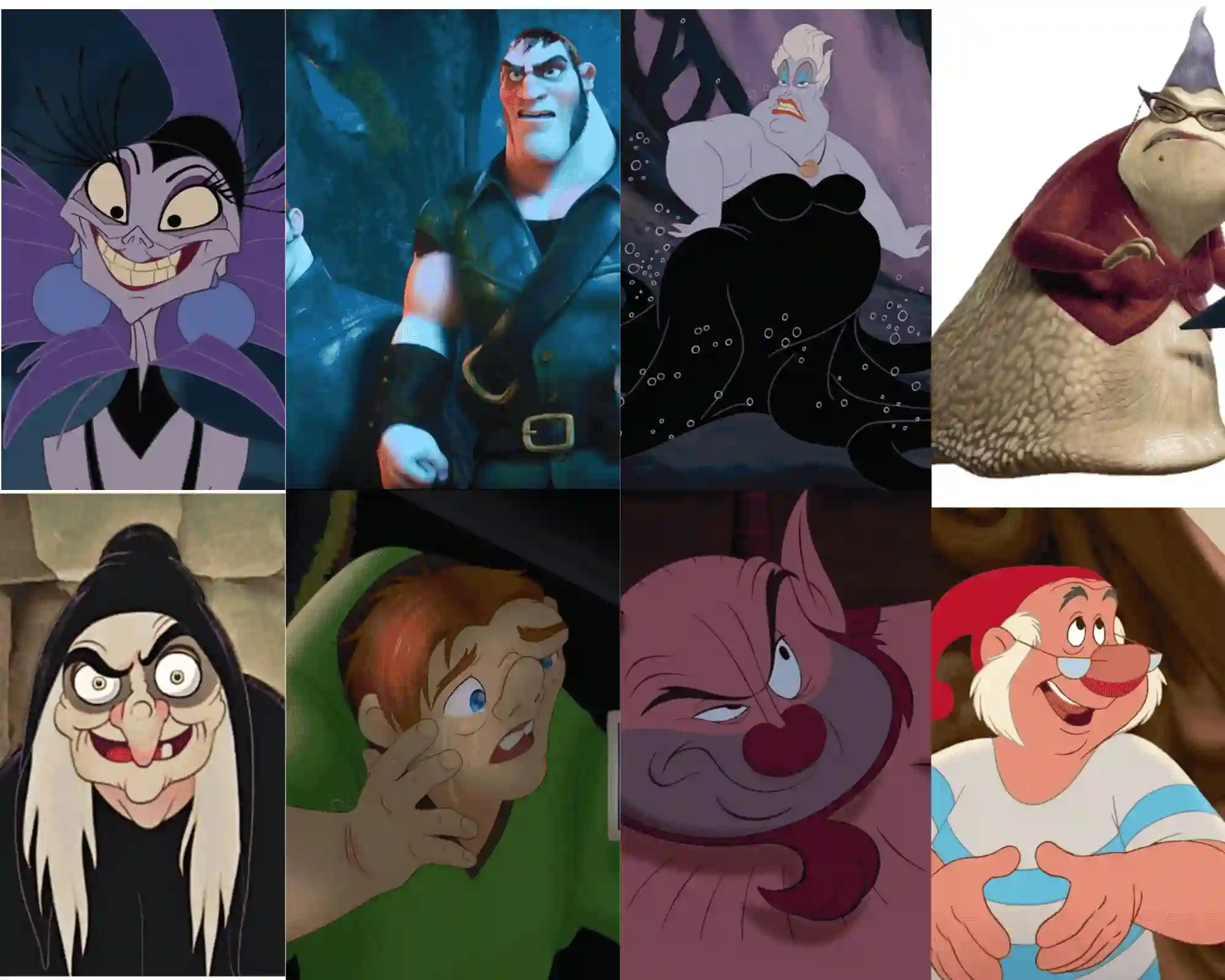
April 29, 2026 .
Lists, Opinions
The Mouse is famous for its princesses and princes. However, the studio’s true genius lies in its embrace of “ugly Disney characters”.
READ MORE
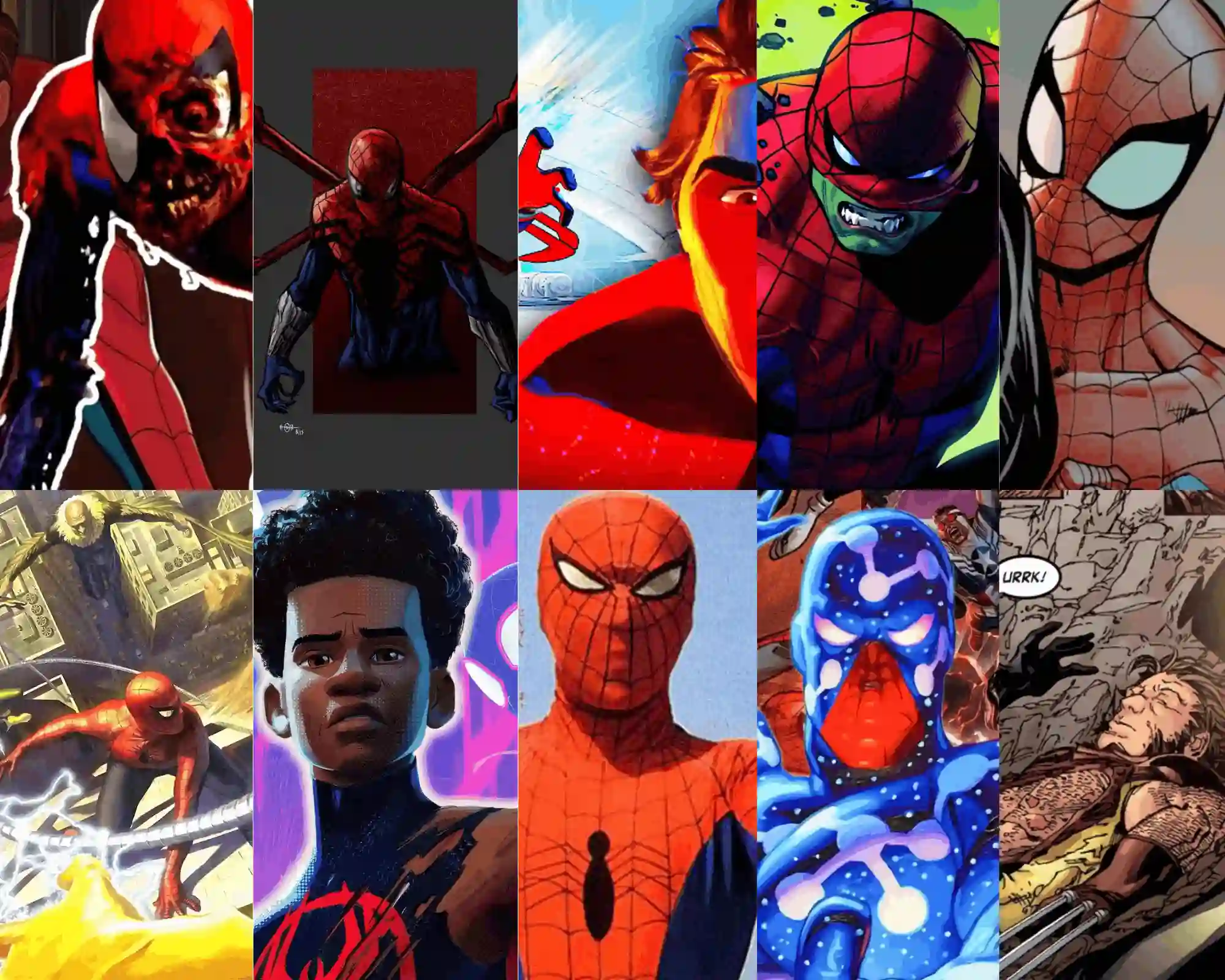
May 6, 2026 .
Lists, MCU
Spider-Man is one of the many superheroes from the Marvel Universe whose stories shaped many childhoods. Who is your strongest Spiderman?
READ MORE
February 26, 2026 .
Cartoons, Lists
There are some outright funny cartoon characters who exist solely to crack you up, loud, hard, and with zero apology.
READ MORE

July 20, 2025 .
Essays, Opinions
READ MORE

July 20, 2025 .
Essays, Opinions
READ MORE

July 20, 2025 .
Essays
Except if you have been living under a rock or in outer space since the beginning of time, there is no way you wouldn’t have heard of Wole Soyinka.
READ MORE

July 20, 2025 .
Essays, Opinions
READ MORE

September 12, 2025 .
Essays, Fantasy, Opinions
Fantasy is everything that lies in the realm of the fantastic. And, the more deviant from reality it is, the better.
READ MORE
July 20, 2025 .
Essays, Opinions
African literature embraces inclusivity, harnessing words as a medium to impart wisdom, preserve truths, and honor ancestral struggles.
READ MORE

October 22, 2025 .
Essays, Writer Resources
Ever found a book that looks like a comic but tells a complete, well-structured story? Congratulations, it’s a graphic novel.
READ MORE
July 18, 2026 .
Disney, Essays
Let’s examine the trend of softening Disney villains, its implications, and viewers’ responses to less sensitive material.
READ MORE
July 24, 2025 .
Essays, Writer Resources
READ MORE
Get our magazine for free!