Close menu
Ranking the best of African Literature














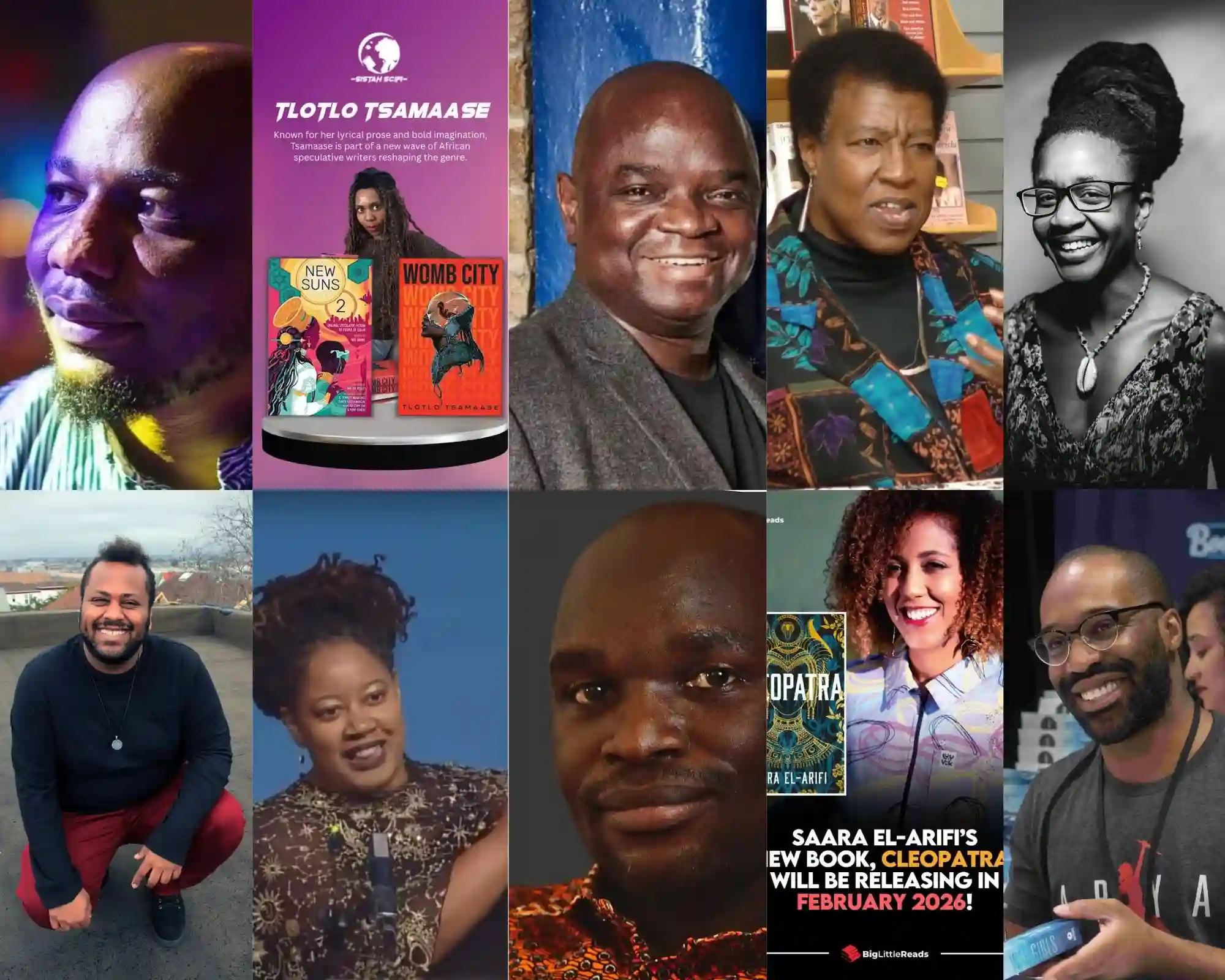














Except if you have been living under a rock or in outer space since the beginning of time, there is no way you wouldn’t have heard of Wole Soyinka.

Before I start, let’s have a short English lesson.
A legend is described as a person who is famous for knowing how to do something extremely well. Overrated means having a higher opinion of someone or something than is deserved, while on the other hand, a grammarian is a person who studies and writes about grammar. We would come back to this.
Except if you have been living under a rock or in outer space since the beginning of time, there is no way you wouldn’t have heard of Wole Soyinka.
The first-ever African Nobel Laureate in Literature (awarded in 1986); Professor of Literature, Author of internationally recognized books and plays such as The Interpreters, The Lion, and the Jewel, Ake: The Years of Childhood, Kongi’s Harvest, and most recently, Chronicles from the Land of the Happiest People on Earth which he wrote after 48 years.
Born Akinwande Oluwole Babatunde Soyinka in Abeokuta on the 13th of July, 1934, he always knew he would be a writer, which he stated in his autobiography Ake: The Years of Childhood as he won numerous prizes in literary contests.
He went ahead to graduate from the University of Ibadan and Leeds with degrees in English Literature. He wrote plays that were produced in Nigeria and the U.K. He started the 1960 Masks in Nigeria, where he was both director and actor. In addition, he wrote lyrics for the record I Love My Country. He is passionate about his country, a social activist, and was quite vocal about his opinions. His works are infused with humor, satire, and irony targeted at his country that gets you thinking long after you have dropped his books.
So what might you say? He was from a middle-class home with educated parents and influential relatives. He lived a buttered life. His life was not all roses.
In 1967, during the Nigerian Civil War, he was imprisoned for two years by the regime of Gen. Yakubu Gowon. Also, during the regime of Gen Sanni Abacha, he went on self-exile on a motorcycle via the NADECO route. Talk about daring. He had also voluntarily resigned from his position at times and from different universities in Nigeria to protest against the political situation in the country.
From this wealth of experience, he has gone ahead to teach at Harvard, Oxford, Yale, Cornell, Emory, the University of Nevada, among others. These are places you must be excellent at what you do even to get invited there.
Even when he was in jail, he still chucked out great works like Poems from Prison with little materials to write on, showing passion for what he believed.
He helped translate renowned works of Yoruba literature into English, an example being D.O Fagunwa’s 1938 novel, A Forest of a Thousand Daemons in which he coined the word Ghommids to explain the difference between the Yoruba spirit world and how the world views the spirit world.
According to Reed Way Dasenbrock, a renowned Professor of English, the Nobel prize in Literature to the professor was likely to prove controversial and was thoroughly deserved.
His critics proved Dasenbrock right as other African writers have accused Soyinka of being unafrican in his works and that he had used his great talents to further the wills of the western powers.
He was further criticized for being deliberately vague, his use of ‘big’ grammar and immersing himself in `private myth-making at the expense of communicating with a popular audience about issues that directly concerns it directly’. It is said that his readers would have to use a dictionary to enjoy his works as they are full of grammar, examples being:
The arrogant elimination of the Djaouts of our world must nerve us to pursue our own combative doctrine, namely: that peaceful cohabitation on this planet demands that while the upholders of any creed are free to adopt their own existential absolutes, the right of others to do the same is thereby rendered implicit and sacrosanct. Thus the creed of inquiry, of knowledge and exchange of ideas, must be upheld as an absolute, as ancient and eternal as any other.
A war, with its attendant human suffering, must, when that evil is unavoidable, be made to fragment more than buildings: It must shatter the foundations of thought and re-create. Only in this way does every individual share in the cataclysm and understand the purpose of sacrifice.
https://www.legit.ng/1030319-11-wole-soyinkas-grammer-will-definitely-break-ya-head.html
The phenomenon of creativity, we know, is closely related to the ability to yoke together separate, and even seemingly incompatible, matrices.
The fault, of course, is not in religion, but in the fanatic of every religion. Fanaticism remains the greatest carrier of the spores of fear, and the rhetoric of religion, with the hysteria it so readily generates, is fast becoming the readiest killing device of contemporary times.
He has also been condemned for his controversial statements, one of which was his claim that if Donald Trump won the 2016 Presidential Election, he would destroy his Green Card. He was accused of not being true to his word as he did not carry out this act publicly.
He was denounced when he turned down requests asking that he nominate Chinua Achebe, author of Things Fall Apart, for a posthumous Nobel prize for Literature. His critics claim he was not willing to share the glory.
As stated by Caroline Davis, a British scholar based at Oxford Brookes University who published the book African Literature and the CIA: Networks of Authorship and Publishing, Soyinka was majorly sponsored by CIA-backed organizations, which helped his rise to fame and the path to the Nobel Laureate. Soyinka had refuted this claim, however, saying he wasn’t in league with CIA agents.
I have had the pleasure of writing to the professor. I was working on my final year project and needed information about the Abeokuta Ladies Club, in which his mother was an active member. I wanted to visit him, but I was told he was busy so I sent a letter.
To my surprise, I got a reply. He sent his response through his P.A. and he personally signed the letter. My letter must have been one of the thousands that get to him every year, yet he took his time to answer an undergraduate. Although he didn’t have the information I needed, he wished me well, which boosted my confidence.
So think back to our short English lesson and answer this question- is he merely an overrated grammarian or a deserving legend?
I would leave you with one of his most memorable quotes.
Books and all forms of writing are terror to those who wish to suppress the truth. So read more and speak your truth.

A Bookworm
Best Films About Unexpected Age Gap Romance
Literary Awards and the Racism Card: A Wake-Up Call for Black Africa
Interview with the Vampire Relationships, Ranked
10 Top Recent Films for Action and Comedy Fans
Comma Rules Every Writer Should Know
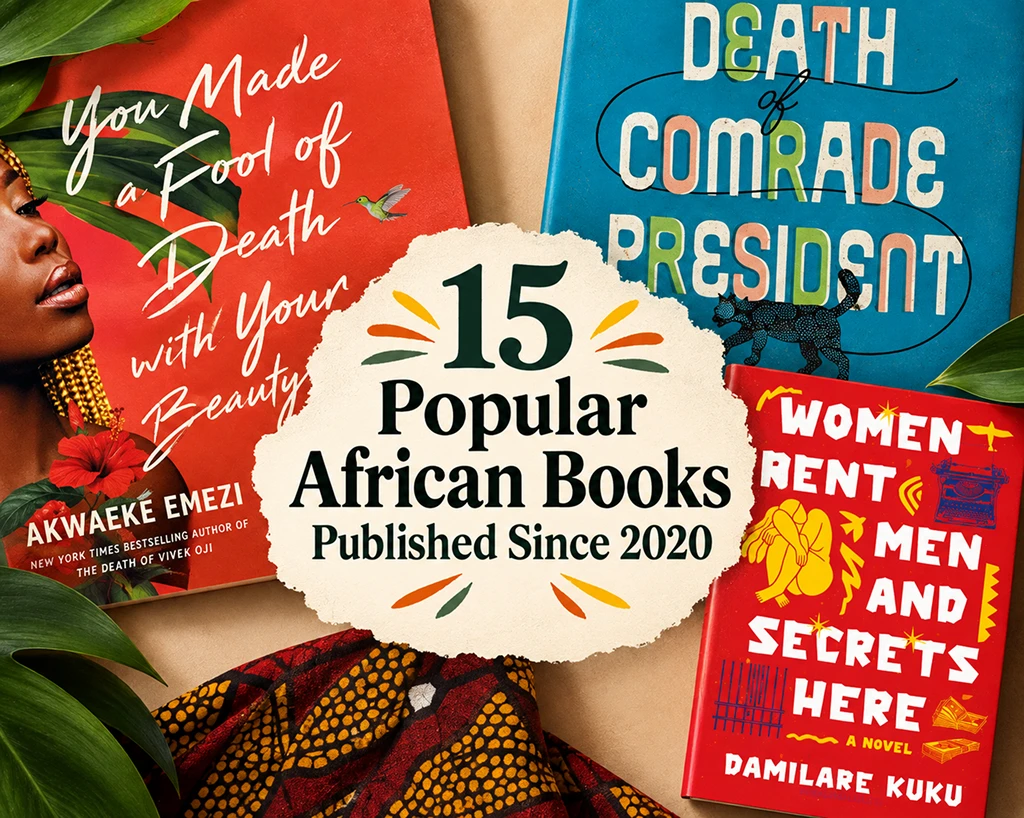
10 Most Hype-worthy 2026 Book Releases (African Literature Version)
Five Gambling Films That Know the Bet Is Only Half the Story
Movies Where Poker Reveals Who a Character Really Is
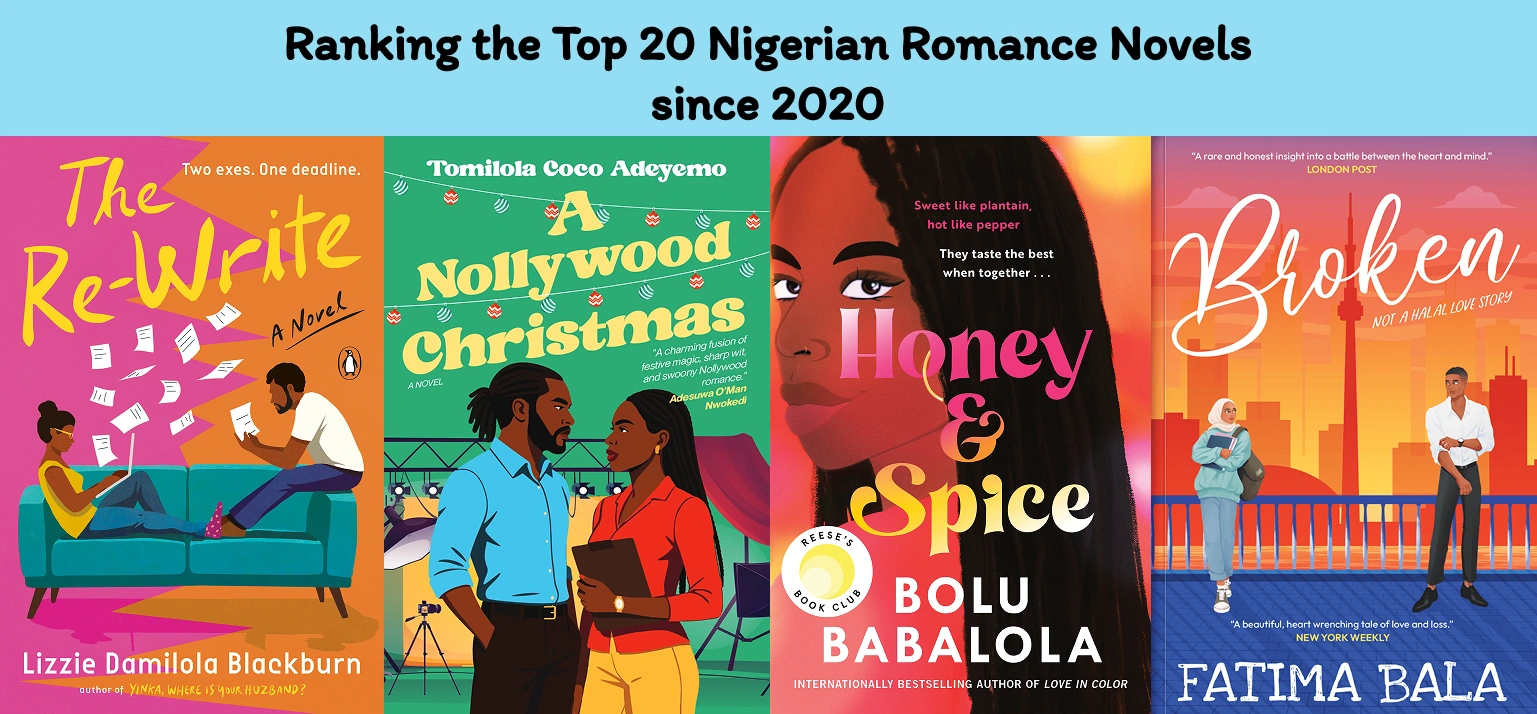
Ranking the Top 20 Nigerian Romance Novels since 2020
In Defense of Reading and Gaming
8 Third-Person Omniscient Examples for the Plot
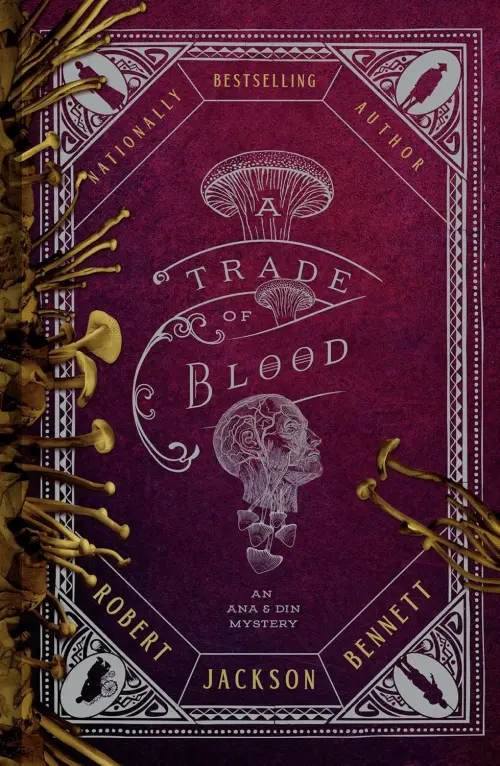
A Trade of Blood (Ana and Din Mysteries #3) by Robert Jackson Bennett
July 20, 2025 .
Animation, Lists
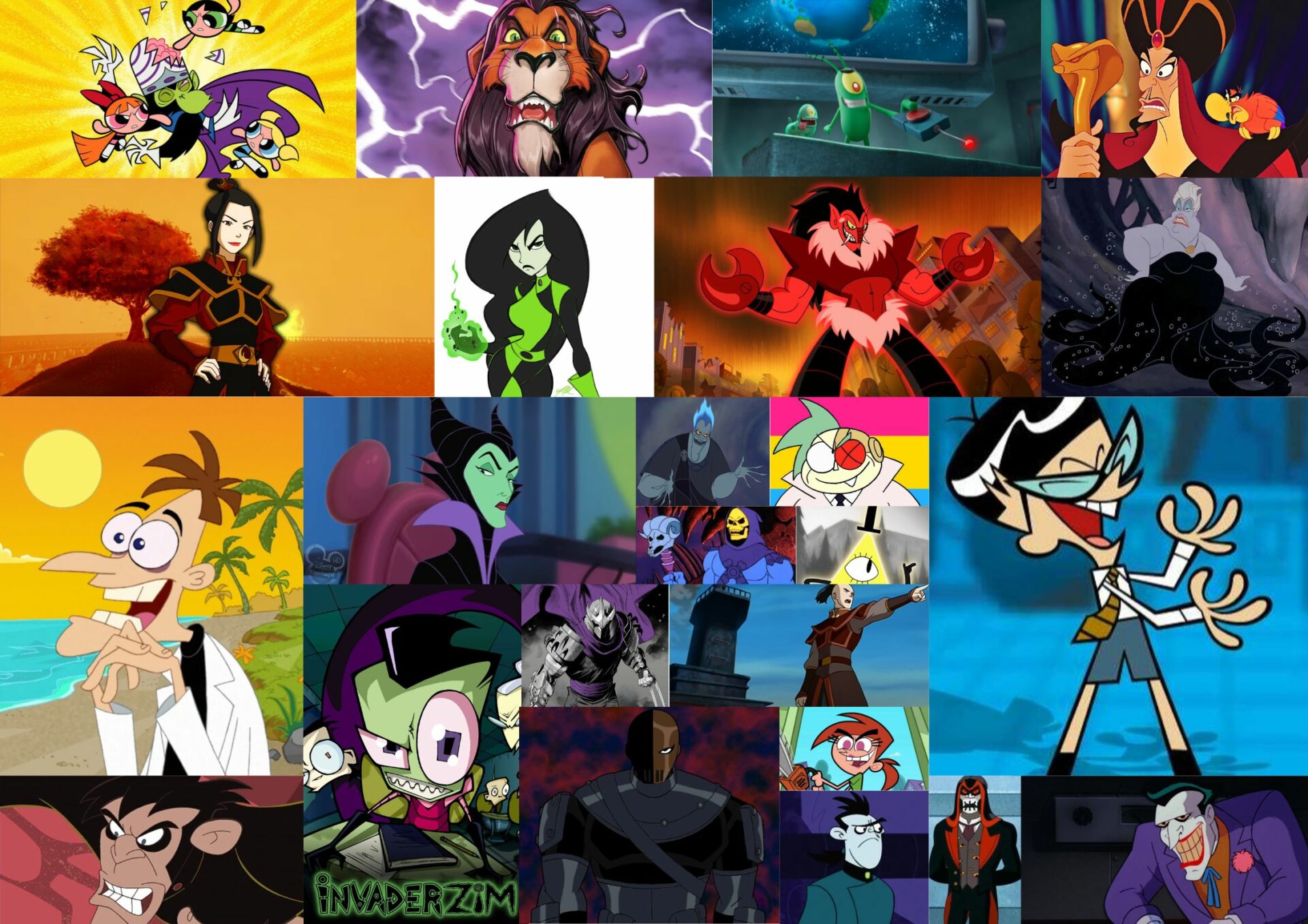
Our list rounds up the top 30 cartoon characters that were villains, each one more wonderfully wicked than the last.
READ MORE
October 28, 2025 .
Lists, Marvel, MCU, Opinions
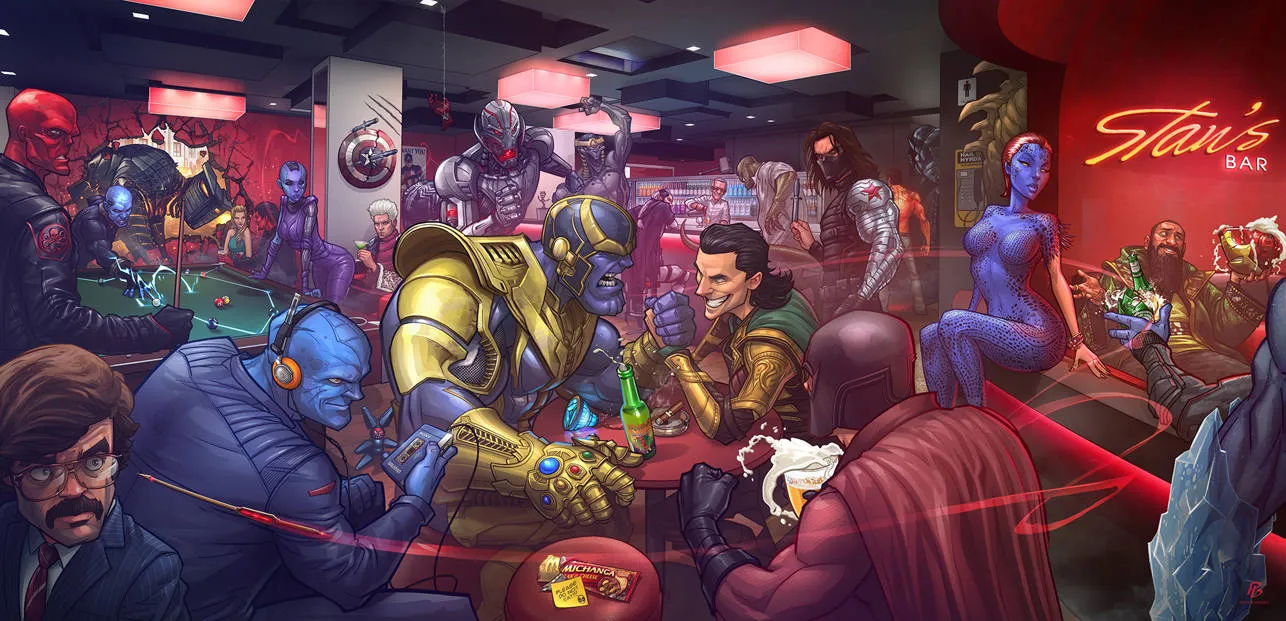
Let’s go through a list of the top 7 strongest Marvel villains, from the wickedly powerful to the absolutely unstoppable.
READ MORE
April 29, 2026 .
Lists, Opinions
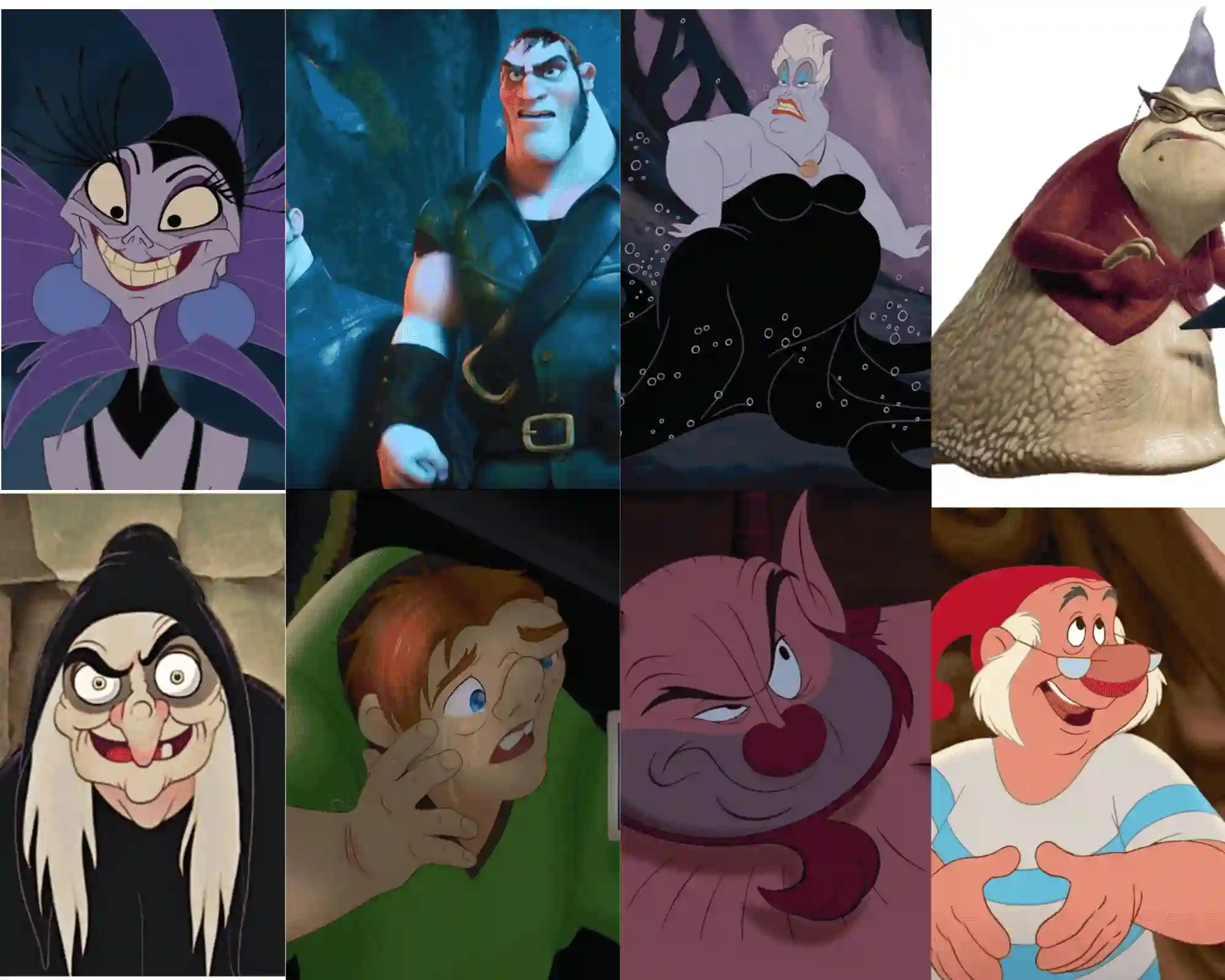
The Mouse is famous for its princesses and princes. However, the studio’s true genius lies in its embrace of “ugly Disney characters”.
READ MORE
May 6, 2026 .
Lists, MCU
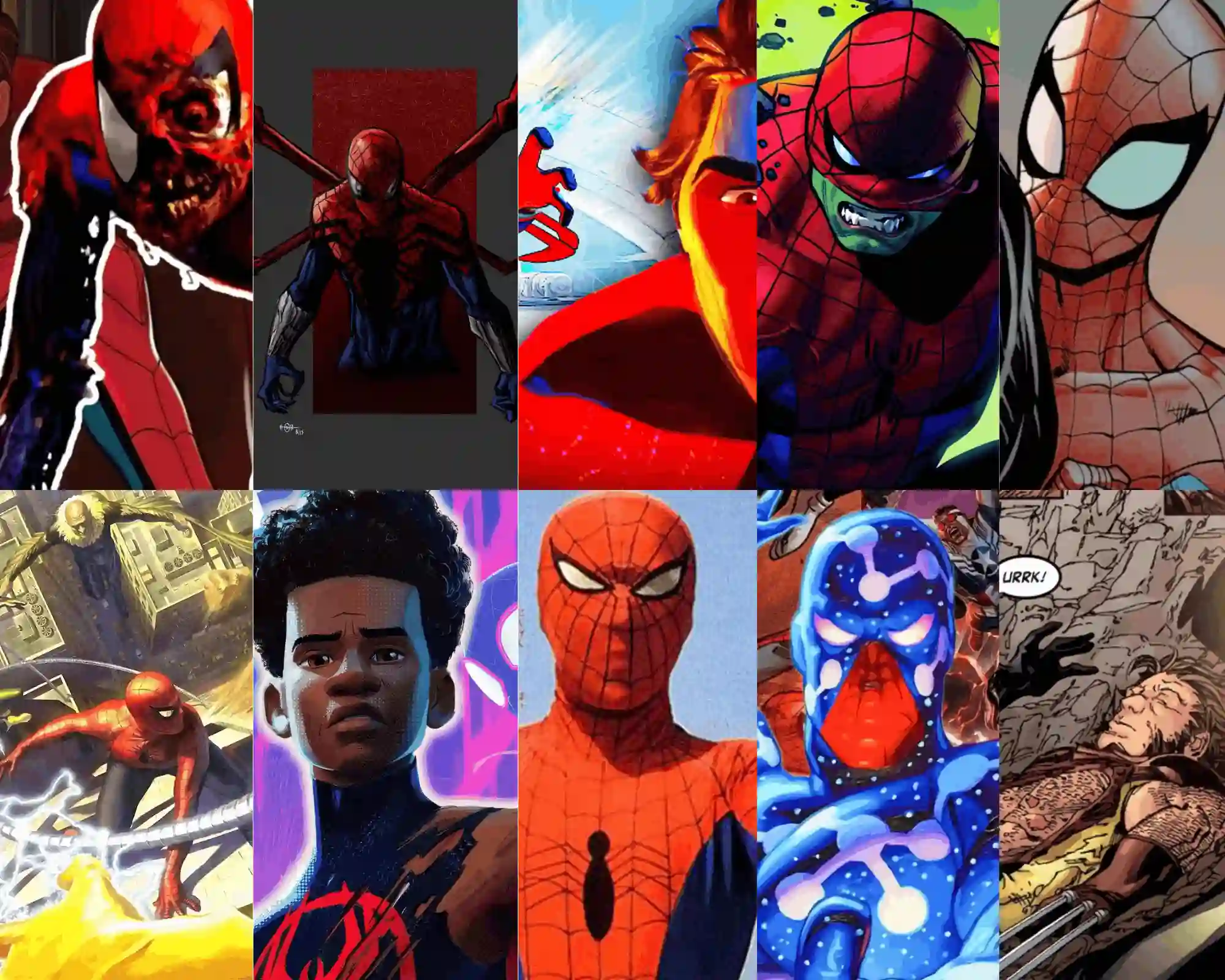
Spider-Man is one of the many superheroes from the Marvel Universe whose stories shaped many childhoods. Who is your strongest Spiderman?
READ MORE
November 27, 2025 .
Lists, Mythology
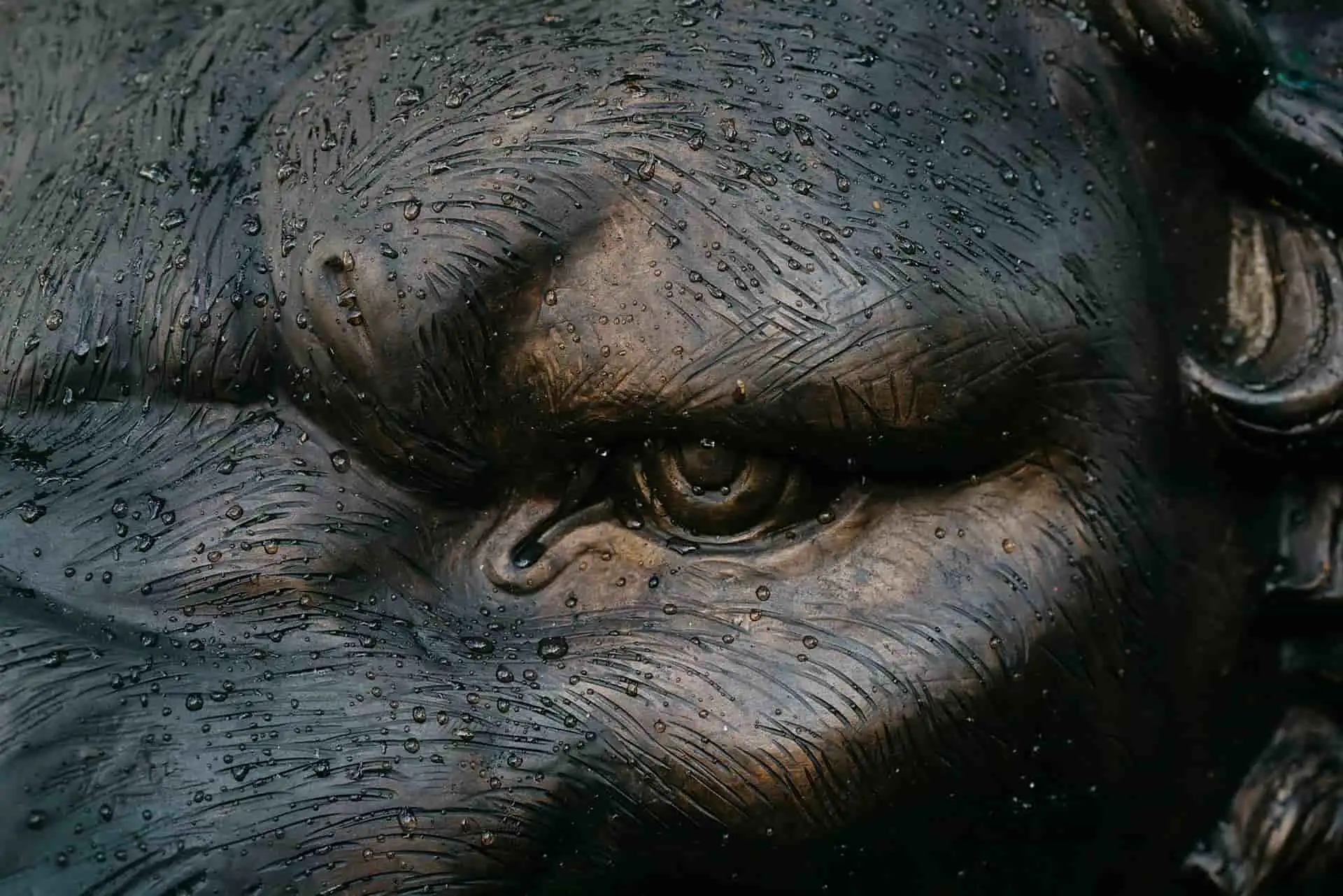
While this isn’t an exhaustive list, it comprises some of the most popular mythical creatures from around the world.
READ MORE

July 20, 2025 .
Essays, Opinions
READ MORE

July 20, 2025 .
Essays, Opinions
READ MORE

July 20, 2025 .
Essays, Opinions
READ MORE
September 12, 2025 .
Essays, Fantasy, Opinions
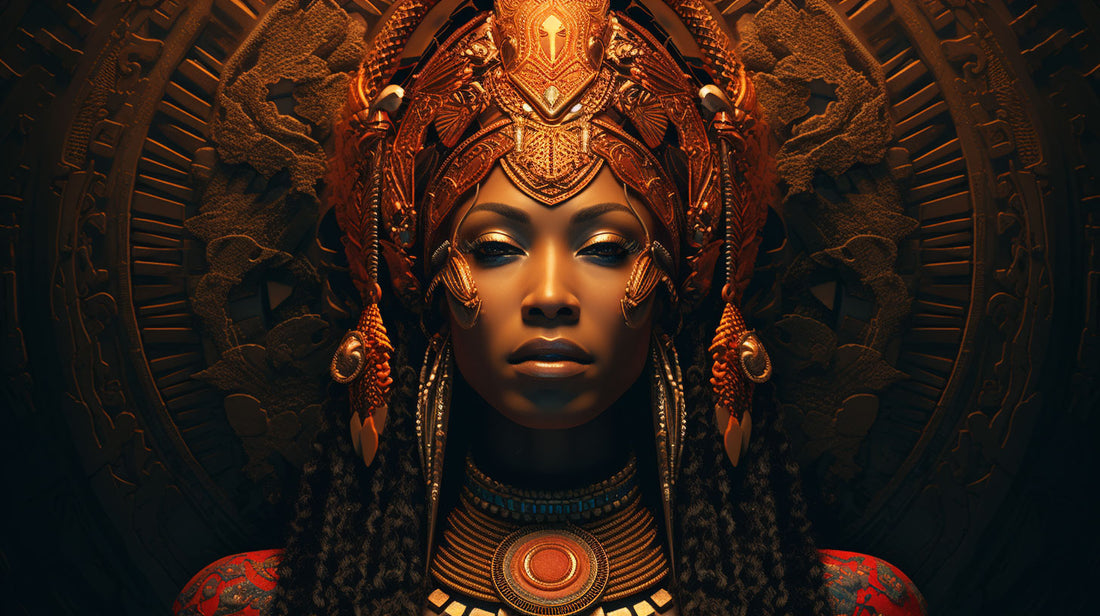
Fantasy is everything that lies in the realm of the fantastic. And, the more deviant from reality it is, the better.
READ MORE
July 20, 2025 .
Essays, Opinions
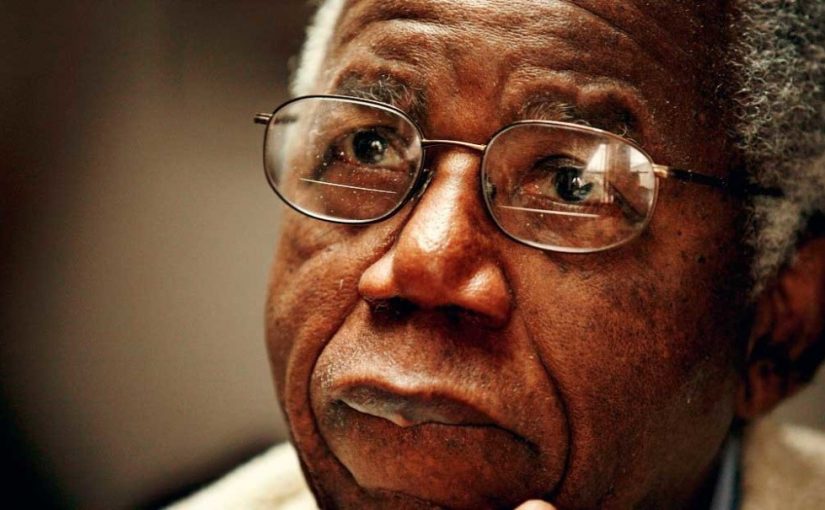
African literature embraces inclusivity, harnessing words as a medium to impart wisdom, preserve truths, and honor ancestral struggles.
READ MORE

October 22, 2025 .
Essays, Writer Resources
Ever found a book that looks like a comic but tells a complete, well-structured story? Congratulations, it’s a graphic novel.
READ MORE
July 18, 2026 .
Disney, Essays
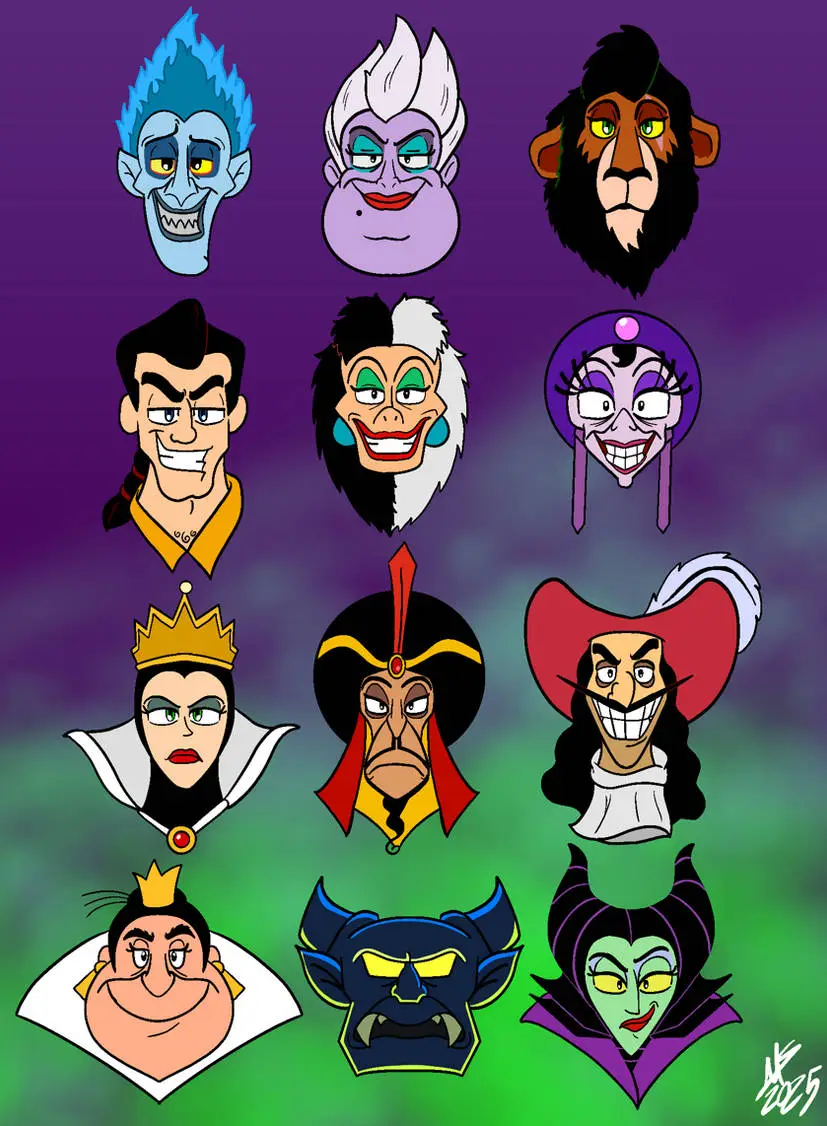
Let’s examine the trend of softening Disney villains, its implications, and viewers’ responses to less sensitive material.
READ MORE
July 24, 2025 .
Essays, Writer Resources
READ MORE
August 25, 2025 .
Essays, Opinions
Until the image is completely shed, African Literature will be synonymous with Africa’s bleakest realities, with no glimpse at its hidden riches.
READ MORE
Get our magazine for free!