
Menu

















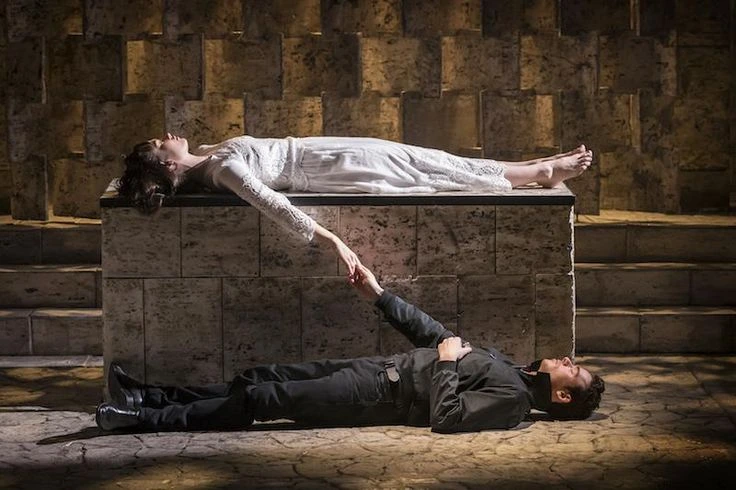




Both Game of Thrones and The Wheel of Time completely reshaped the fantasy genre, but they did it in almost opposite ways.
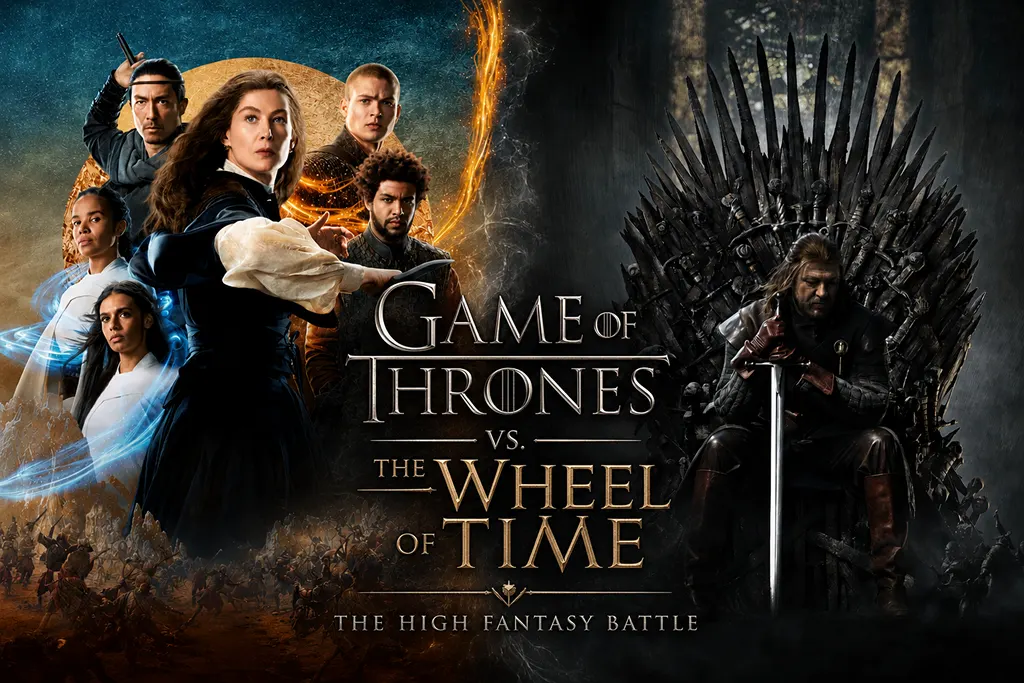
Both Game of Thrones and The Wheel of Time completely reshaped the fantasy genre, but they did it in almost opposite ways.
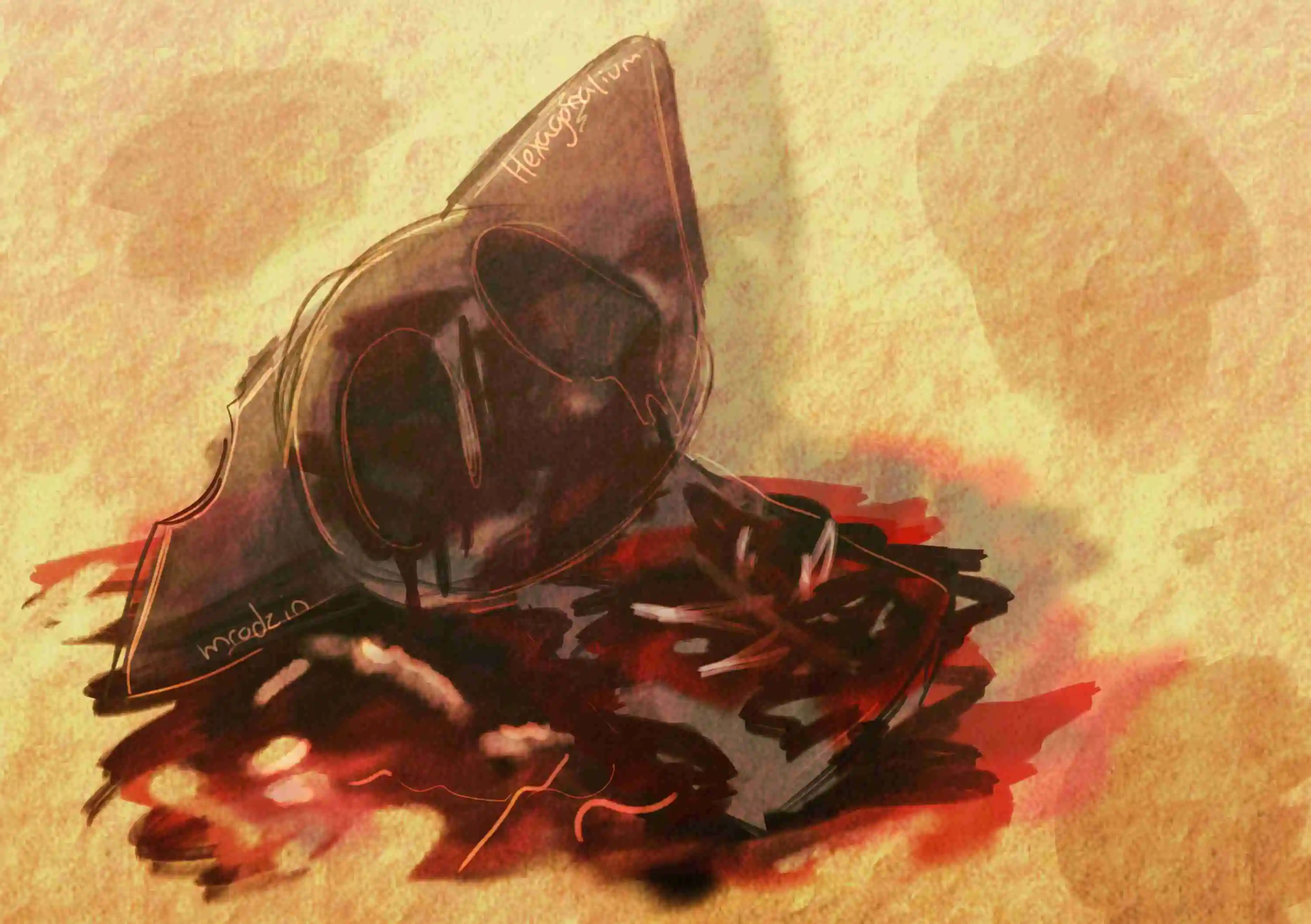
George R.R. Martin drags readers through the raw, muddy reality of human flaws, betrayal, and moral collapse. Robert Jordan, on the other hand, lifts us up again and again with stubborn, persistent hope that refuses to die even in the darkest times.
Strip away the epic battles, the dragons, the ancient prophecies, the swords, and the One Power spells; what remains?
One story forces us to confront the absolute worst things people are capable of doing to one another. The other quietly celebrates the best we manage to pull off, day after ordinary, exhausting day.
So when you really think about it, which one actually lands closer to the complicated, messy truth of real human life?
In the brutal world of Westeros, nobody escapes untouched by filth and compromise. Honor doesn’t protect you; it often gets you killed.
Ned Stark is the perfect example. He lives by a strict code of honor and duty. He believes in truth and loyalty above everything. Because he trusts the wrong people and refuses to play the cynical political games everyone else is playing, he ends up executed in front of his daughters.
His eldest son, Robb, becomes the Young Wolf, a brilliant young king. When he chooses love and marriage over a strategic alliance, the result is the infamous Red Wedding – a shocking, bloody betrayal that slaughters Robb, his mother Catelyn, and thousands of loyal men in a single afternoon of horror.
Daenerys Targaryen begins as a frightened, abused teenager sold into a marriage she doesn’t want. Through sheer determination and growing power, she transforms into a liberator, freeing slaves and toppling tyrants. Yet when grief, betrayal, and rage finally overwhelm her, she unleashes her dragons on an entire city full of innocent people, burning them alive.
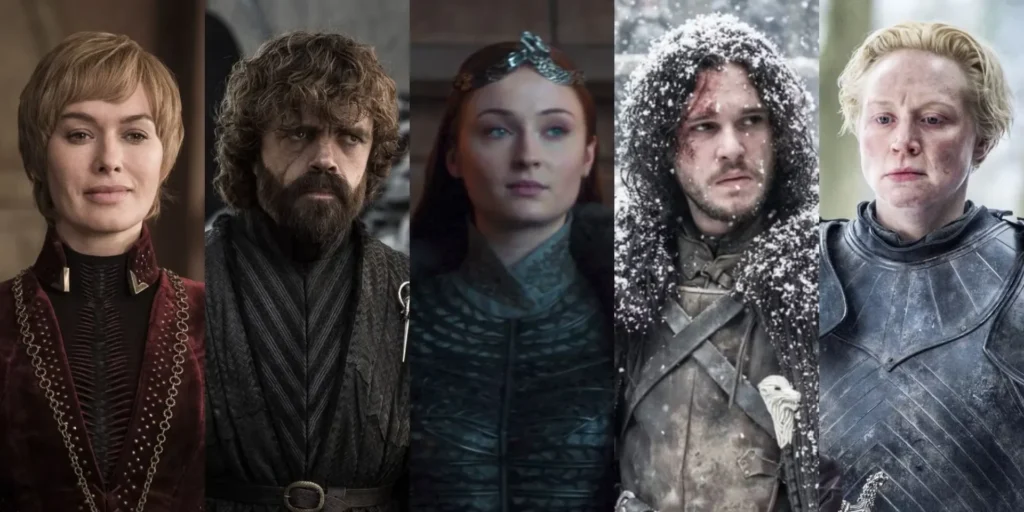
Tyrion Lannister remains one of the few characters who consistently show kindness and decency toward the powerless and the smallfolk. Still, in moments of rage and despair, he strangles the woman he loves and then murders his own father. Cersei Lannister commits one atrocity after another. From massacring children to cover her tracks, destroying the Great Sept of Baelor with wildfire and killing hundreds in the explosion, ultimately razing parts of her own city just to hold onto the Iron Throne.
Even Jaime Lannister, who starts as the arrogant Kingslayer who pushes a child out of a high tower to protect his incestuous secret, slowly develops a conscience. He tries to become a better man, loses his hand, questions his old ways, and shows real honor. But under pressure, he slides back into destructive patterns, unable to fully escape his past.
The message of Game of Thrones never softens or pulls punches: power corrupts absolutely. Fear twists people into monsters.
When survival hangs in the balance, even decent people make choices so ugly they can never wash the blood off their hands. It stings so much because it feels painfully familiar. We see echoes of it in daily news headlines filled with political betrayal, corporate greed, and corruption.
History books are soaked in ambition gone wrong. Sometimes we see the same cracks appear in our own families, friendships, or workplaces, jealousy, panic, or a sudden hunger for control tearing everything apart.
Game of Thrones holds up a merciless mirror to our darkest impulses and refuses to let us look away or pretend those shadows aren’t there.
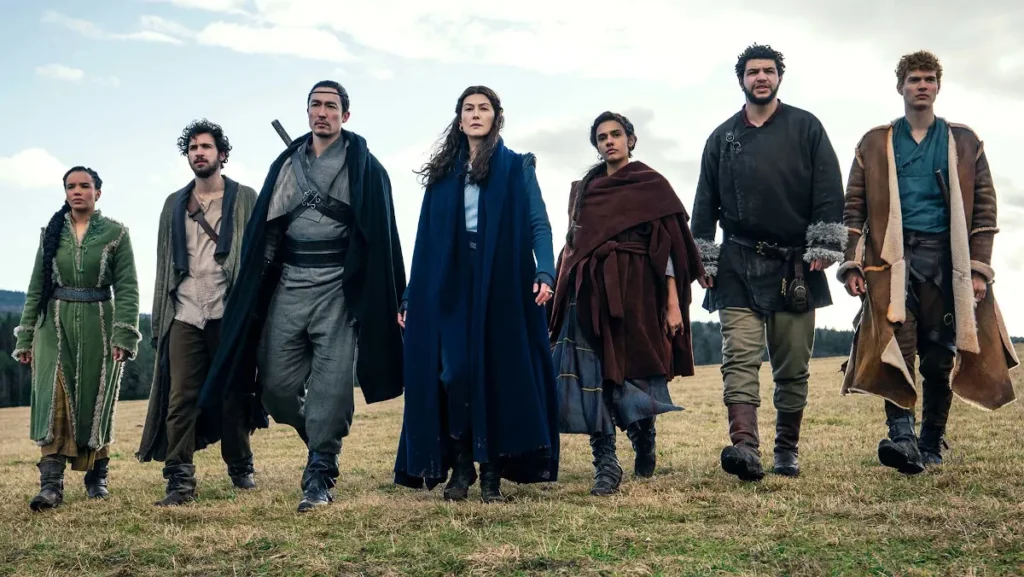
The Wheel of Time starts from a completely different place. It opens with five very ordinary young people from a small, peaceful village who are unwillingly pulled into an ancient, world-shaking prophecy.
Rand al’Thor learns he is the Dragon Reborn, the one destined to either save the world or destroy it while going insane. For years, he has lived in terror of that coming madness, building emotional walls around himself and hardening his heart for the terrible things he knows he must do. Yet it’s the small, human things that keep dragging him back from the brink. It’s the gentle, steady love from Min Farshaw, the unshakable loyalty of his childhood friends Mat and Perrin, or the random acts of kindness from people who don’t even know his true identity.
Mat Cauthon starts out as a selfish, wisecracking rogue who wants nothing more than to dodge responsibility, avoid danger, and live a comfortable, easy life. He spends much of the series complaining, scheming, and trying to outrun fate itself with sarcasm and tricks. Yet time after time, he ends up saving lives anyway, becoming one of the greatest military commanders in history almost against his will, even though he hates the role and the responsibility it brings.
Perrin Aybara constantly battles the violent wolf instincts that awaken inside him. At first, he tries to suppress them completely because he values quiet, books, and peaceful craftsmanship. Eventually, he learns to accept and channel that strength to protect the people he loves most.
Egwene al’Vere survives capture, torture, slavery, and unimaginable hardship, yet she rises to become one of the most powerful and respected leaders in the world while somehow holding onto her core kindness and empathy.
Nynaeve al’Meara never loses her fierce temper, her protective instincts, or her habit of yanking her braid when she’s frustrated or angry. She heals complete strangers without a second thought, stands up to kings and powerful Aes Sedai, and repeatedly risks her life for Lan Mandragoran because her love for him is so deep and stubborn it simply refuses to break.
Real arguments happen between characters. Jealousy flares up. Feelings get hurt. Apologies are offered; sometimes grudgingly, sometimes tearfully. Friendships endure decades of war, separation, pain, and loss. Couples bicker over everyday things the way real couples do, yet they grow old together anyway.
Even many of the villains get moments where we understand how they became broken. Old wounds, pride, fear, or one terrible choice that snowballed into something monstrous. Jordan always insists that redemption is possible, that hope and genuine human connection can outlast even the most overwhelming horror.
And that resonates deeply, too. Most of us aren’t evil masterminds or cartoon villains. We mess up, hurt the people we care about, sometimes without meaning to. We feel guilty afterward, apologize, and try to fix what we broke. Then show up for friends in tough times. Forgive them when they stumble. And we keep putting one foot in front of the other, even when we’re exhausted.
The Wheel of Time quietly honors that ordinary, unglamorous grit, the small ways we choose kindness, loyalty, and decency when it would be easier to give up.
Game of Thrones nails the shadow side of humanity with brutal accuracy, the cruelty, the betrayal, the way fear and power can drag even good people down into darkness. It hurts to watch because it so often matches the worst things we see in the world or sometimes experience ourselves.
The Wheel of Time nails the light side: the slow, painful climb back toward goodness, the loyalty that refuses to snap, the quiet choice to keep trying even after failure. It comforts us because it reflects the small, hard-earned victories that actually happen in everyday life.
Real life isn’t just one or the other. It’s both, tangled together. Terrible acts occur right alongside quiet kindness. Betrayal can be followed by real forgiveness and healing. One story warns us how low we can sink when we give in to our worst impulses. The other shows us how high we can rise when we hold onto hope, love, and connection.
Taken together, these two very different series sketch something much closer to the full, contradictory, heartbreaking, and beautiful mess of actually being human. Neither one tells the whole story alone. But side by side, they come remarkably close to capturing the entire complicated picture.

Hi I'm Tega, I am a microbiologist with a lifelong passion for reading, I fell in love with books as child (where I was briefly obsessed with Enid Blyton, lol) reading is simply my escape and hobby and sometimes doubles as therapy for me . My favorite genres are African lit, historical fiction, memoirs/biographies and fantasy. I do beta reading and post book reviews which you can check out on my Instagram @ te_ga_o.
Marvel vs. DC Female Superheroes
The Author’s Guide to the Rule of Three I
15 Writing-Adjacent Careers for Writers Looking for a Career Change
Authors Spotlight: Khaled Hosseini
The Sound Souls Make When They Die by Chinemefun Chimuanya
If Nollywood Cast Our Favourite African Books: Who Would Play Who?
Best Films About Unexpected Age Gap Romance
Literary Awards and the Racism Card: A Wake-Up Call for Black Africa
Interview with the Vampire Relationships, Ranked
10 Top Recent Films for Action and Comedy Fans
Comma Rules Every Writer Should Know
10 Most Hype-worthy 2026 Book Releases (African Literature Version)
July 20, 2025 .
Animation, Lists
Our list rounds up the top 30 cartoon characters that were villains, each one more wonderfully wicked than the last.
READ MORE
April 29, 2026 .
Lists, Opinions
The Mouse is famous for its princesses and princes. However, the studio’s true genius lies in its embrace of “ugly Disney characters”.
READ MORE
November 27, 2025 .
Lists, Mythology
While this isn’t an exhaustive list, it comprises some of the most popular mythical creatures from around the world.
READ MORE
May 6, 2026 .
Lists, MCU
Spider-Man is one of the many superheroes from the Marvel Universe whose stories shaped many childhoods. Who is your strongest Spiderman?
READ MORE
October 28, 2025 .
Debates, Lists, Marvel, MCU
Every Marvel hero brings something to the table. But if we had to pick the top 8 most popular Marvel superheroes, who would make the cut?
READ MORE

July 20, 2025 .
Opinions
Book recommendations from random places don’t always cut it, and you often end up feeling unsatisfied with them.
READ MORE

July 20, 2025 .
Essays, Opinions
READ MORE

July 20, 2025 .
Essays, Opinions
READ MORE

September 11, 2026 .
Opinions
Book reviews aren’t just a jumble of words on how a book made you feel but also a veritable document that you can quickly refer to when your memories temporarily fail you.
READ MORE

July 20, 2025 .
Opinions
Reading hundreds of pages for a single book can be like facing Smaug, Chiefest of Calamities, but a short story is a small dragon that you can easily conquer.
READ MORE

July 20, 2025 .
Debates, Opinions
Reading nonfiction about what interests you can provide more color and context that might make your fiction reading experience more enjoyable.
READ MORE
September 12, 2025 .
Opinions
In a fast-paced world, reading asks us to slow down, surrender, and sit with another person’s words long enough for them to settle inside us.
READ MORE
November 24, 2025 .
Debates, Opinions
Reading is active while watching movies is passive. The act of turning pages creates a pause that enhances understanding.
READ MORE
July 26, 2025 .
Fantasy, Opinions
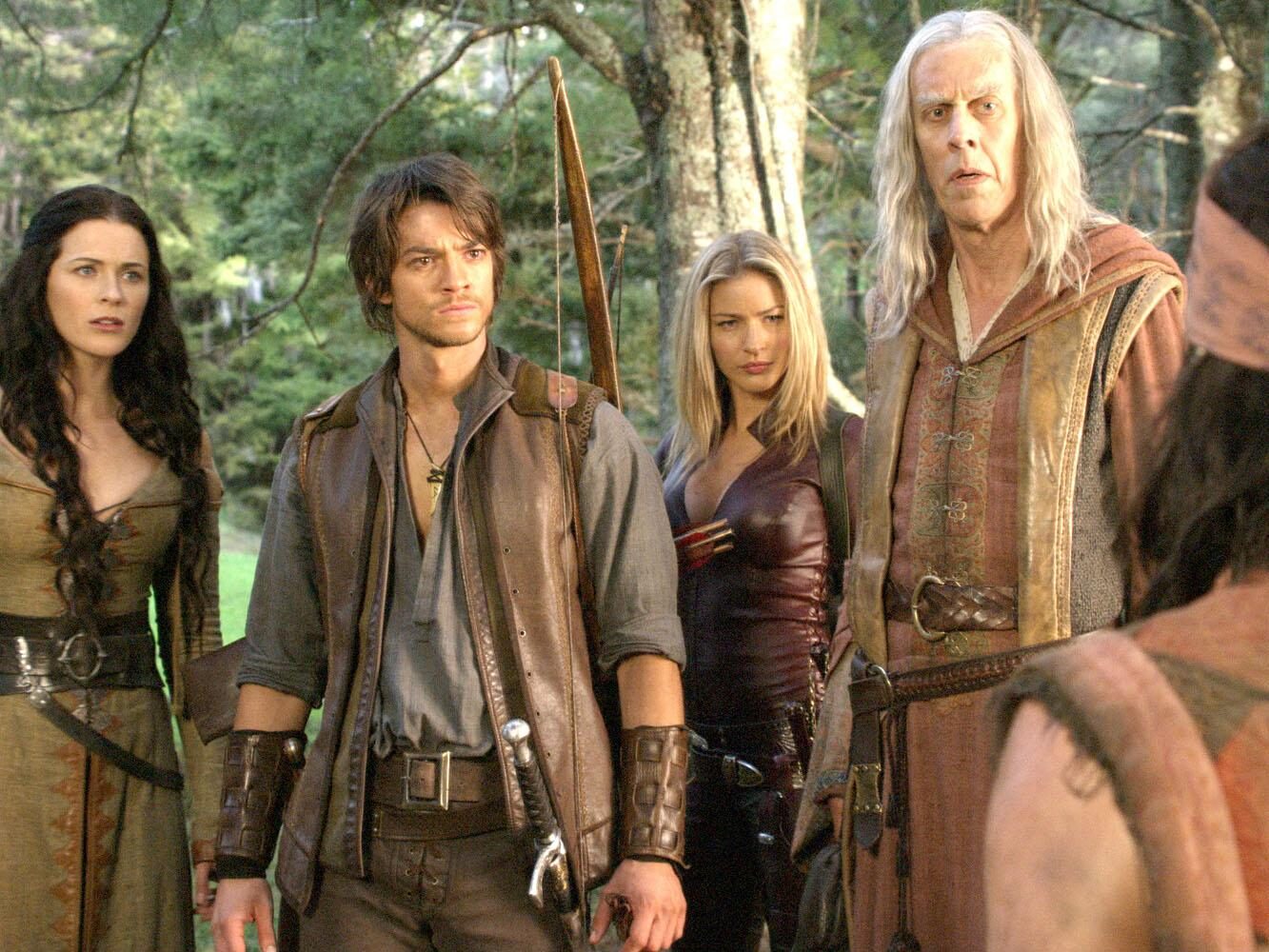
It’s cliche. But it’s rapid. It’s predictable. But it’s enjoyable. For lovers of the classic tropes, Legend of the Seeker is a worthy watch.
READ MORE
Get our magazine for free!