



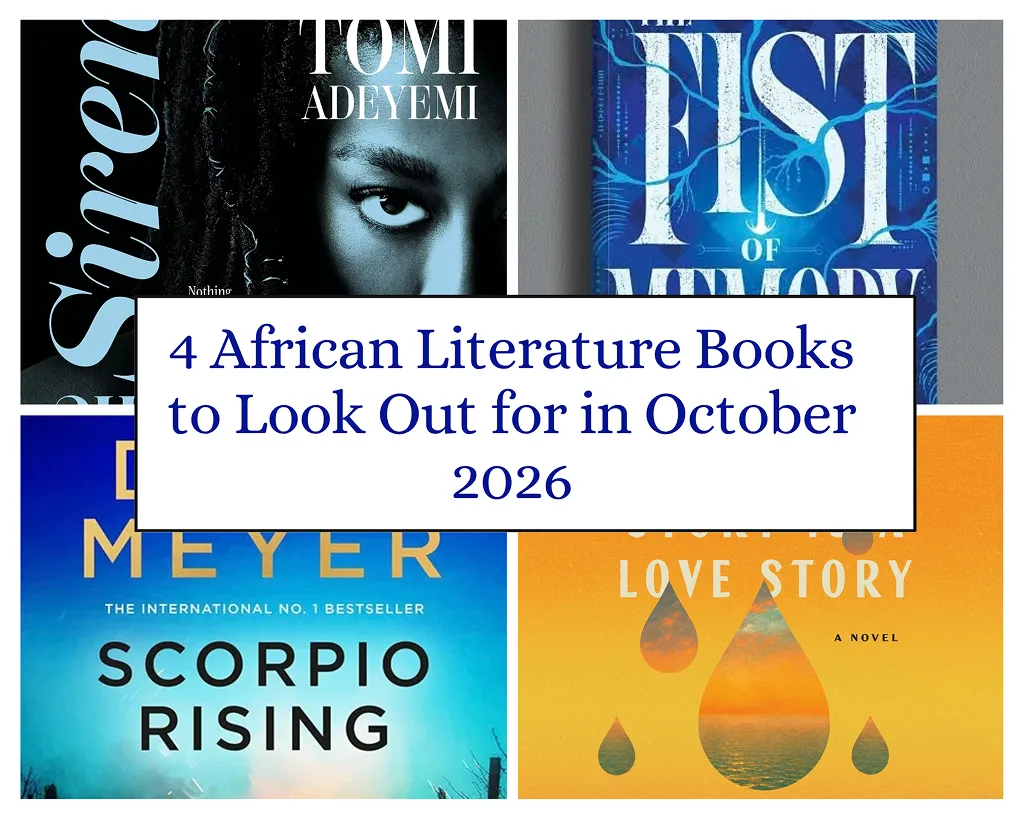





















In places where officials would rather not have things written down, fiction stands in as a witness. It gives names to what’s usually left unspoken.
Picture this: A woman goes missing. Her family files a police report, then waits. And waits longer. Eventually, a couple of officers show up, barely bothered. One leans against the wall, arms crossed, as if he’s just killing time.
Across town, the missing woman’s mother is glued to her phone, praying for news. You end up driving the police to the scene. You’re the one paying for petrol. There’s no crime scene tape, no people snapping photos and collecting evidence, no sense of urgency.
Suddenly, someone gets a phone call, a relative with the right connections, maybe, and whatever was happening grinds to a halt. Weeks pass. The case doesn’t get solved, but it doesn’t close either. It just fades out, everyone moving on except the family, who keep sleeping with the lights on.
Now, be honest: Is that the kind of story you’d pick up for fun? Or does it hit uncomfortably close to home?
That’s the trouble, and the power at the heart of African crime fiction. These books don’t just walk you through a tidy list of suspects and clues. They drag you into a world where the systems that are supposed to protect you are slow, messy, and sometimes completely absent. They show you not just the crime, but the silence and the stalling, the influence games, and the way hope flickers out as the days drag on. And that raises a tougher question than most whodunits bother asking: when fiction looks this much like real life, does it stop being fun, or does it become something much more important?
Let’s face it: Most of us grew up on crime stories where things work more or less like clockwork. Poe gave us the first detective, a guy who figured things out by thinking harder than everyone else. Arthur Conan Doyle took that formula and made it legendary.
By the time Agatha Christie came along, we knew the drill: there’s a body, there are clues, and a brainy detective pieces it all together so that by the last page, justice gets served. It’s reassuring, even if the stories get dark. There’s always order at the end.
African crime fiction doesn’t play by those rules. Writers like Kwei Quartey or Deon Meyer set their stories in places where detectives scrape by with barely enough resources. Political strings get pulled. Evidence goes missing. Sometimes, the detective is just as powerless as everyone else. Cases crawl along slowly, or hit a dead end. Sometimes, there just isn’t a solution.
So instead of racing to the big reveal, you’re slogging through the mess: the frustration, the dead time, the small, grinding details that sound a lot like everyday life. These stories don’t let you off the hook. They want you to stay uncomfortable and see what it’s like when the system lets everyone down.
Let’s be real: a lot of readers pick up crime novels to unwind. They want tension and danger, but only if it all tidies up in the end. When a book offers nothing but slow investigations, bureaucracy, and the gnawing sense that nothing will really change, escape turns into reminder. You remember your own stories and your own frustrations, why bother reliving them on purpose?
If you live in a place where these problems are real, the echo can sap all the pleasure from reading. For readers outside Africa, a story that never truly ends, where the case just stays unsolved, can feel like lazy writing, not a conscious choice.
In my opinion, quick, easy reads catch on faster. They get passed around, land on bestseller lists, and basically sell themselves. Books that ask you to sit in discomfort, to look at what’s broken and not blink, rarely explode in popularity. The “too real” issue is real. Sometimes, the truth keeps the books from reaching more people.
But here’s the thing: the exact reason these stories turn some readers away is what gives them their force. African crime fiction doesn’t just care about who did it. The best stories want to know: Why did this crime happen? How did the system fail? Who gains from the failure, and at whose expense? The crime is a starting point; the real story digs into questions of power, corruption, and belonging.
A neat, wrapped-up story is easy to forget. Something that makes you live with the mess sticks. In places where officials would rather not have things written down, fiction stands in as a witness. It gives names to what’s usually left unspoken.
So, these books become more than entertainment. Sometimes, they feel like testimony, a way for writers to say what can’t be said elsewhere.
Writers always have to balance honesty with popularity. Some will find ways to add more structure, hoping to catch a bigger audience. Others will double down on realism, even if it means reaching only a handful of truly engaged readers. Both approaches matter, but here’s the twist: it’s readers, not just writers, who decide what kind of stories survive.
When a book holds up a mirror, when it refuses to let you look away, you have to choose. Do you keep reading, or do you set it aside?
That choice shapes which stories get passed around. It decides which ones last. In the end, it’s simple: Stories can only make a difference if enough people are willing to read them.

Hi I'm Tega, I am a microbiologist with a lifelong passion for reading, I fell in love with books as child (where I was briefly obsessed with Enid Blyton, lol) reading is simply my escape and hobby and sometimes doubles as therapy for me . My favorite genres are African lit, historical fiction, memoirs/biographies and fantasy. I do beta reading and post book reviews which you can check out on my Instagram @ te_ga_o.
July 20, 2025 .
Animation, Lists
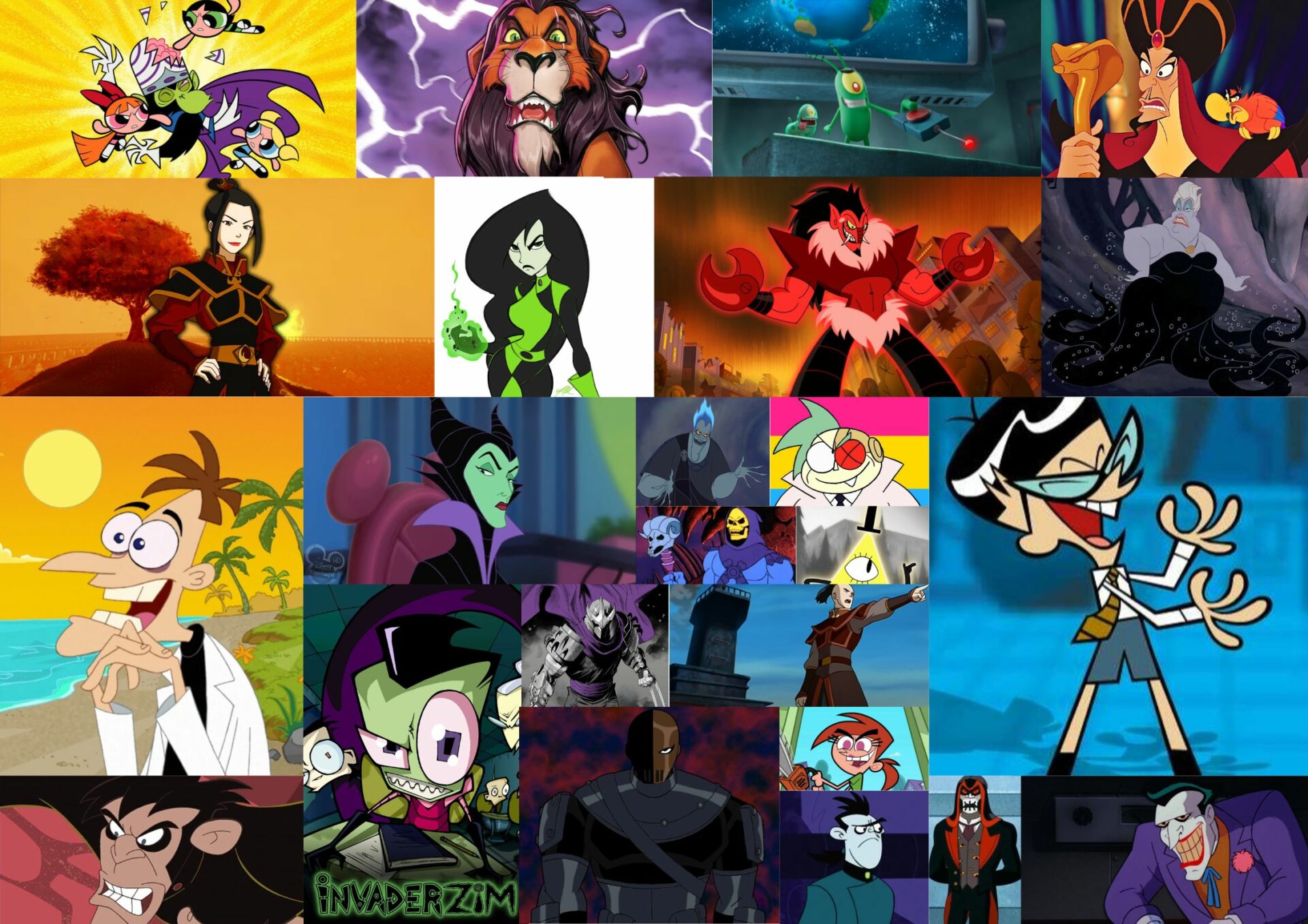
Our list rounds up the top 30 cartoon characters that were villains, each one more wonderfully wicked than the last.
READ MORE
April 29, 2026 .
Lists, Opinions
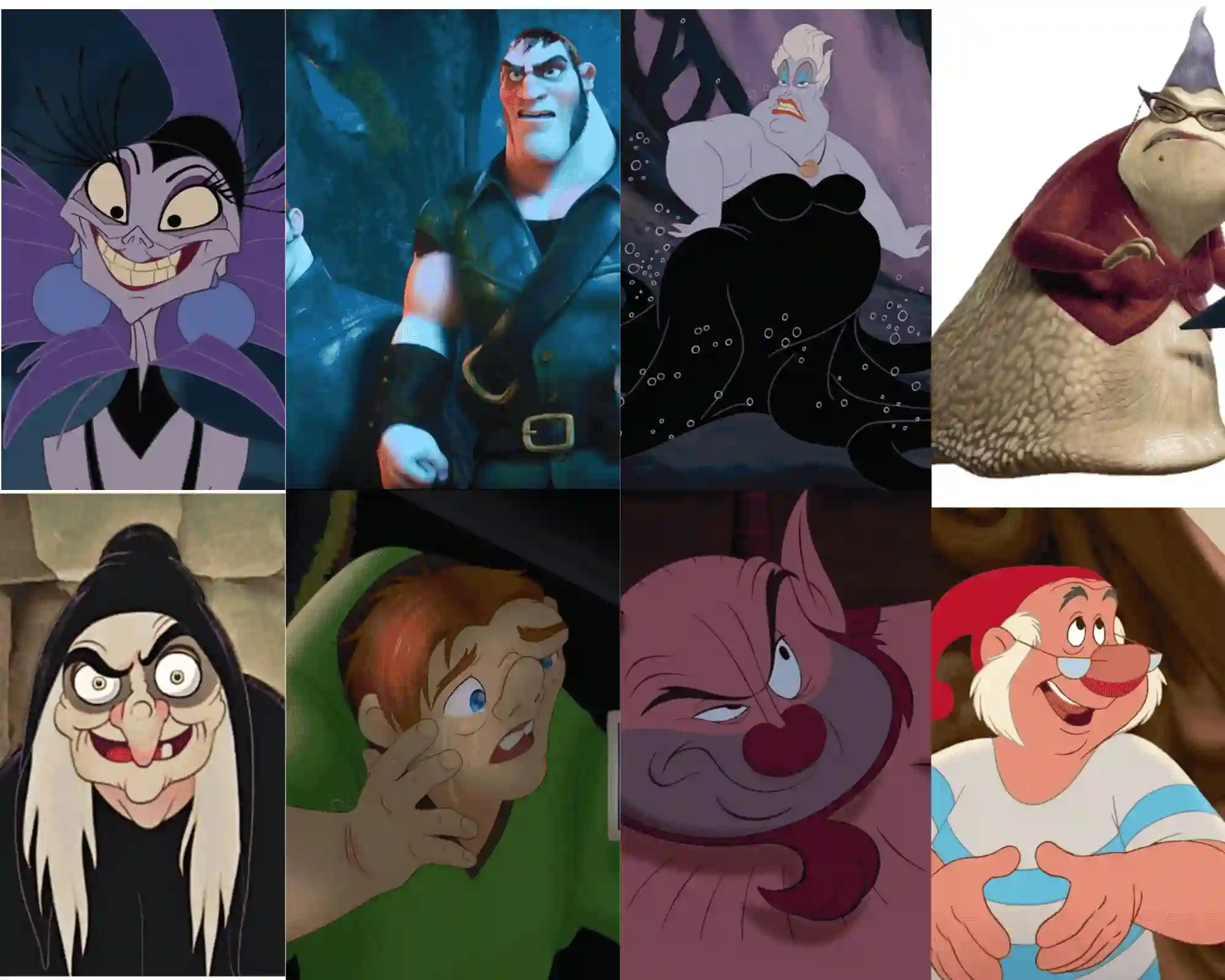
The Mouse is famous for its princesses and princes. However, the studio’s true genius lies in its embrace of “ugly Disney characters”.
READ MORE
October 28, 2025 .
Debates, Lists, Marvel, MCU
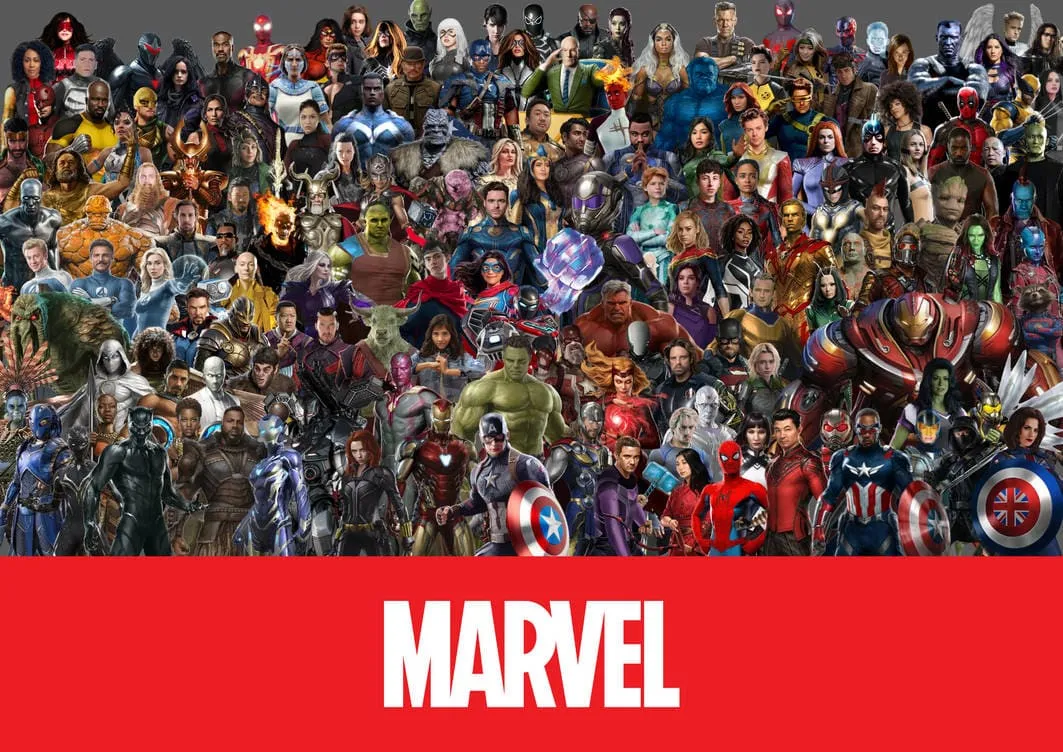
Every Marvel hero brings something to the table. But if we had to pick the top 8 most popular Marvel superheroes, who would make the cut?
READ MORE
May 6, 2026 .
Lists, MCU
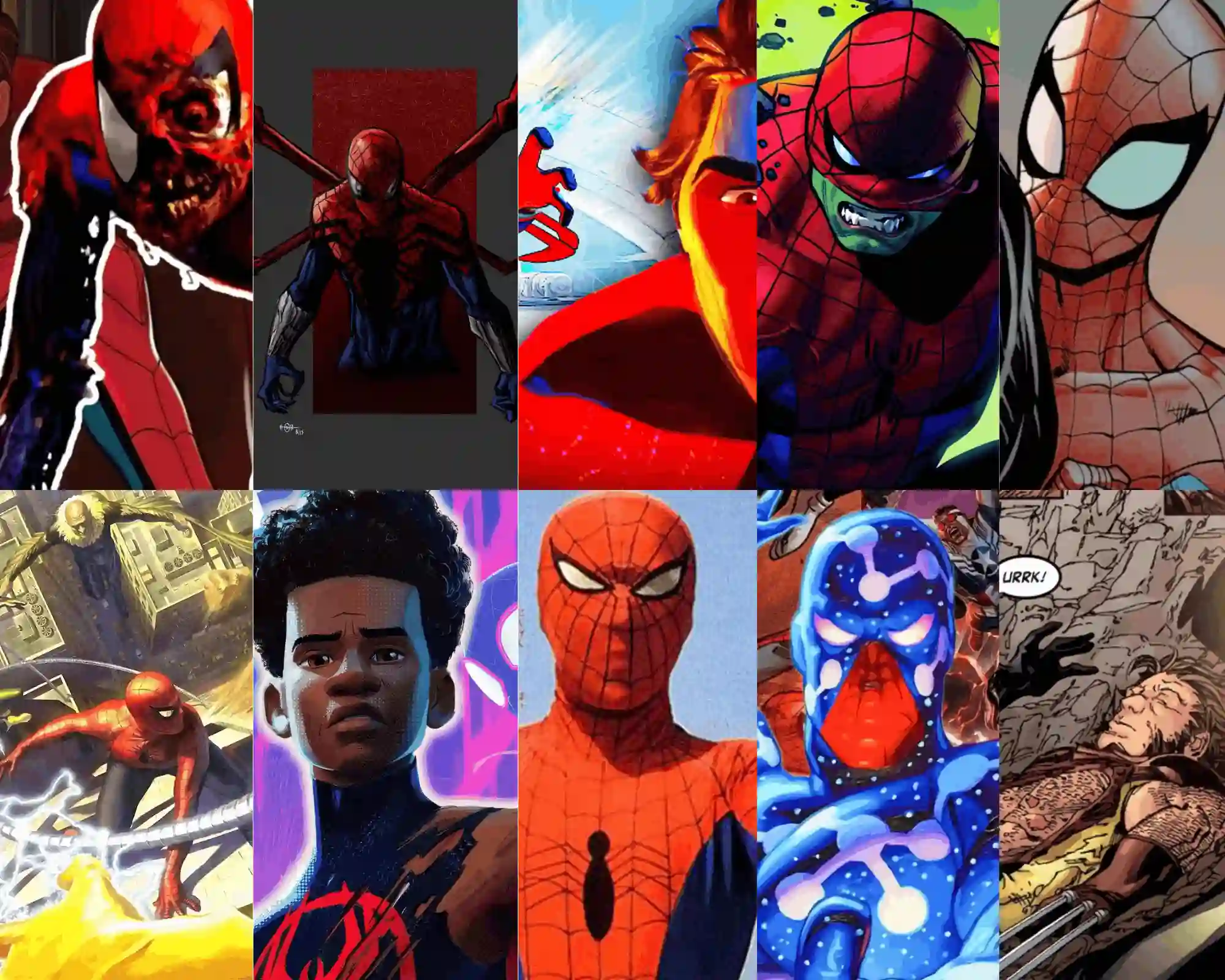
Spider-Man is one of the many superheroes from the Marvel Universe whose stories shaped many childhoods. Who is your strongest Spiderman?
READ MORE
October 28, 2025 .
Lists, Marvel, MCU, Opinions
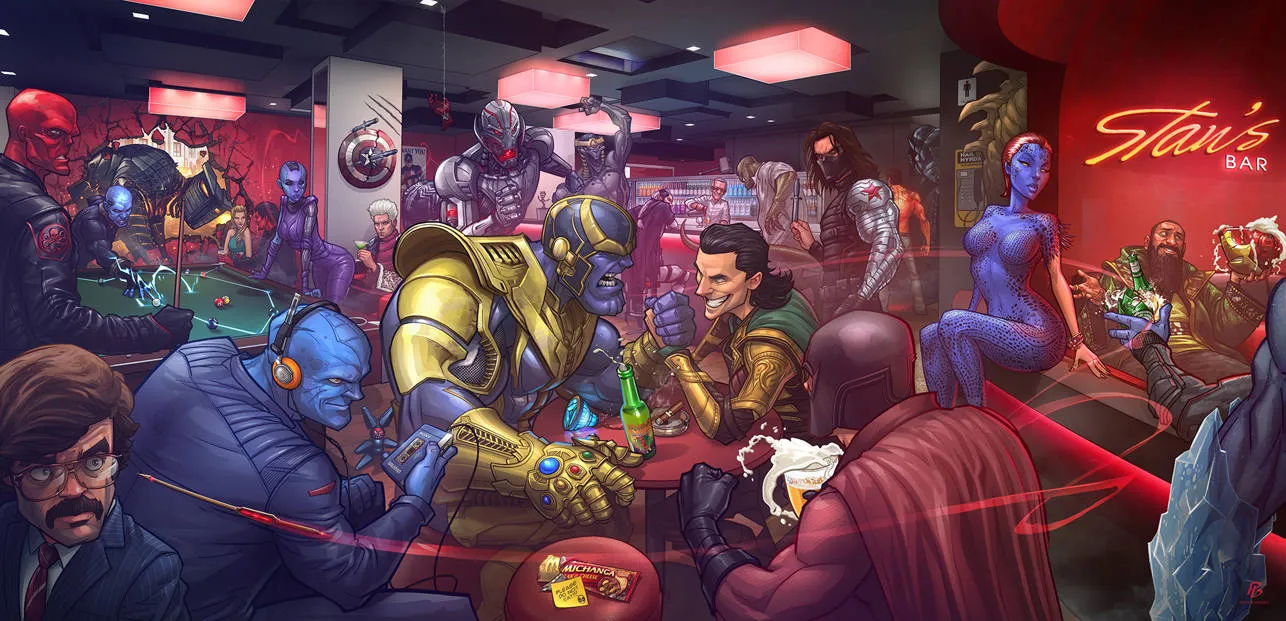
Let’s go through a list of the top 7 strongest Marvel villains, from the wickedly powerful to the absolutely unstoppable.
READ MORE

October 12, 2021 .
African Literature, chimamanda, cna, zikora
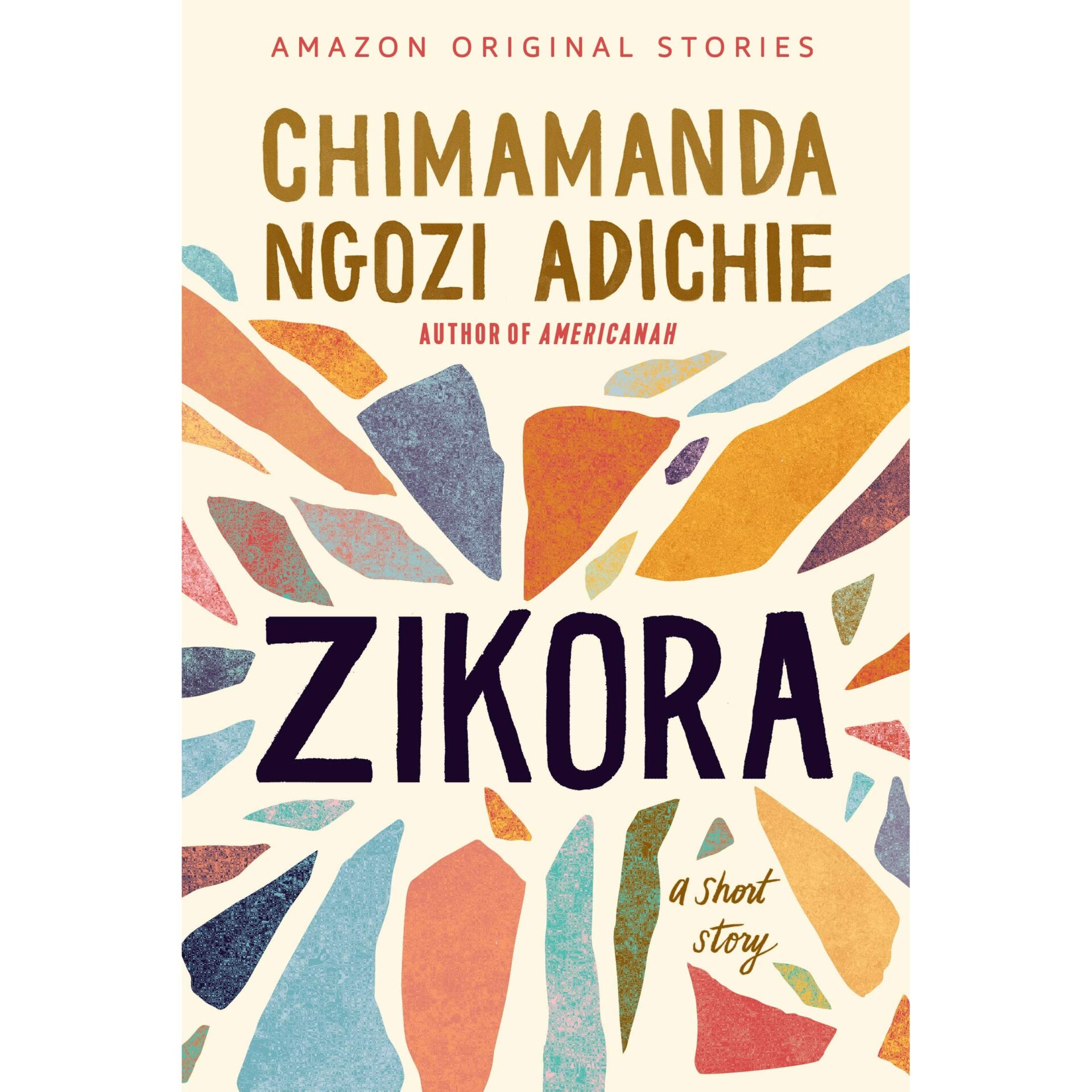
Hopefully, the reading of a book as this will enlighten men and generally educate people in the making of the right choices regarding amatory unions.
READ MORE

July 20, 2025 .
Opinions
Book recommendations from random places don’t always cut it, and you often end up feeling unsatisfied with them.
READ MORE
September 2, 2025 .
African Literature
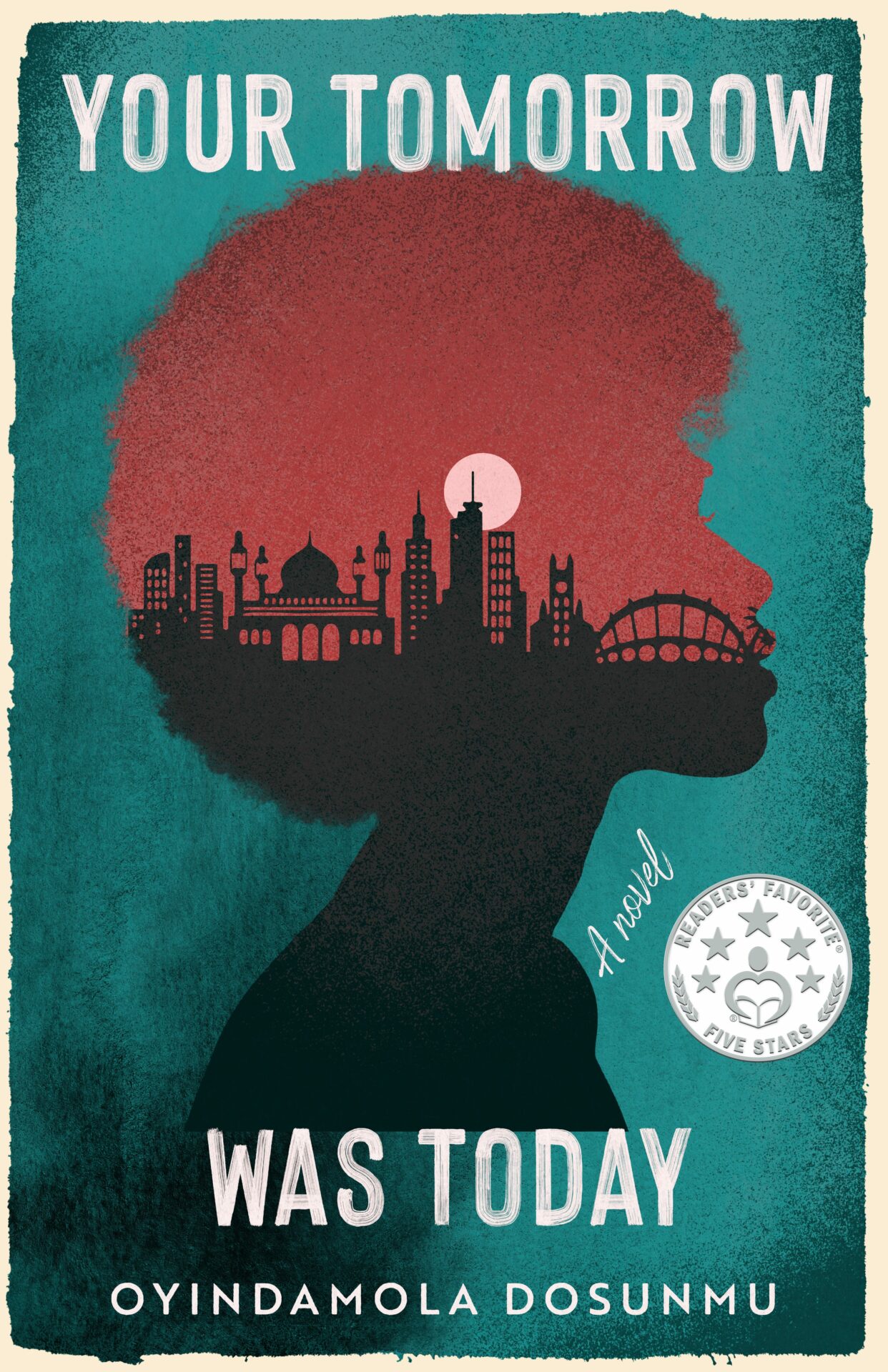
So yes, Your Tomorrow Was Today is guaranteed to be a book that will touch you, regardless of gender, interests or philosophy.
READ MORE
February 19, 2022 .
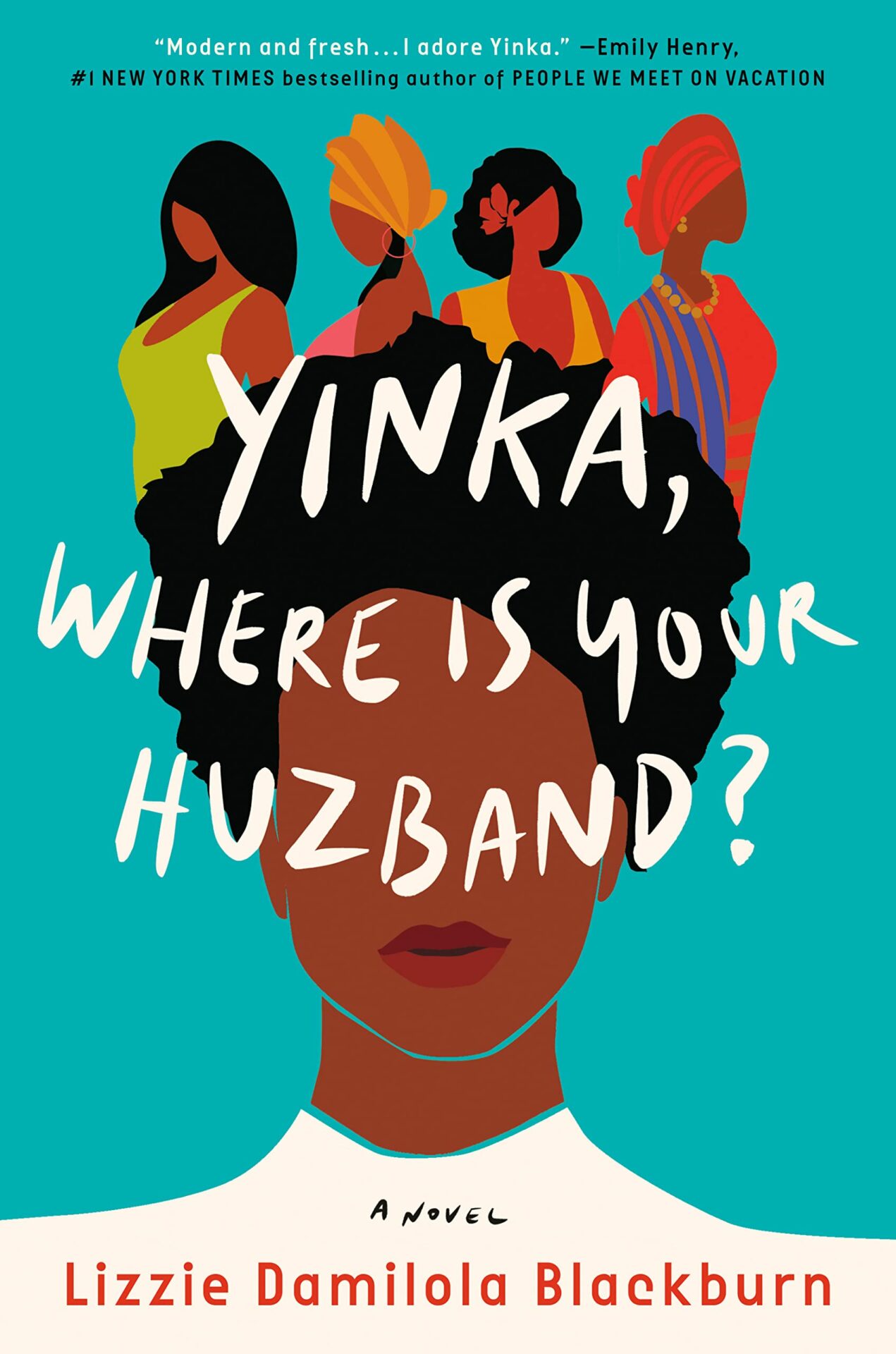
African Literature, Book Reviews, British Nigerian, lizziedamilolablackburn, Nigerian, Self growth, yinkawhereisyourhuzband
READ MORE

July 20, 2025 .
Essays, Opinions
READ MORE

July 20, 2025 .
Essays, Opinions
READ MORE

July 20, 2025 .
Essays
Except if you have been living under a rock or in outer space since the beginning of time, there is no way you wouldn’t have heard of Wole Soyinka.
READ MORE

January 26, 2025 .
African Literature, sharjah
READ MORE

September 11, 2026 .
Opinions
Book reviews aren’t just a jumble of words on how a book made you feel but also a veritable document that you can quickly refer to when your memories temporarily fail you.
READ MORE
Get our magazine for free!