















One advantage of following literary prizes: you never run out of recommendations.
Prize season is coming, and every year between late July and September, my TBR list gets rearranged. Books I’d never heard of a week earlier suddenly jump to the front of the queue.
Last year I read a good portion of the Nigeria Prize for Literature shortlist, and I was convinced a different book should’ve won. This was my takeaway from the whole season.
Prizes are opinions, valuable ones, but opinions nonetheless. The judges have theirs. You get yours.
It is for this reason that I enjoy following the various lists.
The point isn’t having your favorite book win. It’s possible that the book you remember five years later would not have won the trophy. It was most likely sitting in the middle of the list all along
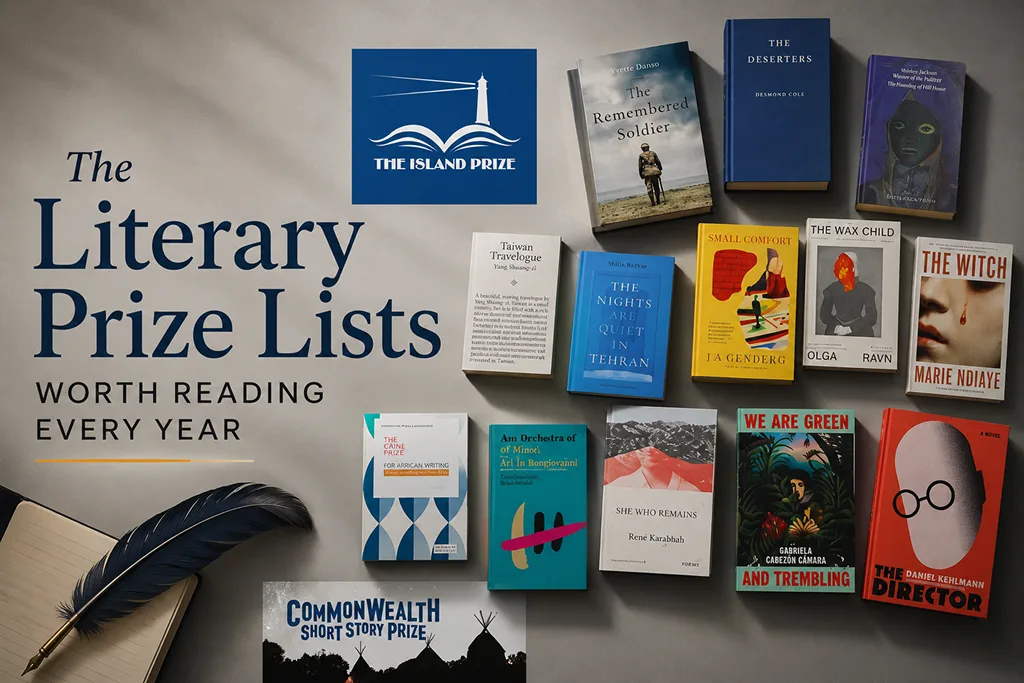
If you want better recommendations than an algorithm can give you, to broaden your tastes, or you’re a writer trying to understand where your work might fit, here are the lists worth following.

It is Africa’s foremost prize for short fiction, aptly nicknamed “The African Booker,” and it has introduced readers to the continent’s most incisive talent. NoViolet Bulawayo, Okwiri Oduor and Lesley Nneka Arimah have all emerged from among its ranks.
Many authors who became successful with published novels gained their first exposure through nomination for the Caine Prize.
If you’re into finding writers before they’re discovered, you should follow The Caine Prize for African Writing. To celebrate their 25th anniversary, they compiled a long list of previous winners. Bulawayo’s Hitting Budapest, the story that won her the prize back in 2011, took home the award again.
Recent shortlists are focused on migration, memory, family, political conflict, climate change, and what modern life in Africa truly looks like now.
Reading the shortlist is also an efficient way to sample a bit of each style of writing without reading 5 novels and not knowing what they are about. If you are interested in finding out the benefits of anthologies, you can read this article “Short stories: Perfect entry points for new readers.”
There’s one thing writers constantly get wrong about the prize; it’s for short fiction only. Not novels or unpublished manuscripts.
Always read the submission rules before you send in your work.
The Nigeria Prize for Literature is one of the richest prizes on the continent, and its format makes it interesting.
It rotates through prose fiction, poetry, children’s literature, and drama each year, rather than awarding the same category every time. This strategy helps to prevent novels from monopolizing the conversation as they do in other places.
Even if you don’t end up agreeing with the eventual winner, be sure to read the longlist.
As an aside to writers, the notion that only internationally renowned writers can stand a chance is wrong. Each panel is unique, and depends on the actual submissions that year.
The International Booker Prize is one of the best places to find fiction in translation. Unlike the regular Booker, it’s dedicated entirely to books translated into English. It also gives credit to the translator, because translation is also a creative work in itself, not just a simple conversion.
The International Booker Prize serves as a reminder that good writing isn’t only being done in English. A lot of the best work around now is being written in other languages and made accessible to us by translation, from Arabic, French, Portuguese, Swahili, or Amharic.
This is the quickest way to expand your shelf if English-language books mostly dominate it.
It has been more than 55 years since the Booker Prize was first established, and to this day, it remains one of the most influential prizes in English-language fiction.
People await the almost holy “Booker Dozen” (the 12 or 13 books on the longlist) year after year, and getting on that list can make a writer’s career.
David Szalay’s sixth novel, Flesh, was awarded the 2025 prize.
The other entries in that lengthy list were pretty good, too, with Kiran Desai’s The Loneliness of Sonia and Sunny and Katie Kitamura’s Audition standing out.

If novels feel like too big a commitment, start here.
The Commonwealth Short Story Prize has become one of the most important platforms for short fiction across the Commonwealth. And because it’s short fiction, it can afford to take risks a novel can’t; bold, punchy, experimental work that wouldn’t sustain 300 pages.
In 2025, Chanel Sutherland’s Descend was also the winner overall. The regional winners were equally impressive: Joshua Lubwama’s Mothers Not Appearing in Search (Africa), Faria Basher’s An Eye and a Leg (Asia), Margarita Singh’s Margot’s Run (Caribbean) and Kathleen Ridgwell’s Crab Sticks and Lobster Rolls (Europe).
All four regional winners were published in Granta.
This is the prize that deserves more attention than it gets.
Most leading literary prizes require a published book. It is not a lifeline for published writers, but for writers who have written a book but not yet been picked up by an agent or publisher.
Obviously, it’s great to win. But even a shortlist spot can do the real work of putting a manuscript in front of agents and editors who’d never have seen it otherwise. That visibility can be as important as prizes, for unpublished writers.
The 2025 shortlist includes:
Azags Agandaa (Ghana) follows the nomadic lifestyle in the piece A Small Patch of Earth. Izzy Agu’s A Dream Bewitched is a Historical fantasy set in Mali and Gao during the Middle Ages (Rwanda/Nigeria). Love Across Borders by Wame Molefhe (Botswana) explores love and loss under apartheid. The Valley of Bones, written by South African Kristien Potgieter, is a love story created around a hard-to-swallow difference between its two protagonists, and Night Dancer by Zabu Wamara (Uganda) focuses on mental illness and traditional healing.
There are a couple of things that are common on the lists. Migration and identity remain, but no longer dominate, and space is being given to globalization, climate change, disability, mental health, queerness, and the particular uniqueness of modern African cities.
Historical fiction is holding steady too, especially work that goes back and complicates a version of history everyone thought they knew.
The bigger shift and a major win in my opinion is translation. Readers are actively seeking out work that wasn’t written in English first, which is a valid take. Honestly, given how young and limited English is as a literary language compared to what it’s translating from. Prizes like the International Booker are doing real work getting those books in front of bigger audiences.
One advantage of following literary prizes: you never run out of recommendations. So, instead of relying entirely on an algorithm or BookTok recommendations, check what books and authors made it to this year’s Booker Dozen, or which books were shortlisted for the Nigeria Prize.
You might find your next favorite author before anyone else does.
If you’re planning to submit your own work to literary prizes, keep these in mind:
The biggest misconception, across every prize on this list: none of them measure objective quality. They reflect what one panel thought in one particular year. That doesn’t make them meaningless; it just means they’re not the final word. So don’t get discouraged.
While the winner gets the headlines, the longlist usually holds the real treasure.
I follow these lists because they point me toward conversations I’d have otherwise missed.
So next time you’re stuck for something to read, open a longlist instead. Your next favorite book is probably sitting on one, waiting.

Hi I’m Tega, I am a microbiologist with a lifelong passion for reading, I fell in love with books as child (where I was briefly obsessed with Enid Blyton, lol) reading is simply my escape and hobby and sometimes doubles as therapy for me . My favorite genres are African lit, historical fiction, memoirs/biographies and fantasy. I do beta reading and post book reviews which you can check out on my Instagram @ te_ga_o.

Hi I'm Tega, I am a microbiologist with a lifelong passion for reading, I fell in love with books as child (where I was briefly obsessed with Enid Blyton, lol) reading is simply my escape and hobby and sometimes doubles as therapy for me . My favorite genres are African lit, historical fiction, memoirs/biographies and fantasy. I do beta reading and post book reviews which you can check out on my Instagram @ te_ga_o.
July 20, 2025 .
Animation, Lists
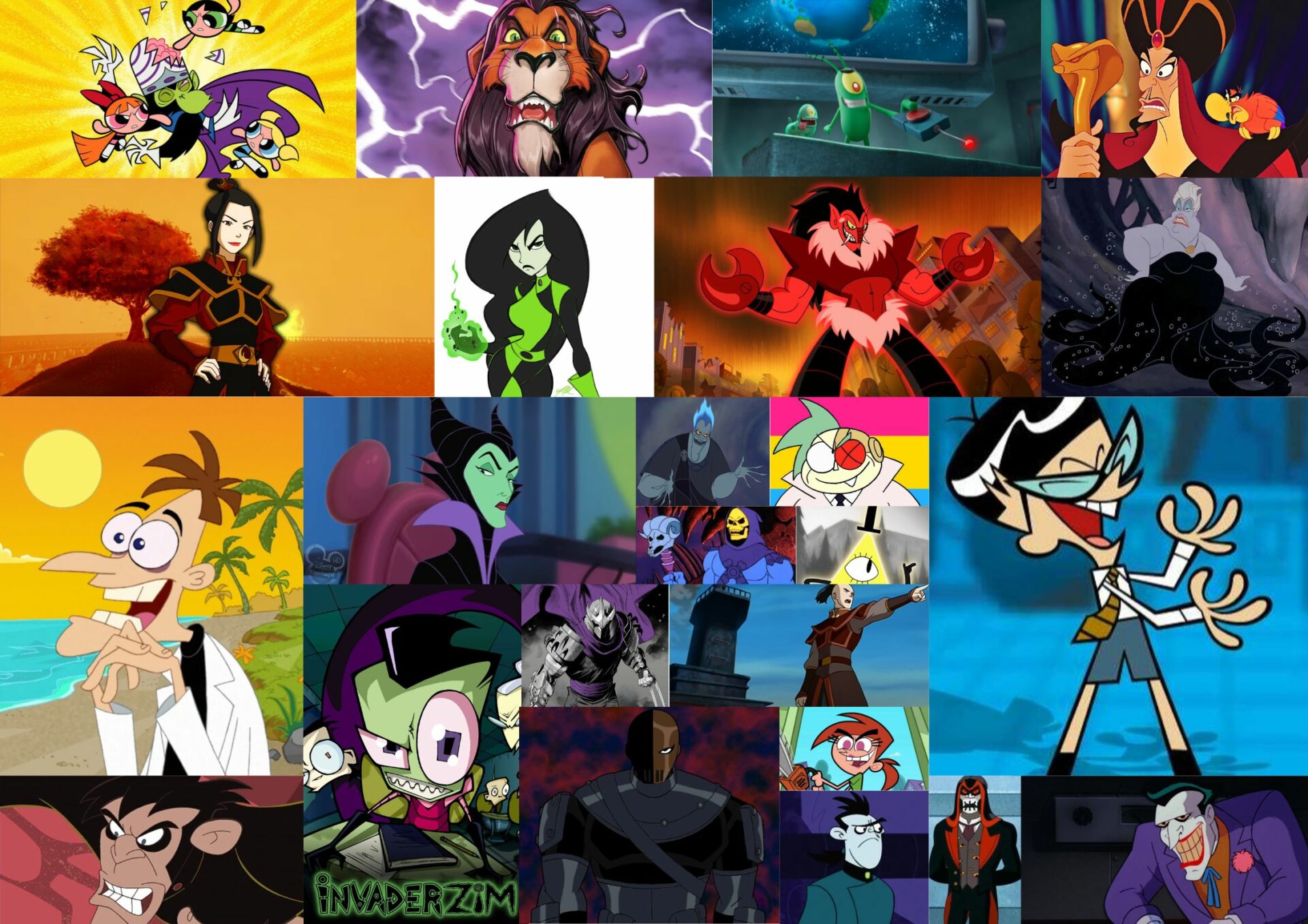
Our list rounds up the top 30 cartoon characters that were villains, each one more wonderfully wicked than the last.
READ MORE
April 29, 2026 .
Lists, Opinions
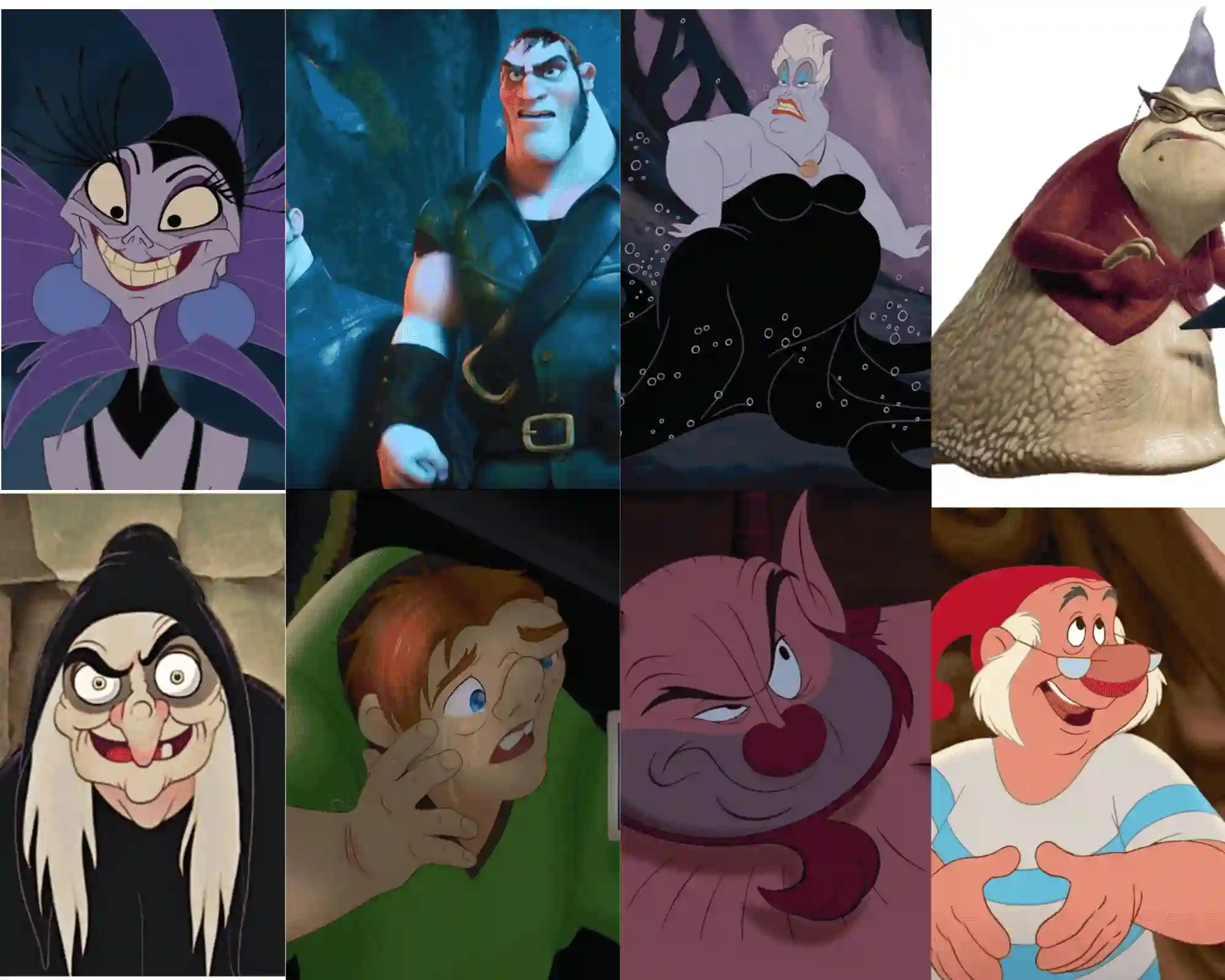
The Mouse is famous for its princesses and princes. However, the studio’s true genius lies in its embrace of “ugly Disney characters”.
READ MORE
May 6, 2026 .
Lists, MCU
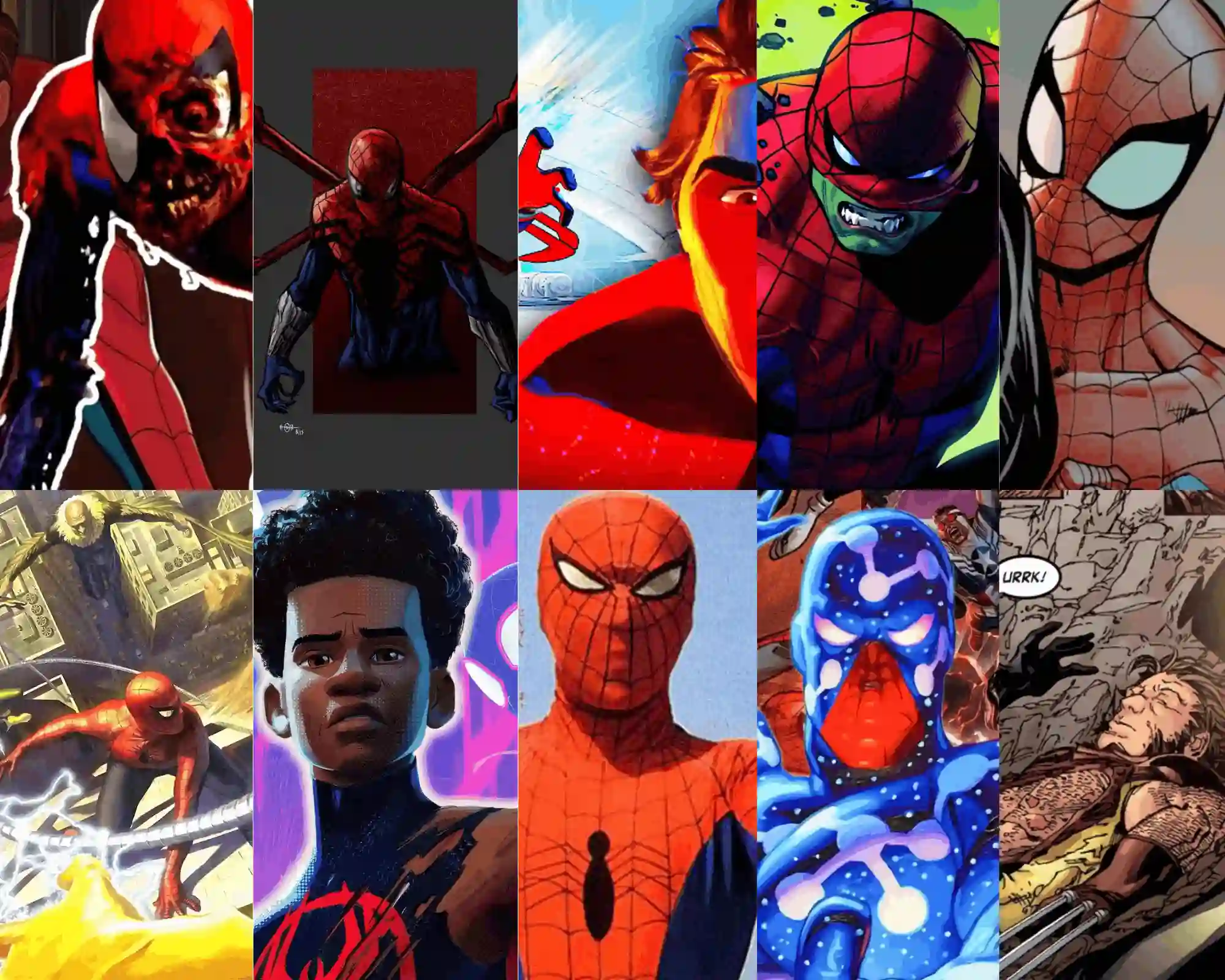
Spider-Man is one of the many superheroes from the Marvel Universe whose stories shaped many childhoods. Who is your strongest Spiderman?
READ MORE
June 25, 2026 .
Lists, Opinions
If Game of Thrones taught us anything, it’s that the characters we hate the most tend to outlive everyone else.
READ MORE
October 28, 2025 .
Debates, Lists, Marvel, MCU
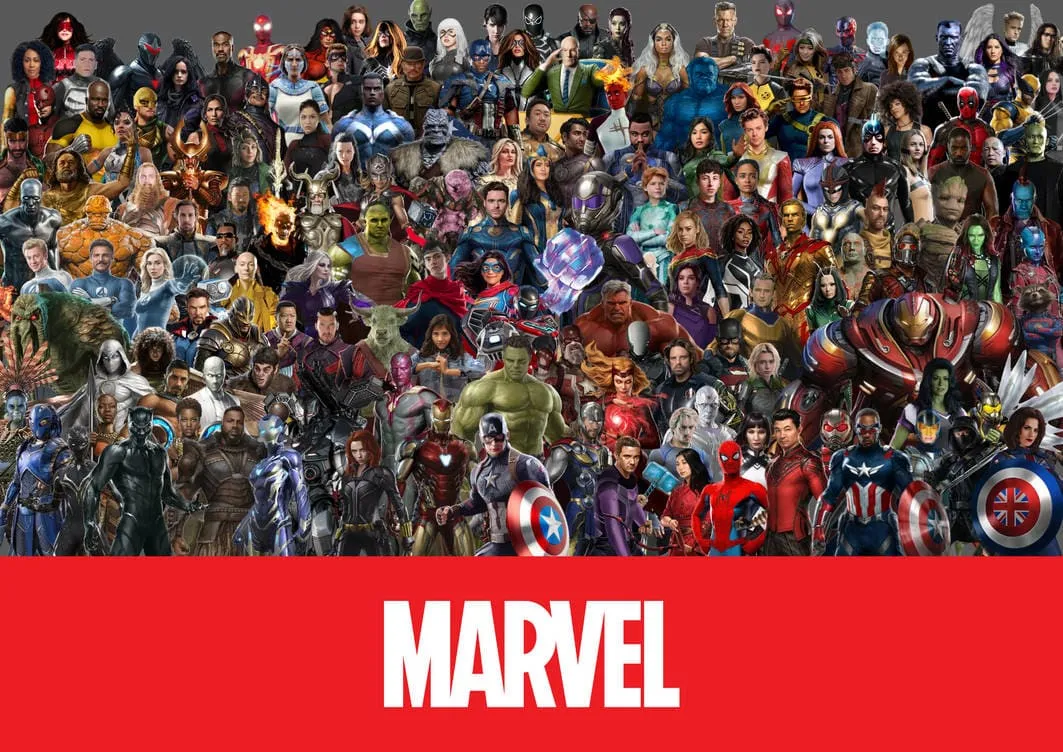
Every Marvel hero brings something to the table. But if we had to pick the top 8 most popular Marvel superheroes, who would make the cut?
READ MORE

July 20, 2025 .
Opinions
Book recommendations from random places don’t always cut it, and you often end up feeling unsatisfied with them.
READ MORE

July 20, 2025 .
Essays, Opinions
READ MORE

July 20, 2025 .
Essays, Opinions
READ MORE

September 11, 2026 .
Opinions
Book reviews aren’t just a jumble of words on how a book made you feel but also a veritable document that you can quickly refer to when your memories temporarily fail you.
READ MORE

July 20, 2025 .
Opinions
Reading hundreds of pages for a single book can be like facing Smaug, Chiefest of Calamities, but a short story is a small dragon that you can easily conquer.
READ MORE

July 20, 2025 .
Debates, Opinions
Reading nonfiction about what interests you can provide more color and context that might make your fiction reading experience more enjoyable.
READ MORE
September 12, 2025 .
Opinions
In a fast-paced world, reading asks us to slow down, surrender, and sit with another person’s words long enough for them to settle inside us.
READ MORE
November 24, 2025 .
Debates, Opinions
Reading is active while watching movies is passive. The act of turning pages creates a pause that enhances understanding.
READ MORE
July 26, 2025 .
Fantasy, Opinions
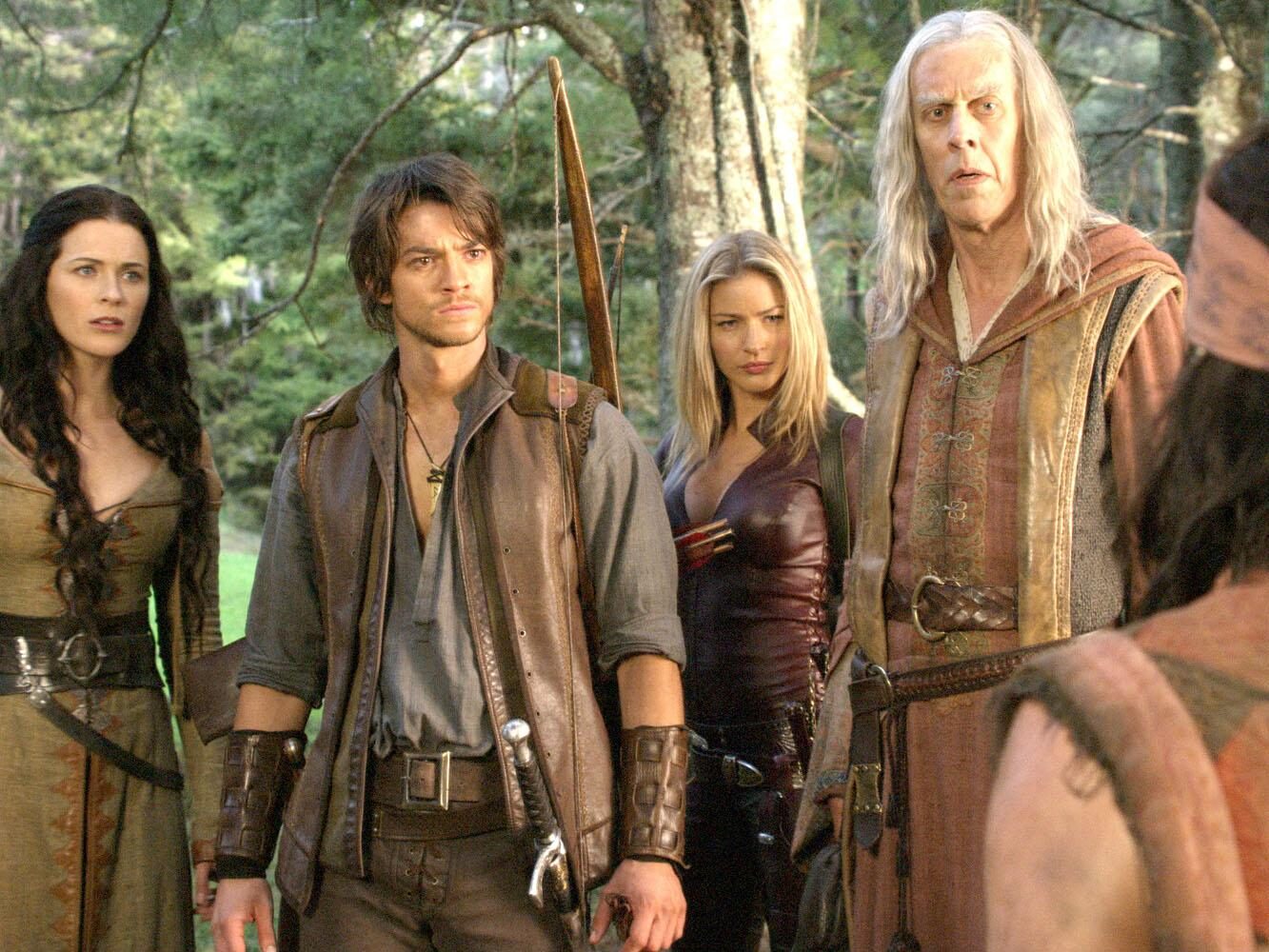
It’s cliche. But it’s rapid. It’s predictable. But it’s enjoyable. For lovers of the classic tropes, Legend of the Seeker is a worthy watch.
READ MORE
Get our magazine for free!