













































Word count tells you how long you’ll live with a series. Named characters per 100,000 words tells you how much room that series gives each person.
It is the cast, not the page count, that taxes memory.
You’re halfway through book three. The plot is moving, the chapter has found its rhythm, and then someone enters the room whose name feels almost familiar. You remember the sound of it, perhaps the faction attached to it, but not the person.
The problem isn’t the page count. It’s the cast.
In epic fantasy, how hard a series is to follow often tracks named character density more closely than total word count. A useful way to see that density is named characters per 100,000 words, using character and word totals that cover the same books.
That measure changes how we think about difficulty. One series may ask for hundreds of hours but introduce people at a fairly gentle average rate. Another may be much shorter while making every chapter feel like a small act of social bookkeeping.
The comparison below uses figures my team compiled for the Book Almanac, limited to nine series where the character count and word total cover the same run of books. Reading times assume 238 words per minute.
| Series and scope | Total words | Named characters | Named characters per 100,000 words | Reading time |
|---|---|---|---|---|
| A Song of Ice and Fire, five published books | about 1,741,327 | 2,302 | about 132 | about 121.9 hours |
| Harry Potter, seven books | 1,084,170 | 772 | about 71 | 75.9 hours |
| The Wheel of Time, fourteen books | 4,287,886 | 2,782 | about 65 | 300.3 hours |
| The Inheritance Cycle, four books | 904,000 | at least 479 | 53 or more | 63.3 hours |
| The Stormlight Archive, five published main novels | 2,180,580 | at least 1,088 | 50 or more | 152.7 hours |
| The Empyrean, three published books | about 591,886 | at least 180 | 30 or more | about 41.4 hours |
| The Kingkiller Chronicle, two published novels | 650,986 | at least 190 | 29 or more | 45.6 hours |
| ACOTAR, five published books | about 784,159 | at least 212 | 27 or more | about 54.9 hours |
| Throne of Glass, seven books | about 1,234,551 | at least 194 | 16 or more | about 86.5 hours |
Using the listed lower-bound counts, the spread across these nine series is roughly eight to one. That’s a large difference in how often your attention has to make room for another name. Because several totals are stated as at least a given number, their actual densities may be higher.
The sharpest comparison is between The Wheel of Time and A Song of Ice and Fire. Robert Jordan’s fourteen-book series is about two and a half times as long as the five published A Song of Ice and Fire novels, yet it averages about half as many named characters per 100,000 words.
That helps explain a feeling many readers have without quite knowing how to describe it. The Wheel of Time is a far larger commitment, but its pages can feel gentler. You spend longer with recurring people and places before the full size of the cast bears down on you.
George R.R. Martin’s books are shorter as a published sequence, but much denser. Names arrive through families, courts, sworn houses, councils, armies, and point-of-view changes. Even a brief appearance may leave someone you’re expected to recognize later.
At the quieter end of the table, Throne of Glass has 16 or more named characters per 100,000 words. The Empyrean sits at 30 or more. Both still have expanding casts, but names have more page space around them than they do in Westeros.
A new name creates a small pause. You sort the person into place, recall a relationship, and decide whether this is someone to remember or merely someone passing through.
When names arrive quickly, those pauses accumulate.
High cast density means more re-entry work every time a character returns. It means more context switching between families, ranks, loyalties, magical orders, and point-of-view threads. Before a scene can land emotionally, you may need to reconstruct who’s standing in it.
This burden starts early. A Game of Thrones establishes several households and political centers in close succession. The opening stretch of The Way of Kings moves through different viewpoints, locations, and kinds of conflict before settling into its main rhythms. The Eye of the World, by comparison, gives its central group more room to become familiar before the wider cast takes over.
None of this means one approach is better. A dense cast can create a strong sense that the world continues beyond the viewpoint character’s immediate concerns. Courts feel inhabited. Wars seem to involve actual populations rather than a handful of heroes and an unnamed crowd.
But it does ask more from memory.
Longer, lower-density epics often get their size from continued development rather than constant introduction. The world broadens, the plot gains branches, and familiar people change roles. You still have plenty to remember, but more of that work concerns existing relationships.
This is why page count alone is a weak guide when you’re returning after a gap. You may come back to a long series and find its central cast waiting where you left them. A shorter but denser series can require ten minutes of cautious recollection before the first chapter makes sense.
Standing in a bookshop with the first volume in your hand, you’re really considering two separate commitments.
The first is time. The second is mental crowding.
Harry Potter runs to 1,084,170 words, or 75.9 hours at 238 words per minute. Its 772 named characters are a substantial cast, but the series gives readers recurring anchors: the school year, Hogwarts, familiar friends, teachers, and institutions. At about 71 named characters per 100,000 words, it’s busier than several series here, though its repeated structure lowers the friction.
The Kingkiller Chronicle is comparatively compact at 650,986 words and 45.6 hours. Its tally of at least 190 named characters works out to 29 or more per 100,000 words. There are names and stories within stories to hold onto, but the narrative has a strong central anchor.
The Stormlight Archive is a middle case in density and a major case in time. The five published main novels contain 2,180,580 words and take 152.7 hours at the default reading speed. Roshar has at least 1,088 named characters, giving the series 50 or more per 100,000 words.
That density isn’t as high as A Song of Ice and Fire, but the books are long, the viewpoints spread widely, and the gaps between volumes can be substantial. The difficulty comes from both directions. There’s a great deal to read, and a great deal to retain.
The Wheel of Time asks for 300.3 hours, by far the biggest time commitment in this group. Yet its density of about 65 named characters per 100,000 words is lower than Harry Potter and less than half that of A Song of Ice and Fire. The cast becomes enormous because the series is enormous, not because every stretch of prose is unusually crowded.
If two series look similar in hours, the one with lower named character density will usually feel less mentally busy. It may still be harder for other reasons, such as unusual chronology, invented language, or complex politics, but you’ll have more time to fix each person in memory.
The Book Almanac’s reading calculator lets you set your own reading speed and daily reading time. Pairing that result with cast density gives you a better pre-book-one check than page count can offer on its own.
You meet six people in quick succession, close the book for the night, and discover the next evening that only two names have stayed with you. This isn’t a sign that you were reading badly. The book asked you to build a social map before the connections had become meaningful.
A running note helps, but it should stay small. Write the name and one concrete role: a commander from this region, a cousin in that household, a scholar attached to this institution. Full summaries become another text you have to maintain.
Chapter headers and point-of-view cues are worth revisiting too. Before continuing, take a moment to place the viewpoint character and location. That small act often restores enough context for the rest of the chapter to work.
When starting a new volume after a break, rereading its opening chapters can also help. Those chapters often aren’t simply reminding you of the previous book. They’re setting up a fresh arrangement of the cast, which means even readers with good memories need time to rebuild their sense of who matters now.
Search engines are a poor solution. A character name typed into a search bar can produce an autocomplete suggestion, wiki heading, or image that gives away a later allegiance, title, or fate. The memory problem lasts a minute. The spoiler doesn’t leave.
Recall help is most useful when it stops at your current place in the story.
First, ask how many hours the series will take at your reading speed. Then ask how crowded those hours are.
This distinction is useful when choosing between a giant but legible epic and a shorter, busier one. A 150-hour series with a stable central cast may suit a distracted month better than a 50-hour series that introduces names at twice the rate.
If cast density is high, plan for active support from the beginning. Keep brief notes, pay attention to viewpoint markers, and use spoiler-free context rather than trying to reconstruct everything from a fan wiki halfway through book three.
Hard to follow and long aren’t the same thing.
Word count tells you how long you’ll live with a series. Named characters per 100,000 words tells you how much room that series gives each person, relationship, title, or allegiance on average. Reading time and cast density together give a much clearer picture of what book one is asking you to begin.
The figures don’t replace taste. Some readers love the pressure of a crowded court, while others prefer a small company carried across an enormous world. The point is to know which kind of difficulty you’re choosing.

The Tyrant Overlord. Fantasy buff and avid football fan.
July 20, 2025 .
Animation, Lists
Our list rounds up the top 30 cartoon characters that were villains, each one more wonderfully wicked than the last.
READ MORE
May 6, 2026 .
Lists, MCU
Spider-Man is one of the many superheroes from the Marvel Universe whose stories shaped many childhoods. Who is your strongest Spiderman?
READ MORE
April 29, 2026 .
Lists, Opinions
The Mouse is famous for its princesses and princes. However, the studio’s true genius lies in its embrace of “ugly Disney characters”.
READ MORE
October 28, 2025 .
Lists, Marvel, MCU, Opinions
Let’s go through a list of the top 7 strongest Marvel villains, from the wickedly powerful to the absolutely unstoppable.
READ MORE
November 27, 2025 .
Lists, Mythology
While this isn’t an exhaustive list, it comprises some of the most popular mythical creatures from around the world.
READ MORE


October 4, 2026 .
Epic Fantasy, Fantasy
I can confidently say that the Stormlight Archive’s magic system is the best I’ve ever seen in Fantasy Fiction.
READ MORE

October 4, 2026 .
Epic Fantasy, Fantasy, thewheeloftime
Also, the character development has reached a level where readers can actually identify characters by their speech, mannerisms and actions. It’s the height of realism.
READ MORE
October 4, 2026 .
Epic Fantasy, Fantasy
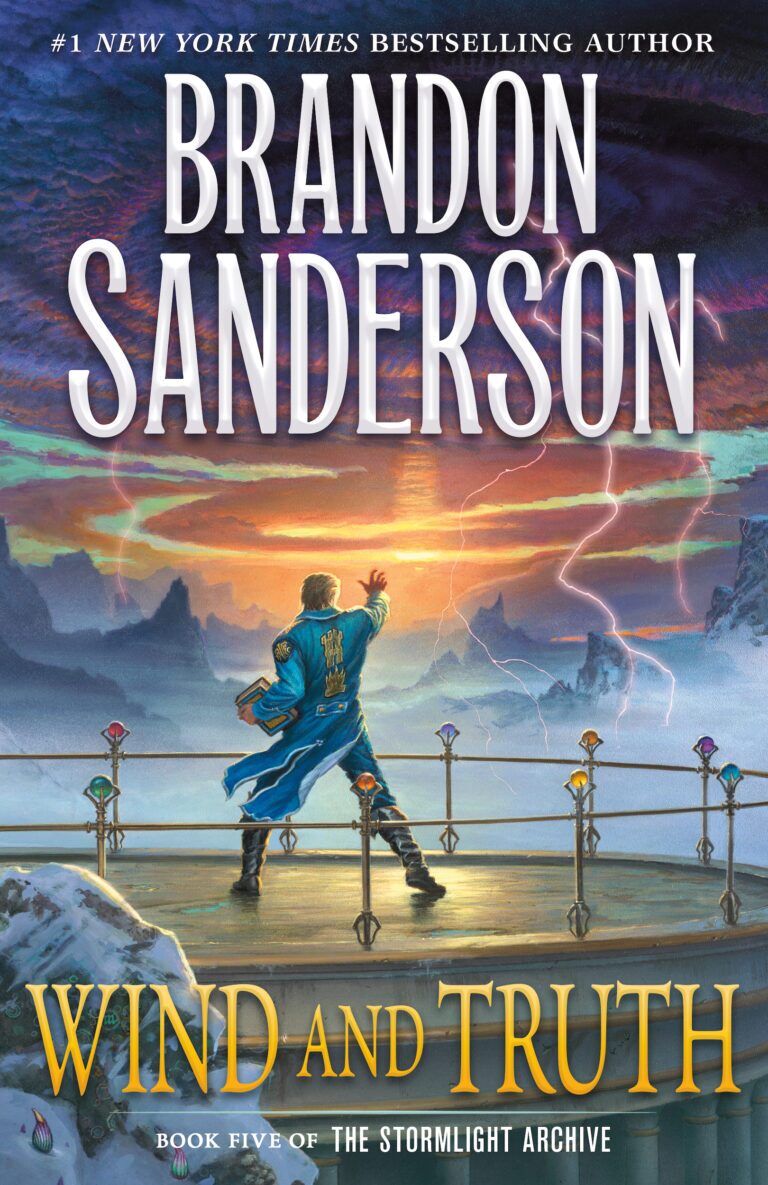
In Wind and Truth, the big boys have shown up on the playground, and the arena must be cleared out ahead of major confrontations.
READ MORE
July 26, 2025 .
Fantasy, Opinions
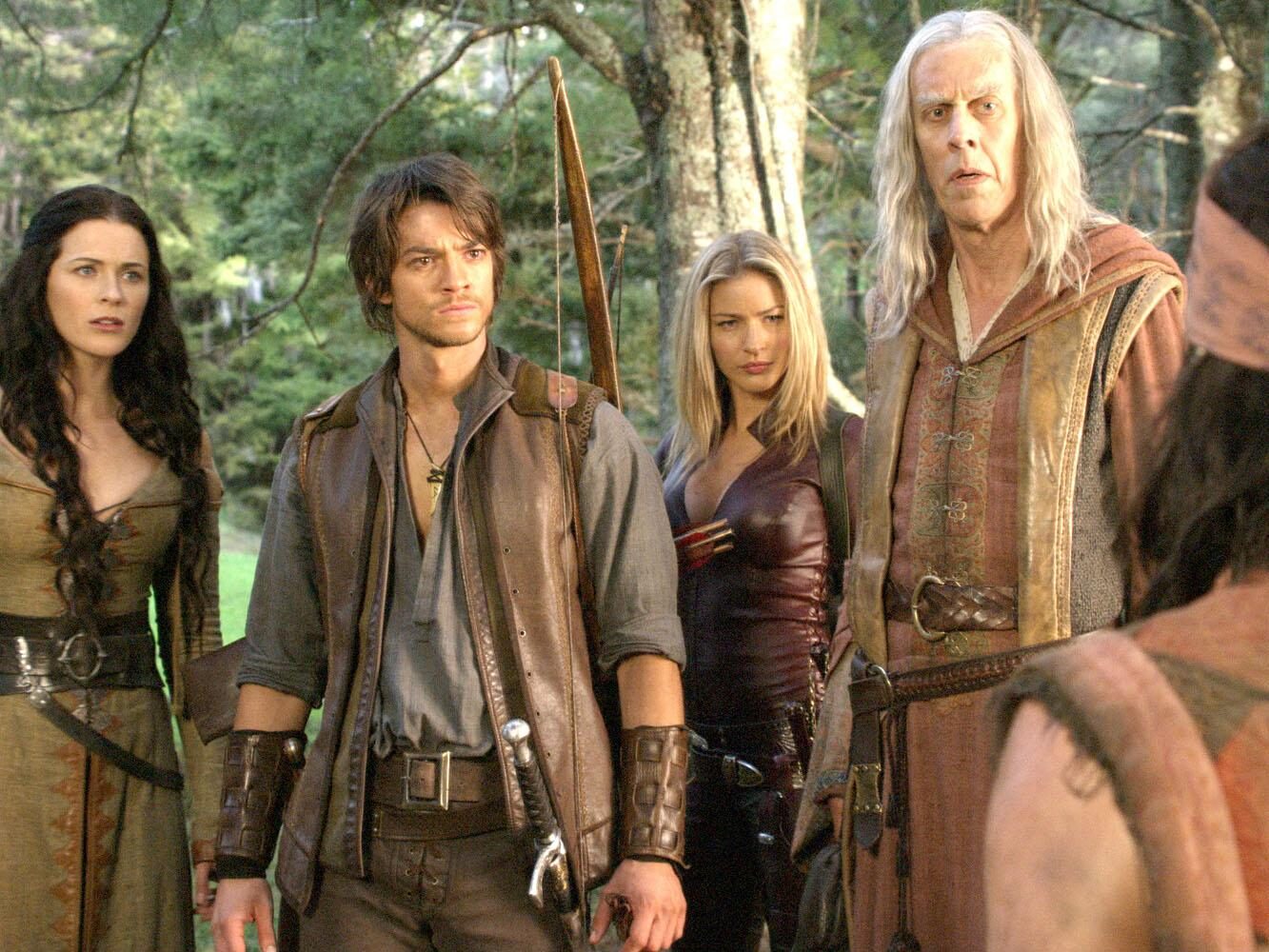
It’s cliche. But it’s rapid. It’s predictable. But it’s enjoyable. For lovers of the classic tropes, Legend of the Seeker is a worthy watch.
READ MORE
July 20, 2025 .
Fantasy, Opinions
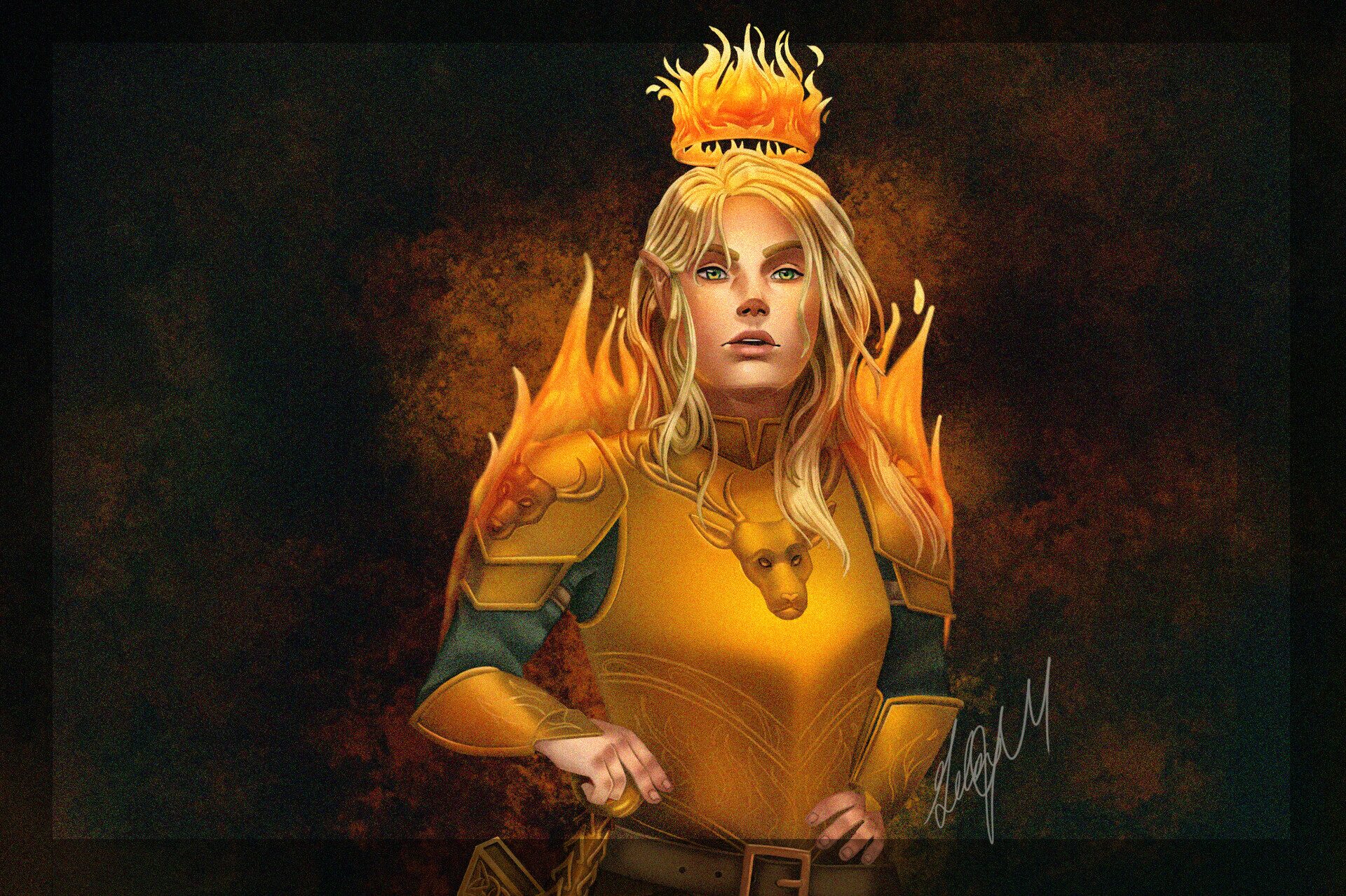
Like any well-developed fictional character, there are several exciting, often polarizing sides to Celaena Sardothien, all of which are worth discussing.
READ MORE

September 12, 2025 .
Essays, Fantasy, Opinions
Fantasy is everything that lies in the realm of the fantastic. And, the more deviant from reality it is, the better.
READ MORE
October 4, 2026 .
African Fantasy, Epic Fantasy, Fantasy
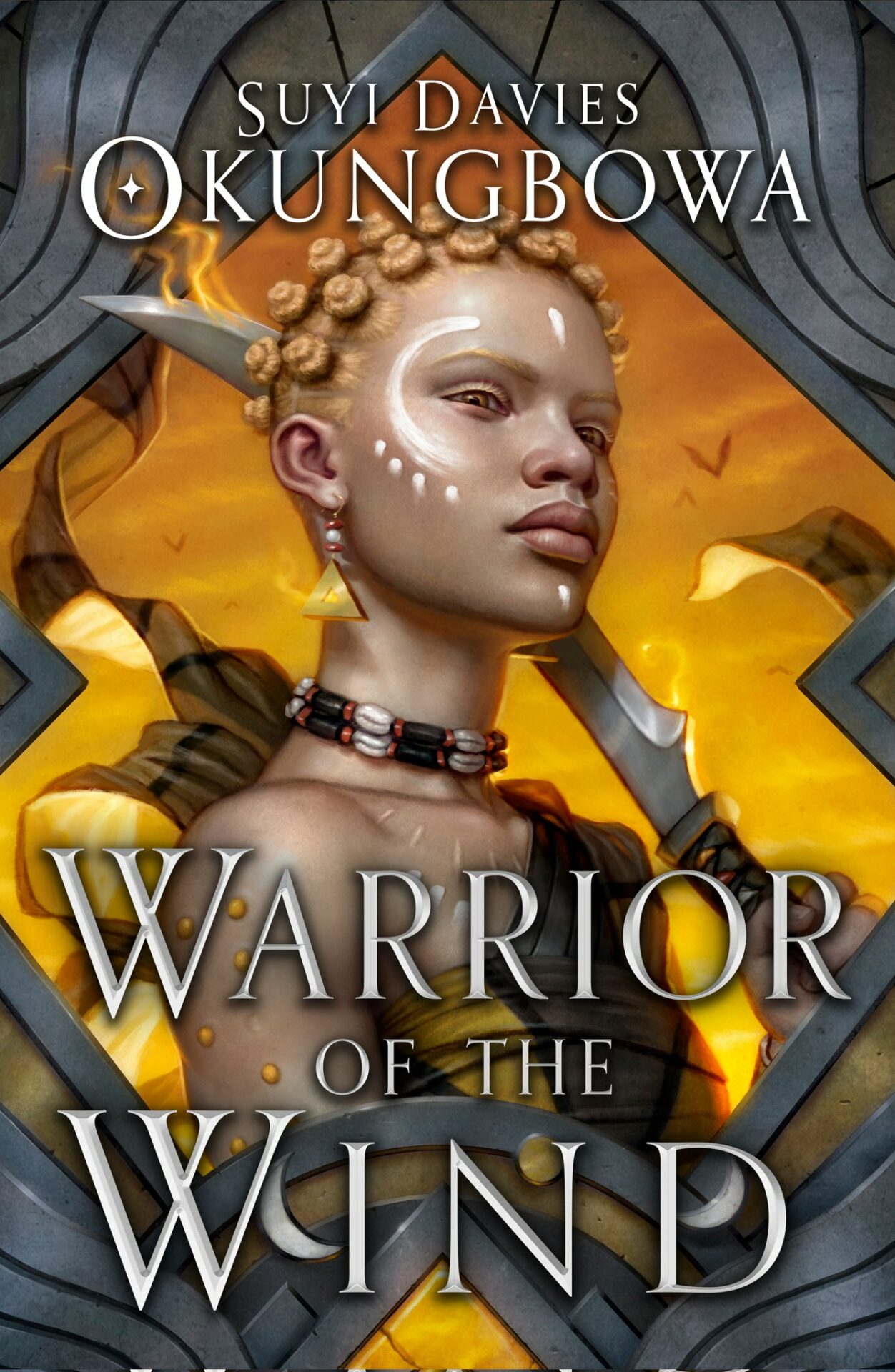
Another thing I enjoyed was discovering the origin of the name Nameless Republic. I chuckled and gave Suyi an invisible high-five. Àgbà Ìwé!
READ MORE
October 4, 2026 .
African Fantasy, Fantasy
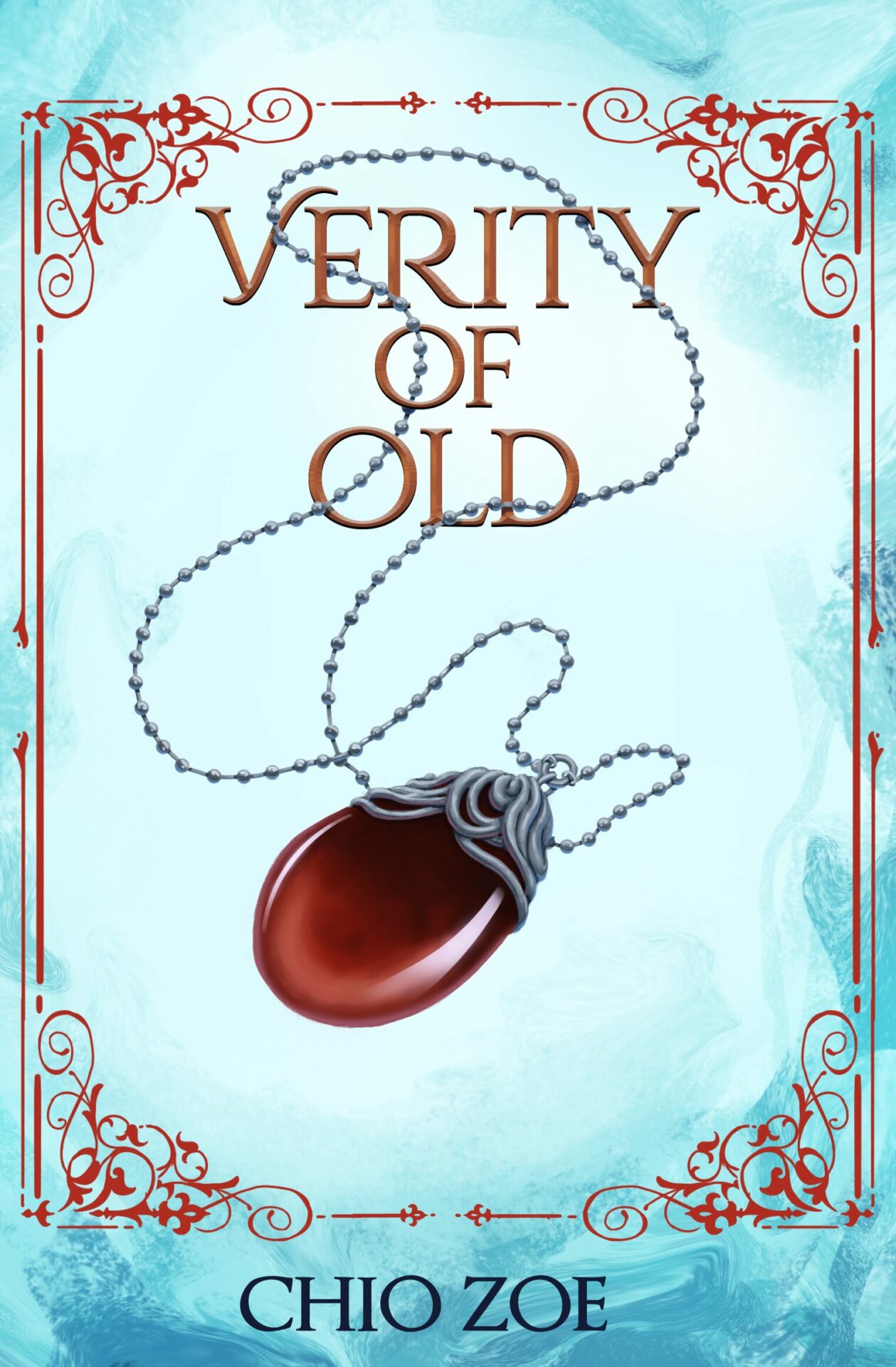
Verity of Old is a marked improvement from Memory of Stone, with a massive finale reveal that makes the final book an immediate must-read.
READ MORE

October 4, 2026 .
Epic Fantasy, Fantasy, Lists
READ MORE
Get our magazine for free!