
Menu


















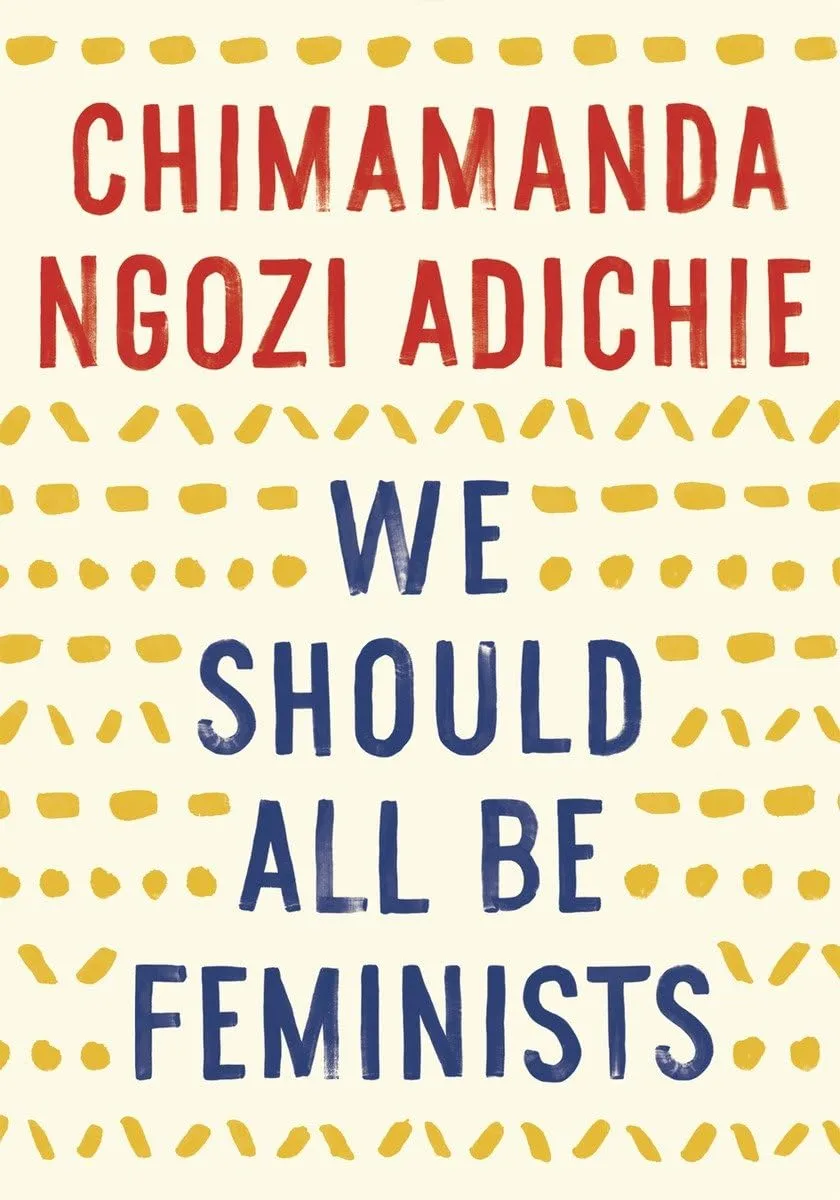




We Should All Be Feminists is perhaps her most direct attempt to turn those questions into a conversation.
Chimamanda Ngozi Adichie has built a literary reputation around stories that she writes beautifully while grounding them firmly in real social issues.
Purple Hibiscus, Half of a Yellow Sun, and Americanah all ask difficult questions about identity, culture, gender, and belonging.
We Should All Be Feminists is perhaps her most direct attempt to turn those questions into a conversation. The premise is deceptively simple. What would happen if society stopped treating gender as a blueprint for how people should live?
The work examines the everyday assumptions that influence how society expects men and women to behave. Rather than presenting feminism as an abstract ideology, Adichie makes it personal.
She tells stories, recalls uncomfortable encounters, and examines cultural expectations that unnecessarily assign gender roles.
The narrative examines the little things: who people listen to, who society expects to pay, who society expects to cook, and whom people consider ambitious.
It also explores who society expects to be agreeable and what happens when a woman appears too successful. For such a short book, there is surprisingly a lot to unpack.
Before We Should All Be Feminists became a book, it was a TEDx talk Adichie delivered in 2012.
The conversation eventually became one of her most recognisable public works, and the 2014 essay expanded its central argument into a more intimate written form.
Adichie’s official website describes the book as a personal argument for a contemporary understanding of feminism, rooted in inclusion and awareness. This 64-page essay is accessible enough to finish in one sitting. But don’t let the brevity fool you.
The book asks a more fundamental question: Why are people still taught that their gender should determine what they can become?
Perhaps the essay’s most important argument is that gender expectations are not simply natural; children learn them. Girls learn what society expects of girls, and boys learn what society expects of boys.
A girl might be encouraged to be quiet, accommodating, and nurturing, while a boy is encouraged to be competitive, emotionally restrained, and financially responsible.
Over time, these expectations become so familiar that we can mistake them for instinct. Whether we would like to admit it or not, we have unconsciously internalised these “lessons.” We make these choices and judgements without even realising it.
Adichie shares a candid personal story about the first writing class she taught as a graduate instructor. While she felt completely confident in her teaching material, she was terrified of not being taken seriously because of her gender. Because society treats masculinity as the default standard for authority, she felt compelled to hide her own femininity. She recalled:
“I really wanted to wear my shiny lip gloss and my girly skirt, but I decided not to. Instead, I wore a very serious, very manly, and very ugly suit… If a man is getting ready for a business meeting, he doesn’t worry about looking too masculine… For a woman, she has to worry about looking too feminine, what it says, and whether she will be taken seriously. I wish I had not worn that ugly suit that day.”
There is often this negative narrative or distaste whenever the word feminism is mentioned or whenever a person identifies as a feminist.
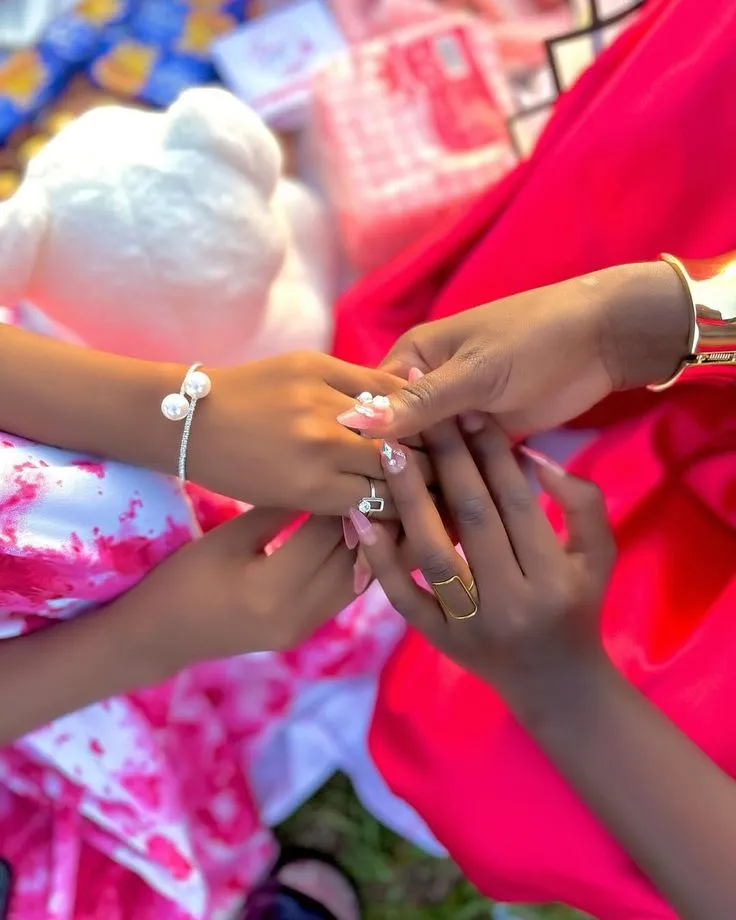
On most occasions, the first image that comes to mind when people hear the word is “men haters, ” unhappy women who cannot find husbands to marry”, or “women who want to control their husband.”
Generally, it is seen as an un-African thing to even conceive, let alone adopt. As Adichie recalled in the book, she had to refer to herself as a “Happy African Feminist Who Does Not Hate Men and Who Likes Lip Gloss and High Heels for Herself and Not For Men” as a Nigerian academic told her feminism was a product of Western corruption.
At its core, We Should All Be Feminists argues for gender equality while examining the social structures that make genuine equality difficult.
It seems like this is the 21st century; of course, there’s nothing like gender inequality anymore, but is that true? Adichie challenges the idea that sexism is only visible in dramatic examples of discrimination.
Instead, she points towards the everyday habits that quietly reinforce gender inequality.
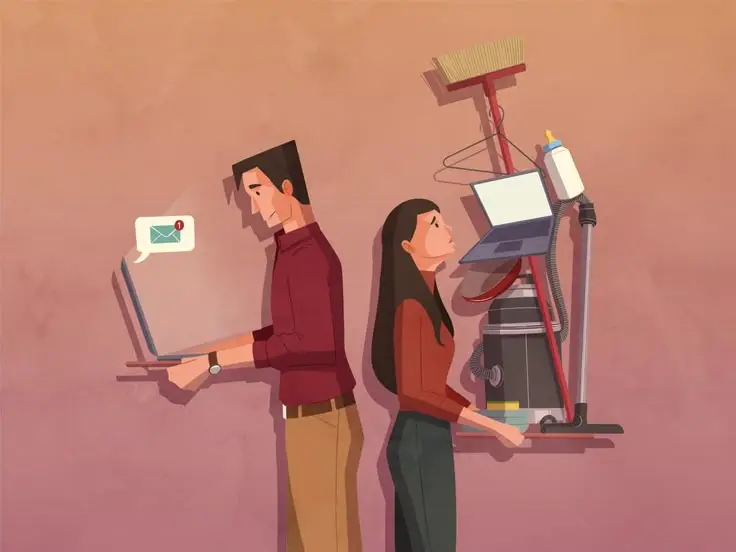
These “little things,” as she calls them, sting because they show how deeply ingrained systemic bias really is. This conditioning begins in childhood.
As a nine-year-old, Adichie earned the highest score on a test to become class monitor. Unfortunately, the teacher handed the position to a boy with the second-highest score because she assumed the monitor had to be male.
As we grow, these biases morph into assumptions about money and independence. Adichie recalls tipping a Lagos valet with money she earned herself, only for the man to turn and thank her male friend, assuming the funds must have come from him.
This financial burden falls on boys early. In secondary school, people expect a teenage boy to pay on dates, even when the girl has the same pocket money, to prove his manhood. None of these situations necessarily looks like a grand political crisis on its own. However, they reveal a pattern that is one of the book’s central concerns.
One of the most interesting ideas in We Should All Be Feminists is the pressure placed on women to remain likeable. Society forces women to shrink themselves to maintain a fragile illusion of male dominance.
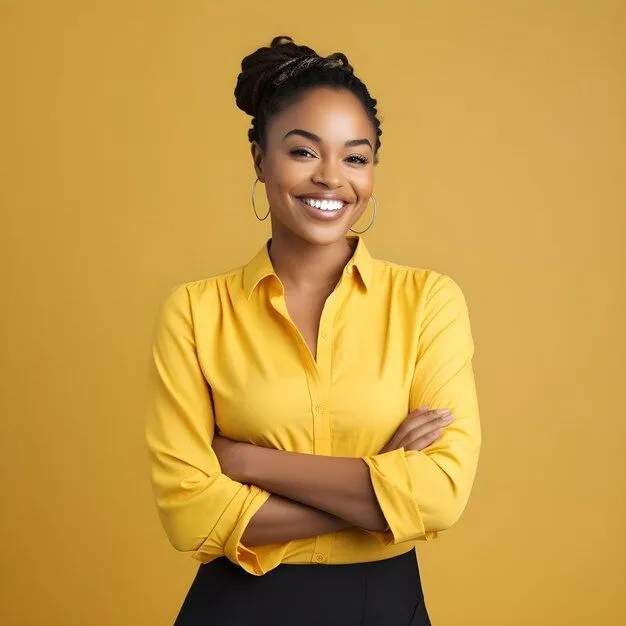
We condition girls to prioritize being liked over being ambitious, systematically teaching them to curb their success so they never threaten the status quo.
They are encouraged to be confident, but not so confident that they appear arrogant. The question then becomes: if a quality is admirable in a man, why should it become undesirable when exhibited by a woman?
Adichie strongly rejects this premise, questioning why a woman’s achievement should ever be viewed as a threat to a man’s worth.
This conditioning extends to how society treats marriage as a woman’s ultimate life goal. Adichie describes unmarried women wearing fake wedding rings to professional conferences just to command basic respect, and another woman who sold her own house because she feared owning property would intimidate prospective suitors.
Feminism is sometimes presented as though it concerns only the restrictions placed on women. Adichie challenges that narrow interpretation.
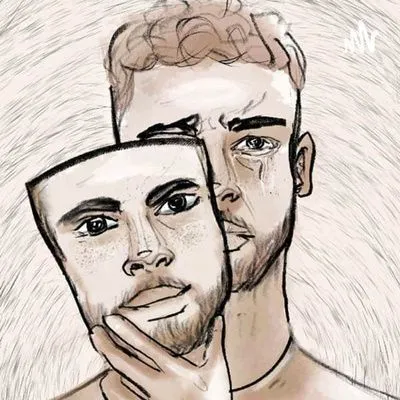
Gender expectations also trap men. A man is often expected to be strong, financially successful, sexually confident and emotionally controlled. Vulnerability can be interpreted as weakness, and failure to provide can become a source of shame.
Masculinity, as she puts it, becomes a hard, small cage that we lock boys inside. We teach them to be terrified of fear, weakness, and vulnerability, conditioning them to mask their true emotions to maintain the image of being a “hard man.” A fairer society should give both sexes room to exist outside those restrictions.
Odeluwa reclaims the word “feminist”. Her position is straightforward: if feminism is fundamentally concerned with equality between men and women, then supporting equality should not be treated as inherently radical.
The title therefore becomes part of We Should All Be Feminists argument before a glimpse of the first page. If gender inequality affects everyone, then fixing it cannot be the responsibility of women alone.
Men have a role in questioning sexist assumptions; parents have a role in how children are raised; schools have a role in what they teach. Workplaces shape how leadership and ambition are interpreted. Families frame how domestic responsibilities are distributed. The problem is collective; therefore, the solution has to be collective as well.
We Should All Be Feminists continued relevance comes from the fact that its central questions have not disappeared. Societies have undoubtedly changed since Adichie’s TEDx talk in 2012.
Conversations about gender are more visible, and feminist ideas have entered mainstream culture in new ways. Many traditional expectations have also been challenged. Yet visibility does not automatically produce equality.
Gender equality is not simply a “women’s issue.” It is a question about the kind of society everyone gets to live in. The bottom line is, we should all be feminists. That way, we can make society a more habitable place for all.

15 Writing-Adjacent Careers for Writers Looking for a Career Change
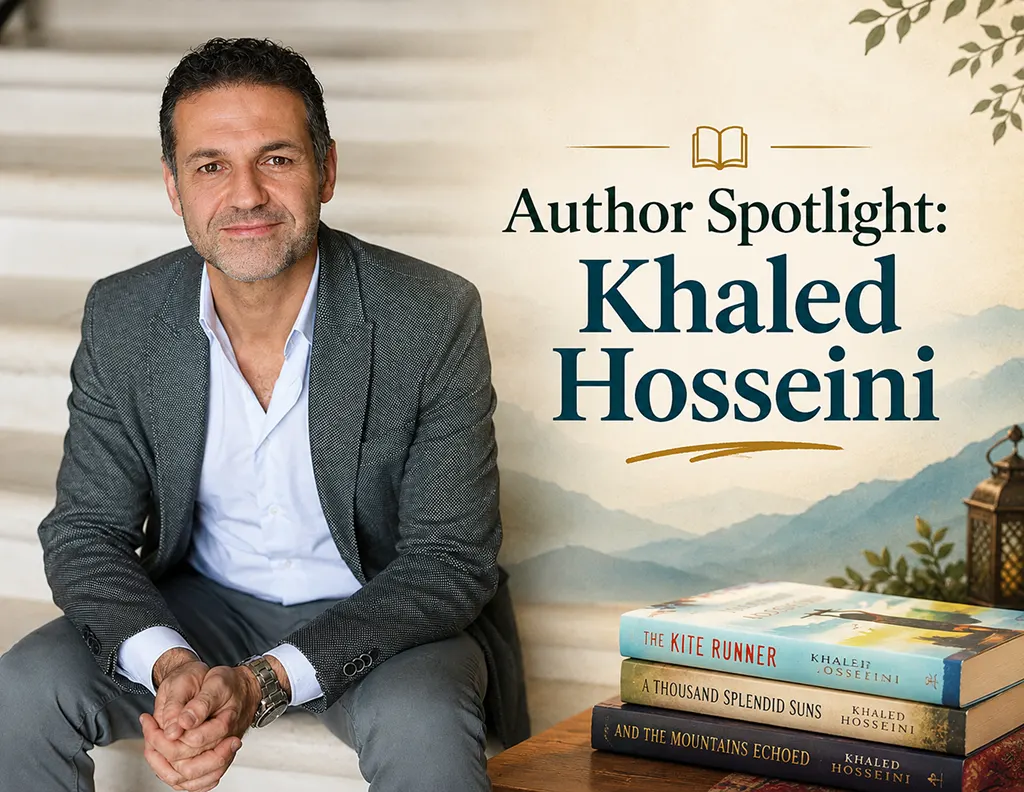
Authors Spotlight: Khaled Hosseini
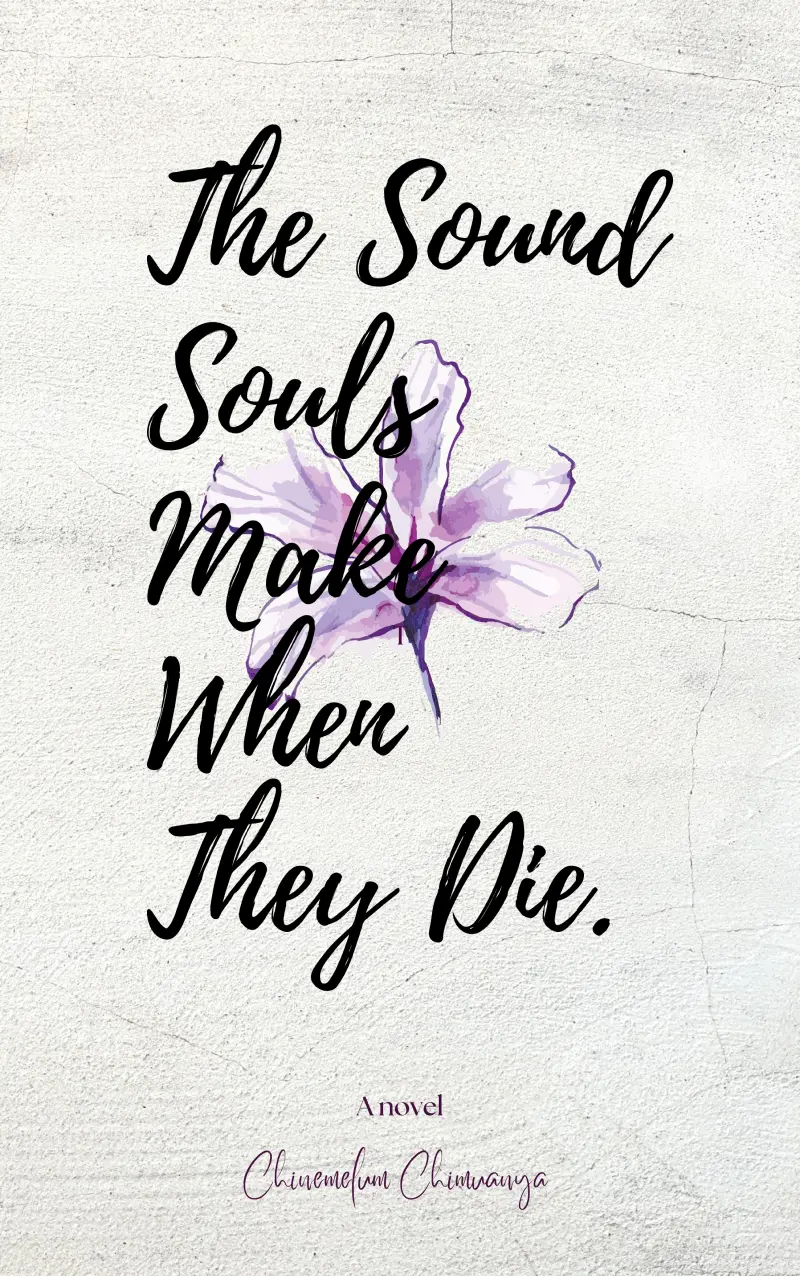
The Sound Souls Make When They Die by Chinemefun Chimuanya
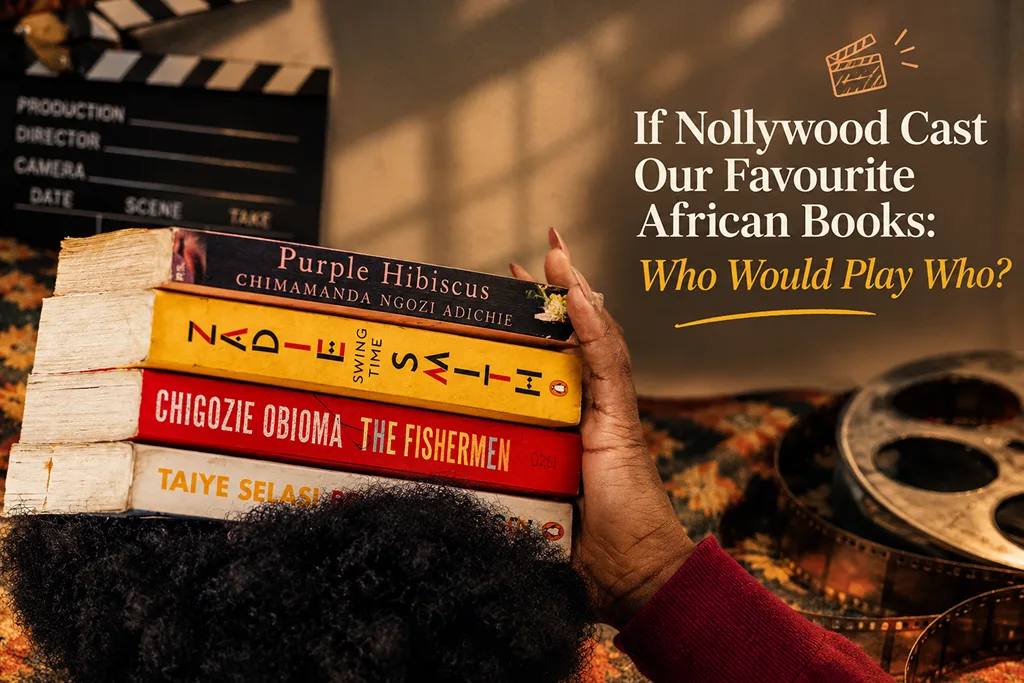
If Nollywood Cast Our Favourite African Books: Who Would Play Who?
Best Films About Unexpected Age Gap Romance
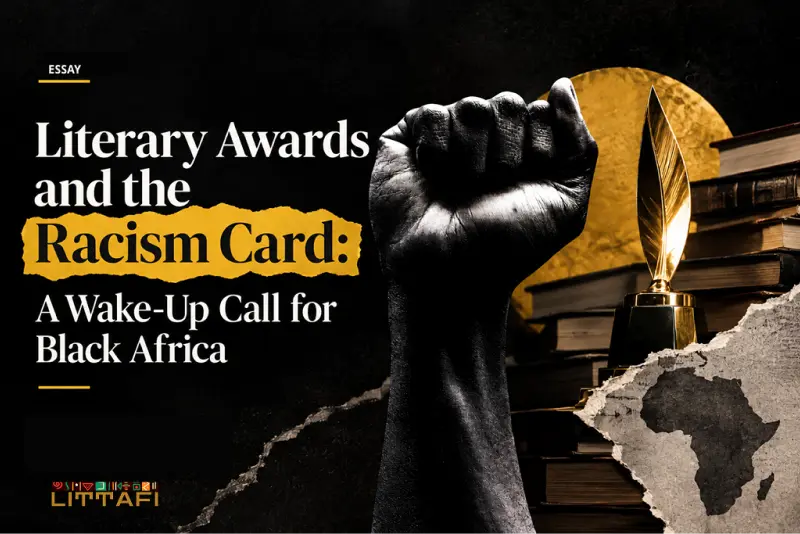
Literary Awards and the Racism Card: A Wake-Up Call for Black Africa
Interview with the Vampire Relationships, Ranked
10 Top Recent Films for Action and Comedy Fans
Comma Rules Every Writer Should Know
10 Most Hype-worthy 2026 Book Releases (African Literature Version)
Five Gambling Films That Know the Bet Is Only Half the Story
Movies Where Poker Reveals Who a Character Really Is
July 20, 2025 .
Animation, Lists
Our list rounds up the top 30 cartoon characters that were villains, each one more wonderfully wicked than the last.
READ MORE
April 29, 2026 .
Lists, Opinions
The Mouse is famous for its princesses and princes. However, the studio’s true genius lies in its embrace of “ugly Disney characters”.
READ MORE

November 27, 2025 .
Lists, Mythology
While this isn’t an exhaustive list, it comprises some of the most popular mythical creatures from around the world.
READ MORE
October 28, 2025 .
Lists, Marvel, MCU, Opinions
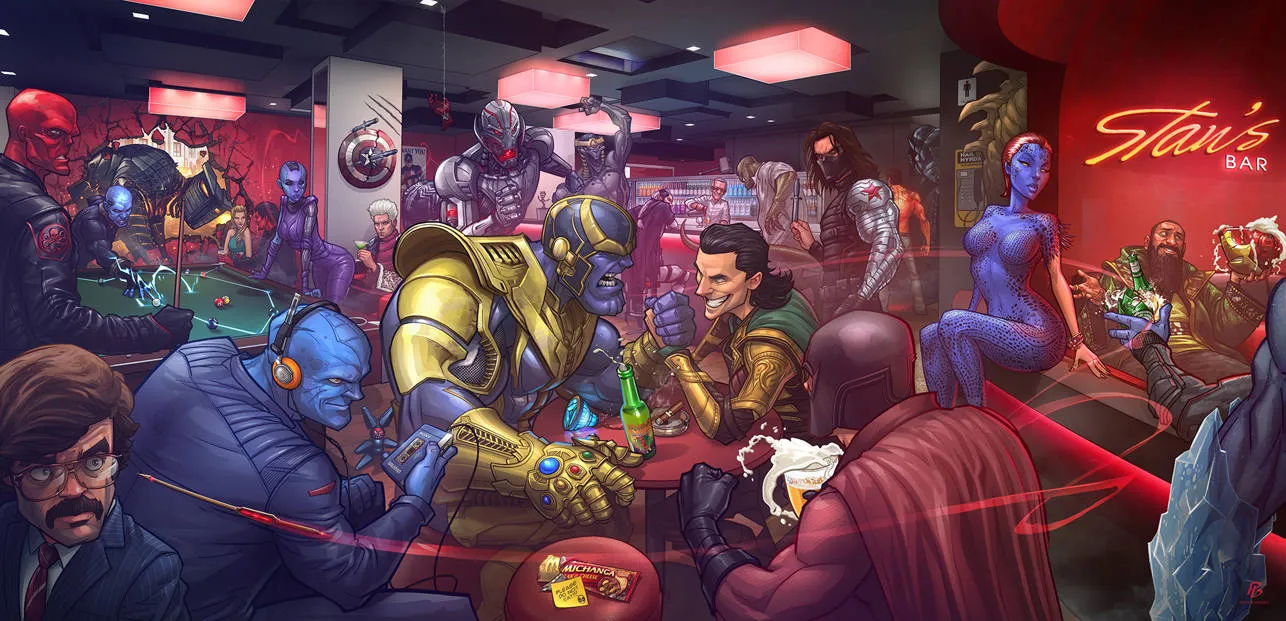
Let’s go through a list of the top 7 strongest Marvel villains, from the wickedly powerful to the absolutely unstoppable.
READ MORE
February 26, 2026 .
Cartoons, Lists
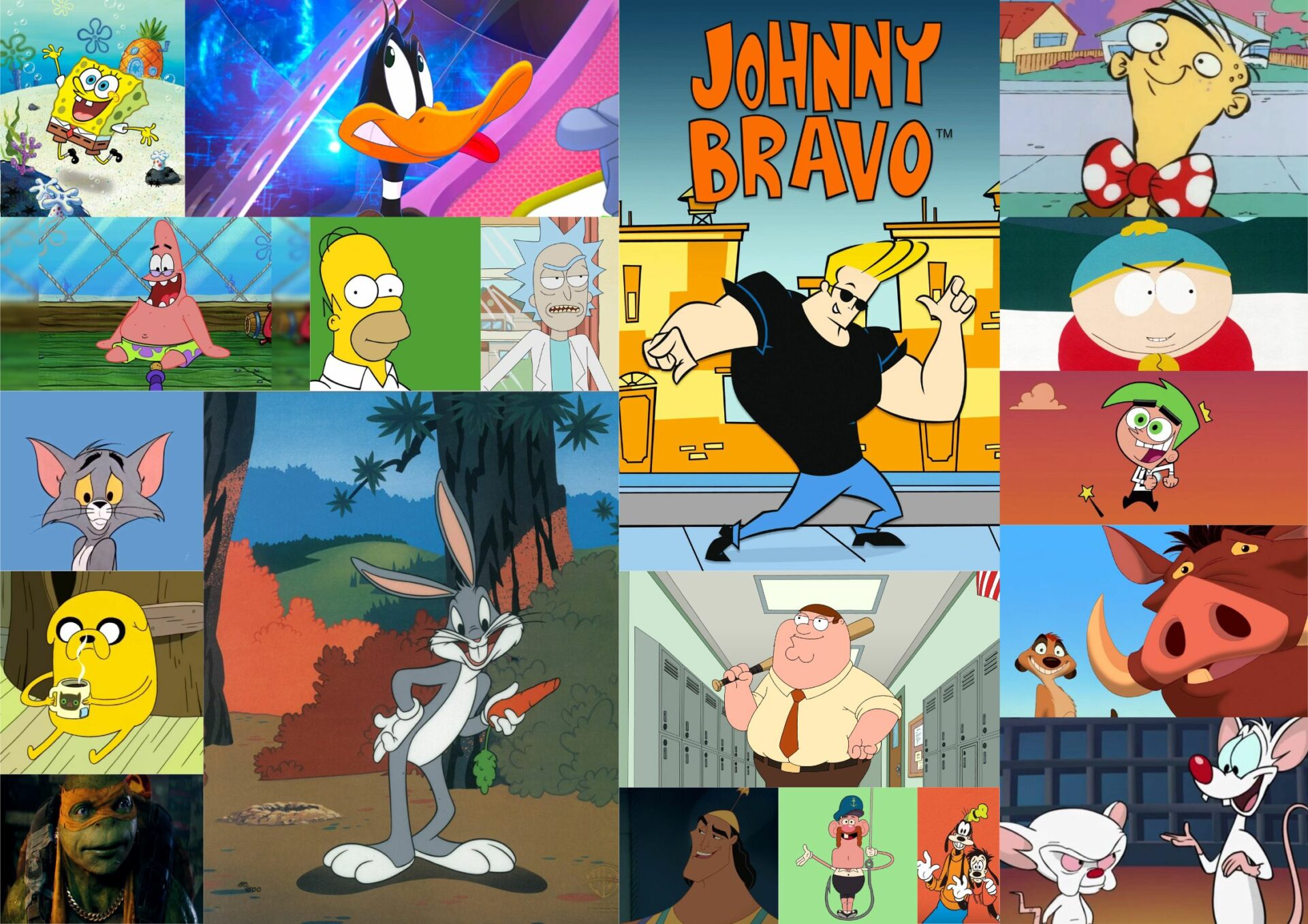
There are some outright funny cartoon characters who exist solely to crack you up, loud, hard, and with zero apology.
READ MORE

July 20, 2025 .
Essays, Opinions
READ MORE

July 20, 2025 .
Essays, Opinions
READ MORE

July 20, 2025 .
Essays
Except if you have been living under a rock or in outer space since the beginning of time, there is no way you wouldn’t have heard of Wole Soyinka.
READ MORE

July 20, 2025 .
Essays, Opinions
READ MORE
September 12, 2025 .
Essays, Fantasy, Opinions
Fantasy is everything that lies in the realm of the fantastic. And, the more deviant from reality it is, the better.
READ MORE

July 20, 2025 .
Essays, Opinions
African literature embraces inclusivity, harnessing words as a medium to impart wisdom, preserve truths, and honor ancestral struggles.
READ MORE

October 22, 2025 .
Essays, Writer Resources
Ever found a book that looks like a comic but tells a complete, well-structured story? Congratulations, it’s a graphic novel.
READ MORE
July 18, 2026 .
Disney, Essays
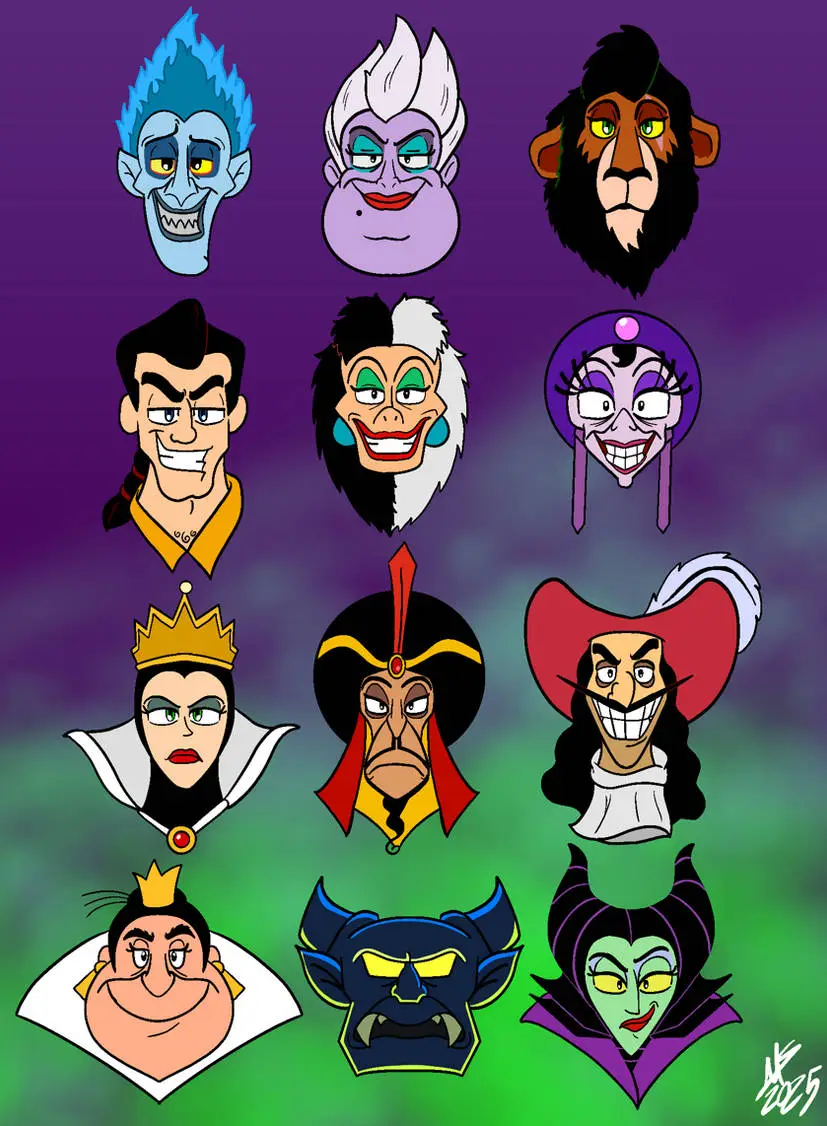
Let’s examine the trend of softening Disney villains, its implications, and viewers’ responses to less sensitive material.
READ MORE
July 24, 2025 .
Essays, Writer Resources
READ MORE
Get our magazine for free!