Close menu
Ranking the best of African Literature


















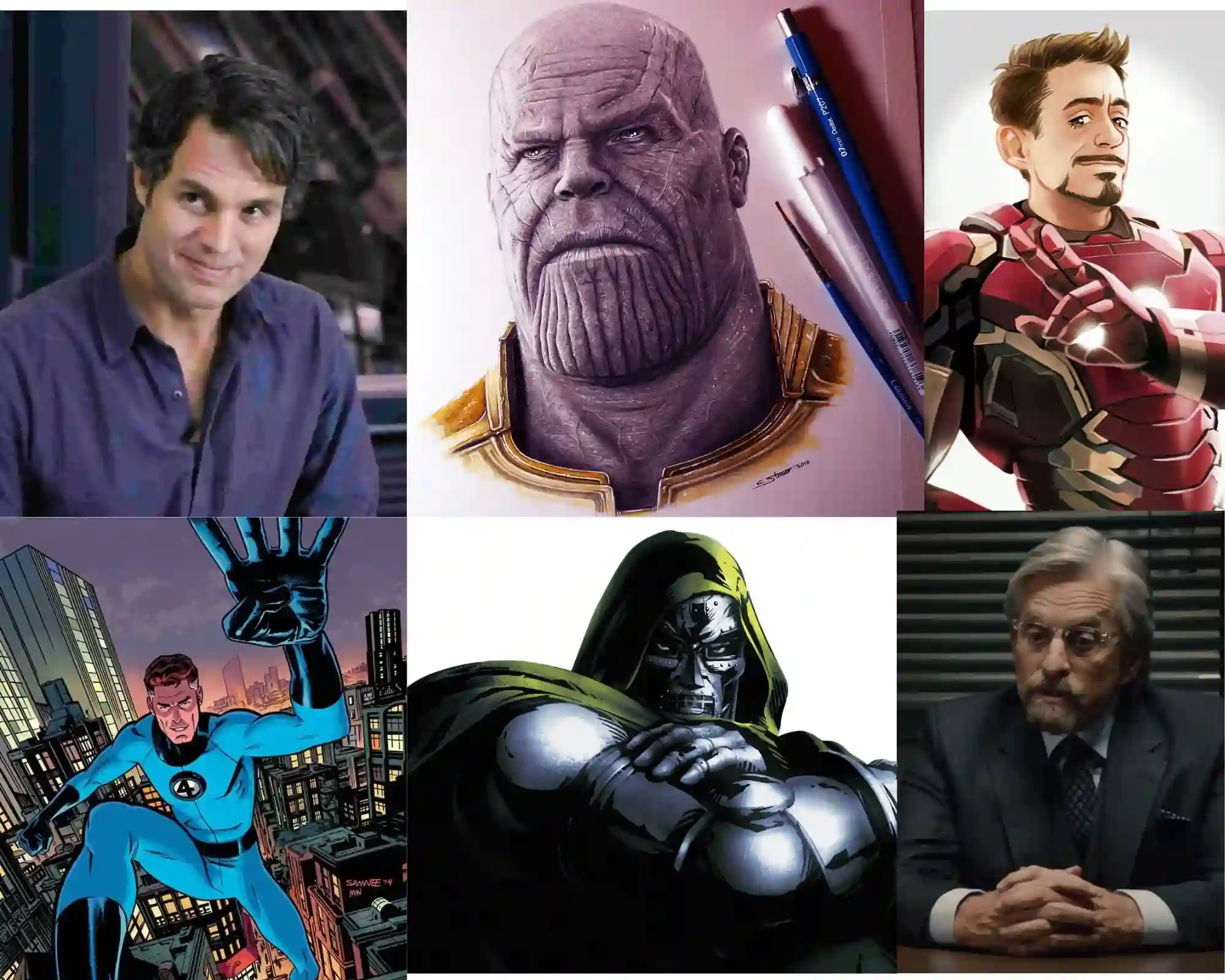
Shakespeare is best known for his tragedies, and comedies, but let’s not forget that he also had a talent for writing razor-sharp putdowns
Calling a person a liar or a fool is easy. However, comparing them to a stewed prune takes a different level of creativity.
Shakespeare is best known for his tragedies, comedies, and histories, but let’s not forget that he also had a remarkable talent for writing razor-sharp putdowns.
The best Shakespeare insults are not crude. They are creative, theatrical, and so wonderfully over the top that they still raise a laugh more than 400 years later.
Rather than relying on a single rude word, Shakespeare preferred vivid images and biting comparisons that lingered long after the conversation ended.
Next time an argument needs a better comeback, here are six worth borrowing.
If Shakespeare ever wrote the literary equivalent of “I’m about to end this person’s career,” this is it.
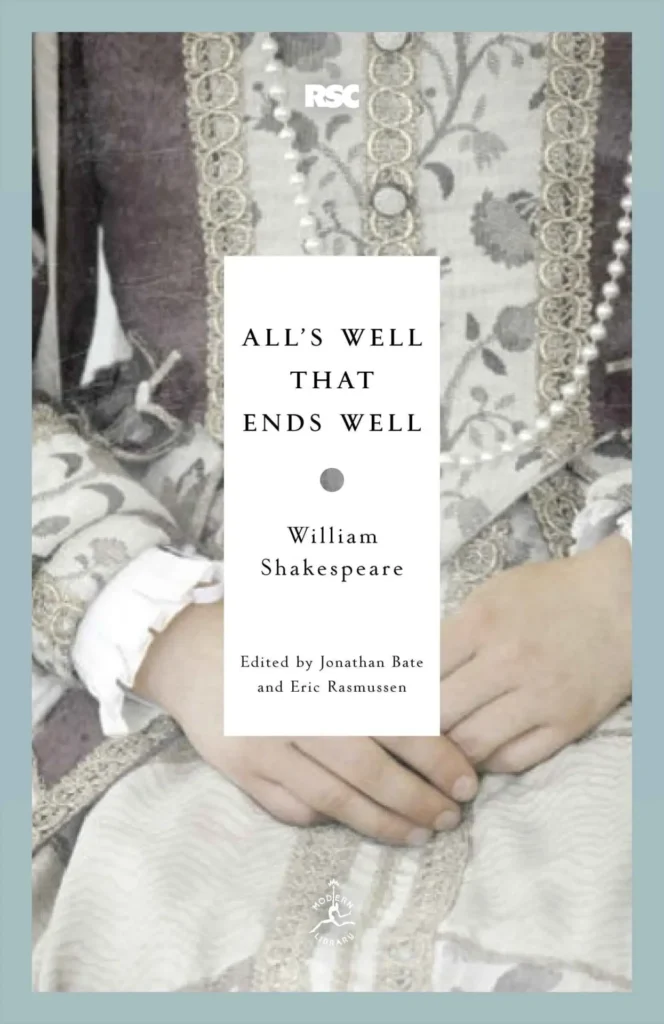
The line is directed to Parolles, a boastful soldier whose reputation falls apart once his lies and empty bravado are exposed.
Instead of stopping after calling him a wimp, Shakespeare keeps piling on till there is hardly any dignity left.
When someone has spent far too long talking themselves up only to disappoint everyone, this is the exact comeback.
Rather than mocking someone’s behaviour, this line mocks a permanently sour expression.
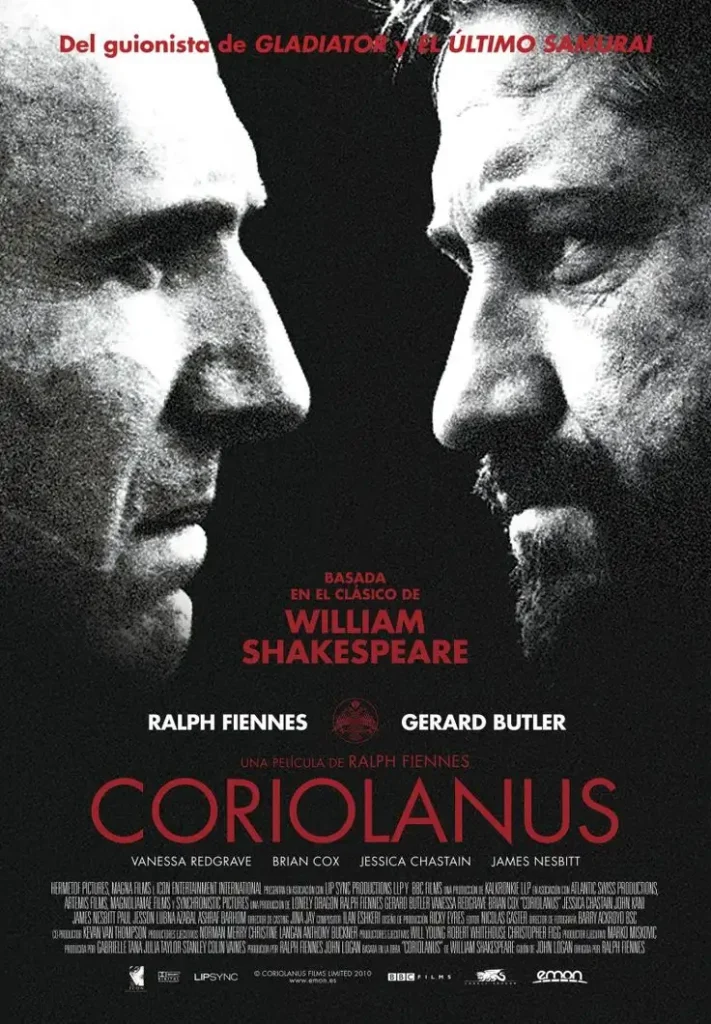
This is the perfect passive-aggressive commentary for a chronic complainer, a hostile manager, or an unpleasable critic.
It allows one to indirectly highlight a negative attitude. Deploy it as a whisper to a colleague, effectively turning an opponent’s own hostile resting face into a weapon against them.
Some arguments are so exhausting that walking away feels like the smartest option.
This statement suggests that listening any longer would do more harm than good.
Imagine facing an opponent whose logic has completely devolved into circular reasoning or pure nonsense. Deliver this phrase with a calm, deadpan expression. You’re welcome!
From: Henry IV Part 1 (Act 3, Scene 3)
Shakespeare could have settled for calling an individual dishonest, unreliable, or full of empty promises. Instead, he reached for the unexpected.
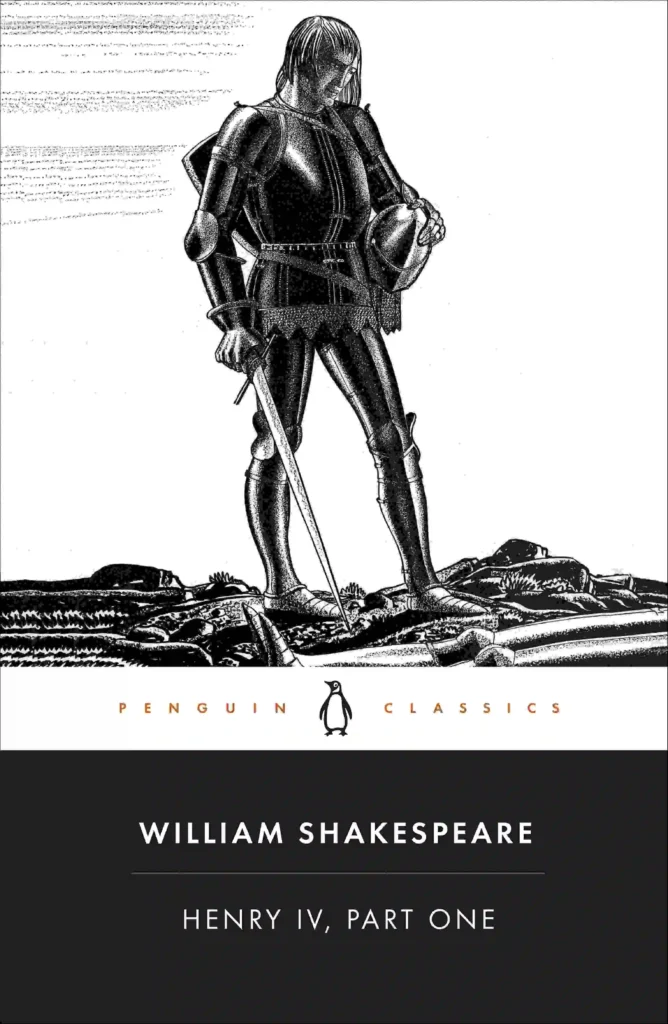
Every group has that one person who promises to arrive on time, return borrowed things, or definitely remember next time. This admission is for them.
Everyone knows that one person who looks annoyed before anyone has even spoken. Ask whether they’re alright, and it’s an issue.
The famous playwright could have called that person grumpy and moved on. Instead, he compared their face to February, a month better known for cold mornings, grey skies, and weather that cannot decide what it wants to do.
It is one of the high-ranking Shakespeare insults that almost sounds poetic until the person on the receiving end realises they have just been compared to terrible weather.
The declaration would fit surprisingly well after someone spends an entire evening looking as though happiness personally offended them.
Instead of threatening to spit on an individual, the Bard claims they are not even worth that much effort.
Reserve this for the rare occasion when absolute disdain is the only appropriate response.
The Romeo and Juliet crooner may be remembered for his tragedies, romances, and unforgettable characters, but the Shakespeare insults deserve a place in the spotlight too. They are clever, theatrical, and proof that sometimes a sharp wit leaves a stronger impression than simple name-calling.
The next heated debate may not call for comparisons to stewed prunes or February weather, but these lines are a reminder that the best comebacks are the most imaginative.

15 Writing-Adjacent Careers for Writers Looking for a Career Change
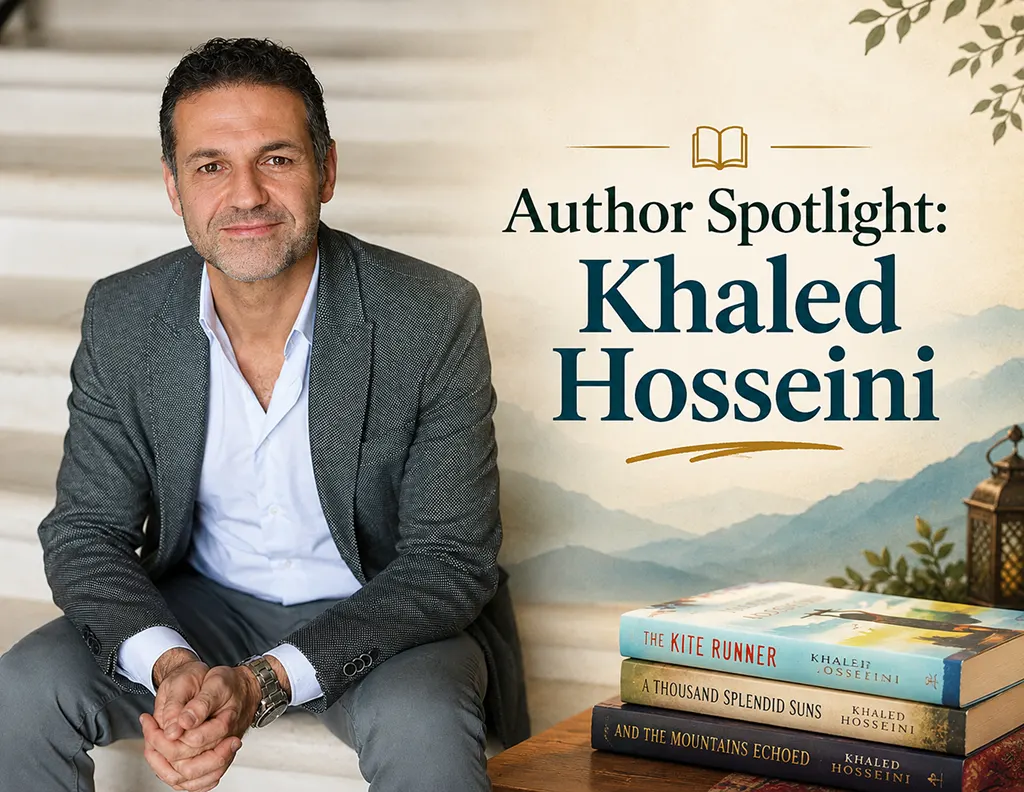
Authors Spotlight: Khaled Hosseini
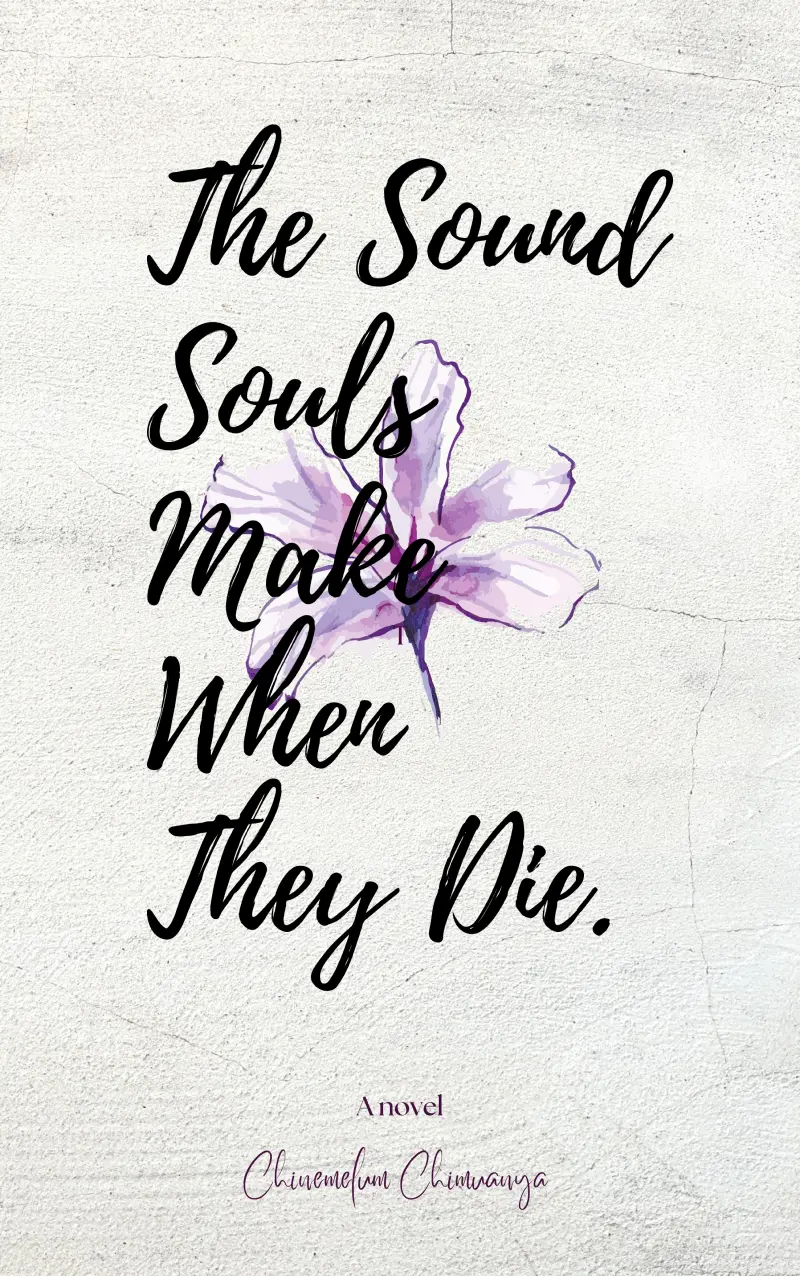
The Sound Souls Make When They Die by Chinemefun Chimuanya
If Nollywood Cast Our Favourite African Books: Who Would Play Who?
Best Films About Unexpected Age Gap Romance
Literary Awards and the Racism Card: A Wake-Up Call for Black Africa
Interview with the Vampire Relationships, Ranked
10 Top Recent Films for Action and Comedy Fans
Comma Rules Every Writer Should Know
10 Most Hype-worthy 2026 Book Releases (African Literature Version)
Five Gambling Films That Know the Bet Is Only Half the Story
Movies Where Poker Reveals Who a Character Really Is
July 20, 2025 .
Animation, Lists
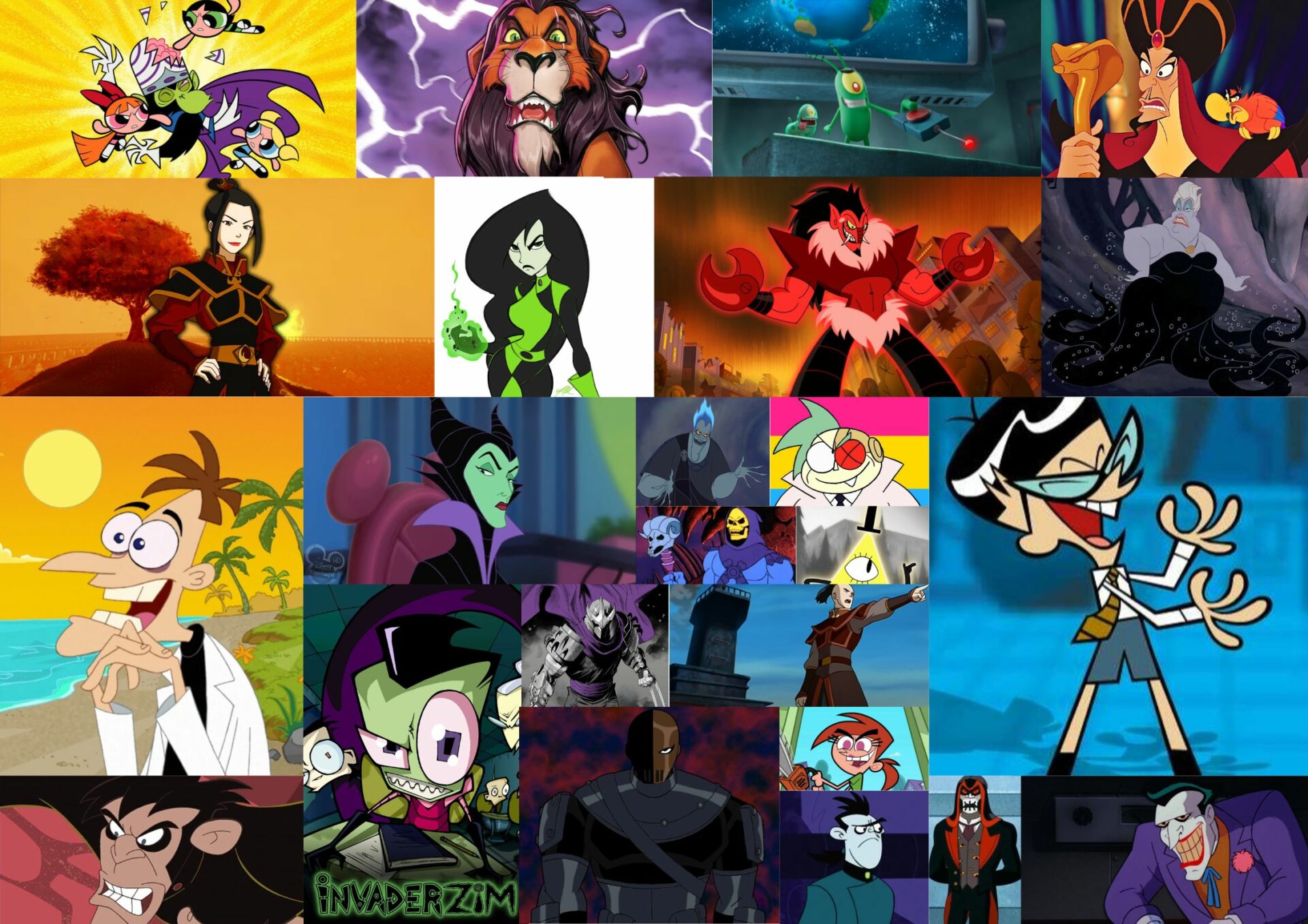
Our list rounds up the top 30 cartoon characters that were villains, each one more wonderfully wicked than the last.
READ MORE
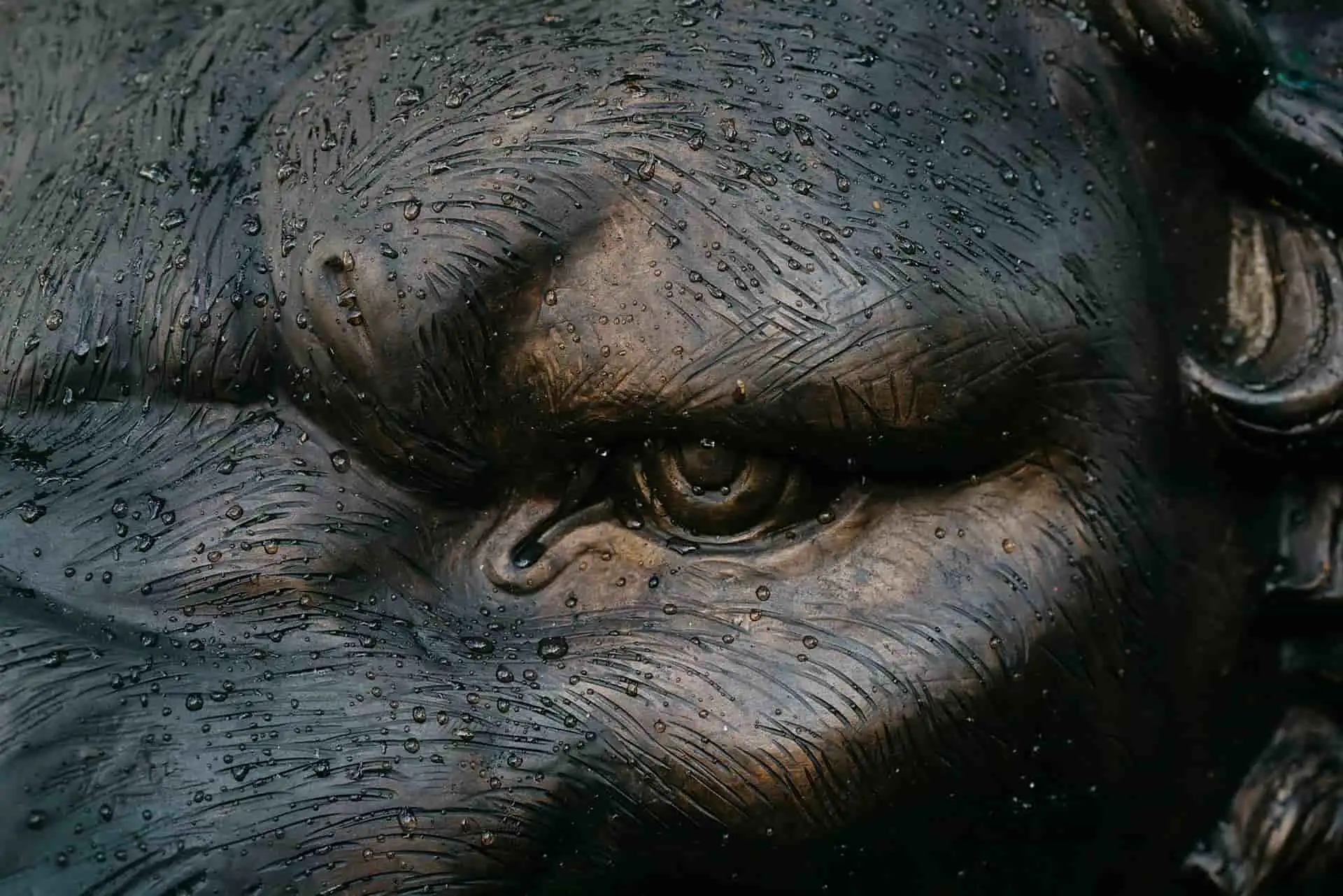
November 27, 2025 .
Lists, Mythology
While this isn’t an exhaustive list, it comprises some of the most popular mythical creatures from around the world.
READ MORE
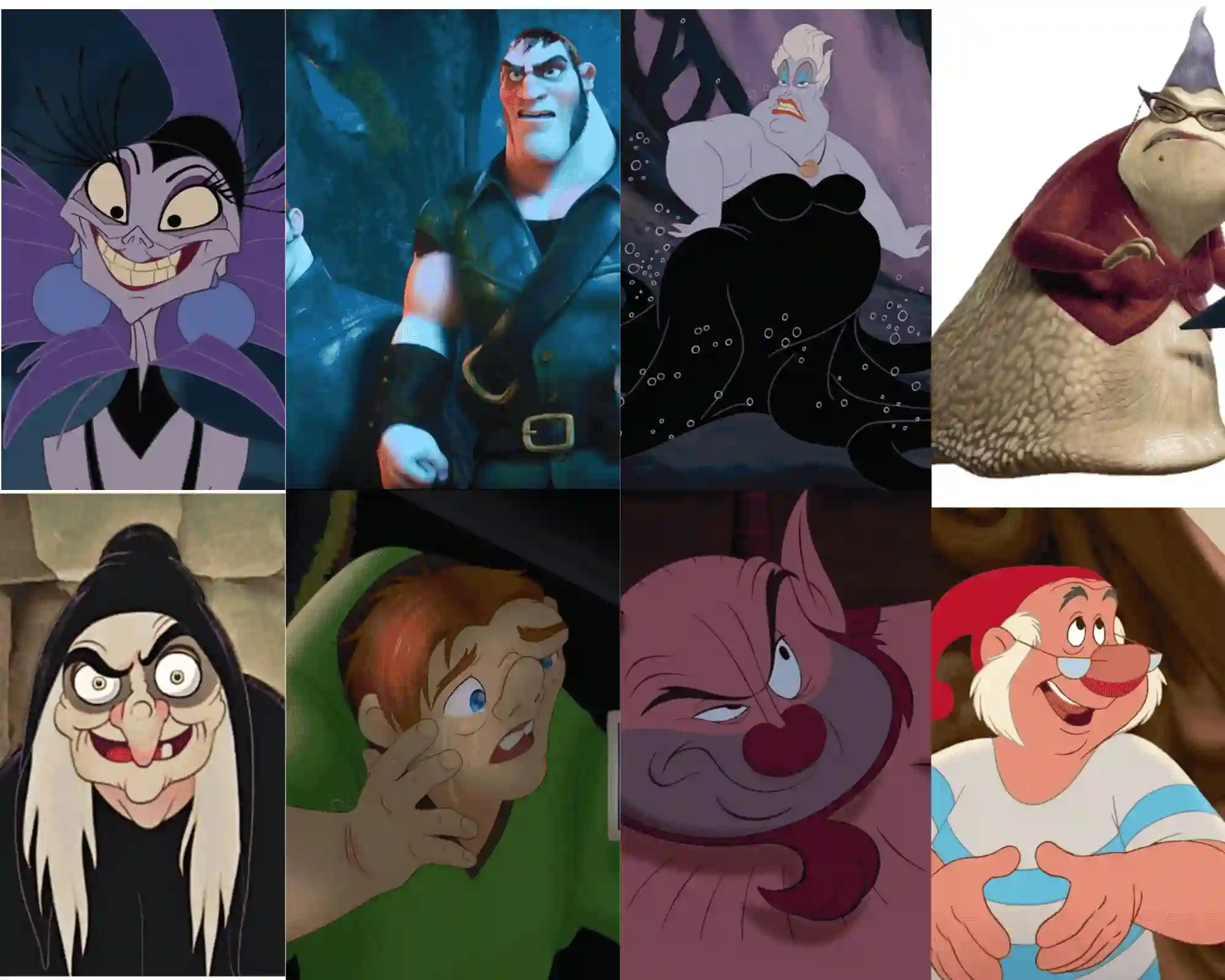
April 29, 2026 .
Lists, Opinions
The Mouse is famous for its princesses and princes. However, the studio’s true genius lies in its embrace of “ugly Disney characters”.
READ MORE
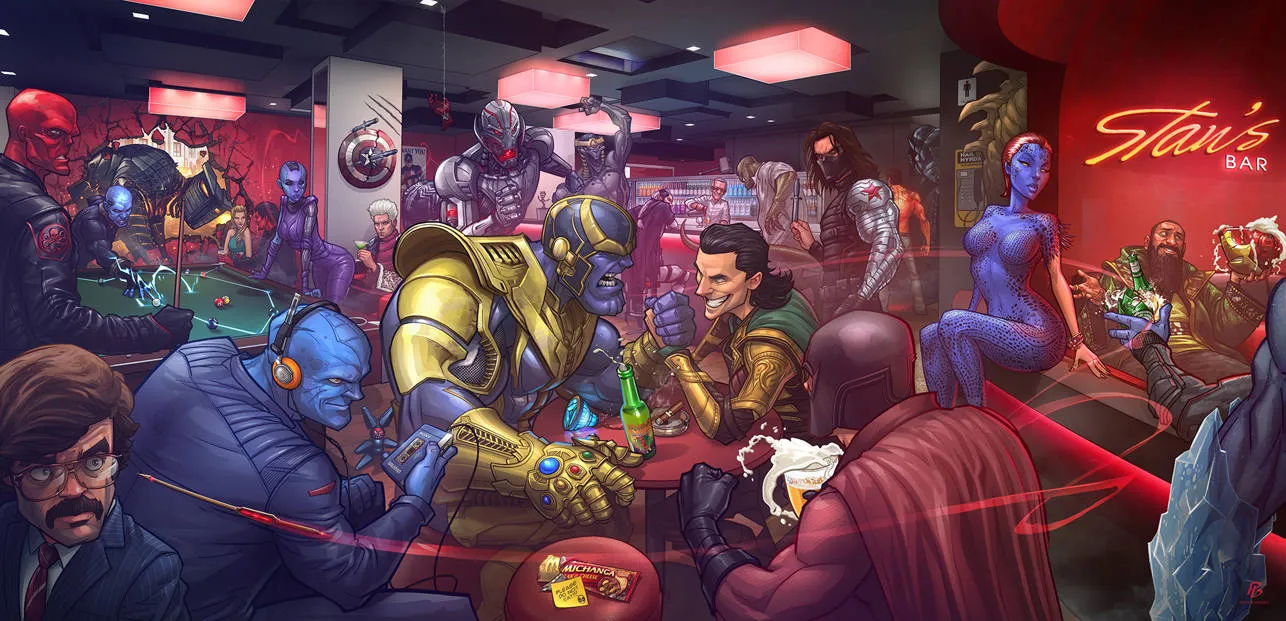
October 28, 2025 .
Lists, Marvel, MCU, Opinions
Let’s go through a list of the top 7 strongest Marvel villains, from the wickedly powerful to the absolutely unstoppable.
READ MORE
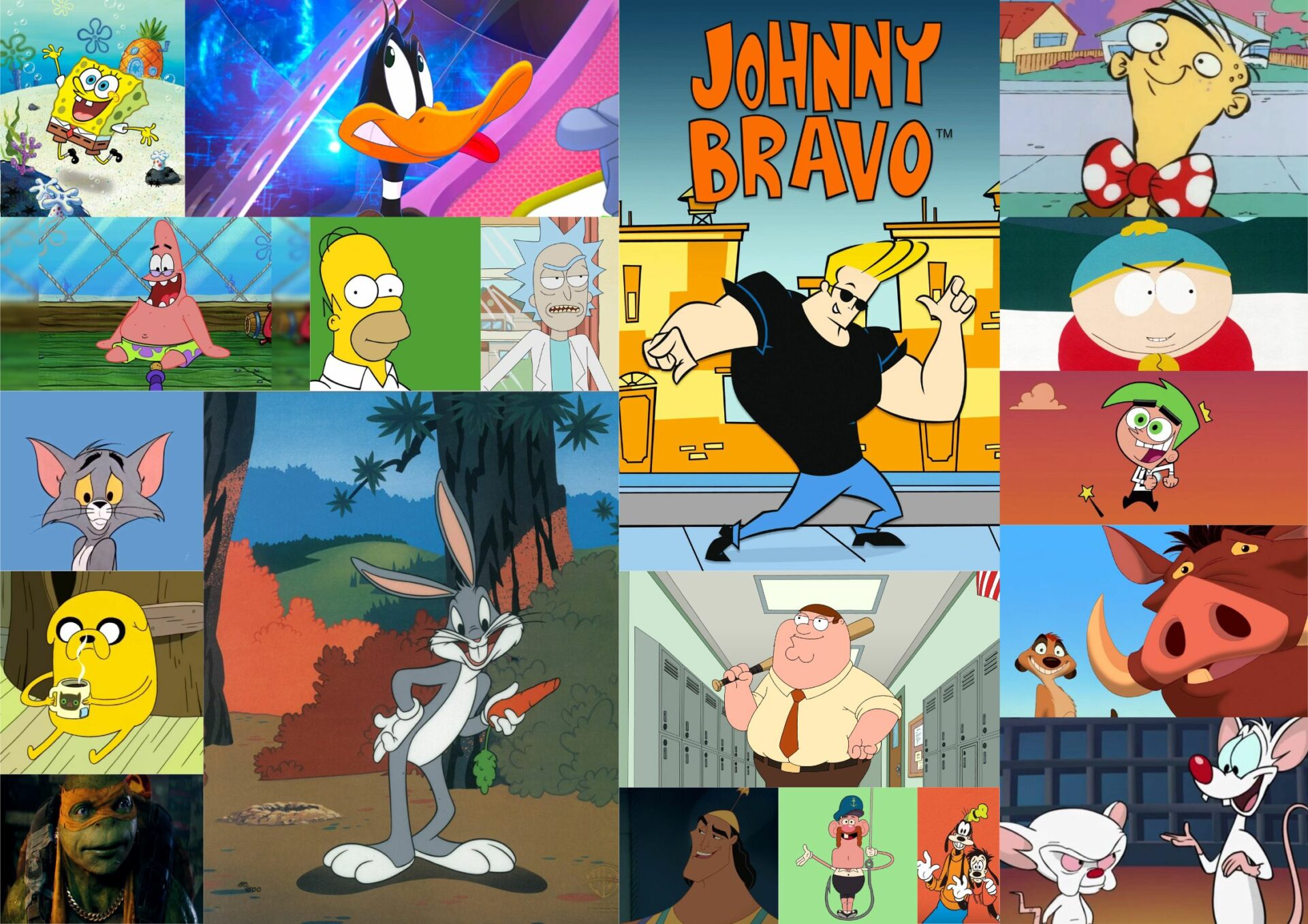
February 26, 2026 .
Cartoons, Lists
There are some outright funny cartoon characters who exist solely to crack you up, loud, hard, and with zero apology.
READ MORE
September 30, 2026 .
Lists, TV Shows, Upcoming Movies
October isn’t celebrated as the official horror movie month for nothing, and some of these entries prove it.
READ MORE
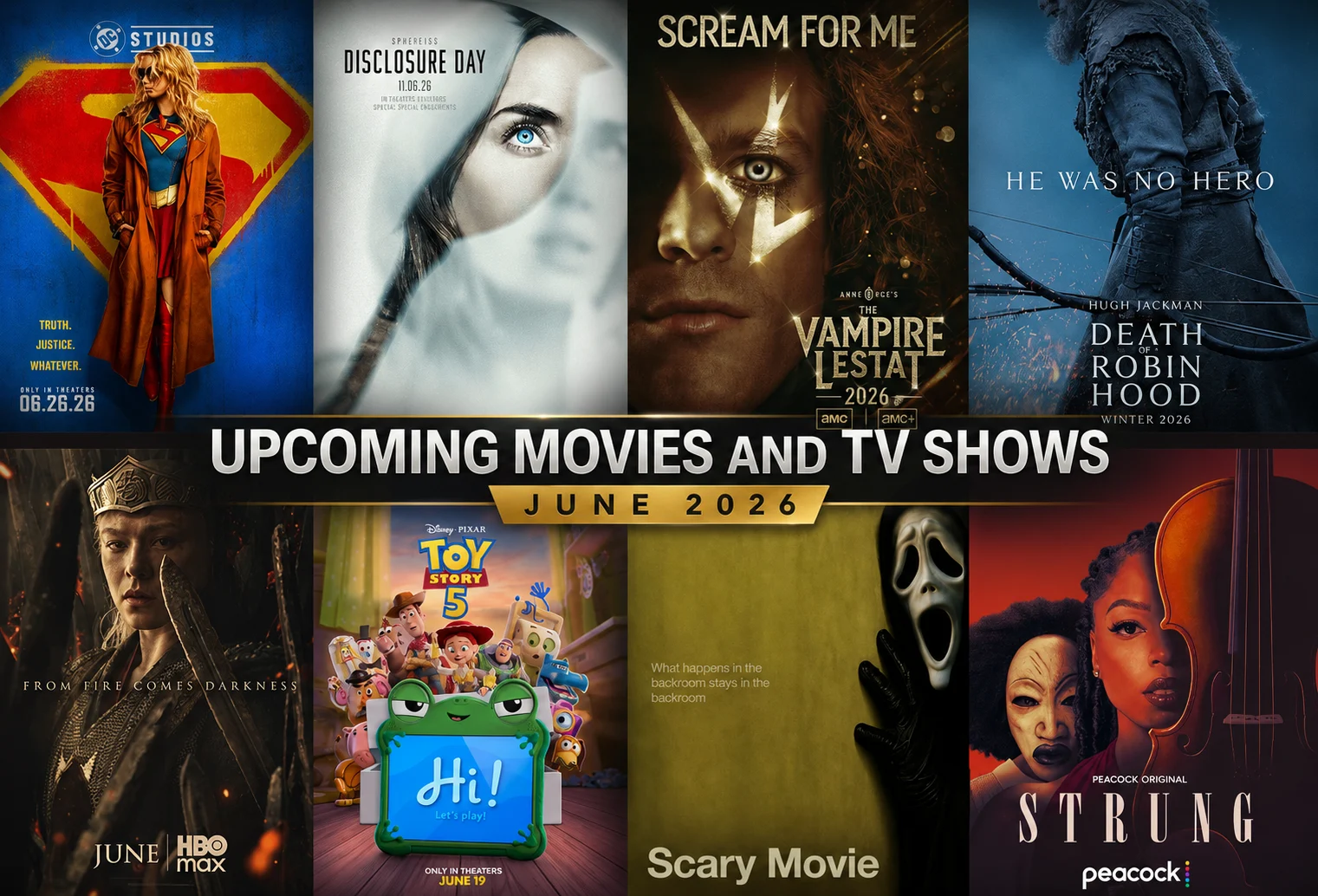
September 9, 2026 .
Lists, TV Shows, Upcoming Movies
There’s something for everyone from every genre you love.
READ MORE
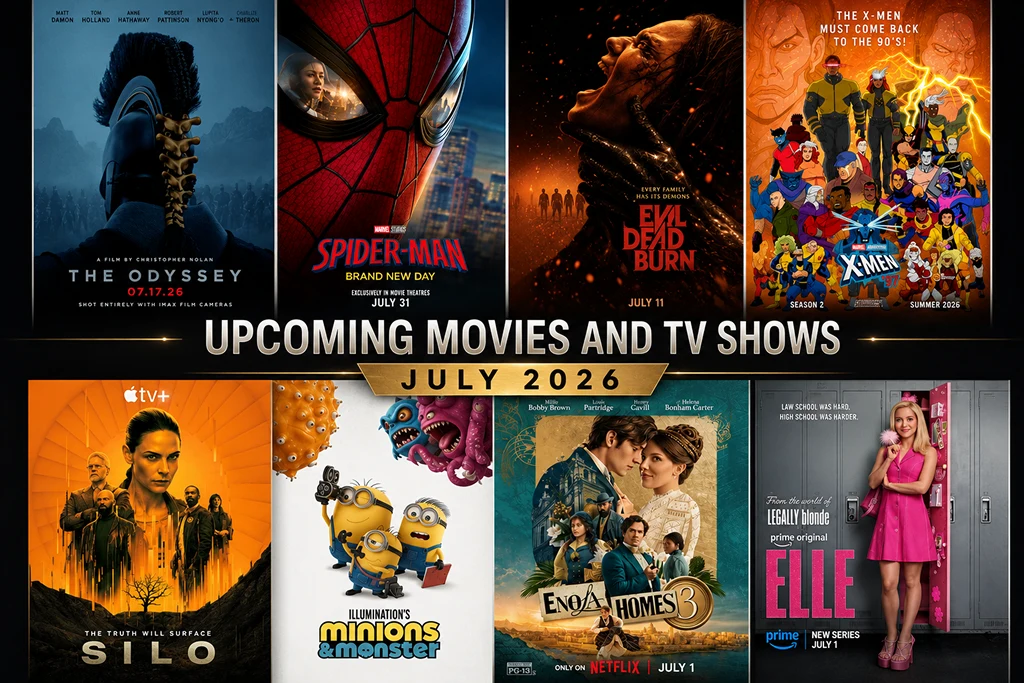
September 9, 2026 .
Lists, TV Shows, Upcoming Movies
July gears up with the hottest lineups of upcoming movies and TV shows.
READ MORE
September 9, 2026 .
Lists, TV Shows, Upcoming Movies
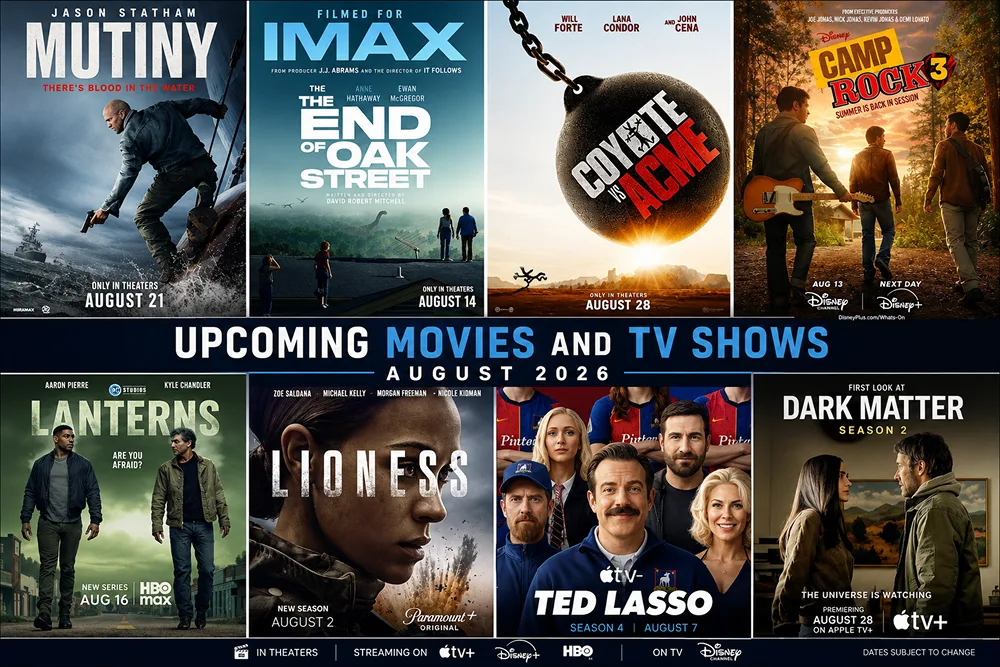
August line-up is here and they don’t disappoint.
READ MORE
April 29, 2026 .
Lists, Opinions
The Mouse is famous for its princesses and princes. However, the studio’s true genius lies in its embrace of “ugly Disney characters”.
READ MORE
September 9, 2026 .
Lists, Upcoming Movies
September’s lineup offers everything from action flicks to buddy comedy to romcom adaptations to keep you entertained all month long.
READ MORE
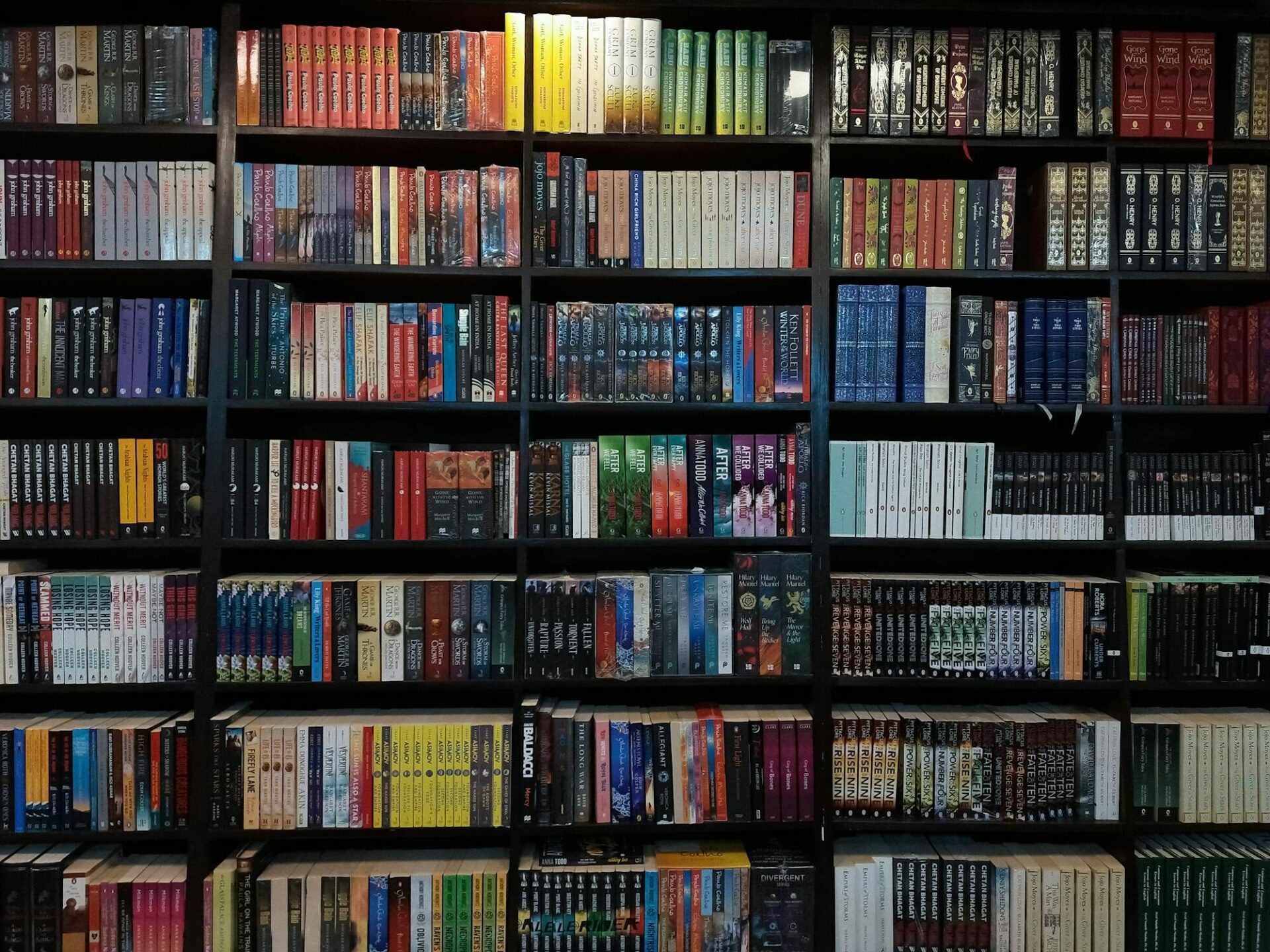
February 9, 2026 .
Lists
From Masobe to Narrative Landscape and Penguin Random House South Africa, here are the top 9 publishers of African Literature.
READ MORE

July 20, 2025 .
Lists
From Gardens of the Moon, it’s clear that the world of Malazan is richer in history and geographic detail, and than any other fantasy world.
READ MORE
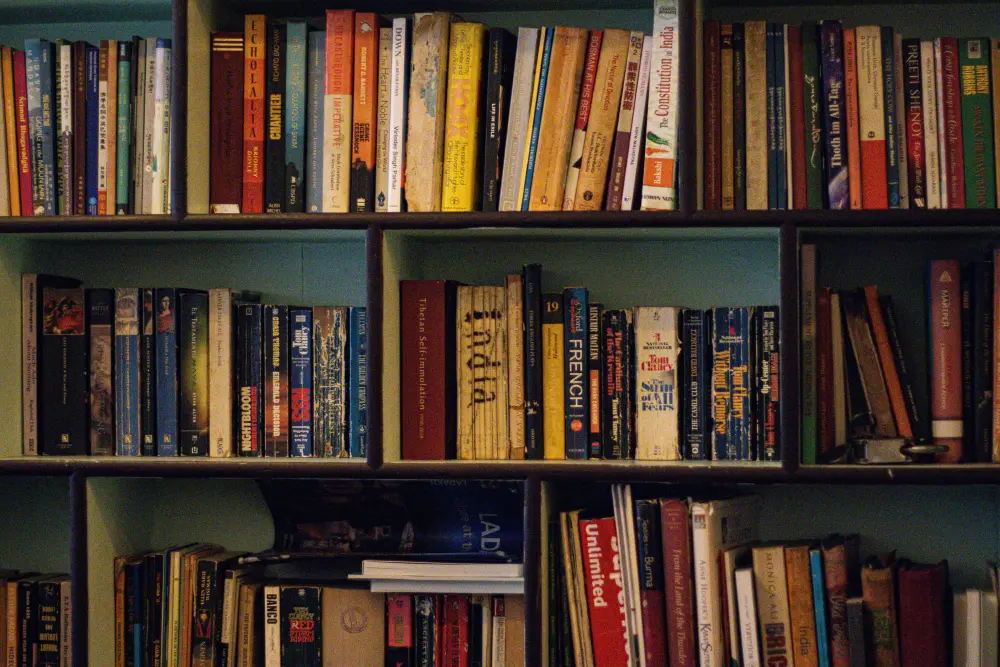
February 23, 2026 .
African Literature, Lists
These are the books that could hold that kind of attention again. Not because they’re flawless, but because they can survive stillness.
READ MORE
Get our magazine for free!