














































Long before books existed, stories lived in voices. A grandmother’s tale by firelight. A hunter’s account of a narrow escape. These moments shaped how humans made sense of the world, and they still do, just through different channels now.Storytelling Around the Fire Oral tradition wasn’t casual entertainment. It was survival information wrapped in rhythm and […]
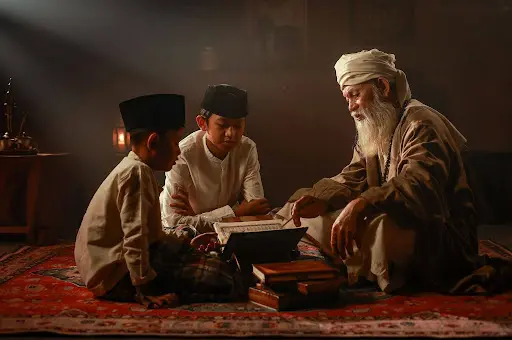
Long before books existed, stories lived in voices. A grandmother’s tale by firelight. A hunter’s account of a narrow escape. These moments shaped how humans made sense of the world, and they still do, just through different channels now.
Storytelling Around the Fire
Oral tradition wasn’t casual entertainment. It was survival information wrapped in rhythm and repetition, easier to remember, easier to pass down. Anthropologists estimate humans have been telling structured stories for at least 30,000 years, long before any writing system existed.
Without a written record, memory had to do all the work. That’s why myths so often repeat phrases, use rhyme, or lean on predictable story arcs. Repetition wasn’t lazy craftsmanship. It was a memory tool disguised as art.
Writing didn’t kill oral storytelling, but it did something else entirely: it made stories portable. A tale could now travel farther than a human voice could shout, and it could outlive its teller by centuries. Ancient Egyptian papyri, Sumerian clay tablets, medieval manuscripts—all preserved narratives that would’ve otherwise vanished with a single generation.
Then came the printing press in the 1400s, and everything accelerated. Books became cheaper, literacy climbed, and stories stopped being the property of the few who could afford handwritten copies. Suddenly, a farmer’s kid in a small town could read the same novel as a noble in a city palace.
Fast-forward a few centuries and storytelling found new stages: radio dramas, silent films, and eventually television. Suddenly stories had sound, then motion, then color. People gathered around radios in the 1930s the way earlier generations gathered around fires, and later, television sets replaced hearths as the household’s storytelling center.
This era introduced something new too: shared, simultaneous experience. Millions of people hearing the same broadcast at the same moment created a kind of collective imagination that oral tradition, limited to small villages, never could.
Here’s where things get interesting. The internet didn’t just add another medium; it flipped who gets to tell stories in the first place. Blogs, forums, and later social media handed the microphone to anyone with a connection. Roughly 5.5 billion people now use the internet worldwide, and a huge share of them create content, not just consume it.
Storytelling became participatory. Readers comment, remix, and sometimes rewrite narratives in real time. Fan fiction communities, Reddit threads, and TikTok duets are proof that audiences no longer sit passively; they talk back, and often the story shifts because of it.
Something curious happened along the way. Casual conversation itself started functioning like storytelling. Think about it: a group chat retelling an inside joke, or strangers online swapping wild personal experiences, isn’t so different from villagers trading tales centuries ago. The setting changed, not the instinct.
This shift explains why so many people now seek a place to talk in anonymous online chat, somewhere they can share a story without the weight of their real identity attached to it. The callmechat.com is increasingly being used for communication, allowing people to open up, share experiences, and create small, spontaneous stories with strangers who have no preconceived notions about them. There’s a certain freedom in sharing your story in a video chat with someone who only knows the version you choose to give.
Anonymity has always played a quiet role in storytelling. Folk tales rarely credit a single author; myths were passed hand to hand until no one remembered who started them. Digital anonymity brings that same tradition back, just with a screen instead of a campfire.
People often share more honestly when their name isn’t attached. Confession forums, anonymous Q&A apps, and chat platforms built around this idea show consistent engagement, largely because users feel less judged. It turns out removing a name doesn’t erase a story. Sometimes it just makes the story more honest.
Storytelling was never meant to be a solo act, not originally anyway. Campfire tales invited interruptions, jokes, and additions from the crowd. Group settings have simply moved online now, and they carry that same collaborative spark.
This is exactly why apps for anonymous group chats have grown so popular, especially among younger users who want spontaneous, low-pressure spaces to swap stories. A single message can spiral into a shared joke, a running narrative, or an inside reference that only that specific group understands. It’s folklore, just built in real time by strangers who might never meet in person.
Video games pushed storytelling somewhere oral tradition never could: into branching paths where the audience actually decides what happens next. Choose-your-own-adventure games, interactive fiction apps, and narrative-driven video games put control directly into the reader’s hands. One 2023 industry report noted that interactive and narrative-focused games represent a multi-billion dollar segment of the global gaming market, and that number keeps climbing.
Virtual and augmented reality are pushing even further, letting people step inside a story rather than just observe it. It’s a strange full circle: thousands of years ago, storytelling was communal and immersive around a fire. Now it’s communal and immersive again, just through headsets and screens instead of flickering flames.
Nobody knows exactly what’s coming, but the pattern is clear enough. Every new technology doesn’t replace storytelling; it just gives it another shape. Voice became text, text became broadcast, broadcast became interactive, and now conversation itself, anonymous or not, has become a storytelling format of its own.
What hasn’t changed is the reason people tell stories in the first place: connection, curiosity, and the simple human need to be heard. Whether that happens around a fire, in a printed novel, or inside a late-night anonymous chat, the instinct is exactly the same one our ancestors had.

The Tyrant Overlord. Fantasy buff and avid football fan.
July 20, 2025 .
Animation, Lists
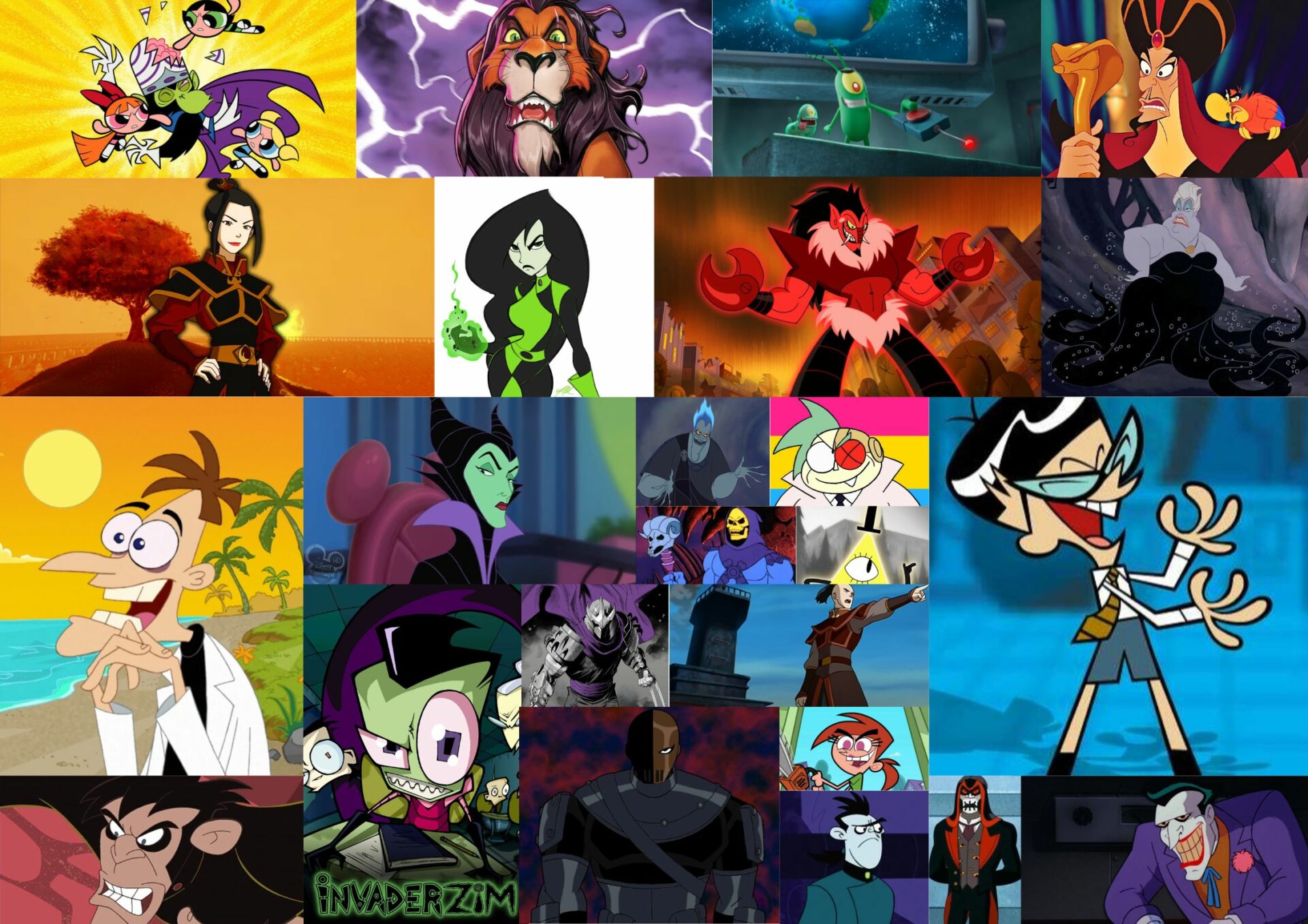
Our list rounds up the top 30 cartoon characters that were villains, each one more wonderfully wicked than the last.
READ MORE
April 29, 2026 .
Lists, Opinions
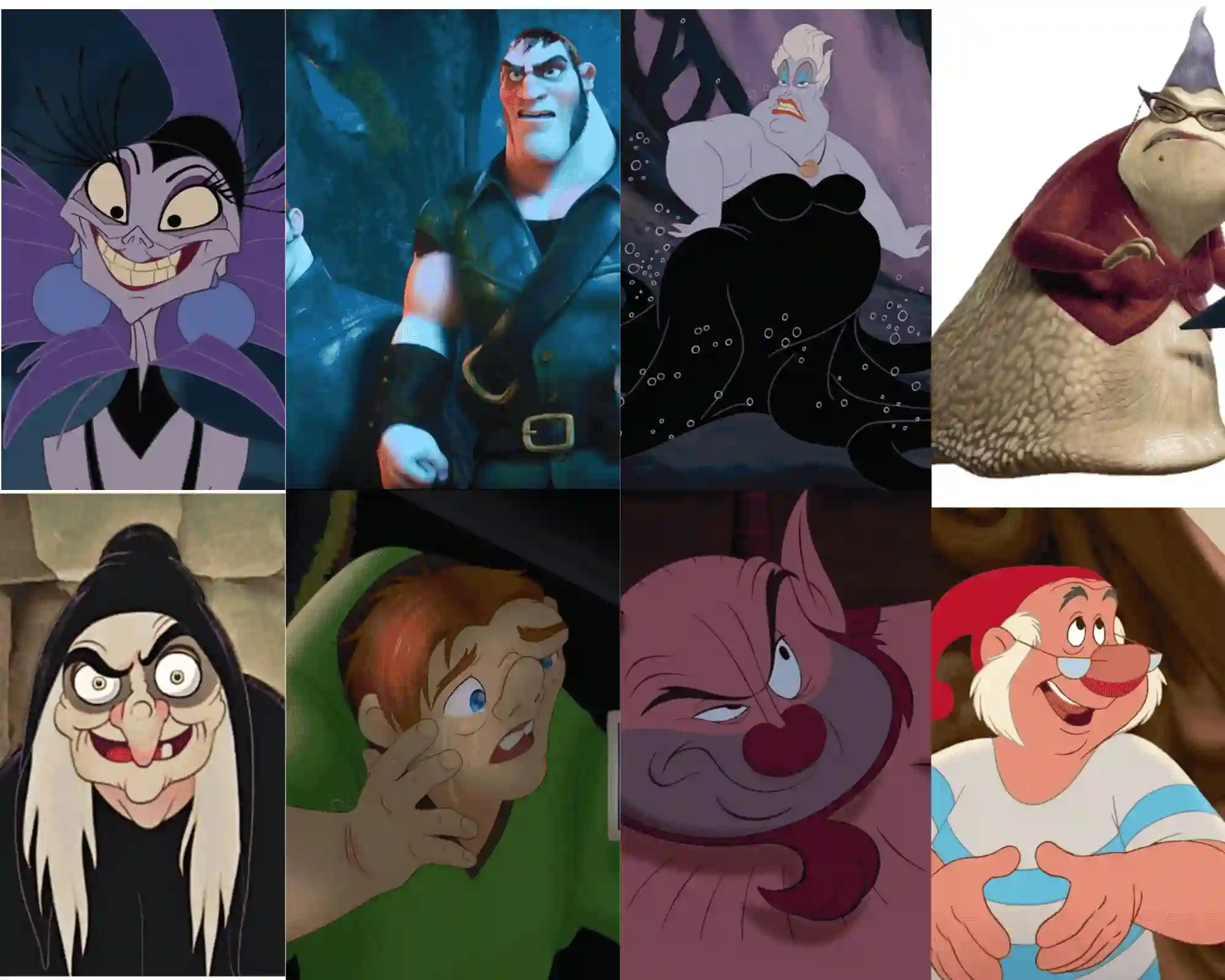
The Mouse is famous for its princesses and princes. However, the studio’s true genius lies in its embrace of “ugly Disney characters”.
READ MORE
May 6, 2026 .
Lists, MCU
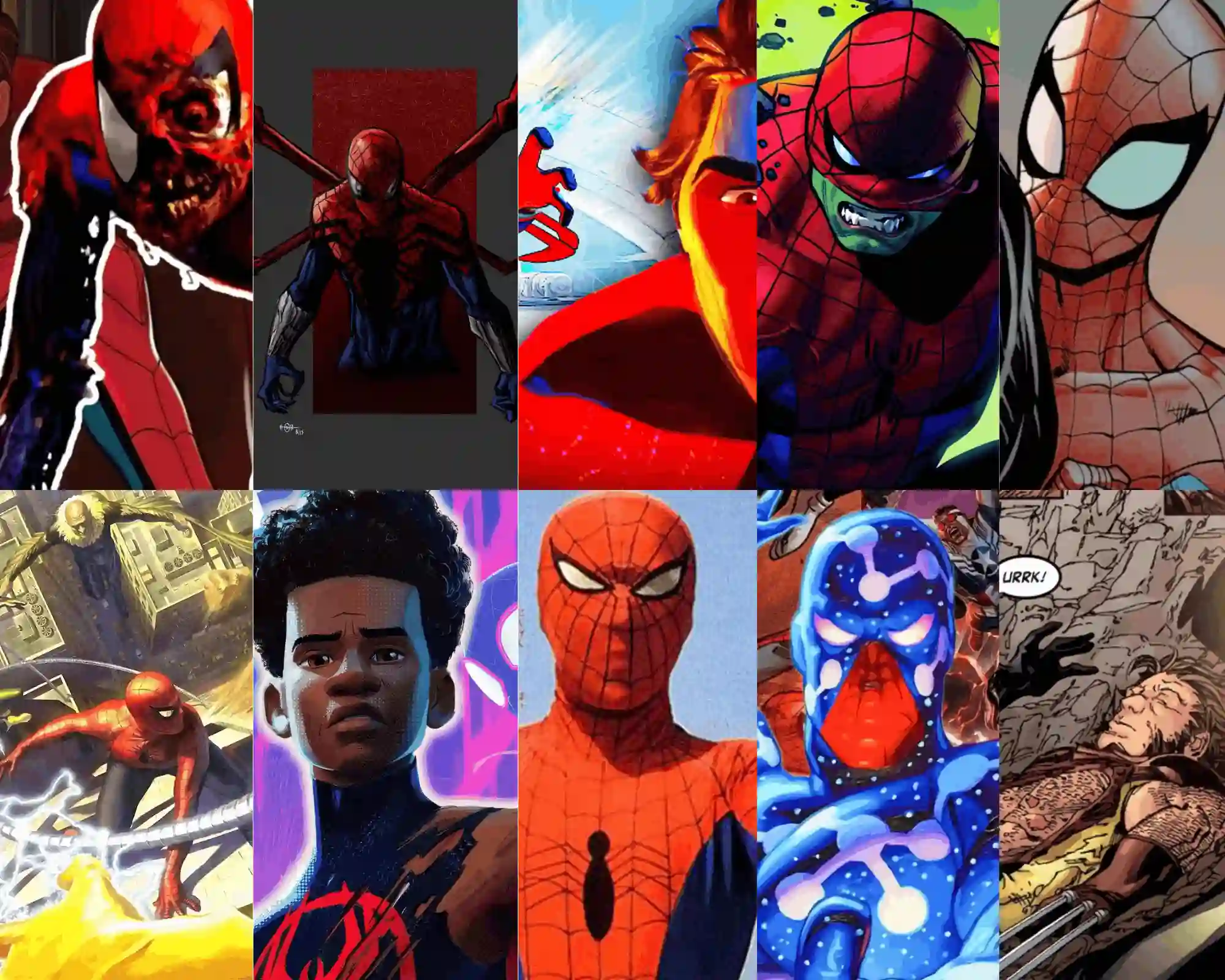
Spider-Man is one of the many superheroes from the Marvel Universe whose stories shaped many childhoods. Who is your strongest Spiderman?
READ MORE

October 28, 2025 .
Debates, Lists, Marvel, MCU
Every Marvel hero brings something to the table. But if we had to pick the top 8 most popular Marvel superheroes, who would make the cut?
READ MORE
October 28, 2025 .
Lists, Marvel, MCU, Opinions
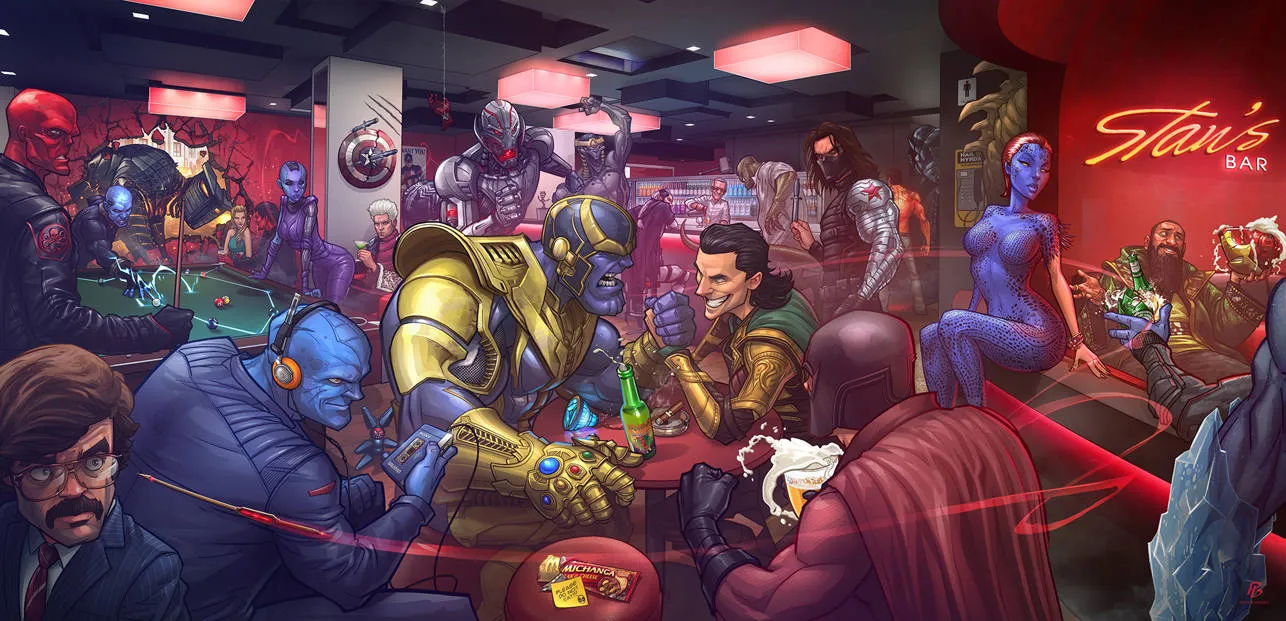
Let’s go through a list of the top 7 strongest Marvel villains, from the wickedly powerful to the absolutely unstoppable.
READ MORE

October 12, 2021 .
African Literature, chimamanda, cna, zikora
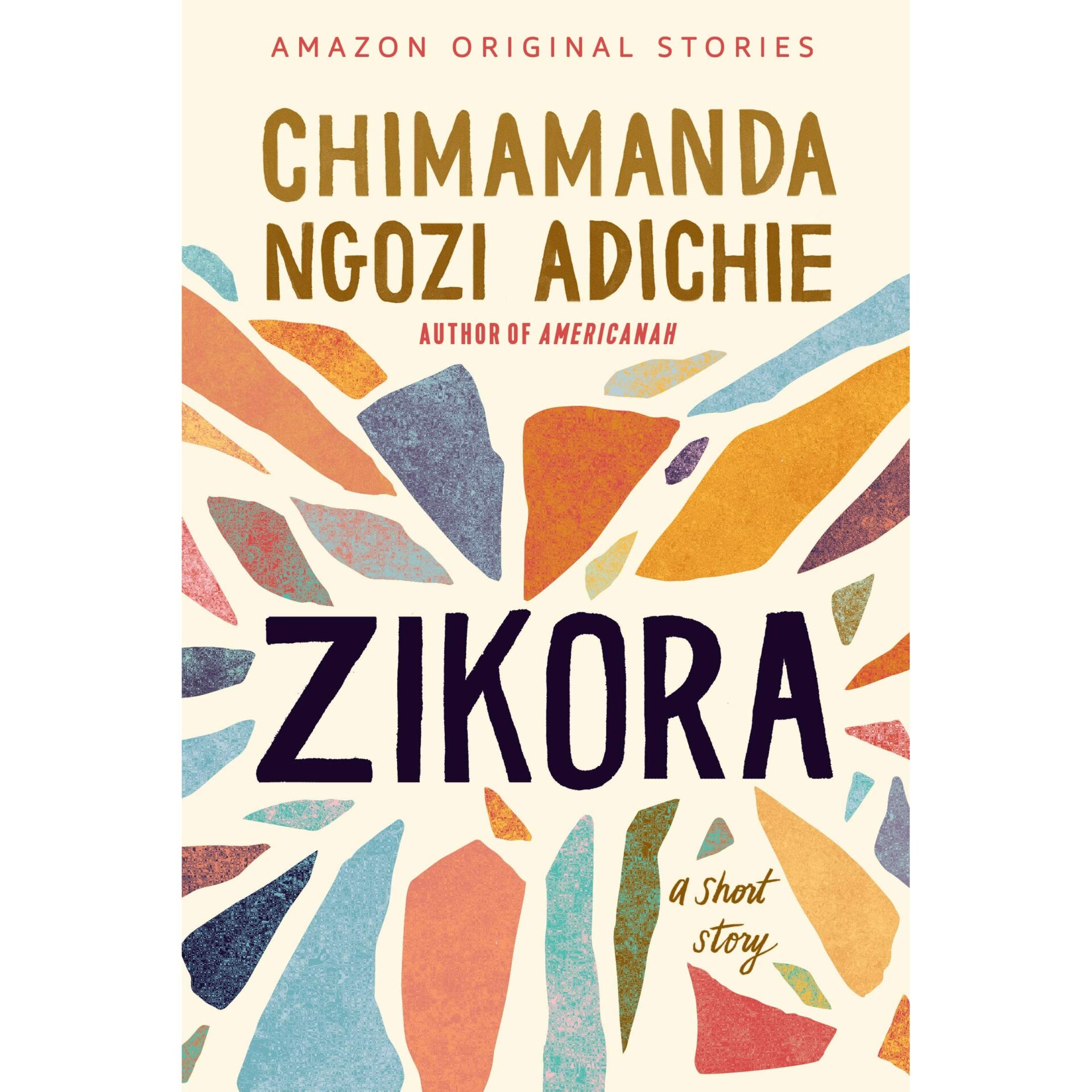
Hopefully, the reading of a book as this will enlighten men and generally educate people in the making of the right choices regarding amatory unions.
READ MORE

July 20, 2025 .
Opinions
Book recommendations from random places don’t always cut it, and you often end up feeling unsatisfied with them.
READ MORE
September 2, 2025 .
African Literature
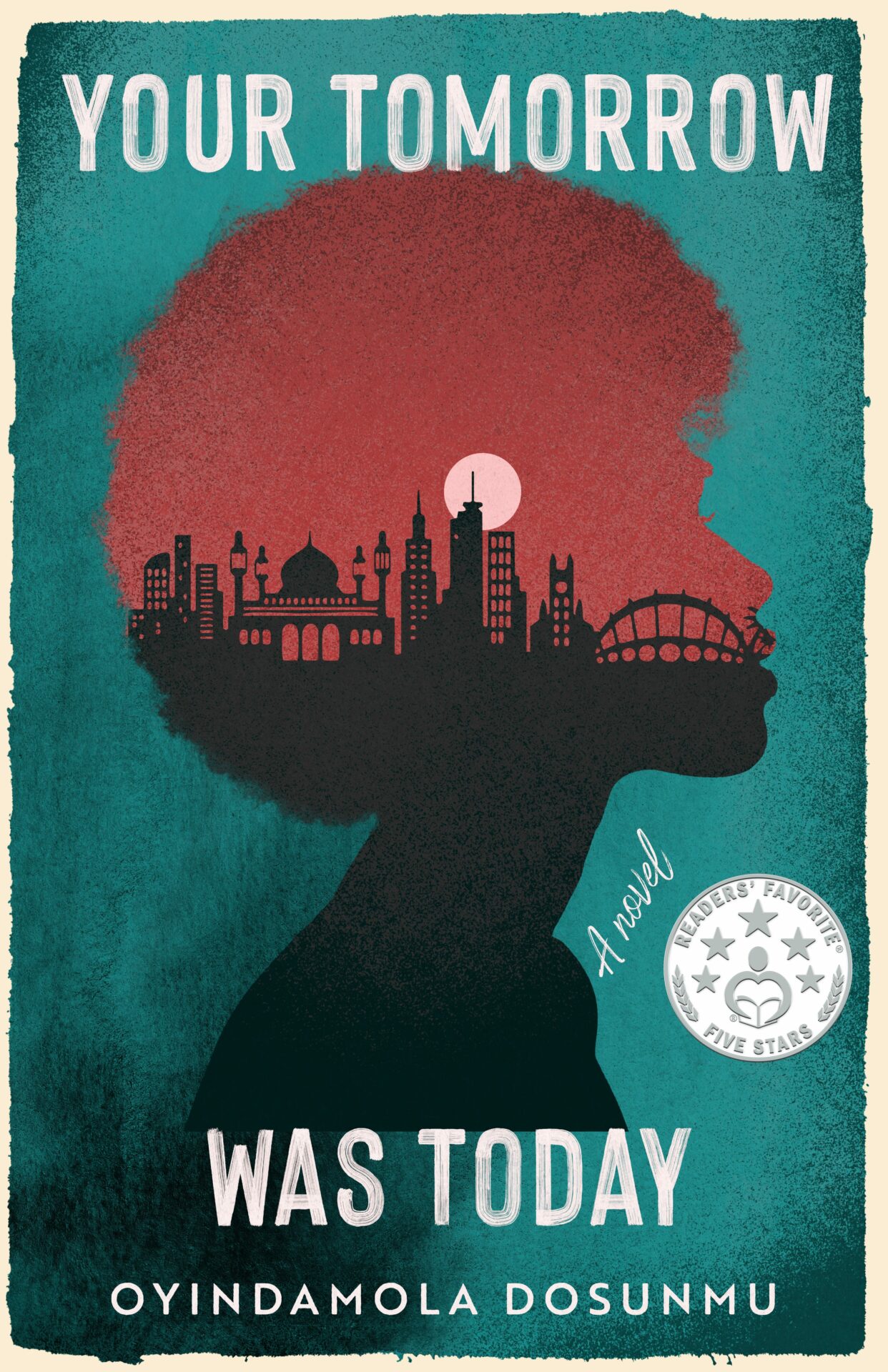
So yes, Your Tomorrow Was Today is guaranteed to be a book that will touch you, regardless of gender, interests or philosophy.
READ MORE

October 24, 2021 .
Netflix, Psychopaths, Serial Killer, Thriller, You S3
READ MORE

November 2, 2025 .
Netflix, Psychopath, Serial Killer, You S1, You S2
Oh, and Joe is also a stalker and serial killer who believes he’s helping his ‘love interests’ by killing people he thinks are a threat or bad influence to them
READ MORE
July 18, 2022 .
akwaekeemezi, youmadeafoolofdeathwithyourbeauty
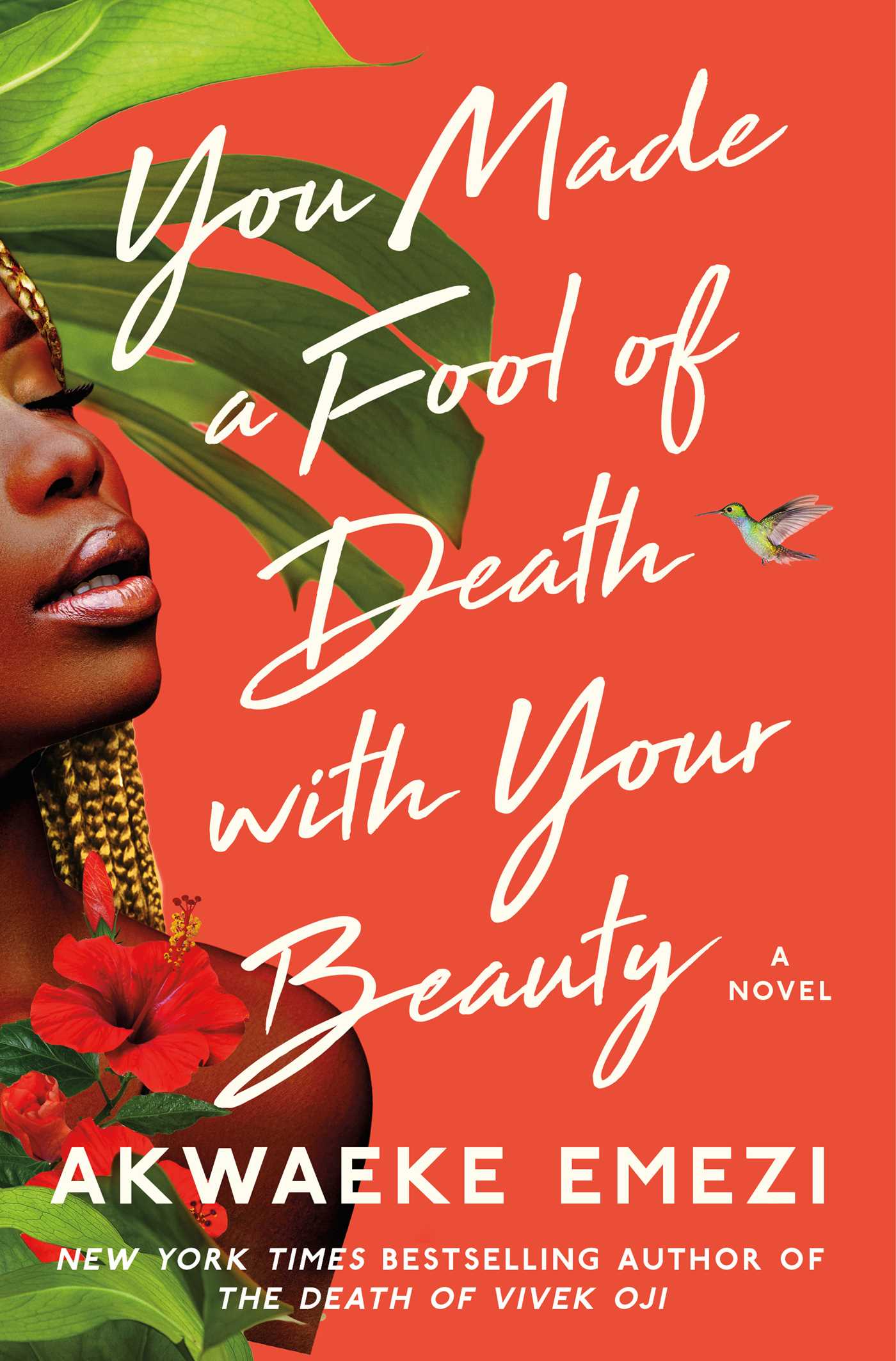
I have reread it for the 100th time since its release, and I still do not feel full… I very much recommend this book with all the gods in my village backing me!
READ MORE
February 19, 2022 .
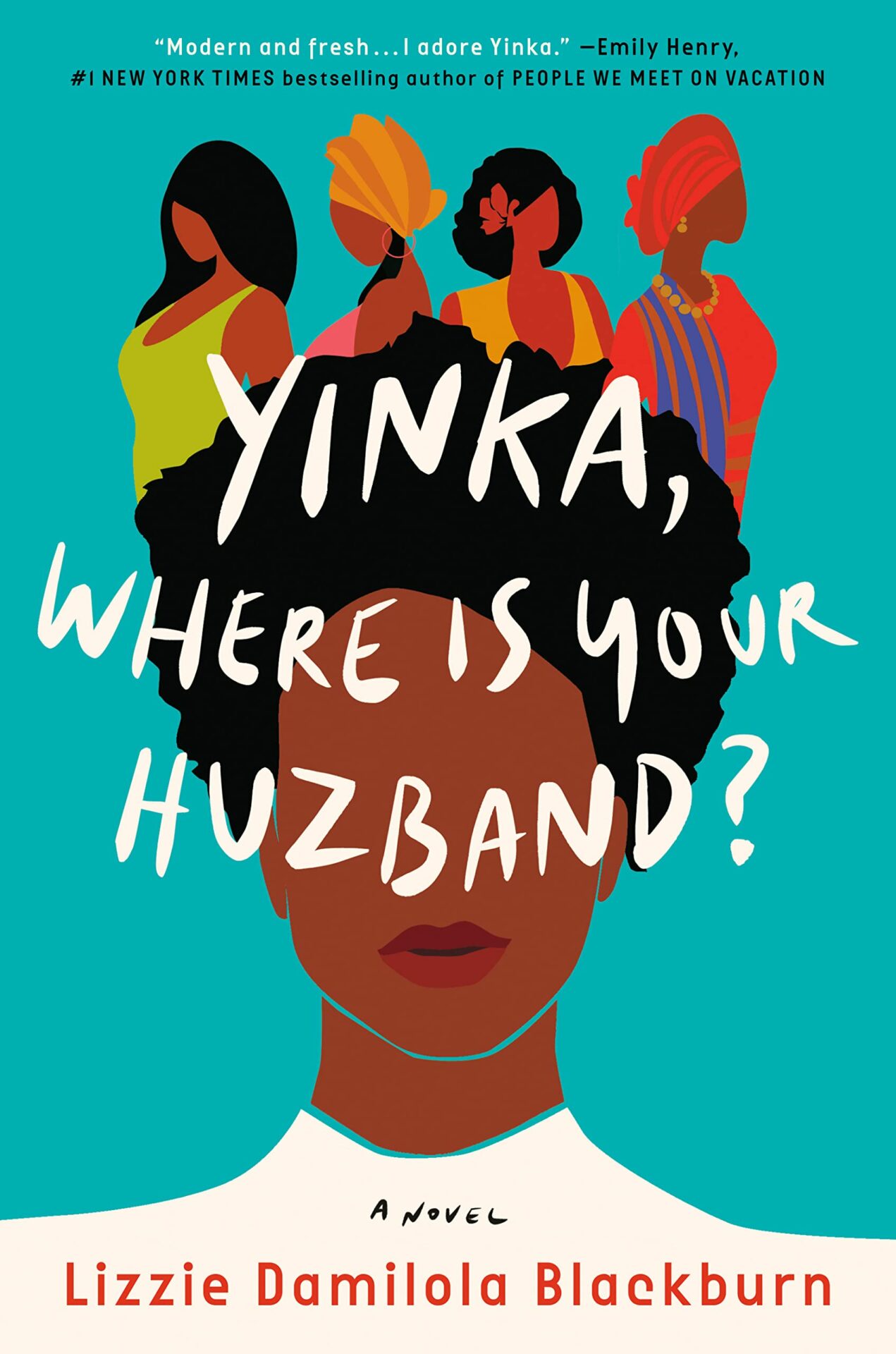
African Literature, Book Reviews, British Nigerian, lizziedamilolablackburn, Nigerian, Self growth, yinkawhereisyourhuzband
READ MORE

July 24, 2023 .
contemporary
The story exposed some of the tricks and techniques of the publishing world and how small and sometimes brutal the industry can be.
READ MORE

July 20, 2025 .
Writer Resources
Discover the differences in First-Person Point of View and Third-Person POV, and how each impacts character connection and narrative style.
READ MORE

Get our magazine for free!